

According to pretty scientific poll, 70% of my followers still have magnetic stripes in their credit cards—which is technology from the 1970s! Here's a short thread about some of the similar encoding systems that are all around us.

Nowadays, barcodes can be found in nearly every product we buy in stores. Developed in the 1950s, barcodes were originally based on the Morse code.

The square-shaped QR codes were invented in the 1990s. The Japanese spare parts manufacturer, Denso Wave, developed the quick response (QR) code for marking spare parts packages in 1994. Pictured: Masahiro Hara of Denso Wave.

Compared to the traditional barcode, the main benefit of the QR code is that it can contain any data: text, numbers, contact information, login information for a Wi-Fi access point, or web addresses.

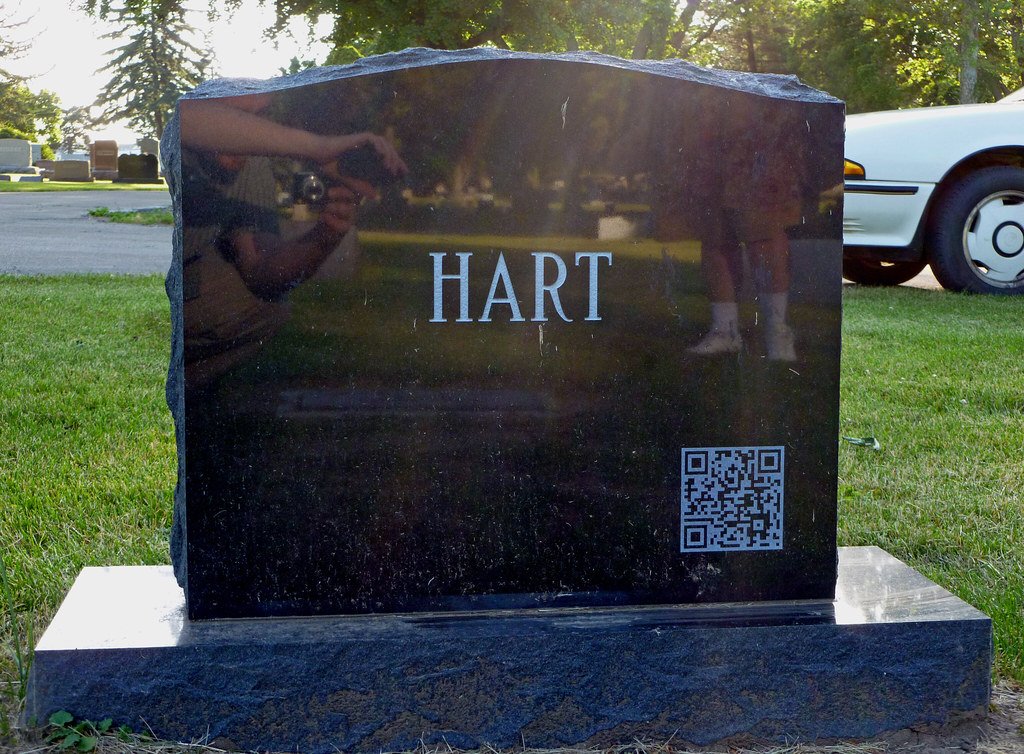
The QR standard supports QR codes of up to 2,953 bytes in size (luckily, you never see codes this massive). QR codes are even carved into tombstones, as seen on the back of Michael Hart's grave marker (Mr. Hart invented the e-book and founded the Project Gutenberg).
In 2007, coder Justin Watt wrote an article on QR codes on his blog, with a sample image linked to his website at justinsomnia.org
The image in Justin’s blog became the top result for the search term 'qr code'. This led to a surprising outcome: Justin’s QR code appeared on posters, T-shirts, and TV commercials around the world. Like here, in a BlackBerry ad.
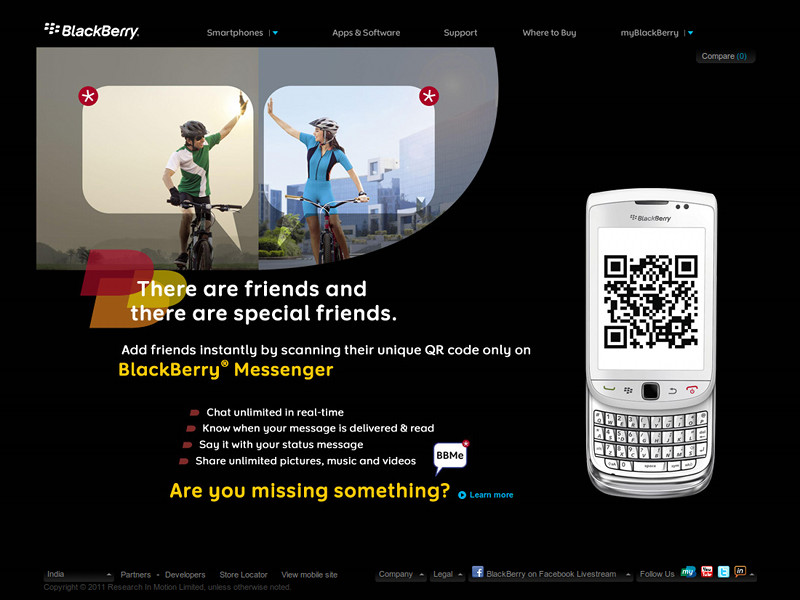
Wanting to add a QR code to their productions, designers and advertising agencies had used the first QR code they could find as a placeholder for the design stage—that is, the one that was the top result on Google Image Search.
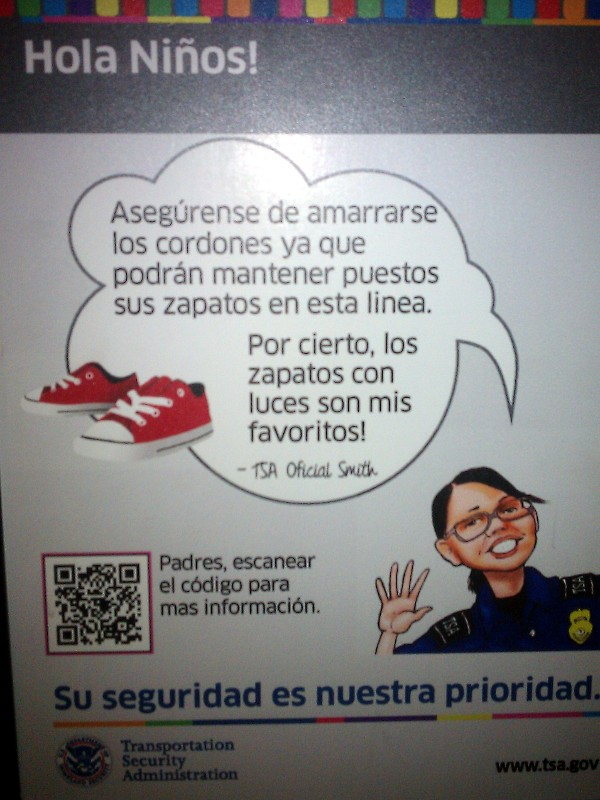
Unfortunately, because barcodes and QR codes all look the same to us humans, the placeholder QR code (linking to the wrong website) was surprisingly often retained in the final advertisement or poster. Here's one example:
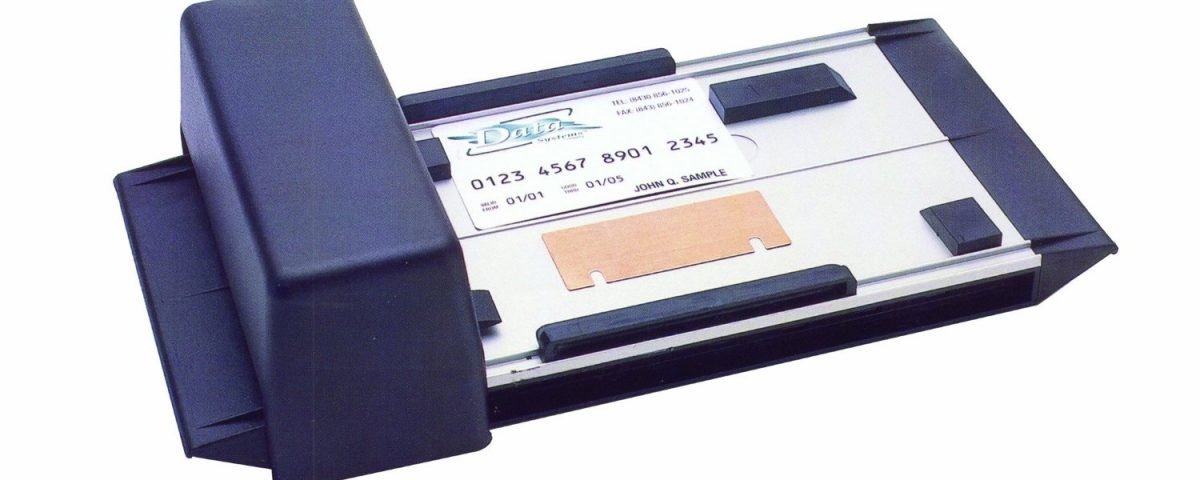
The credit cards in our wallets contain a surprising range of codes. In the early days, their embossed credit card numbers were transferred using carbon paper and an imprinter upon payment.
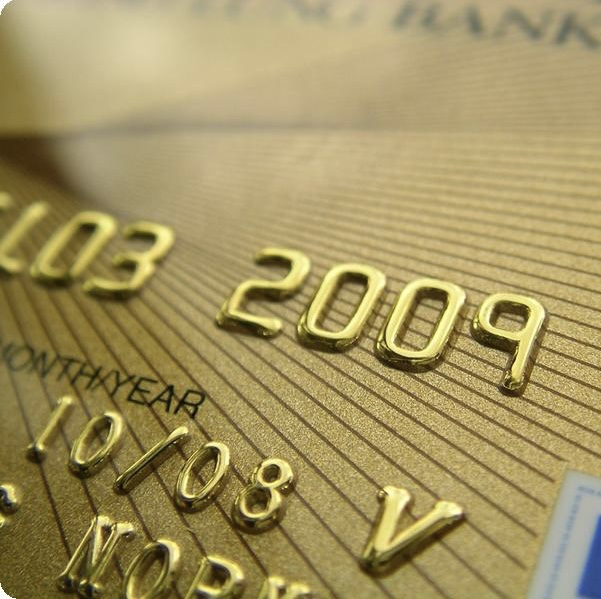
Later, a magnetic stripe, then an EMV chip and, finally, an RFID/NFC circuit made contactless payments possible. Many modern credit cards have all of these, making new credit cards compatible with the same “knuckle buster” imprinters used to process payments in the 1950s!
This story is from my new book, which is filled with stuff like this. ifitssmartitsvulnerable.com
PS. Someone asked what a 2953-byte QR code looks like, so here you go.

Loading suggestions...