

Warren Buffett said Airline business is the WORST investment anyone can make
But Rakesh Jhunjhunwaala was extremely BULLISH on Aviation Sector in India, and BUILT one himself
Here’s how RJ’s AKASA AIR is creating the most profitable airline in the world:
But Rakesh Jhunjhunwaala was extremely BULLISH on Aviation Sector in India, and BUILT one himself
Here’s how RJ’s AKASA AIR is creating the most profitable airline in the world:
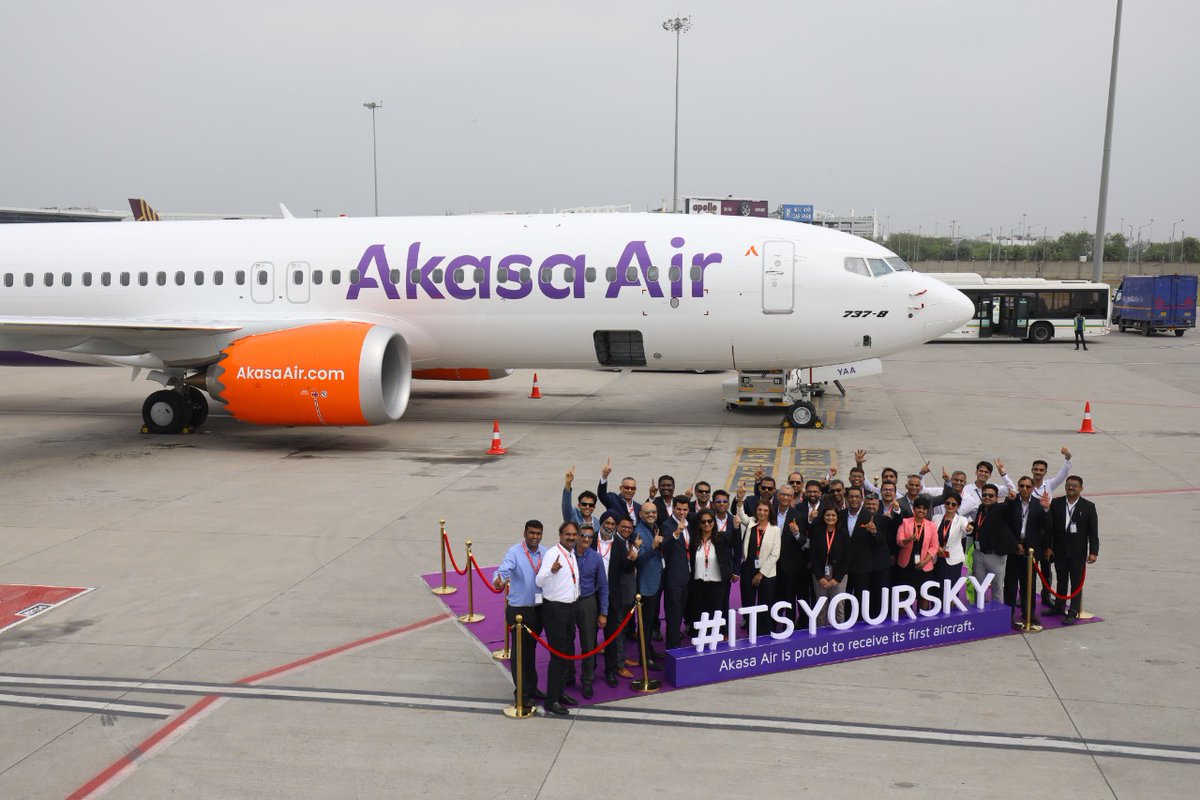
Do you know how Radhakishan Damani turned D-Mart into one of the most successful businesses in India?
Well because he was an investor first and an entrepreneur later.
He was able to evaluate a business from an investor’s point of view.
Well because he was an investor first and an entrepreneur later.
He was able to evaluate a business from an investor’s point of view.
The same goes for his best friend Rakesh Jhunjhanwala.
He wanted to build an investable company in the aviation sector with strong financials and strong MOAT.
He understood this phrase: "If you want to be a Millionaire, start with a billion dollars and launch a new airline."
He wanted to build an investable company in the aviation sector with strong financials and strong MOAT.
He understood this phrase: "If you want to be a Millionaire, start with a billion dollars and launch a new airline."
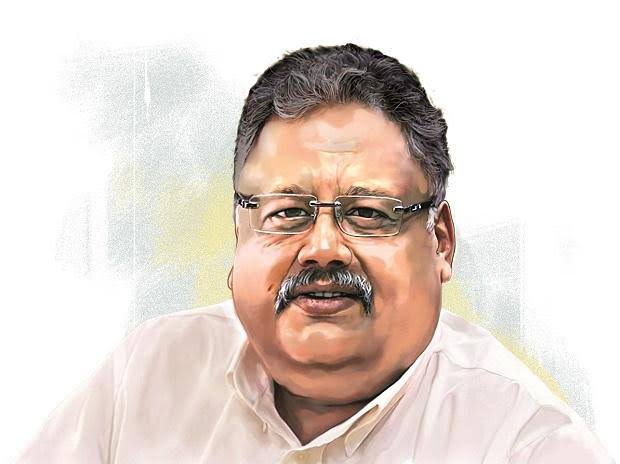
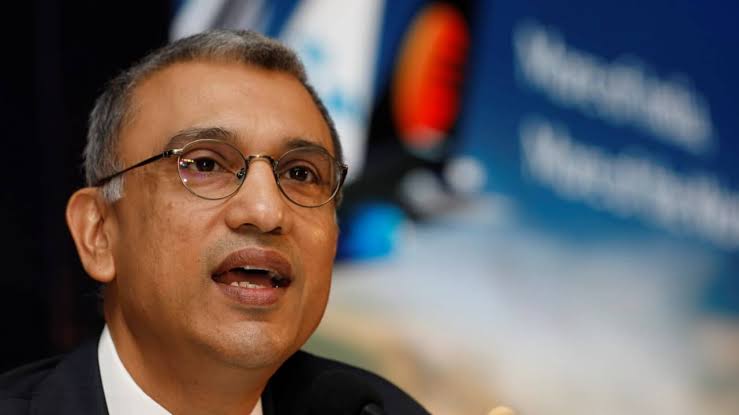
That’s why he analyzed all the problems of the aviation industry first and tried to fix them while developing his model along with
Vinay Dube- CEO & Co-Founder of Akasa Air.
According to him, the aviation industry is still an untapped territory with huge potential.
Vinay Dube- CEO & Co-Founder of Akasa Air.
According to him, the aviation industry is still an untapped territory with huge potential.
The aviation industry has been unprofitable for several decades.
Even Warren Buffet is one of the biggest critics of aviation stocks.
But RJ has been very bullish on this sector and he wanted to prove everyone wrong by changing the course of this very industry.
Even Warren Buffet is one of the biggest critics of aviation stocks.
But RJ has been very bullish on this sector and he wanted to prove everyone wrong by changing the course of this very industry.
Before knowing more about Akasa Air
— first, let's understand the aviation industry itself.
There's no doubt that the aviation industry provides an indispensable service and plays a vital role in the global economy.
— first, let's understand the aviation industry itself.
There's no doubt that the aviation industry provides an indispensable service and plays a vital role in the global economy.

It's an over-competitive oligopoly market with a handful of multi-billion dollar co.s
— but almost all of them got chewed up at one point or another.
1. Kingfisher collapsed in 2012.
2. Jet Airways has a new owner now.
— but almost all of them got chewed up at one point or another.
1. Kingfisher collapsed in 2012.
2. Jet Airways has a new owner now.
3. Spicejet almost failed but its founders revived the company in 2015.
4. And finally, Air India got bailed out by the govt. and resold to Tata Sons.
There are 2 major factors due to which investors burn their money.
4. And finally, Air India got bailed out by the govt. and resold to Tata Sons.
There are 2 major factors due to which investors burn their money.
- HIGH COST OF ACQUISITION, OPERATIONS, AND MAINTENANCE.
- UNFORESEEABLE & UNCERTAINTY OF DEMAND.
Akasa Air targeted these exact two problems with their exceptional strategies while envisioning the transformation of India's air transportation ecosystem.
- UNFORESEEABLE & UNCERTAINTY OF DEMAND.
Akasa Air targeted these exact two problems with their exceptional strategies while envisioning the transformation of India's air transportation ecosystem.
Now let's see how they are building a product with fundamentally different strategies.
1.
Akasa Air is focusing on PROFITABILITY rather than market share. It is for the first time that an airline is not trying to capture the market by going into a price war with other co.s.
1.
Akasa Air is focusing on PROFITABILITY rather than market share. It is for the first time that an airline is not trying to capture the market by going into a price war with other co.s.
They're working on reducing the overall cost and increasing the demand for their product.
For cost reduction- they've been capitalizing on almost every opportunity and adopting different models.
To reduce the ACQUISITION COST, Akasa Air GOT IN BED WITH BOEING.
For cost reduction- they've been capitalizing on almost every opportunity and adopting different models.
To reduce the ACQUISITION COST, Akasa Air GOT IN BED WITH BOEING.
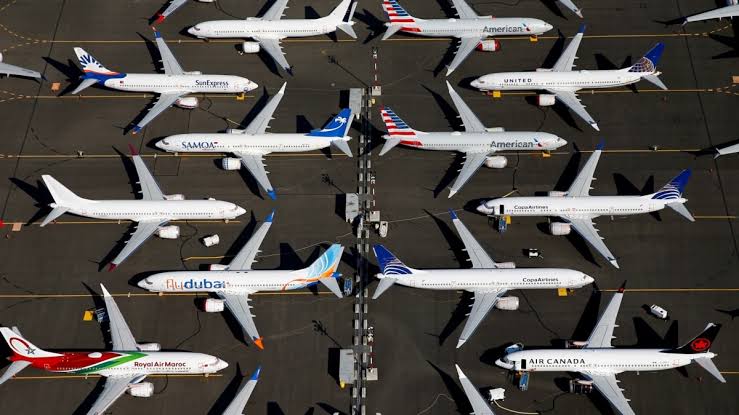
You see in the airline business, co.s spend a major part of their capital on air carriers because they're their main assets for profit generation.
In India, although AIRBUS dominates the sky, Akasa Air has gone for BOEING 737 MAX.
In India, although AIRBUS dominates the sky, Akasa Air has gone for BOEING 737 MAX.

This is because Boeing offered a substantial discount to Akasa on their bulk buy as they are going through tough times.
They lost their market share when 737Max got grounded after two subsequent crashes and the Covid-19 pandemic.
They lost their market share when 737Max got grounded after two subsequent crashes and the Covid-19 pandemic.
This increased their overall profitability.
Now to reduce the OPERATIONAL COST, Akasa adopted ULTRA-LOW-COST CARRIERS as their business model.
It's a pretty simple model to cut all the expandable costs of an airline.
Now to reduce the OPERATIONAL COST, Akasa adopted ULTRA-LOW-COST CARRIERS as their business model.
It's a pretty simple model to cut all the expandable costs of an airline.
They
- stuff as many seats as possible onto the plane
- fly more hours
- utilize all the remaining places for advertising and
- charge separately for every possible service like checked-in baggage, cabin baggage, etc.
- stuff as many seats as possible onto the plane
- fly more hours
- utilize all the remaining places for advertising and
- charge separately for every possible service like checked-in baggage, cabin baggage, etc.
Airlines cut their cost in this way to STIMULATE the NEW DEMAND with the LOWEST POSSIBLE FARES.
But this model comes with its own challenges. ULCC implies lower revenue and lower margins.
And hence this makes it harder for the airlines to sustain in a long run.
But this model comes with its own challenges. ULCC implies lower revenue and lower margins.
And hence this makes it harder for the airlines to sustain in a long run.
2.
Akasa is DEMOCRATIZING SKIES.
They're more focused on establishing the pan-India presence which means they're trying to include 'the whole of India'
— by linking tier 2 & 3 cities more efficiently.
Akasa is DEMOCRATIZING SKIES.
They're more focused on establishing the pan-India presence which means they're trying to include 'the whole of India'
— by linking tier 2 & 3 cities more efficiently.
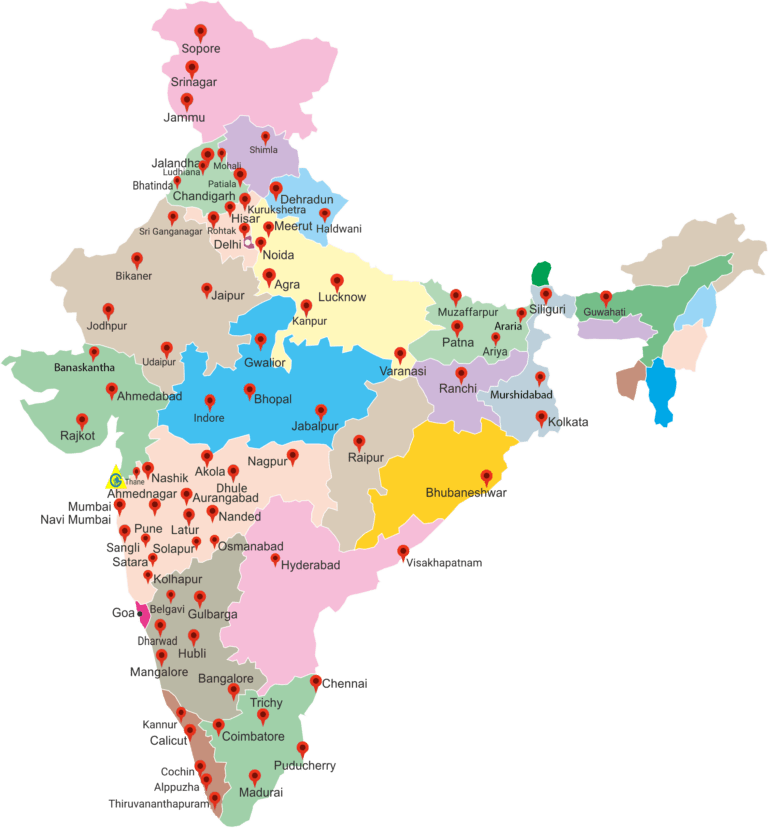
The co. is already working closely with Pvt airport operators as well as AAI.
With increasing disposable income and decreasing airfares, better availability and connectivity will enhance the customer base of Akasa.
Result? Increase in demand and profits.
With increasing disposable income and decreasing airfares, better availability and connectivity will enhance the customer base of Akasa.
Result? Increase in demand and profits.
3.
Every airline only adopts a customer-centric approach.
They drop their fares and try to provide their customers with world-class amenities.
But here as well, Akasa opted for a slightly different approach. After all, they are using their start-up spirit.
Every airline only adopts a customer-centric approach.
They drop their fares and try to provide their customers with world-class amenities.
But here as well, Akasa opted for a slightly different approach. After all, they are using their start-up spirit.
They are valuing their employees by granting them stock options to enhance their retention rates and engagement.
They understand the importance of employee satisfaction along with a diversified & healthy work environment because unsatisfied employees costs more.
They understand the importance of employee satisfaction along with a diversified & healthy work environment because unsatisfied employees costs more.

4.
All of us can agree on one thing- the FATE OF A CO. RESTS IN THE HANDS OF ITS MANAGEMENT.
RJ knew the importance of efficient and credible leadership.
After all, as investors, we always look up to the quality of management of a co.
All of us can agree on one thing- the FATE OF A CO. RESTS IN THE HANDS OF ITS MANAGEMENT.
RJ knew the importance of efficient and credible leadership.
After all, as investors, we always look up to the quality of management of a co.
So he got aviation industry veterans along with various industry leaders to turn his vision into reality.
This will strengthen their position in the market.
This will strengthen their position in the market.
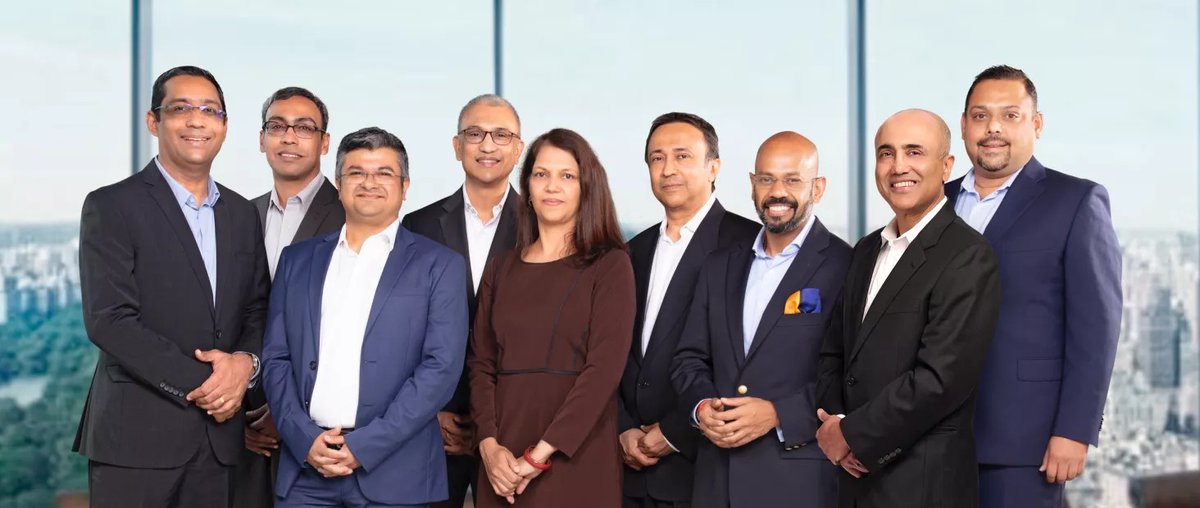
There are so many more details that we can point out, but all the elements are trying to do the same thing
— making air travel more INCLUSIVE AND AFFORDABLE for the masses regardless of their socio-economic or cultural backgrounds.
— making air travel more INCLUSIVE AND AFFORDABLE for the masses regardless of their socio-economic or cultural backgrounds.
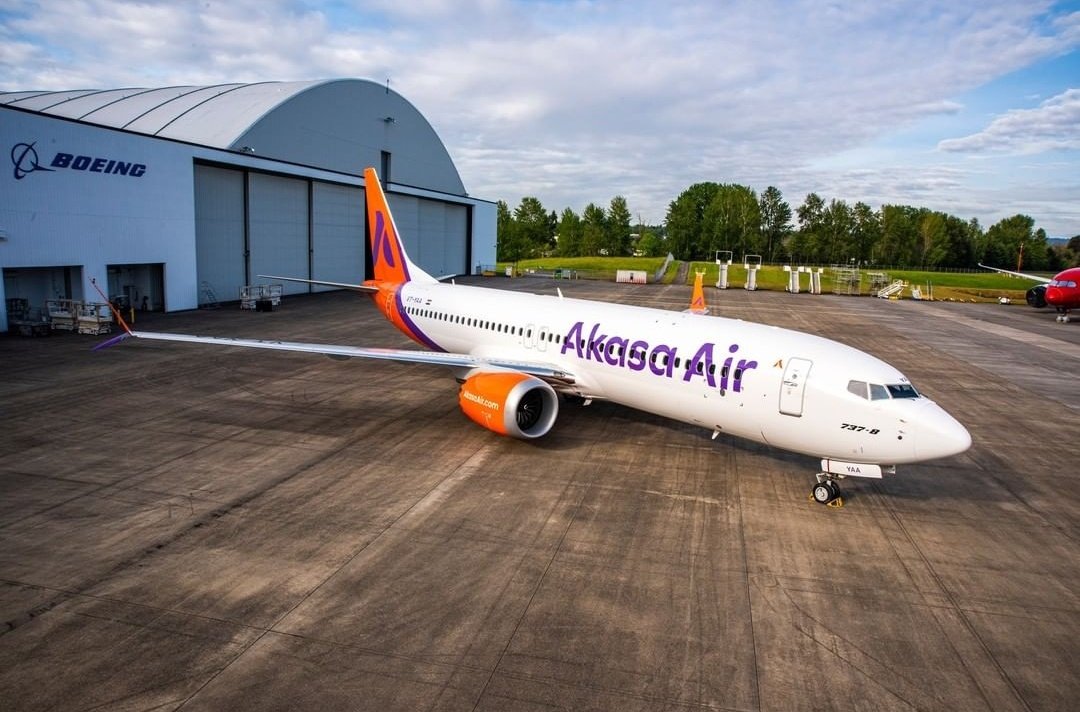
Of course, the future is uncertain but this well-capitalized company with a sustainable cost structure, affordable fares, reliable operations, and efficient customer services believes in its vision.
IT'S YOUR SKY.
IT'S YOUR SKY.

If you liked this thread do ReTweet🔄 the first tweet and follow us @FinFloww for more.
Get our WhatsApp Newsletter daily here: chat.whatsapp.com
Something's cooking in our newsletters too
You're gonna love it.
Subscribe to stay tuned: getrevue.co
You're gonna love it.
Subscribe to stay tuned: getrevue.co
Loading suggestions...