

The Rail Head thread 🧵 A review on the use of Rail Heads (RHD) in the Corps/Divisional area. Point of embarkation is not considered given their fixed and well equipped nature, focussing on tactical far bank RHD.

1/Location. RHD will need to use existing rail network in the Corps assembly areas. Later in the operation more tactical RHD will be pushed forward into the Div and Bde areas for replenishment of specific comodities as demand is established to tempo of operations.


2/Threat. Rapid targetting of fixed and known RHD with drones in UKR has shown the need for a tactical approach. They should be transient, austere and a deliberate op with AA Def, concealment, suprise and security considered. A tactical RHD will only exist a short duration.
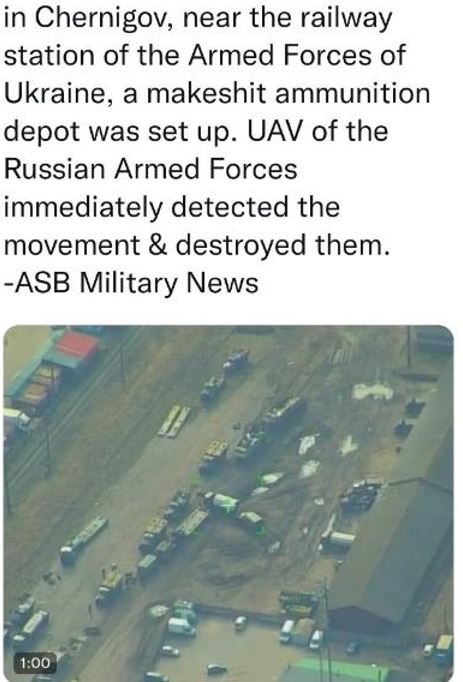
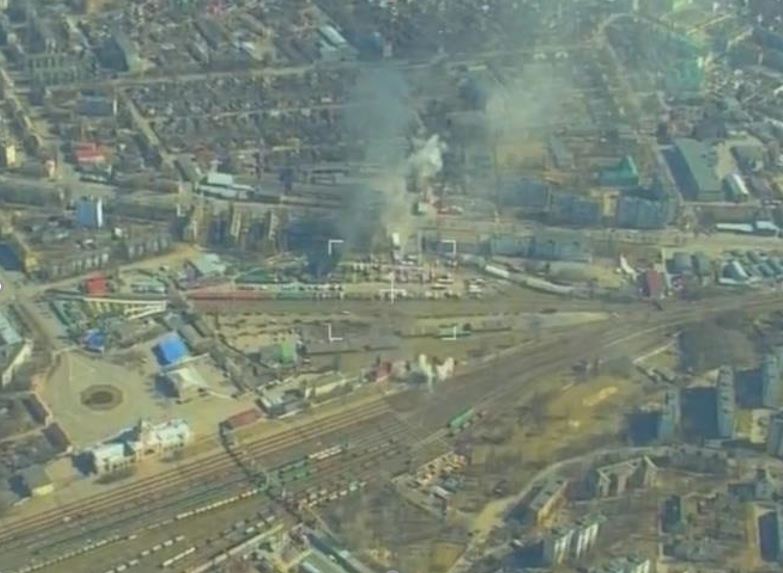
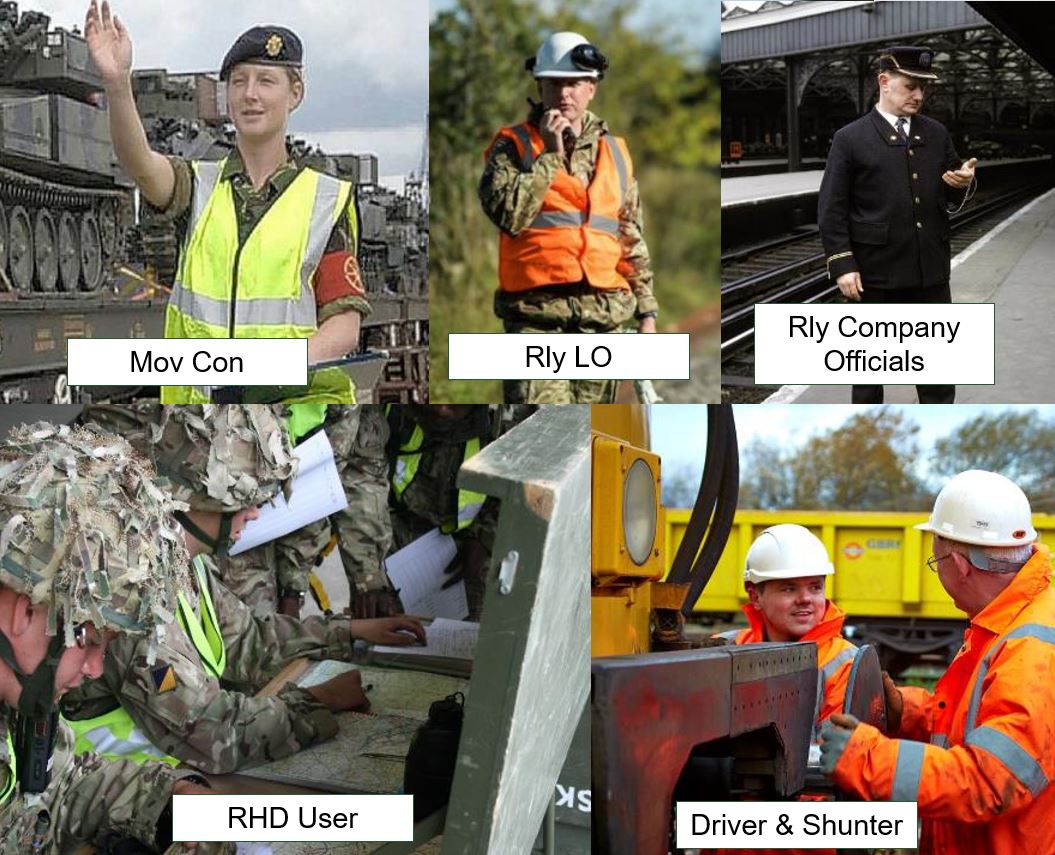
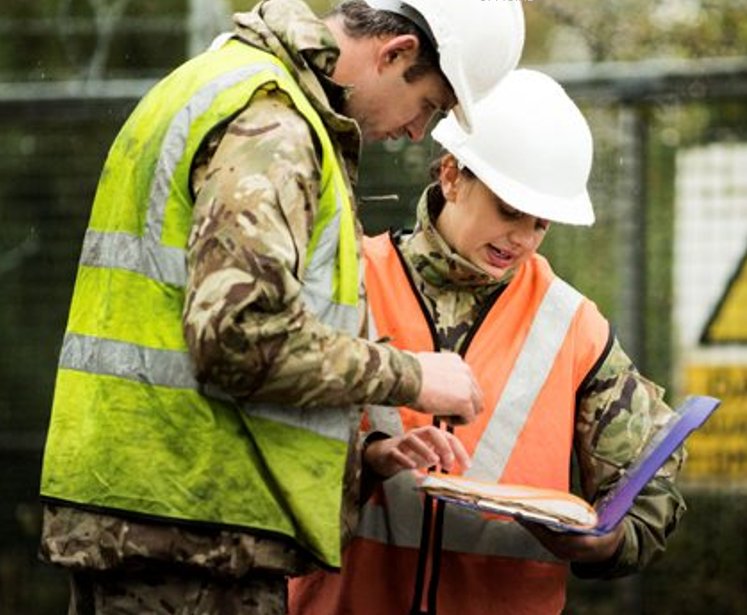
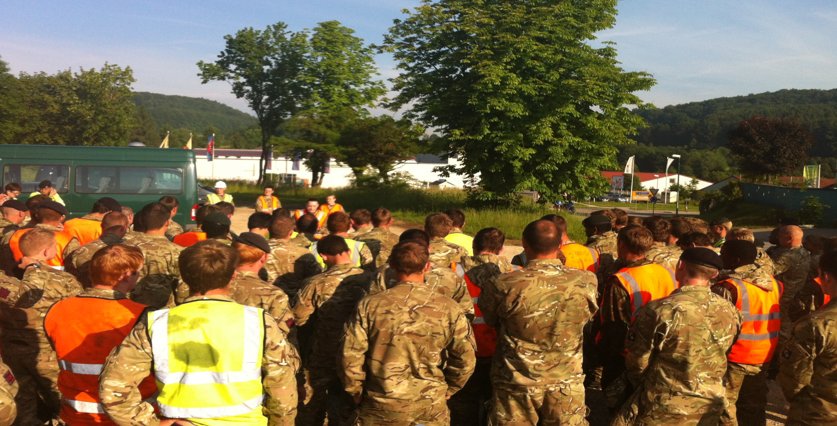
3/Stakeholders. RHD ops require a number of people to coordinate and run. MovCon, Rail Liason Officers (RLO), Rly company staff & drivers and the discharging unit. RLO should be soldiers with a railway background to coord the op, these are not peace time posts.
4/Planning & Delivery. RHD require a recce, security plan, consideration for infra works, plant demands, specialist tooling, admin areas, rehersals and road circuits. All parties need to be pre briefed and a HQ to run the RHD.
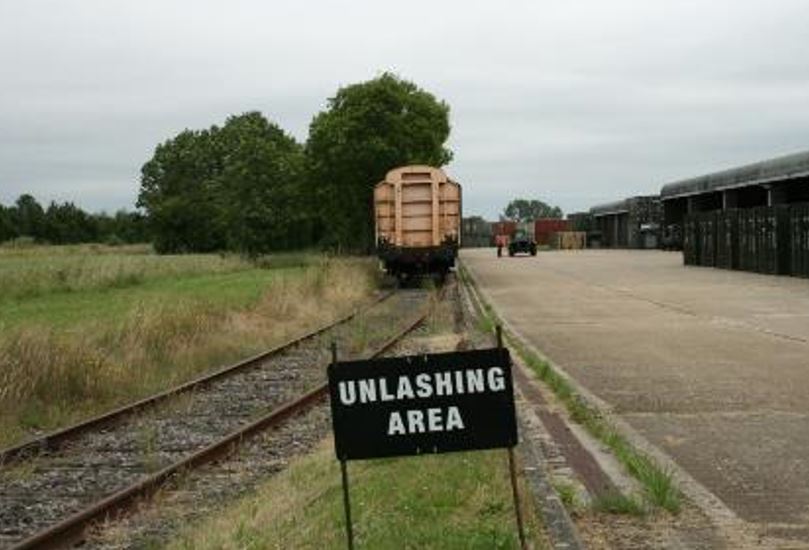

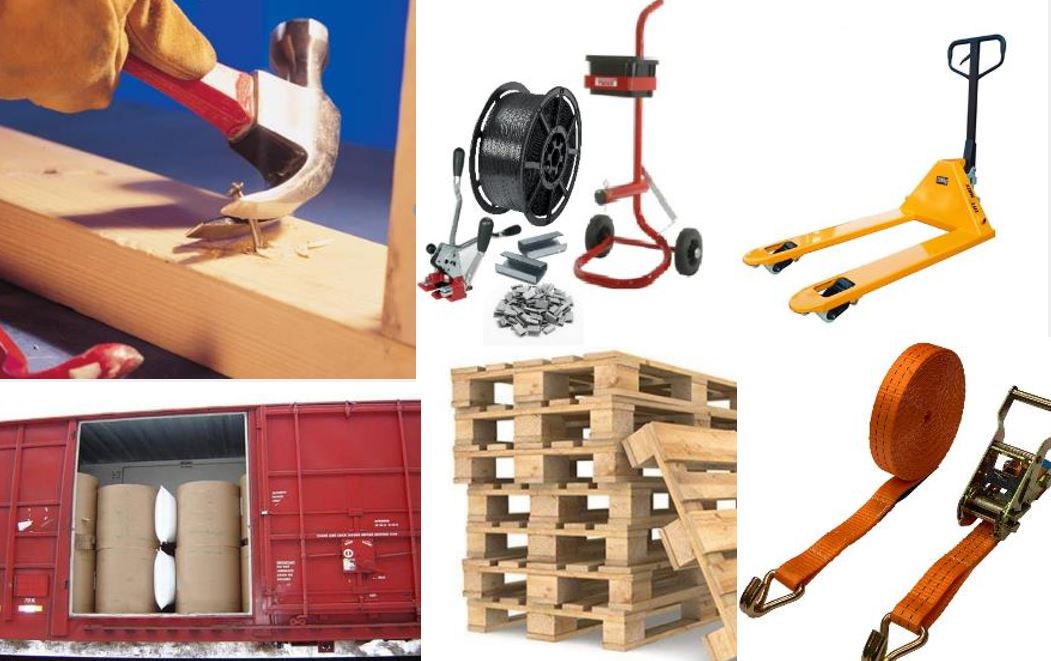
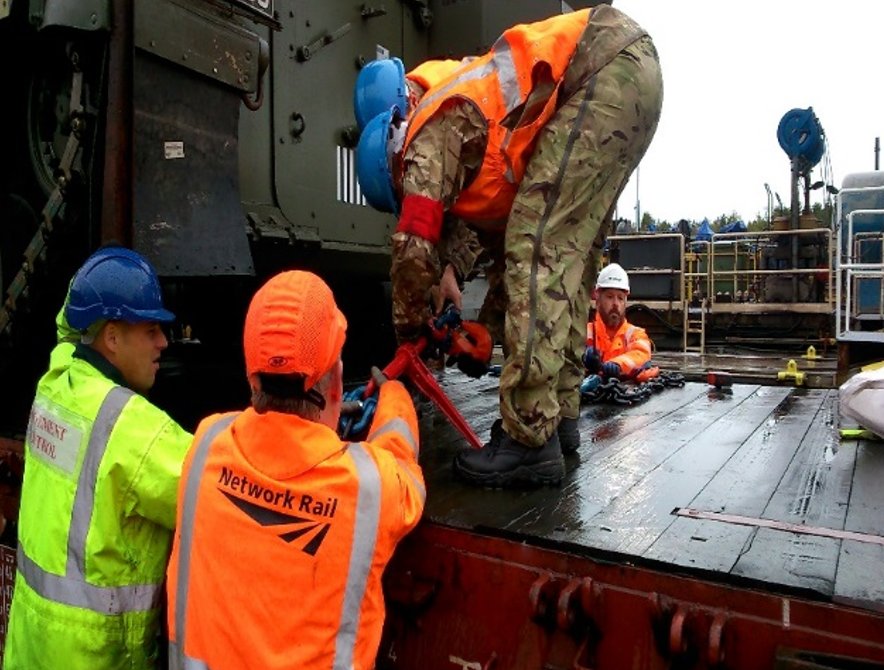
5/Equipment. Loads are often held in place by dunnage & nails, chocks and chains. This may need tooling to remove, pallet lifters to shift pallets, spare pallets and banding kit to repair damaged loads prior to transhipment.
6/Commodity specific RHD. General purpose RHD are large and an obvious target. Focussing tactical RHDs onto one commodity group such as pallet stock CSUPS can be quicker to unload the train and dismantle the facility. This reduces targetting risk.
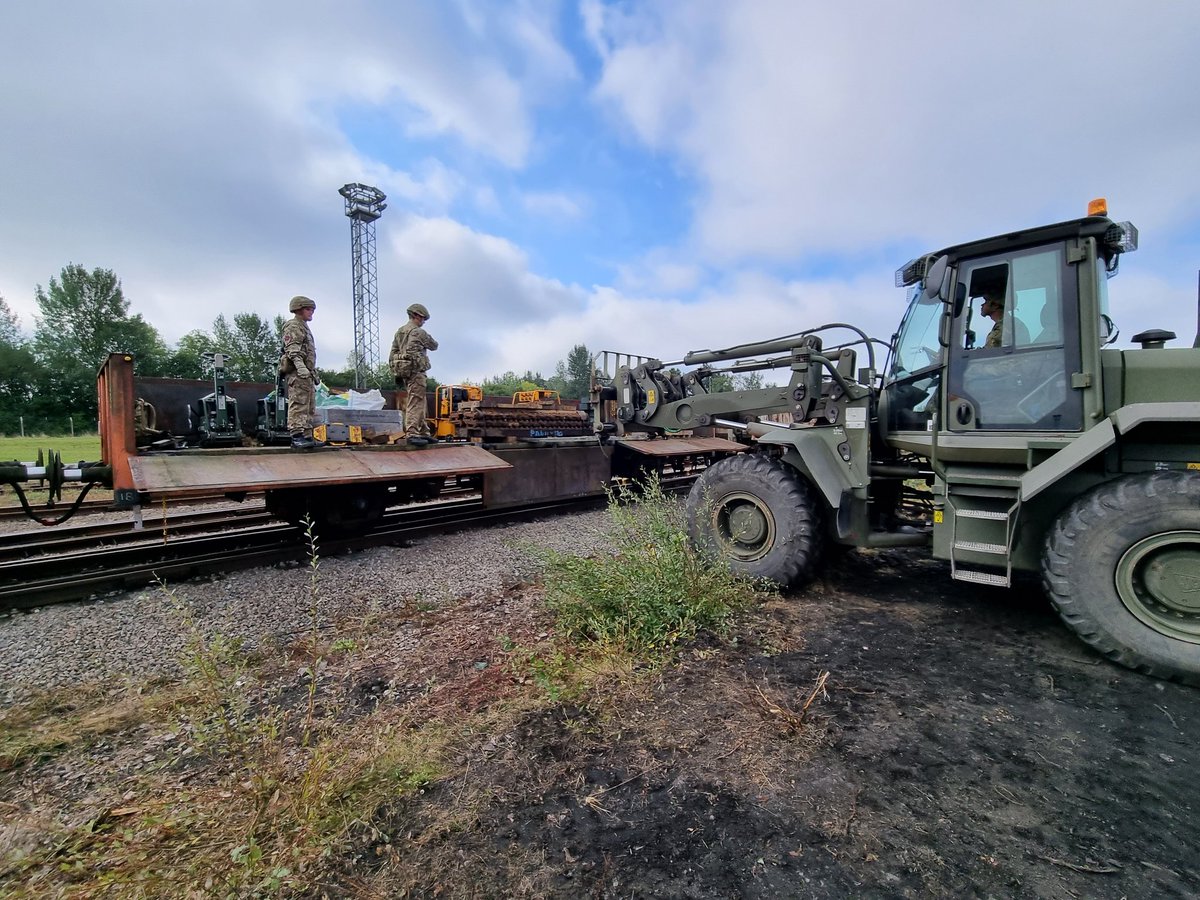
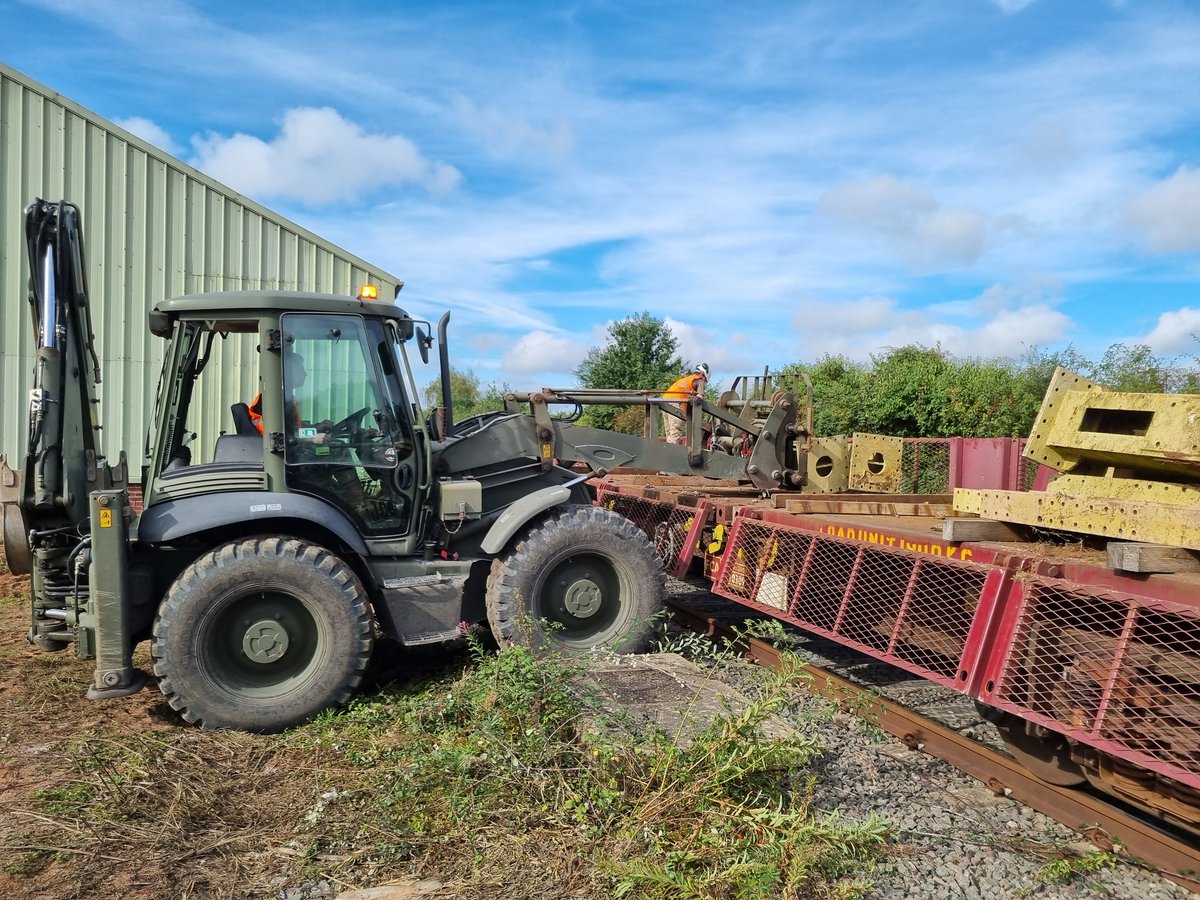
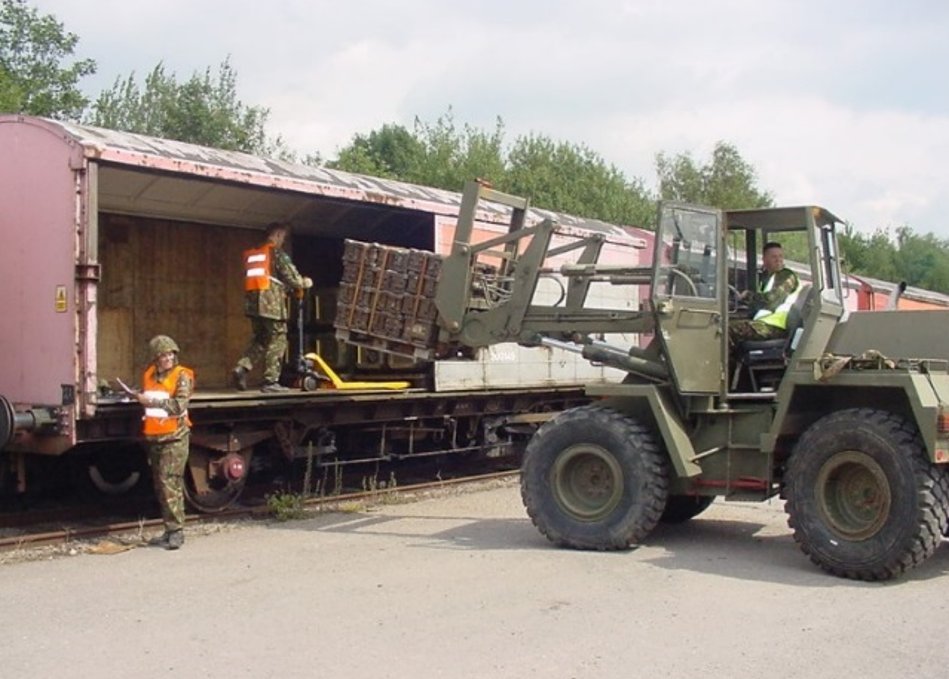
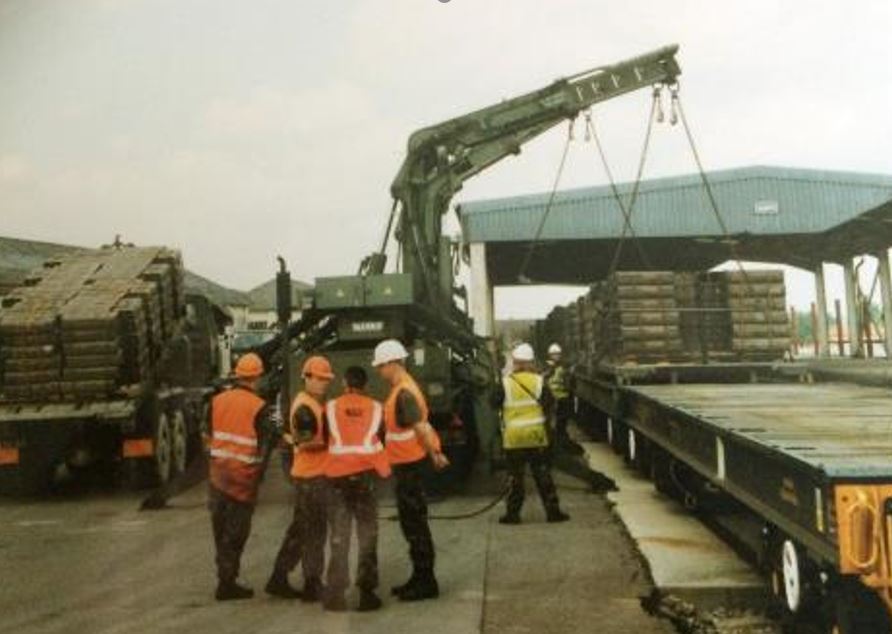
7/Palletised stock. Used for CSUPs, Ammo and other pallet stock. Needs a small turning circle on flat and well drained ground. Enhance with hard standing. Use forks to unload, increase numbers for quicker discharge straight to trucks. Ground dumping pallets is waste.
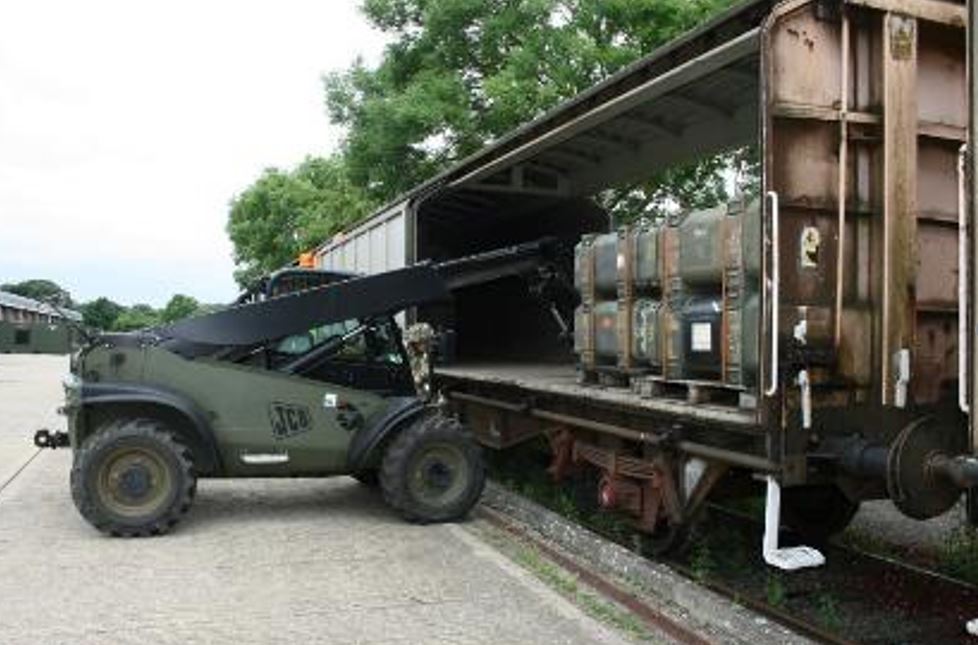
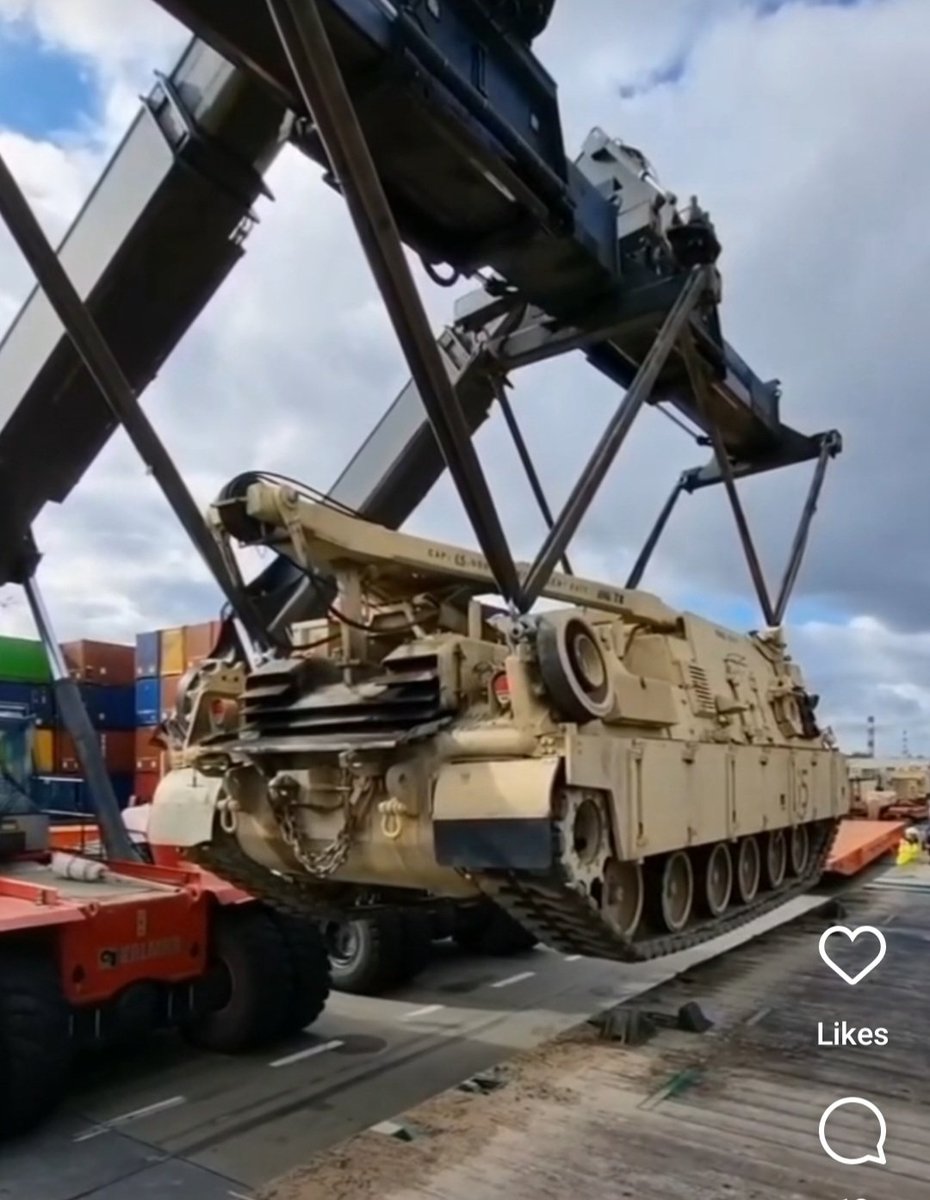
8/Containers. Container handlers need wide turning circles and hard standing. Rough terrain container handlers are large but can work on unprepared flat ground and need HET moves to get to site. Trucks need to be ready to recieve containers, ground dumping is waste.
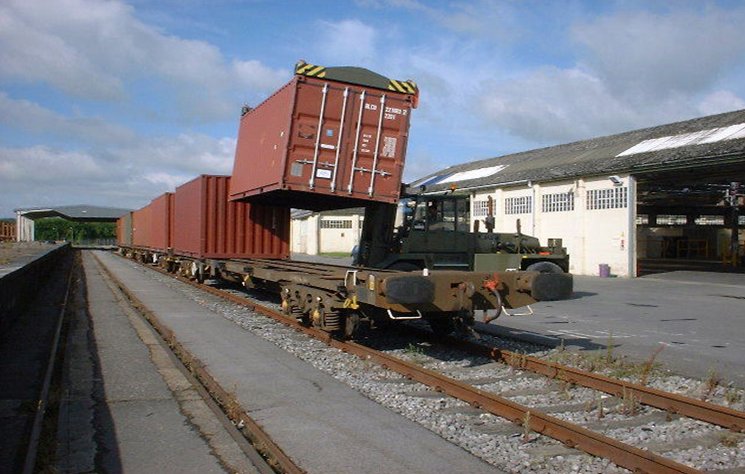
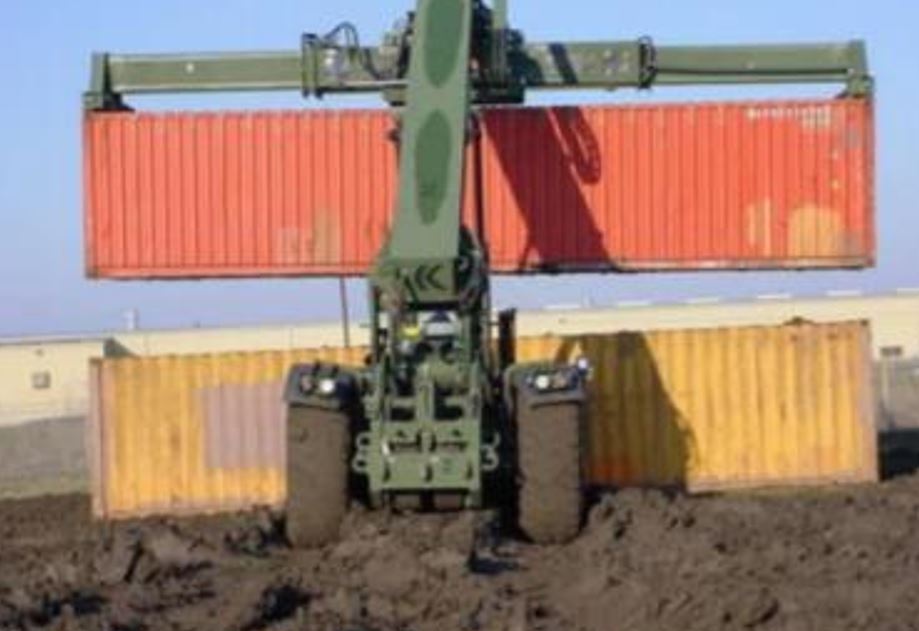
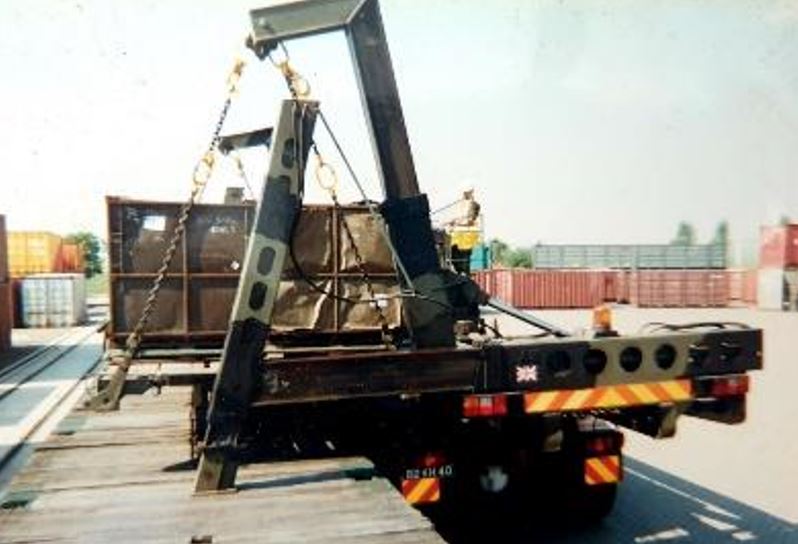
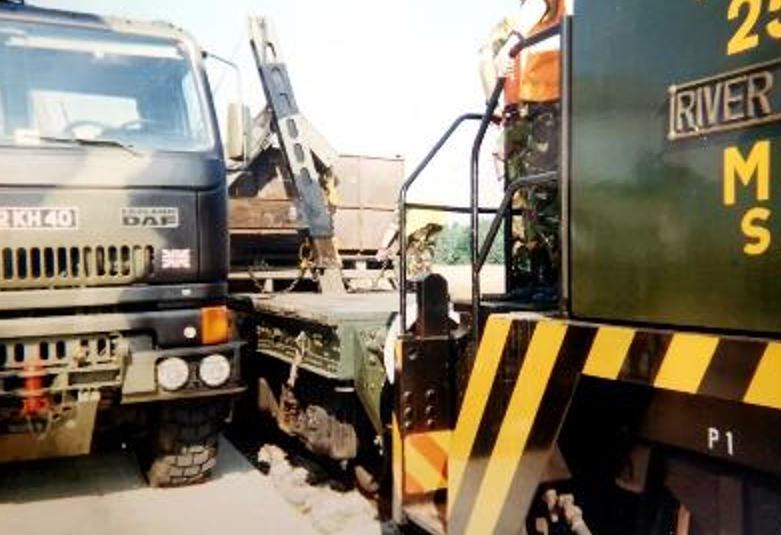
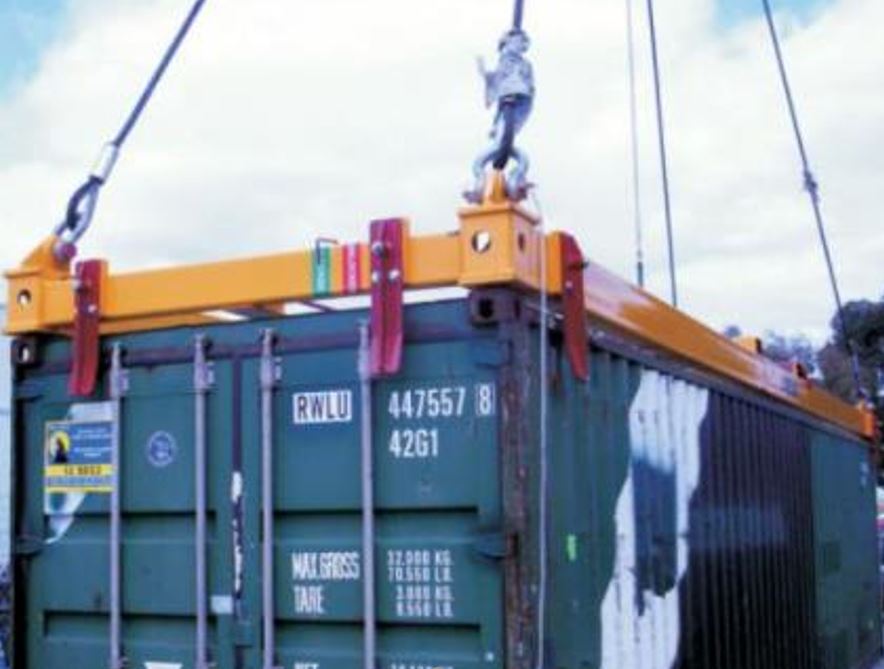
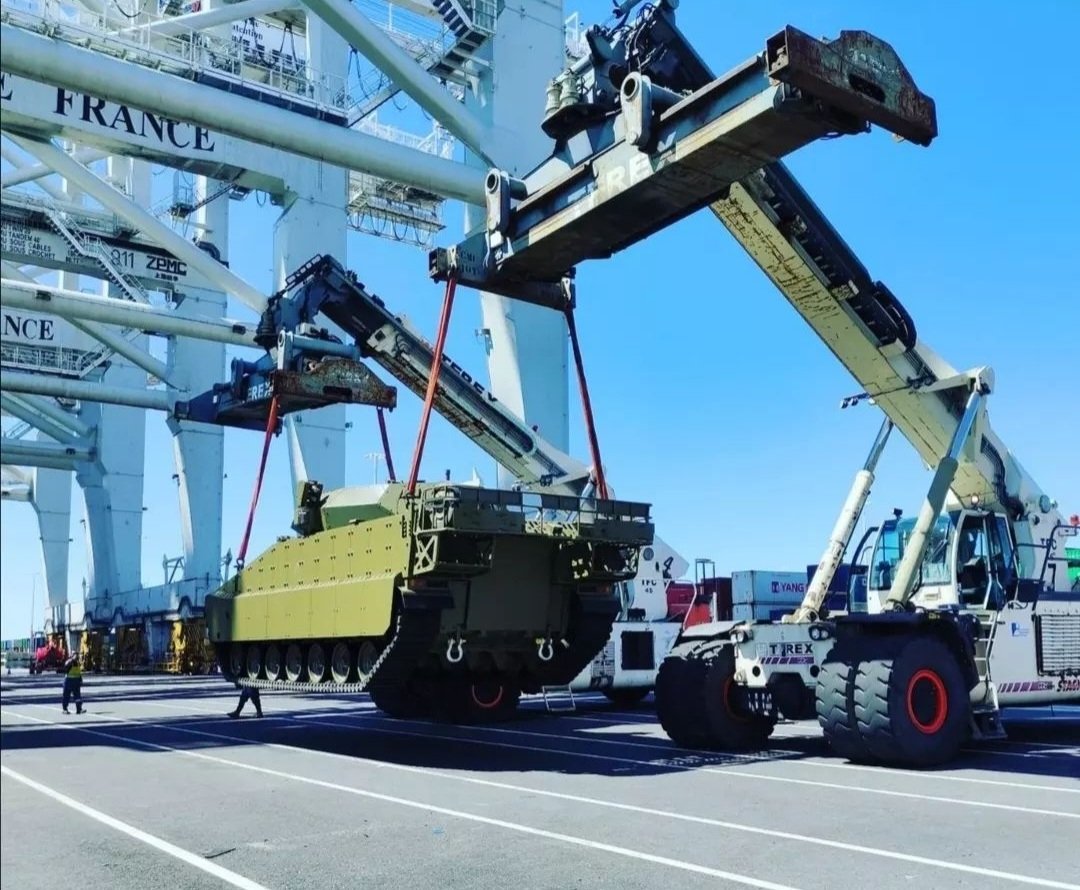
9/Container handling. There are other options for container handling such as side loaders like RTE/SRTE or using container frames for use with cranes. Tactically these solutions are quicker to deploy to forward RHD but slower to unload the train.
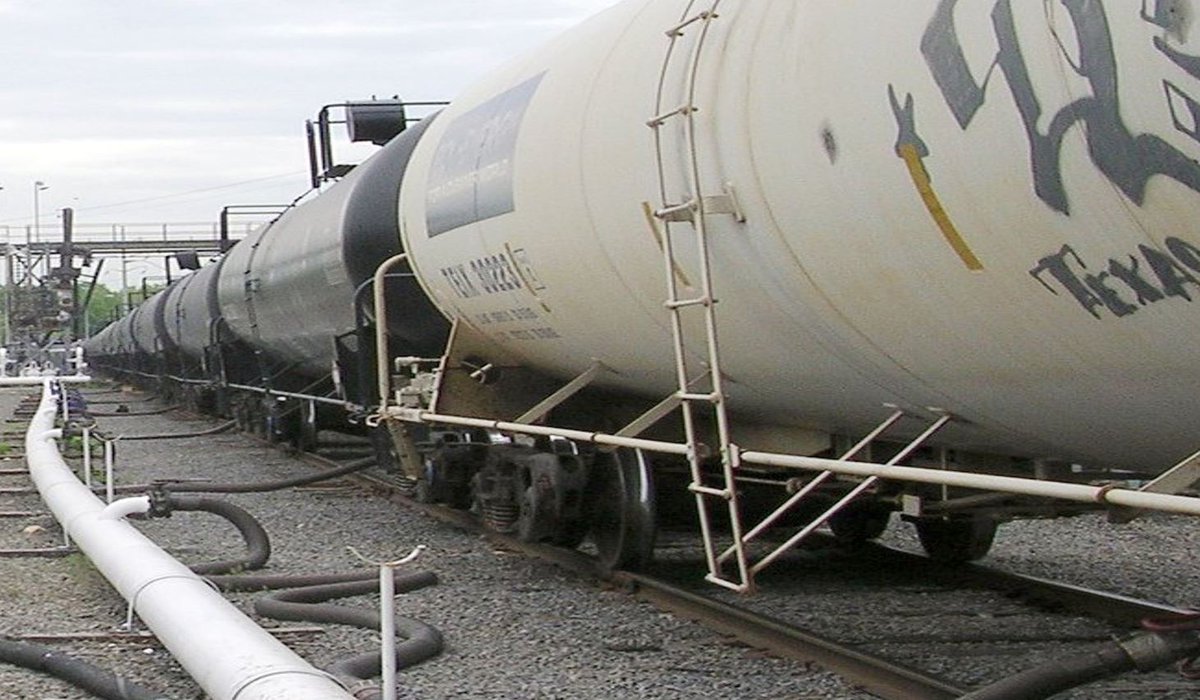
10/Bulk Liquids. Fuel and Water can be moved in 100t tank wagons. Can be piped straight to tanker trucks or pumped into pipelines or BFI. Minimal infra need with spill prevention capability and JOFS equipment.
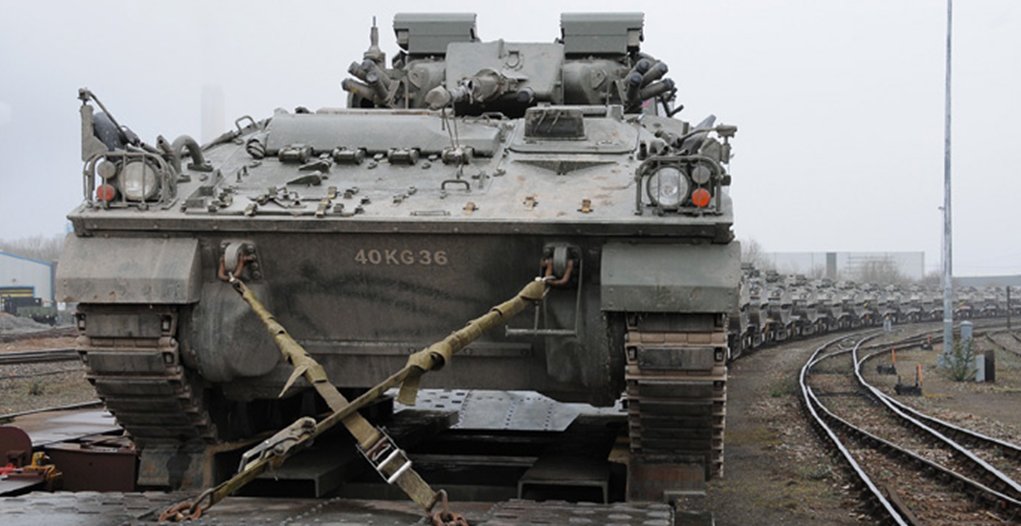
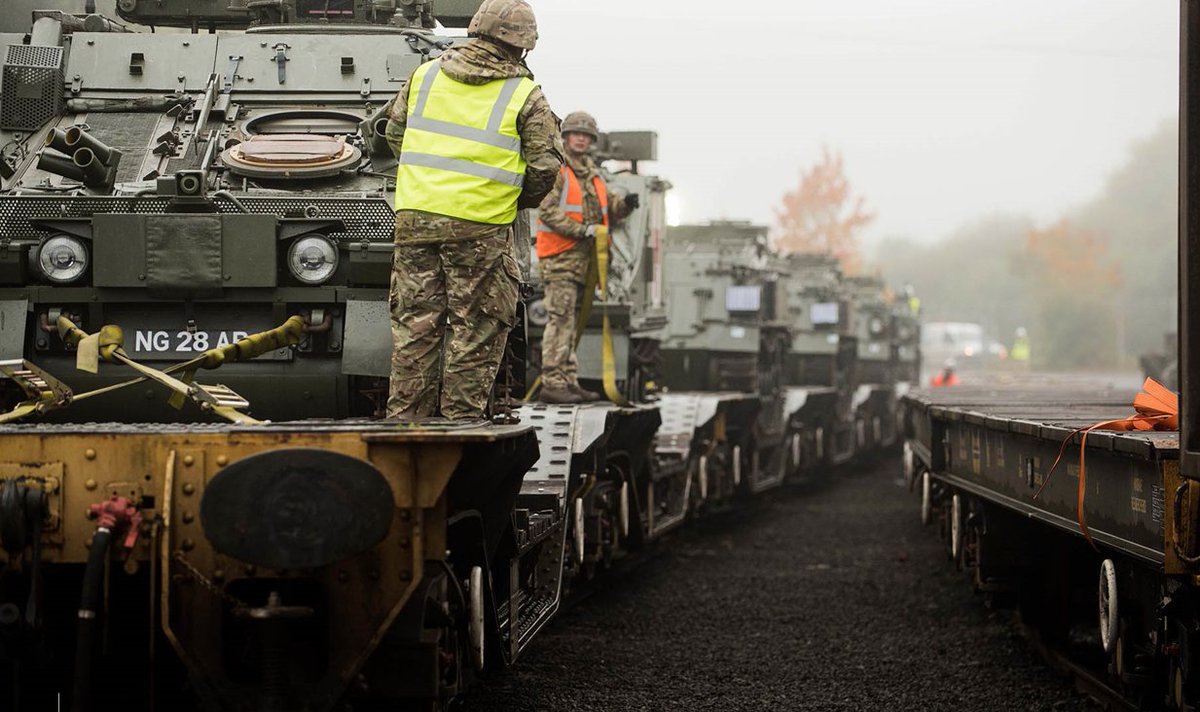
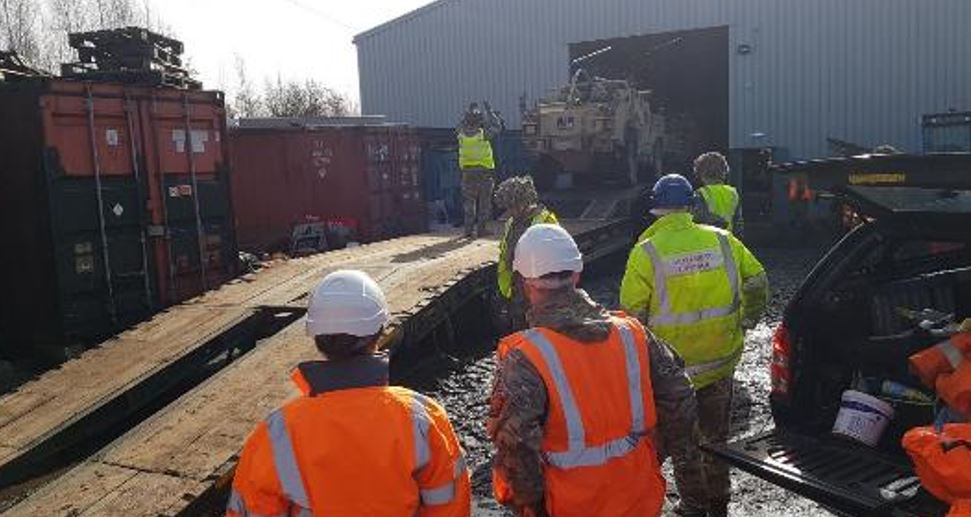
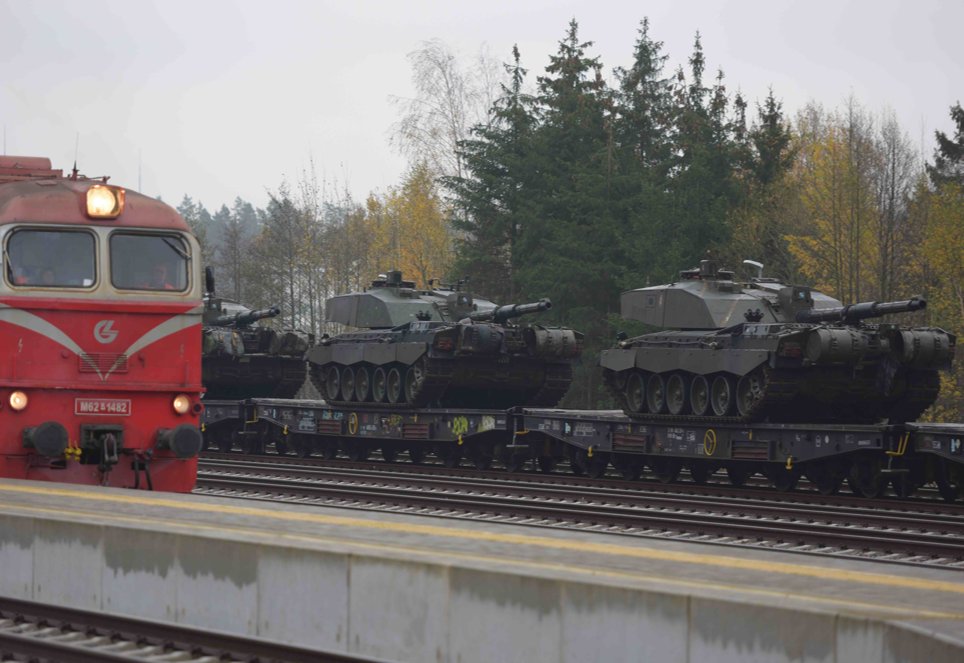
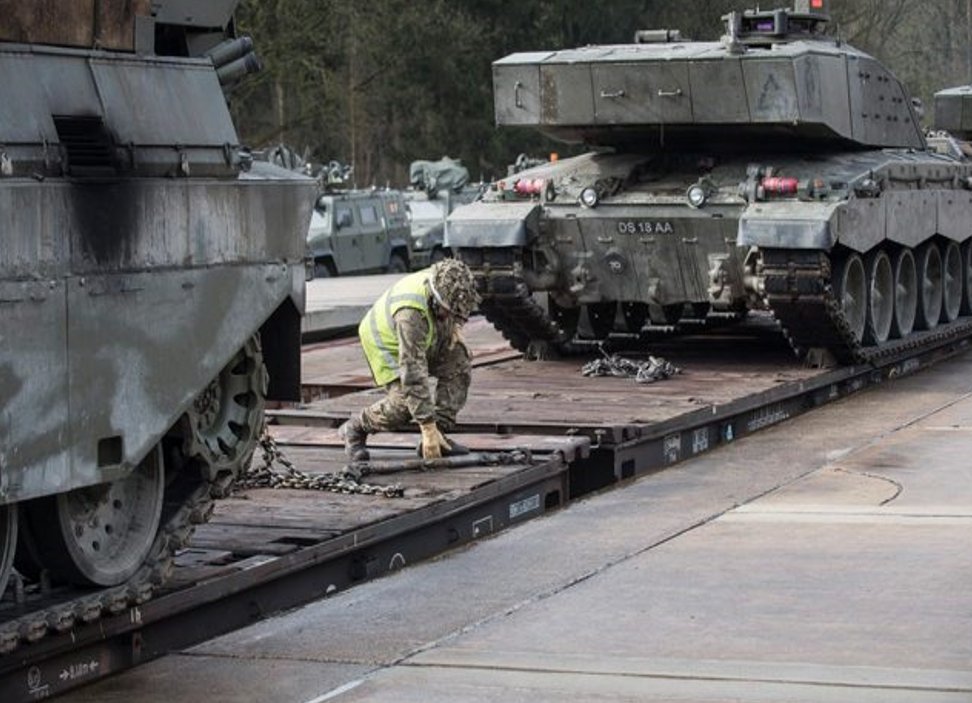
11/A Veh. These RHD are risky needing trained and rehearsed AFV drivers, especially when unloading at night. Ramps or platforms are also key to enable. A recovery capability is a must to be present on site to move tipped AFVs. Road network to forming up/holding areas needed.
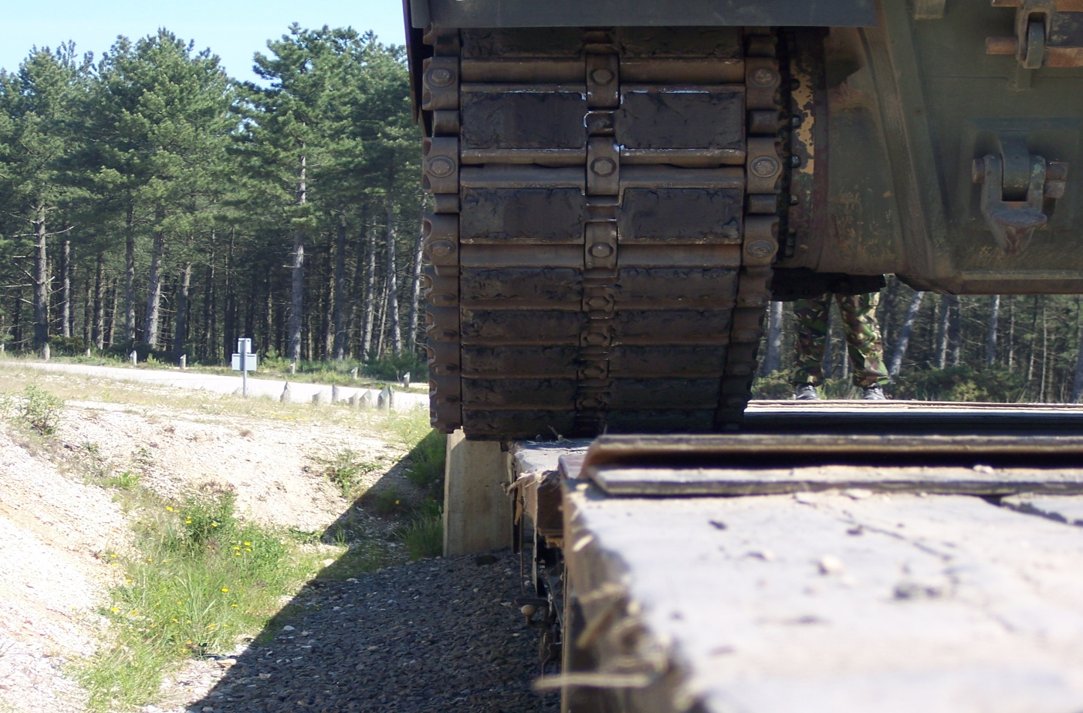
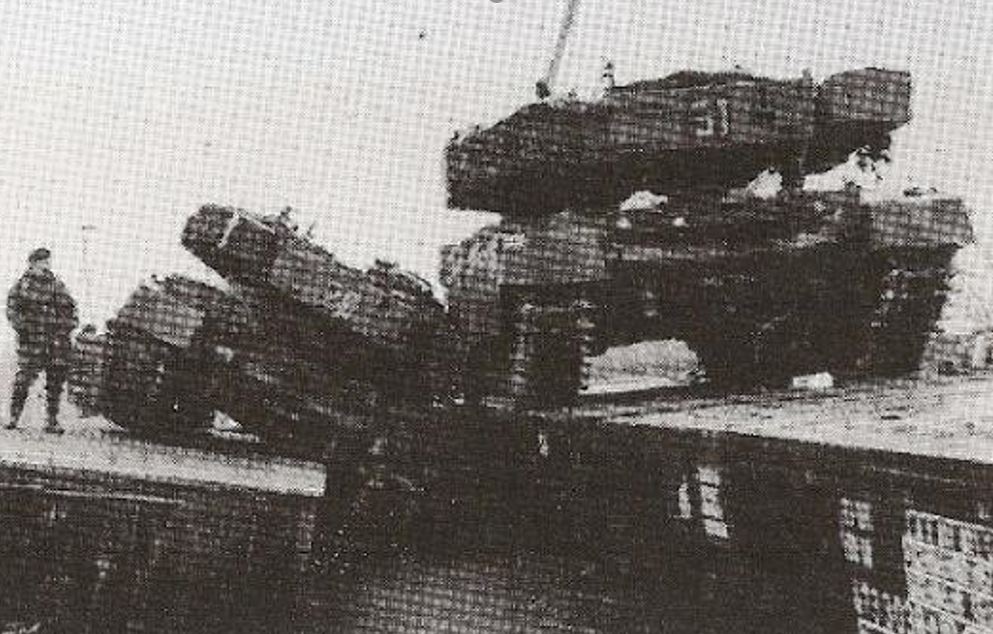
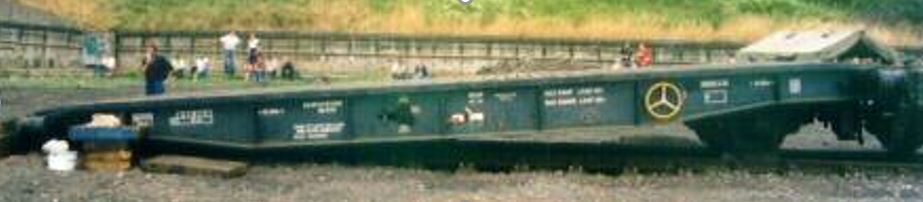
12/Ramps. Ramps need to be rapidly assembled and dismantled. 80 x sleepers can be erected in 3hrs, the @EasiBridge Banair ramp can be assembled in 30 minutes whilst the ramp wagons can be installed in 2mins. Side platforms at stations could be used if engineer assessed.
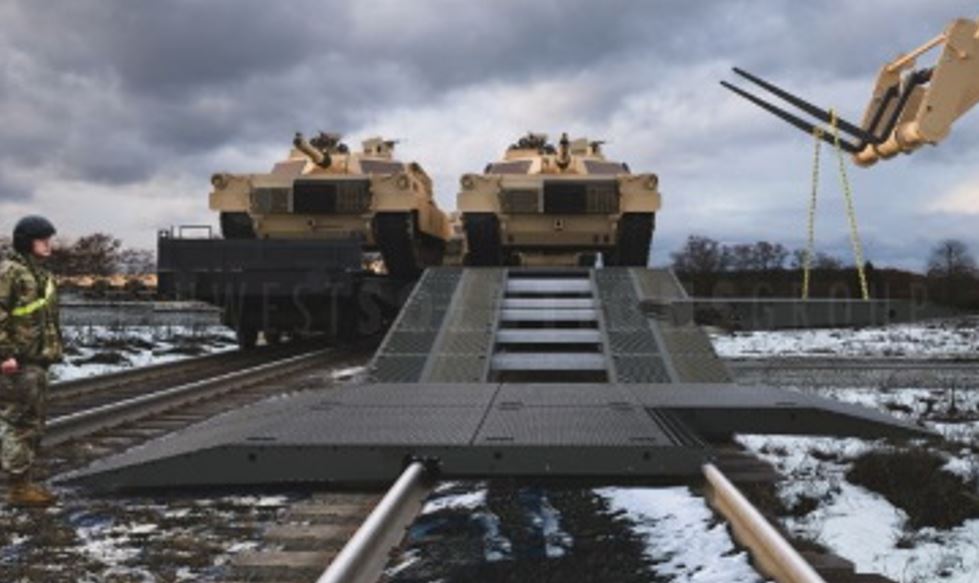
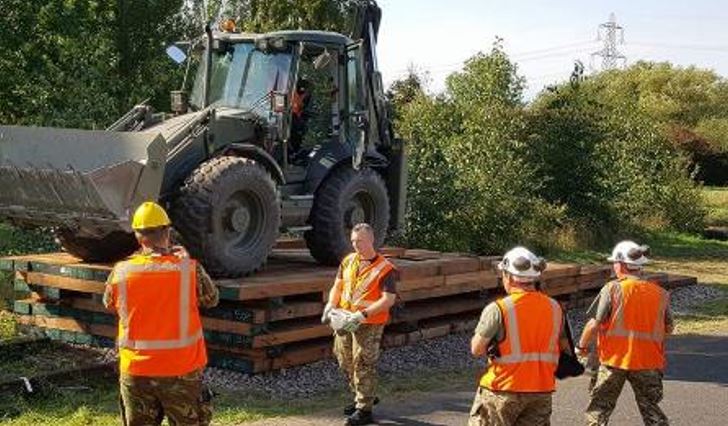
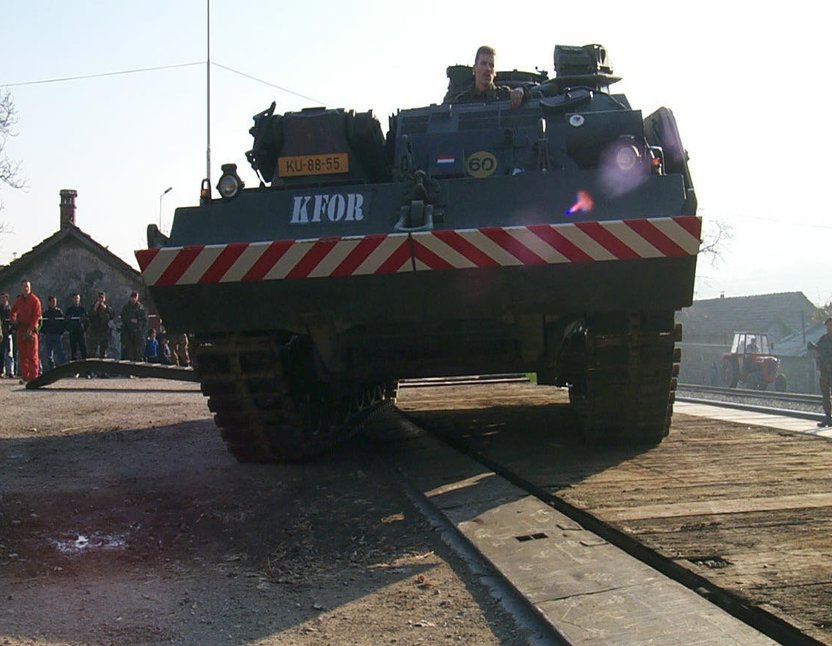
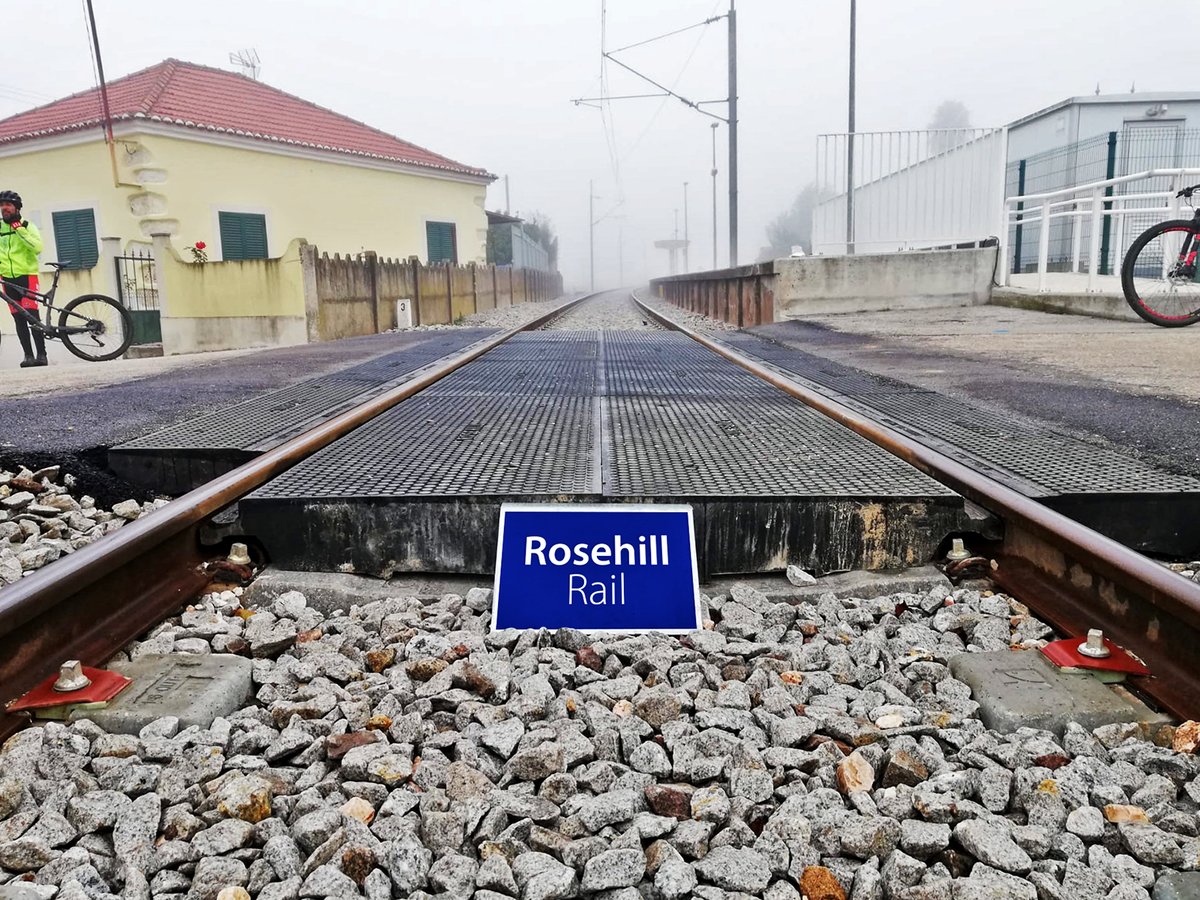
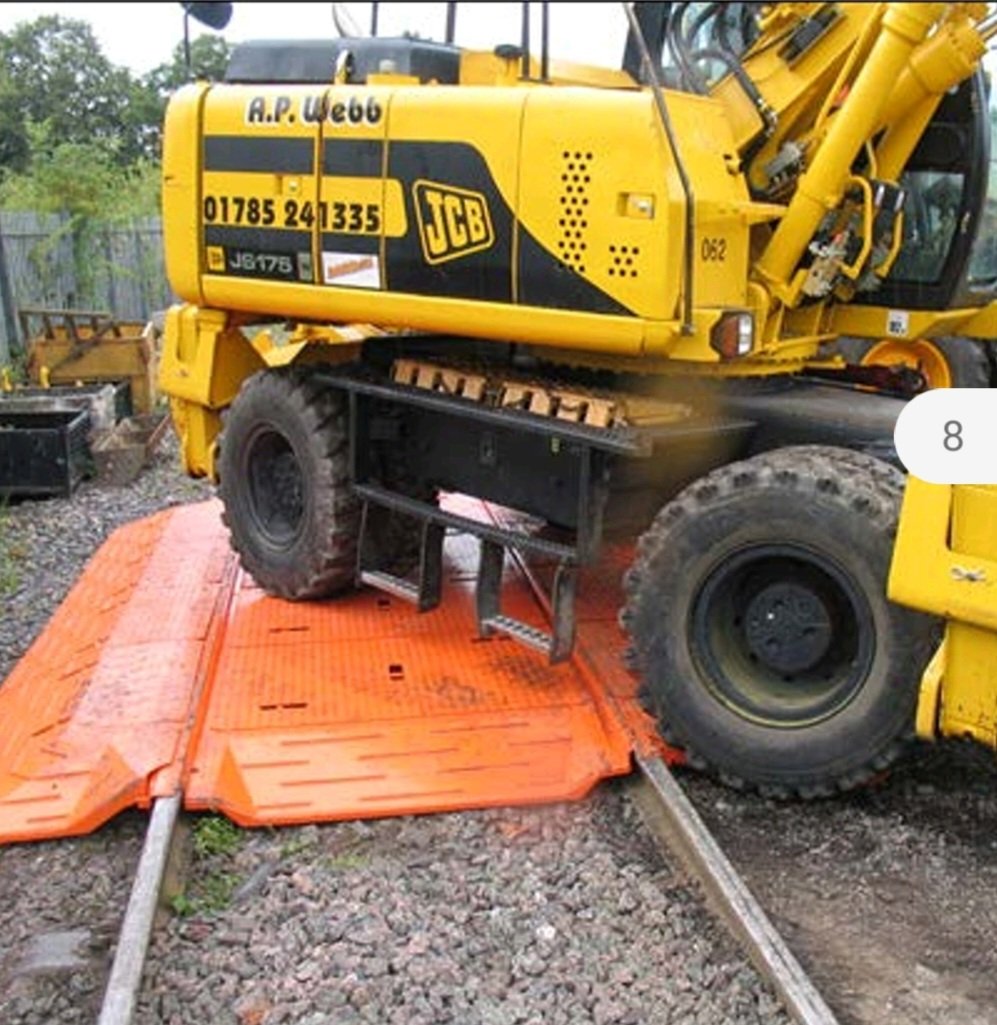
12a/Track protection. The track must be protected from AFC tracks. Use sleeper mats or rail industry road rail access point panels.
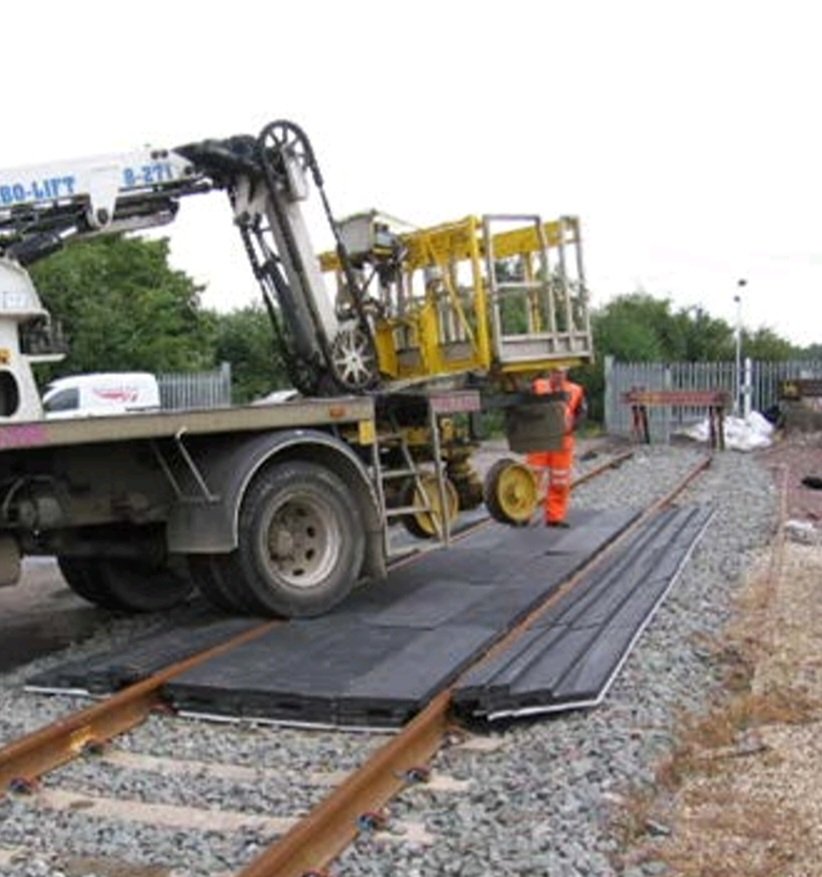
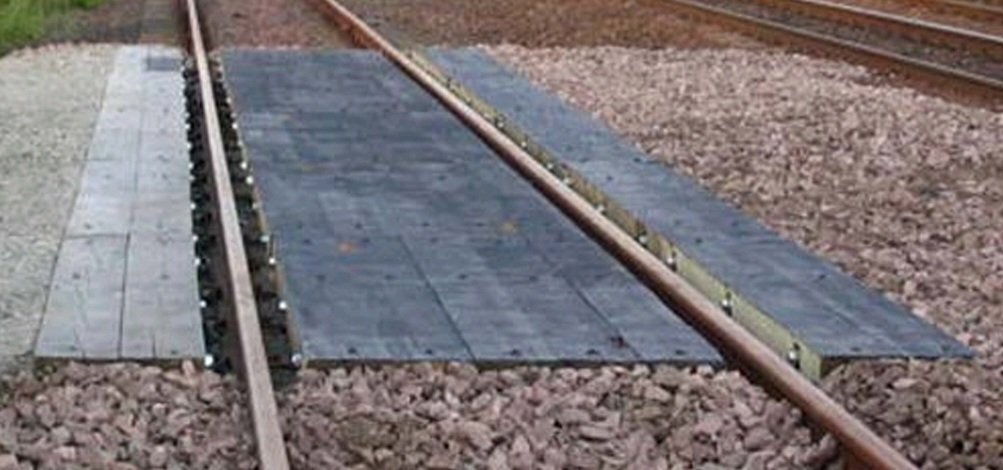
13/Emergency unload. Tactical demands may require a much quicker unload method...
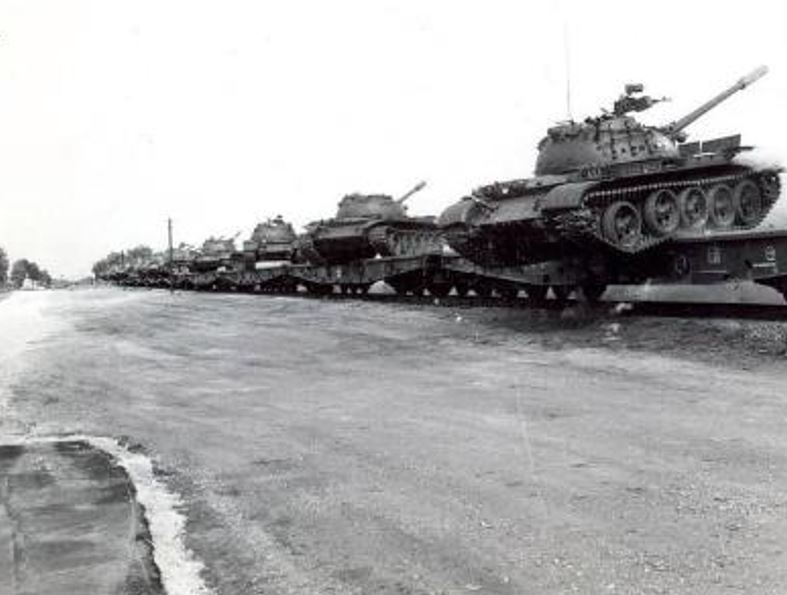
14/Bulk engineer material. These will be trains of bulk agregate or long items such as beams or rail. Most can be unloaded with 360 excavators with grading buckets for aggregates or lifting beams for rail ect. Hoppers need special drop chutes digging into the track bed.
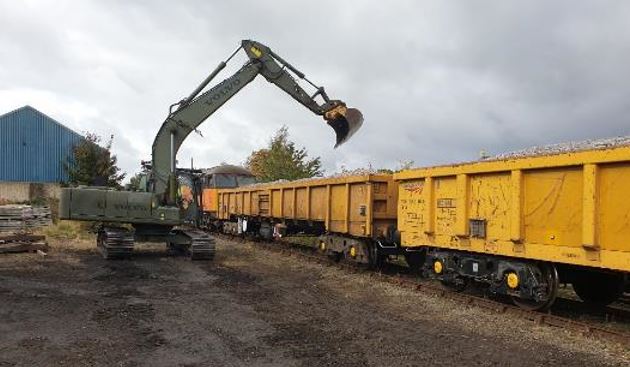
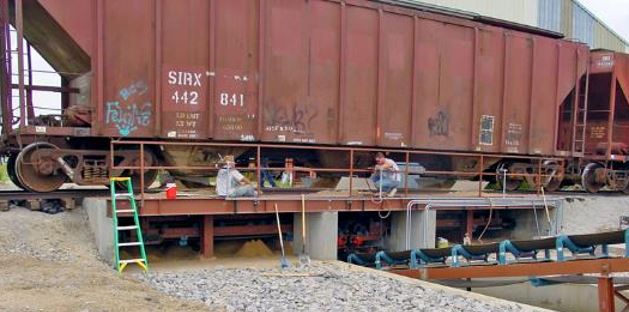
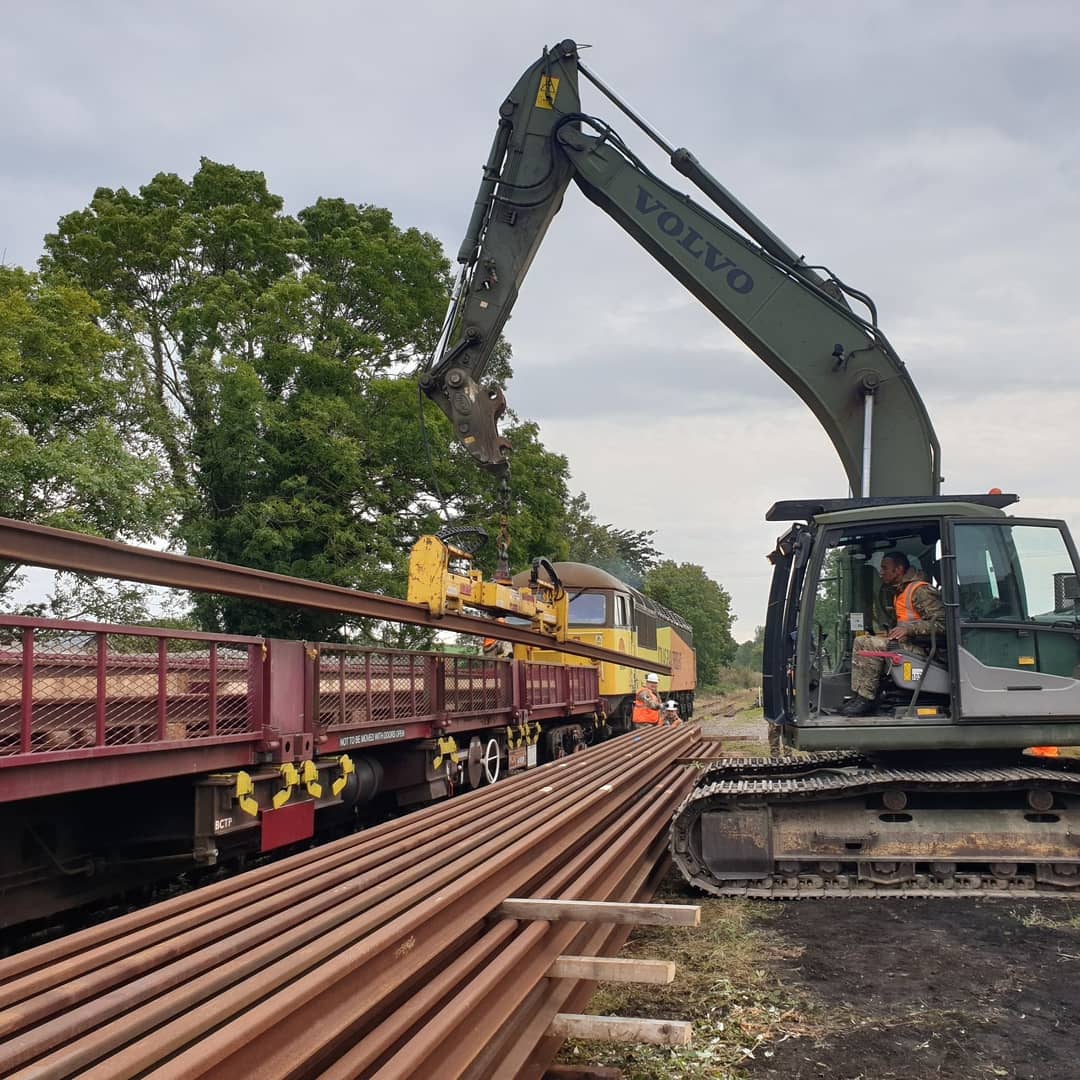
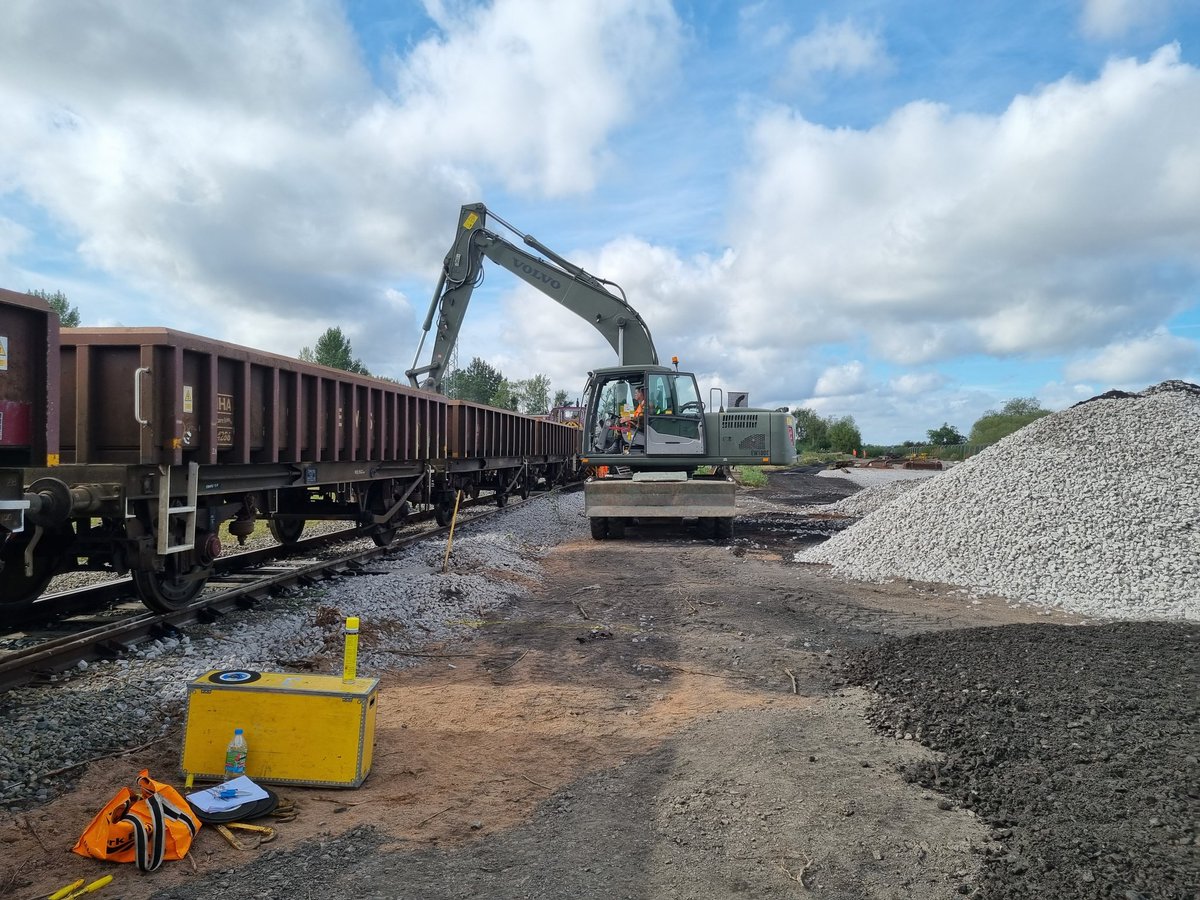
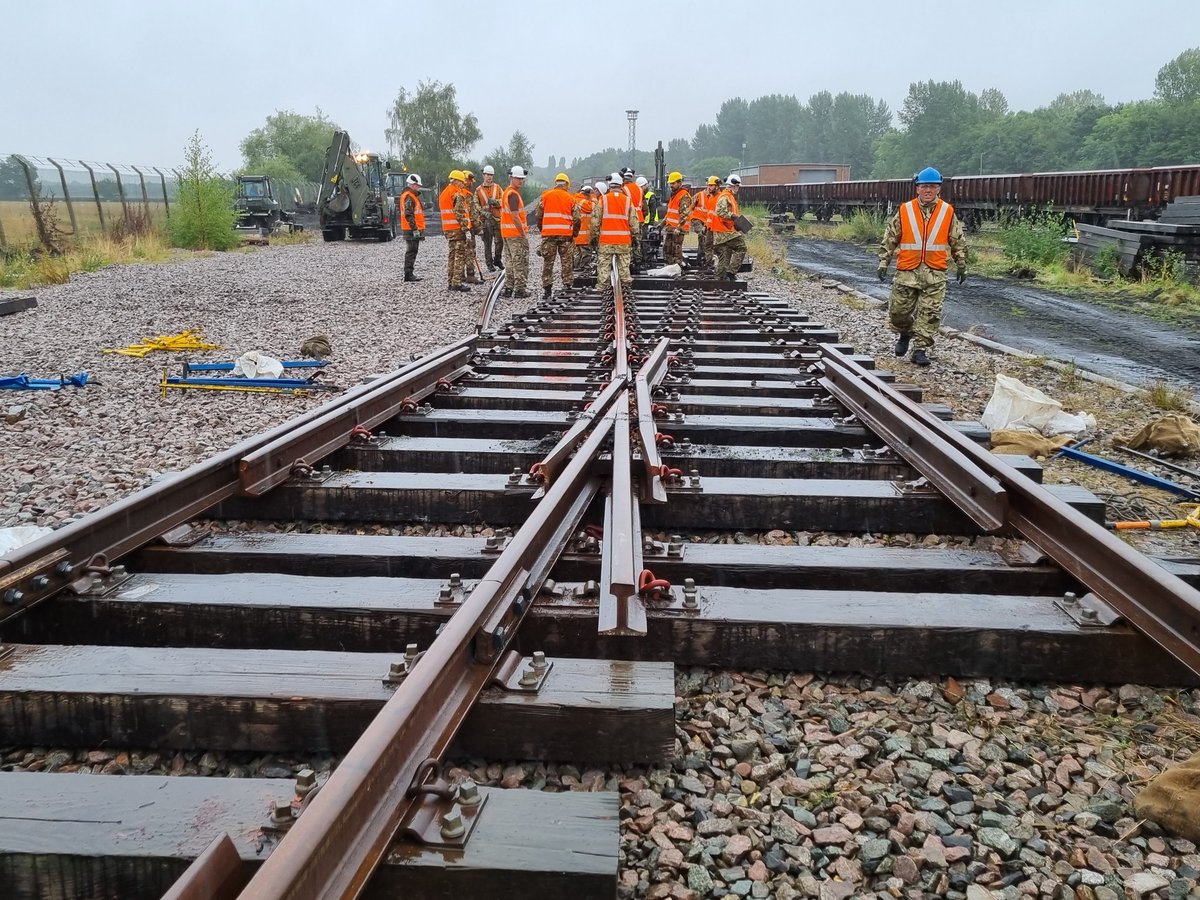
15/General Infra works. RHD on sidings or mainline may need lineside infra to be built, this includes hard standings, site clearance, access roads, b1oundry & gates and ramps. This can be carried out by the Force Engineer units.
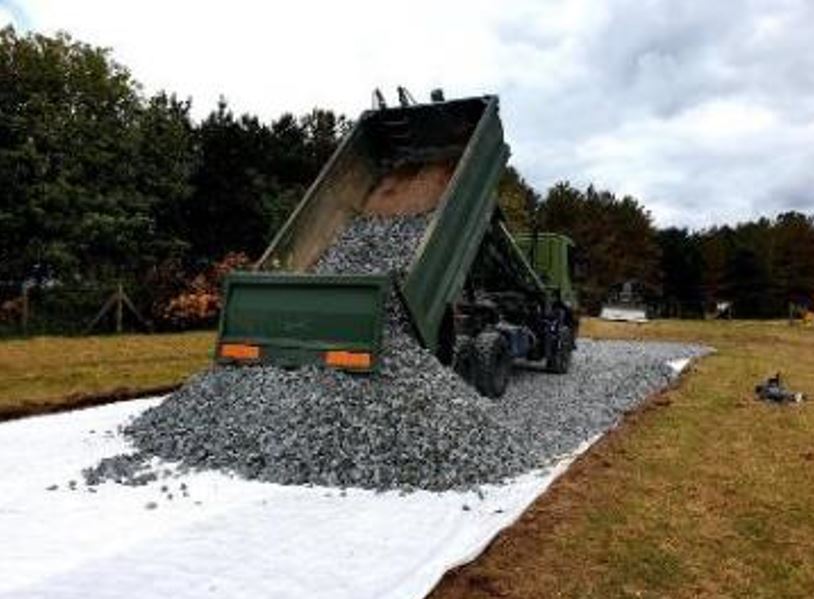
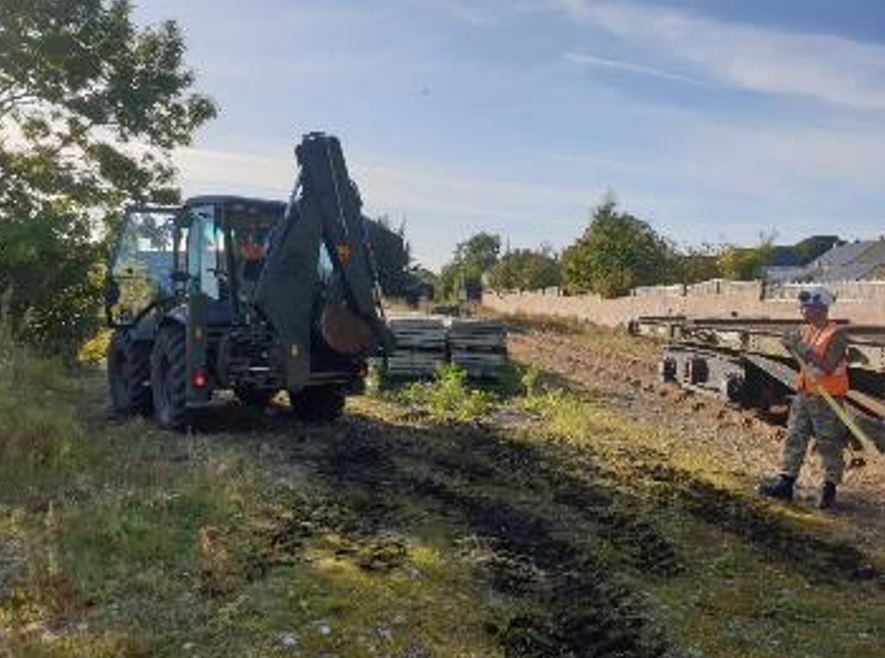
16/ Plainline rail Infra works. New sidings of up to 500m in length may need rapid construction. This will be in lighter timber or steel sleepers delivered by 507 STRE platelayers and Engr Military Construction Force (MCF). This could be delivered on suitable sites in 24hrs.
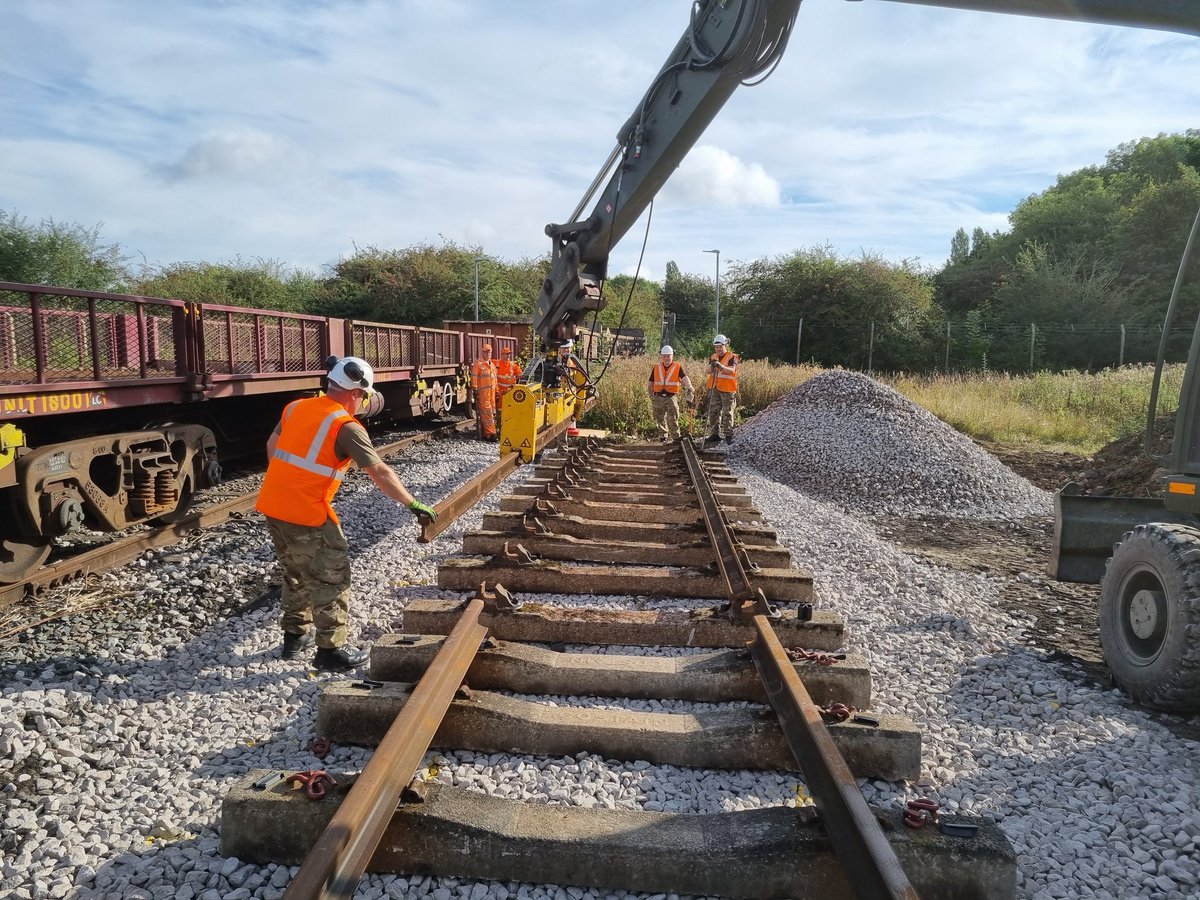
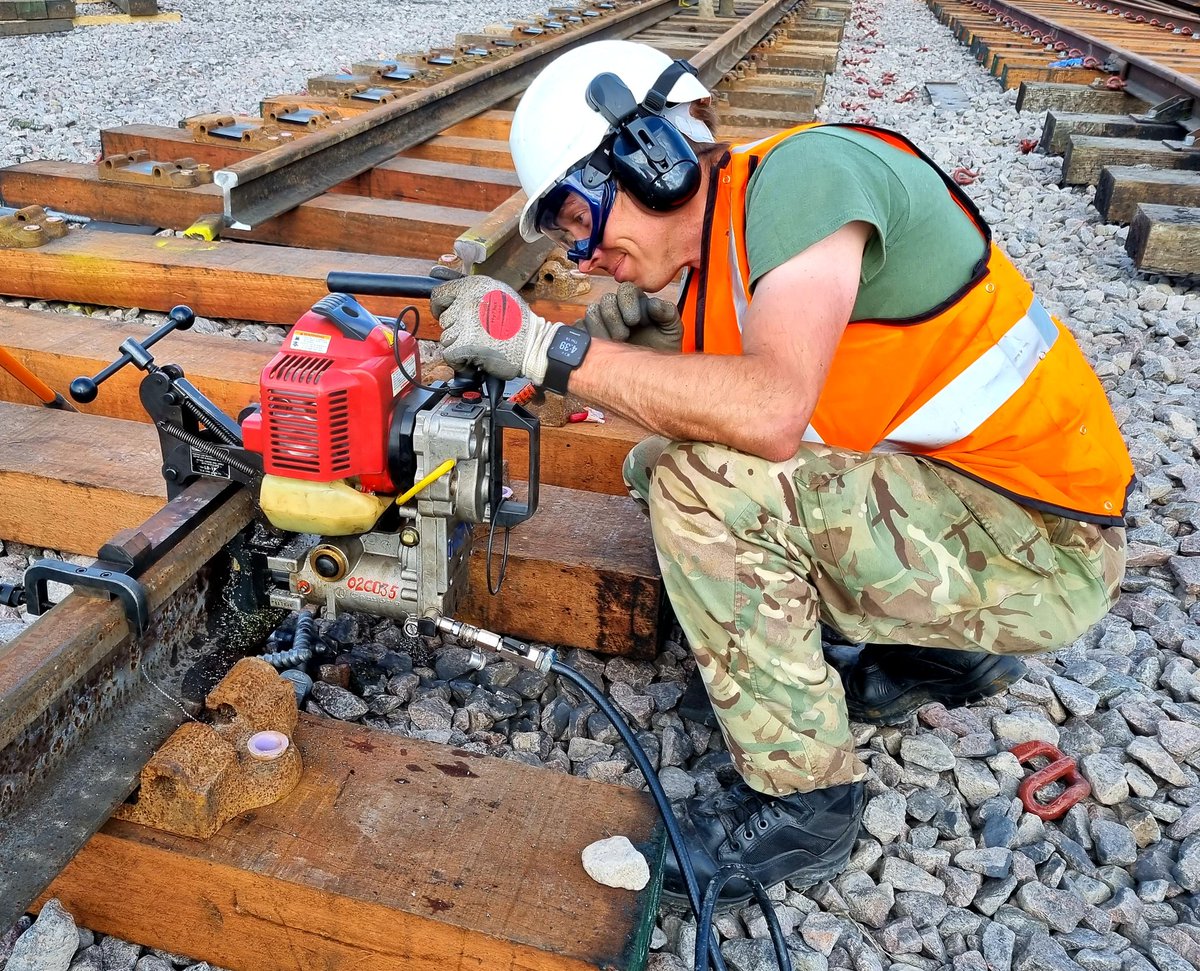
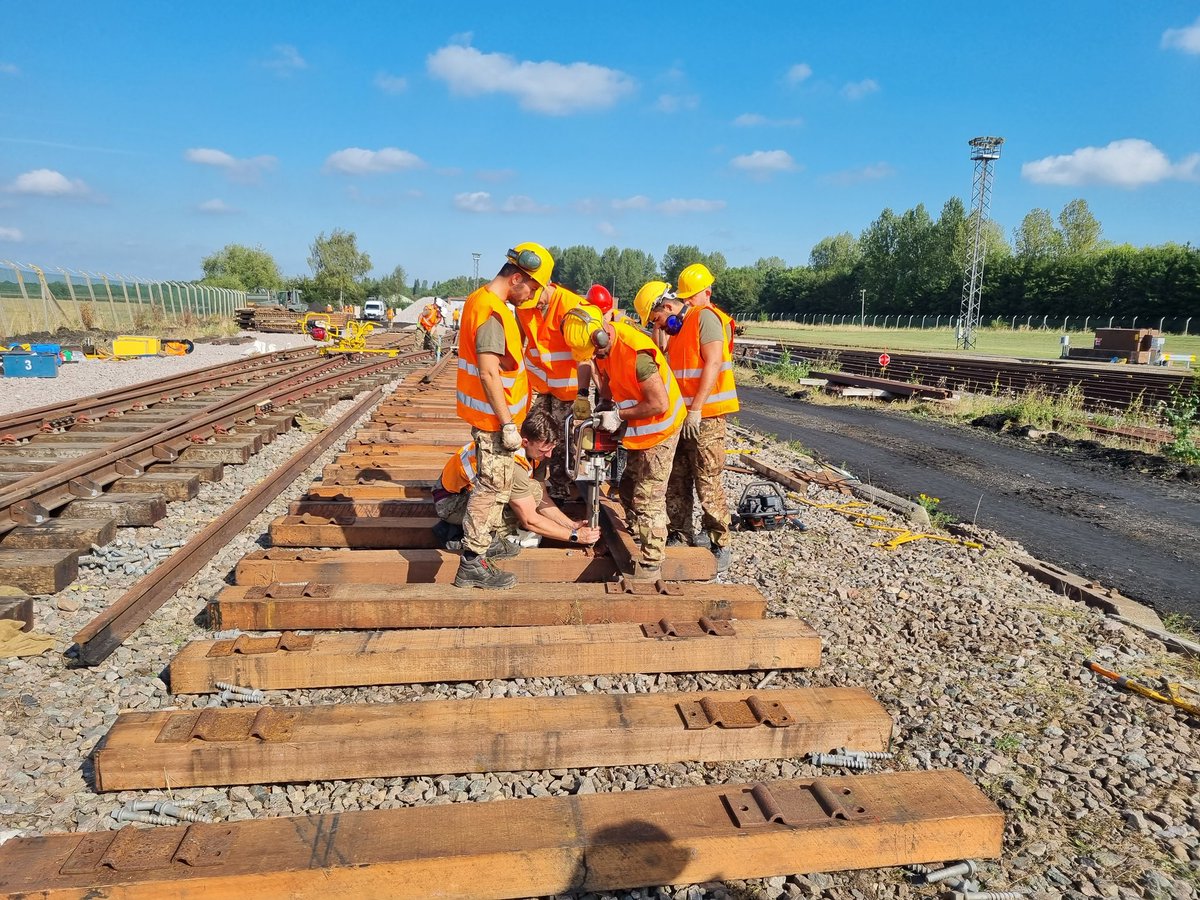
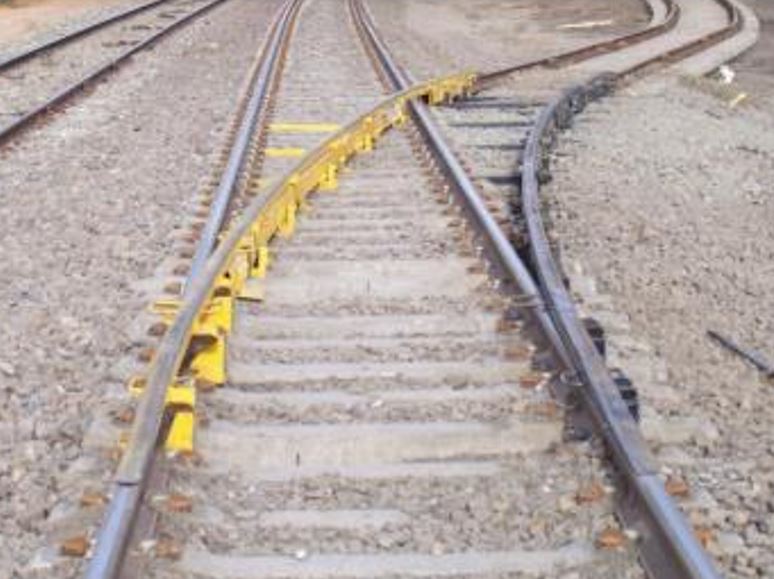
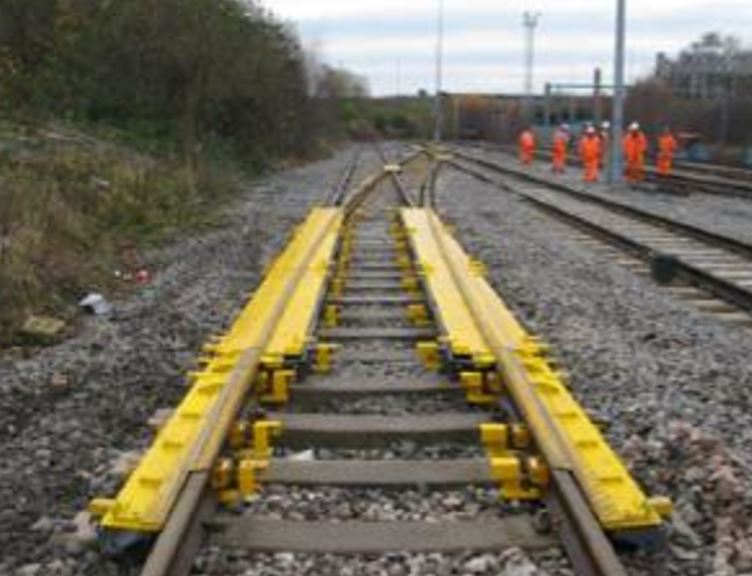
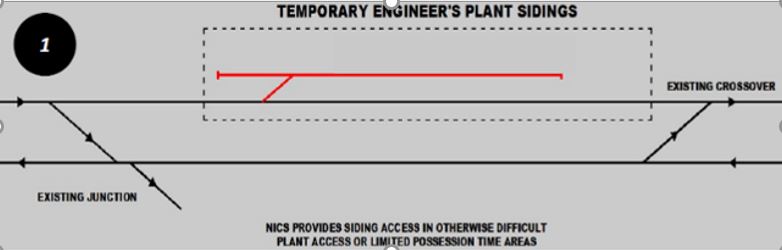
17/Turnouts, connecting the mainline. Turnout construction will disrupt traffic and can take a number of days to link a siding in. Temporary turnouts such as take off ramps or Non Intrusive Crossover System (NICS) are quicker to install without blocking the line for longer.
18/Conclusion. Focus and training is required to deliver tactical RHD. These must be treated as deliberate operations. Security and speed of install, discharge of train and strip out is vital. Specialist plant requires investment for container handling as does training focus.
Panzer Springen!
youtu.be
youtu.be
Calm down @thinkdefence ....
No crane and want to move MBT and similar with a lift? Use two reach stackers/RTCH. US Armour being unloaded in Poland.
Another reach stacker tandem lift.
Loading suggestions...