

⚜️ New Video out on the History of the Famous Bengali Sweet Rasogolla & it's Journey of 1600 Years.
🎥 Vid link : youtu.be
Like & Support 👑
🎥 Vid link : youtu.be
Like & Support 👑
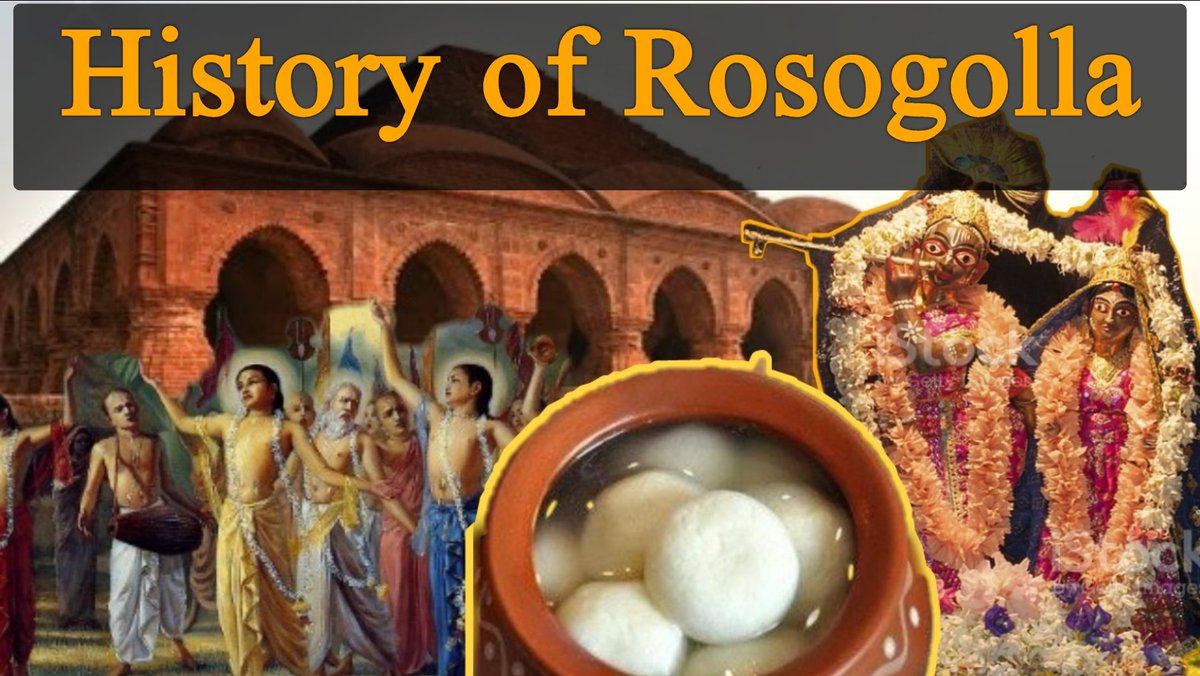
● 5th Century Mention of Rashogolla in Bengal :
In Sanskrit, there is a reference to a word called Āmīkṣā (আমীক্ষা/आमीक्षा), which means Chhana in Bengali (Nagendranath Bose, ‘Encyclopedia’, Volume II, p. 112).
1/n
In Sanskrit, there is a reference to a word called Āmīkṣā (আমীক্ষা/आमीक्षा), which means Chhana in Bengali (Nagendranath Bose, ‘Encyclopedia’, Volume II, p. 112).
1/n
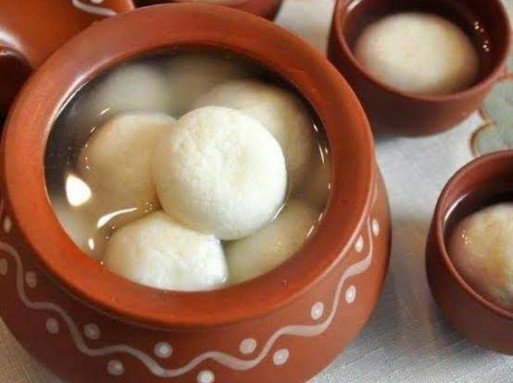
Chhana is a distortion of milk and perverted goods cannot be devotional. So it is generally ‘unknown’ and forbidden to suffer the gods.
2/n
2/n
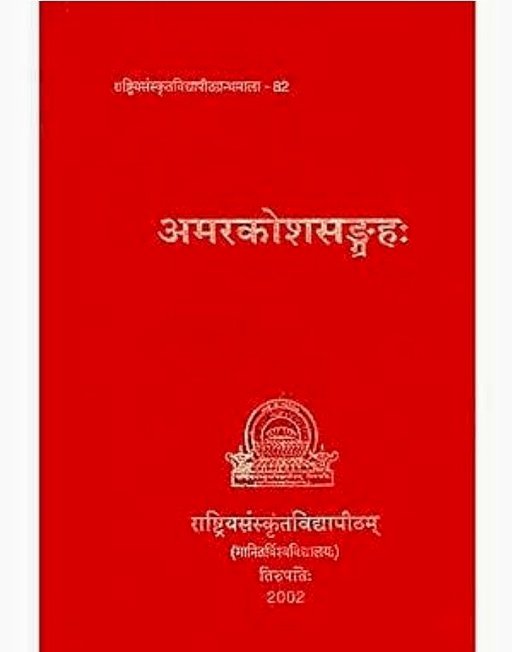
Vikramāditya-pārṣada Amar Simha's "Amarakōṣa", a text from the timeline of 5th cent, the very beginning era of Gaudiya Civilization, is the witness that Chhana created by 'squeezing' milk were not considered suitable for consumption by the rest of Bhārata except Baṅgāl.
3/n
3/n
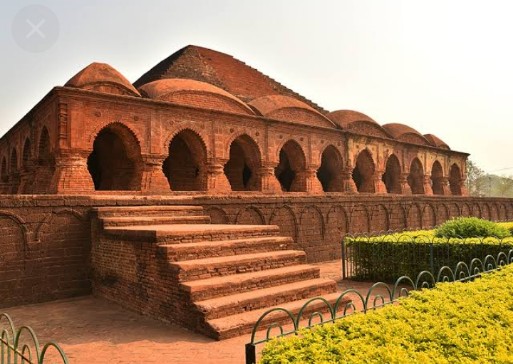
● 14th-15th Century, Gaudiya Vaishnava tradition & Chaitanya Bhakti movement :
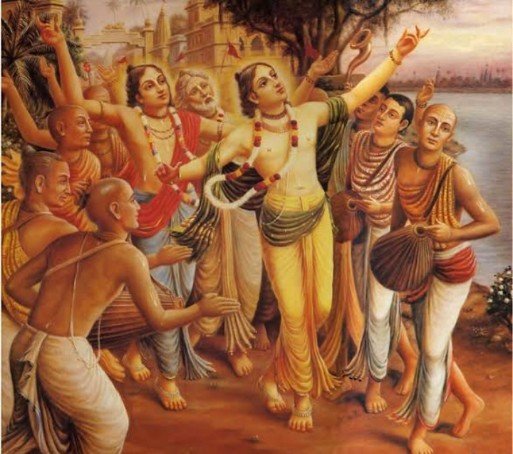
The antiquity of the Bengali sweet Rasgulla can be traced back to Nabadwip when Vaishnavism was on the rise - from the last part of the 14th cent through the Bhakti movement of the 15th century
4/n
The antiquity of the Bengali sweet Rasgulla can be traced back to Nabadwip when Vaishnavism was on the rise - from the last part of the 14th cent through the Bhakti movement of the 15th century
4/n
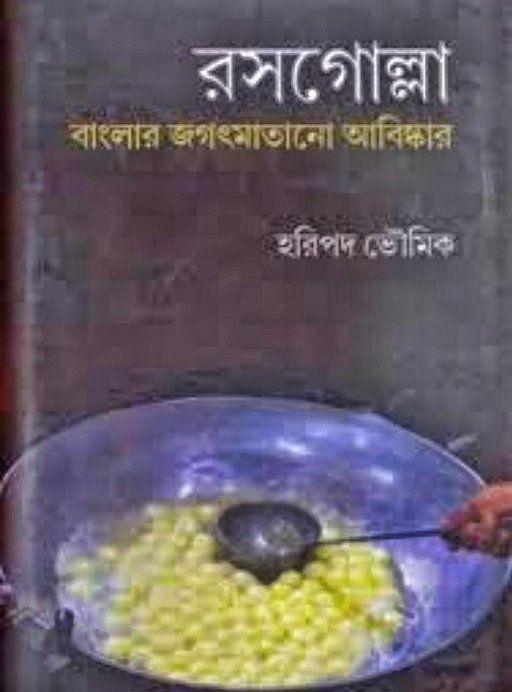
The story of the sweet has been well documented by sweetmeat researcher Haripada Bhowmick, who served as a resource person for the state as it staked its claim at the Geographical Indications registrations office.
5/n
5/n
Chhana as an easily digestible food was used commonly by the Vaishnavites of Nabadwip, who worshipped cows and consumed a lot of milk products. At that stage, curdling of milk with tamarind was common.
@rattibha compile
Loading suggestions...