
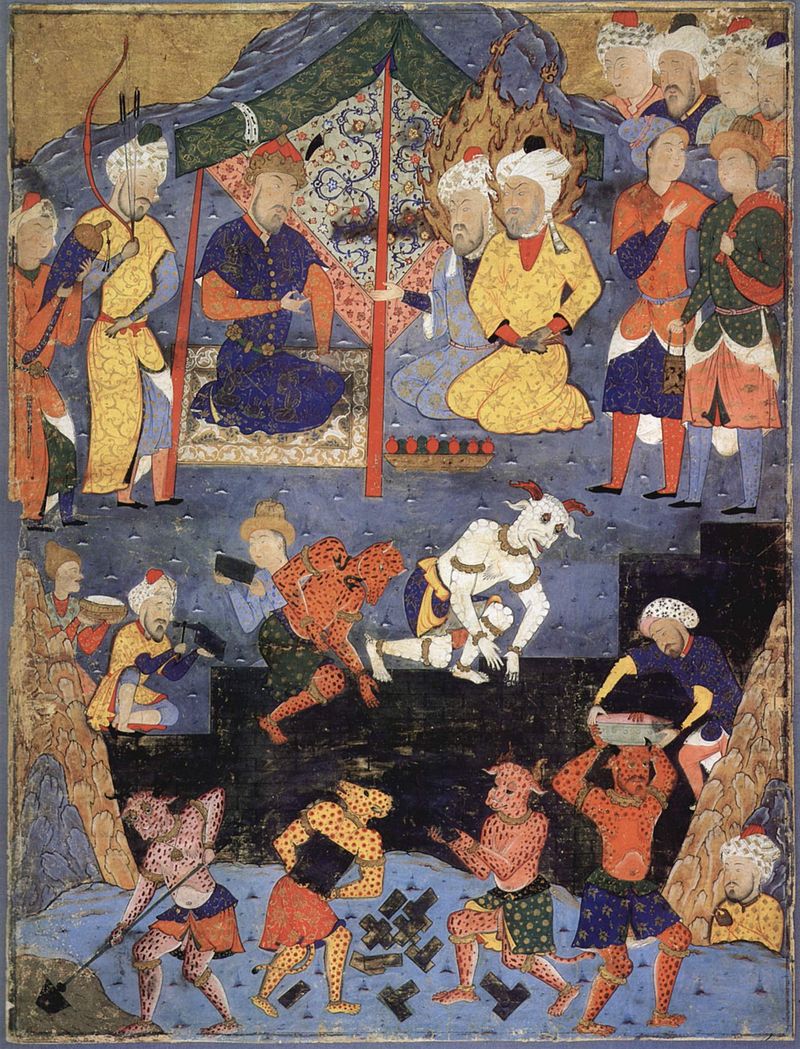
The jinn are invisible beings said to live alongside humanity. The trope of jinn haunts is a common one throughout the Islamic world, but equally compelling are the stories of jinn as builders crediting them with building many cities and monuments of the ancient world
A thread-
A thread-
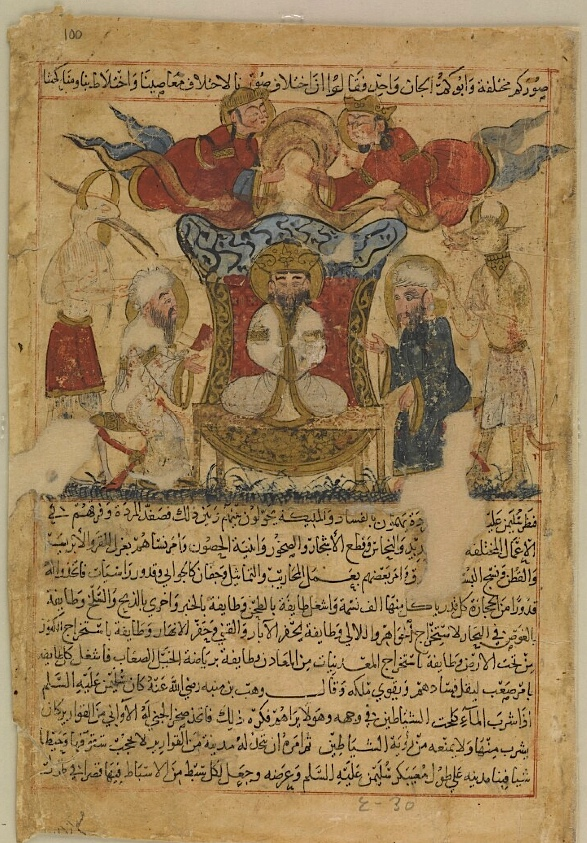
The Qur’an references King Solomon employing the jinn as builders, constructing monuments and great edifices on his behalf (Quran 34:13)
Later medieval Muslims built upon the Qur’anic reference by identifying the jinn as the architects of monuments from long forgotten empires or the founders of living cities.
One example is the Great Pyramid
(photo by: Nina Aldin Thune)
(photo by: Nina Aldin Thune)
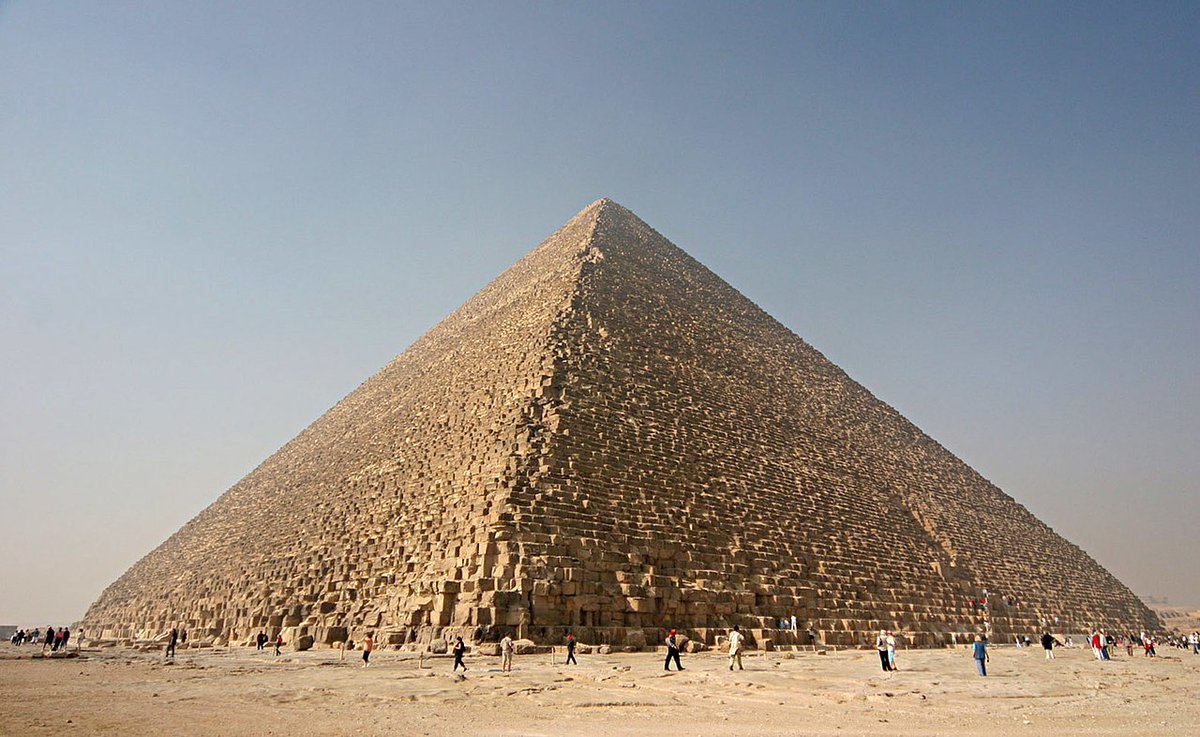
Westermark notes that according to some medieval authors, before the Age of Humanity, the last jinn king, Ibn Jann built the pyramids and store within them great secrets and mysteries.
It is said they are guarded by ifrits and ghuls who appear as whirlwinds or who lead careless travelers astray into the deserts.
On the other hand al-Masudi and Abu Ma’shar link the pyramids to Hermes.
On the other hand al-Masudi and Abu Ma’shar link the pyramids to Hermes.
Solomon himself directed the jinn to build many great cities and monuments.
Much of his ancient kingdom was said to have been built with the aid of jinn including the First Temple.
Much of his ancient kingdom was said to have been built with the aid of jinn including the First Temple.
Under the direction of his partner, The Queen of Sheba the jinn Zawbaa built the wonderous ancient city of Aden.
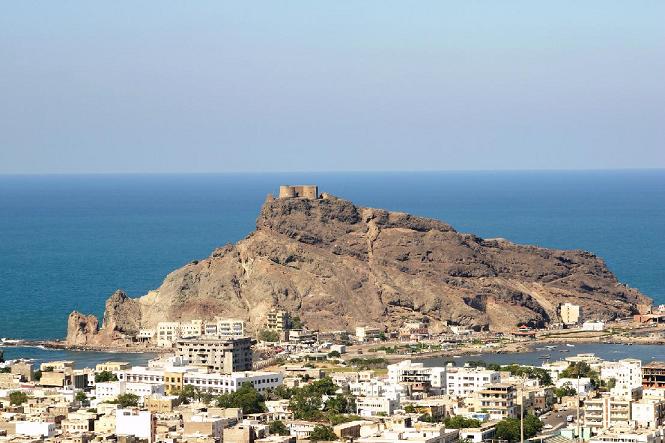
The jinn were further directed to build the great fortresses of Sirwah and Marah.
The connection of the jinn with fortresses is quite an old one and also found in the narrative of Dhul Qarnayn, who builds a mighty wall of iron with the help of the jinn to keep Gog and Magog at bay.
(image from 16th C Falnama, Chester Beatty Library)
(image from 16th C Falnama, Chester Beatty Library)
The monstrous horde claws and scratches at the wall, but the supernatural barrier remains intact—that is until the End of Days when it will be breached.
In Oman, the fortress and city of Bahla is haunted by the jinn.
Built in the 13th century over what was believed by locals to be a jinn city, Bahla is now haunted by spectral multi-colored fires which burst from rock and sand.
Built in the 13th century over what was believed by locals to be a jinn city, Bahla is now haunted by spectral multi-colored fires which burst from rock and sand.

But the encounter between human and jinn is not always disruptive.
In Morocco the jinn king Chamharouch lived and died on the mountain Toubkal.
The jinn built for him a shrine and a village grew around it.
The shrine of the jinn king with its white stones remains an important pilgrimage and sacred site for locals seeking assistance.
The jinn built for him a shrine and a village grew around it.
The shrine of the jinn king with its white stones remains an important pilgrimage and sacred site for locals seeking assistance.
We find similar legends and stories through the Islamic world from Africa through South Asia and in Indonesia and Malaysia
They speak to the way in which Muslim people invoked the figure of the jinn to explain their ancient pasts.
Buildings and ruins were shaped by invisible hands in antiquity and thus were sacred in the present.
Jinn became legendary builders.
Buildings and ruins were shaped by invisible hands in antiquity and thus were sacred in the present.
Jinn became legendary builders.
The invocation of the jinn as builders of great cities and sacred sites also speaks to the way Muslims imagined the world as shared; not exclusively belonging to humans, rather humans inherited from the jinn of the past or lived alongside the jinn of the present.
And given that jinn live thousands of years, the jinn-builder was a way in which present cities could bridge the gap to their ancient pasts.
By giving cities a jinnic past, Muslims imagined a history full of wonder and mystery, shared and passed down.
By giving cities a jinnic past, Muslims imagined a history full of wonder and mystery, shared and passed down.
We'll continue to explore the esoteric side of Islamic history in future threads
Image in first tweet from 14th C Aja'ib al-Makhluqat BL, Or 14140
Loading suggestions...