

How to recognise the classical orders of columns:

First question: what *is* a classical order?
There's a very technical answer to that question, but it isn't necessary here.
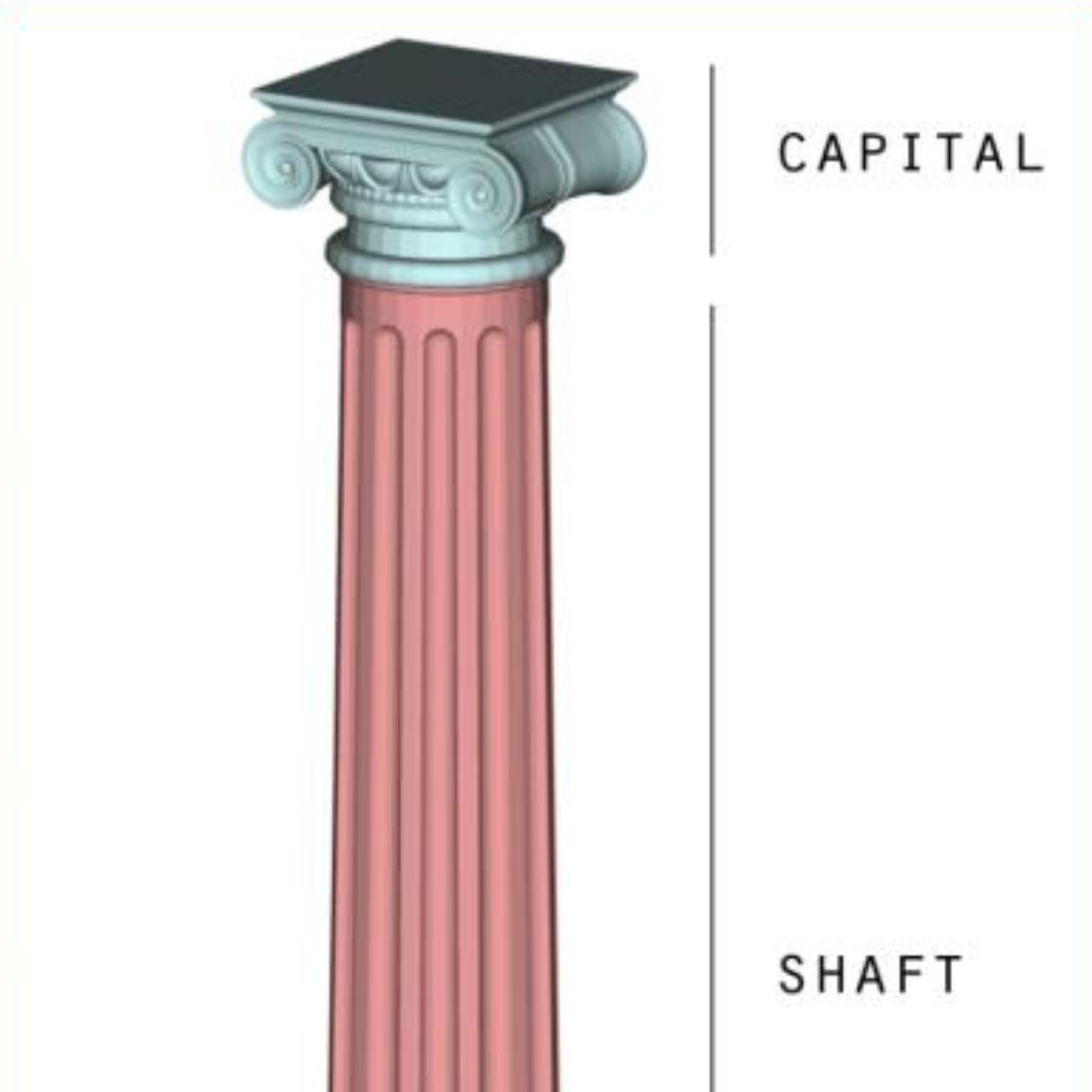
For now, think of an "order" as the particular shape, size, and design of a column's shaft and capital:
There's a very technical answer to that question, but it isn't necessary here.
For now, think of an "order" as the particular shape, size, and design of a column's shaft and capital:
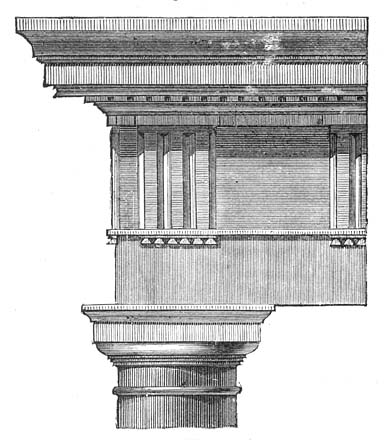
In truth, an order isn't just about the column: it's also about the entablature (the things on top).
However, entablatures are quite complex and you don't need to fully understand them to recognise the different classical orders.
However, entablatures are quite complex and you don't need to fully understand them to recognise the different classical orders.
Now here's the second thing. Depending on who you ask there are three or five classical orders.
The Greeks, who invented the orders, had three. These were used for structural purposes - to hold up the roofs of their temples.
The Greeks, who invented the orders, had three. These were used for structural purposes - to hold up the roofs of their temples.

Then the Romans borrowed from the Greeks and added two of their own, making five. They used the columns decoratively rather than structurally.
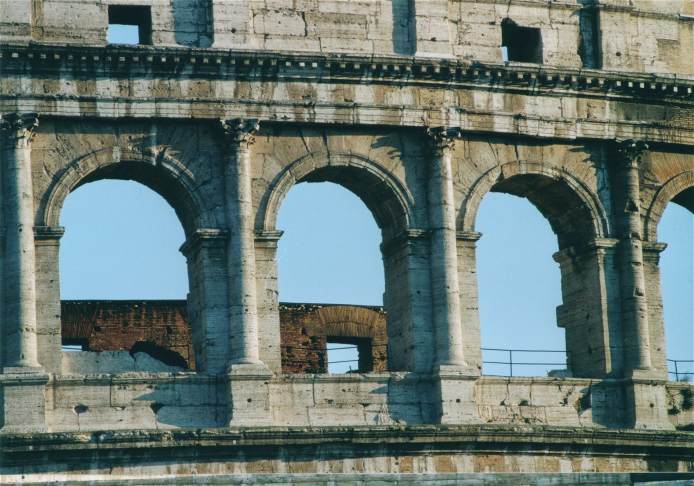
Consider this example from the Colosseum, where the arches are what support the structure. The columns here are decorative.
Consider this example from the Colosseum, where the arches are what support the structure. The columns here are decorative.
During the Renaissance, architects read the works of Vitruvius - an ancient Roman architect - who described three of the orders.
Then they did some soft archaeology by studying ancient Roman ruins and adding two more. That's where the idea of five orders comes from.
Then they did some soft archaeology by studying ancient Roman ruins and adding two more. That's where the idea of five orders comes from.
Another issue is that there is no canonical design for the five classical orders. There are many slight variations dependent on region, era, and architect.
But don't worry about that. They are all different enough to be easily distinguished from one another.
So let's jump in...
But don't worry about that. They are all different enough to be easily distinguished from one another.
So let's jump in...
1. Tuscan
The simplest of all.
This was one of the two orders added by Romans, who actually took it from the Etruscans. Nothing fancy here.
The simplest of all.
This was one of the two orders added by Romans, who actually took it from the Etruscans. Nothing fancy here.
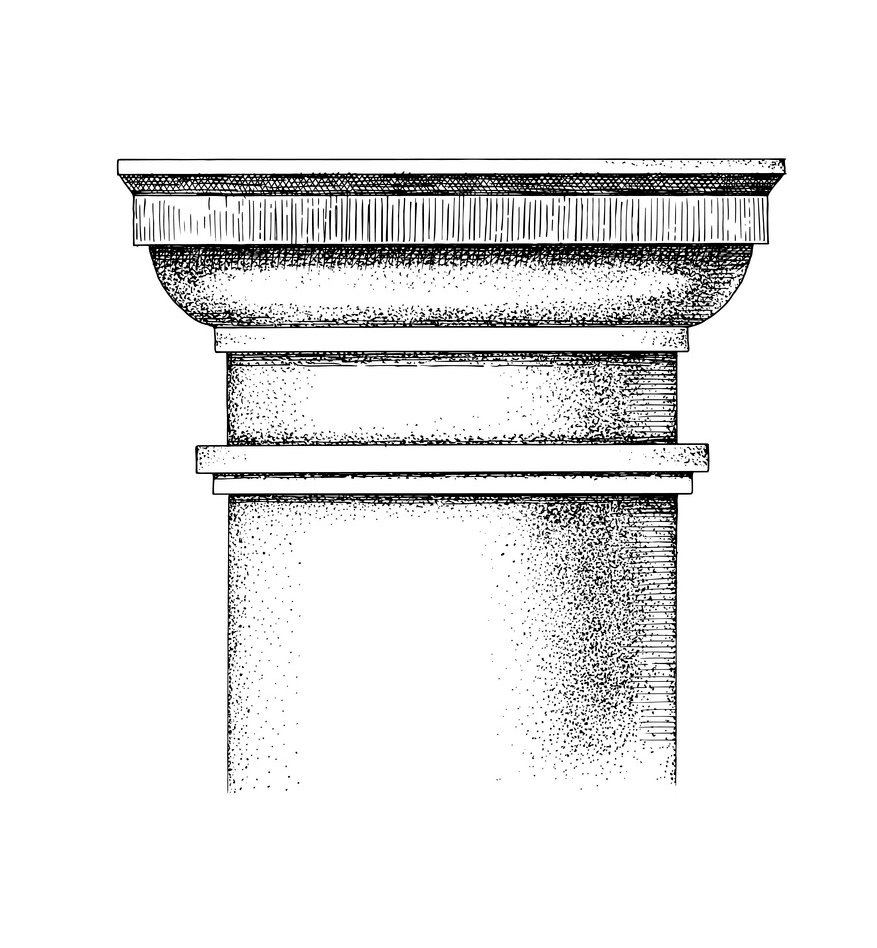
Crucially, the entablature of the Tuscan order is very simple. It is completely plain, in fact.
That's the best way to recognise the Tuscan order.
That's the best way to recognise the Tuscan order.
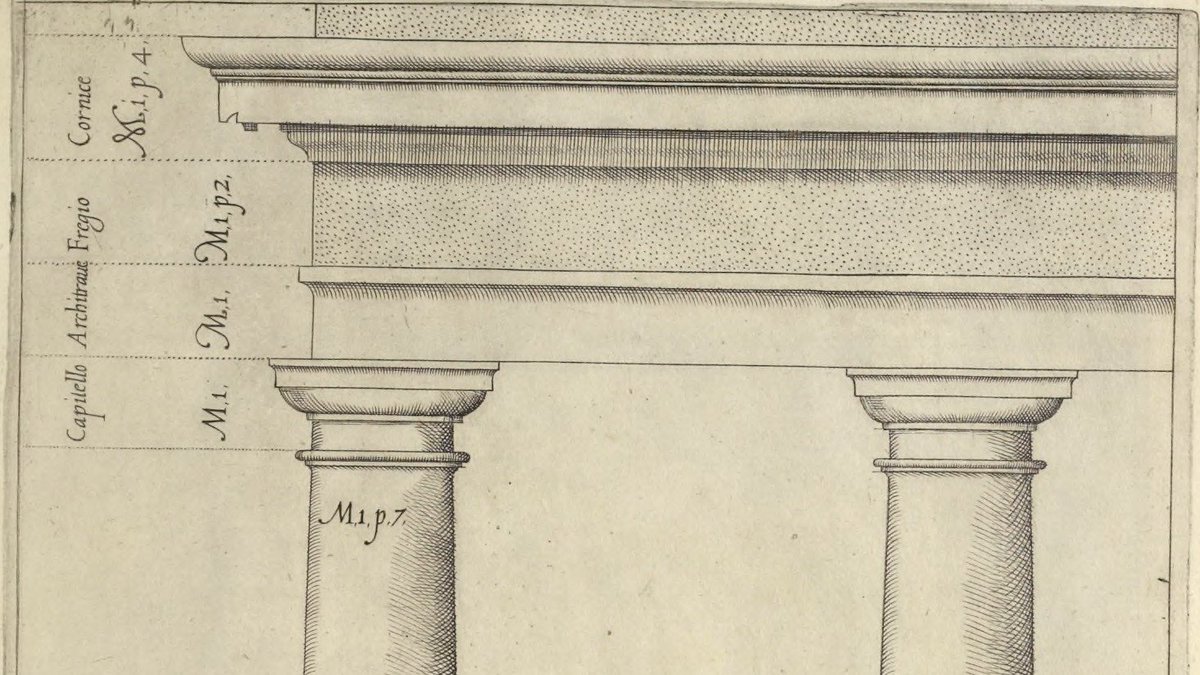
They also *never* have fluted columns (those grooves running down the shaft).
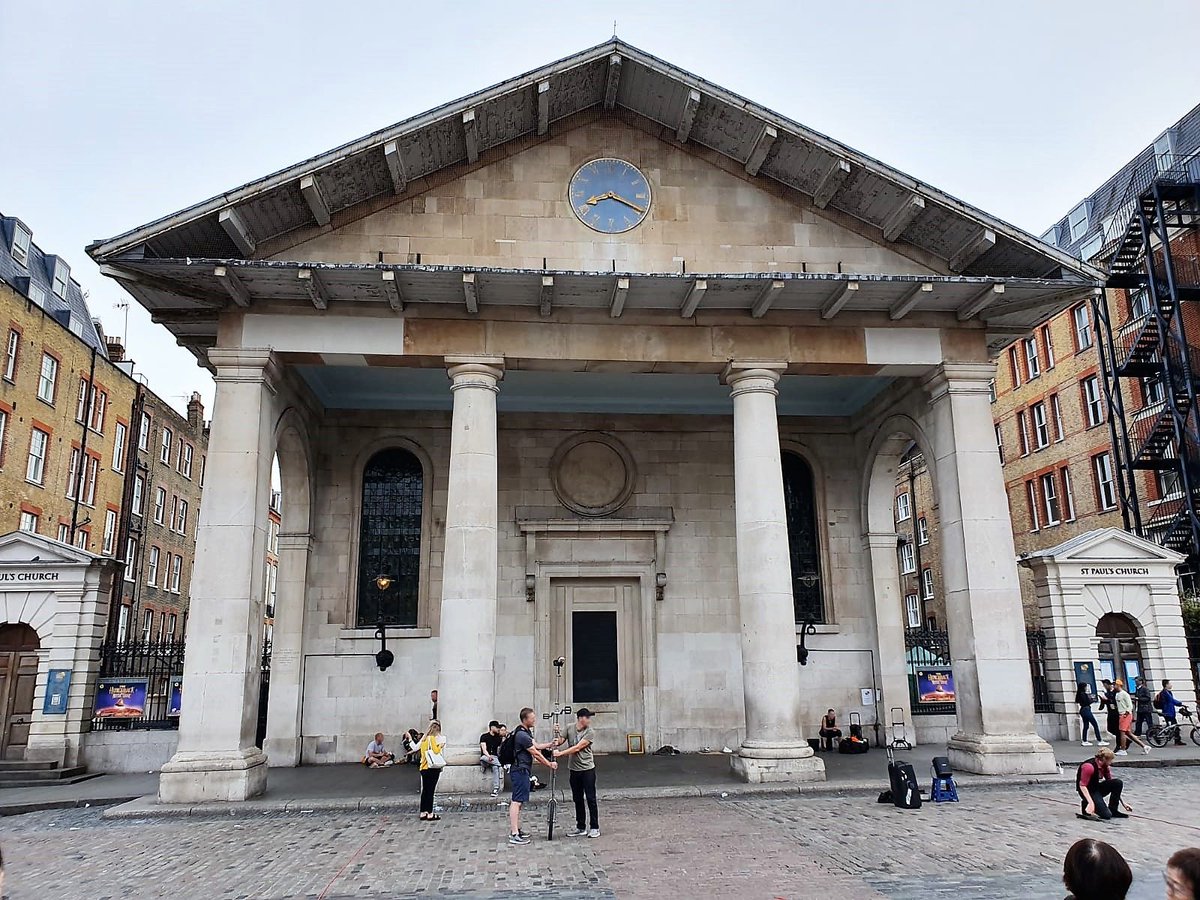
St. Paul's Church in London, designed by Inigo Jones, is a great example.
You can see the simple, sturdy, robustness of the Tuscan order here.
St. Paul's Church in London, designed by Inigo Jones, is a great example.
You can see the simple, sturdy, robustness of the Tuscan order here.
2. Doric
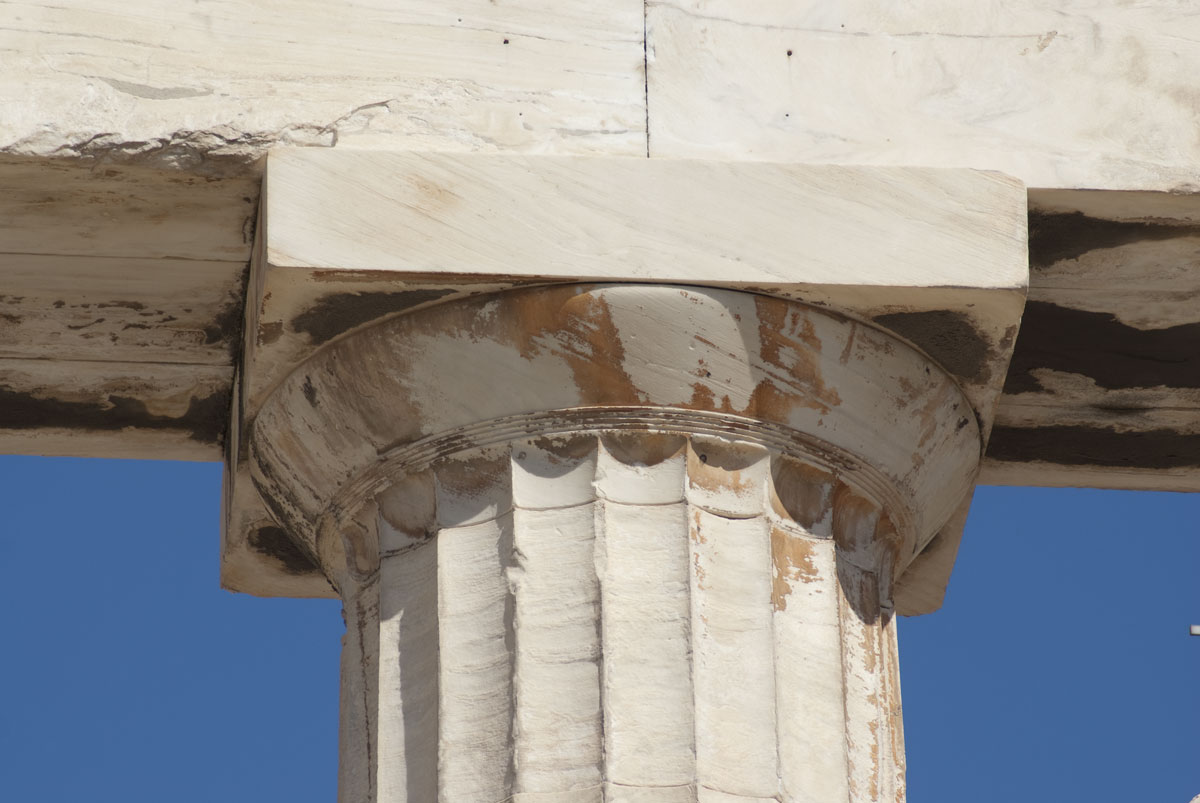
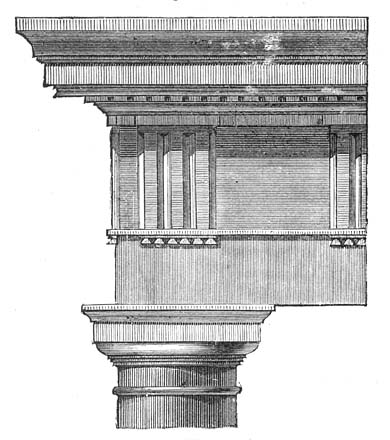
This is the first of the three Greek orders, and it was their simplest. The capital is a simple circle which flairs out from the shaft to support the entablature.
And they usually - but not always - have fluted shafts.
This is the first of the three Greek orders, and it was their simplest. The capital is a simple circle which flairs out from the shaft to support the entablature.
And they usually - but not always - have fluted shafts.
It should also be noted that Doric columns are relatively short and squat.
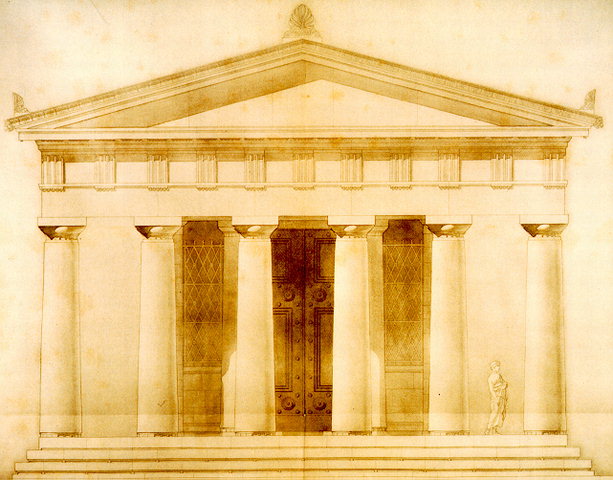
But the best way to distinguish the Doric and the Tuscan orders - which can be confusingly similar in their simplicity - is by the entablature.
Remember how the Tuscan's was completely plain? The Doric has more going on:
Remember how the Tuscan's was completely plain? The Doric has more going on:
3. Ionic
A magnificent balance between simplicity and detail.
Their distinctive feature is those large spirals or scrolls, known as "volutes".
A magnificent balance between simplicity and detail.
Their distinctive feature is those large spirals or scrolls, known as "volutes".
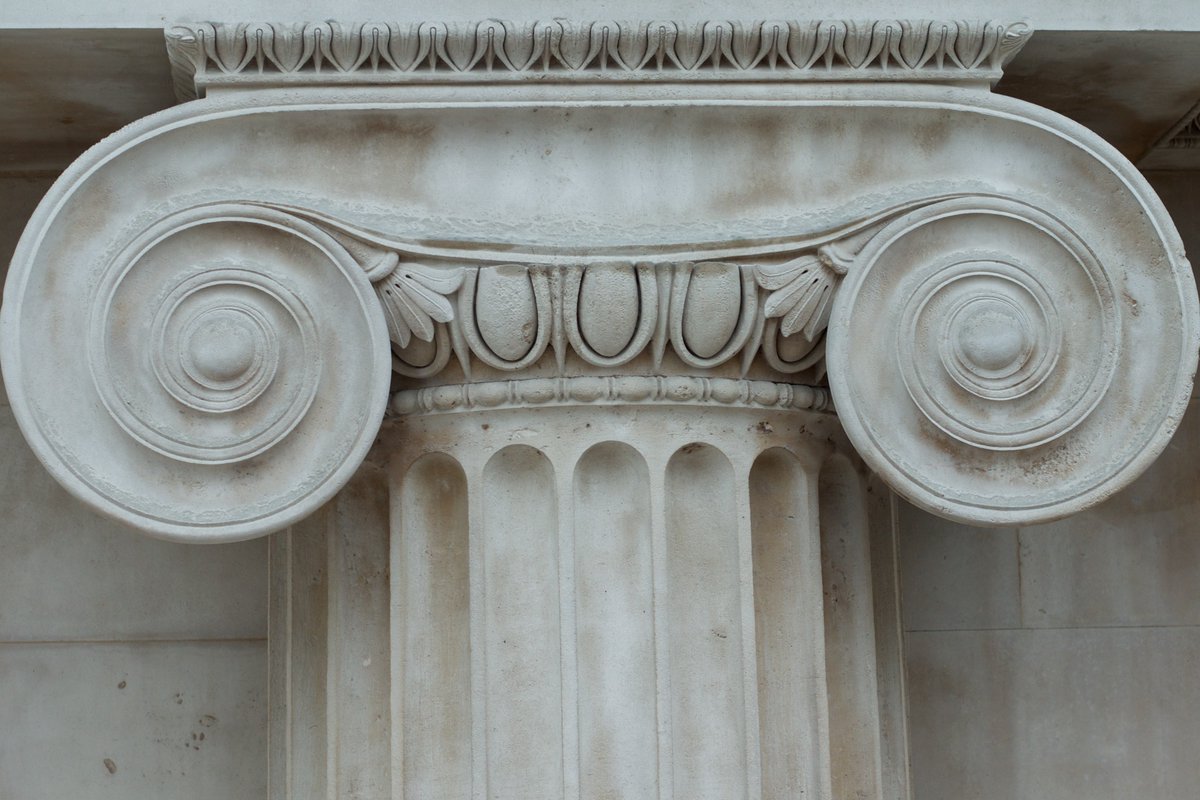
While Ionic columns are slimmer and taller than their Doric counterparts.

4. Corinthian
The most ornate and luxurious of the three Greek orders.
Their distinguishing feature is detailed carvings of acanthus leaves on the capital.
The most ornate and luxurious of the three Greek orders.
Their distinguishing feature is detailed carvings of acanthus leaves on the capital.
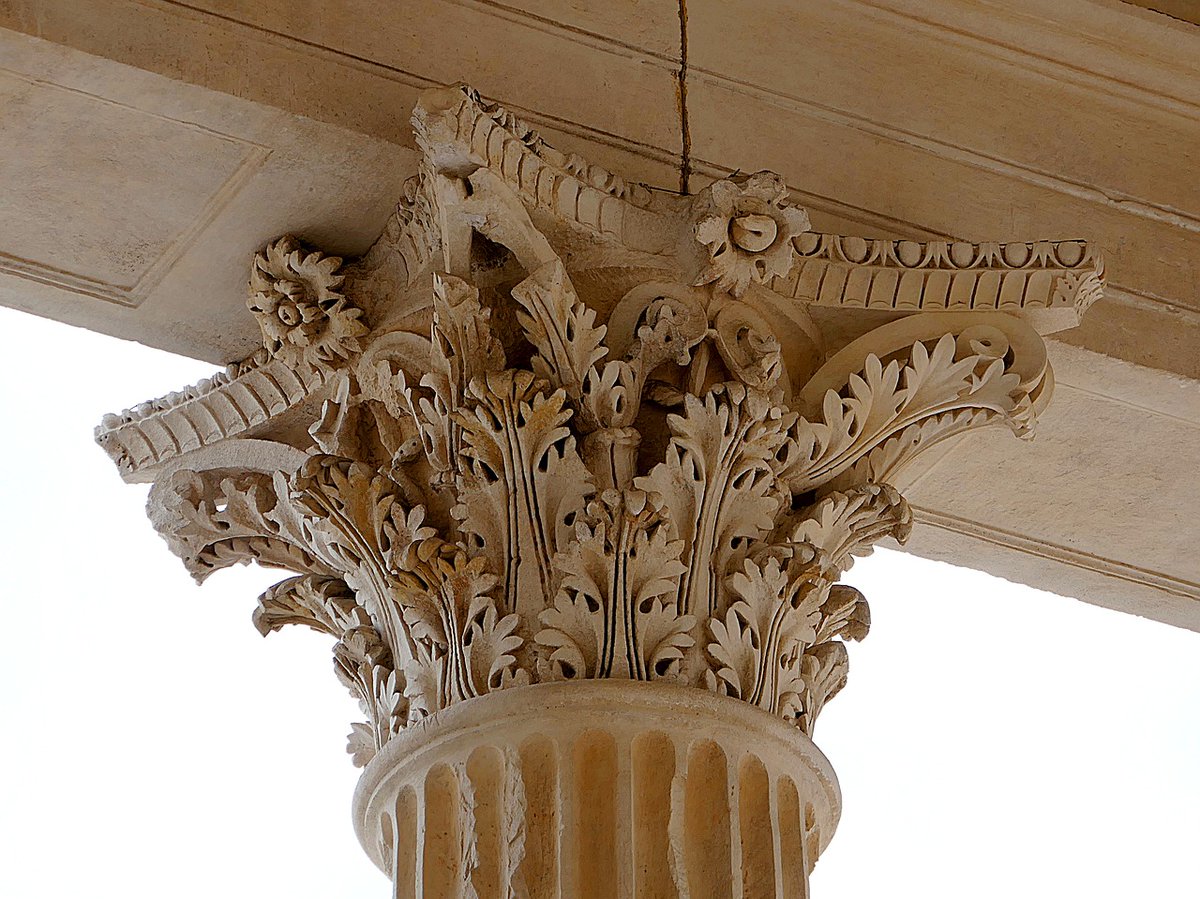
And Corinthian columns are the most slender and tallest of the original three Greek orders.
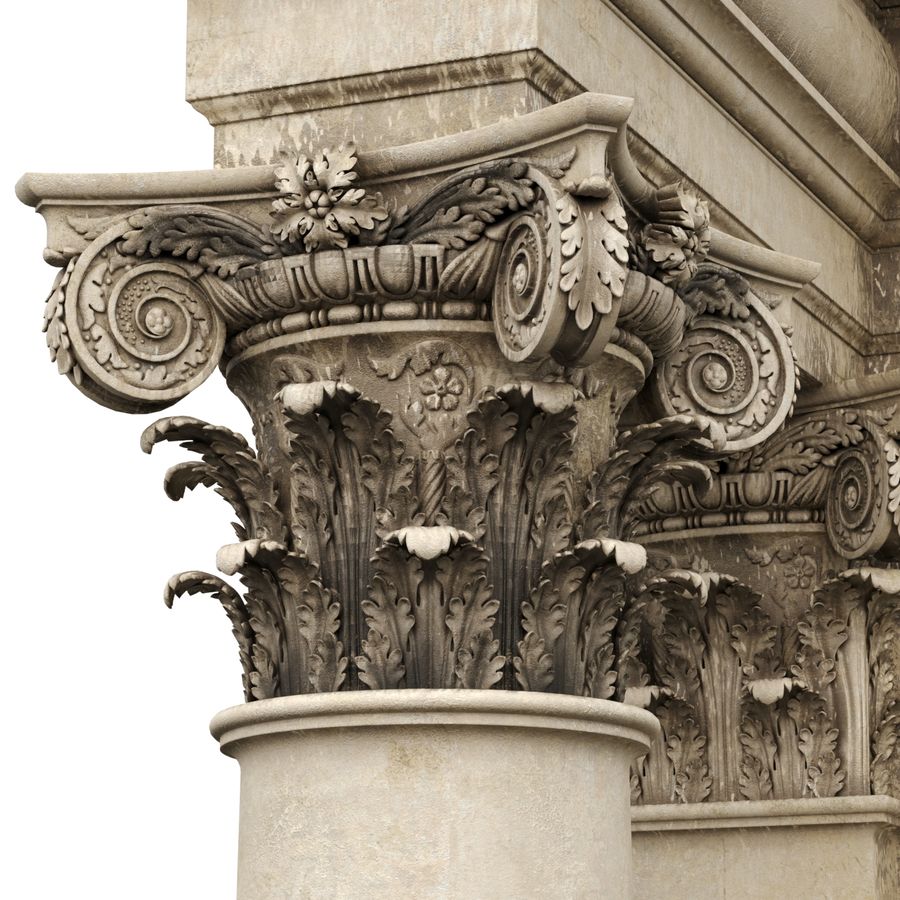
5. Composite
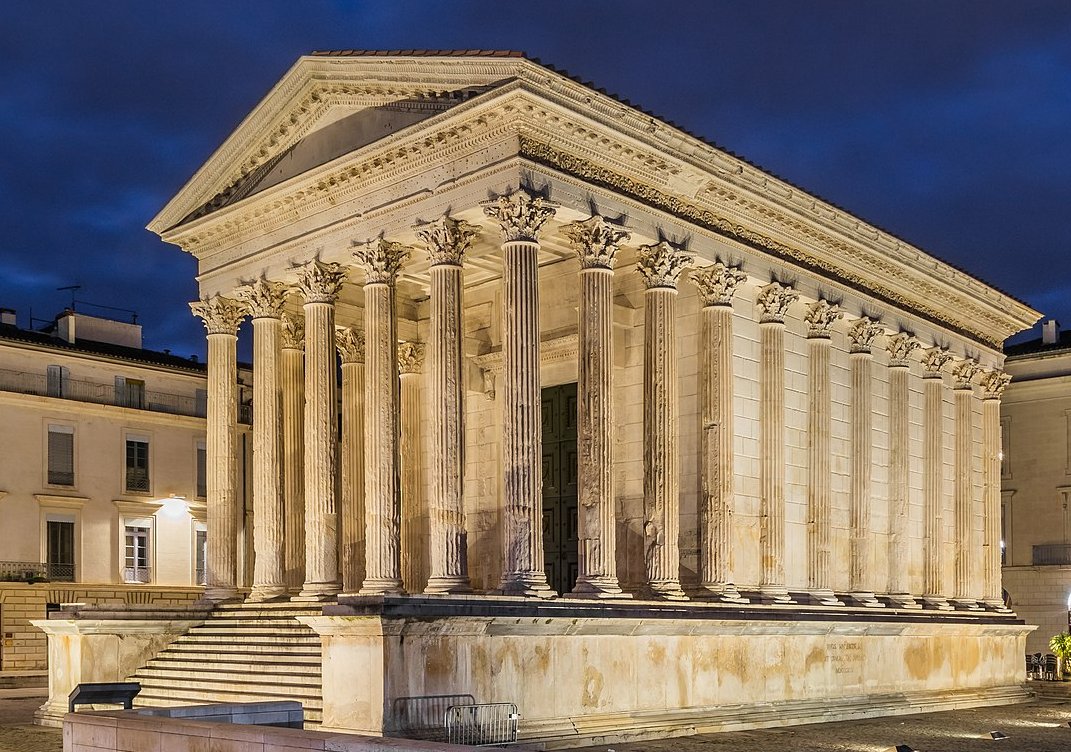
A Roman invention. This is a combination of the Ionic and Corinthian orders.
It's got both the ornate carved foliage of the Corinthian and the "volutes" of the Ionic.
A Roman invention. This is a combination of the Ionic and Corinthian orders.
It's got both the ornate carved foliage of the Corinthian and the "volutes" of the Ionic.
The magic of the classical orders is that they are an architectural language.
They are the vocabulary and grammar of design, and can be used to give buildings a distinctive feel, complexity, structure, or "tempo":
They are the vocabulary and grammar of design, and can be used to give buildings a distinctive feel, complexity, structure, or "tempo":

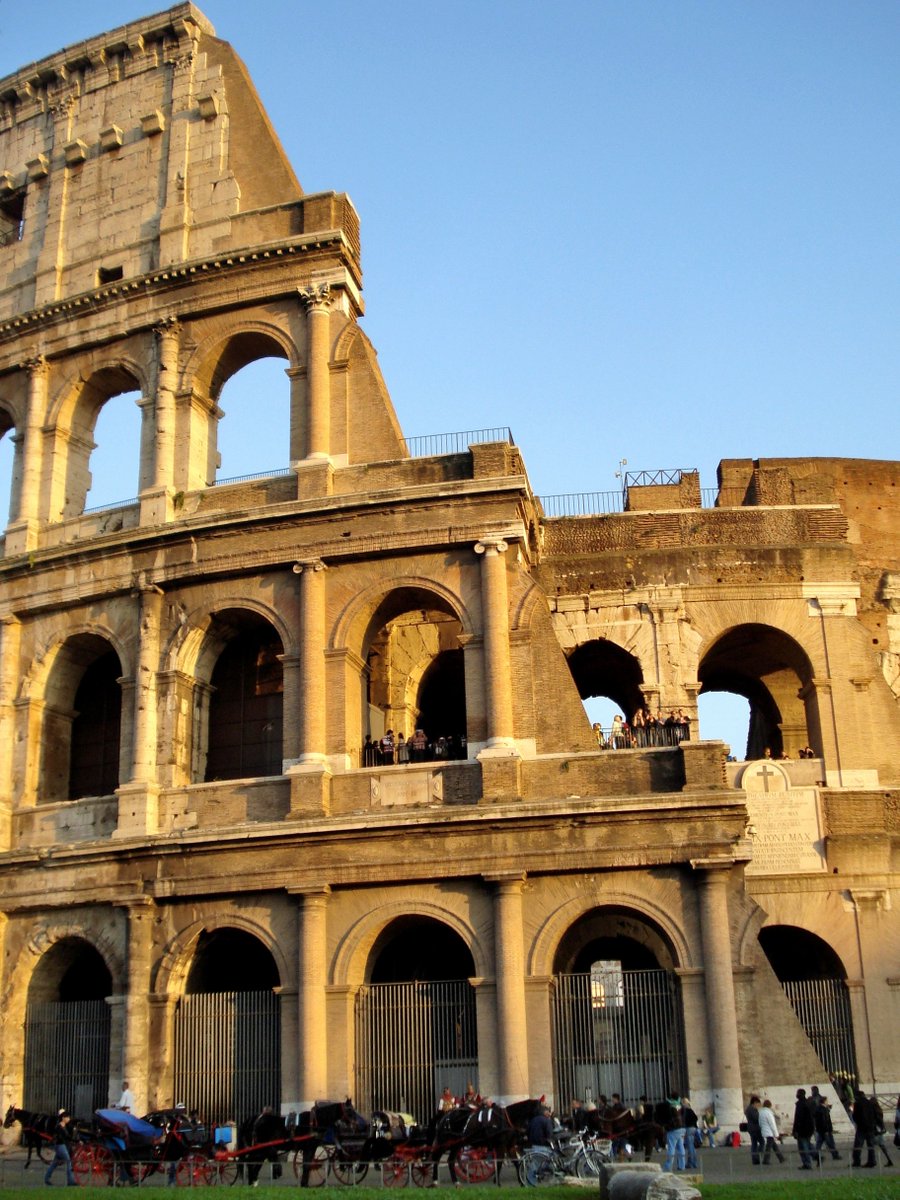
Or they can be combined... let's return to the Colosseum.
Notice how each storey of arches is decorated with columns? Well, each storey uses a *different* order, with increasing complexity from bottom to top.
Doric > Ionic > Corinthian
Notice how each storey of arches is decorated with columns? Well, each storey uses a *different* order, with increasing complexity from bottom to top.
Doric > Ionic > Corinthian
So that's the five classical orders, with some details inevitably elided, such as the importance of proportion.
There's so much more to dig into with classical architecture, especially with regards to how the orders are actually used, but that's for another day...
There's so much more to dig into with classical architecture, especially with regards to how the orders are actually used, but that's for another day...
Loading suggestions...