

In 1919, two brothers started making shoes in their mother's washroom
A misunderstanding turned them from blood brothers to blood rivals
Their fight gave birth to the greatest sports companies on the planet: ADIDAS & PUMA
Here’s the EPIC story:
A misunderstanding turned them from blood brothers to blood rivals
Their fight gave birth to the greatest sports companies on the planet: ADIDAS & PUMA
Here’s the EPIC story:
There’s a rural town in Germany called Herzogenaurach with a population of just 25,000.
Most of them are involved in one thing: making sports shoes.
ADIDAS & PUMA headquarters are located on opposite sides of the Aurach river where the brothers used to go ice skating together.
Most of them are involved in one thing: making sports shoes.
ADIDAS & PUMA headquarters are located on opposite sides of the Aurach river where the brothers used to go ice skating together.
The two brothers became partners and registered a shoe-making company called Gebrüder Dassler (GEDA) in 1924.
Rudolf (or Rudi) managed the business and focused on profitability and cash flow WHILE Adolf (or Adi) managed the production and focused on innovation and creativity.
Rudolf (or Rudi) managed the business and focused on profitability and cash flow WHILE Adolf (or Adi) managed the production and focused on innovation and creativity.
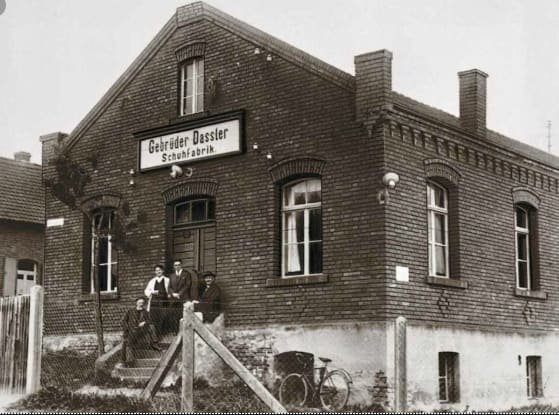
They improved the performance and quality of the shoes by replacing the heavy metal spikes with lightweight and detachable spikes made of canvas and rubber.
Adi and Rudi were marketing geniuses.
Adi and Rudi were marketing geniuses.
Marketing generally takes up a huge chunk of business revenue, but their goal was to milk maximum output from the amount of time and money invested.
They devised a strategy to position the product in such a way that it stood out to people, and the distribution is automated.
They devised a strategy to position the product in such a way that it stood out to people, and the distribution is automated.
The best way to achieve this was by sponsoring the best athletes throughout the world.
And this led to the birth of SPORTS MARKETING as we know it today.
And this led to the birth of SPORTS MARKETING as we know it today.
The 1936 Berlin Olympics was their big breakthrough.
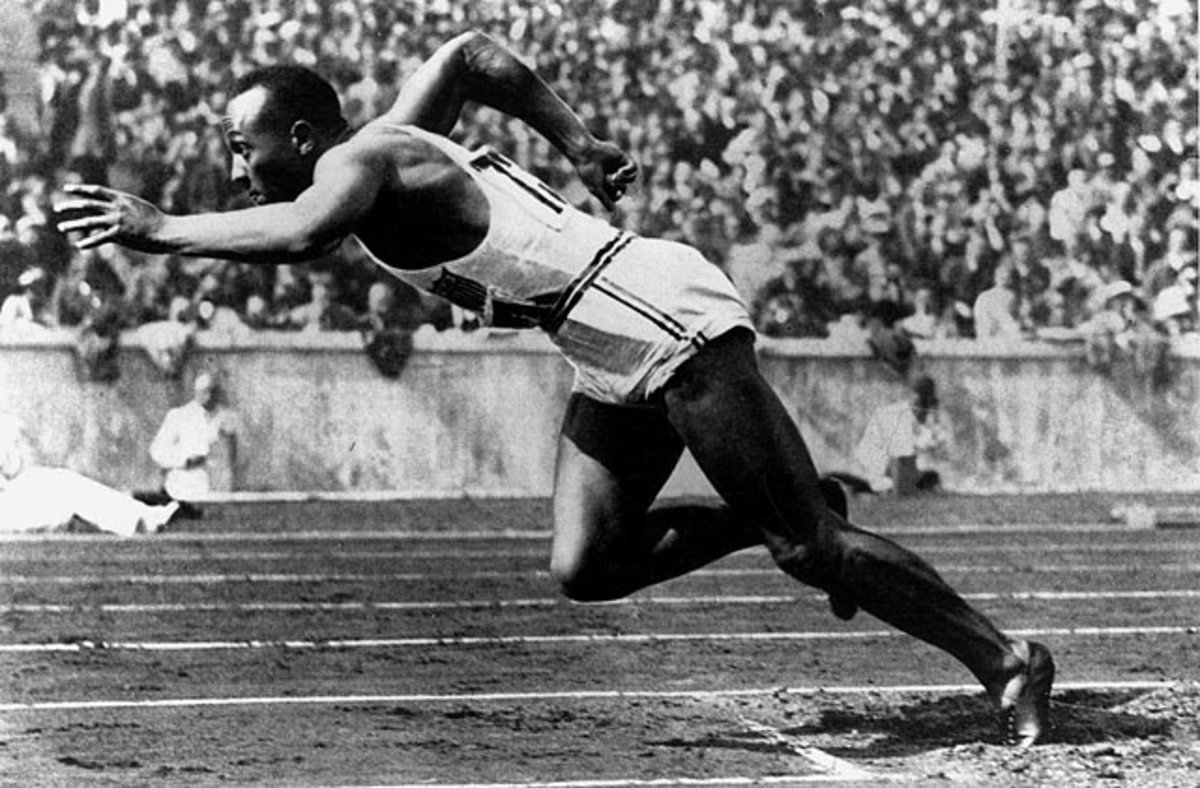
They offered a pair of these athletic spikes to the African-American track-and-field star Jesse Owens.
Owens went on to win 4 Olympic gold medals wearing them, and instantaneously made the Dassler brothers world-famous.
They offered a pair of these athletic spikes to the African-American track-and-field star Jesse Owens.
Owens went on to win 4 Olympic gold medals wearing them, and instantaneously made the Dassler brothers world-famous.
This actually saved them 9 years later!
You see, at a time when someone with racism running through his veins was at the helm, getting your company endorsed by an athlete of colour could put your business in danger.
You see, at a time when someone with racism running through his veins was at the helm, getting your company endorsed by an athlete of colour could put your business in danger.
But 3 years before the Berlin Olympics, the brothers had joined the Nazi party to be able to continue running their business and take advantage of the politics.
Hitler was promoting sports and importance of physical exercise during the Nazi regime.
Hitler was promoting sports and importance of physical exercise during the Nazi regime.
The Dasslers supplied sportswear to the clubs in Hitler Youth Movement and Adi also became a coach for them.
Now, being attached so closely with the Nazi party would have proved fatal once the World War 2 ended.
Now, being attached so closely with the Nazi party would have proved fatal once the World War 2 ended.
During the last stages of WW2, Americans invaded and attacked Germany to carry out denazification.
However, the American troops decided not to blow up the Dassler factory after discovering that Owens’ victory shoes were crafted there.
However, the American troops decided not to blow up the Dassler factory after discovering that Owens’ victory shoes were crafted there.
Instead, the Americans themselves became their customers.
Due to their different views on how to run the business, the brothers abruptly split and went their own ways in 1948.
While the actual reason is unclear, there are several theories on what else led to this decision.
Due to their different views on how to run the business, the brothers abruptly split and went their own ways in 1948.
While the actual reason is unclear, there are several theories on what else led to this decision.
But just to make you aware of the scale of this split, it didn’t just affect the Dassler family.
It polarized everyone in the town and it was known as the town of bent necks.
This might sound funny right now, but people didn’t talk to those wearing the opposite brand’s shoes.
It polarized everyone in the town and it was known as the town of bent necks.
This might sound funny right now, but people didn’t talk to those wearing the opposite brand’s shoes.
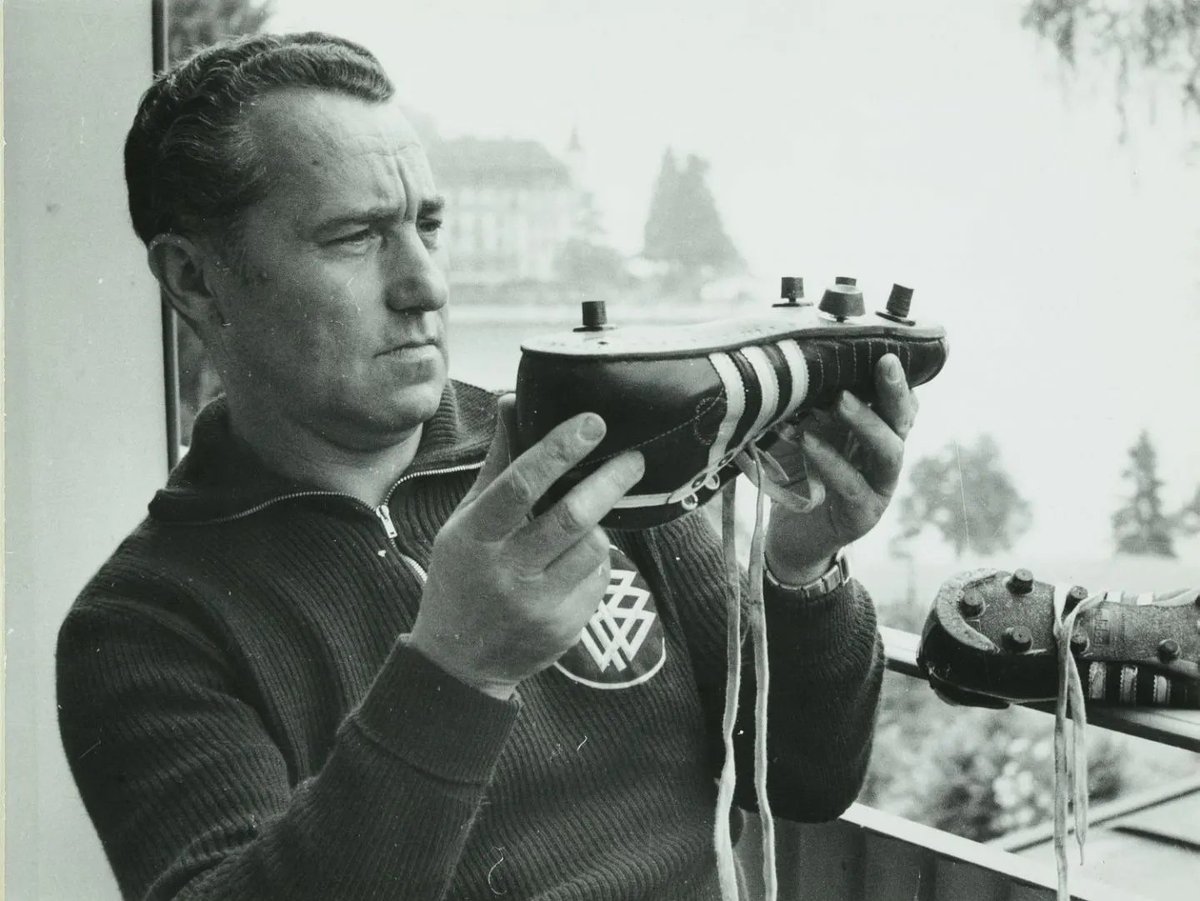
Now, the two stripes on the shoes worn by Owens had a technical function, but most importantly they added a symbolic value to the shoe.
Adi understood this symbolism could help create a recall for the brand.
And thus came the 3-STRIPES.
Adi understood this symbolism could help create a recall for the brand.
And thus came the 3-STRIPES.
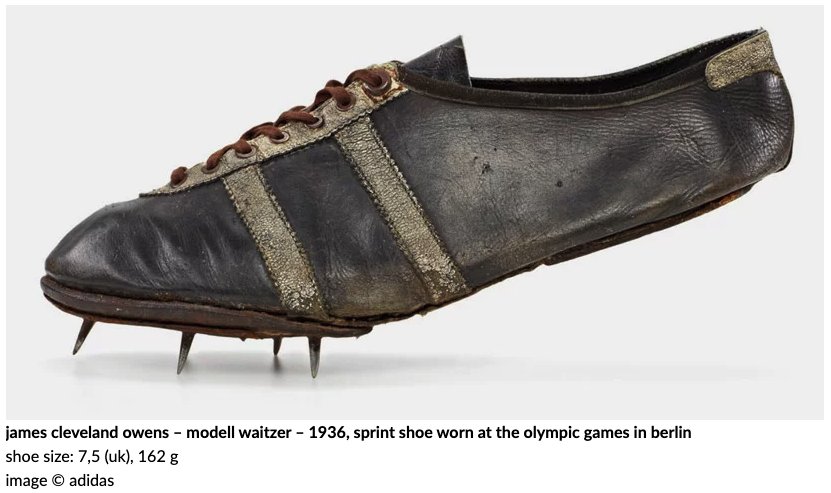
The classic 3-STRIPES branding was a masterstroke by Adi. It immortalized the brand.
When photos of athletes appeared in the newspapers, the 3-stripes on their shoes were easily recognizable.
When photos of athletes appeared in the newspapers, the 3-stripes on their shoes were easily recognizable.
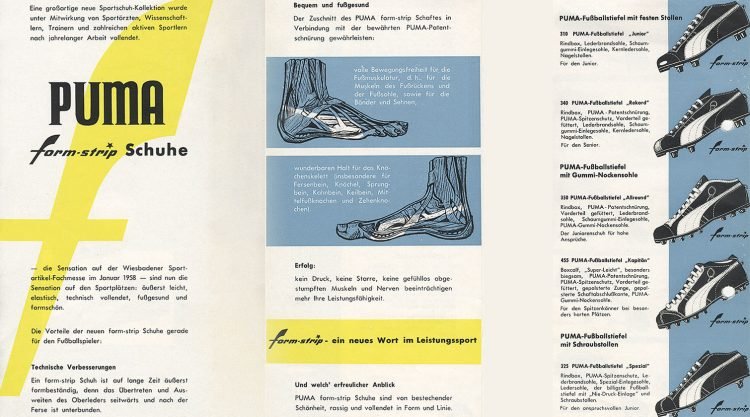
Across the river, even Rudi originally introduced the iconic FORMSTRIP logo as a functionality to provide extra stability to the foot inside the shoe.
However, it came in different colours and soon became an elemental design for Puma as it drew attention to the brand.
However, it came in different colours and soon became an elemental design for Puma as it drew attention to the brand.
When you do things right, luck also comes your way.
See, even though you provide kits for athletes, you don’t get much ROI unless they are worn by champions.
In 1954, the Hungarians who were unbeaten for 4 consecutive FIFA World Cups, played the underdog Germans in the finale.
See, even though you provide kits for athletes, you don’t get much ROI unless they are worn by champions.
In 1954, the Hungarians who were unbeaten for 4 consecutive FIFA World Cups, played the underdog Germans in the finale.
Germans won. And guess what were they wearing?
Adidas! This event changed everything for them.
Not only were the Adidas studs shown to the world, they proved to be an essential ingredient for West Germany’s win.
Adidas! This event changed everything for them.
Not only were the Adidas studs shown to the world, they proved to be an essential ingredient for West Germany’s win.
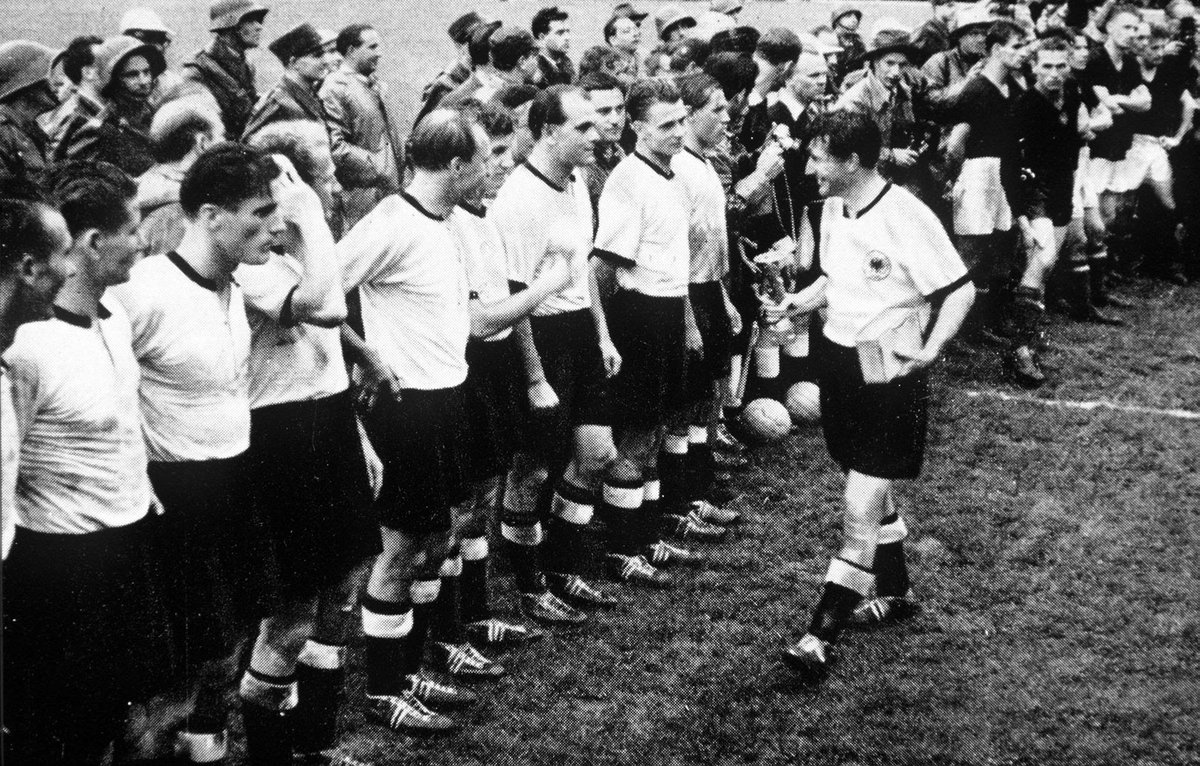
Adi was directly involved in it.
He advised the German team to change to longer stud for a better grip in very wet conditions and the Hungarians were slowing down because of their shoes.
Since the Adidas had interchangeable studs, they were able to do that easily.
He advised the German team to change to longer stud for a better grip in very wet conditions and the Hungarians were slowing down because of their shoes.
Since the Adidas had interchangeable studs, they were able to do that easily.
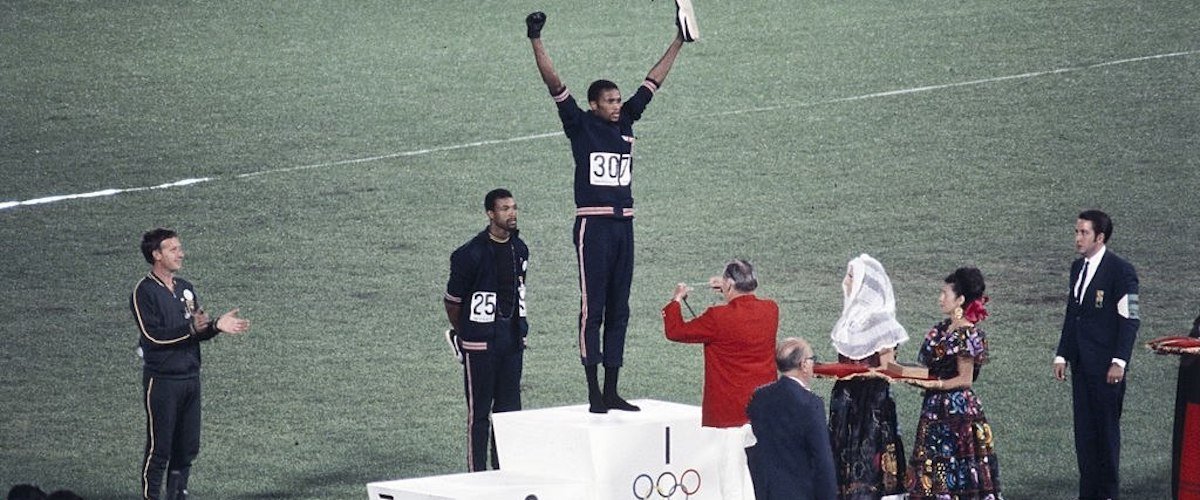
At 1968 Olympics, American athletes Smith and Carlos stood on the podium with a B&W Puma Suede in hand and raised their fists in a silent gesture against the racism in USA.
Suede got popularized by Hip-Hop culture and continues to inspire generations to create defining moments.
Suede got popularized by Hip-Hop culture and continues to inspire generations to create defining moments.
Athlete endorsements had now become an important marketing strategy for both the companies.
But they wasted a lot of time and money trying to one up each other.
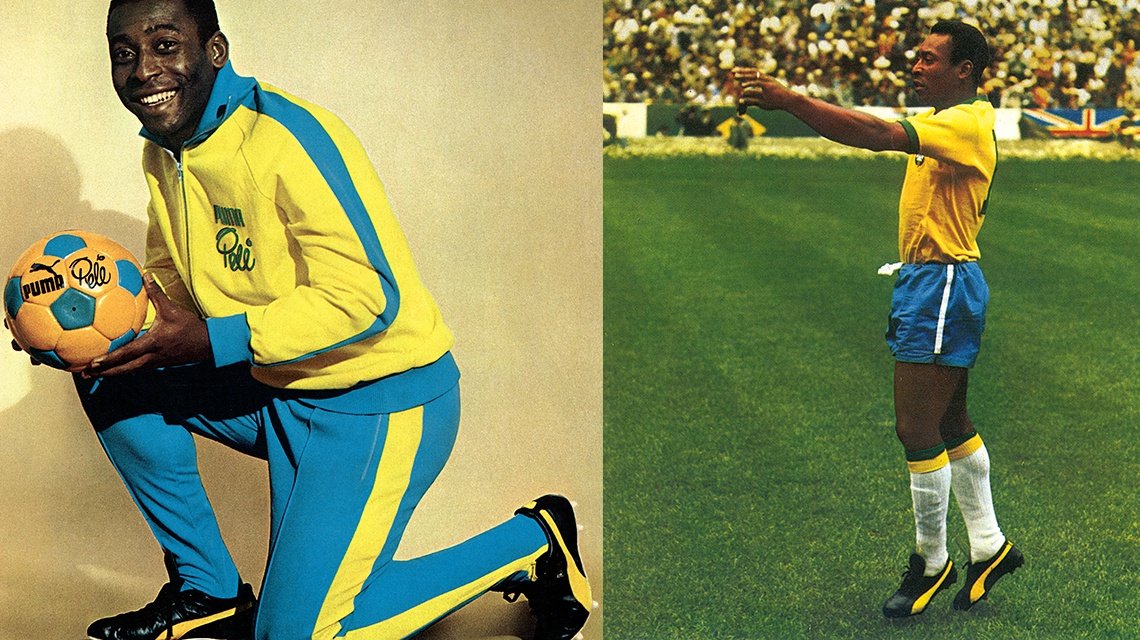
So, both of them agreed not to sign Pele — world’s greatest football player at the time!
But they wasted a lot of time and money trying to one up each other.
So, both of them agreed not to sign Pele — world’s greatest football player at the time!
Puma broke the “Pele-Pact” at the 1970 World Cup when the camera focused on him and millions of TV viewers saw him tying his Puma shoes.
This infuriated Adidas and the rivals turned bitter for decades to come.
This infuriated Adidas and the rivals turned bitter for decades to come.
Adi was not only innovation-driven, he was also obsessed with a number of sports.
He carefully studied the athlete’s movements, talked about their needs, and developed specialized shoes for that sport.
Adidas lost its track in 90s trying to beat Nike and Reebok.
He carefully studied the athlete’s movements, talked about their needs, and developed specialized shoes for that sport.
Adidas lost its track in 90s trying to beat Nike and Reebok.
They confused their brand recall, had no innovation, and did not focus on athletes.
So, they went back to their roots and repeated what Adi did right.
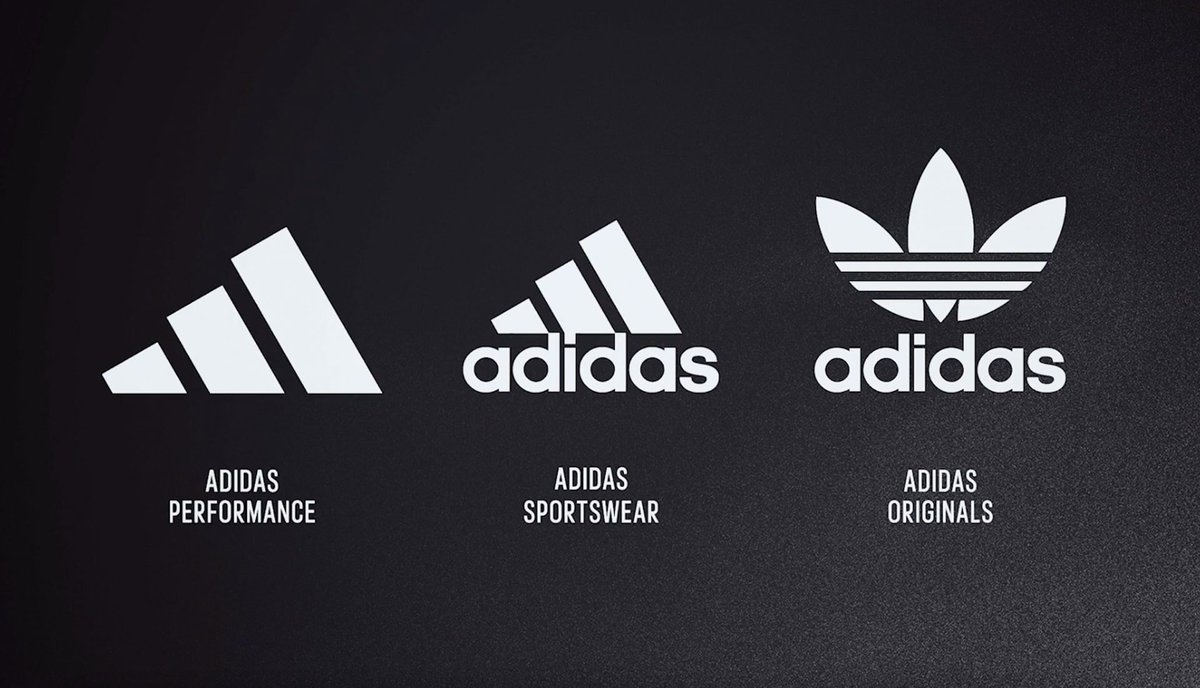
Adidas also separated the leisure wear business into Adidas Originals, and bounced back.
So, they went back to their roots and repeated what Adi did right.
Adidas also separated the leisure wear business into Adidas Originals, and bounced back.
Puma was a core sports company, but it fell after becoming public in 1986.
A decade later, Puma started collaborating with fashion designers and became a market leader in the SPORTS LIFESTYLE segment.
They became popular among youth for their stylish and fashionable products.
A decade later, Puma started collaborating with fashion designers and became a market leader in the SPORTS LIFESTYLE segment.
They became popular among youth for their stylish and fashionable products.
However, the hype was short-lived.
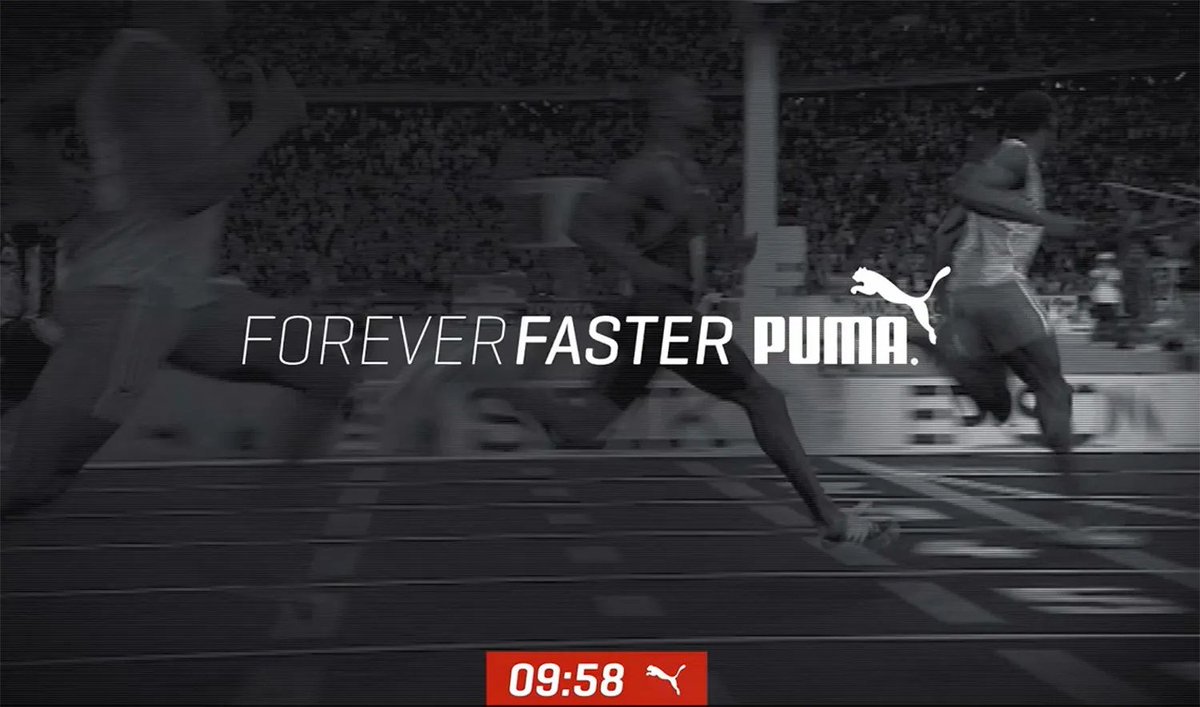
So Puma launched its FOREVER FASTER brand campaign in 2014 to become the fastest sports brand in the world and reclaim its lost credibility as a sports brand.
Today, Adidas is the second largest sportswear brand in the world followed by Puma.
So Puma launched its FOREVER FASTER brand campaign in 2014 to become the fastest sports brand in the world and reclaim its lost credibility as a sports brand.
Today, Adidas is the second largest sportswear brand in the world followed by Puma.
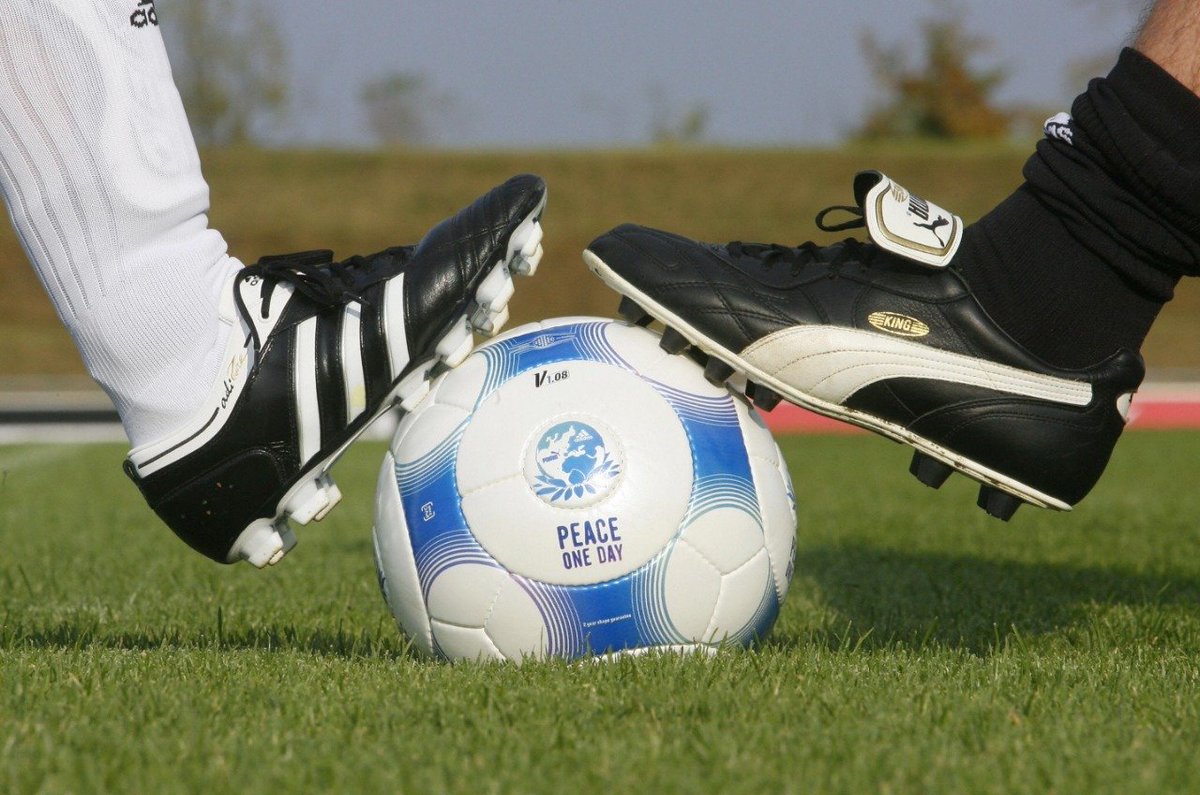
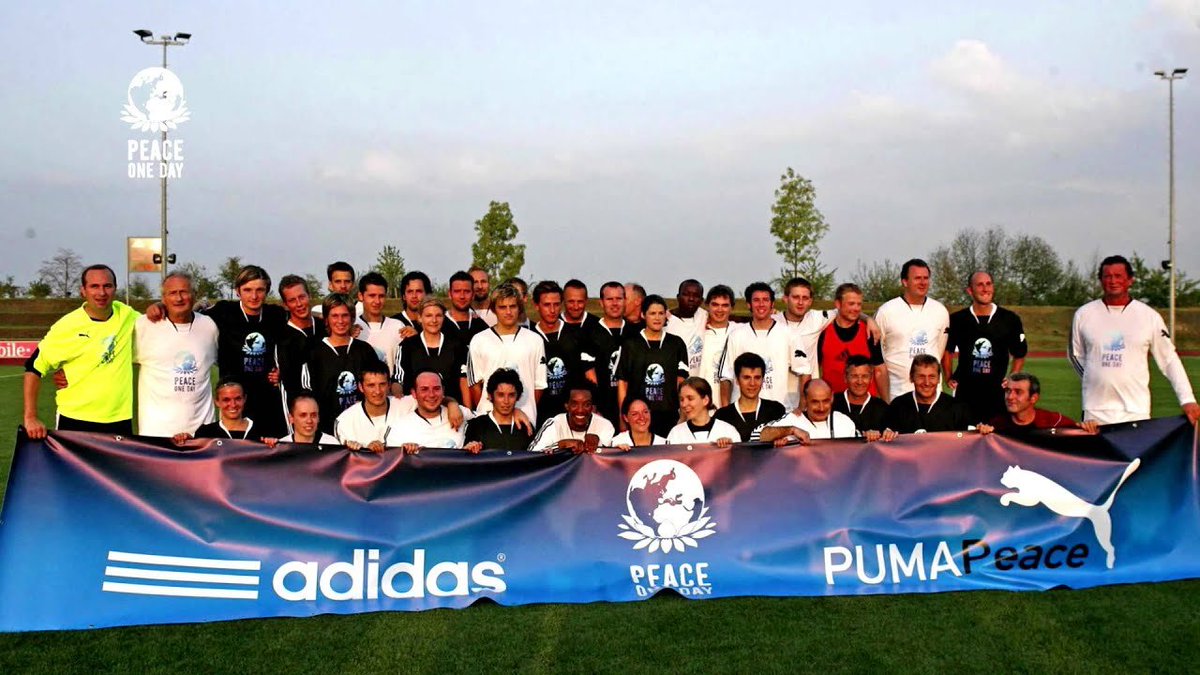
The companies symbolically ended the 60-year-old rivalry in 2009 with a friendly football match.
Employees of both companies played in both teams, including the management and board members.
The event was held in support of the peace initiative — Peace One Day.
Employees of both companies played in both teams, including the management and board members.
The event was held in support of the peace initiative — Peace One Day.
If you liked this thread do ReTweet🔄 the first tweet and follow us @FinFloww for more.
Join our WhatsApp Community for daily updates:
chat.whatsapp.com
chat.whatsapp.com
Loading suggestions...