

The allopaniShat storm in a teacup
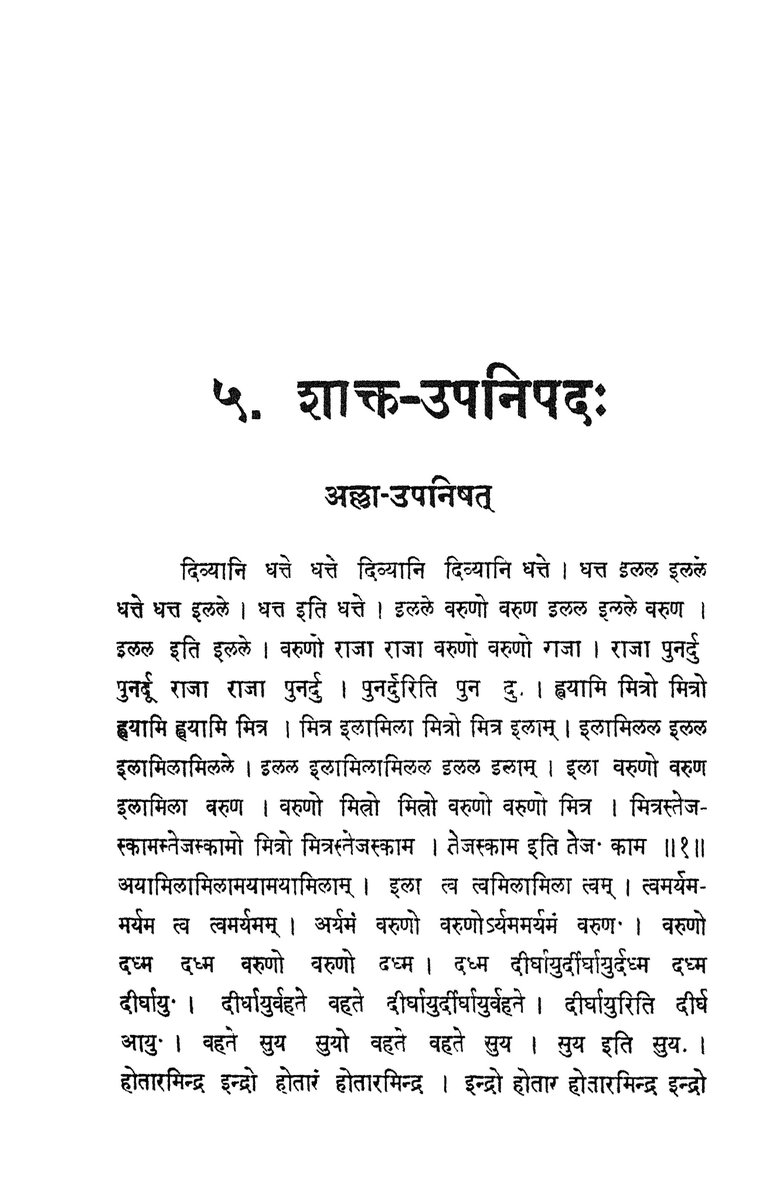
1. Gurudeva said that the allopaniShat is available in a compilation published by Chowkhamba. This was not readily available.
2. We were able to access the same from the version published by Motilal Banarsidas edited by J.L. Shastri. See imgs
1. Gurudeva said that the allopaniShat is available in a compilation published by Chowkhamba. This was not readily available.
2. We were able to access the same from the version published by Motilal Banarsidas edited by J.L. Shastri. See imgs
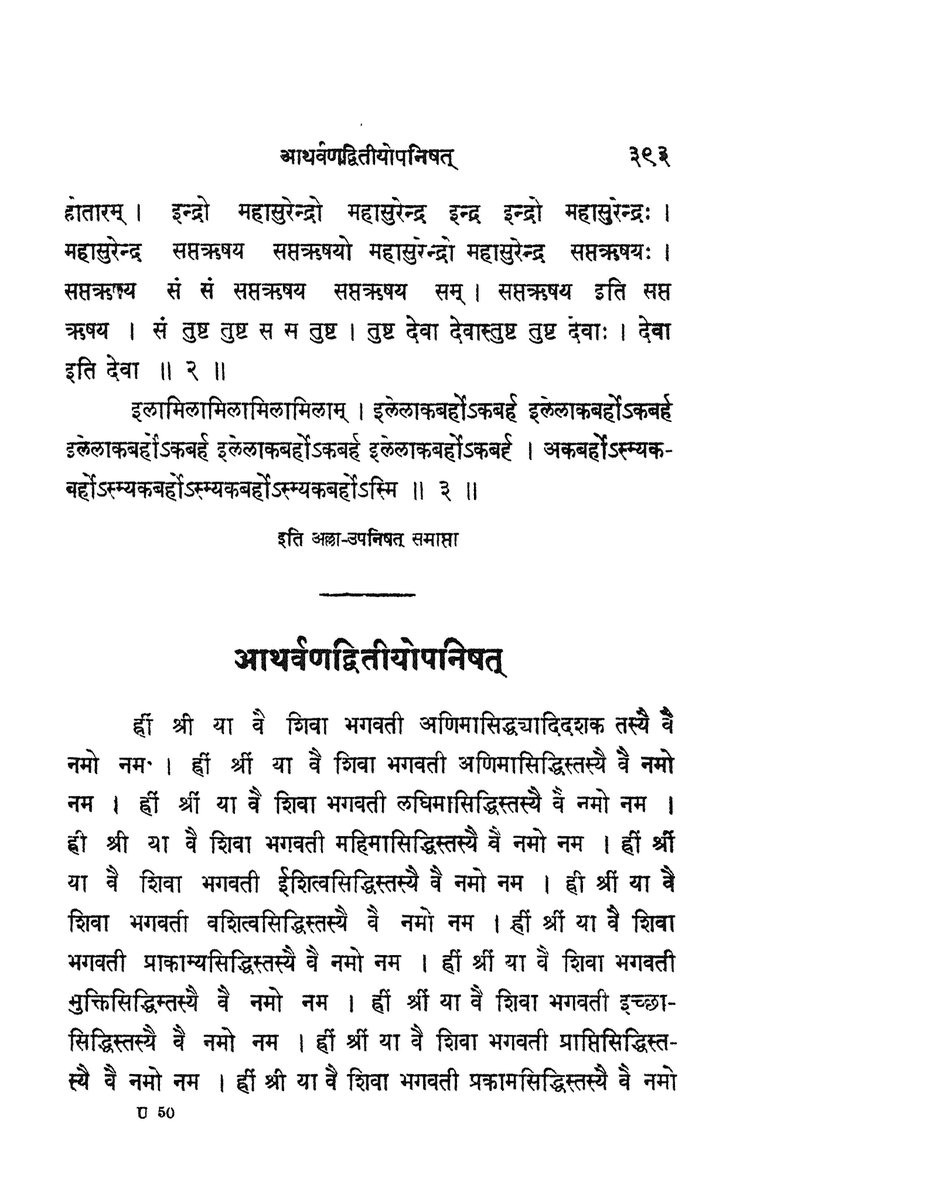
3. Coming to the content, gurudeva's following observations are relevant.
(i) किन्ही को वह उपनिषत् कहीं प्राप्त भी होगी (time stamp 1.10 in this video. youtube.com) which clearly indicates that he is not too sure about its provenance.
(i) किन्ही को वह उपनिषत् कहीं प्राप्त भी होगी (time stamp 1.10 in this video. youtube.com) which clearly indicates that he is not too sure about its provenance.
(ii) संस्कृत का शब्द अल्ला हैं । अल्ला का अर्थ होता हैं शक्ति, भगवती । (time stamp 1.14). This is true. But there is more.
4. The word allah in Arabic or allaa in sanskrit doesn’t occur even once in the allopaniShat except for its title. This gives rise to a serious doubt
4. The word allah in Arabic or allaa in sanskrit doesn’t occur even once in the allopaniShat except for its title. This gives rise to a serious doubt
of its wrong nomenclature. I.e. Someone saw something similar to la ilaaha (in some extant shaakhaa of veda) and assumed it to be in praise of allah. And therefore gave the name “allopaniShat”.
5. The wrd “muhammad”, “rasool” doesn’t occur even once in the entire allopaniShat. In fact for musalmans, allegiance to muhammad is as imp or more imp than their allegiance to allah. Mohd word was erroneously claimed to be in the work by the questioner in the vid. Bt we digress.
6. The word “akbar” doesn’t occur directly but only peripherally. As अकबर्हः (akabarhaH).
7. The word “hu” doesn’t occur once. Necessary for “allah hu akbar”.
8. From the above it follows that neither “allah hu akbar”, nor “la ilaha illallah, muhammad ur rasuul allaah” are avble.
7. The word “hu” doesn’t occur once. Necessary for “allah hu akbar”.
8. From the above it follows that neither “allah hu akbar”, nor “la ilaha illallah, muhammad ur rasuul allaah” are avble.
9. In fact a case can be made out that the work is causing blasphemy (a sin punishable by death as per slamic theology) going by the last few words – akabarhosmi (trans: “I am akabarha”).
With all these in mind, think with a cold mind the following points –
With all these in mind, think with a cold mind the following points –
A. This is a land that has given birth to poets who write poetry that give different meanings one read straight, one in reverse. If at all some emperor wanted to get a work commissioned extolling allah, will he settle for this terrible compromise (from slam’s point of view)?
B. Will some slamic emperor settle for a work of a poet that doesn’t even contain the basic prayers of a musalman and that which may contain a blasphemous statement?
C. The words of the allopaniShat are quite few and convey not much of meaning to the discerning. But such “mantras” abound in tantrashaastra. Whether it were of use to anyone is no one’s business.
In view of all the above, we can understand the stance taken by Gurudeva. There is nothing in it that is absolutely offensive to a Hindu, and nothing in it favourable to slam. What Gurudeva did reflects his honesty. Nothing less.
Loading suggestions...