
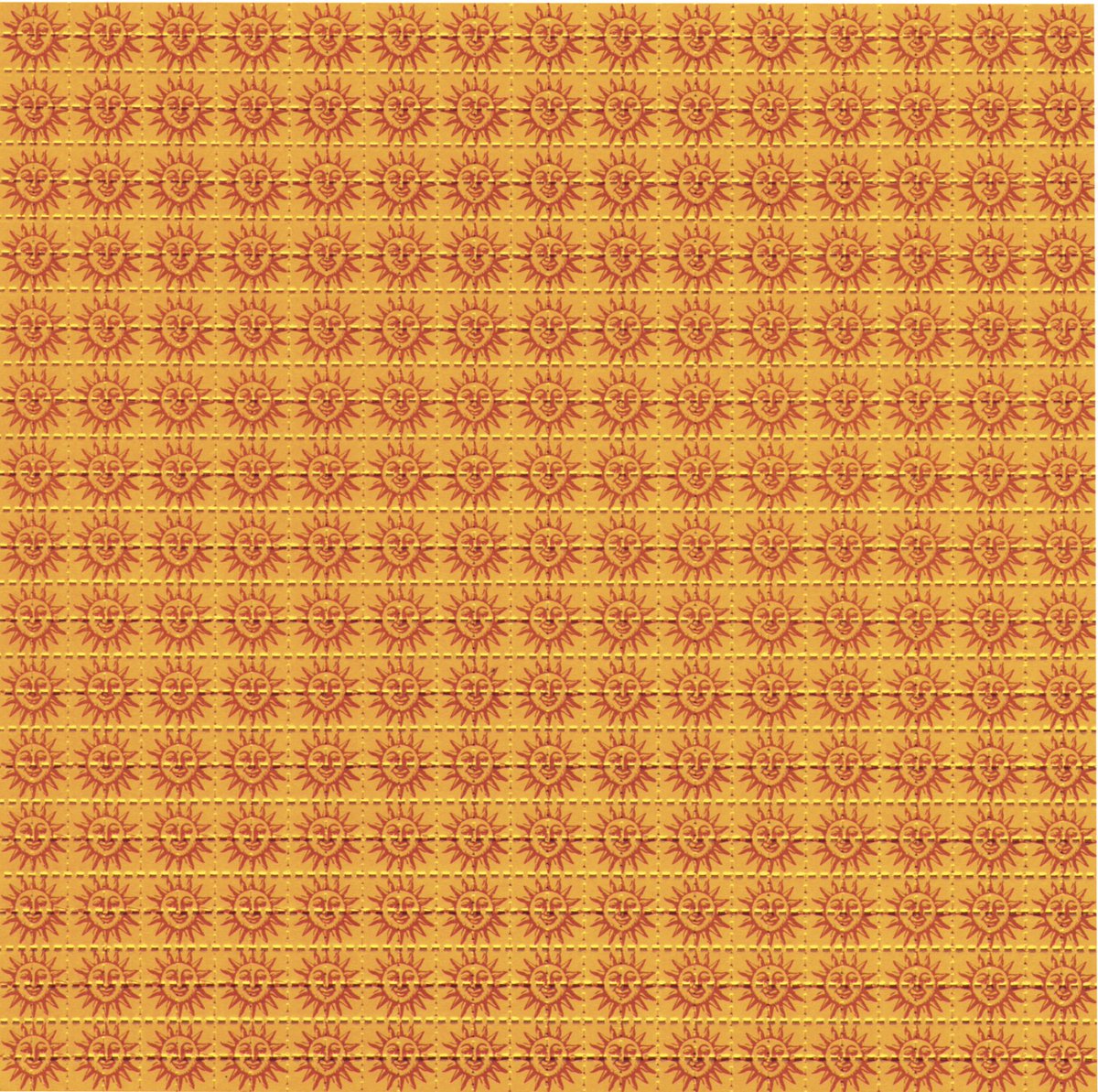
'Blotter Art' dates from the 60s, and refers to the colorfully-designed printed and perforated tab sheets originally soaked with liquid LSD for distribution & sale. Undosed blotter art like these classic "Orange Sunshine" tabs is legal to own and has been collected since the 60s.
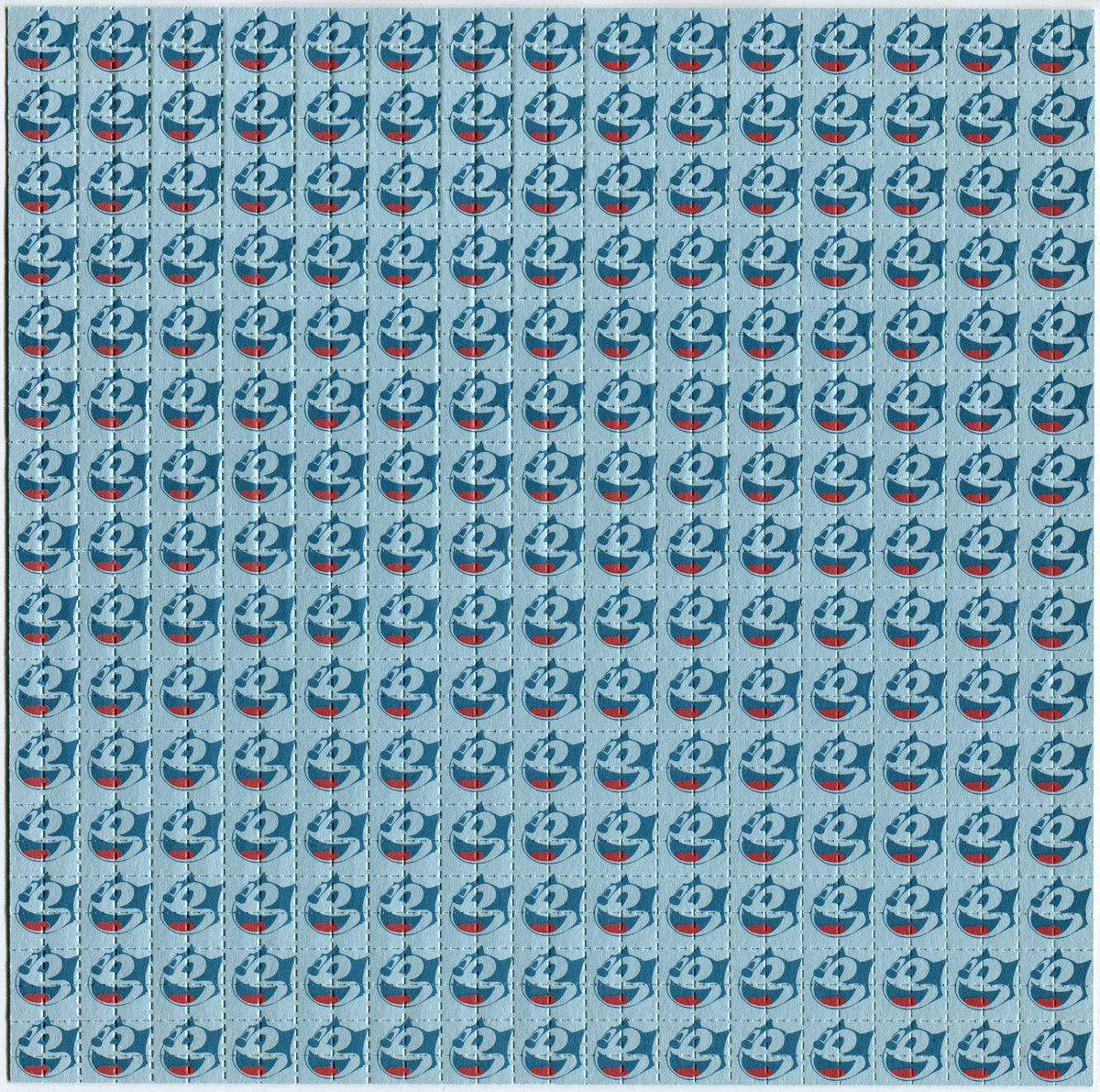
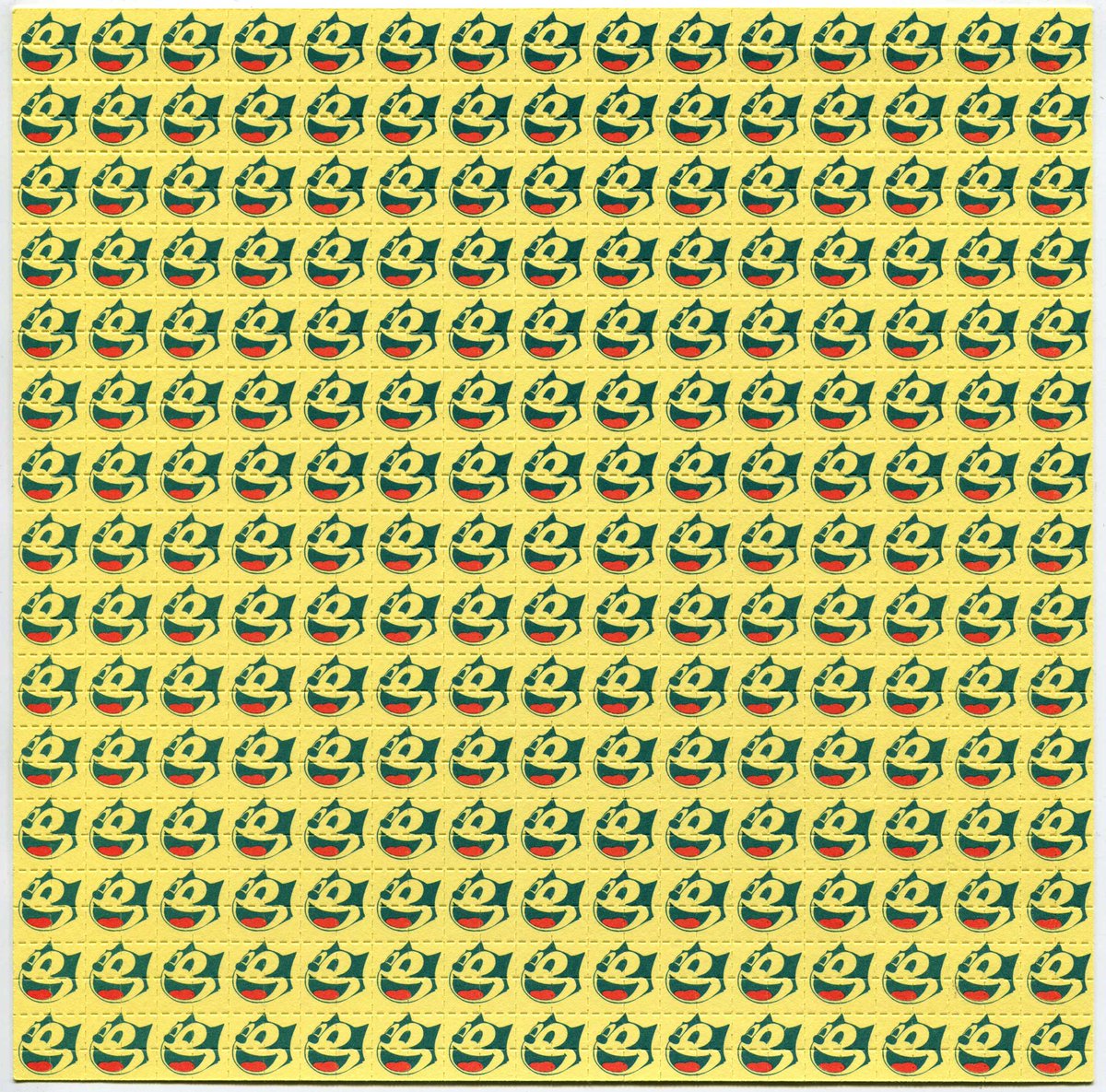
Two color variations of the iconic "Felix the Cat" LSD blotter tabs. All these blotters come from the private library of altered states of consciousness formed by the late & much missed Julio Mario Santo Domingo.
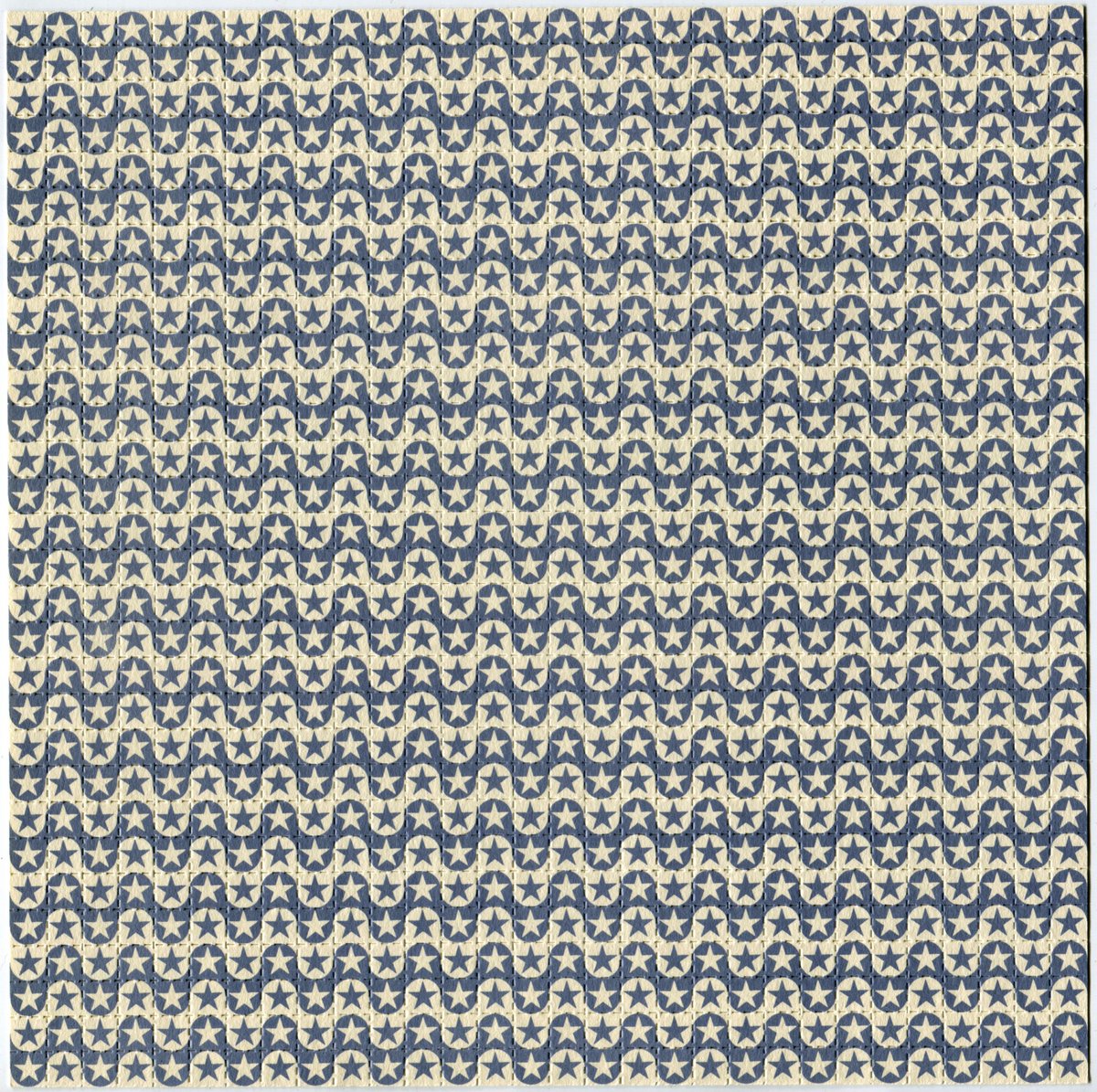
"Stars & Stripes" - another classic 1960s blotter design. Supposedly Jimi Hendrix was a fan of this variant and used to place a few tabs of it on his forehead underneath his bandana before playing a gig. The blotter measures 71⁄2 inches square, and comprises 900 1⁄4 inch hits.
LSD blotters developed as a consequence of mandatory minimum sentencing laws. Sentences for drug offenders were generally based on the weight of the substances with which they were caught. So a drug dealer arrested with one dose of acid on a sugar cube that weighed 1 gram... 1/2

would get the same sentence as a dealer caught with 1 gram of LSD crystal, which represented around 10 000 doses. Dealers quickly figured out that a new, lightweight medium for distributing LSD was needed – hence distribution via small tabbed squares of blotter paper. 2/2

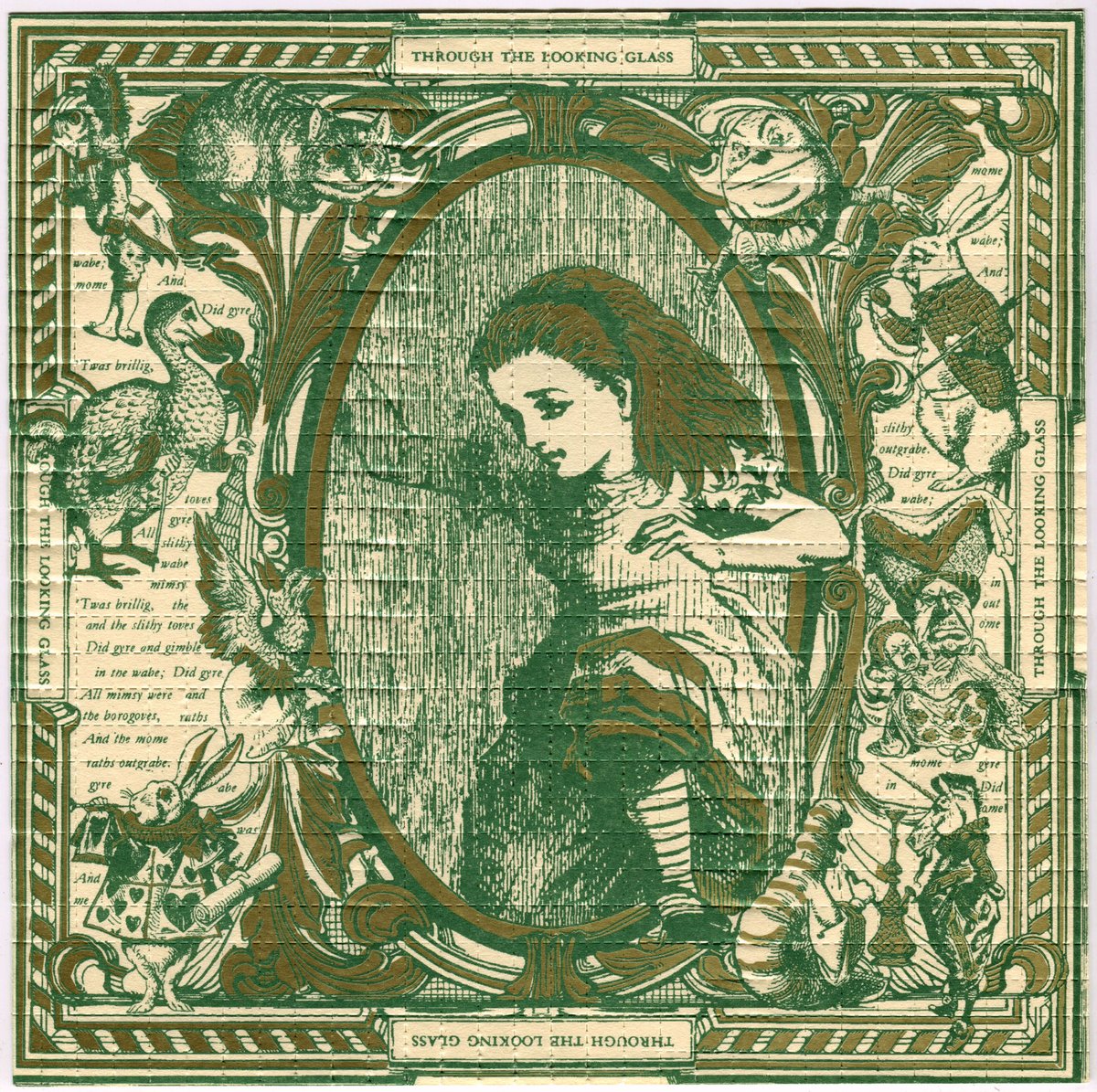
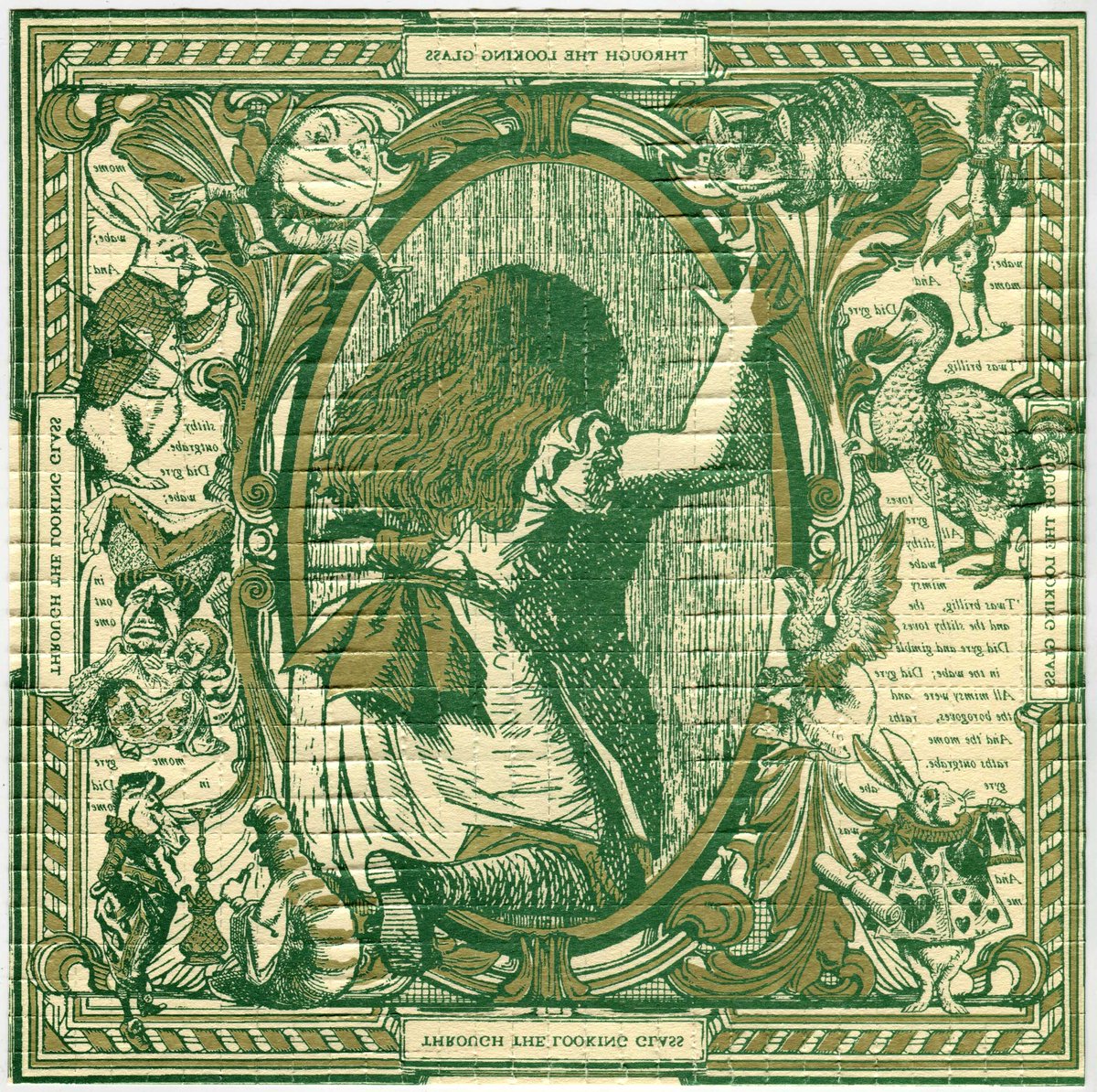
This "Through the Looking Glass" LSD blotter with 900 perforated tabs was designed by Mark McCloud, considered to be the father of modern blotter art. It reproduces Tenniel’s drawings for Dodgson’s story - the images depict Alice passing through the mirror from recto to verso.
Loading suggestions...