
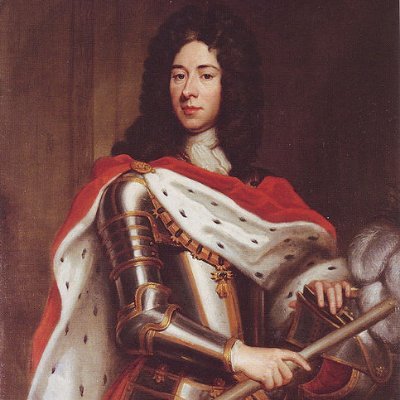
There were some extremely talented generals who could have achieved an even greater legacy but were killed in a battle they were winning.
One of them was Franz von Mercy, the Imperial general from the Thirty Years' War.
Let's take a look at his impressive career!
One of them was Franz von Mercy, the Imperial general from the Thirty Years' War.
Let's take a look at his impressive career!
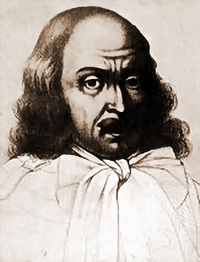
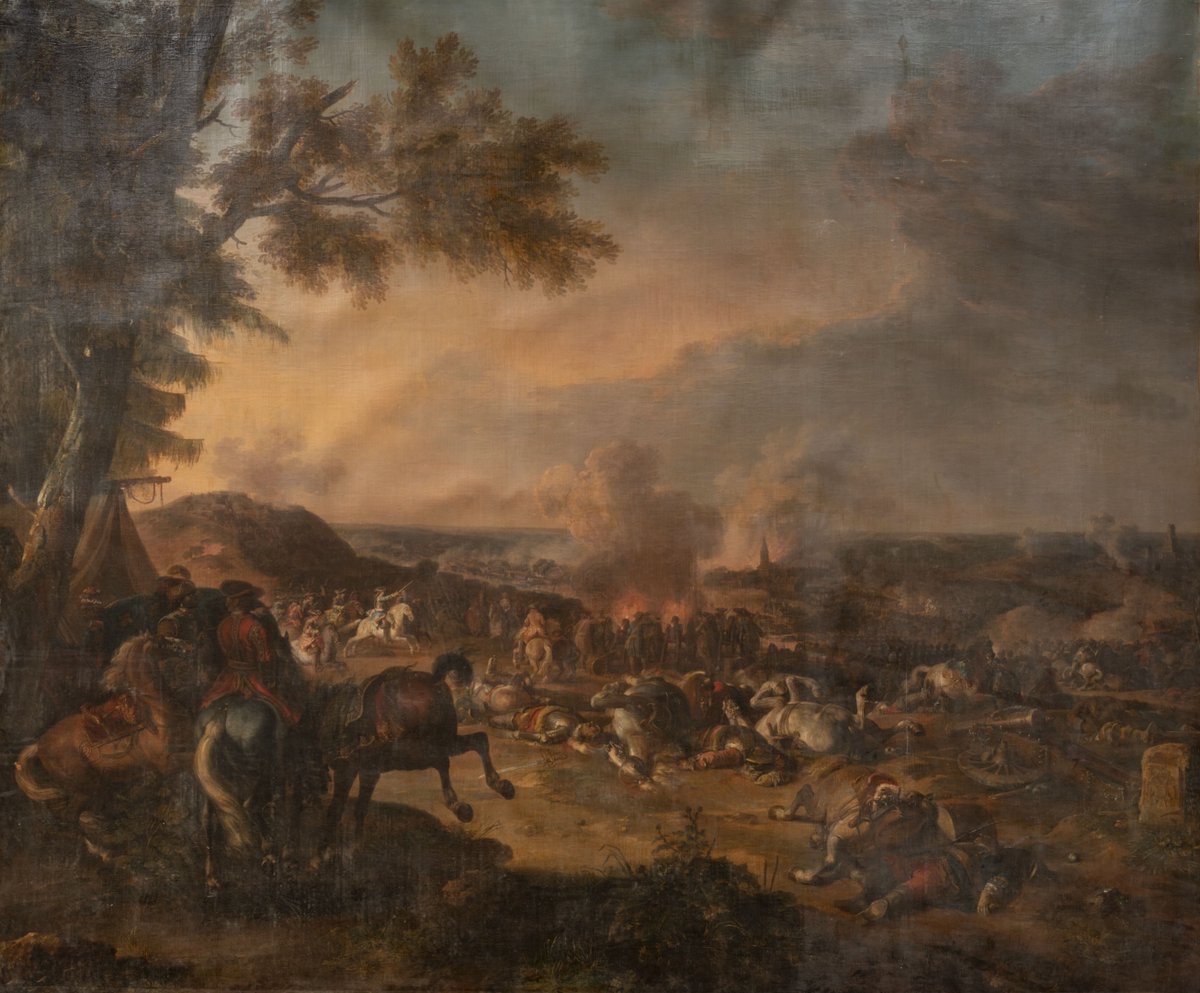
Born in 1597, Mercy's life was shaped by the Thirty Years' War.
He entered the war in the very beginning in the army of the Catholic League.
A brave warrior with a talent for tactics, he would gradually rose through the ranks while serving different commanders.
He entered the war in the very beginning in the army of the Catholic League.
A brave warrior with a talent for tactics, he would gradually rose through the ranks while serving different commanders.

However it would take him a decade of hard fighting before earning the rank of Obrist and commanding his own a regiment of foot, following his bravery in the battle of Breitenfeld in 1631 which his Imperial army otherwise lost and he himself was wounded in that battle.
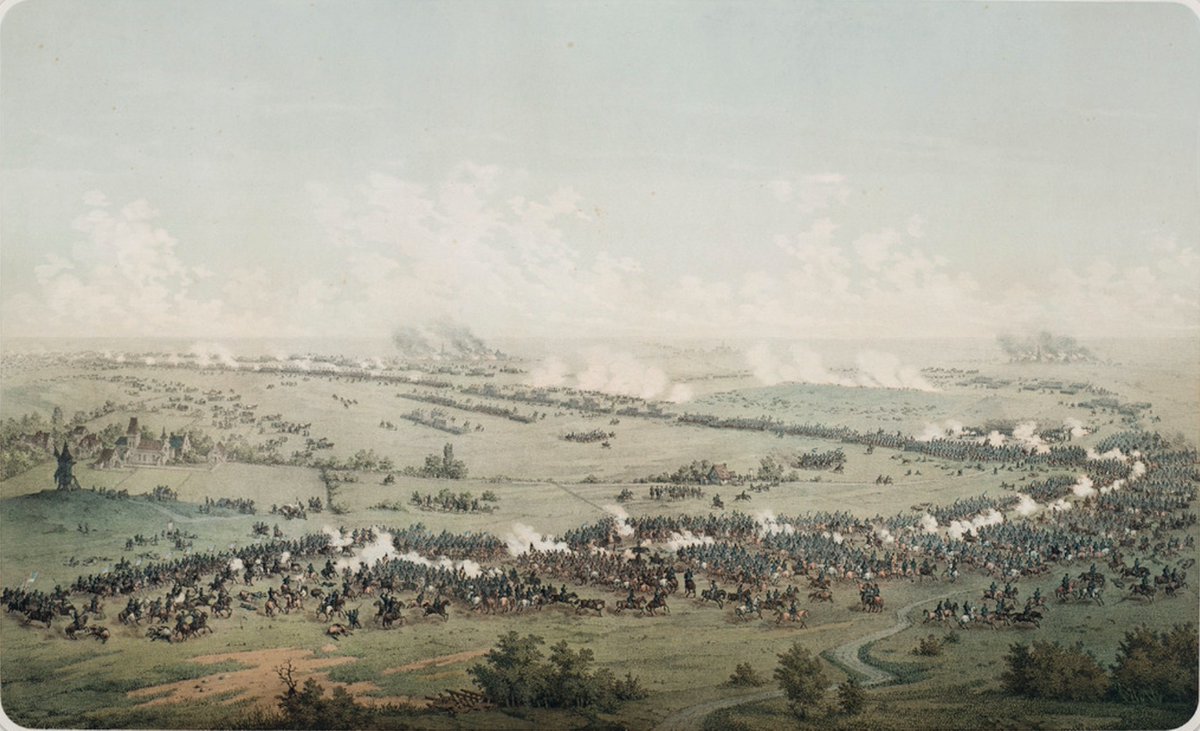
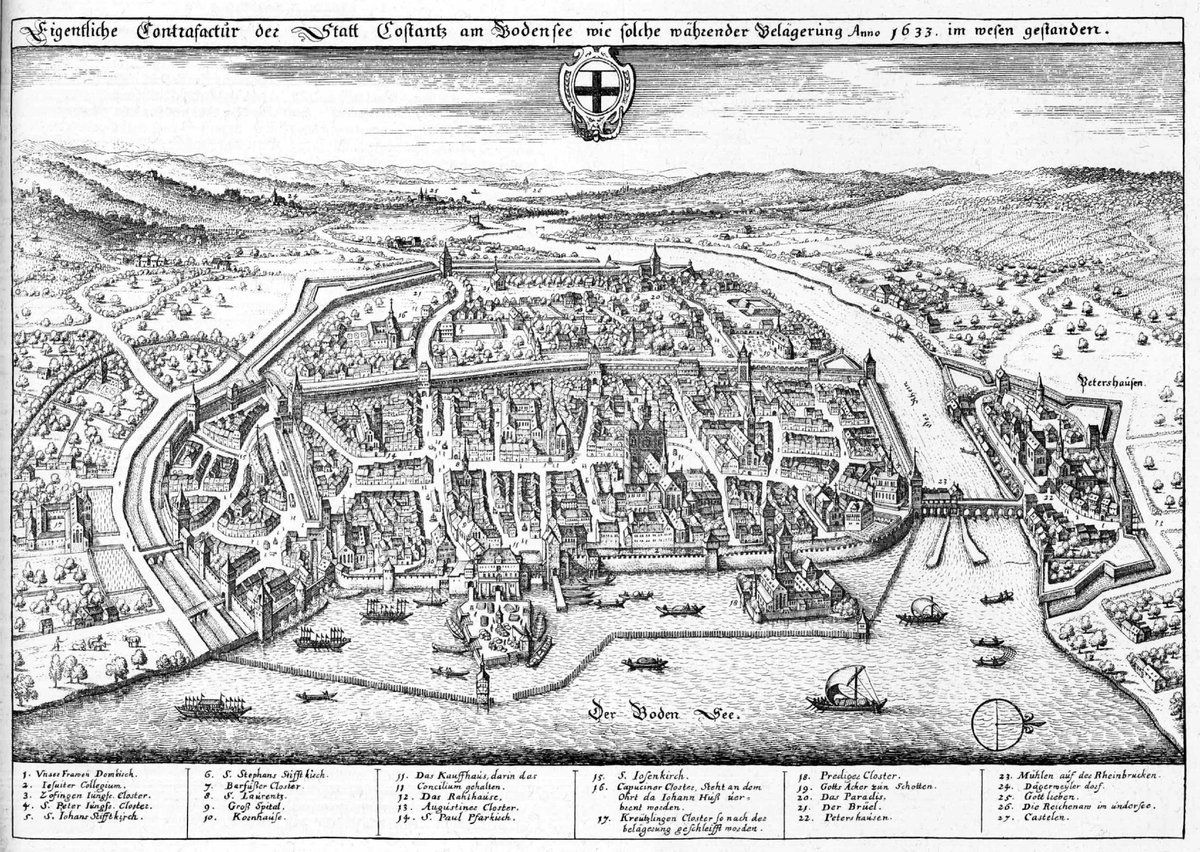
In 1633 he defended the city of Konstanz from the Swedish attack led by Gustav Horn. In this battle he saw his own brother Ludwig die.
He would spend the next years campaigning on the Rhine under command of Duke Charles IV of Lorraine.
In 1638 he entered Bavarian service.
He would spend the next years campaigning on the Rhine under command of Duke Charles IV of Lorraine.
In 1638 he entered Bavarian service.
In the Bavarian army, Mercy initially held the rank of General of the Artillery.
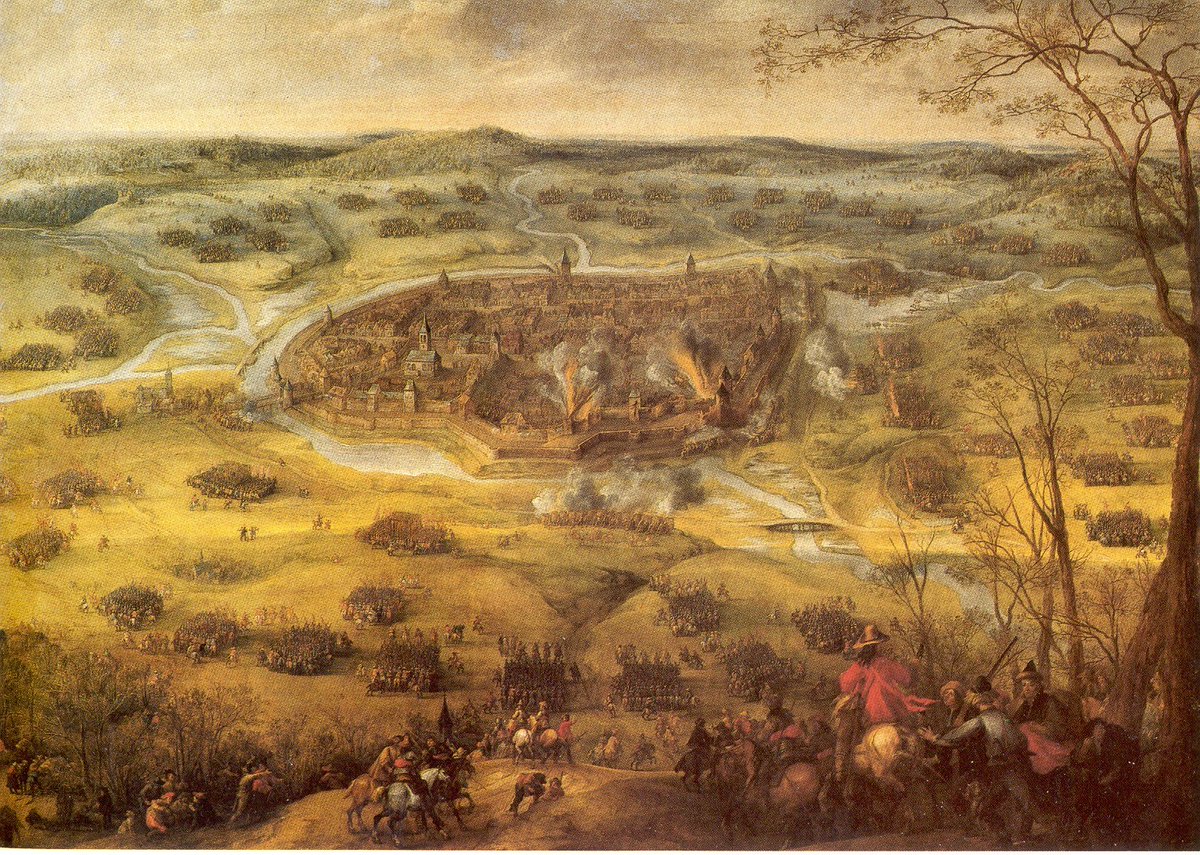
Electorate of Bavaria was allied to the Habsburgs and Mercy kept fighting under Imperial commanders, campaigning against the Swedes and the French.
Electorate of Bavaria was allied to the Habsburgs and Mercy kept fighting under Imperial commanders, campaigning against the Swedes and the French.
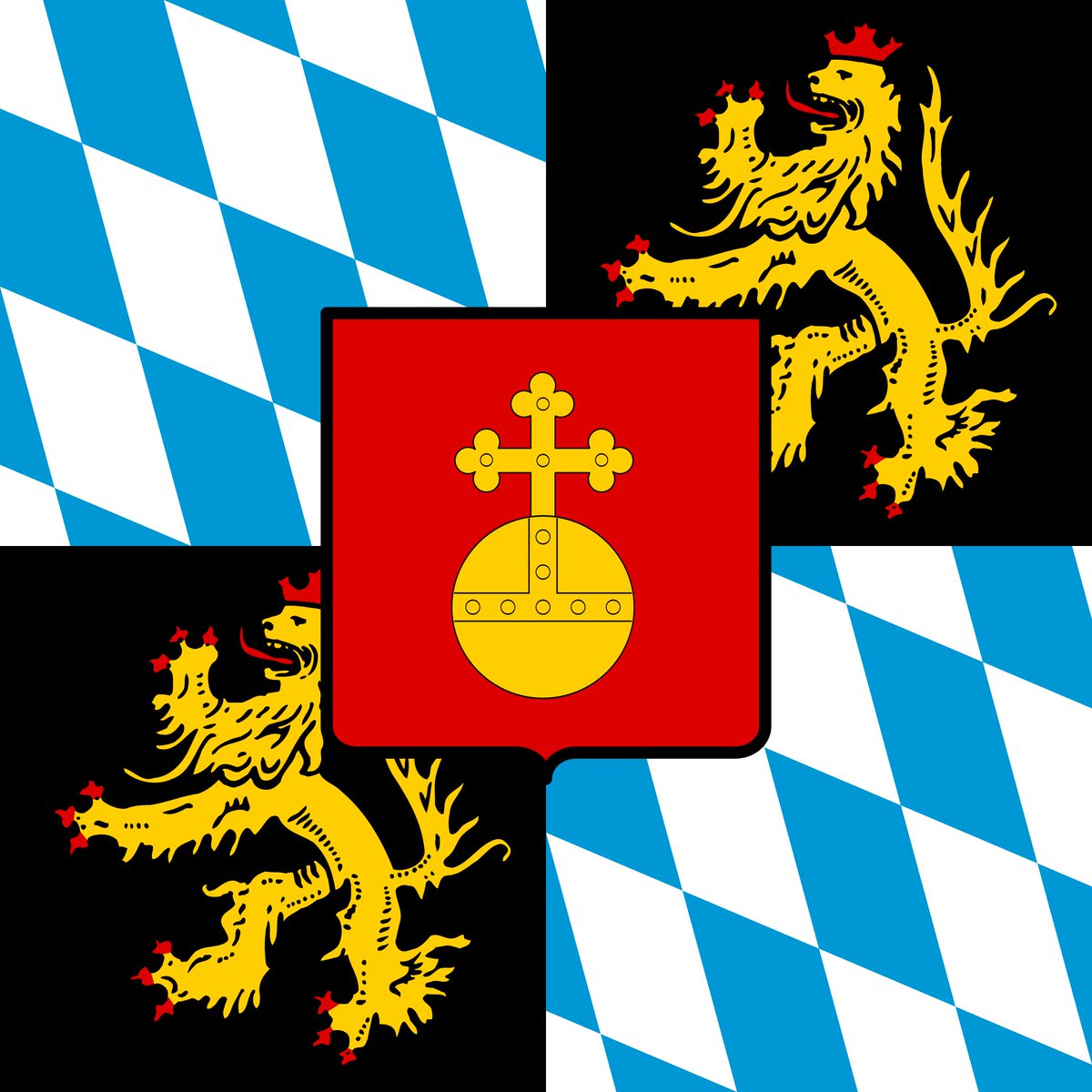
It was only in 1643 that Mercy was made Generalfeldmarschall finally assumed the command of the entire Bavarian army.
In this role, he was finally able to prove his talent as one of the greatest generals of his era.
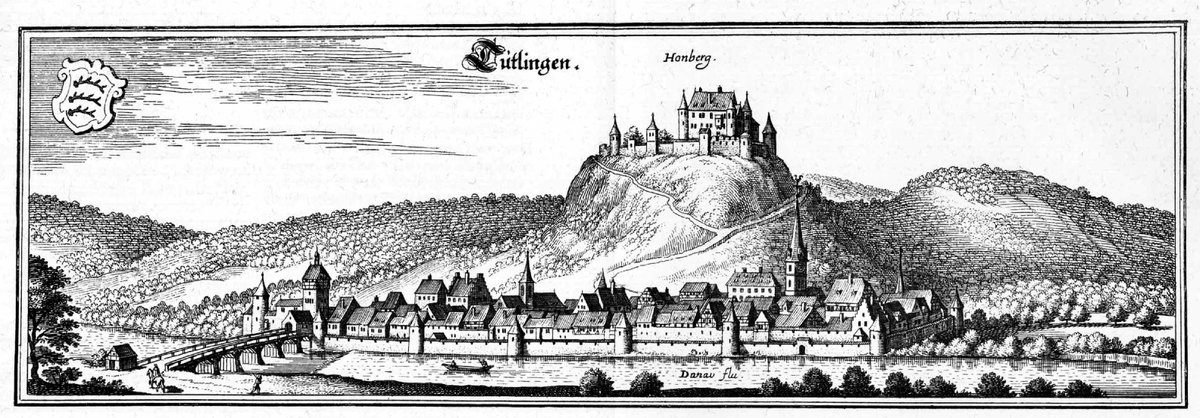
He immediately achieved a great victory at Tuttlingen.
In this role, he was finally able to prove his talent as one of the greatest generals of his era.
He immediately achieved a great victory at Tuttlingen.
At Tuttlingen, Mercy displayed his very aggressive and bold approach to war. He was a master of surprise attacks, catching the enemy army in the most uncomfortable position. He was like a hawk!
He attacked the French camp in heavy snow and completely annihilated the army.
He attacked the French camp in heavy snow and completely annihilated the army.
Mercy had to convince his generals to execute this bold plan as they had doubts about taking such risk.
But it paid off! According to some estimates up to 10k out of 15k French soldiers died in that surprise attack at Tuttlingen while Imperial losses were minimal.
But it paid off! According to some estimates up to 10k out of 15k French soldiers died in that surprise attack at Tuttlingen while Imperial losses were minimal.
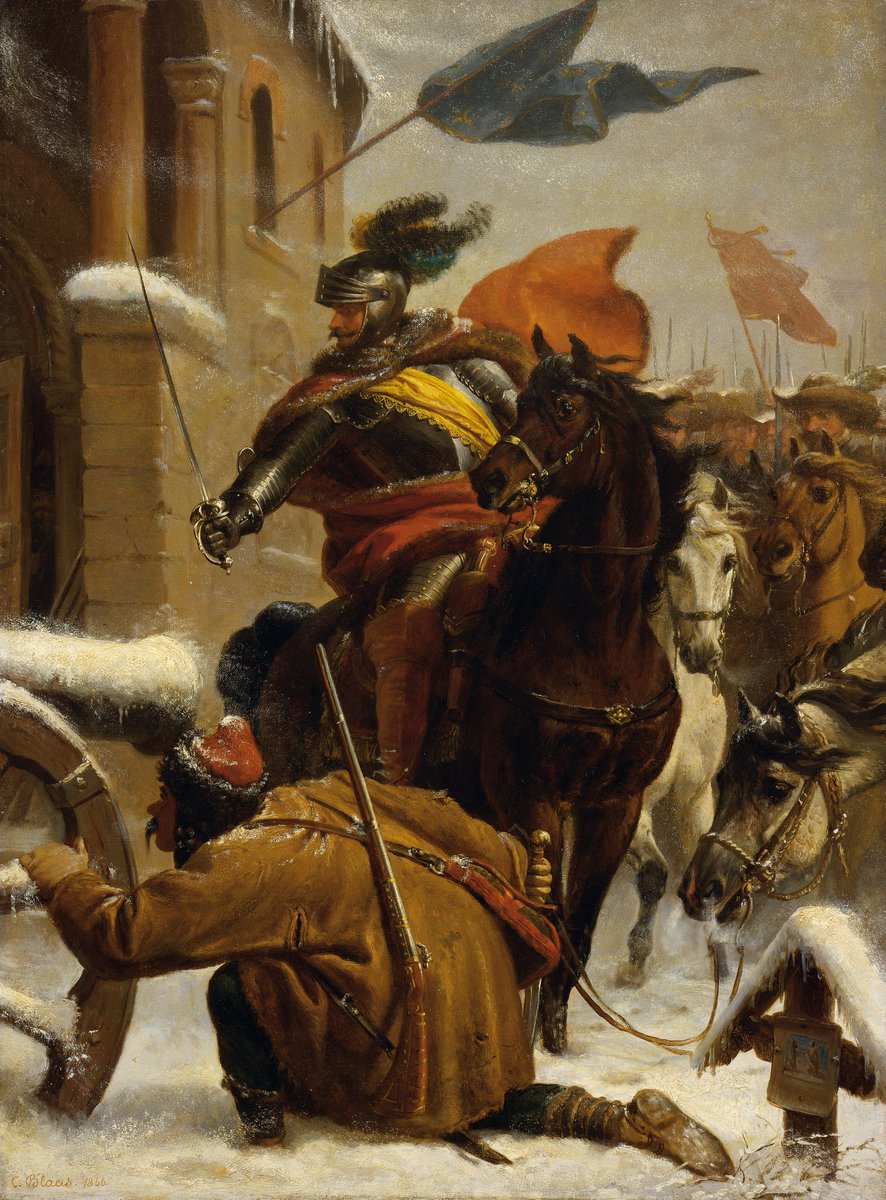

The disaster at Tuttlingen meant the collapse of French army in south of Germany which forced the French to respond by sending a large army led by the hero of the battle of Rocroi Louis de Bourbon, Prince of Condé.
The bloody battle of Freiburg would follow in 1644.
The bloody battle of Freiburg would follow in 1644.

At Freiburg, Mercy displayed his defensive skills. He built fortifications and used the terrain around Freiburg to his advantage, baiting the larger French army led by Condé and the famed Henri Turenne into charging at his well prepared defense, inflicting huge casualties.
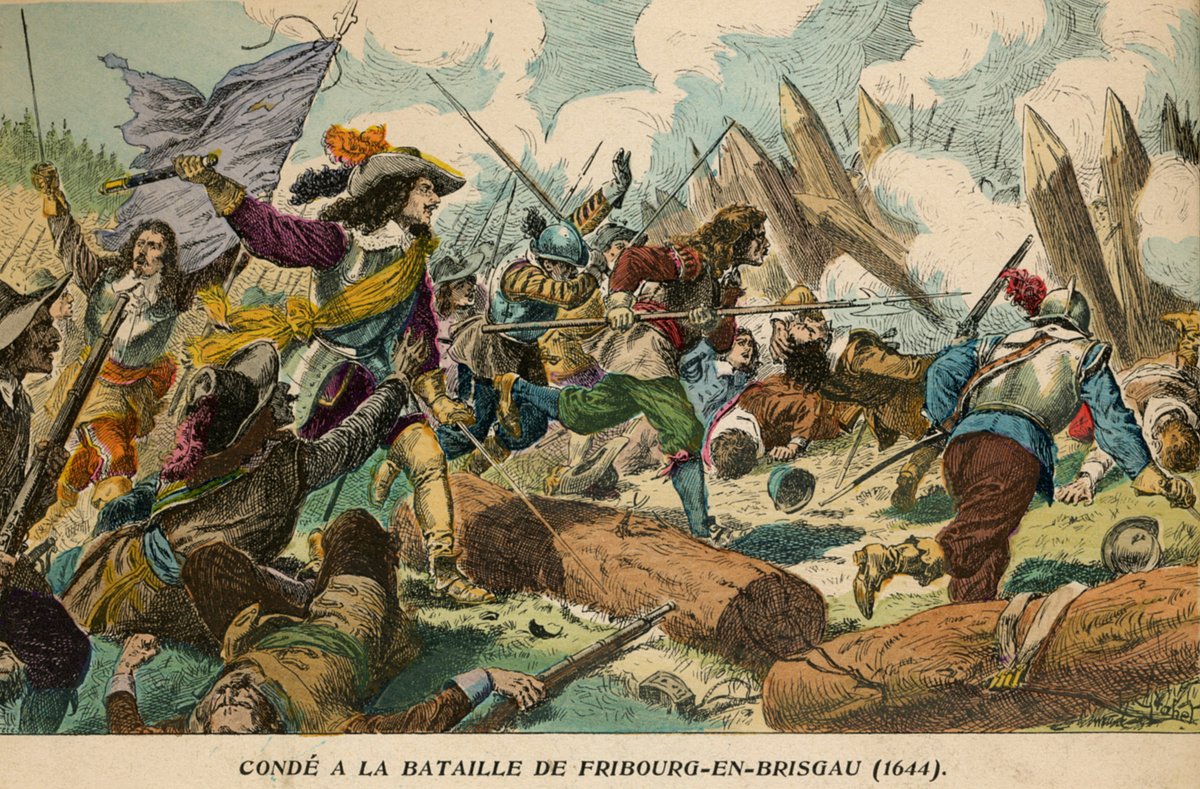
Following his victory at Freiburg, Mercy looked like he was in a comfortable position to deliver the finishing blow. However events on other fronts influenced the course of Thirty Years' War and Mercy sent 5000 of his elite Bavarian cavalry to fight at Jankau in 1645.
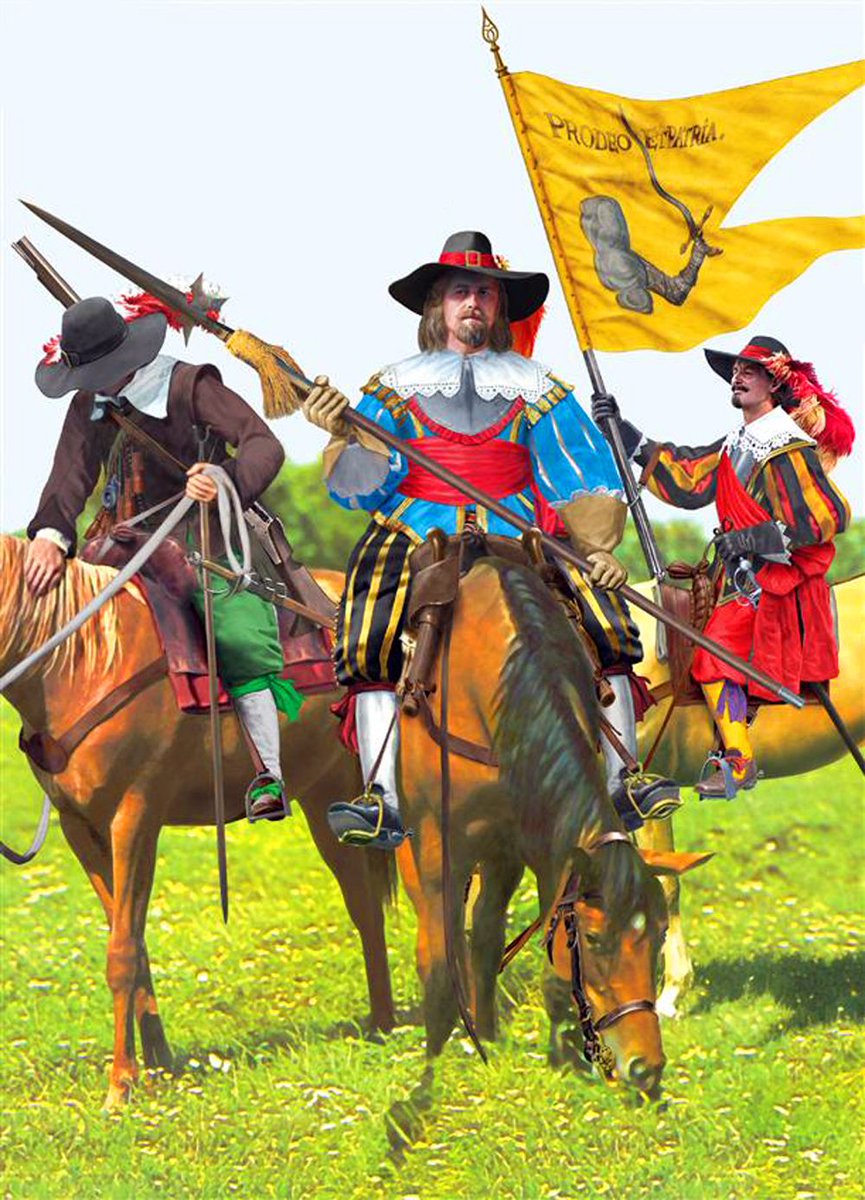
At Jankau the Swedes inflicted a heavy defeat on Imperial army.
This battle on the other front in which Mercy didn't even take part in nevertheless had big consequences for him as a good number of his elite troops died there. He was left with only a small force of around 7000.
This battle on the other front in which Mercy didn't even take part in nevertheless had big consequences for him as a good number of his elite troops died there. He was left with only a small force of around 7000.
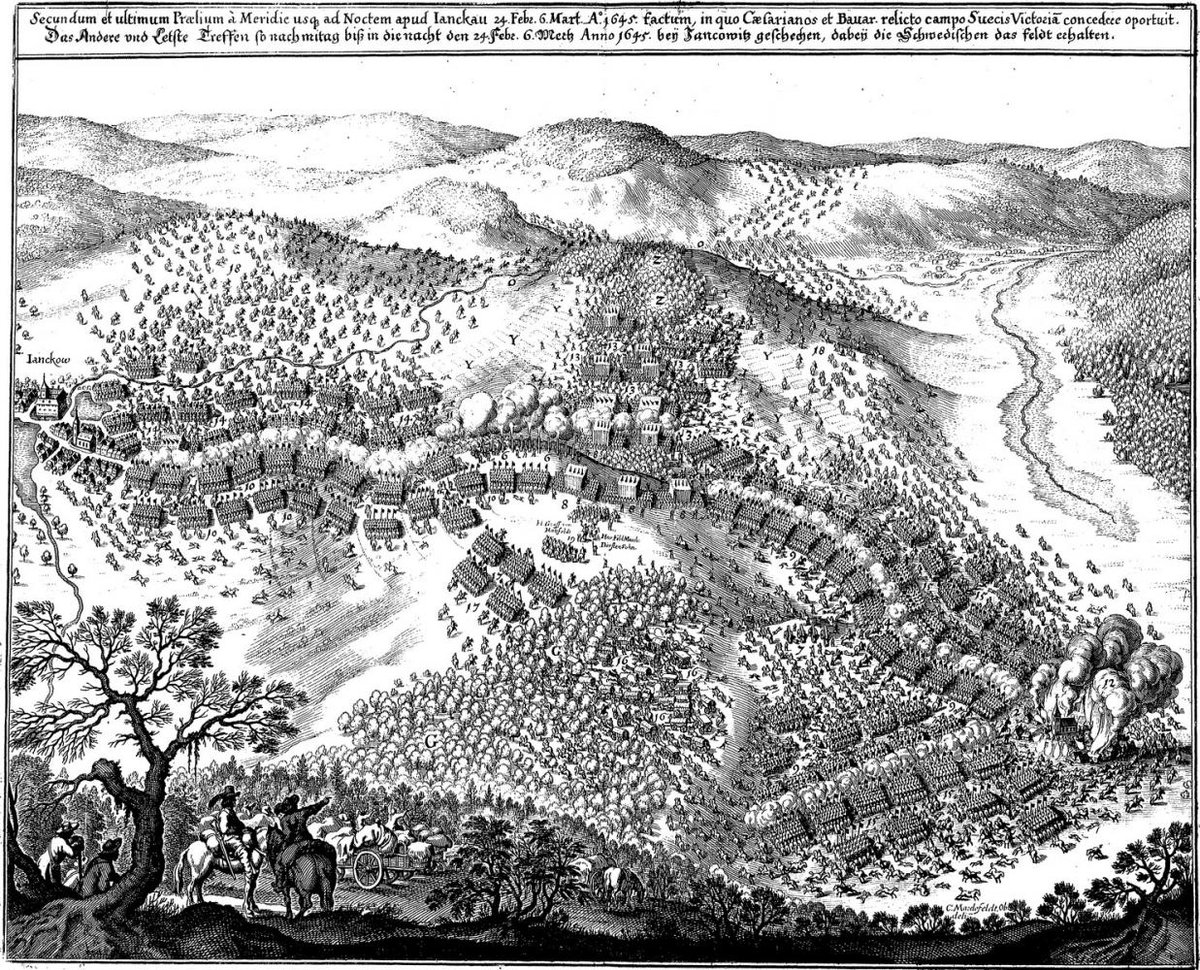
The French were now sure that Bavarians were effectively out of the war and even made plans to incorporate them into their army. This created a false sense of security. Turenne, who was leading the French army, decided to forage for food around Mergentheim to replenish supplies.
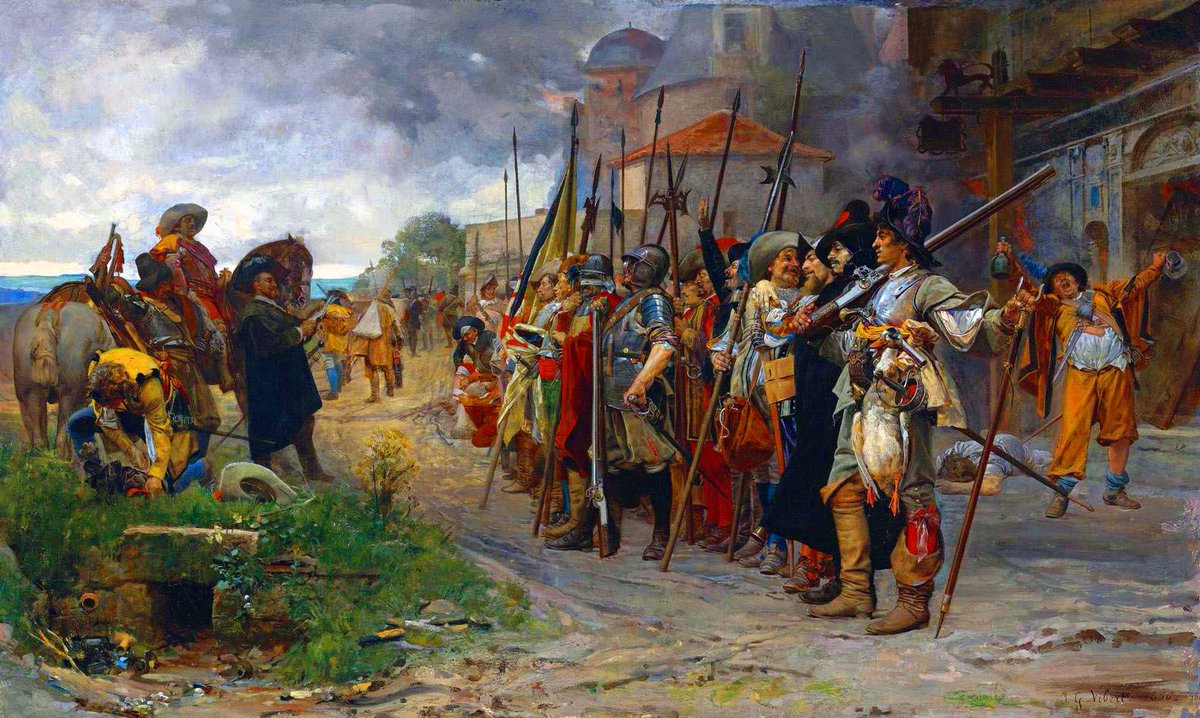
Such foraging was common in Thirty Years' War as armies often had no supply lines and had to find food themselves. But this also left them vulnerable.
Mercy decided to exploit this vulnerability and prepared to attack the scattered French forces around Mergentheim on 2 May 1645.
Mercy decided to exploit this vulnerability and prepared to attack the scattered French forces around Mergentheim on 2 May 1645.
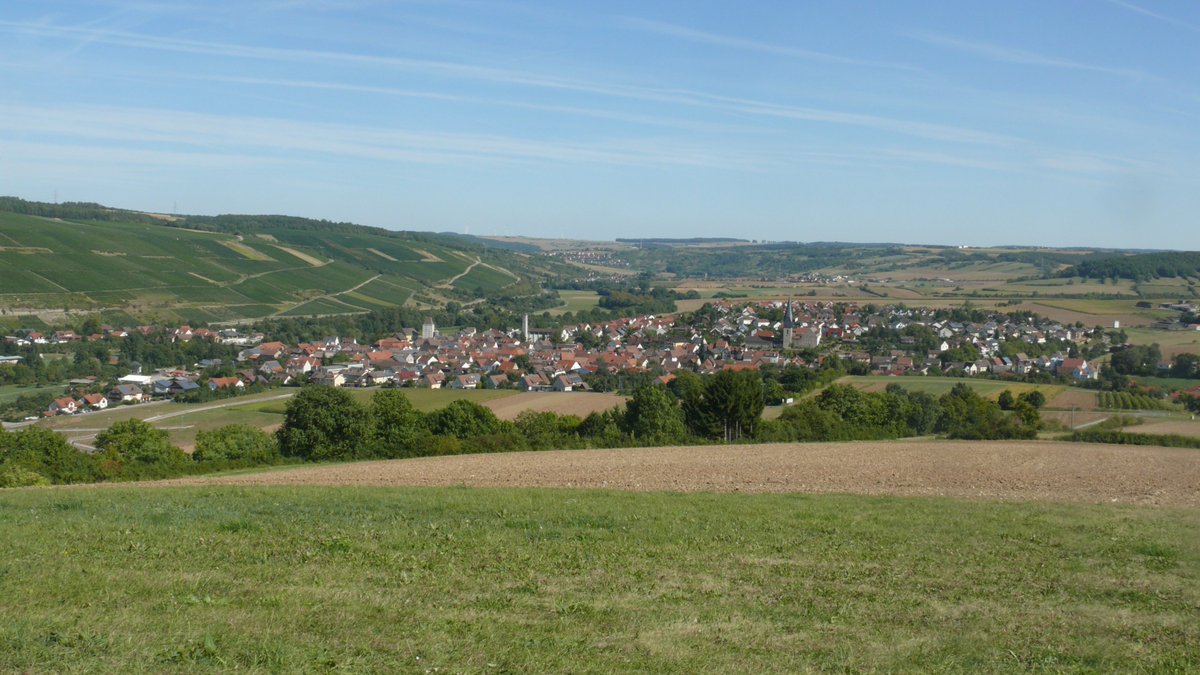
Mercy once again showed that he had a great talent for surprise attacks like this. He patiently waited until the enemy army was in the worst position to fight.
Turenne was shocked when he heard of Mercy approaching and had to quickly assemble his scattered troops.
Turenne was shocked when he heard of Mercy approaching and had to quickly assemble his scattered troops.
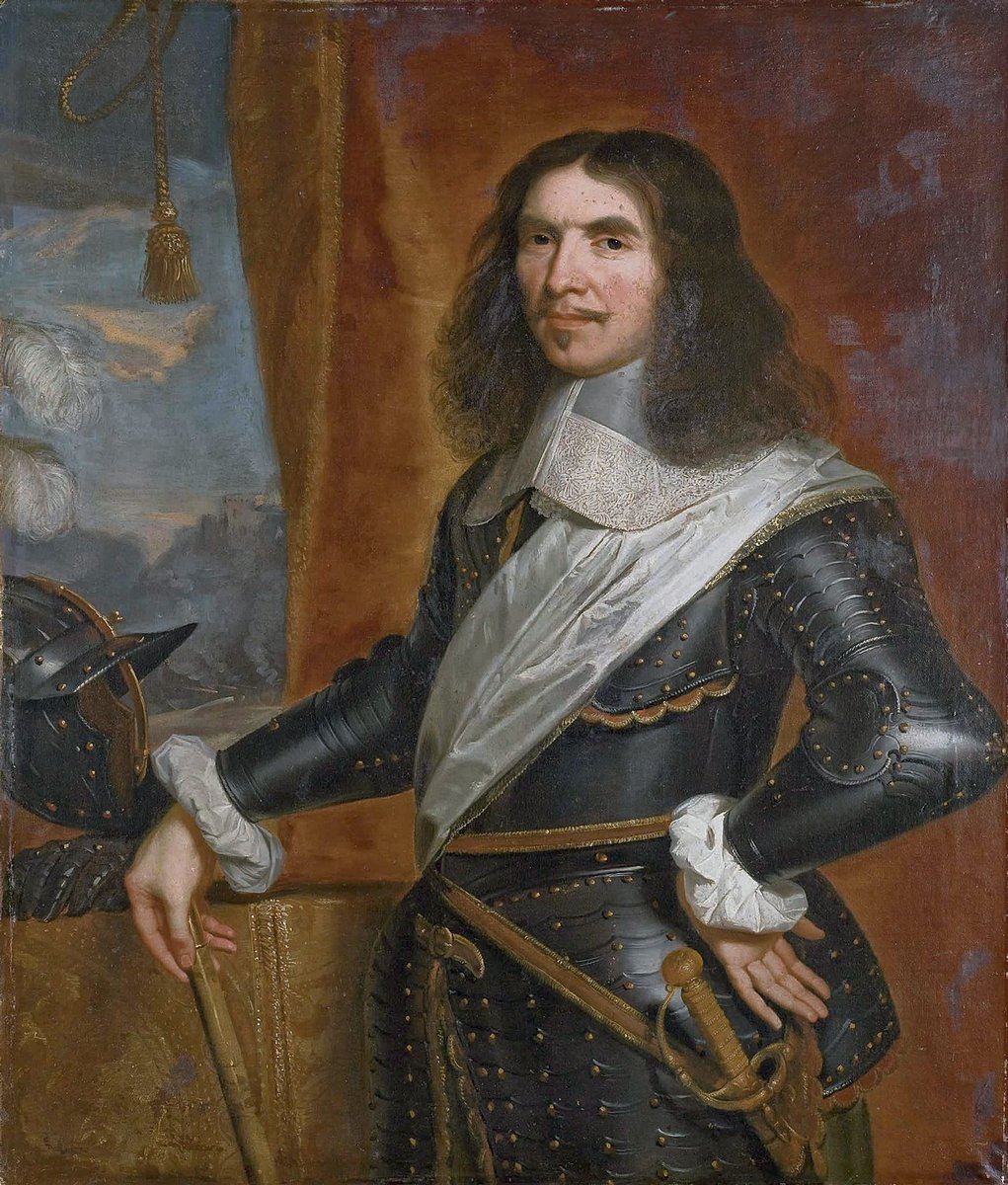
Turenne didn't expect Mercy to attack with his depleted army. But the French army was also depleted following the defeat of Freiburg and full of inexperienced troops. They were also unable to bring their cannons and had to fight without artillery. Mercy attacked at perfect time.
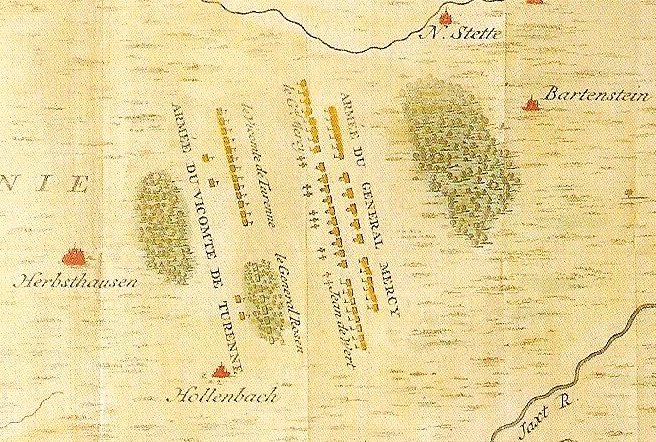
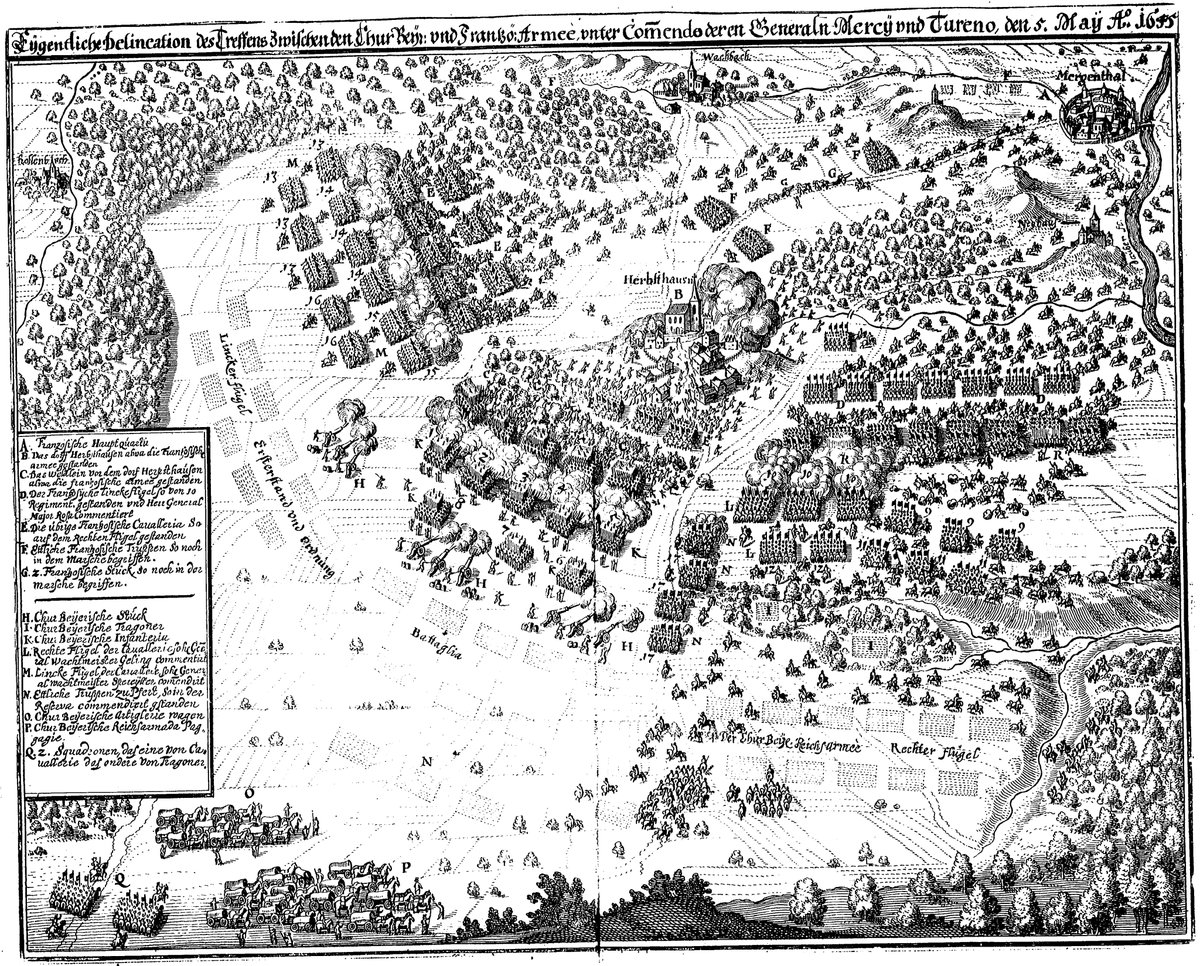
In the battle at the field near Herbsthausen that followed, Mercy's artillery was shredding the French to pieces. The inexperienced French troops also made the mistake of opening fire at too great a distance then routing in the face of close volleys from Bavarian infantry.
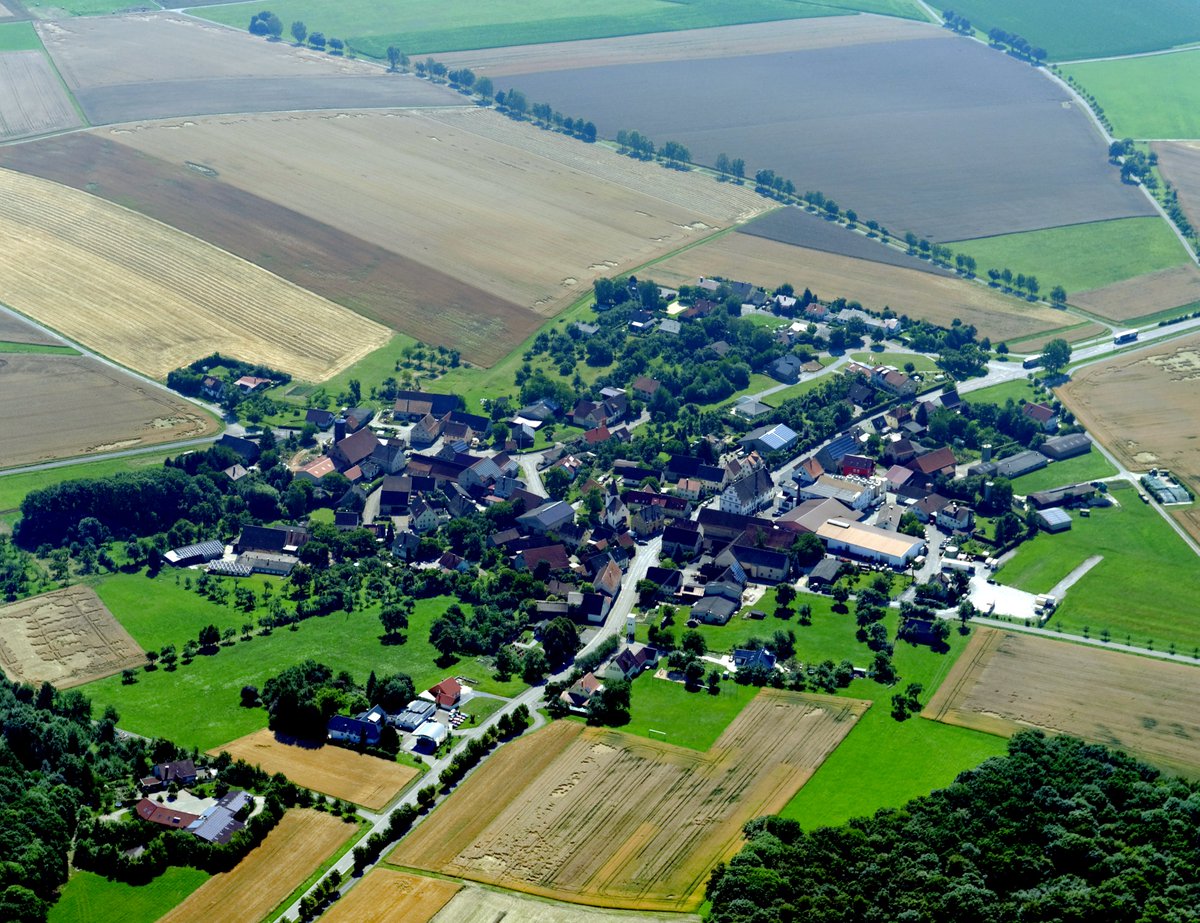
This was another great victory for Mercy where he inflicted massive casualties on the enemy while suffering minimal losses himself. Around 5000 French died while Bavarian losses were in hundreds.
Only a few months later, Mercy would have his final encounter with the French.
Only a few months later, Mercy would have his final encounter with the French.
On 3 August 1645, Mercy would face the French commanders Turenne and Condé again at the battle of Nördlingen, the site of the great Imperial-Spanish victory against the Swedish 11 years ago.
The French had a slightly larger army of 17k against 16k Imperials.
The French had a slightly larger army of 17k against 16k Imperials.
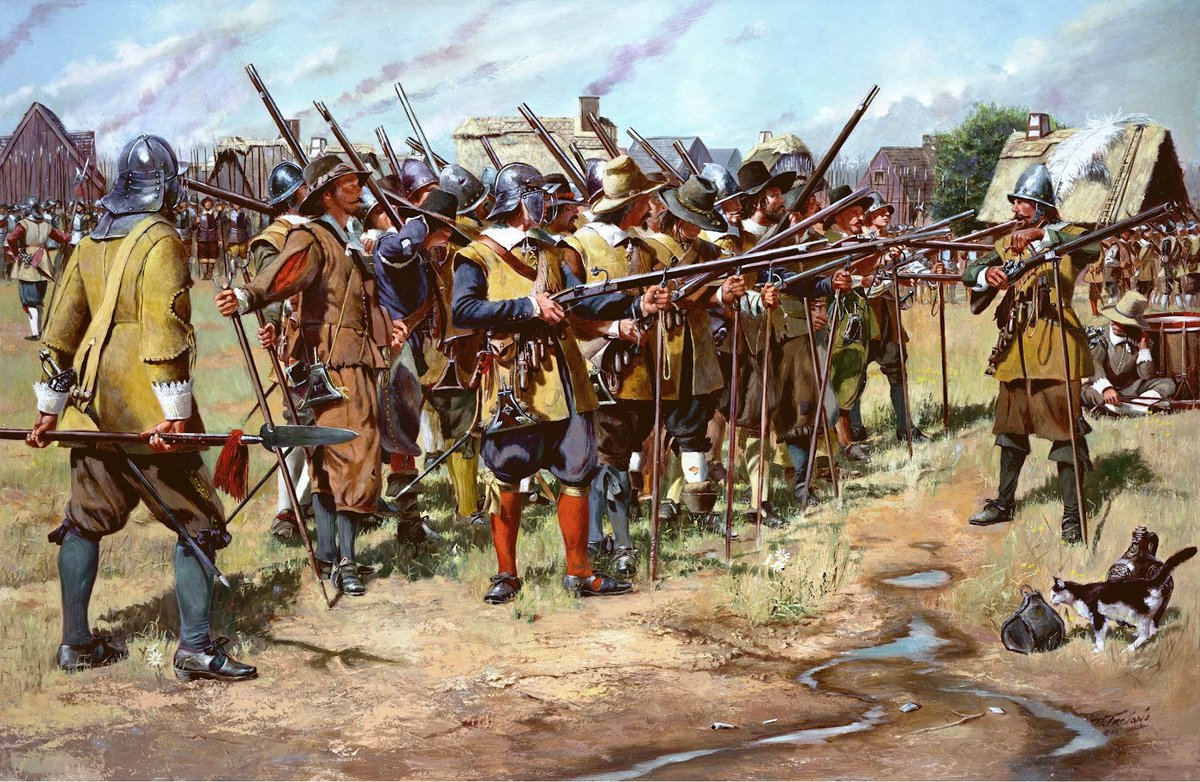
Mercy once again pursued a very defensive strategy, knowing that the aggressive approach of Condé would play into his hands.
The French indeed charged multiple times but suffered huge casualties while the Imperials launched a perfectly timed counter-attack.
The French indeed charged multiple times but suffered huge casualties while the Imperials launched a perfectly timed counter-attack.
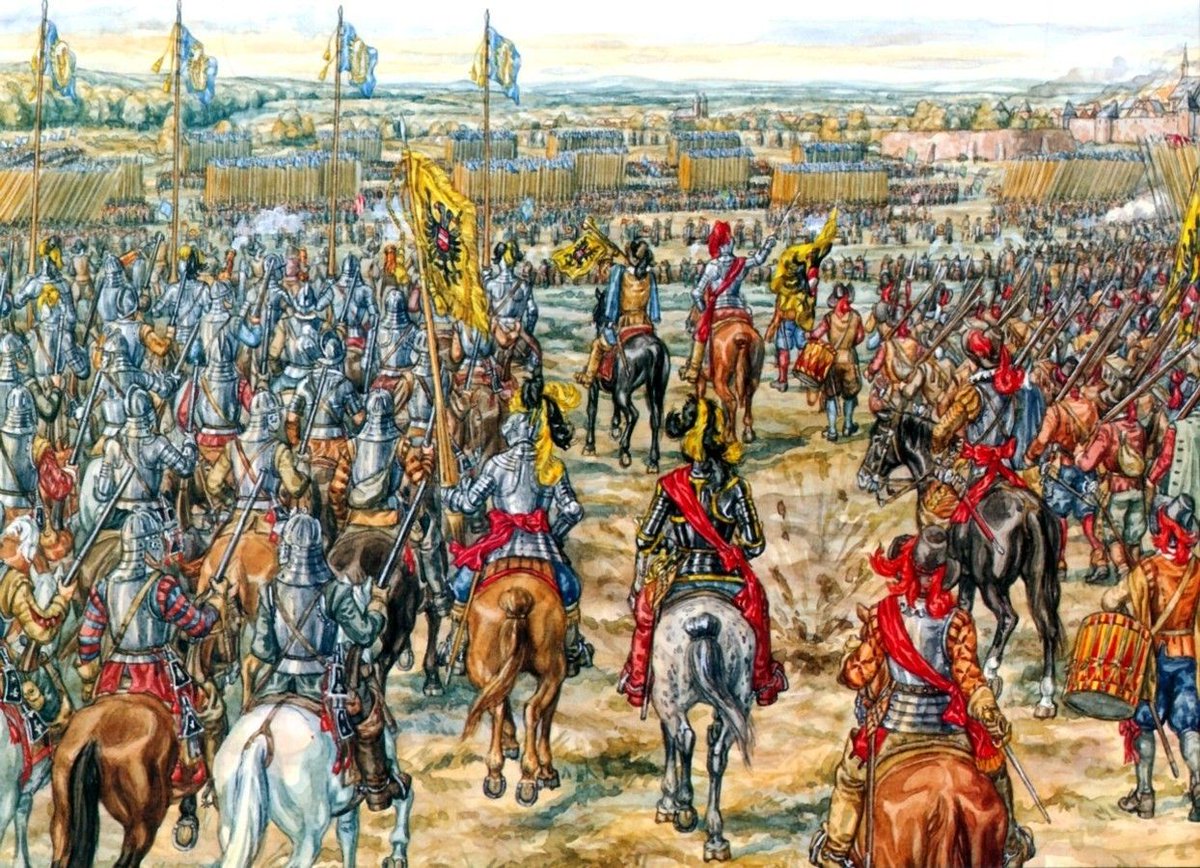
The battle appeared to be almost won but then Mercy was shot and died.
The leaderless Imperial army was in shock and confusion and ultimately routed after Turenne's attack.
There was a lot of confusion on both sides but the French eventually took control of the battlefield.
The leaderless Imperial army was in shock and confusion and ultimately routed after Turenne's attack.
There was a lot of confusion on both sides but the French eventually took control of the battlefield.
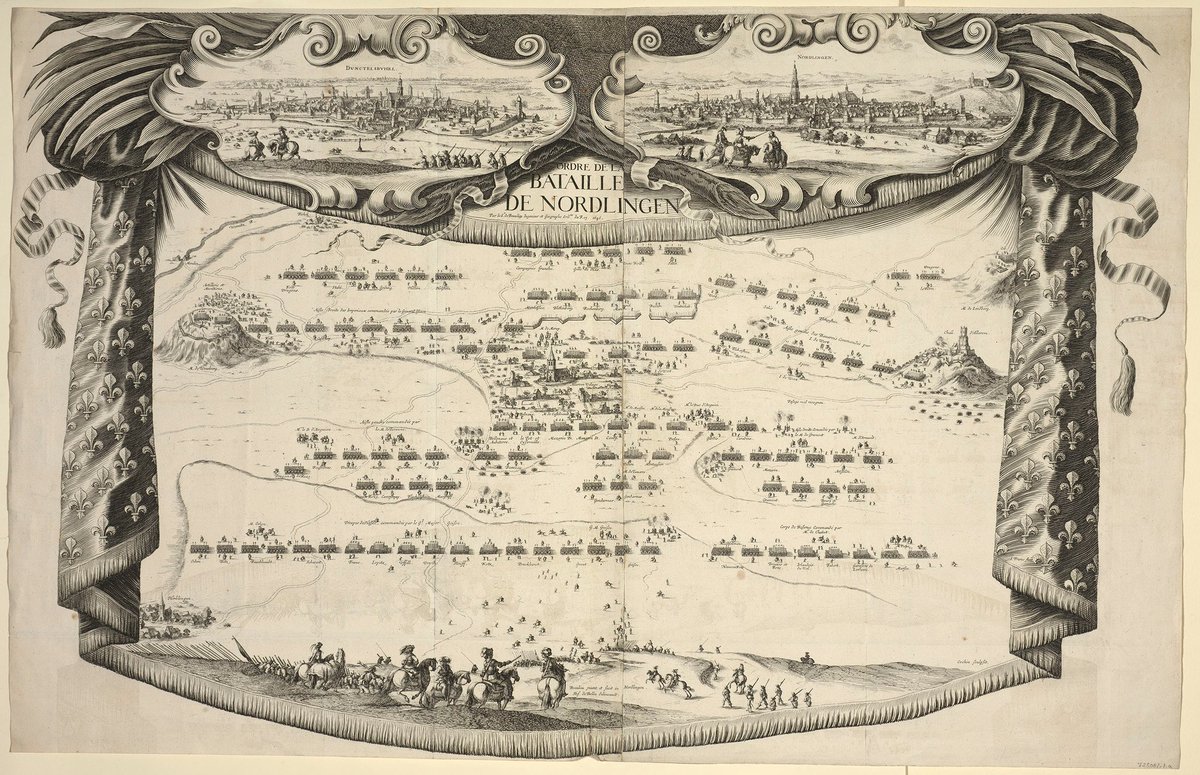
The losses on both sides were similar at around 4000 dead.
However the loss of Mercy was a huge blow to the Imperial cause.
Such capable commanders were irreplaceable.
However the loss of Mercy was a huge blow to the Imperial cause.
Such capable commanders were irreplaceable.
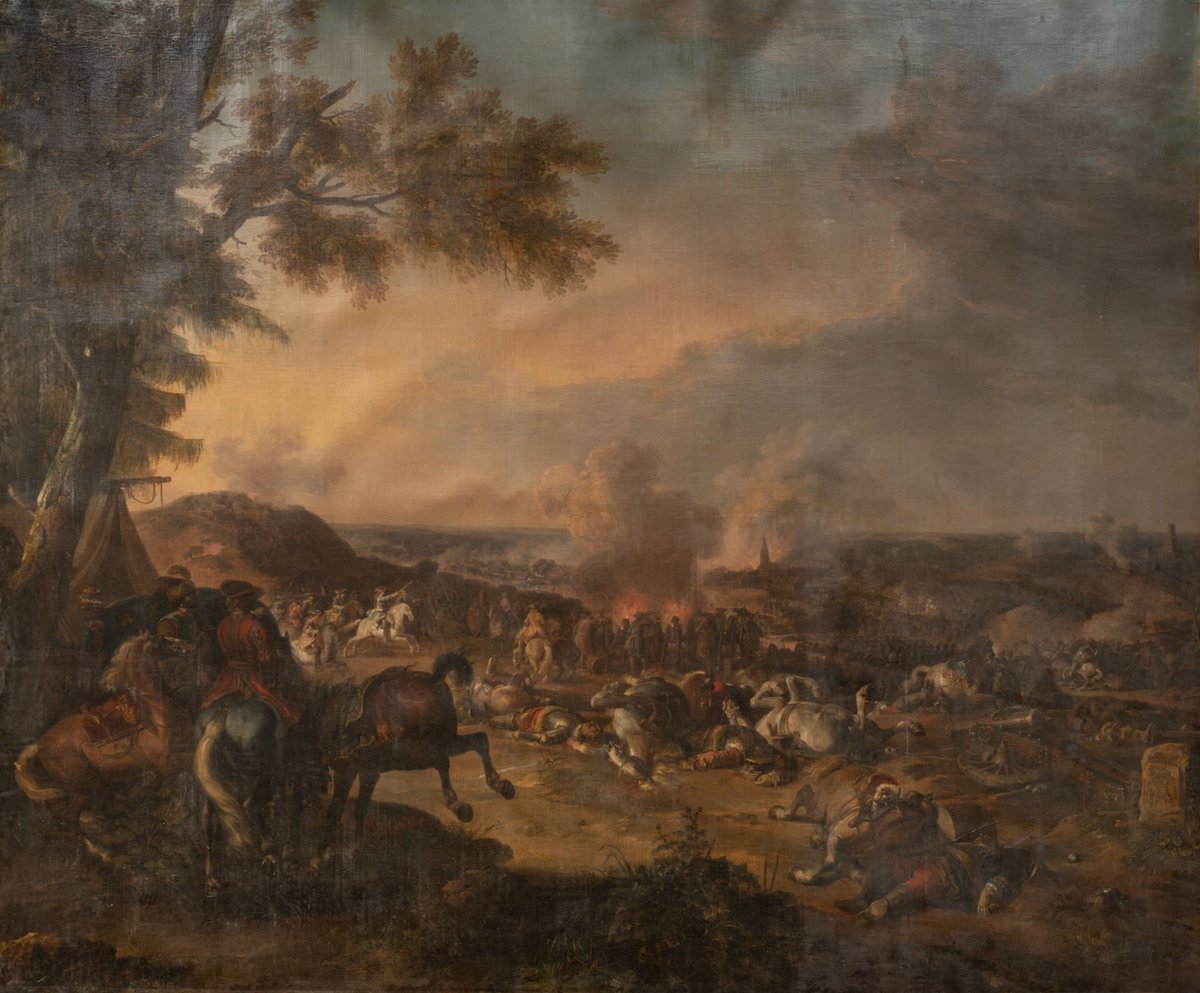
In many ways the fate of Franz von Mercy reminds me of how the talented young French commander Gaston of Foix died in the battle he had already won at Ravenna in 1512.
Both of them had all the traits the great generals had, but died too soon to prove it.
Both of them had all the traits the great generals had, but died too soon to prove it.
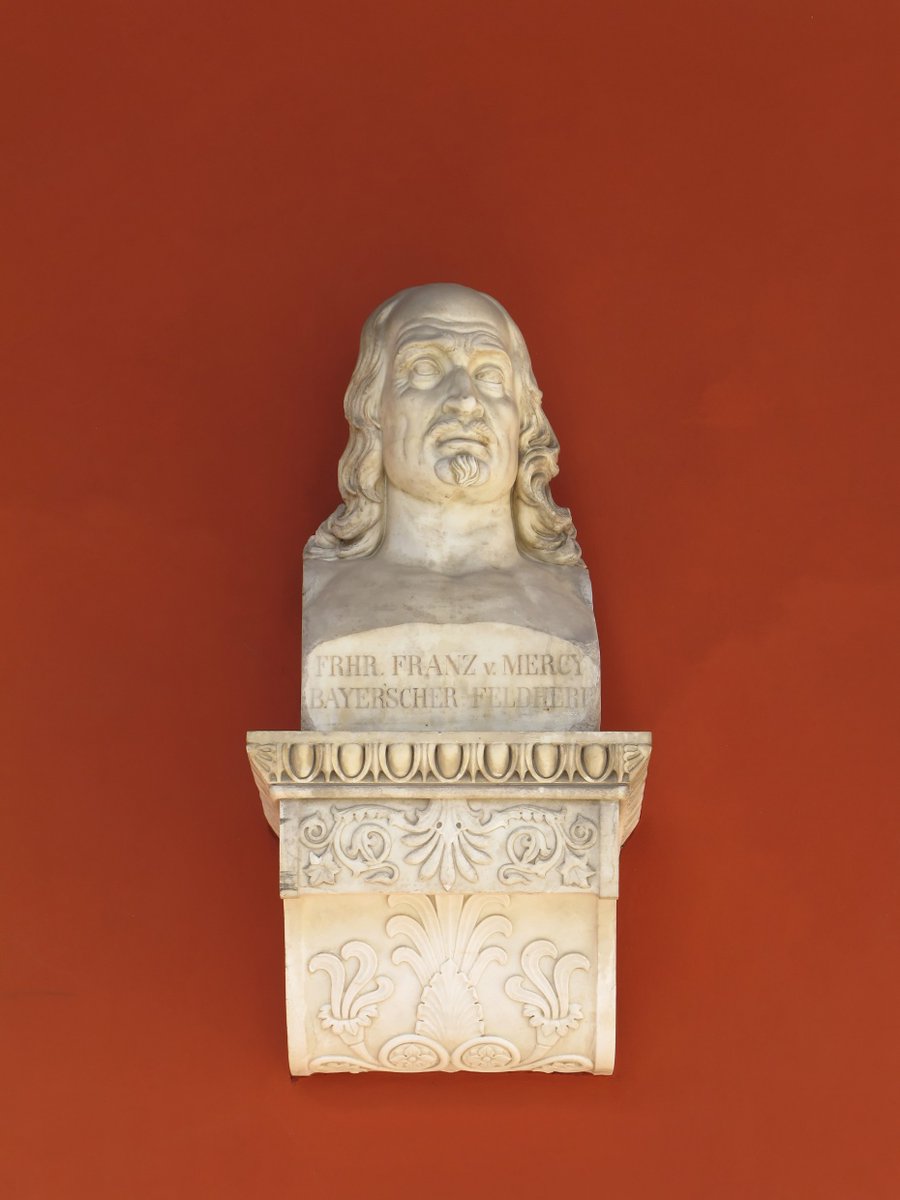
To show respect to the dead rival, Prince of Condé set up a memorial stone on the spot where Mercy died with the inscription "Sta, viator, heroem calcas!" (Latin for "Halt, traveler, you tread upon a hero!")
Such was the life of this great general!
Such was the life of this great general!
Loading suggestions...