
Education
Politics
Religion
Legal
Law
Supreme Court
Religious Freedom
Current Affairs
Indian Jurisprudence

THREAD: In today’s hearing in Supreme Court on #Hijab, @MNizamPasha for the petitioners made brilliant arguments
1. There is a conflict between SC judgements on whether only essential religious practices are protected or if all sincere beliefs are protected by Article 25
1. There is a conflict between SC judgements on whether only essential religious practices are protected or if all sincere beliefs are protected by Article 25
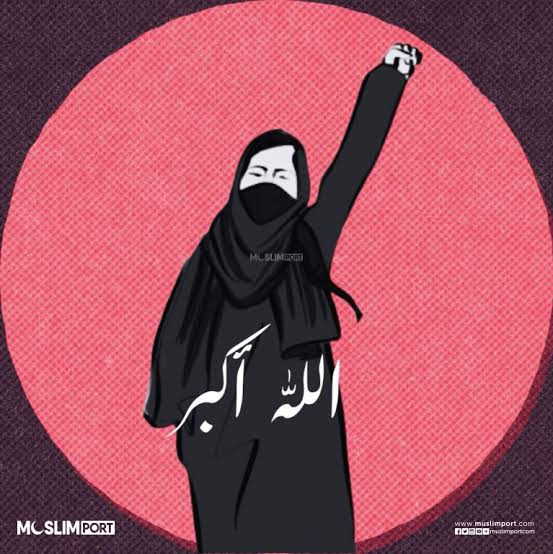
2. Article 25 guarantees every individual freedom to practice their faith. Recently, the 5 judge bench in review of the #Sabarimala judgement said that there is a conflict between Shirur Mutt & Dargah Committee cases that has to be resolved by 9 judges
3. Whether or not the ‘essentiality test’ has any place in Indian jurisprudence is now pending decision before 9 judges. How then can the present 2 judge bench decide this issue without referring the matter to a larger bench?
4. In Babri Masjid judgment, SC held that courts shouldn’t enter into theology or interpret religious scriptures. The only test was to see if a true believer holds a belief. As per the judgement, Courts must “steer clear” of adopting one among many interpretations of doctrines
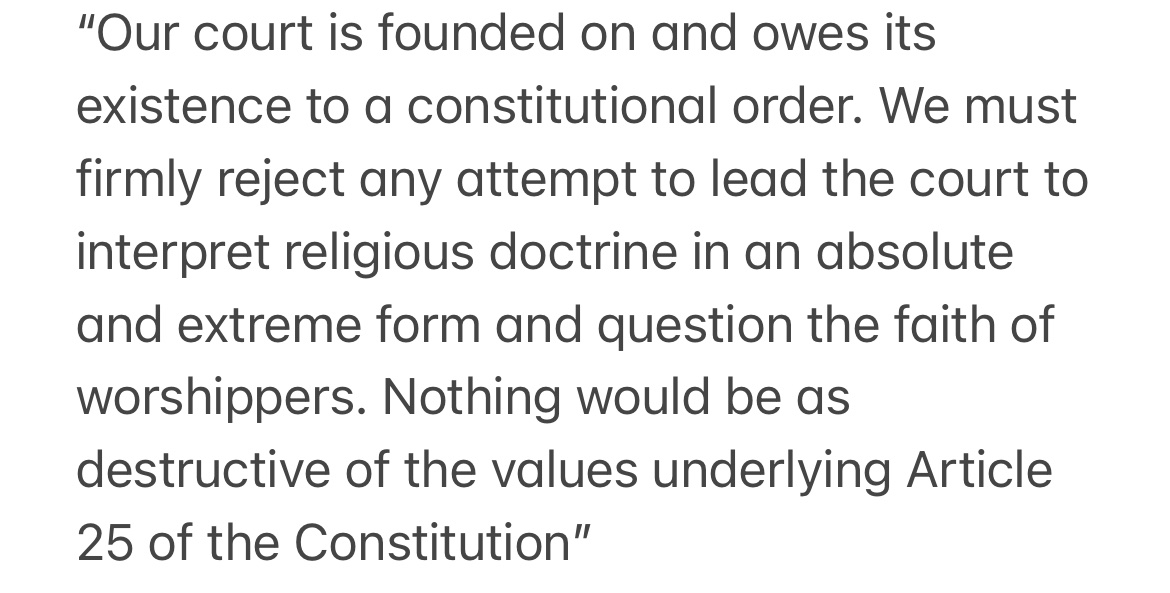
5. Karnataka HC had referred to a verse, “there is no compulsion in religion” to hold that Hijab wasn’t mandatory because there’s no compulsion. However, this verse is related to bar coercive conversion to Islam & not to compliance with religious observances for believing Muslims
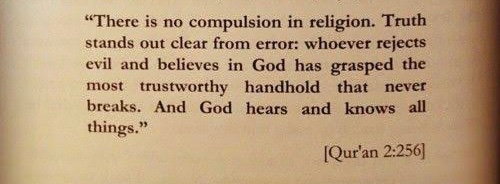
6. It was argued that the word ‘hijab’ isn’t used in Quran in this context, the two words used in two different verses are ‘jilbab’ & ‘khimar’. The Arabic khimar is replaced with the word hijab in colloquial usage
7. The footnotes in Yusuf Ali’s translation, which are actually the author’s comments & not Quran’s text, have been taken out of their context & stray sentences scattered across footnotes have been pieced together to suggest that the author says that hijab is not mandatory
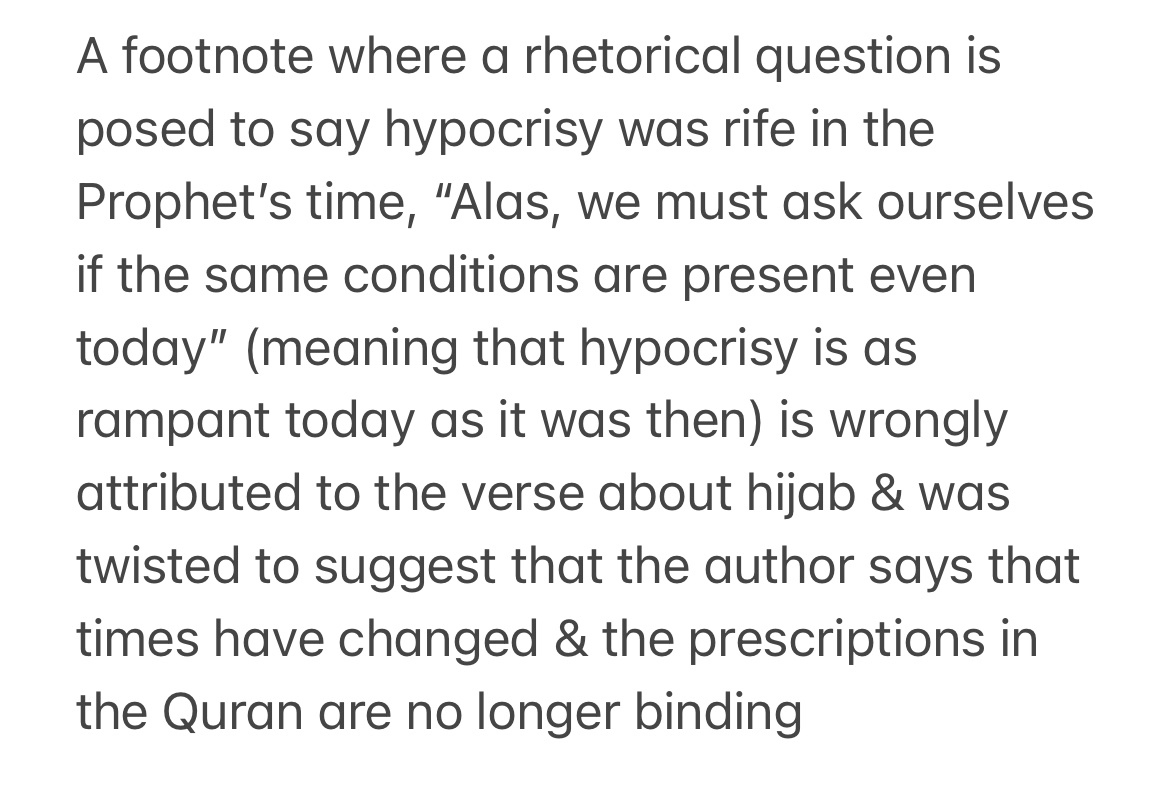
8. The High Court has proceeded on the basis that since no punishment is prescribed for not wearing a hijab, it means this is not mandatory. This is completely incorrect as the Quran does not prescribe worldly punishments for spiritual wrongs.
9. Religion has spiritual implications for afterlife. The punishment is not a temporal punishment, but the Quran says that the hellfire awaits those who disobey Allah. Even for violation of Namaz, Roza, Zakat etc, there is no temporal punishment
10. It was pointed out that the first principle of Tauheed (faith) itself is belief in oneness of Allah, belief in the prophethood of Mohammad PBUH, in the Quran being the word of God, among other beliefs. Adherence to Quran is the first precept of being a Muslim
11. Next, the hadith were placed before the Court. Verses were pointed out that obedience of Allah & of the Prophet is made the foundation of faith in the Quran itself. Therefore, hadith is a very important source of doctrine
12. Extracts of hadith were placed which show that Prophet SAW mandated wearing of hijab & in fact, he said that to a believing woman, her veil is more precious than all the world & everything in it. How can a Muslim girl be faced with choice between her hijab & her education?
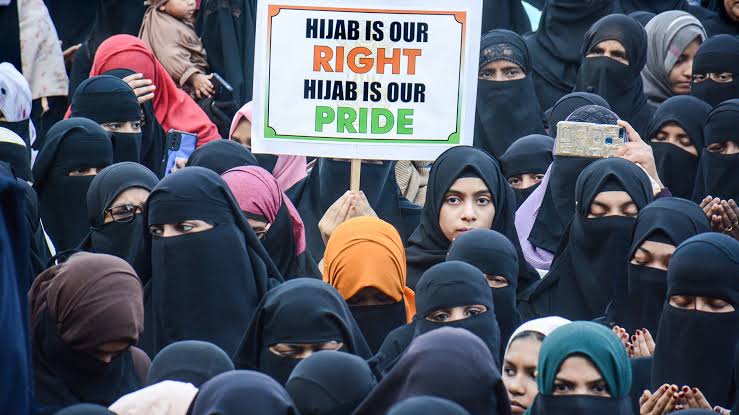
13. The High Court dismissed these hadith without explanation saying credentials of the translator were not placed before it. This despite the fact that HC has mentioned the same author as one of the accepted translations of hadith & the translations were not doubted by the State
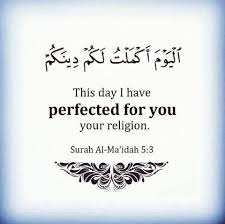
14. HC said these diktats were relevant only to that day & age. This is completely contrary to last revealed verse of Quran which says that religion has been perfected for all times to come. To suggest that God did not foresee passage of time is borders on blasphemy for believers
15. There is no grounds to allow Sikhs to wear the turban & prohibit Muslim girls from wearing hijab. Just like
the 5 Ks of Sikhism, obeying Quranic injunctions is part of Tauheed, which is one of the 5 pillars of Islam. The duality of the position reflects discrimination
the 5 Ks of Sikhism, obeying Quranic injunctions is part of Tauheed, which is one of the 5 pillars of Islam. The duality of the position reflects discrimination
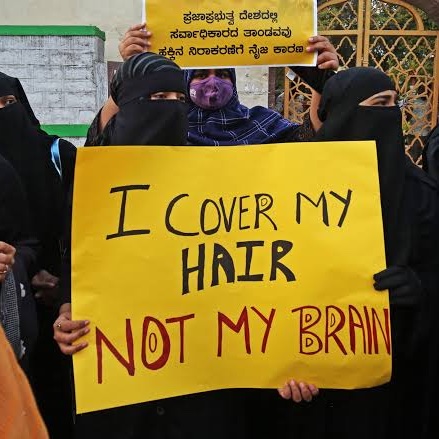
16. It was pointed out that we are deluding ourselves if we say we are like France. Because even France prohibits ALL religious symbols without discrimination & we would be the only country that singles out Muslim women for discrimination if HC judgement is upheld

17. If hijab is not “religious” but only “cultural”, then it is protected by the right of minorities to conserve their culture provided in Article 29(1), which unlike Article 25 is an absolute right.
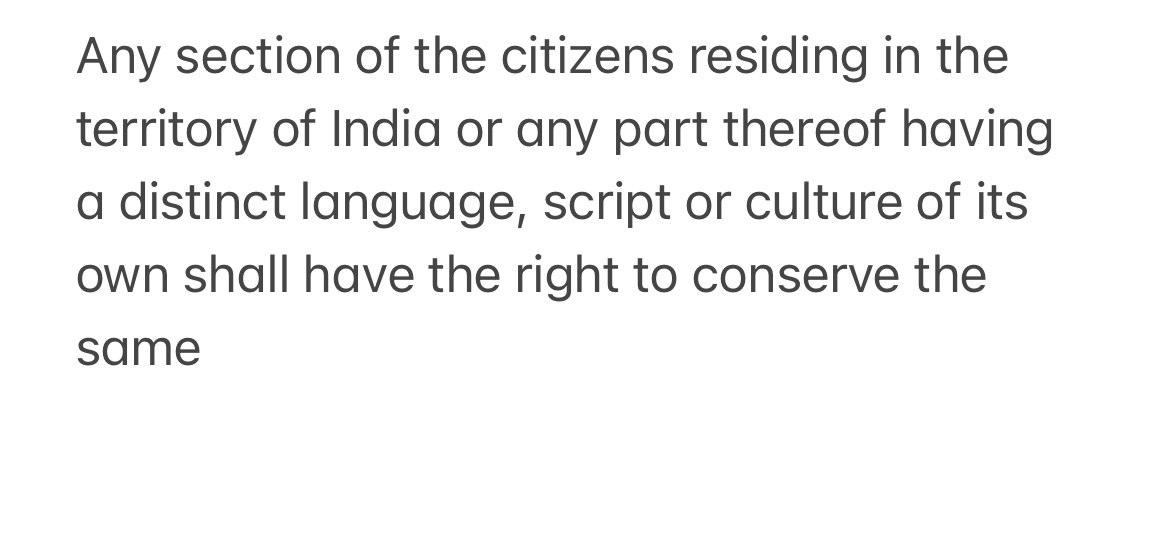
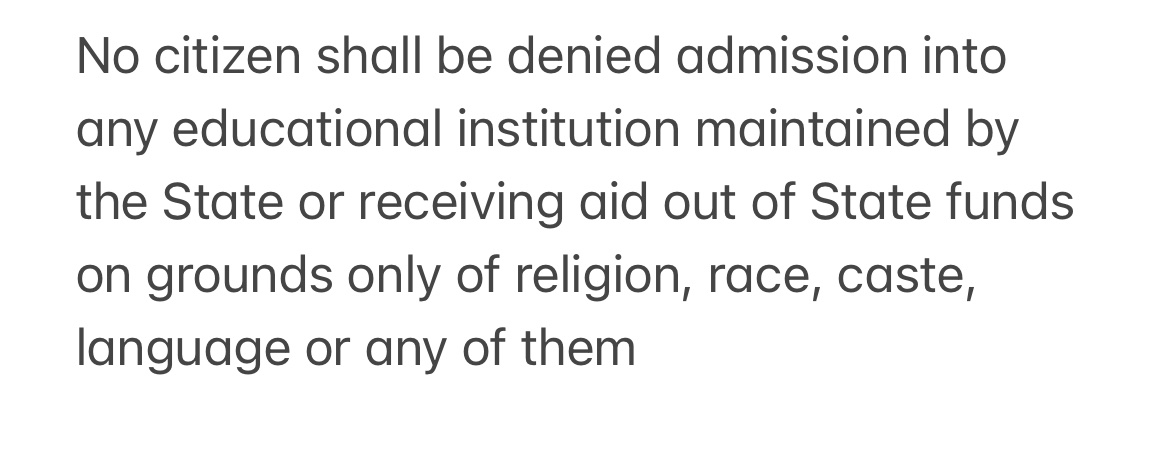
18. Article 29(2) prohibits denial of entry into govt educational institutions on the basis of religion. This is clearly violated if a Muslim who believes that hijab is essential to her faith is denied entry on that basis.
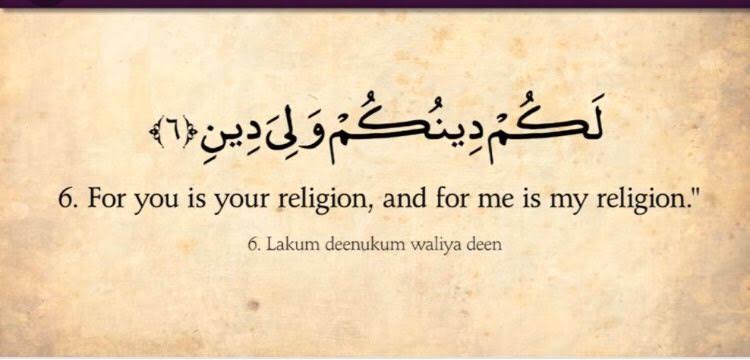
19. In conclusion, a question was posed by Justice Gupta about whether Hinduism’s respect for other faiths is part of other religions too. Quran mandates respect for other religions & says that non-believers are welcome to their way of life just like Muslims are welcome to theirs
Loading suggestions...