
Today in 490 BC, 10,000 outnumbered Greek Hoplites ran across the hot plain of Marathon and crashed into the invading Persian army. Their astounding victory would shatter the perception of Persian invincibility and save Greece & her budding civilization from Eastern domination.
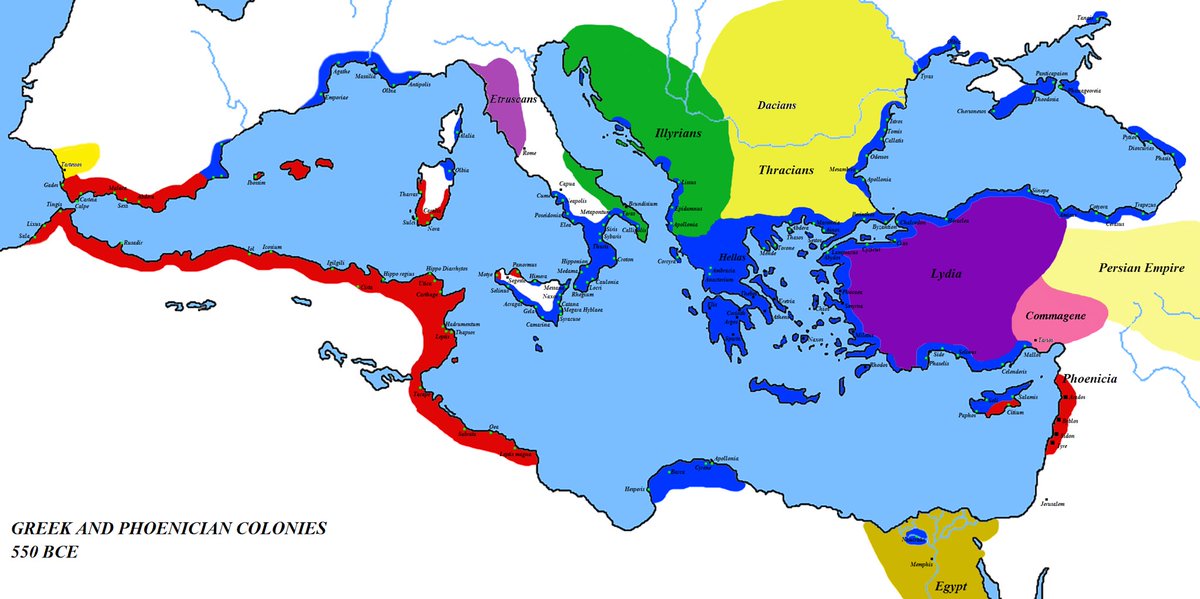
In 500 BC, the burgeoning city states of Greece clung to the edge of the civilized world. Hugging the Aegean & hemmed by the massive Persian Empire, the Greeks had begun to develop a unique civilization & sent colonists far & wide.
The Greeks of Ionia, the Aegean Coast of Anatolia, lived under Persian rule, unlike their brothers to the West, and agitated for freedom, revolting in 499 BC. The leader, Aristagoras, travelled to Greece to elicit support from the city-states. Athens & Eretia alone sent warriors.
The rebellion scored some initial success, capturing & burning the wealthy city of Sardis, but soon the overwhelming power of the Persian Empire ground down resistance. The epicenter of the rebellion, Miletus, was besieged & captured in 494 BC.
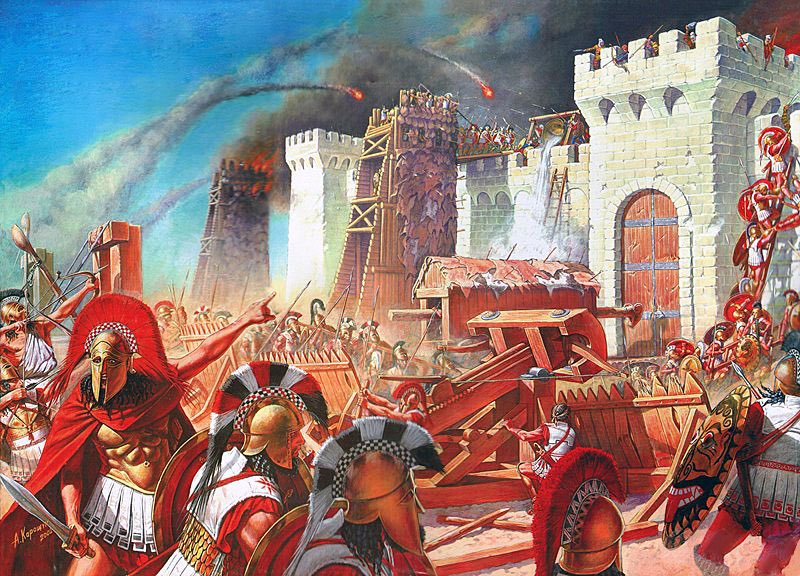
Herodotus reports most of the men were killed & the women & children enslaved. The influential center of Greek culture never recovered. Persian treatment of the rebels was largely conciliatory & the Persians ended the hated tyrannies in favor of democratic governments in Ionia.
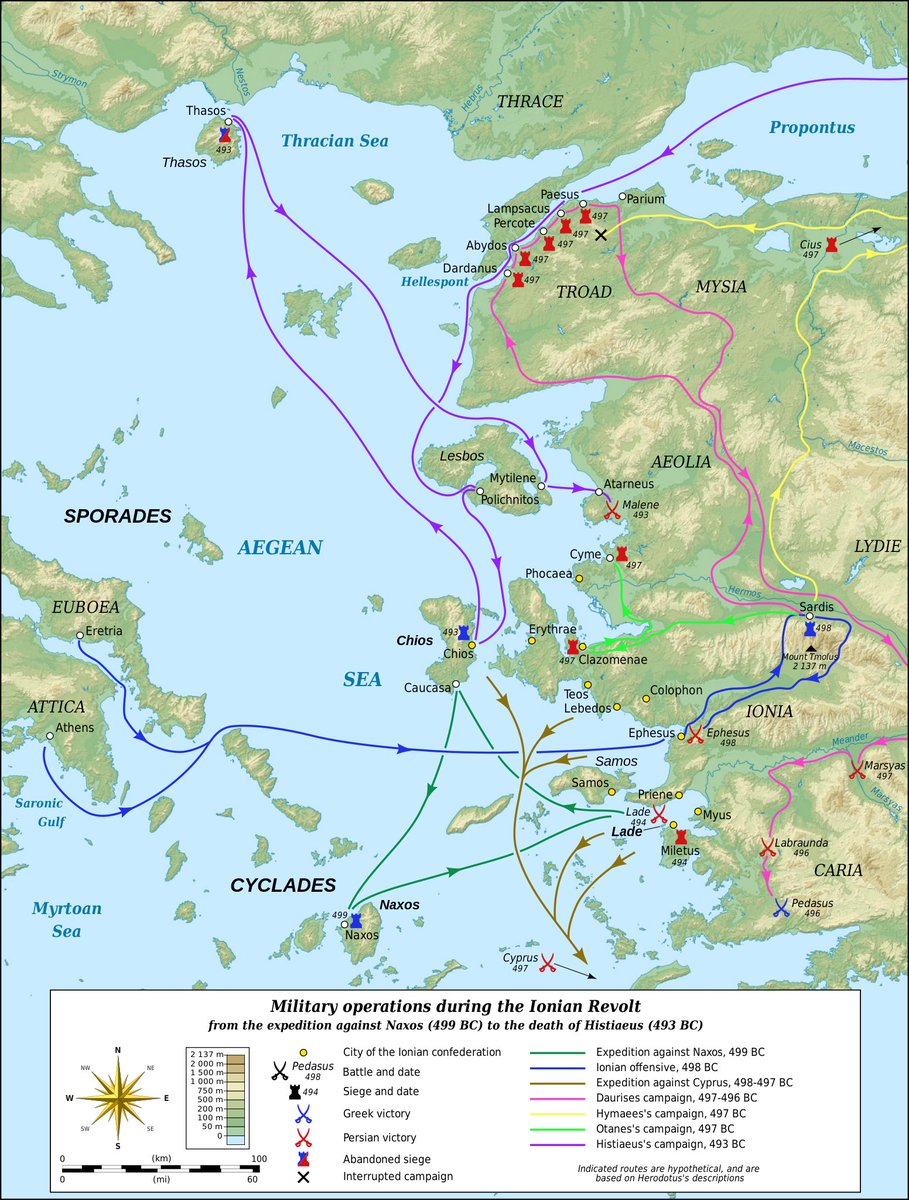
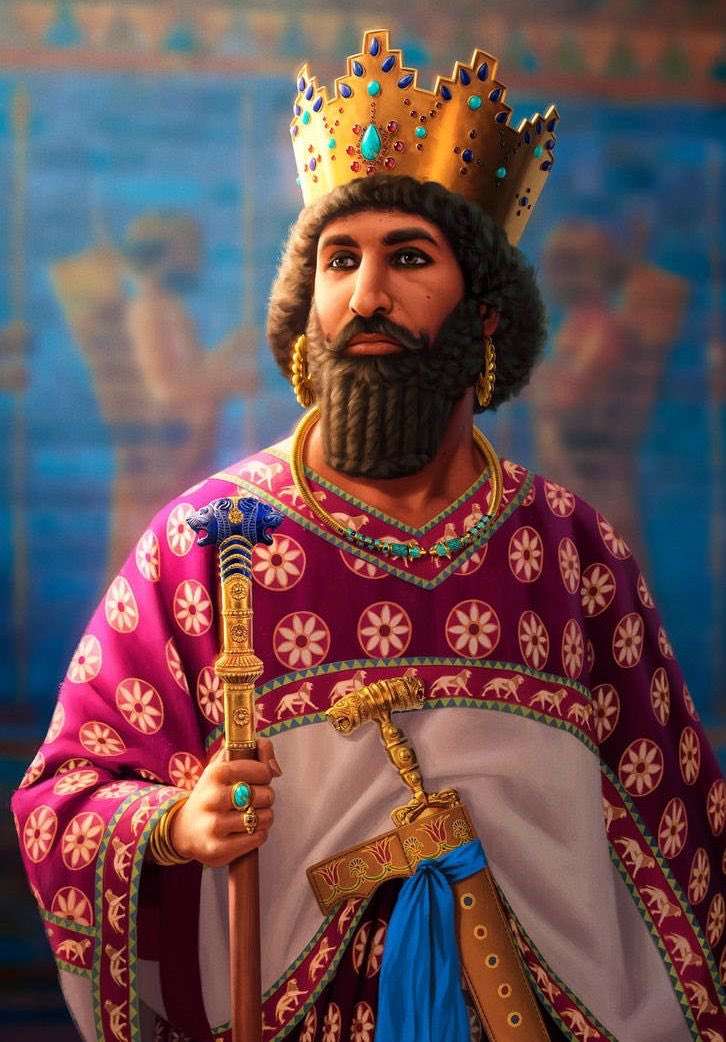
However, the rebellion had seriously threatened the stability of the Persian Empire & the participation of Athens & Eretia in the burning of Sardis could not go unpunished. The Persian king Darius the Great organized an invasion to punish these insolent cities & expand his rule.
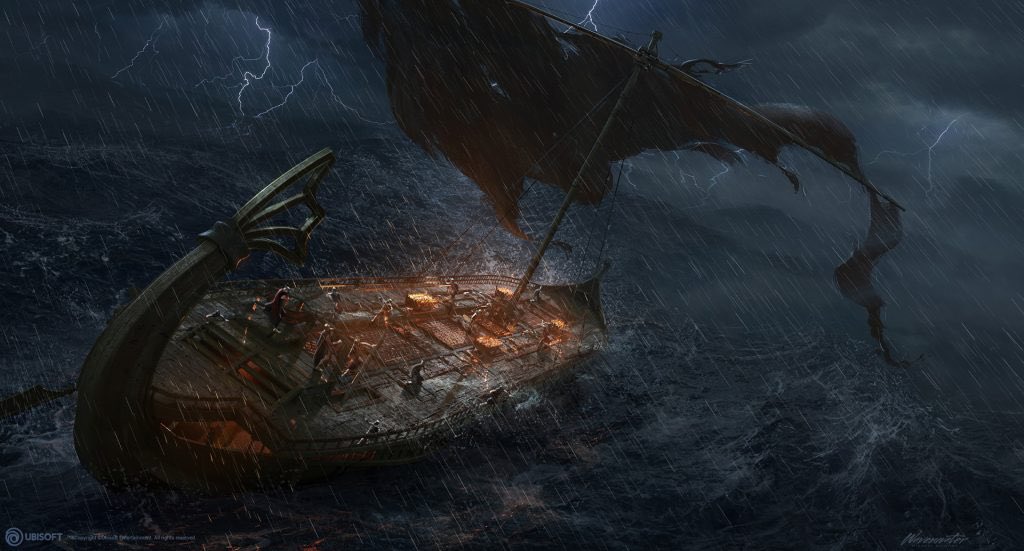
A force under the general Mardonius marched to Macedonia to reassert Persian suzerainty there. It was met with some success but the fleet was wrecked on the shores of Mount Athos, preventing progress south. Envoys were sent to the cities of Greece in 491 BC.
The Persians demanded earth & water to store in their capital of Persepolis as a token of submission. Almost all the Greek states obliged. Athens tried & executed the Persian envoys, Sparta simply threw them down a well. Darius was enraged & the battle lines were drawn.
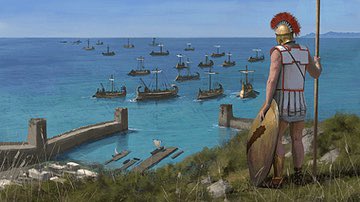
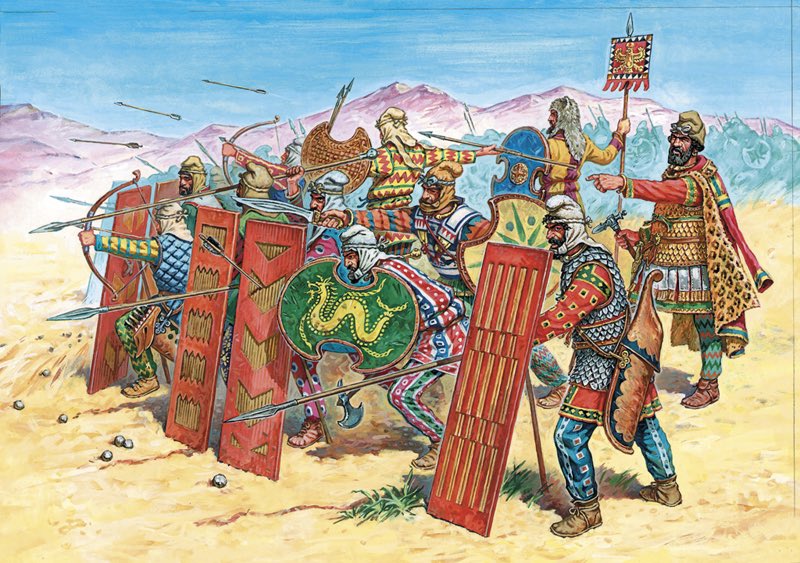
In 490 BC, 25,000 Persians under the command of Datis & Aristophanes were dispatched by sea to Eretia & besieged the city. After six days, two Eretians opened the gates to the Persians. The city was razed & all survivors were enslaved. The Persians set their eyes on Athens.
The Persian fleet landed at the Bay of Marathon, roughly 42 km (26 mi) from Athens. A force of 10,000 Athenians & Plateans (a small, allied city nearby) blocked the passes out of the marshy plain. Pheidippides, the fastest runner in Athens, was sent to Sparta to obtain help.
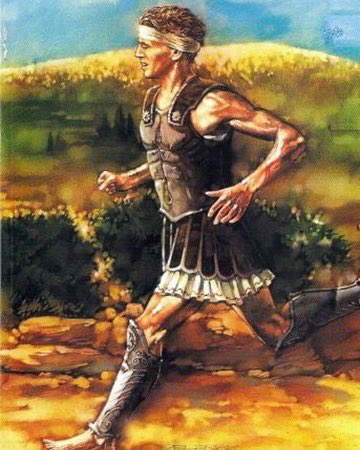
However, the Spartans were in no state to send warriors. Internal strife & an ongoing religious festive prohibited their army from coming to Athens’s aid for at least ten days. Pheidippides ran the 150 mi (240 km) route from Athens to Sparta in an astonishing two days.

When Pheidippides delivered the news that no Spartan help would arrive, nervousness increased among the Greeks. The feared Persian horsemen had been trapped by the hoplites on the plains of Marathon, but what was to stop a portion of the army from sailing away and flanking them?
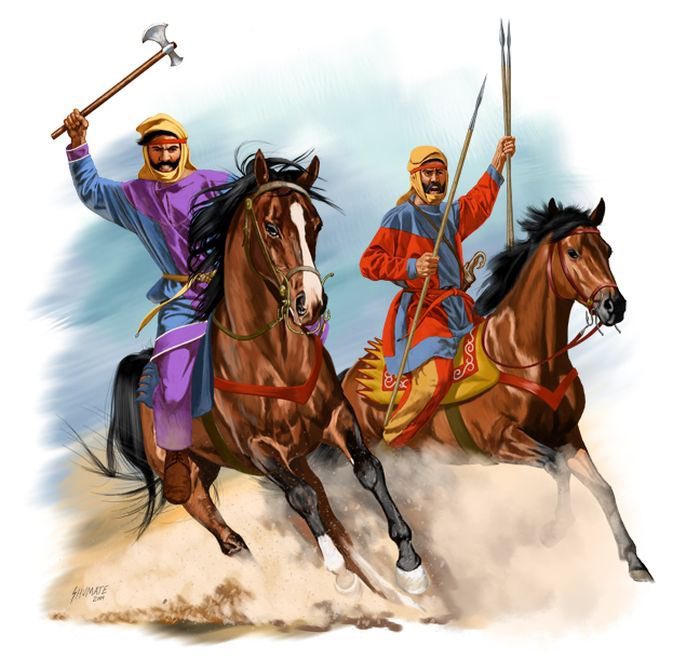
One night some Ionian conscripts slipped from the Persian camp & ventured to the Athenian pickets with a message; the Persian cavalry had sailed away! Fierce debate raged in the Athenian command on whether to retreat to the city or attack the remaining Persians on the beach.
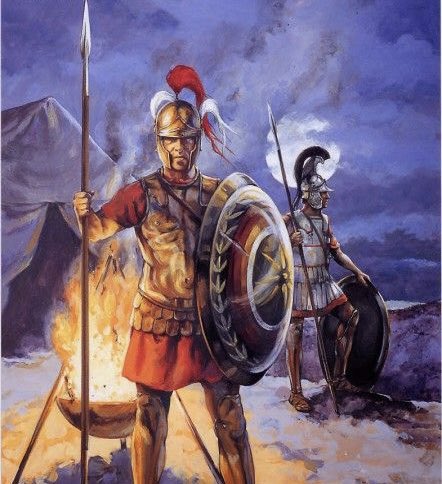
The vote among the generals was too close to call & the commander, the war archon Callimachus, decided for the attack. In the gray of predawn of September 10th, the Athenians put on their suits of bronze & serried their ranks on the quiet plain of Marathon.
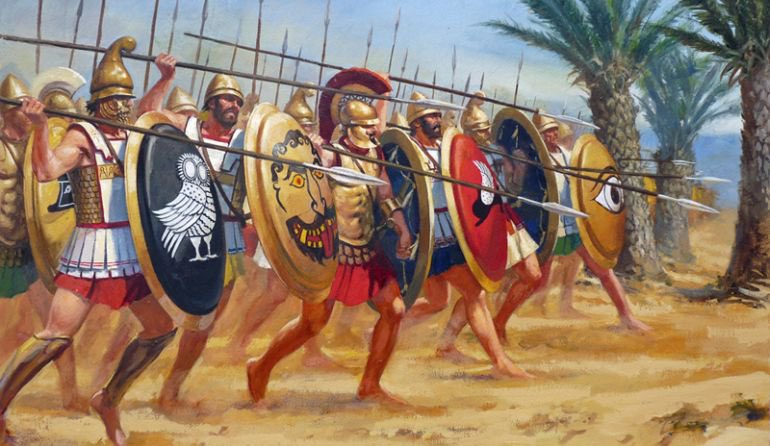
The Athenians, concerned about the Persians flanking them, stretched their lines by thinning the center to 4 instead of 8 ranks. This allowed them to match the Persian lines. Themistocles & Miltiades, the famed Persian-fighter, were positioned at the center to control the phalanx
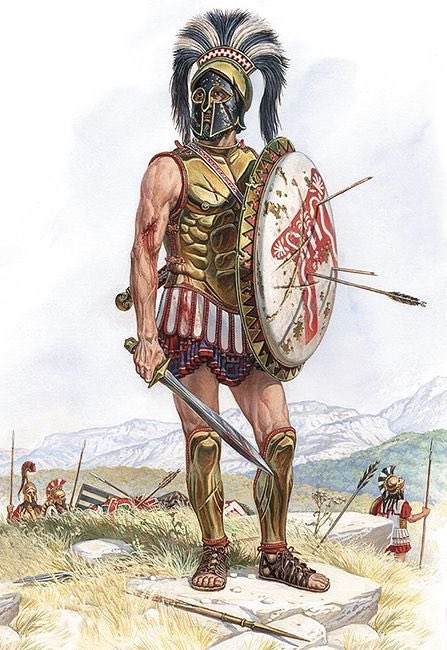
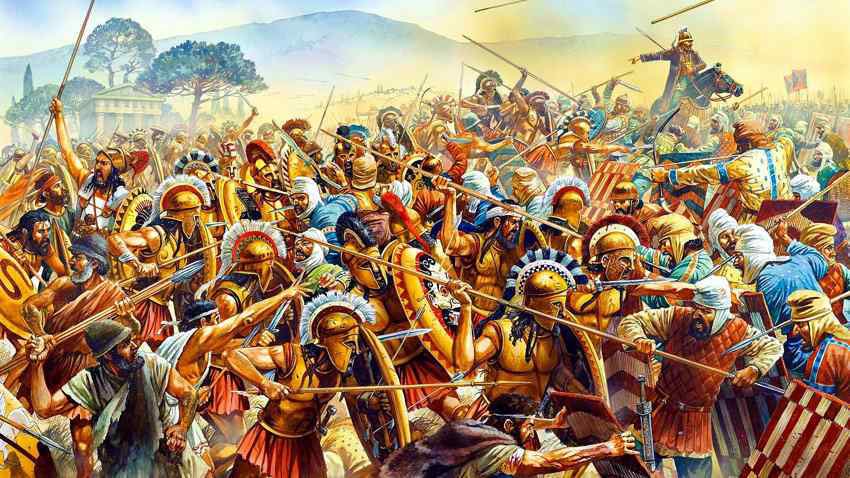
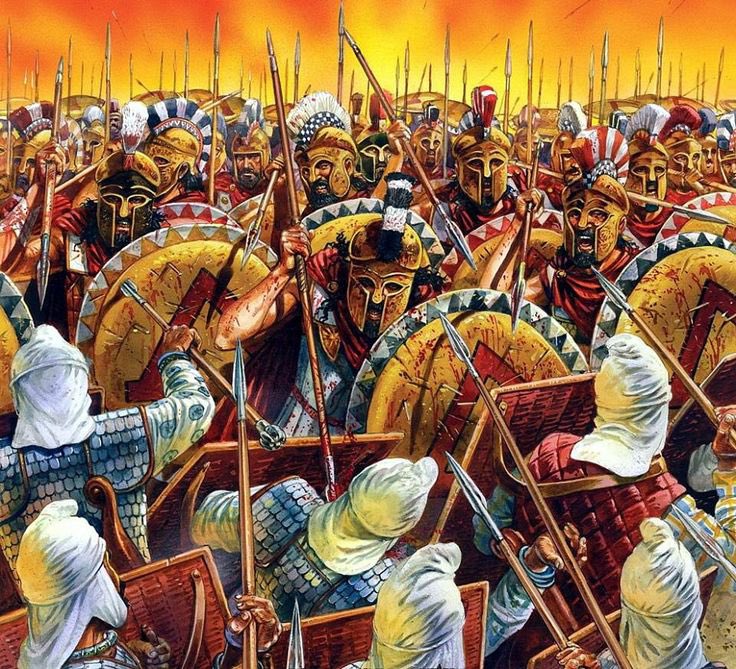
The Greeks marched in formation for about a mile, the two armies trading war cries & paeans as the distance closed. When the phalanx entered the range of Persian bows & slings they broke into a run and smashed into the Persians with a thunderous clamor of bronze & iron.
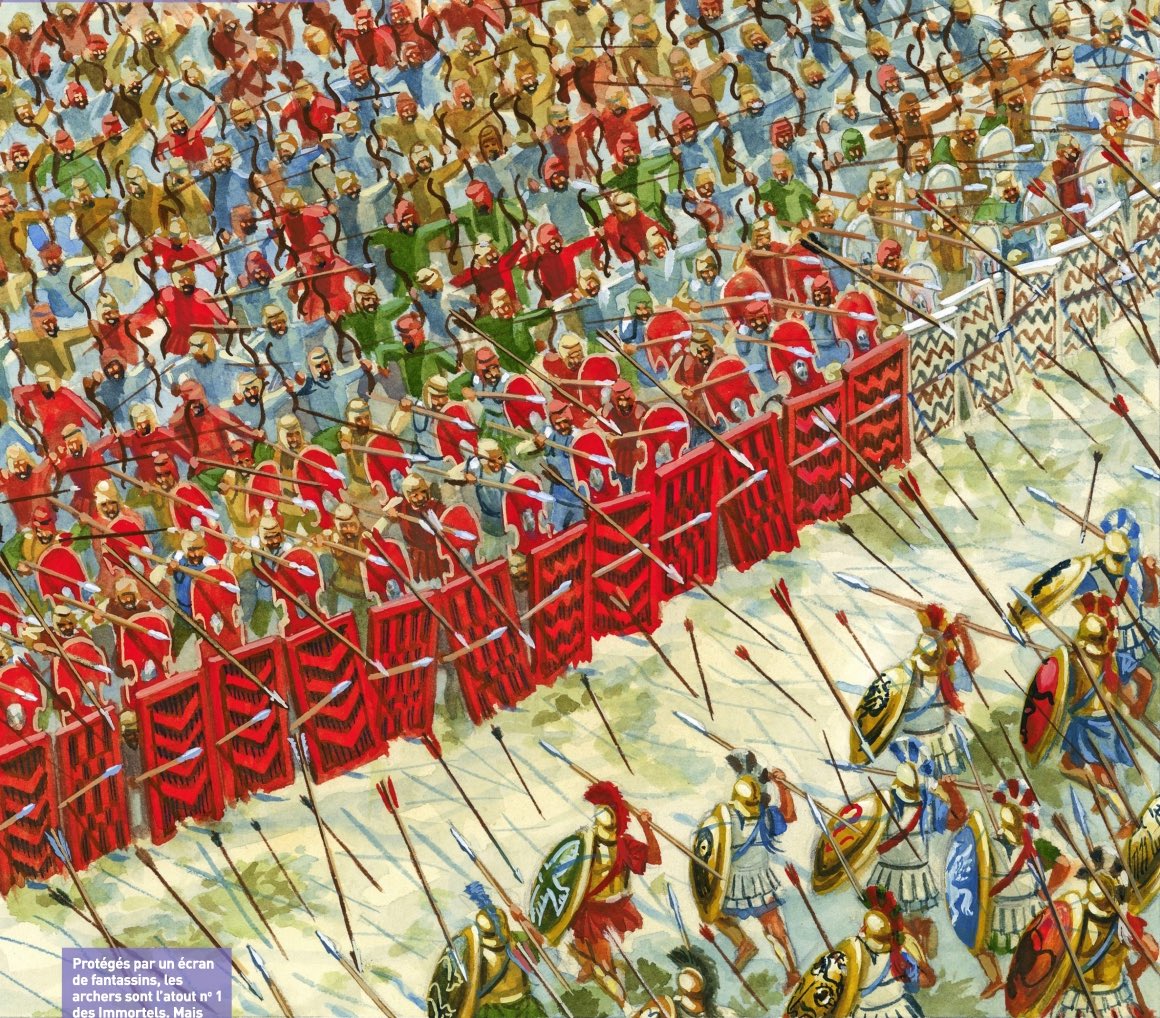
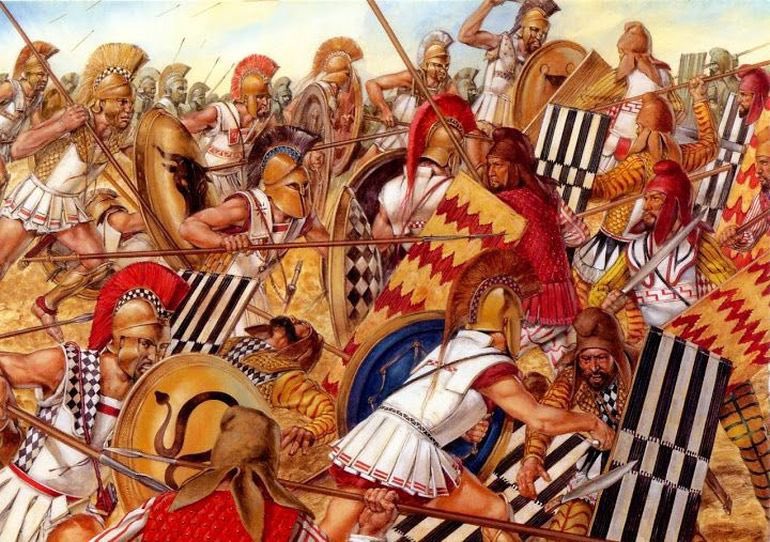
The hoplites expected the stalwart resistance of another phalanx but met no push, their spears sinking into leather jerkins & wicker shield instead of clanging off bronze warriors. The strong flanks of the Greek line soon broke their Persian foes who fled to their ships.
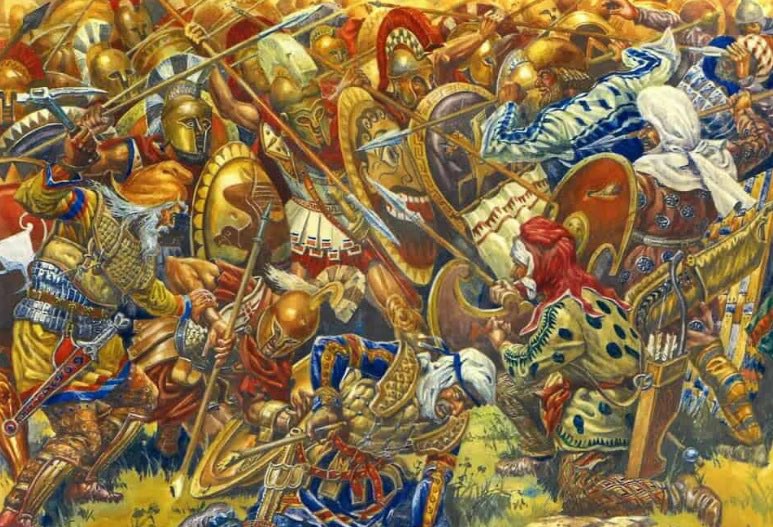
However, the thin Greek center was imperiled. Here the hoplites faced the elite Persian and Saka warriors from Central Asia, their famous axes capable of cleaving into the bronze helmets of the Greeks. When the Greek flanks turned & fought the Persian center they broke & fled too
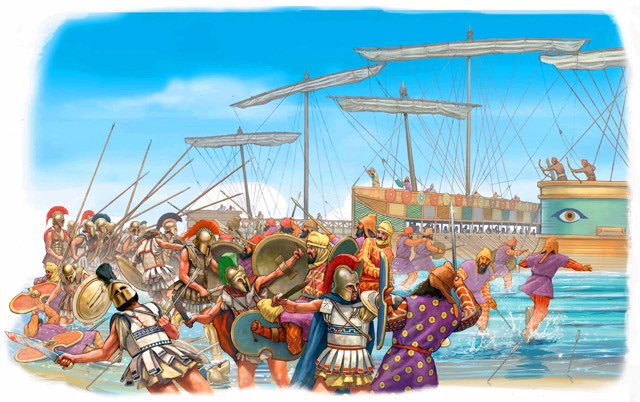
The Persians waded into the surf and clambered aboard their ships, the Greeks in hot pursuit. A fierce melee on the sands claimed many hundreds of Persians & the Greek warrior, Cynaegirus, who when climbing onto a ship, had his hand cut off & bled out on the sands.
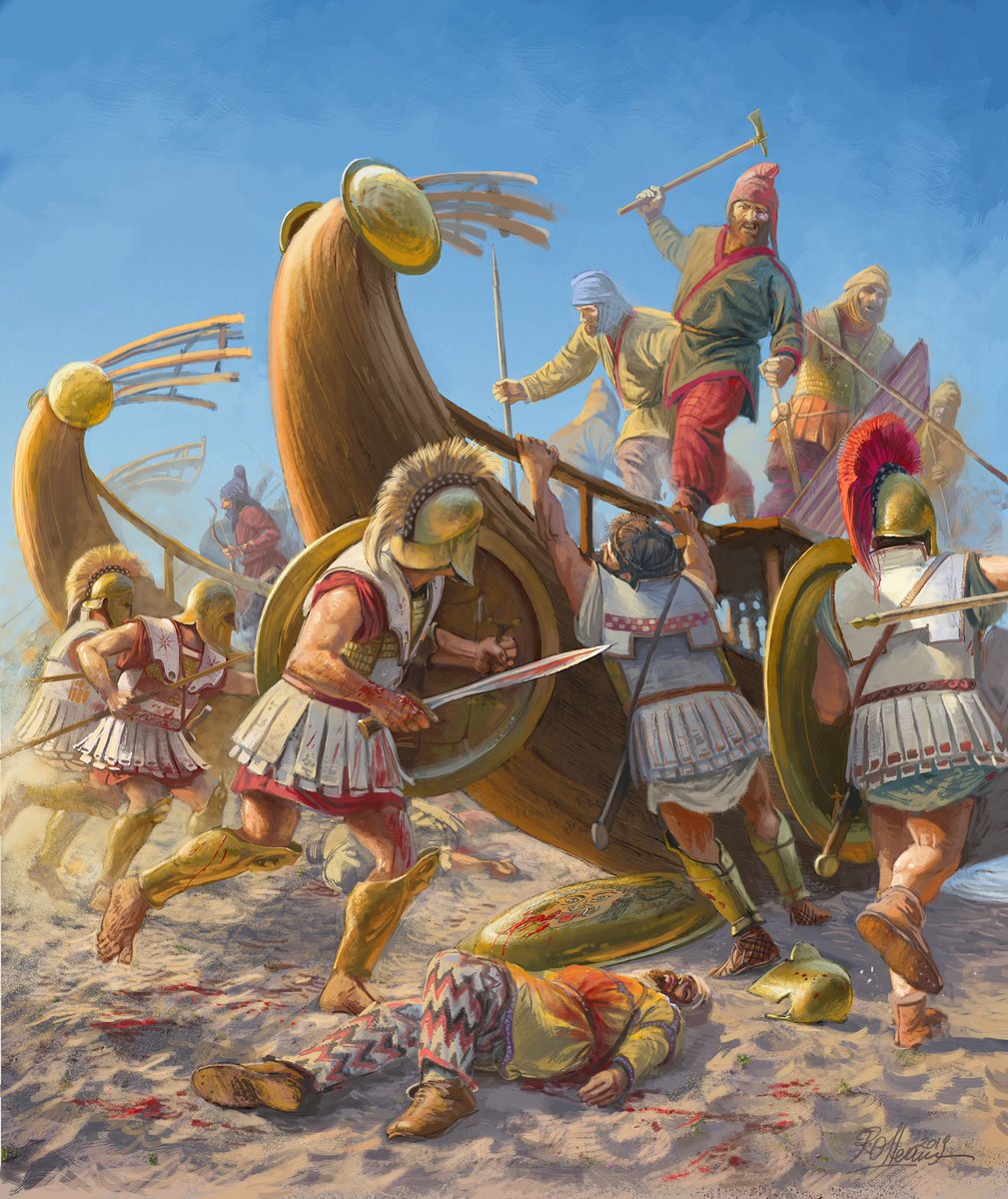
The Athenians captured 7 ships, but most escaped successfully. The battle was over by mid-morning, however the Athenians worried about being flanked by the escaping Persian fleet. The exhausted warriors marched rapidly to Athens, 26 miles (42 km) away to block another landing.
By late afternoon the bloodied & exhausted Greek army reached Athens. An incredible feat of strength & endurance; to fight a battle and then march in full kit under the summer Sun to the desperate defense of your home & families. Such indomitable strength paid off.
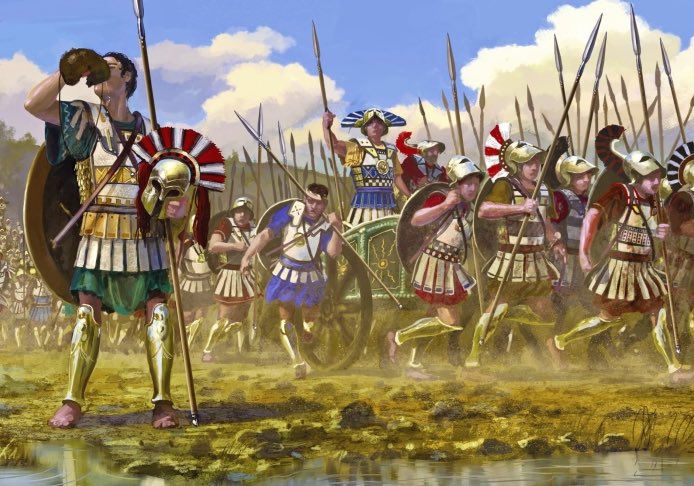
When the Persian fleet saw the Athenian army snaking into their city, they turned around & sailed away: Athens & Greece were saved. The seemingly invincible & innumerable Persians were defeated.
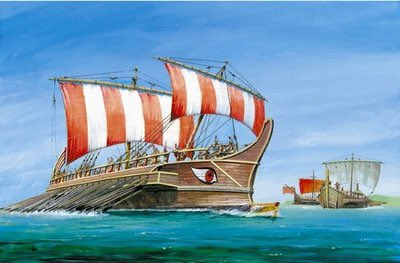
What a victory it was. Herodotus records 6,400 Persian dead in contrast to only 192 Athenians, including the war archon, Callimachus, & 11 Plataeans dead.
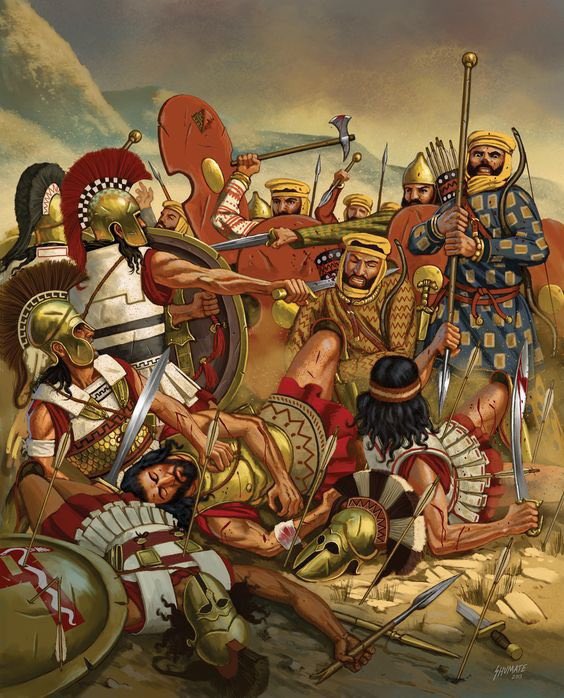
The famed runner, Pheidippides, as the legend goes, ran from Marathon to Athens after the battle & ahead of his brothers. Reaching the city he announced “Nikomen!” (We win!) & collapsed, dead, from the exertions of the past week. The Marathon of today commemorates his final run.
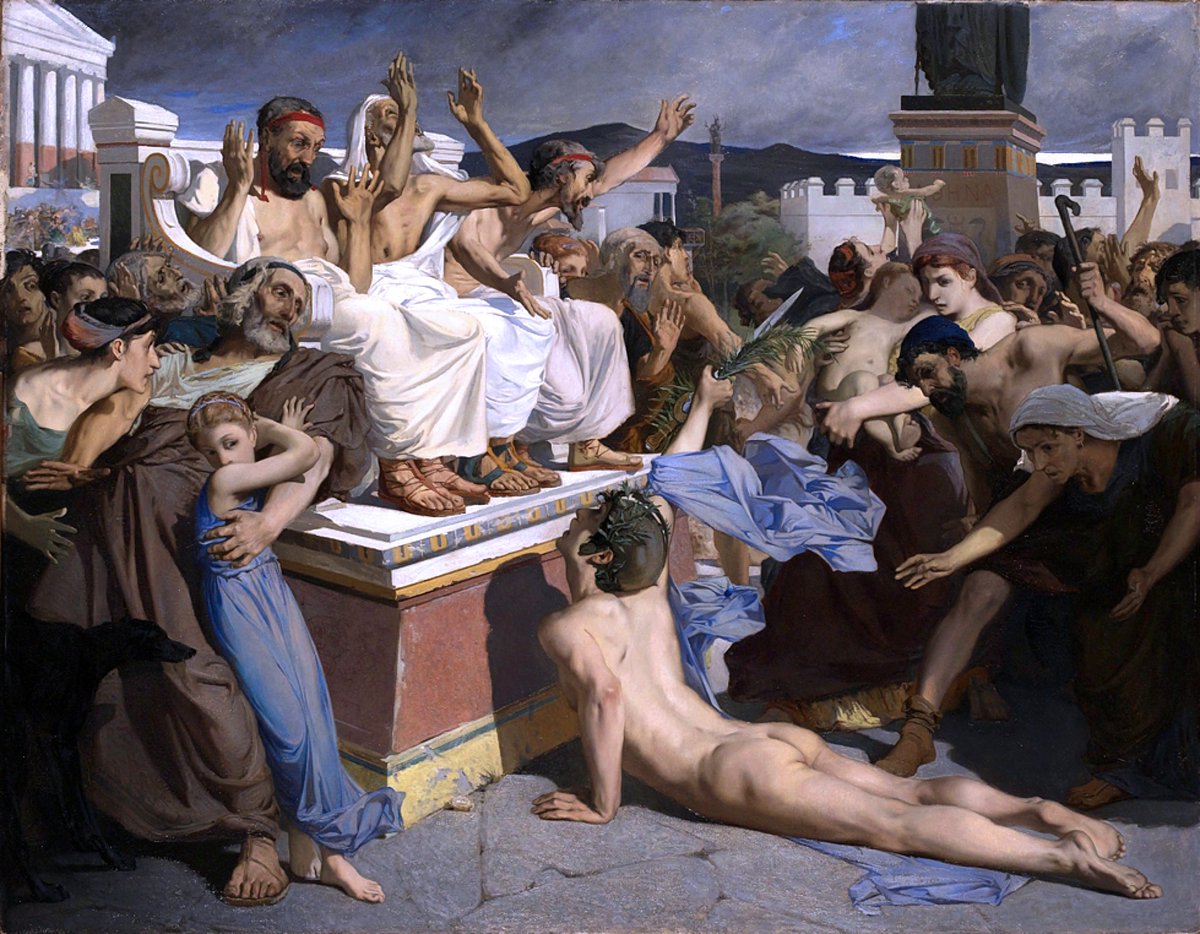
Victory at Marathon began Athens’s Golden Age; a flourishing of art, philosophy, politics, economic expansion, architecture, & regional dominance. Athens, a small city on civilization’s edge, will produce men like Socrates, Plato, Aristotle, Pericles, Themistocles, & many more
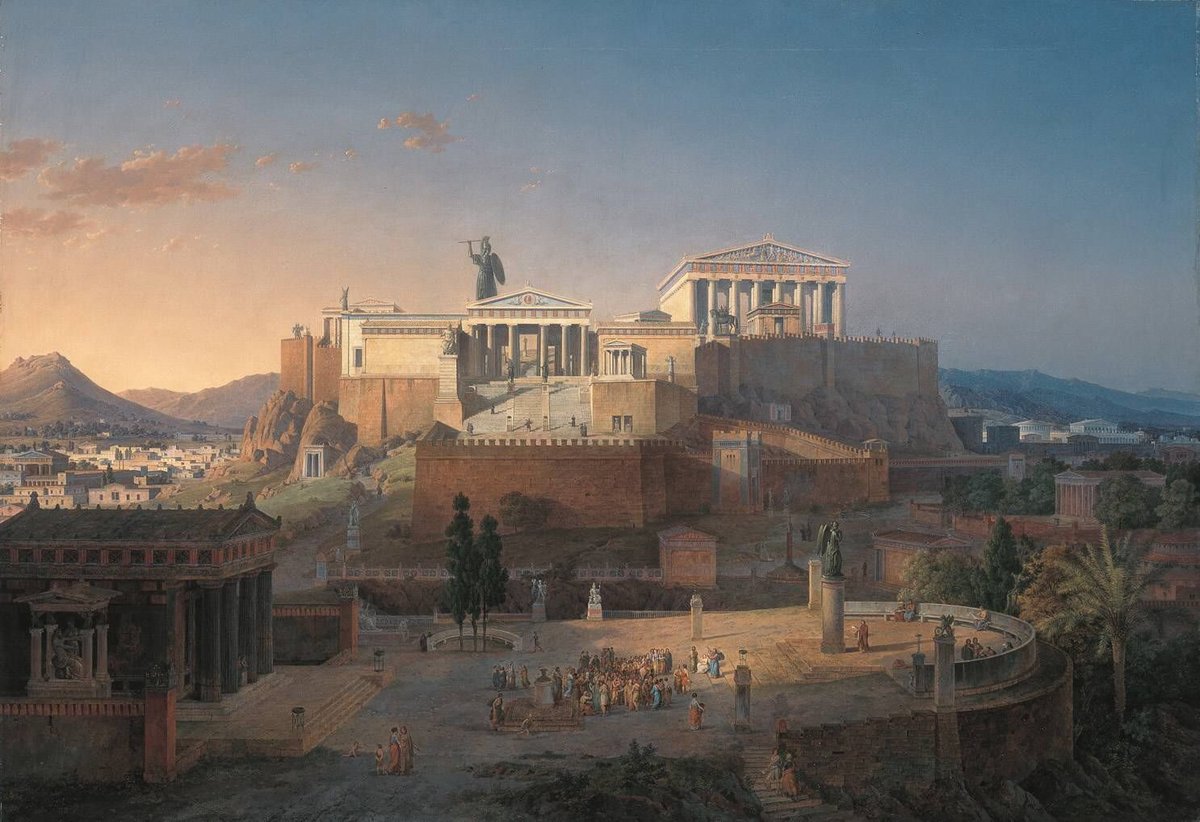
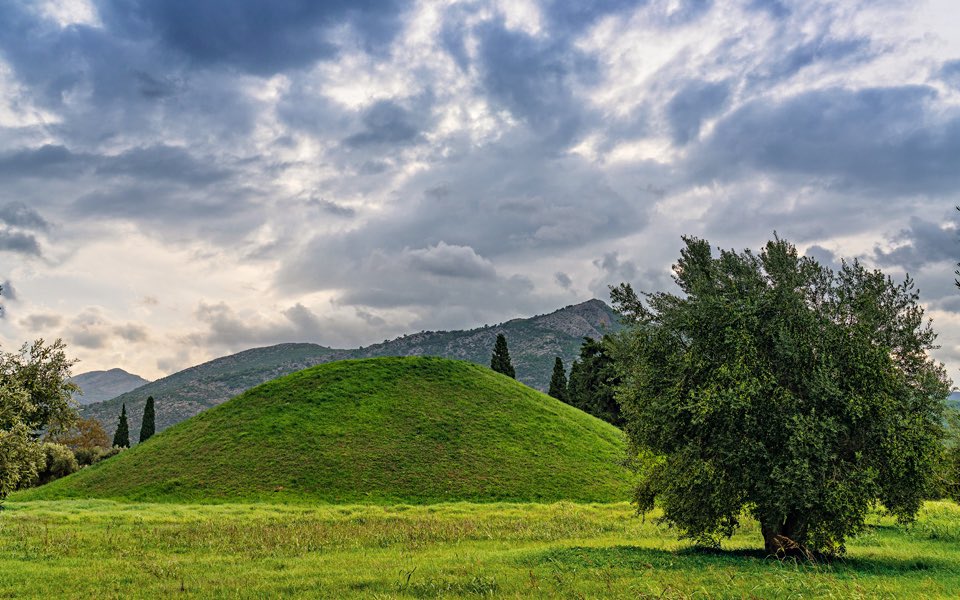
Victory at Marathon also cemented Athen’s democratic character. All her warriors who fell there were interred together in a common tomb. From the poorest peasant to the noble Callimachus himself, all were equal in death: all were citizens.
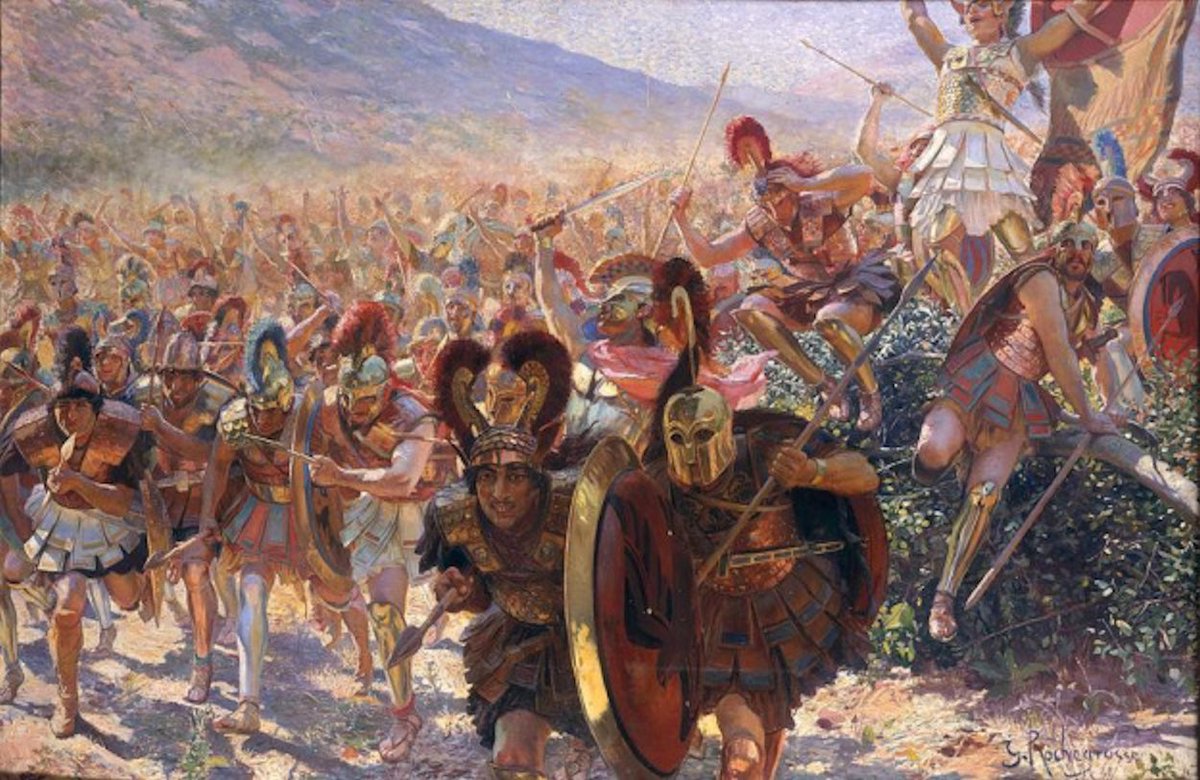
An inscription from the famous poet Simonides marked the tomb with, “Fighting at the forefront of the Greeks, the Athenians at Marathon laid low the army of the gilded Medes.” The tomb remains visible at Marathon today, a powerful reminder of the ancient battle to all who visit.
Defeat at Marathon only served to increase Persian conviction to subjugate the unruly Greeks & Darius’s son, Xerxes, would invade 10 years later. This invasion would be one of Greece’s greatest triumphs & allow the West to blossom free from foreign rule in the next centuries.
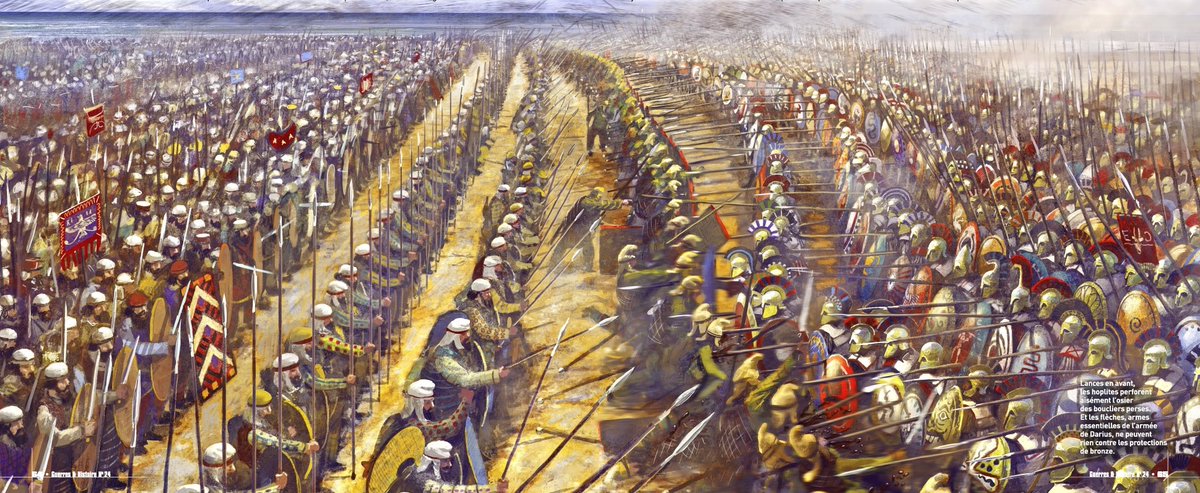
The drama of the Persian Wars, though long past, still inspires the imagination. Names like Salamis, Marathon, Thermopylae, & Leonidas harken us back to these triumphs through the haze of thousands of years, so powerful is their luster.
Loading suggestions...