

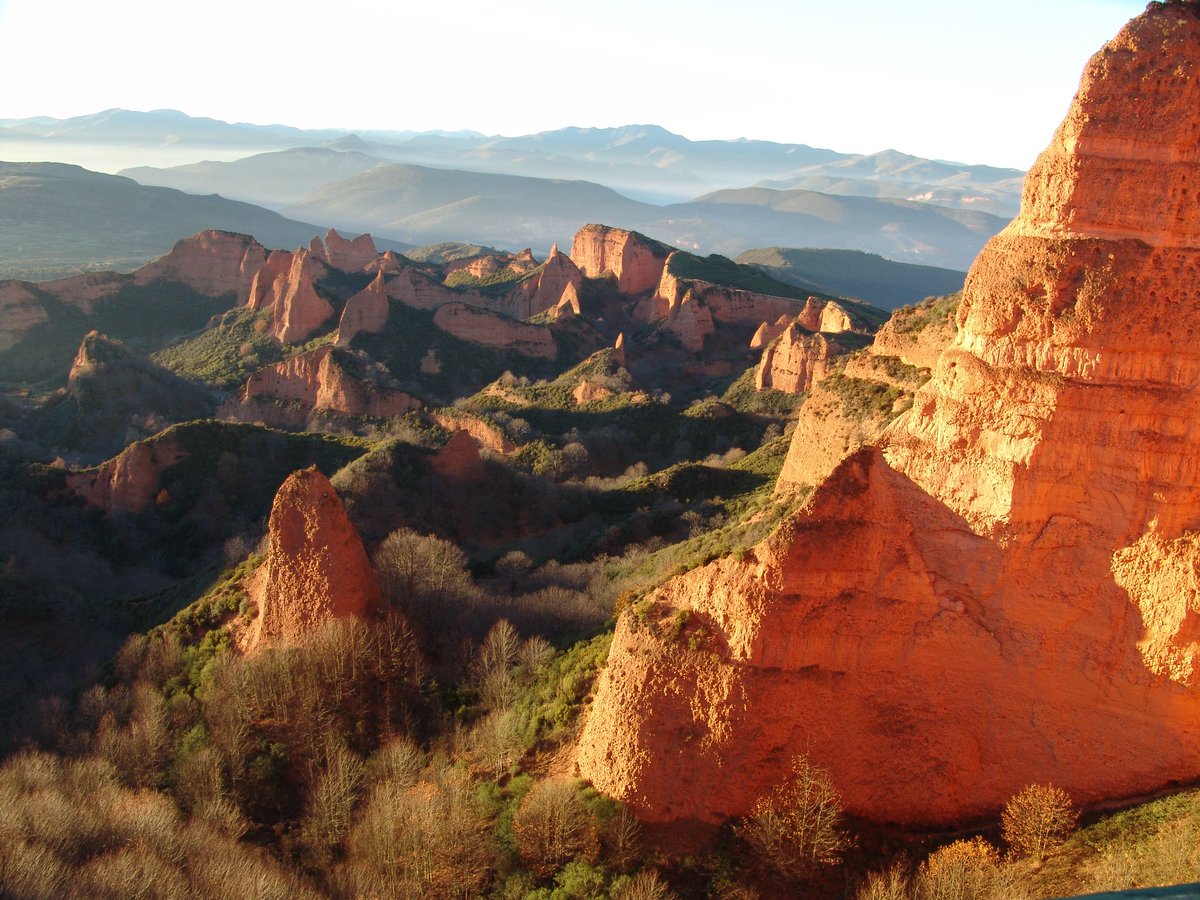
The jagged peaks of Las Médulas in Northern Spain hide a fascinating secret.
Their rugged topography was not caused by natural processes. A massive Roman mining operation two thousand years ago carved out these mountains in search of gold, but how did they do it?
Their rugged topography was not caused by natural processes. A massive Roman mining operation two thousand years ago carved out these mountains in search of gold, but how did they do it?
For much of ancient history the Iberian Peninsula was a rich source of metals. Hannibal Barca funded his massive mercenary army with the silver mines he conquered in Southern Spain. After the Romans won the Second Punic War, they controlled these lucrative territories.
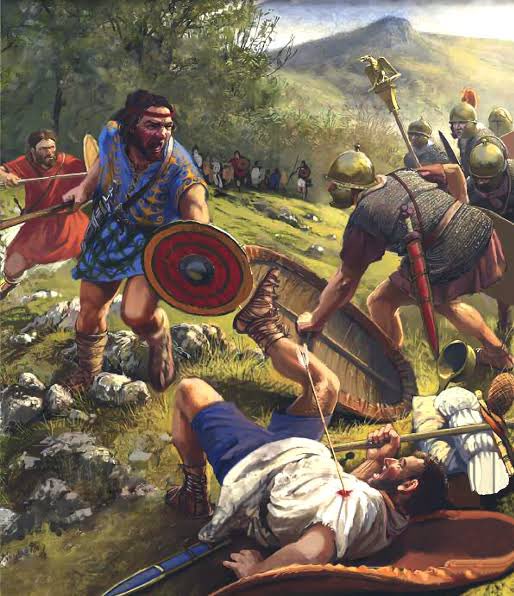
The Romans fought for centuries to subjugate the fierce tribes of Iberia, only completed in 19 BC by Emperor Augustus. In the rugged mountains of the north, spectacular wealth awaited the Romans.
The Romans noticed the locals panning for gold dust in the banks of rivers & streams that ran from the mountains. Soon, the rich deposits of gold trapped in the mountains themselves were discovered & exploited by the Romans, bringing their engineering expertise to bear.
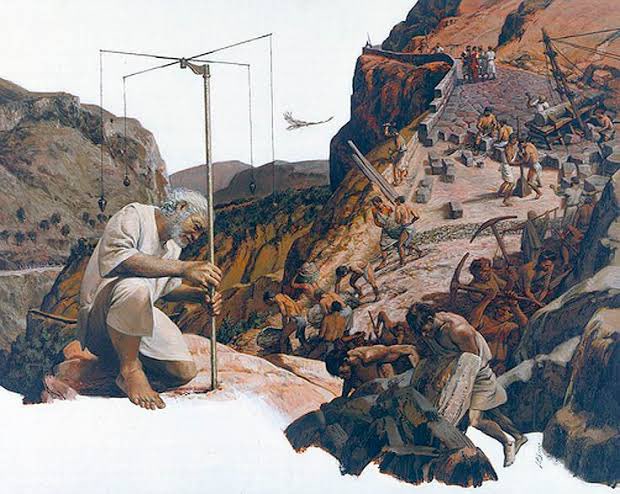
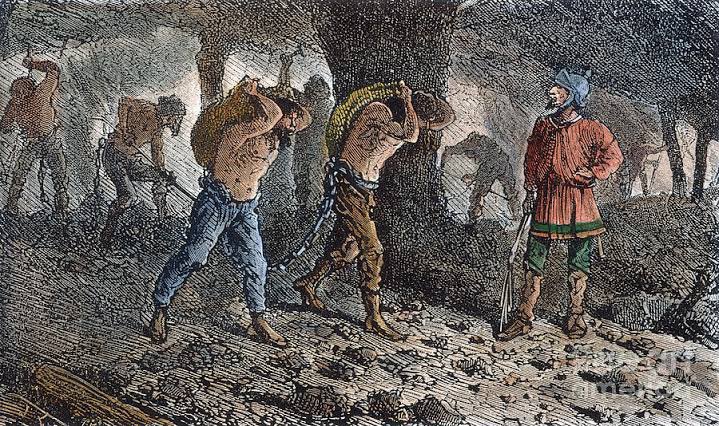
Pliny the Elder, a Roman administrator in the region, explained the sophisticated system the Romans used to reach the gold deep within the mountains; “The mountains are bored with corridors and galleries made by lamplight…”
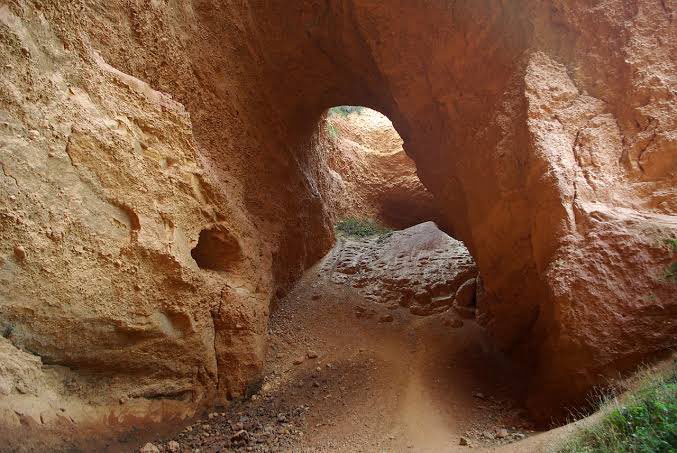
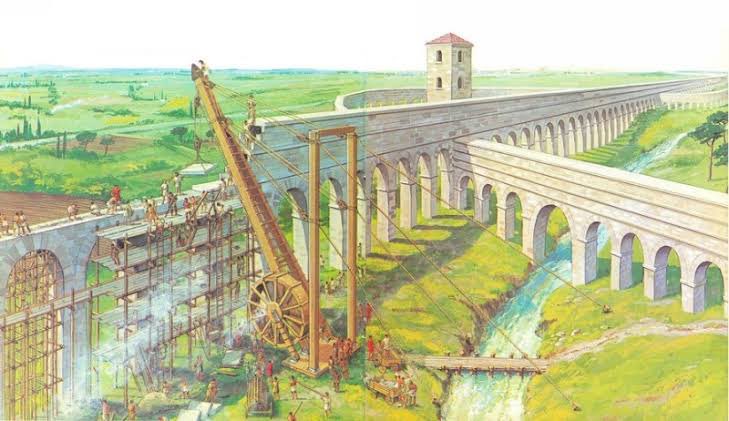
After these corridors were completed, water from aqueducts would be released into them, the tremendous pressure breaking the rock & collapsing the mountainside. Such work was incredibly dangerous, Pliny remarked:
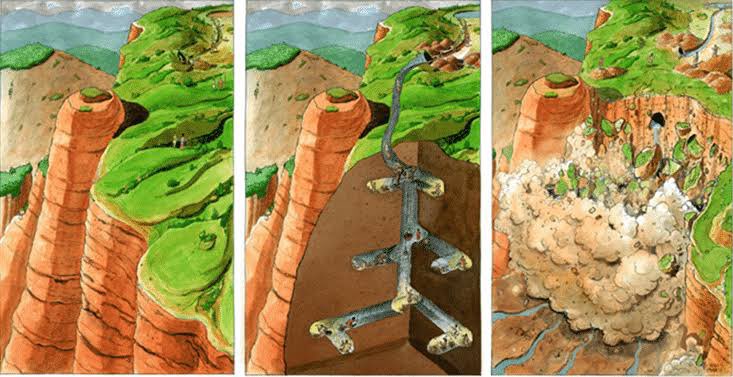
“For months, the miners can’t see the sunlight and many of them die inside the tunnels… The cracks made in the entrails of the stone are so dangerous that it would be easier to find pearls at the bottom of the sea than make scars in the rock.”
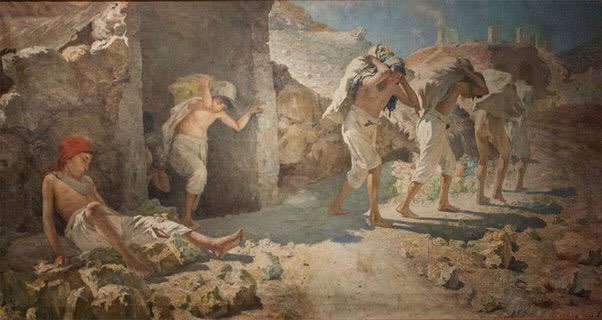
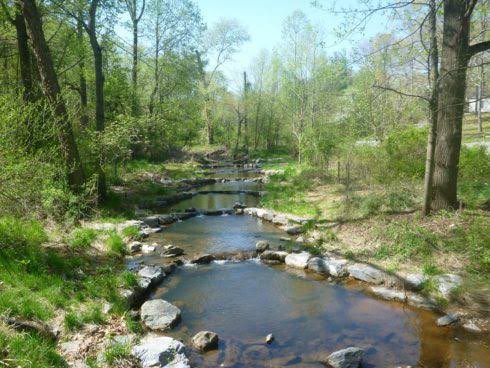
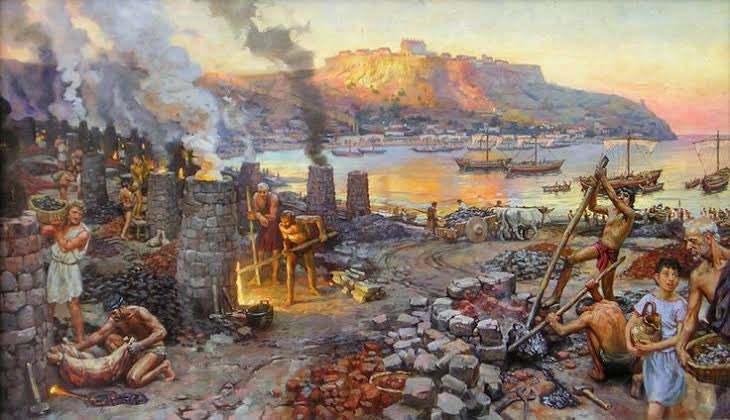
After the rock was blasted, the fragments would be washed sluices thickly lined with branches to catch the valuable ore. These gold-laden branches were then burned & the gold sifted from the ash.
From the 1st century until the 4th century AD, Las Médulas produced over 1,600 tons of gold, 6.5 tons every year. This staggering amount of gold funded the armies, infrastructure, public works, temples, palaces, and festivals that defined the Roman Empire at her height.
Despite the wealth of these gold deposits, only three grams of ore were recovered for every ton of earth mined. In order to move so much earth, the mining operation was gargantuan. 7 aqueducts supplied water for hydraulic excavation & 60,000 workers toiled endlessly in the mines.
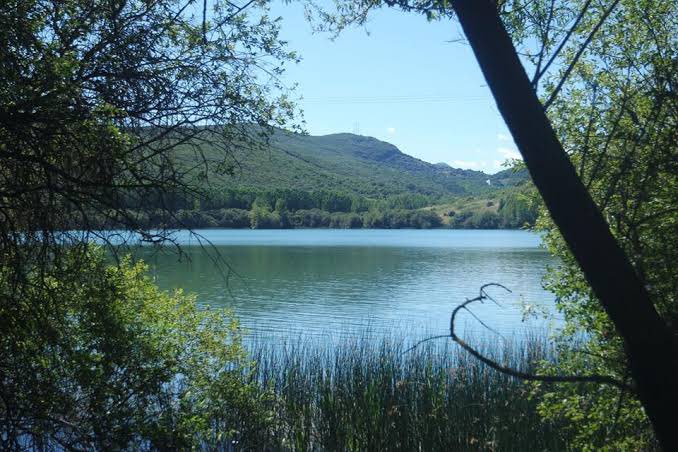
The size of the industry associated with the mining can be seen not only in the region’s shattered hillsides, but Carecuedo Lake, which formed due to the sheer amount of debris silting up the river valley. The lake remains to this day.
However, the environmental affects of the mine were not only local. Ice core samples from Greenland show a spike in mineral air pollution during the time the mine was operational & atmospheric lead levels not experienced again until the Industrial Revolution, 1,700 years later.
Las Médulas’s is now a World Heritage Site & popular hiking destination as travelers marvel at the cliffs & tunnels carved into the mountains thousands of years ago in search of gold.
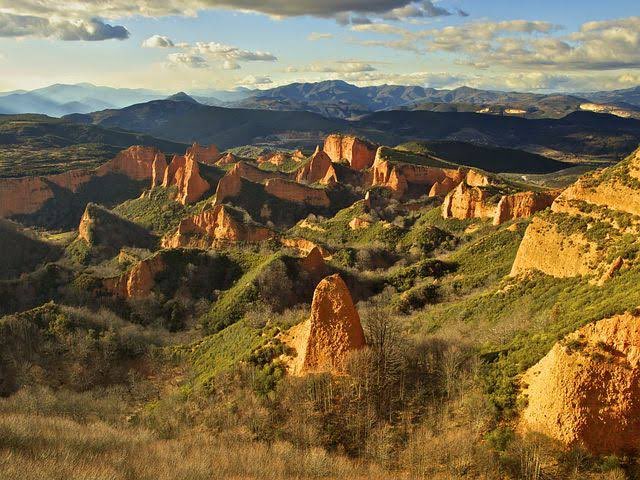
Las Médulas isn’t only a reminder of the capabilities, engineering marvels, and resource-intensity of ancient civilizations like Rome, but an interesting look into our future. How will people thousands of years after us see our fingerprints on the landscape?
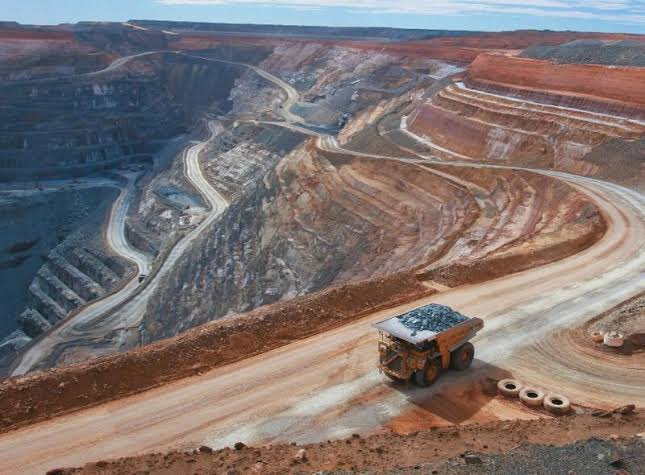
What will the open pit mines that fuel our industrial society look like in two thousand years? Will they be celebrated as marvels of human mastery of the Earth, or the scars of our hubris?
Loading suggestions...