
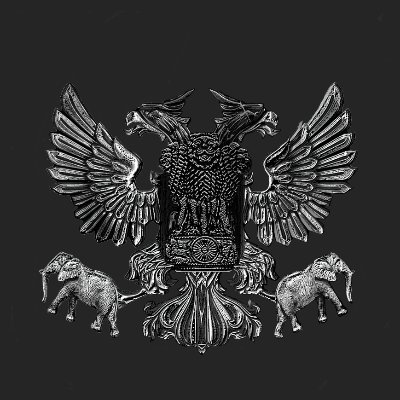
The Iron Pillar, King Chandra and the Aparantaka empire.
According to Samyukta Ratna Piṭaka Sūtra, Kanishka ascended the
throne 700 years after Buddha Nirvāṇa. Arhat Ki-ye-to was
a contemporary of Kanishka. Samyukta Ratna Piṭaka Sūtra also indicates
that
According to Samyukta Ratna Piṭaka Sūtra, Kanishka ascended the
throne 700 years after Buddha Nirvāṇa. Arhat Ki-ye-to was
a contemporary of Kanishka. Samyukta Ratna Piṭaka Sūtra also indicates
that
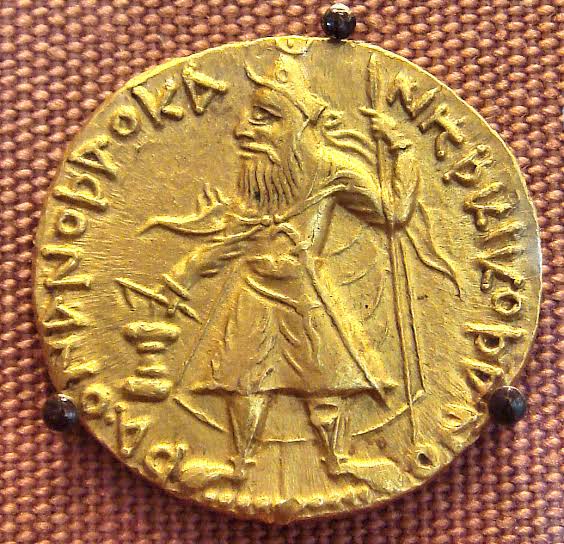
King Kanishka had three friends, his minister Māthara, physician
Charaka and Aśvaghoṣa who were his advisors. The Gilgit Manuscript
of Vinayavastu mentions that Kanishka flourished 400 years after the
nirvāṇa of Vajrapāni. Hiuen Tsang also gives the date of
Kanishka 400
Charaka and Aśvaghoṣa who were his advisors. The Gilgit Manuscript
of Vinayavastu mentions that Kanishka flourished 400 years after the
nirvāṇa of Vajrapāni. Hiuen Tsang also gives the date of
Kanishka 400
years after nirvāṇa of Vajrapāni. Nāgārjuna, the greatest Buddhist philosopher lived after the reign of
King Kanishka.
According to Sarat Chandra Das’s
article
King Kanishka.
According to Sarat Chandra Das’s
article
“The Life of Nāgārjuna from Tibetan and Chinese Sources” Nāgārjuna was
born a century before King Chandragupta’s accession. Puzzled historians
have rejected this historical account of Nāgārjuna.
born a century before King Chandragupta’s accession. Puzzled historians
have rejected this historical account of Nāgārjuna.
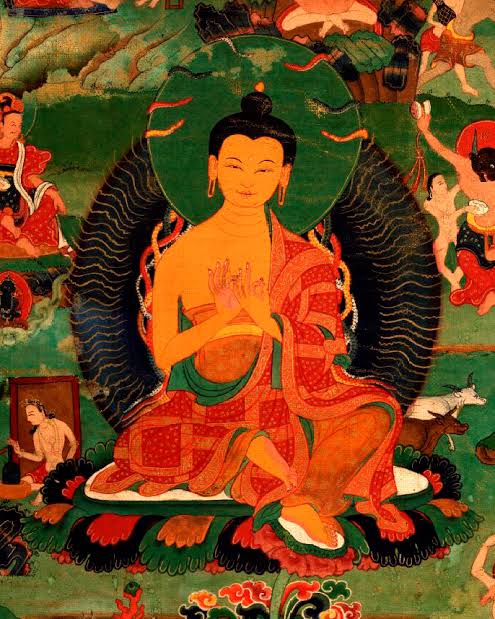
Tibetan monk Taranatha
records that Nāgārjuna is supposed to have appeared in the country of Bhangala only after the presence of King Harichandra, the first of Chandra
family. Sri Rāhula was the contemporary of him. Sri Sarat Chandra
Das mentions with reference to Tibetan
records that Nāgārjuna is supposed to have appeared in the country of Bhangala only after the presence of King Harichandra, the first of Chandra
family. Sri Rāhula was the contemporary of him. Sri Sarat Chandra
Das mentions with reference to Tibetan
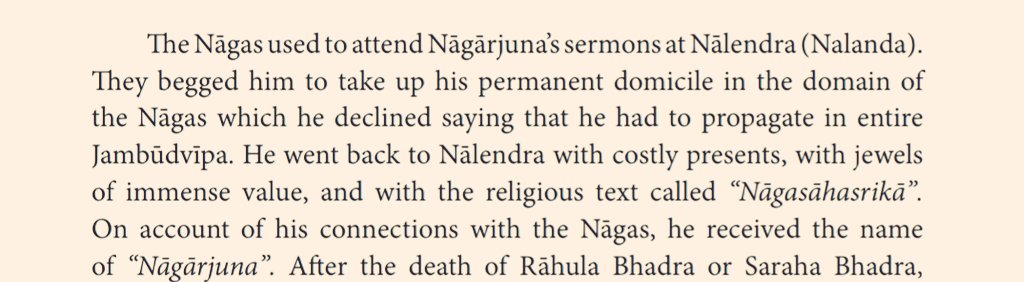
texts that Nāgārjuna was born
in Vidarbha. After the death of Rāhula Bhadra or Saraha Bhadra,
Nāgārjuna became the head of Nālendra (Nalanda). King Sadvāhana
of Chandra dynasty, a junior contemporary of Nāgārjuna might have
reigned.
in Vidarbha. After the death of Rāhula Bhadra or Saraha Bhadra,
Nāgārjuna became the head of Nālendra (Nalanda). King Sadvāhana
of Chandra dynasty, a junior contemporary of Nāgārjuna might have
reigned.
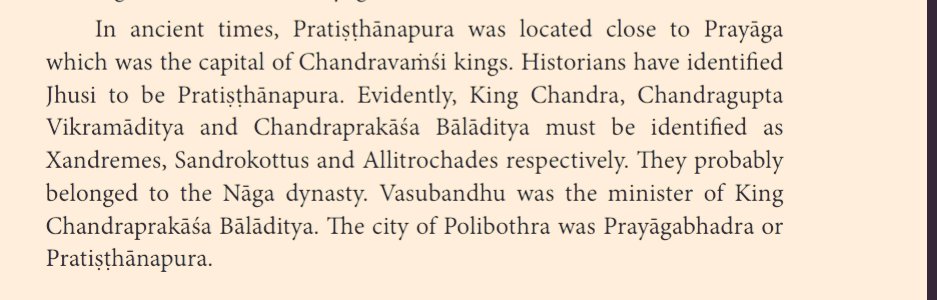
Chandra was the greatest King of the Chandra family of the Naga dynasty.
In fact, King Chandra was the author of the Iron Pillar inscription of
Delhi. (He was Xandrames of the Greek account).
In fact, King Chandra was the author of the Iron Pillar inscription of
Delhi. (He was Xandrames of the Greek account).
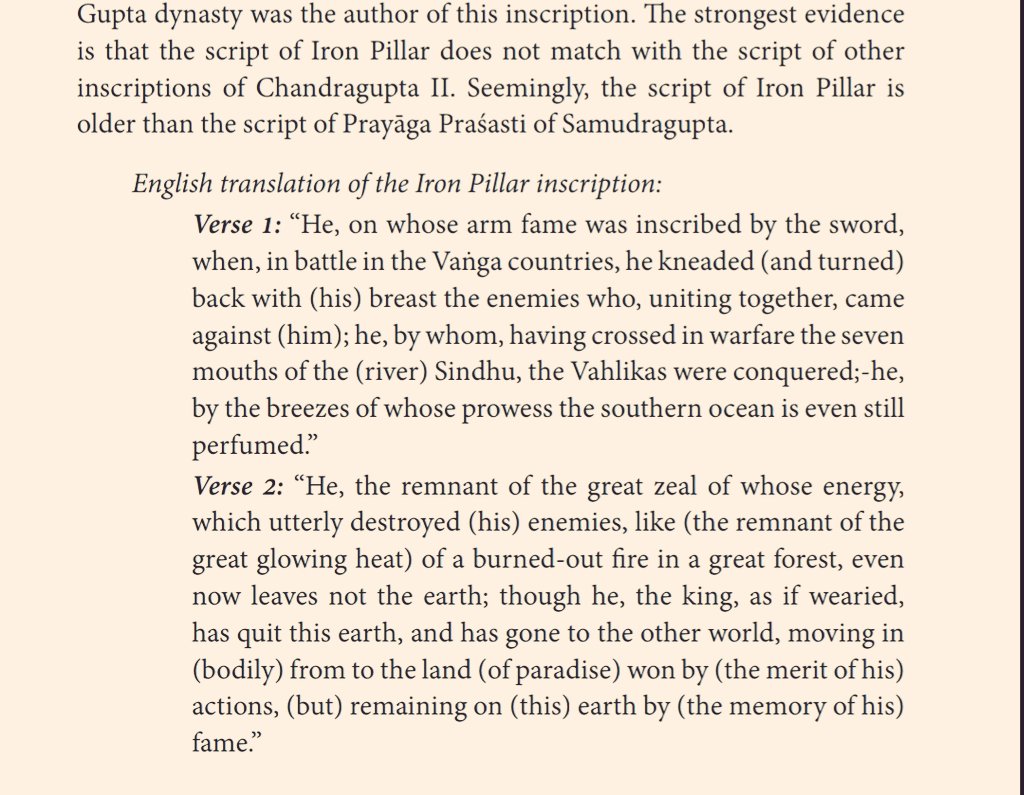
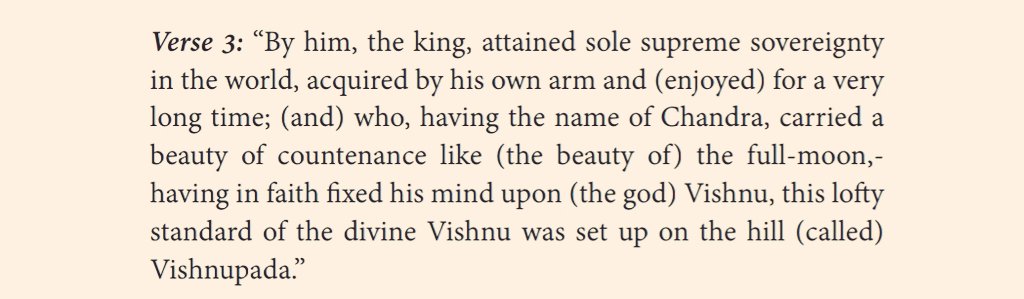
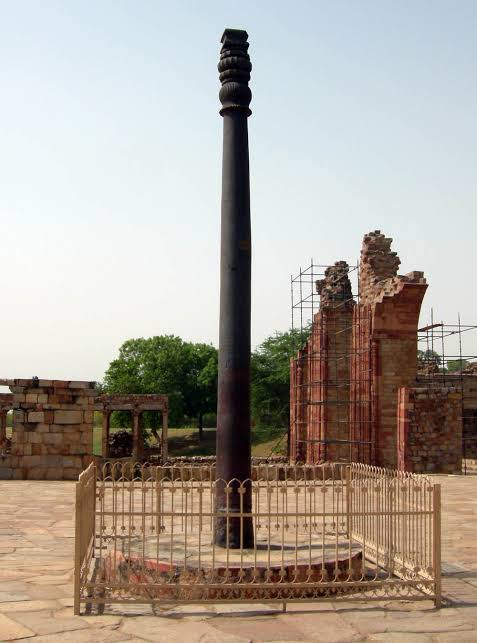
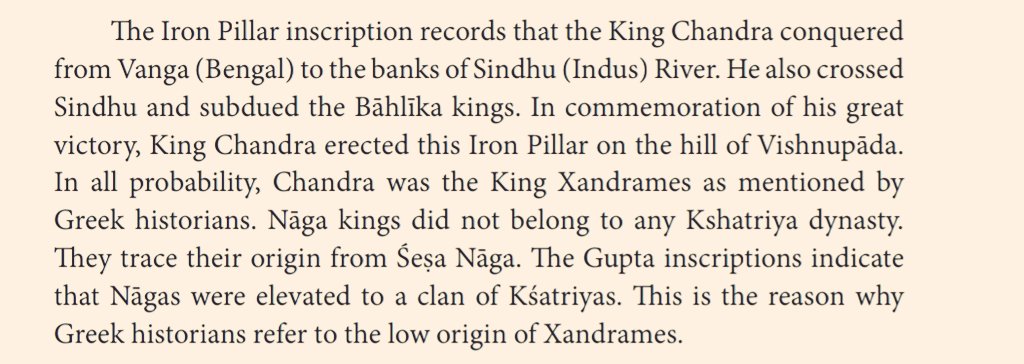
The Iron Pillar inscription records that the King Chandra conquered
from Vanga (Bengal) to the banks of Sindhu (Indus) River. He also crossed
Sindhu and subdued the Bāhlīka kings. The Buddhist Pali text refers their empire extended till west of Irawaddy river of Myanmar.
from Vanga (Bengal) to the banks of Sindhu (Indus) River. He also crossed
Sindhu and subdued the Bāhlīka kings. The Buddhist Pali text refers their empire extended till west of Irawaddy river of Myanmar.
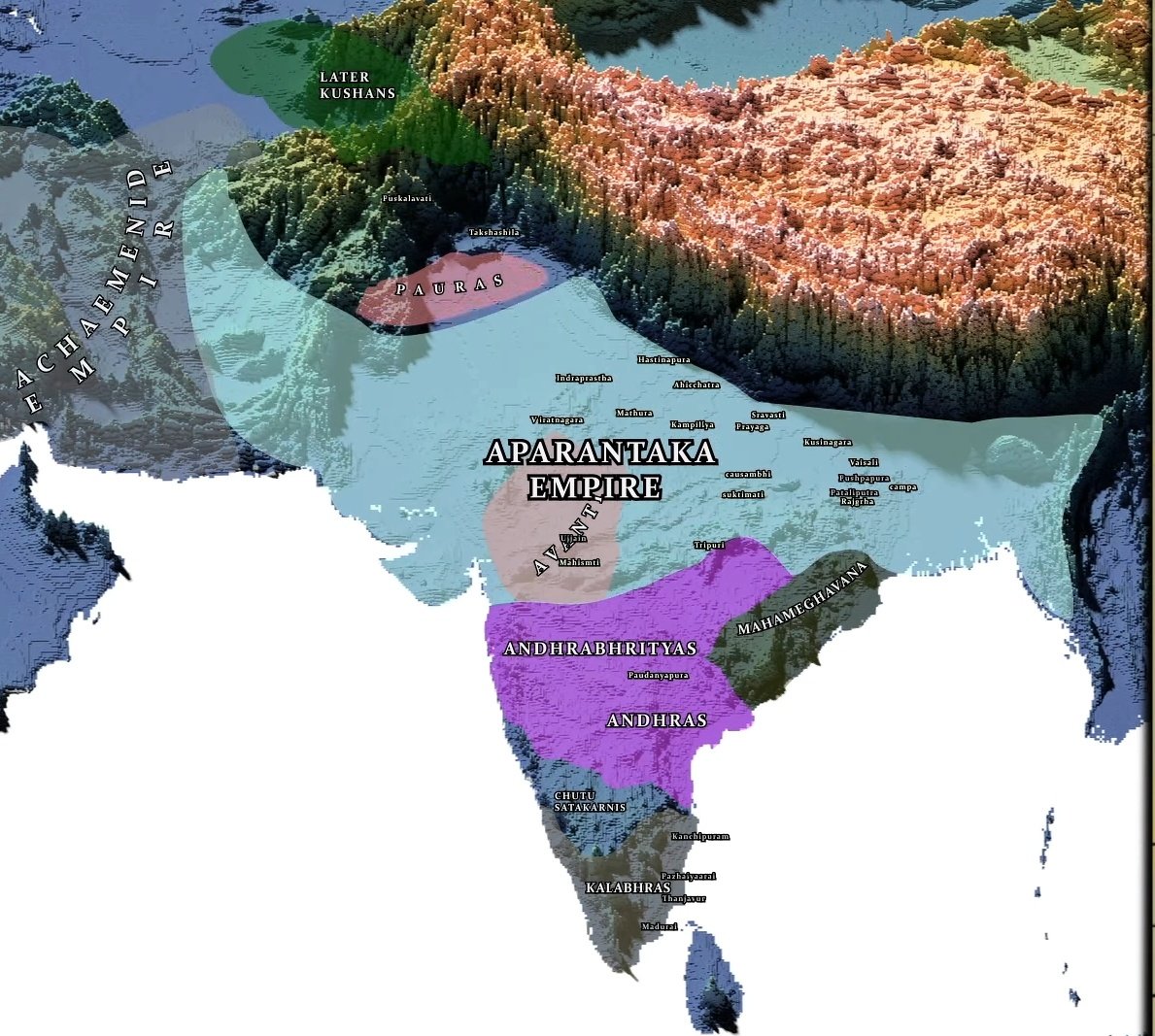
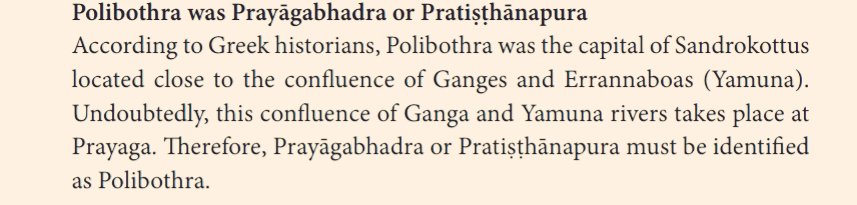
Location of Palibothra, the capital of the empire.
Loading suggestions...