
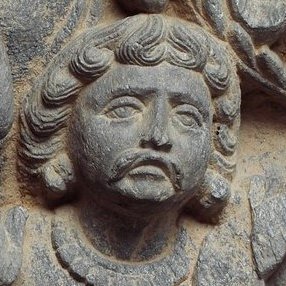
Memorialization of Headless Warriors in Rajasthan-
There are hundreds of temples of #Rajput heroes in #Rajasthan (#India), who died on the battlefield. But the story of the Jujhar warriors is different. Acc to legends, they fought even after separating from their heads.🧵1/
There are hundreds of temples of #Rajput heroes in #Rajasthan (#India), who died on the battlefield. But the story of the Jujhar warriors is different. Acc to legends, they fought even after separating from their heads.🧵1/
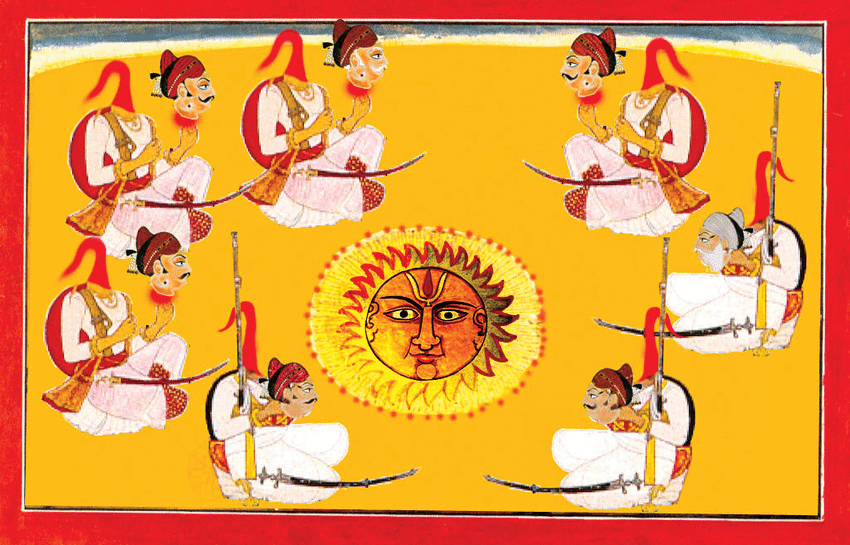
These headless warriors are also known as #Kabandha (lit. torso). Local histories say, despite the beheading, their torso continued to wield the sword for at least a few moments. And to pacify them and prevent further bloodshed, contaminants like indigo were sprayed on them. 2/
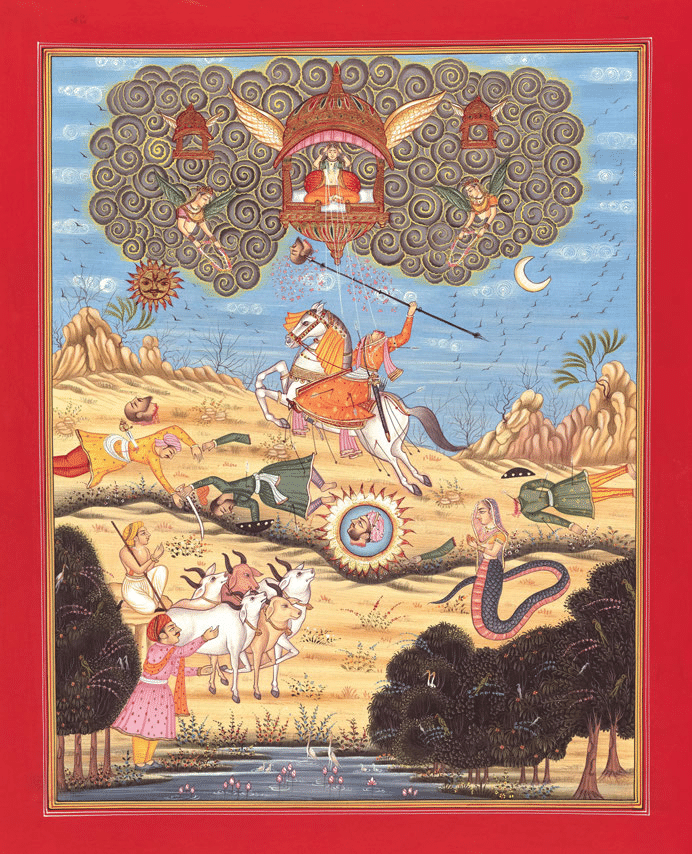
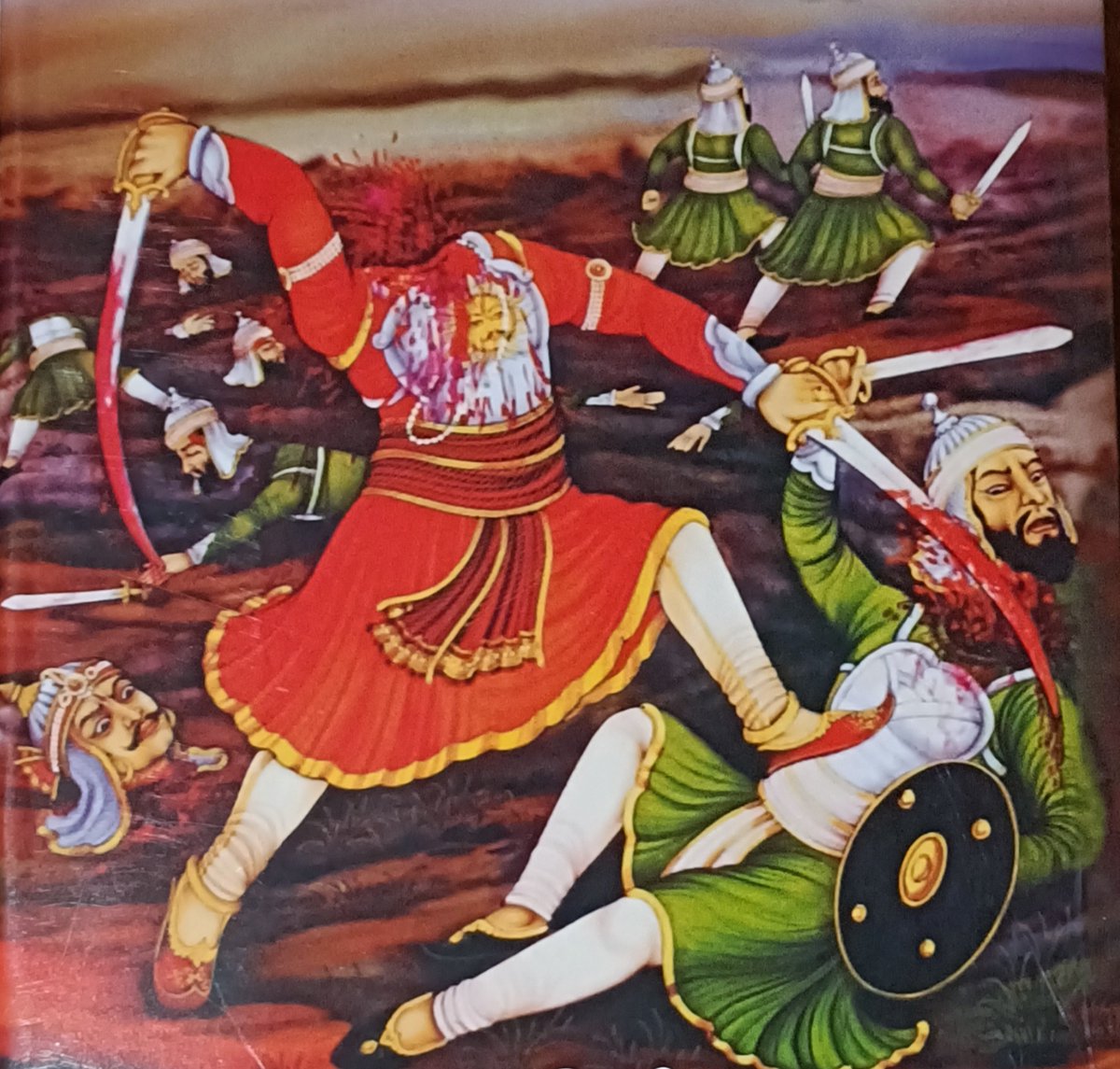
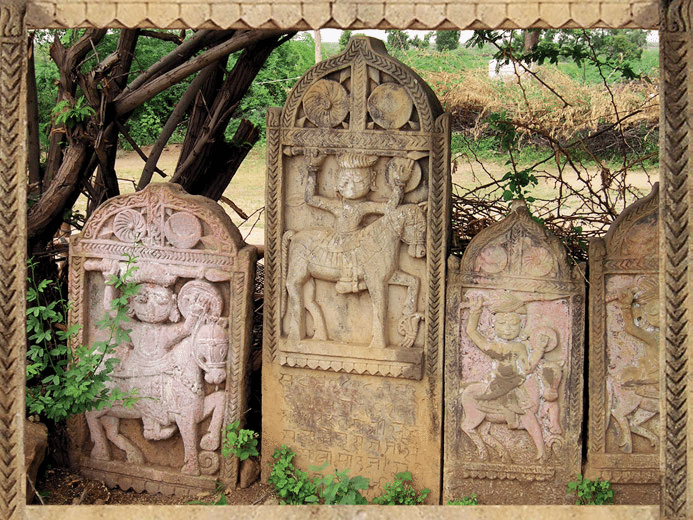
#Jujhar warriors are viewed as local deities not just by their clan but by ordinary people also. They are the guardian spirits. People believe that sometimes their 'bhava' (spirit) enters the body of a devotee or a priest. They provide solutions to people's problems. 5/
Chroniclers of Jujhar heroes of #Rajasthan were court historians and poets who recorded their mythical valour with exaggeration in the #Dingle language. They have left accounts of their battles in great detail. 6/
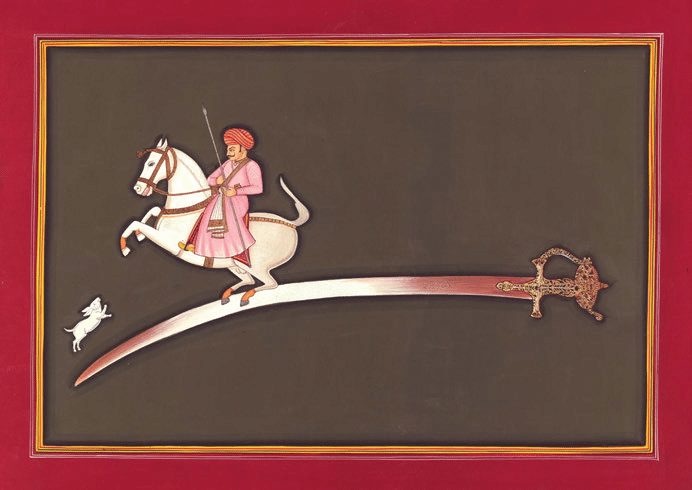
One such Jujhar warrior was #Kalla Rathod. He clashed against the #Mughal emperor Akbar in 1568. The folklore is that Kalla kept his injured uncle Jaimal on his shoulders while fighting. Over 500 shrines are devoted to Kalla alone in #Rajasthan, #MadhyaPradesh and #Gujarat. 7/
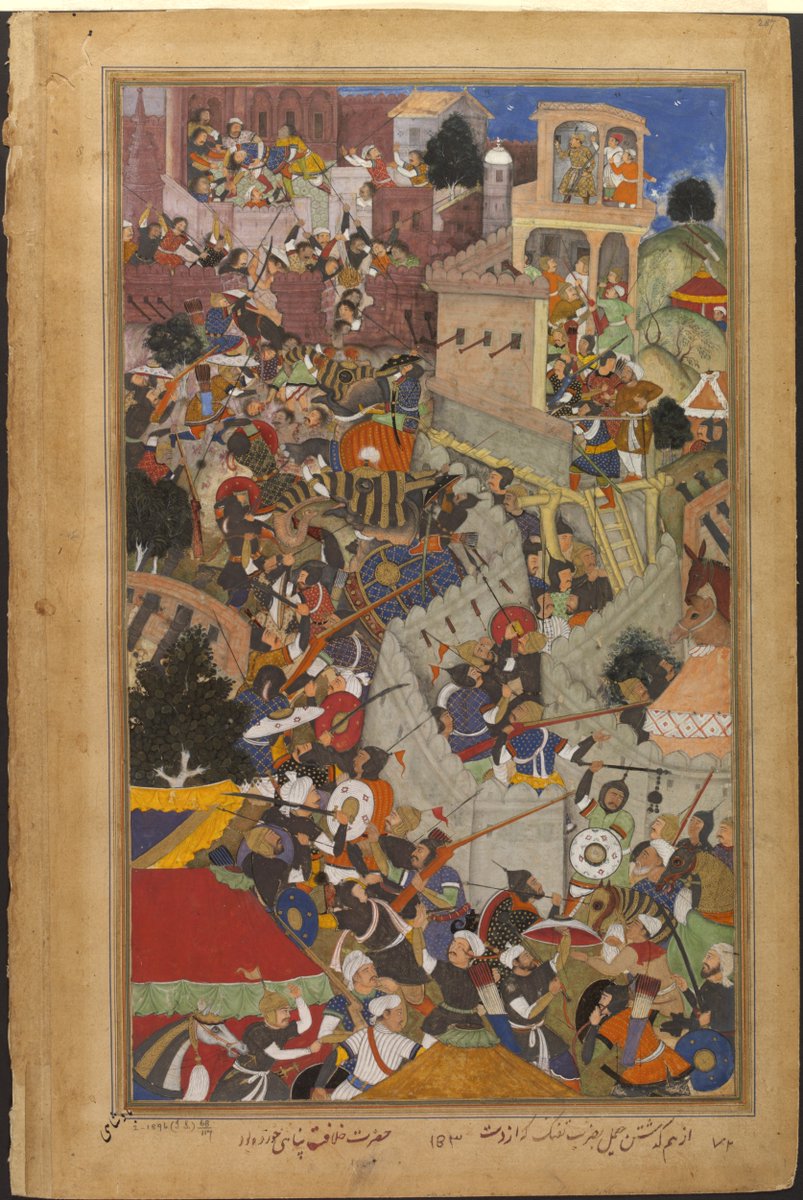
In the epic poem Prithviraj Raso, the author Chand Bardai tells us the story of Jujhar Jaisingh, whose head was cut by the Mughal soldiers on the battleground. Still, his torso went on to destroy soldiers with a sword for the next four-five seconds. 9/
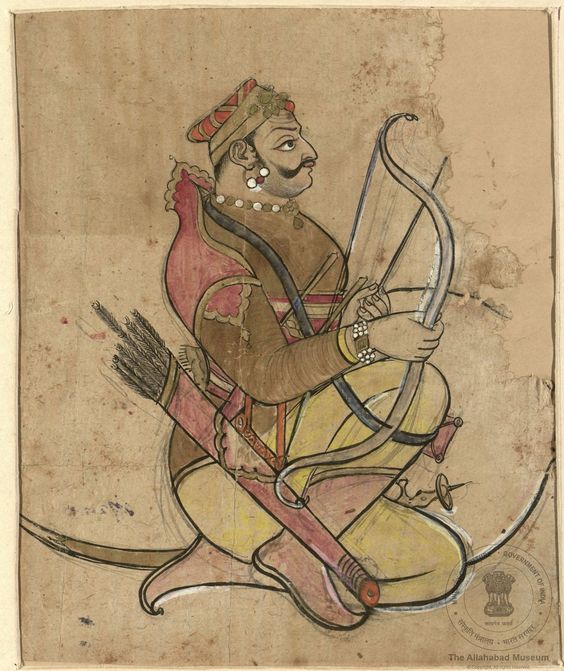
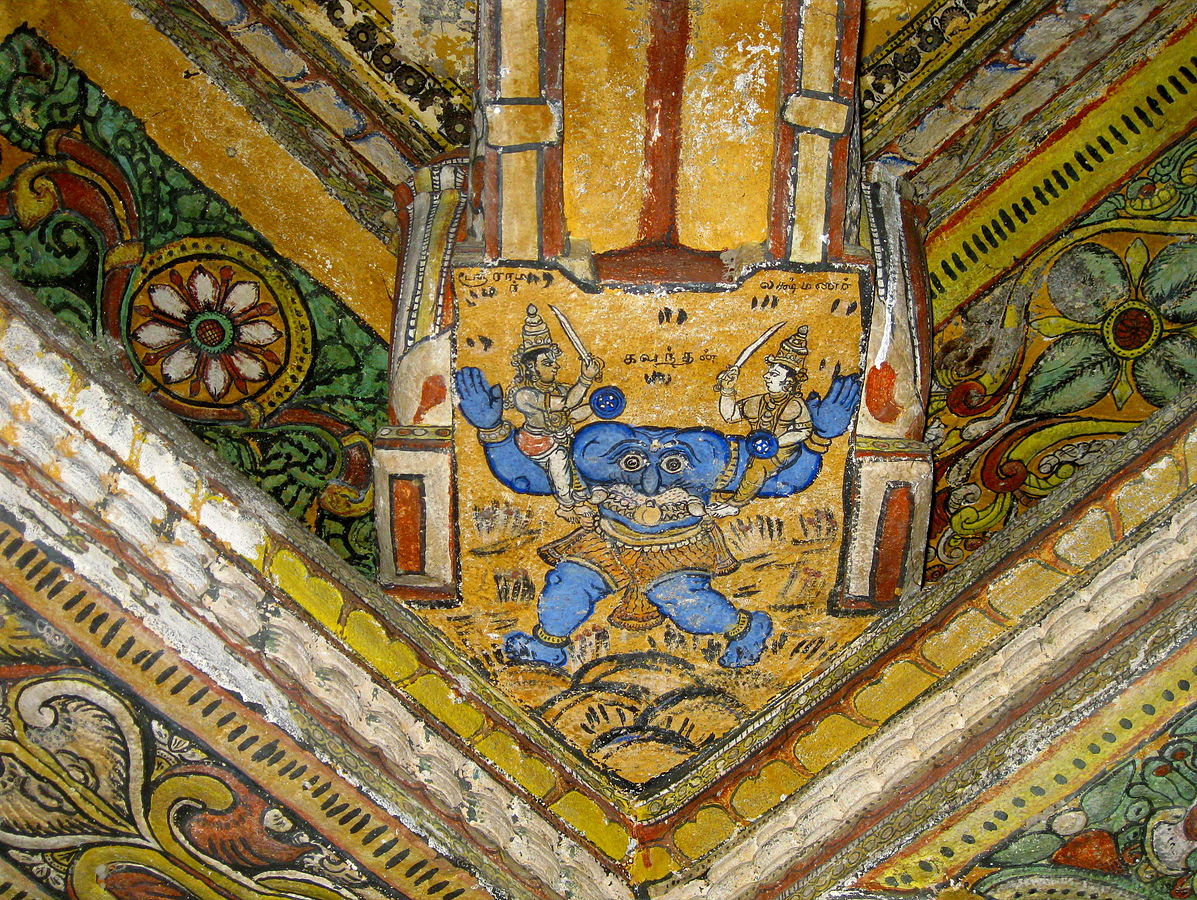
Kabandha or headless characters also appear in the #Hindu epics #Ramayana and #Mahabharata. He is a demon in Ramayana, killed and released from a curse by the Rama and his brother Lakshmana. According to the story, the brothers sever his arms and cremate his corpse. 10/
Loading suggestions...