

Did you know about the Sanyasi Rebellion, that happened between 1770-1775, in the British Bengal, now parts of Bengal, Odisha & Bangladesh, which was part of India then?
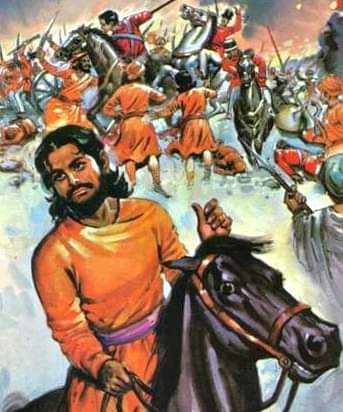
Sanyasis (described by Warren Hastings to Josias Du Pre, the then Governor of Madras dated 9th March 1773 as ‘mostly naked’) revolted against the British, defeating them at several places. Colonial historians labeled the sanyasis as ‘banditti’, ‘robbers’, ‘looters’.
Bankim Chandra Chatterjee in his book ‘Anandamath’ throws light about the Bengal famine and the rebellion. It was the song and slogan of ‘Vande Mataram’ depicted in ‘Anandamath’ that inspired many freedom fighters to rise in rebellion and free the motherland from British rule.
Hastings wrote: “We have lately been much troubled here by hordes of desperate adventurers called Sannyasis, who have overrun the province in great numbers and committed great depredations.”
In a letter to George Colebrooke, chairman of the East India Company, dated 2nd February 1773, Warren Hastings wrote how a group of 3,000 sanyasis attacked the Pergona Sepoys who were steered by Captain Thomas near Rungpore (now Rangpur in Bangladesh).
He described how Captain Thomas was killed in action during the fight. Hastings also described the sanyasis, numbering in groups from 1,000 to 10,000, to be annual pilgrims who came to visit the Jagannath (Puri Jagannath) shrine.
Sanyasi Rebellion was one of the first wars of independence against the British.
Courtesy: Manoshi Sinha
Saffron Swords
Saffron Swords
Loading suggestions...