

Why is the publishing industry so broken, almost across the board?
A few reasons:
A few reasons:

1. POLITICS
This is the elephant in the room in the publishing industry.
Everything is extremely liberal, with the exception of neocon political books.
But books about politics are the only ones allowed a right-wing lens; reactionary fiction or history never makes it to print.
This is the elephant in the room in the publishing industry.
Everything is extremely liberal, with the exception of neocon political books.
But books about politics are the only ones allowed a right-wing lens; reactionary fiction or history never makes it to print.
As far as Con, Inc. is concerned, the only important element of right-wing culture is hyper-current political theory.
There are few to no attempts at RW historical thought or fiction.
This is why @PassagePress and Mike Ma are so successful - they fill that massive void.
There are few to no attempts at RW historical thought or fiction.
This is why @PassagePress and Mike Ma are so successful - they fill that massive void.

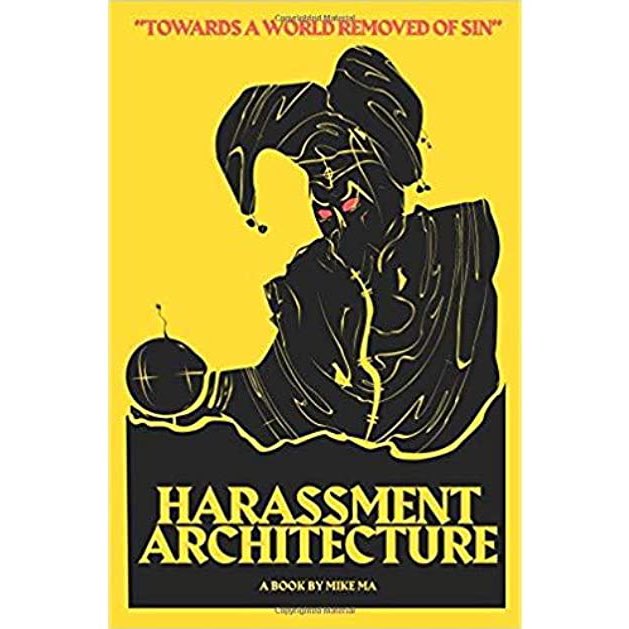
But in “mainstream” publishing, no one is willing to print fiction that doesn’t cover enough Ideology Points™️.
The same goes for history, though that can also be attributed to the broken academic establishment.
The same goes for history, though that can also be attributed to the broken academic establishment.
A big element of this is due to the type of person who enters the publishing industry -
AWFLs with advanced degrees in literature.
Diversity hires.
LGBTQ activists.
Etc.
But why are these types the primary gatekeepers of literature?
AWFLs with advanced degrees in literature.
Diversity hires.
LGBTQ activists.
Etc.
But why are these types the primary gatekeepers of literature?

It starts in education.
The academic establishment filters out right-wing views through simple attrition -
Why would RW-minded white men endure an ideological environment that hates them for years, only to enter an industry that also hates them?
The academic establishment filters out right-wing views through simple attrition -
Why would RW-minded white men endure an ideological environment that hates them for years, only to enter an industry that also hates them?
Beyond that, the industry is so obsessed with “subversion” of tropes and ideas that it’s become a caricature.
We have an anti-writing publishing industry. They are against tradition, but more importantly they oppose creativity and truth.
We have an anti-writing publishing industry. They are against tradition, but more importantly they oppose creativity and truth.
2. MONEY/ANALYTICS
This is why we only see “safe” movies being made in Hollywood, and perhaps it has affected print publishing too.
It’s all remakes, reboots, and sequels because those are focus-group approved, safe investments.
Of course, this destroys artistry.
This is why we only see “safe” movies being made in Hollywood, and perhaps it has affected print publishing too.
It’s all remakes, reboots, and sequels because those are focus-group approved, safe investments.
Of course, this destroys artistry.
This has led to what I call modular literature.
Books written and marketed solely for a list of tired tropes that are considered “safe”, both ideologically and financially.
This is what happens when we let 33-year-old cat ladies and BLM activists decide what’s worth publishing.
Books written and marketed solely for a list of tired tropes that are considered “safe”, both ideologically and financially.
This is what happens when we let 33-year-old cat ladies and BLM activists decide what’s worth publishing.

3. HYPER-SPECIALIZATION
This has been a bane of historical writing in particular.
Historians and authors aim only to explore a narrow topic, assuming (wrongly) that their readers are broadly knowledgeable.
Robert Tombs is a rebel in historical thought.
This has been a bane of historical writing in particular.
Historians and authors aim only to explore a narrow topic, assuming (wrongly) that their readers are broadly knowledgeable.
Robert Tombs is a rebel in historical thought.

No one dares write something grand, something overarching, something ambitious.
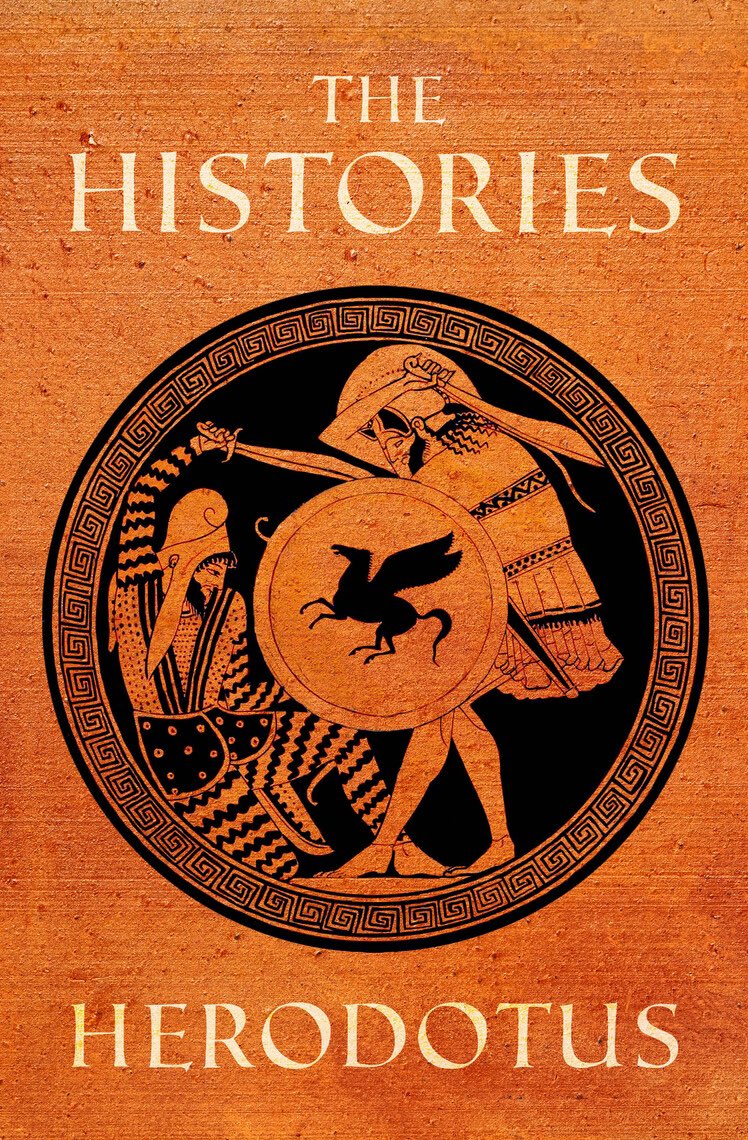
Herodotus would be laughed out of every Random House imprint.
Herodotus would be laughed out of every Random House imprint.

How do we fix this?
We need daring fiction.
Reactionary history.
Ambitious research.
The creative talent is out there. They’re here - writing threads and substacks far better than anything printed in the past 20 years.
But publishers refuse to acknowledge it.
We need daring fiction.
Reactionary history.
Ambitious research.
The creative talent is out there. They’re here - writing threads and substacks far better than anything printed in the past 20 years.
But publishers refuse to acknowledge it.
To those writers - The Dissident Review is publishing dissident history, and rewarding excellent writing.
Alternative institutions are the way forward.
dissidentreview.com
Alternative institutions are the way forward.
dissidentreview.com

Loading suggestions...