
The descendants of the Scythians live on amongst us, though they changed their language and religion.
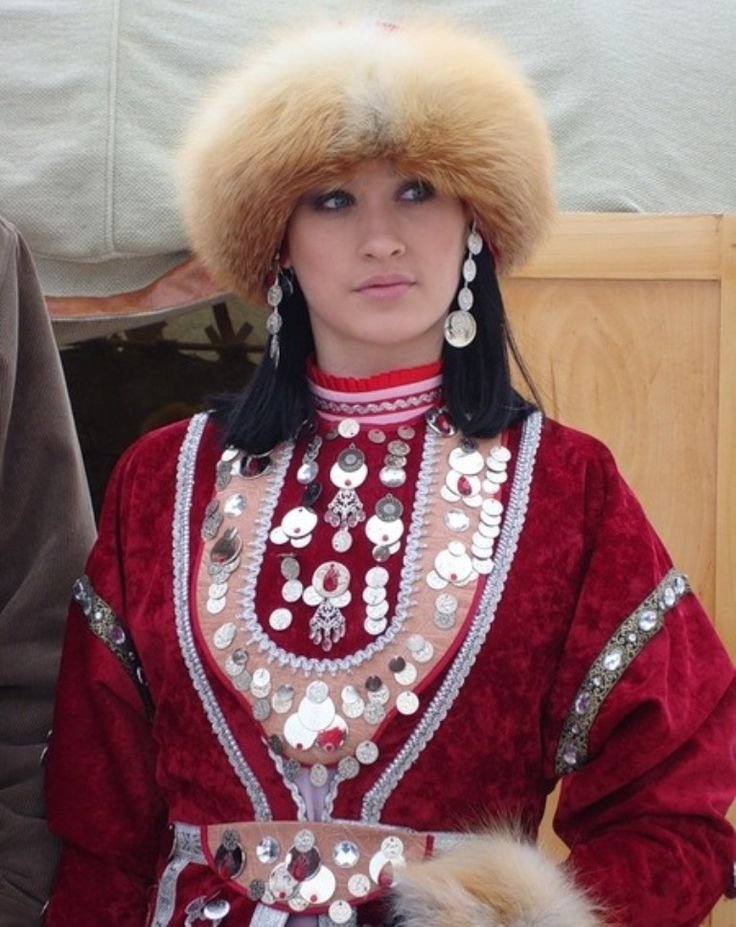
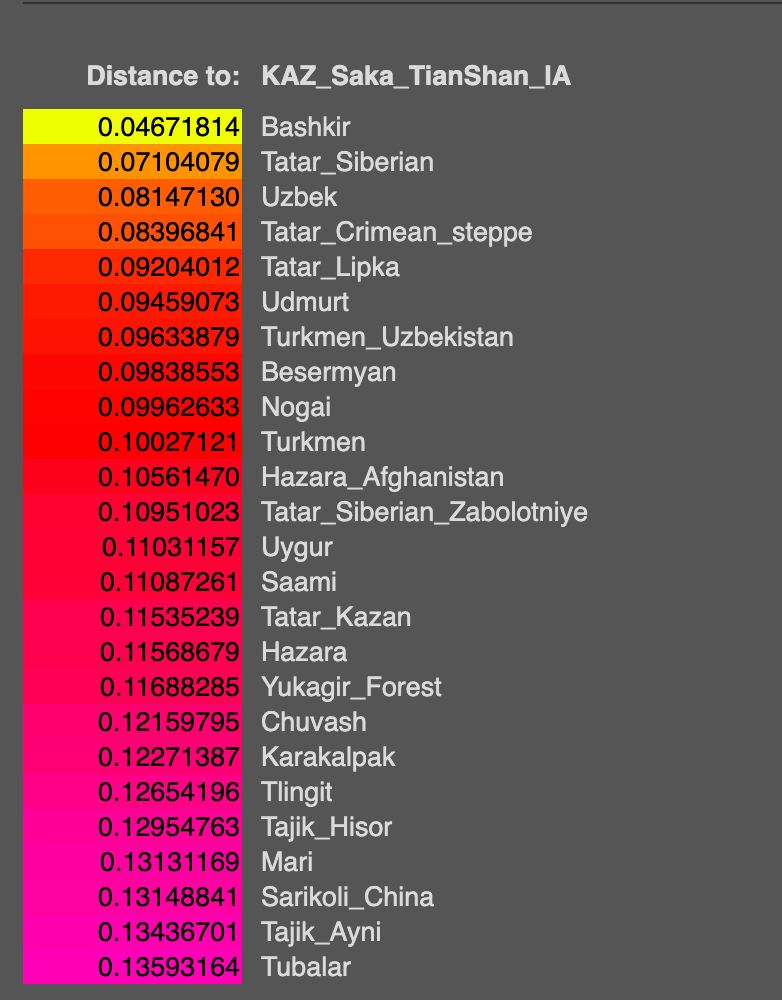
The Bashkirs, a Kipchak Turkic ethnic group from Central Asia, are the closest population to most Ancient Scythians/Sakas.
The Bashkirs, a Kipchak Turkic ethnic group from Central Asia, are the closest population to most Ancient Scythians/Sakas.
Genetic distance to different Scythians.

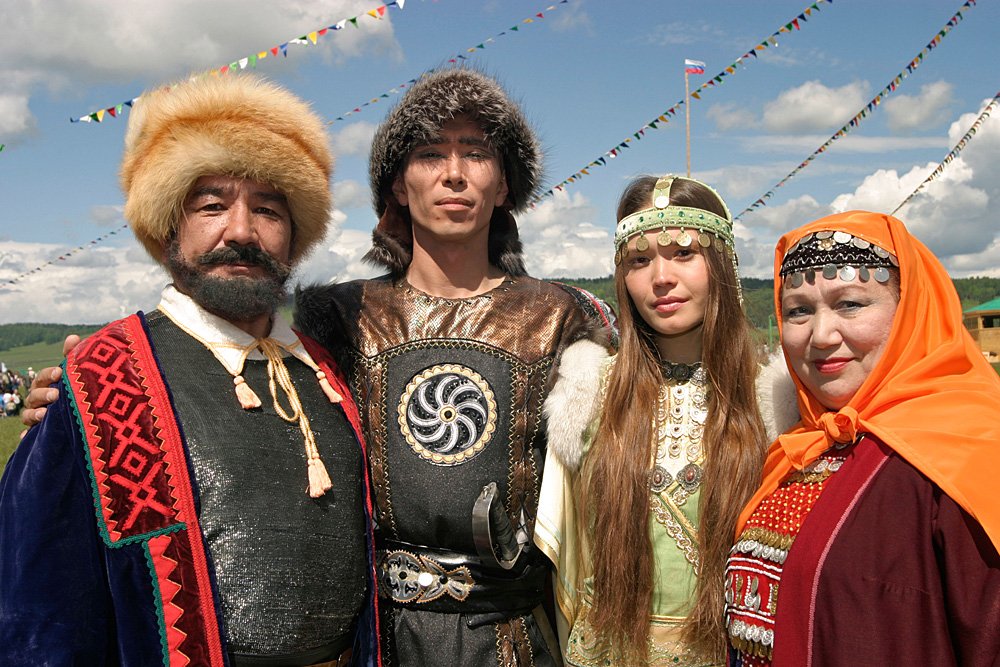
Bashkir Turks.
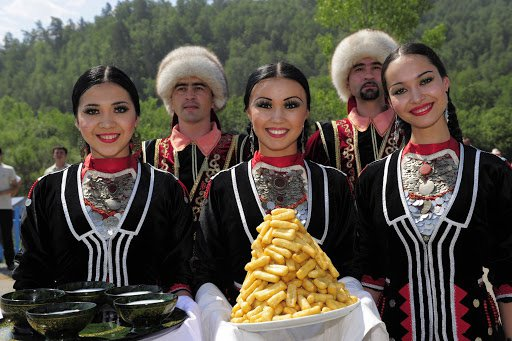
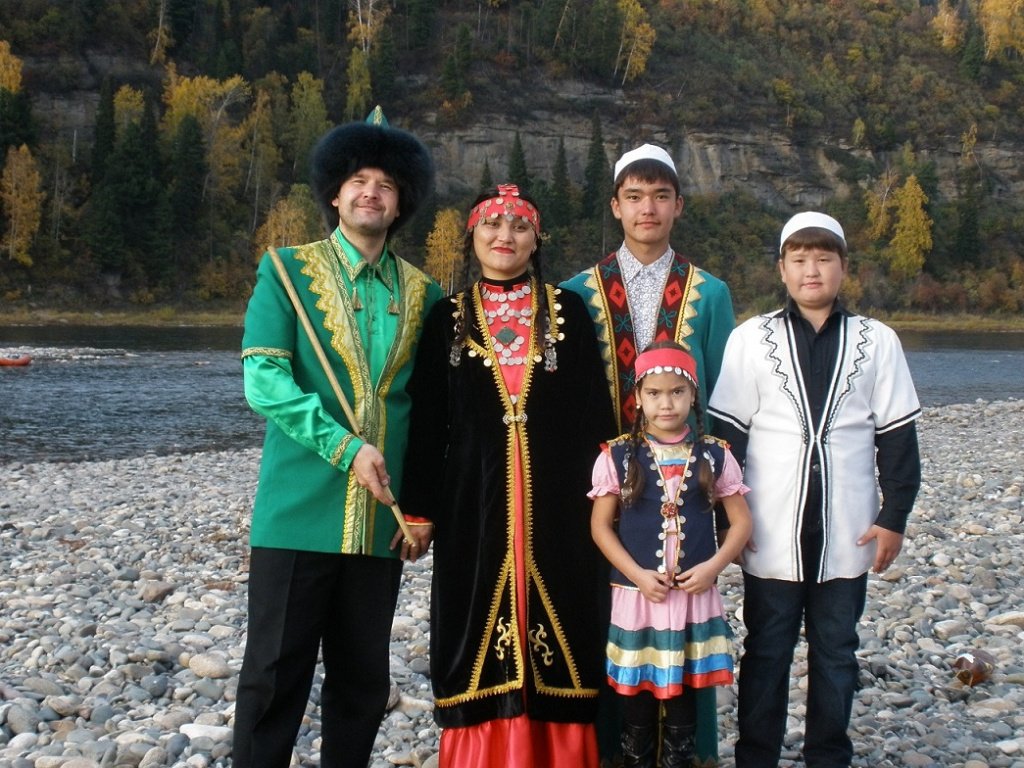
Genetically, they are 55-60% West Eurasian and 45-40% East Eurasian, resembling the mix of the early Scythians.
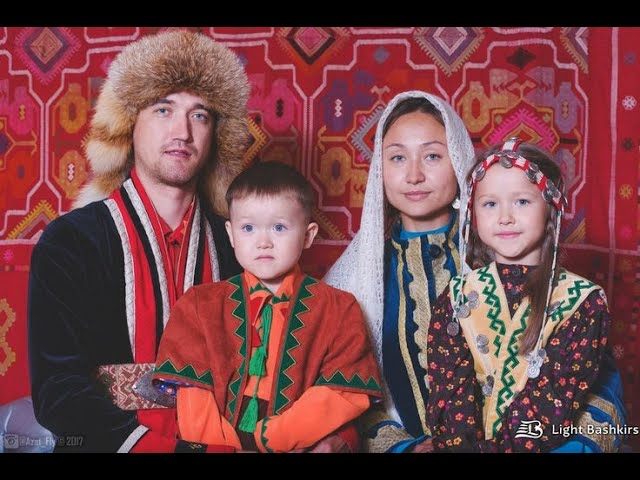
If one is wondering why Turkics like Bashkirs and Tatars are the closest to Scythians, its simple. These were once Iranic speaking groups but for a variety of reasons, they switched their language and started speaking Turkic when the Turks were expanding outside their homeland.
Blue eyes, blonde hair along with Asian eyes (epicanthic folds) are a fairly common phenotype in these people. One can find such a phenotype in Finns, Udmurts and Saami too, all of whom are a mix of West Eurasians and East Eurasians.
The Ossetians are another unique case of people who actually speak a Scythian language; however, they are genetically mostly indigenous Caucasian people with little Scythian-Alan ancestry or the haplogroups. So a case of Scythian language minus the genes, opposite for Bashkirs.
Don't know why some Turks are confused about the tweet I made. Iranics lived on & dominated the Steppes, then the Turks replaced them, mixed w them & assimilated them to various degrees. You can have similar genetics to Scythians but not speak their language. Isn't it simple?
If you think Scythians never spoke Iranic languages, then go and take it up with modern linguistic scholarship on Scythian names, inscriptions, or the archaeological excavations that identify their religion/material life as Indo-Iranian.
Loading suggestions...