
Economy
Technology
Energy
Environment
Energy Production
Energy Consumption
Environmental Policy
Imported Energy
National Grid
Winter 2022

Here's a very long, rambling thread about UK energy consumption & production, and how much we rely on imports.
This will be highly autistic, and feature too many graphs.
You have been warned.
First graphs - this is what kicked it all off.
This will be highly autistic, and feature too many graphs.
You have been warned.
First graphs - this is what kicked it all off.
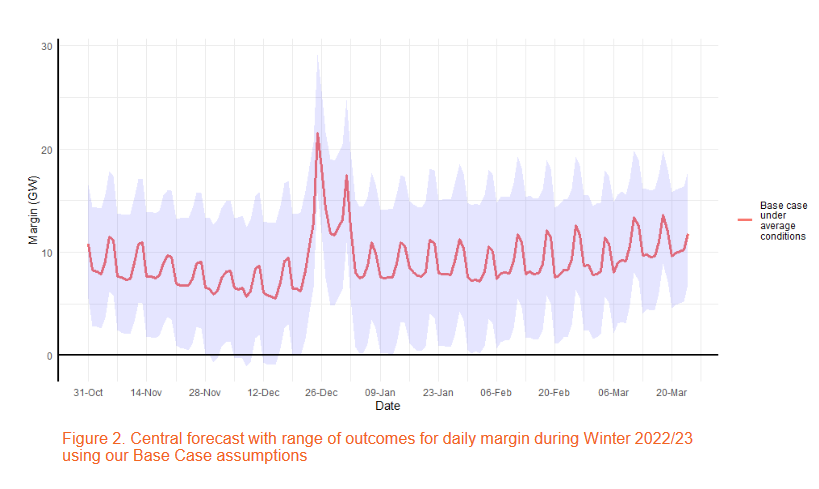
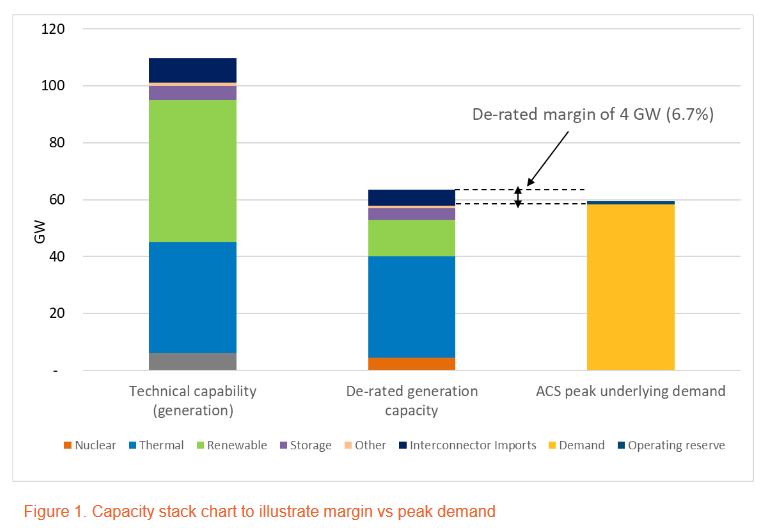
This is the assumption that of the National Grid for winter 2022.
As you can see, the lower bounds of fig. 2 show us not hitting capacity.
(the peak is because peoples don't work over Christmas. Same reason why water pipes burst - demand drops as everyone takes a holiday)
As you can see, the lower bounds of fig. 2 show us not hitting capacity.
(the peak is because peoples don't work over Christmas. Same reason why water pipes burst - demand drops as everyone takes a holiday)
Except that figure includes getting energy from abroad.
Technically we have a margin of 4 GW, except we import 5.7 GW from abroad.
That's an issue.
If (when) things get cold and tough, I doubt it will be as easy to get power from the continent.
Technically we have a margin of 4 GW, except we import 5.7 GW from abroad.
That's an issue.
If (when) things get cold and tough, I doubt it will be as easy to get power from the continent.
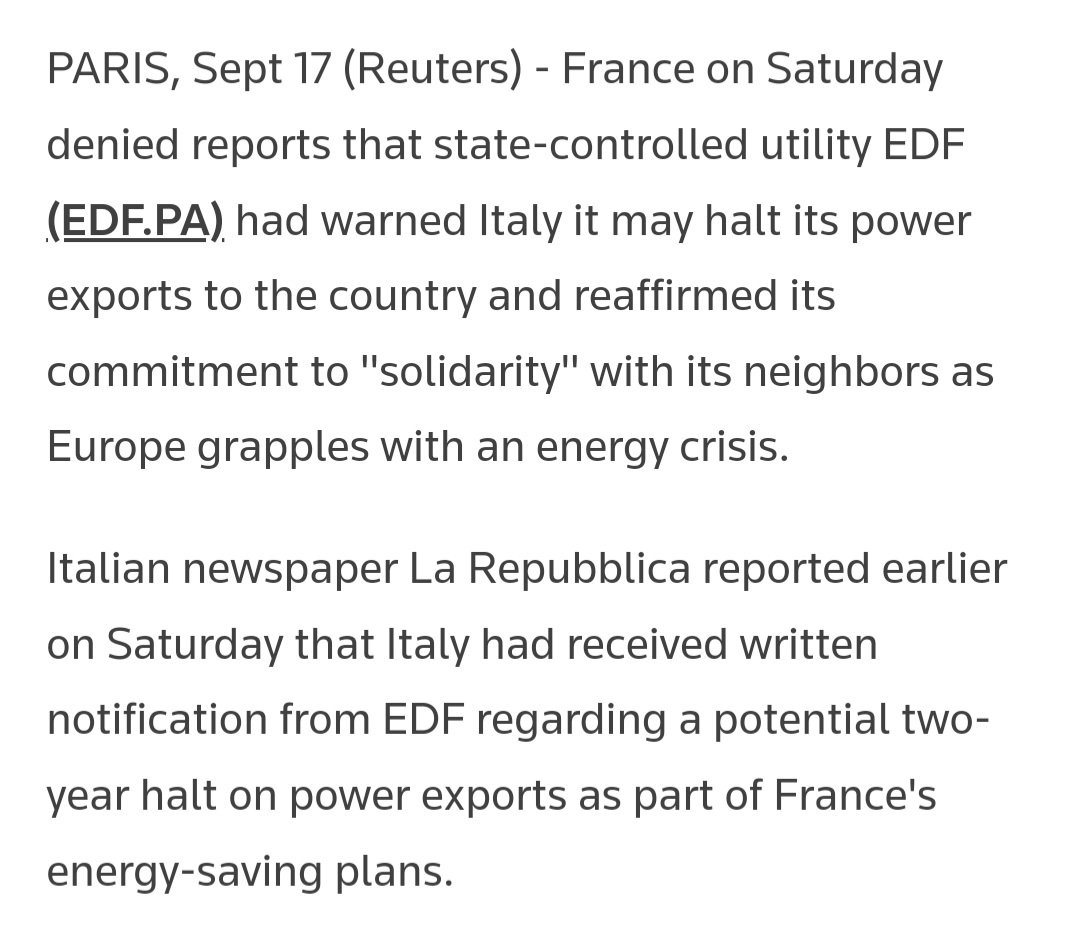
There are already issues with power over there - and its getting very low political and very nasty.
So, let's look at UK energy generation, usage, and sourcing.
On the surface, it looks quite promising.
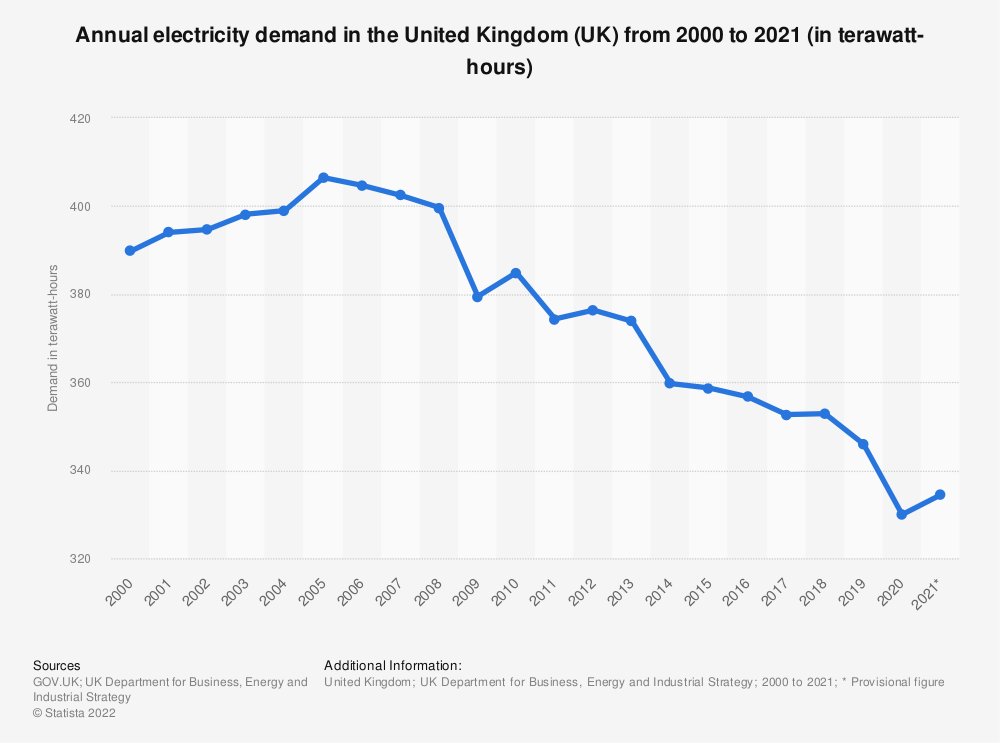
You see, we've cut our energy usage by nearly a 100 Terawatts in the past two decades!
On the surface, it looks quite promising.
You see, we've cut our energy usage by nearly a 100 Terawatts in the past two decades!
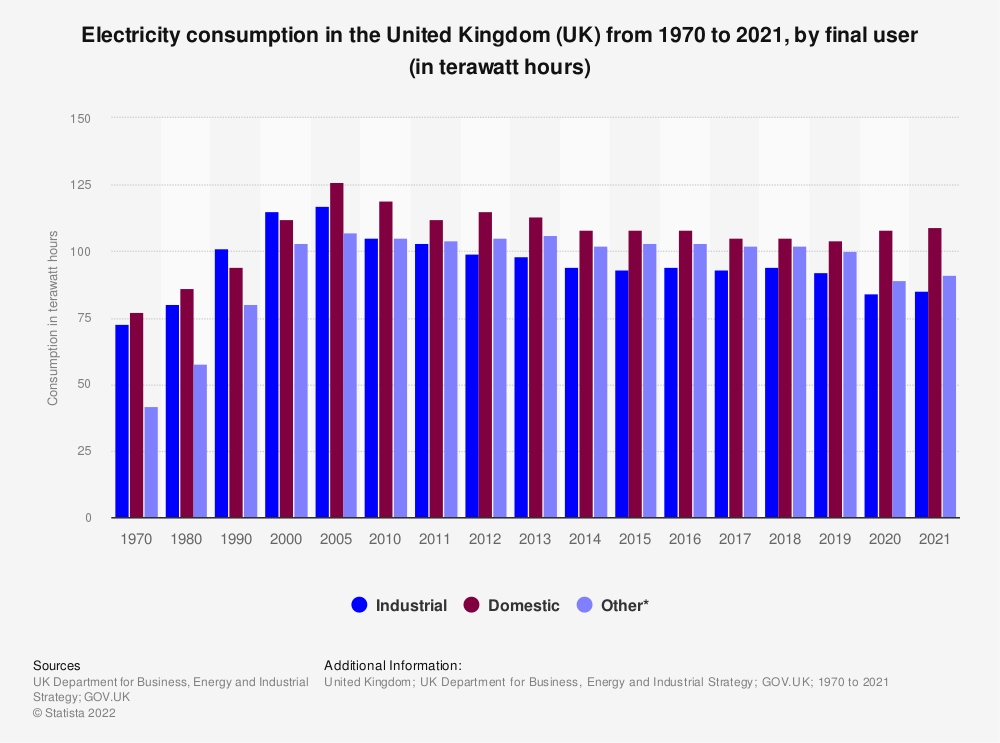
This is because industry is a massive consumer of power. It takes a lot more to run a factory than it does to power a street.
Which is why the power consumption has fallen, despite the population increasing over 10 million.
As comparison, look at German's consumption by sector
Which is why the power consumption has fallen, despite the population increasing over 10 million.
As comparison, look at German's consumption by sector
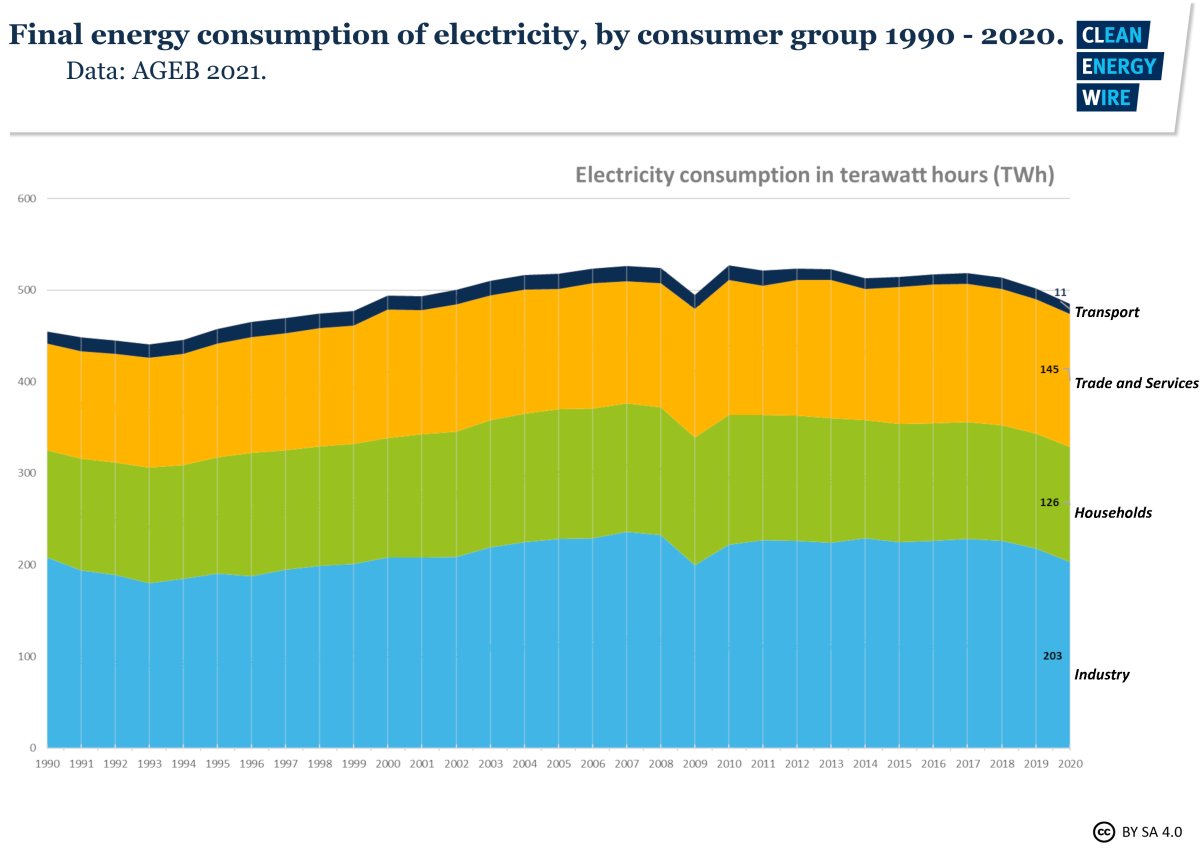
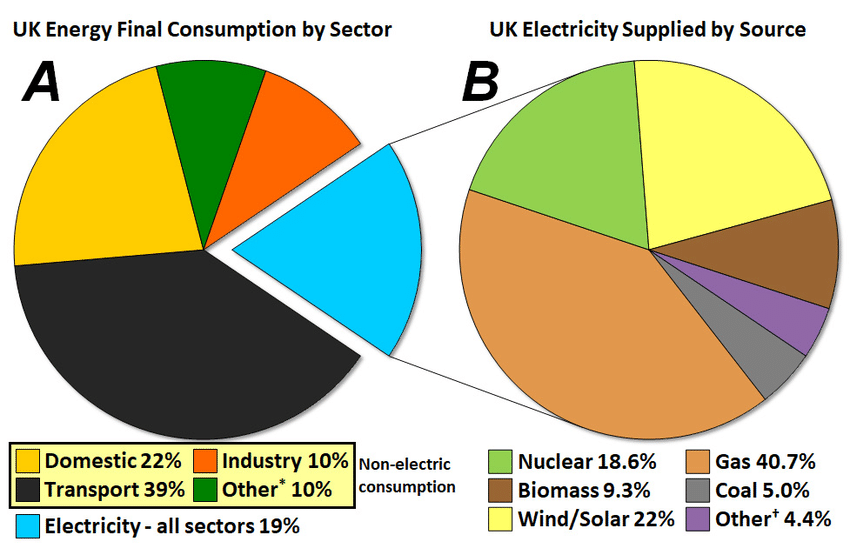
(here's a better graph, with numbers, though from 2016)
That's 43% for Germany, and 17% for the UK.
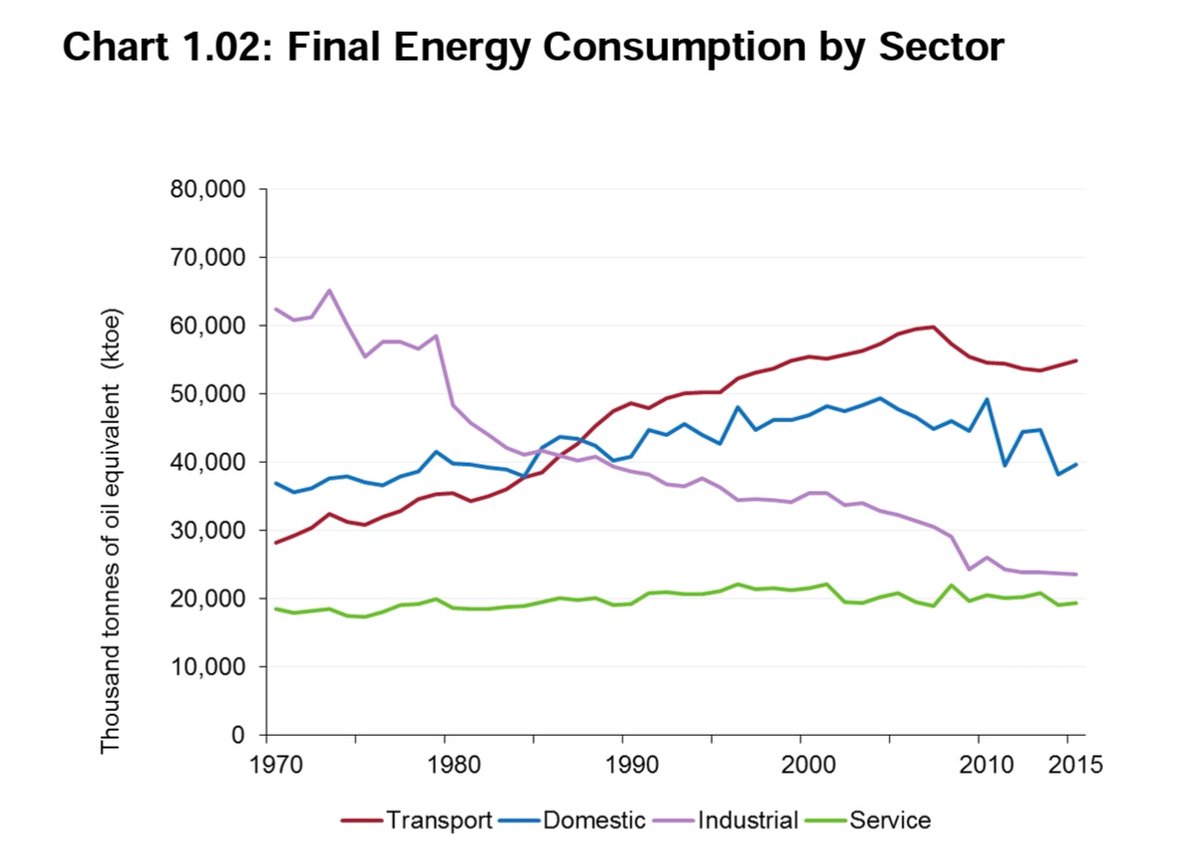
As you can see, as we rely more on industrial imports, transport rose to become the largest consumer - at 40%.
This decline has accelerated over the past five years
That's 43% for Germany, and 17% for the UK.
As you can see, as we rely more on industrial imports, transport rose to become the largest consumer - at 40%.
This decline has accelerated over the past five years
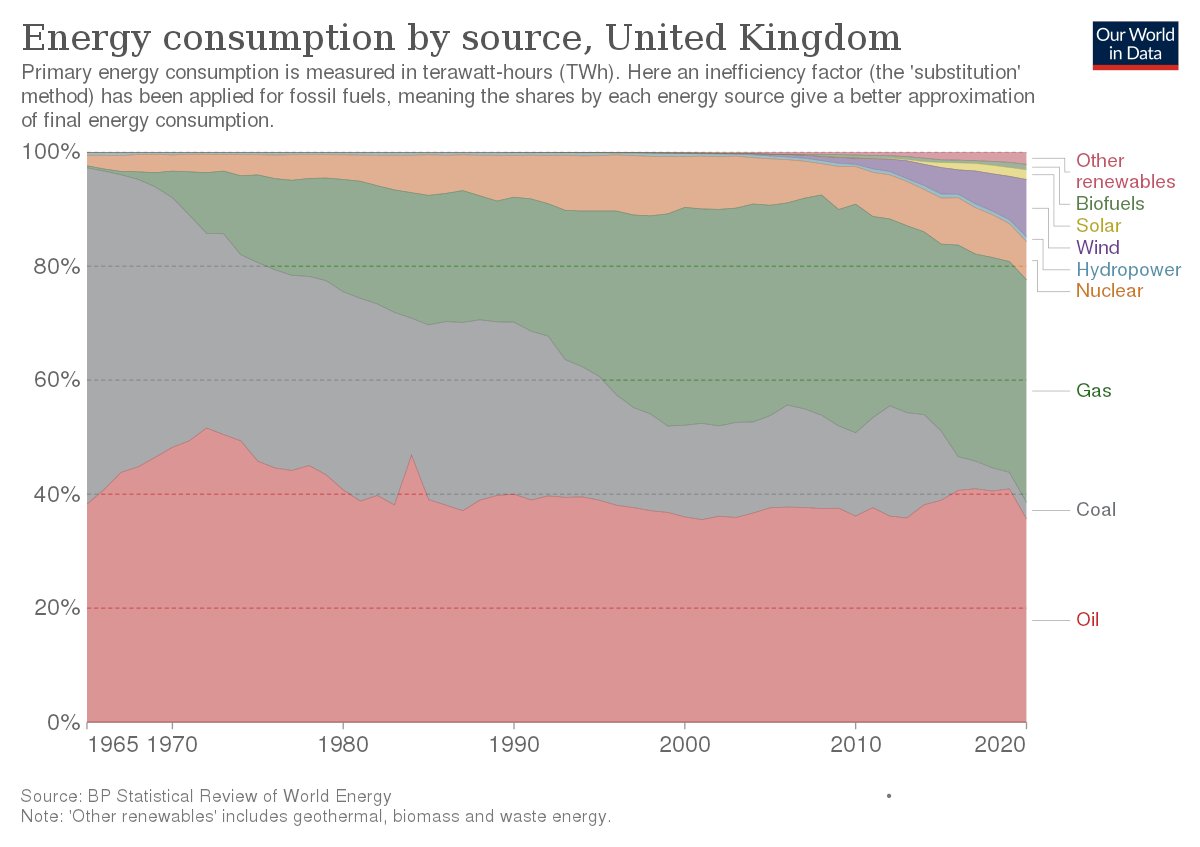
Now, onto power generation.
As you can see, it's mostly oil and gas.
Which is an issue, as we rely on imports for both.
As you can see, it's mostly oil and gas.
Which is an issue, as we rely on imports for both.
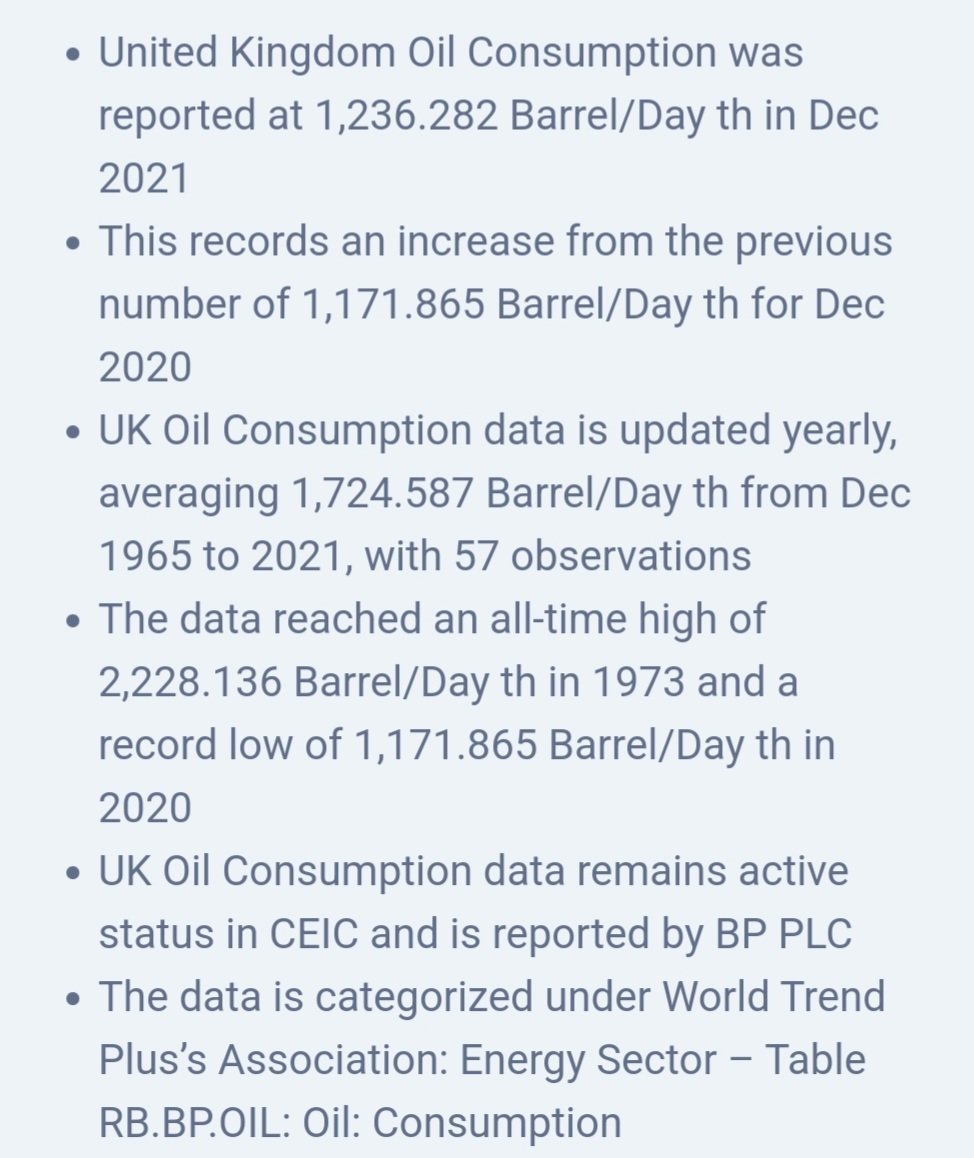
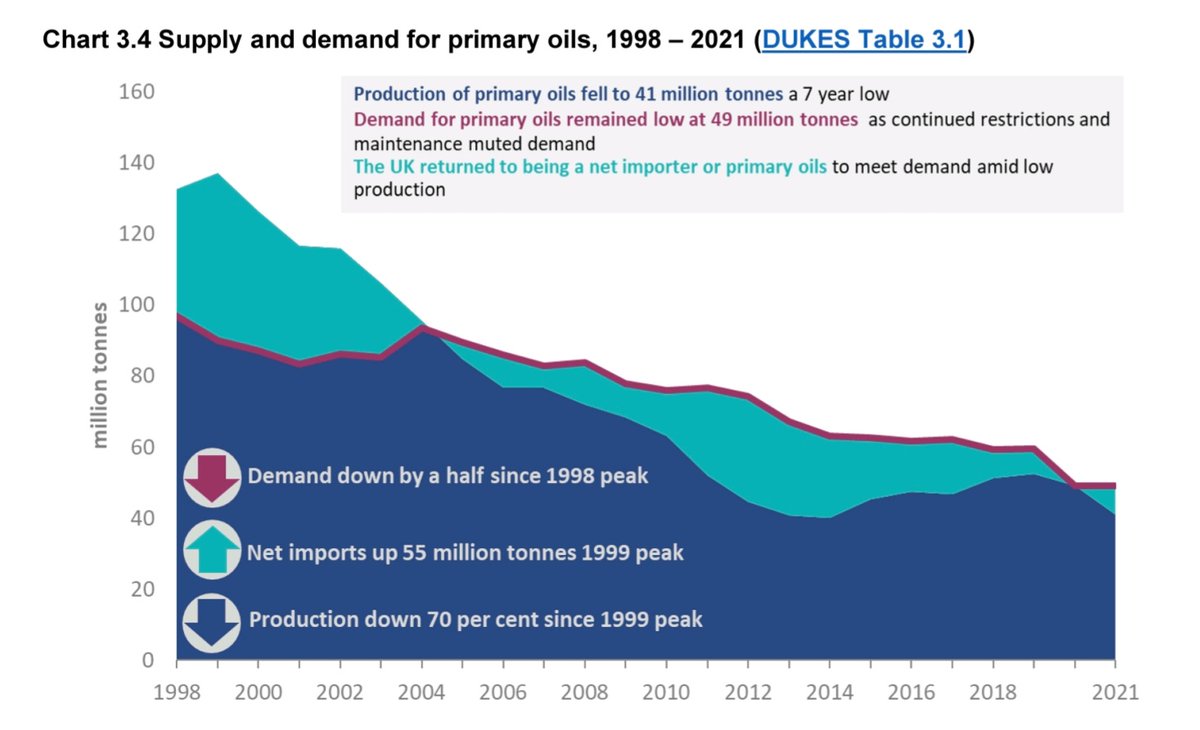
Let's talk about oil.
We produce around the a million barrels / day , but consume a million and a half.
Although demand has dropped, its still not in our favour.
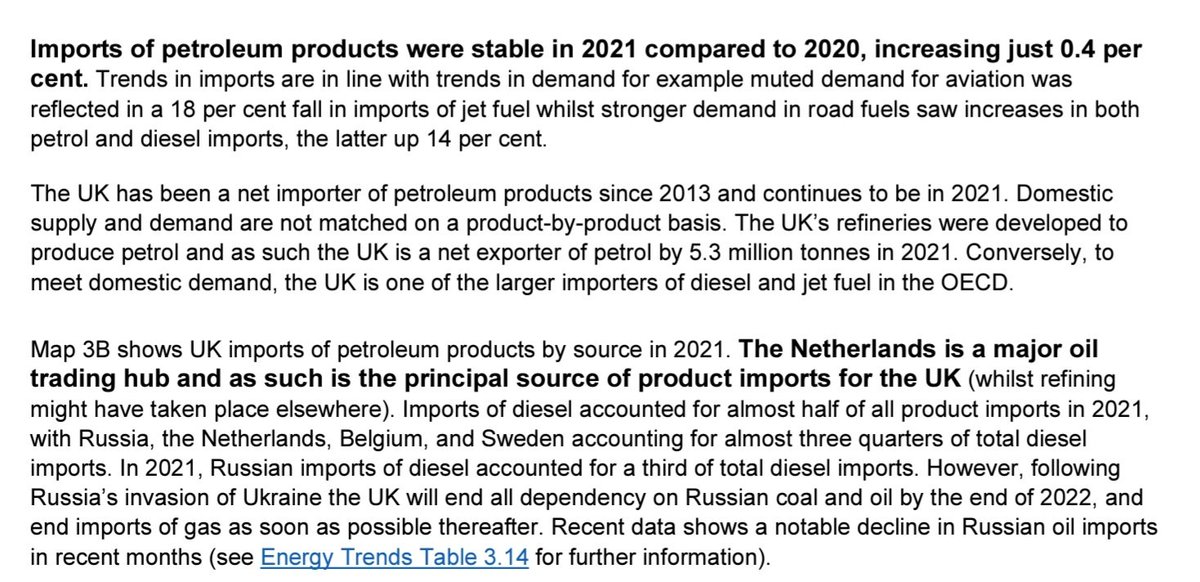
Additionally, we have been closing our refining plants left and right - now we currently only have 6 left.
We produce around the a million barrels / day , but consume a million and a half.
Although demand has dropped, its still not in our favour.
Additionally, we have been closing our refining plants left and right - now we currently only have 6 left.
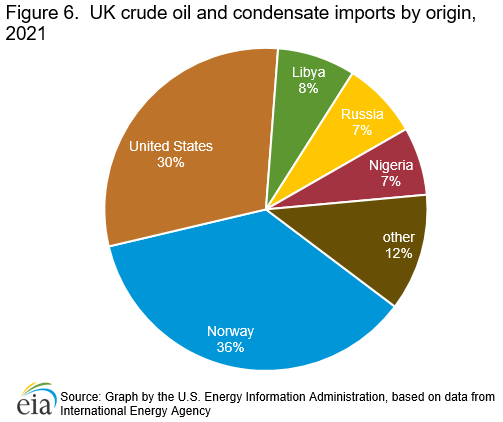
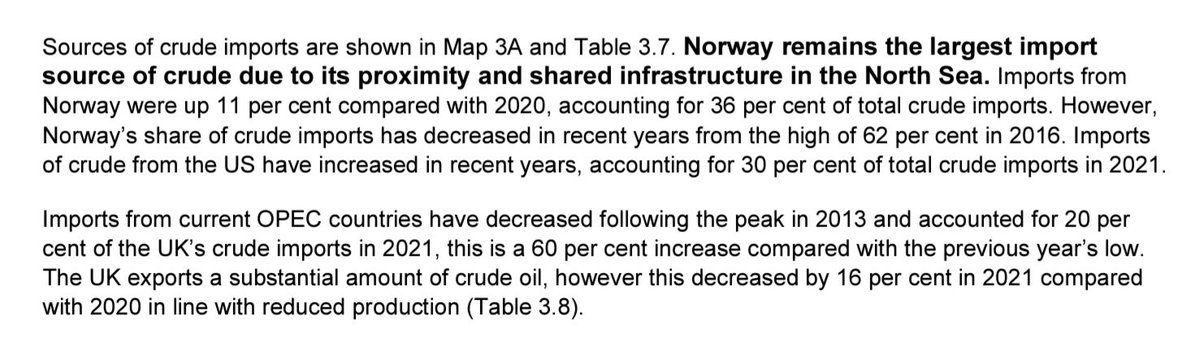
Here's the souring for the oil.
As you can see, it's mainly the US and Norway.
As you can see, it's mainly the US and Norway.
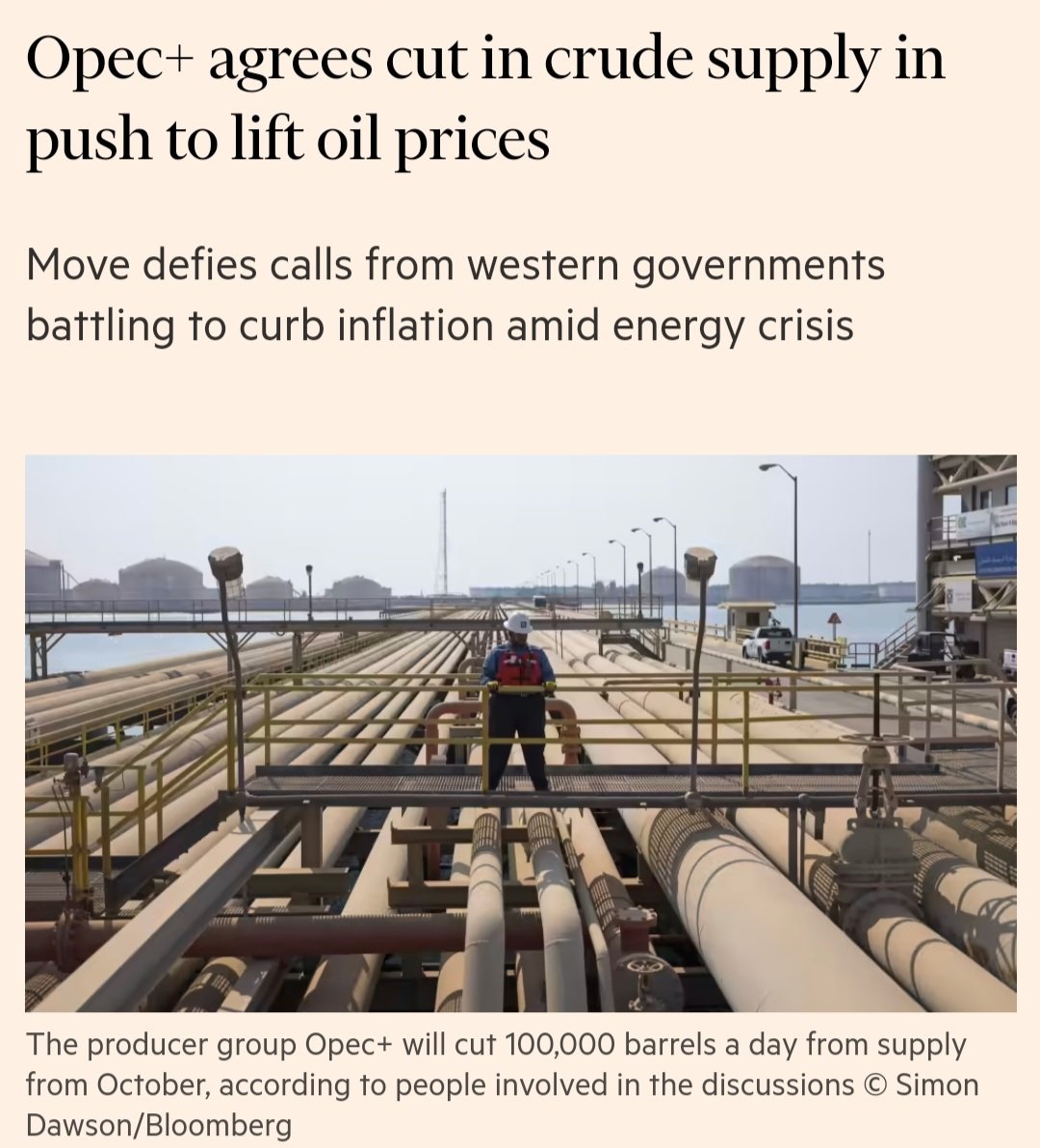
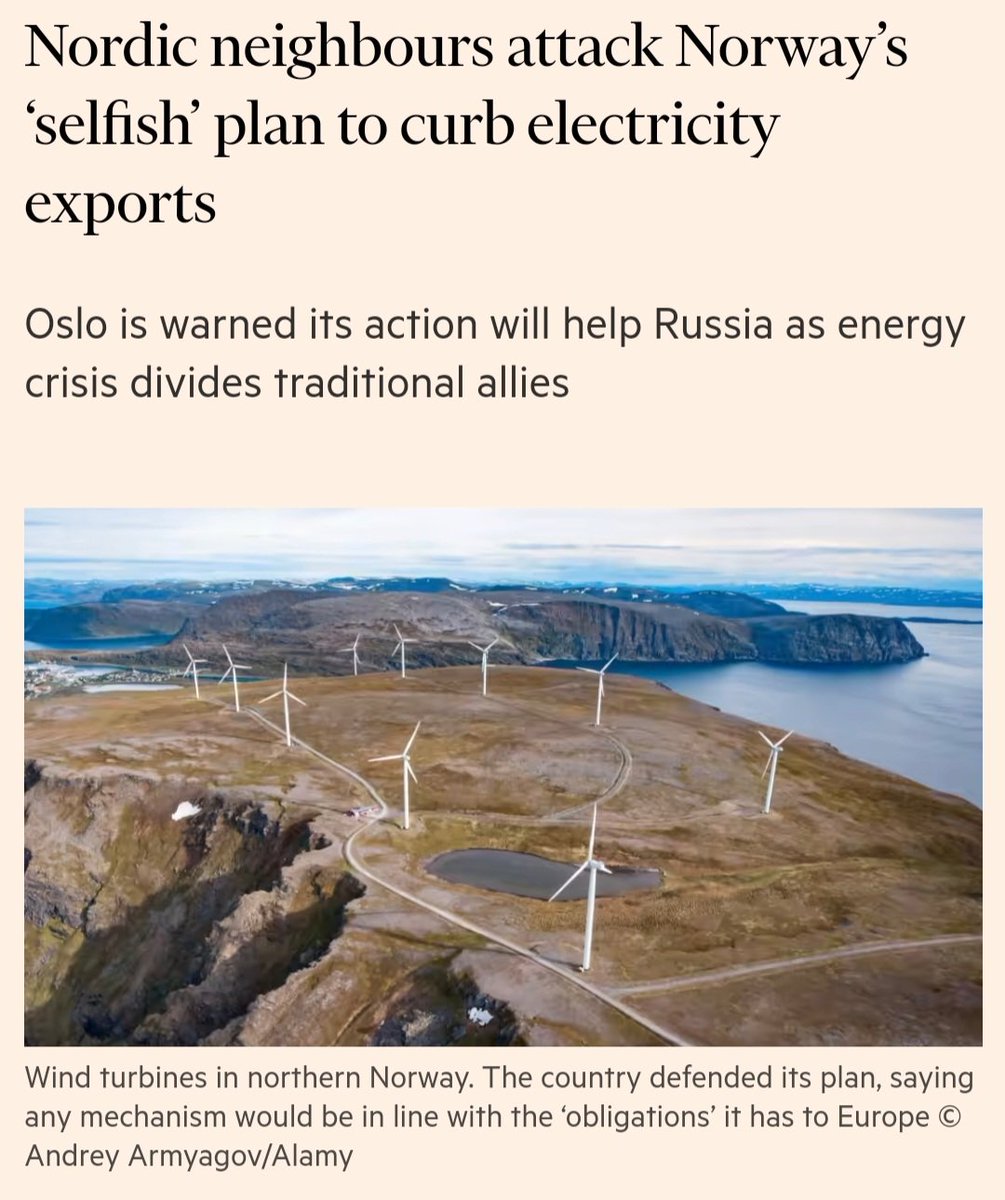
This is already becoming a major issue.
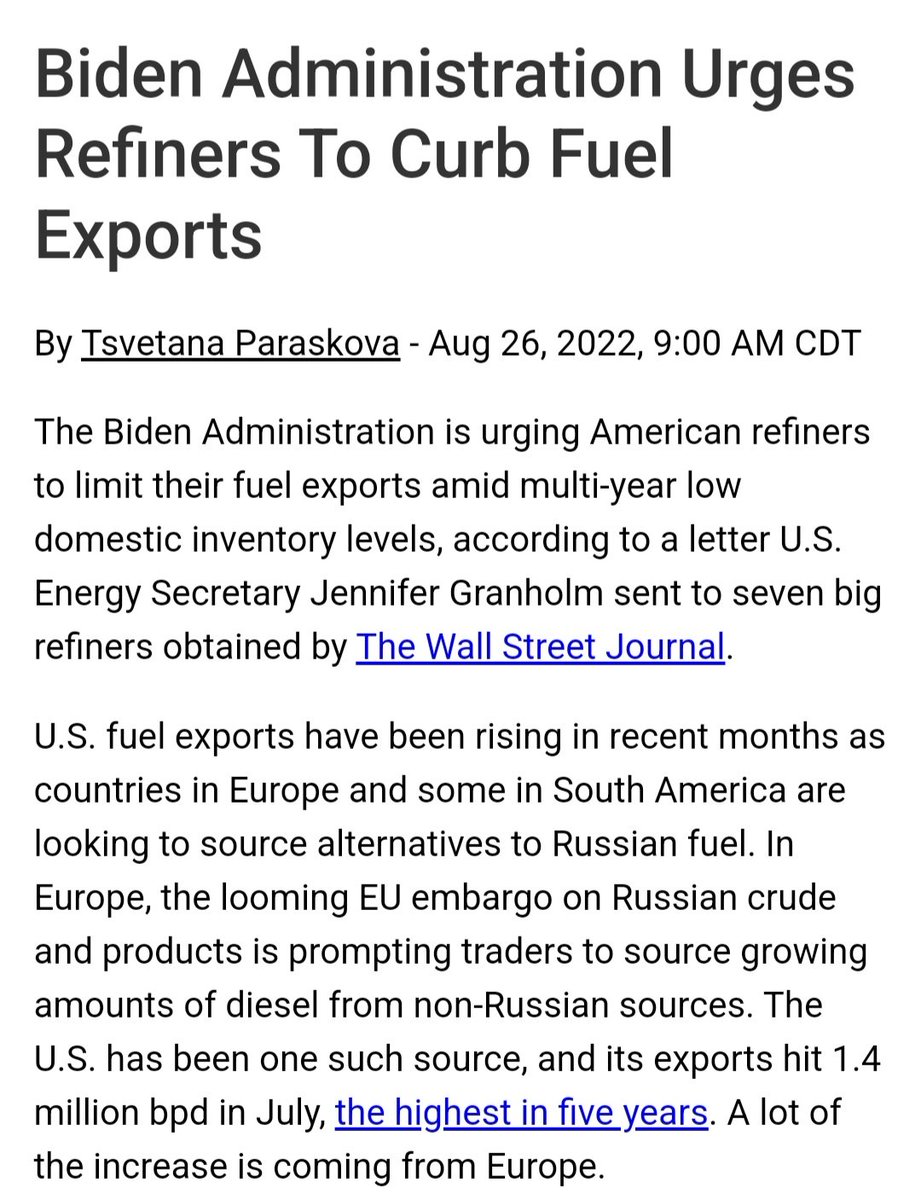
Norway, the US and OPEC as a whole are limiting exports, seeing the oncoming energy crisis.
Norway, the US and OPEC as a whole are limiting exports, seeing the oncoming energy crisis.
And now, gas.
Which is somehow even worse.
Which is somehow even worse.
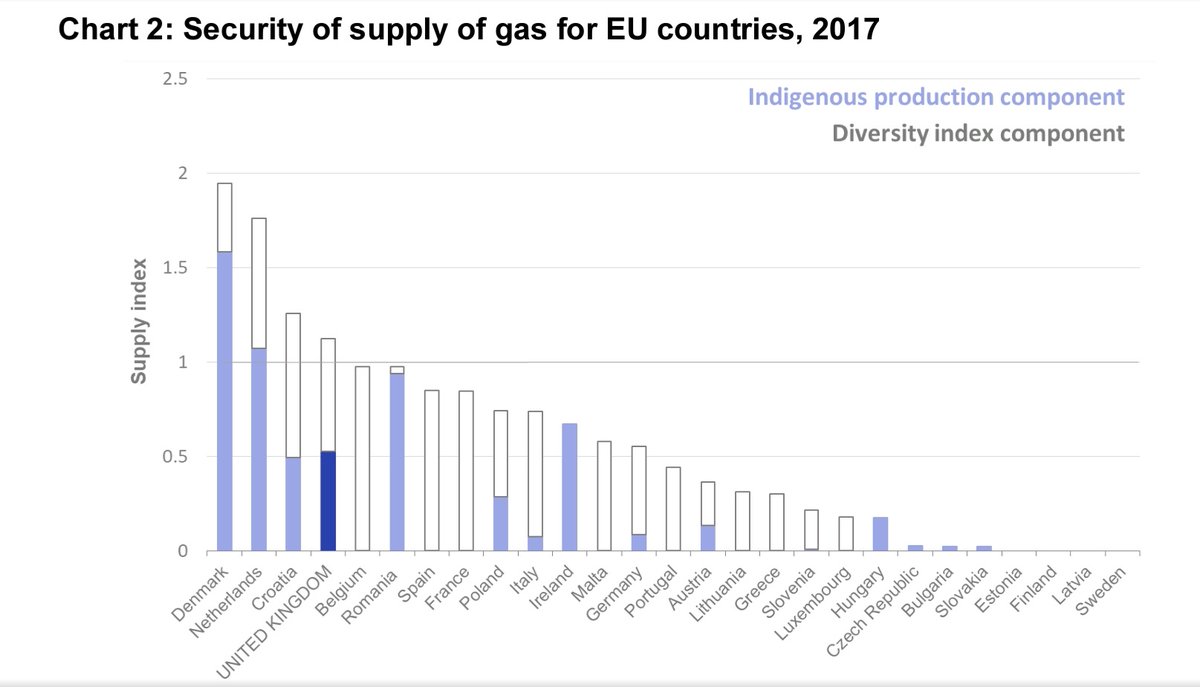
This graph is horrific. Its not just the UK, its the majority of the EU who rely on foreign gas imports.
Ignore the DIC - its irrelevant. Its just slight of hand so that we can pretend that we aren't worse off than Romania.
Anyway, we import 52% of our gas.
Ignore the DIC - its irrelevant. Its just slight of hand so that we can pretend that we aren't worse off than Romania.
Anyway, we import 52% of our gas.
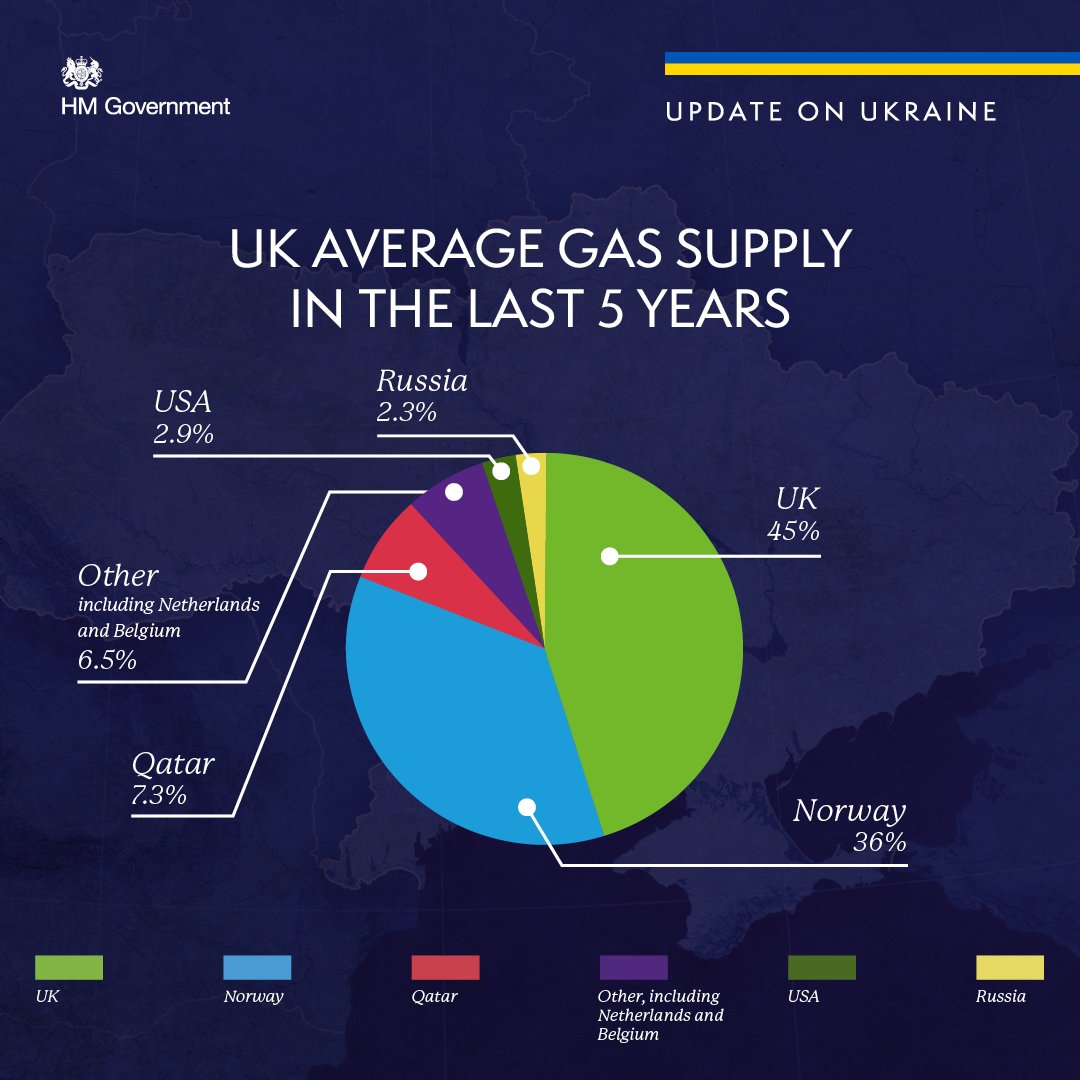
And here's where it's from.
And although we aren't as reliant on the US for gas, it's Norway and OPEC.
Who, to restate the point, are limiting exports.
And although we aren't as reliant on the US for gas, it's Norway and OPEC.
Who, to restate the point, are limiting exports.

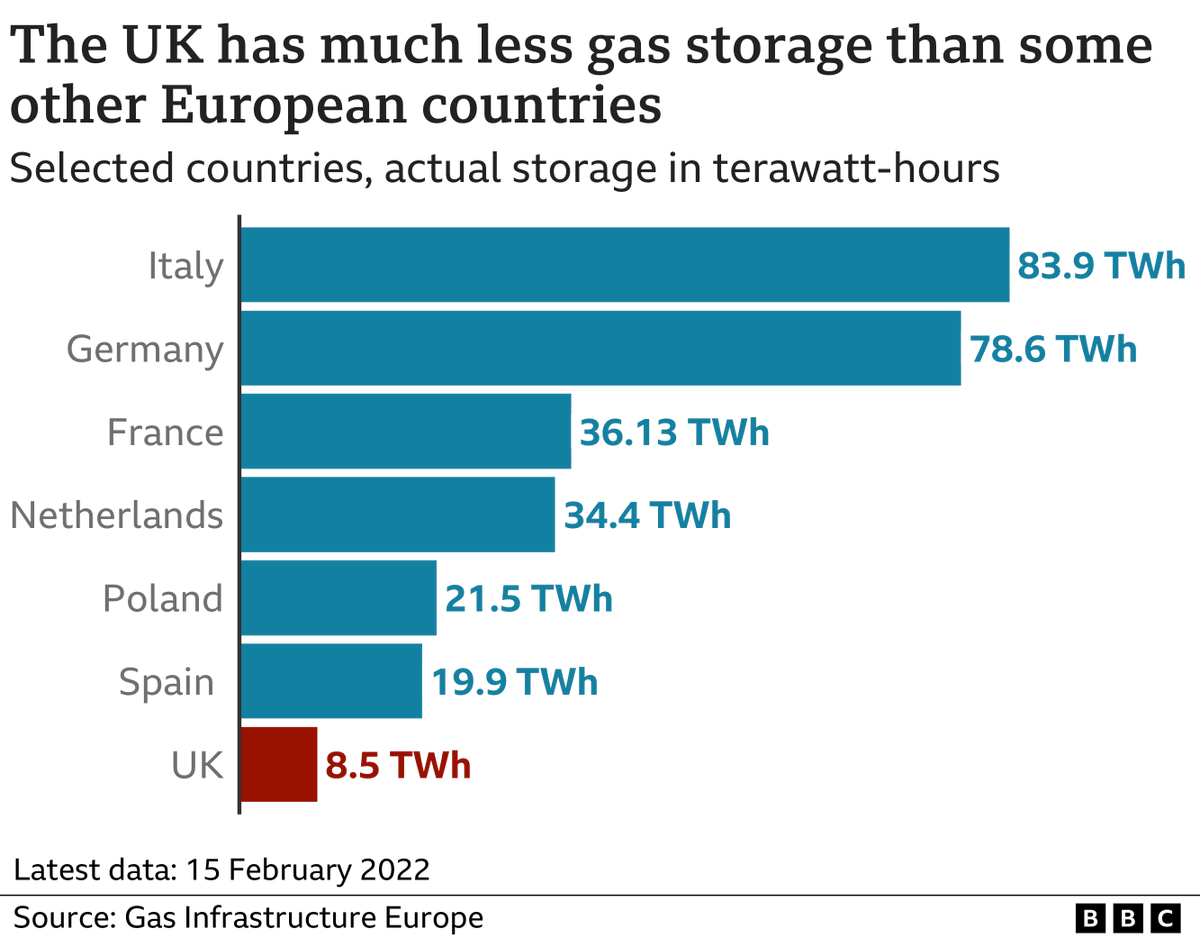
To really hit home the point, gas storage in the UK is a joke.
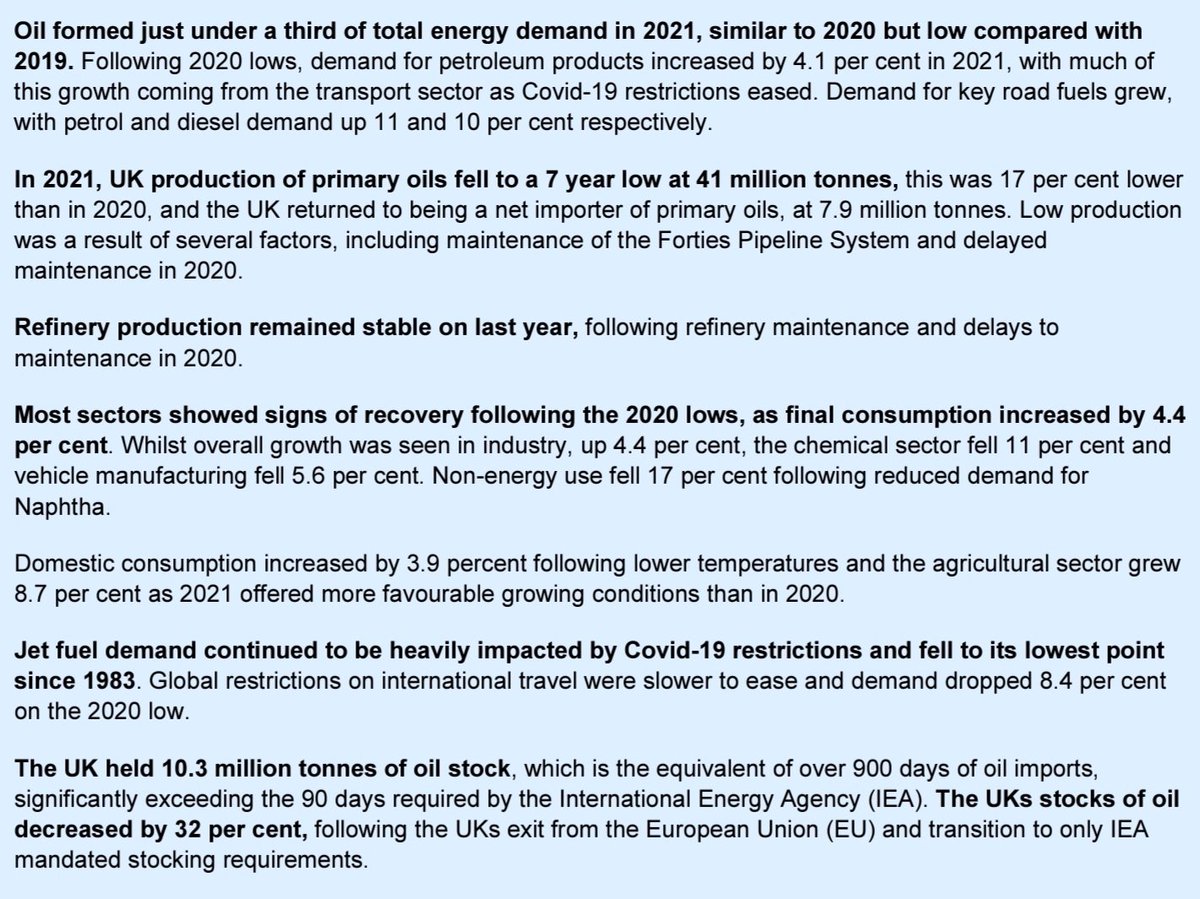
We've got a very decent supply of oil, but hardly any gas.
For gas, 8.5 TWh is less than 5 days supply.
For oil, 10.5 million tons is just over two months' worth.
We've got a very decent supply of oil, but hardly any gas.
For gas, 8.5 TWh is less than 5 days supply.
For oil, 10.5 million tons is just over two months' worth.
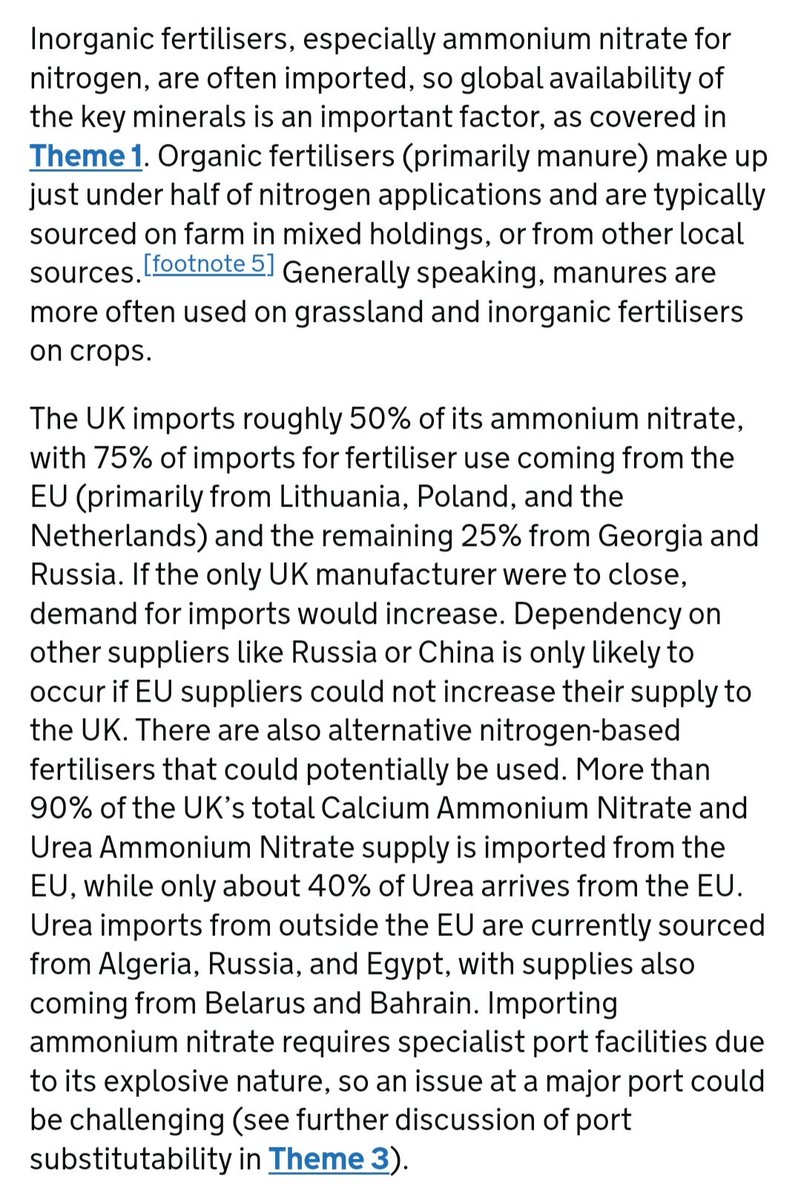
The gas issue hits even harder, it's just key component in fertiliser.
We only have produce 40% of our fertiliser domestically. But that's also reliant on foreign imports for natural gas, so true domestic production is closer to 20%
We only have produce 40% of our fertiliser domestically. But that's also reliant on foreign imports for natural gas, so true domestic production is closer to 20%
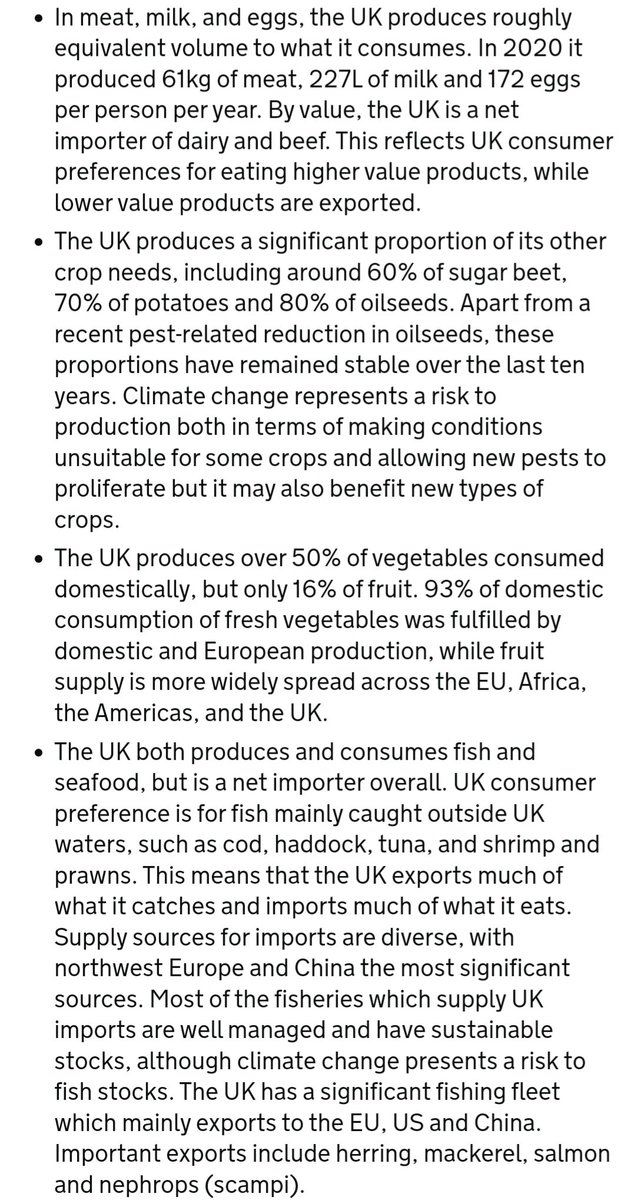
On the subject of food, we import approximately 40% of all food consumed in the UK.
The numbers are a bit tricky here, as there is a vast amount of fodder crops for animal consumption that as included in this total.
The numbers are a bit tricky here, as there is a vast amount of fodder crops for animal consumption that as included in this total.
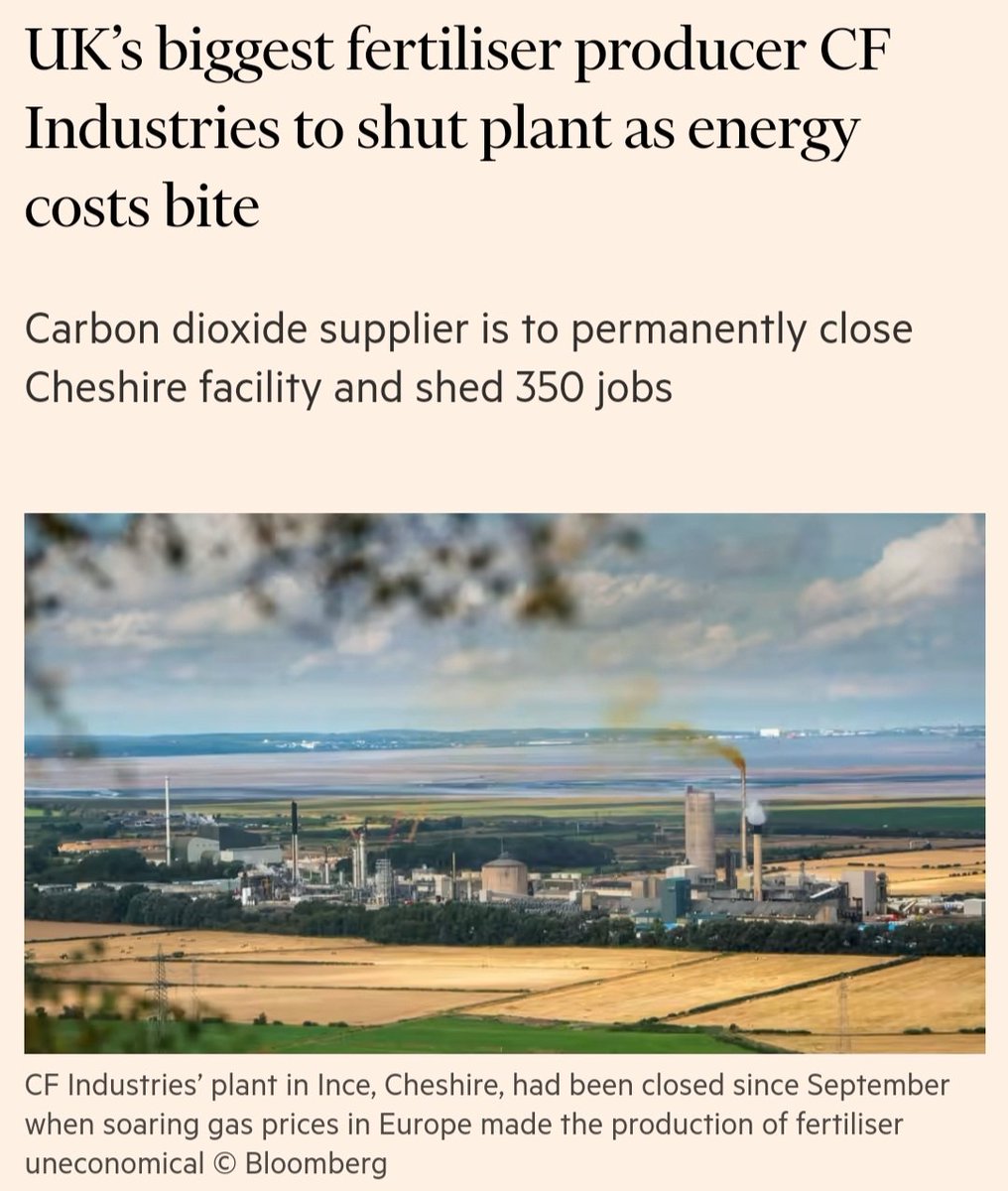
It's also important to realise that the UK has no domestic source of phosphorus, and our largest fertiliser plant is shutting its doors.
You can expect yields to drop by 30-50% without fertiliser.
You can expect yields to drop by 30-50% without fertiliser.
Even without fertiliser shortages, it's still pretty bad.
Animal products will suffer if feed costs rise, despite how we may seem self-sufficient.
But needing imports for half of all veg? And 84% of all fruit?
That's worrying, even before you factor in expected yield drops.
Animal products will suffer if feed costs rise, despite how we may seem self-sufficient.
But needing imports for half of all veg? And 84% of all fruit?
That's worrying, even before you factor in expected yield drops.
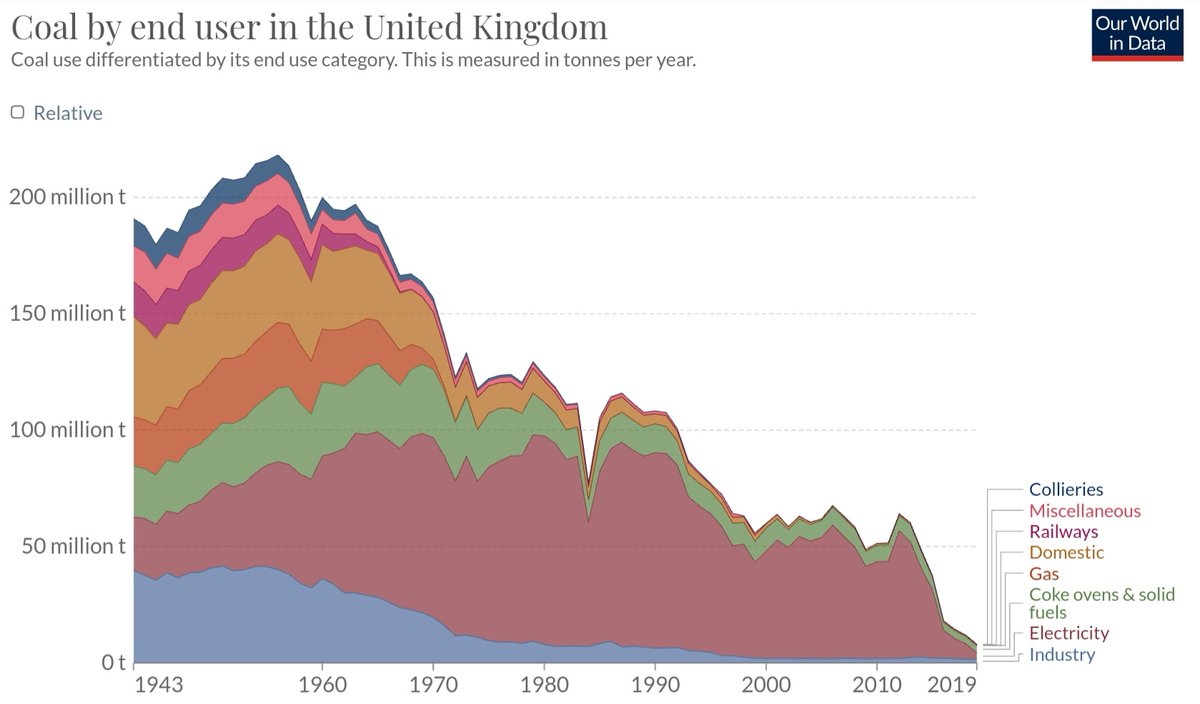
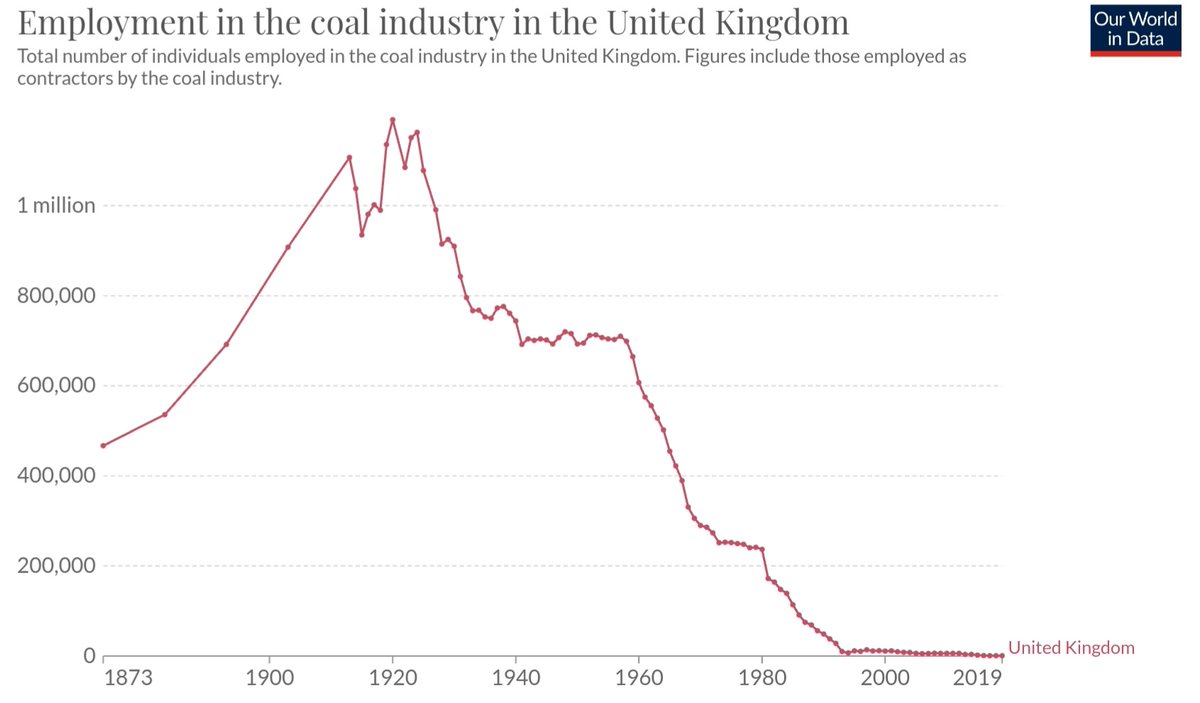
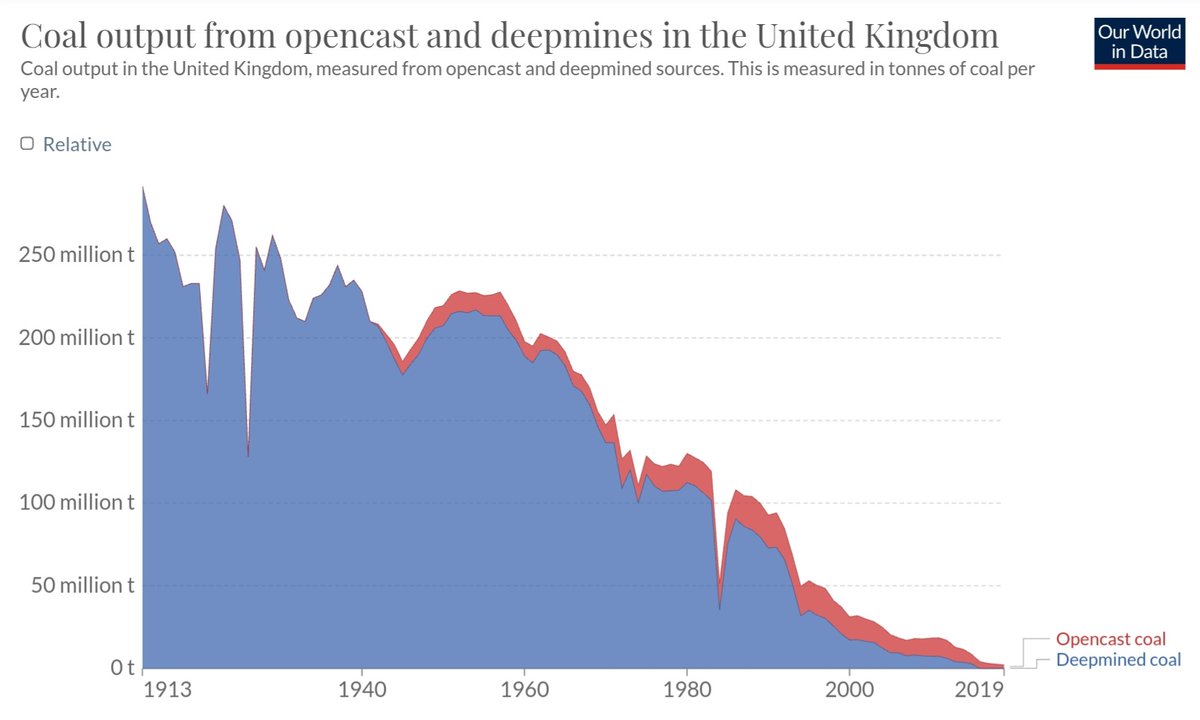
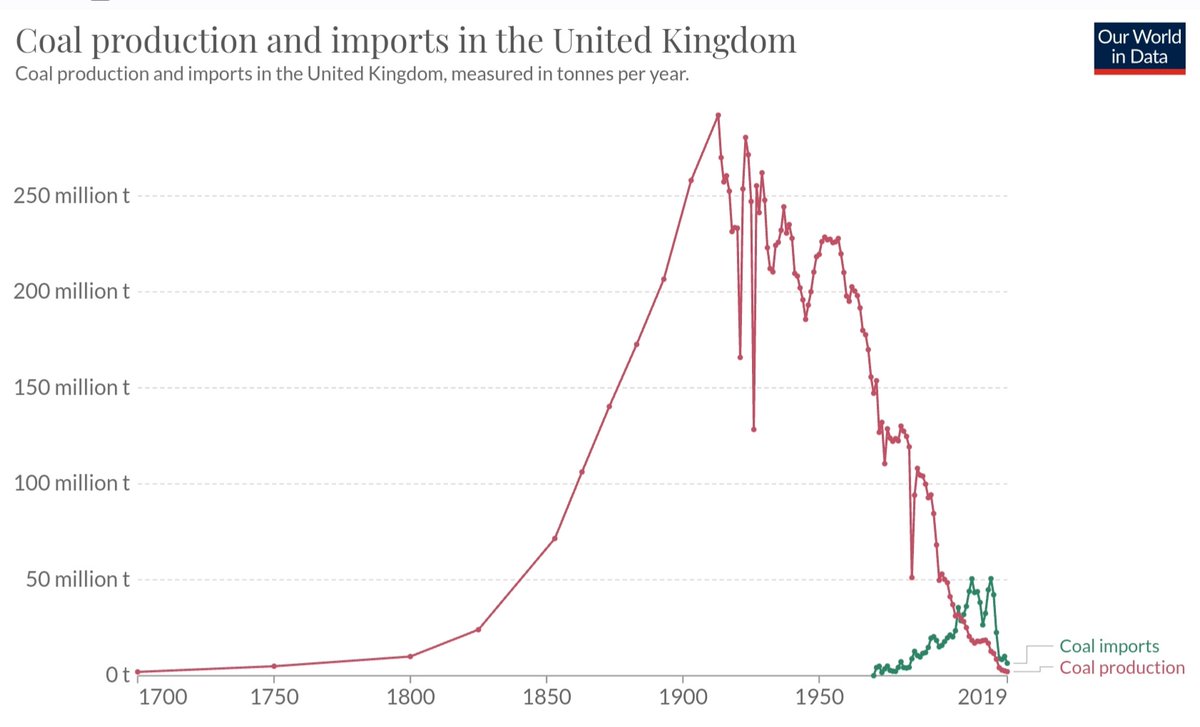
Let's get onto coal.
Britain has made a significant move away from coal over the last twenty years, not just for power generation, but also in mining and manufacturing.
We have become heavily reliant on imports, particularly Russian coal.
Britain has made a significant move away from coal over the last twenty years, not just for power generation, but also in mining and manufacturing.
We have become heavily reliant on imports, particularly Russian coal.
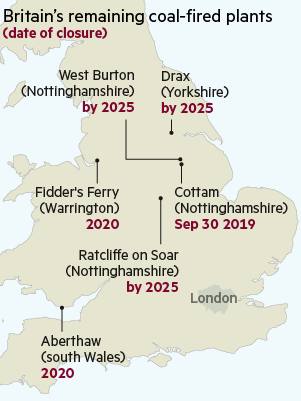
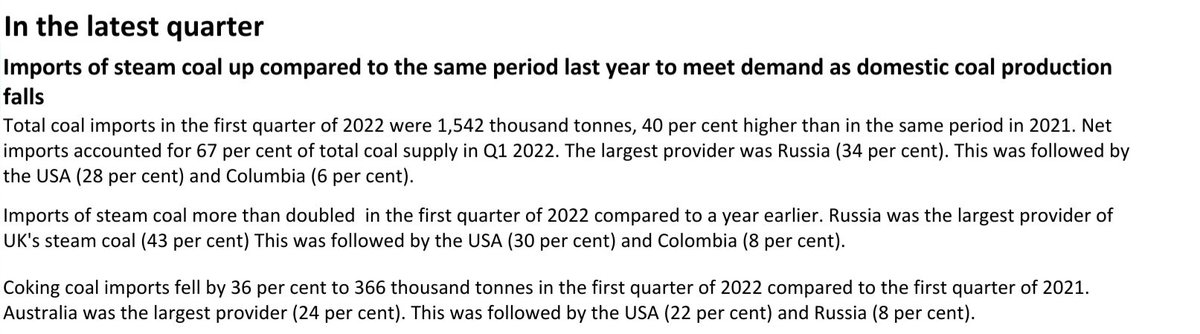
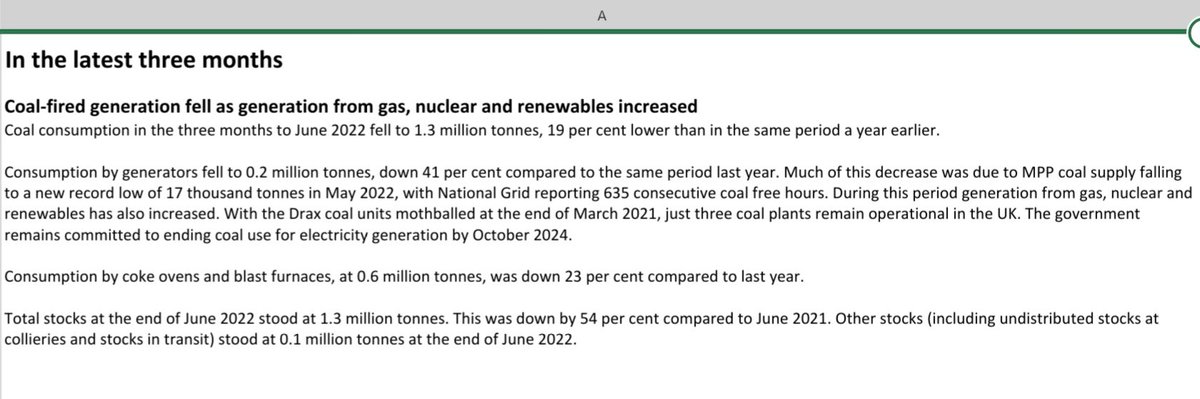
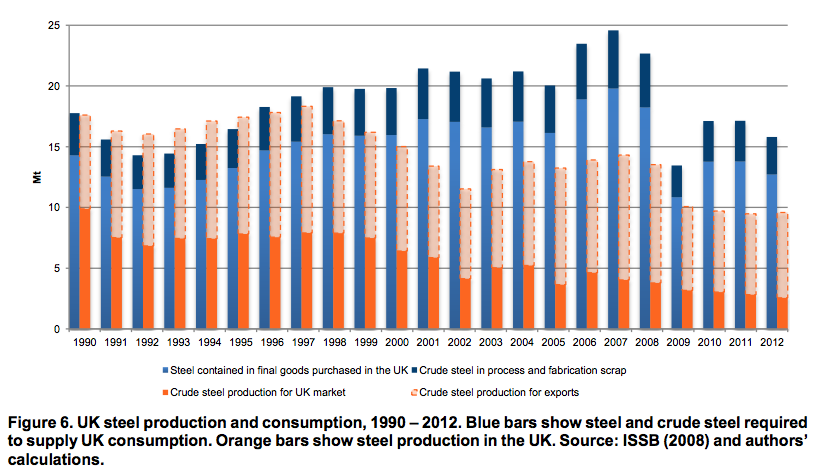
It is hard to overstate the enormity of what has happened to coal in the UK.
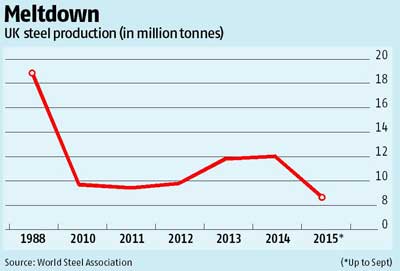
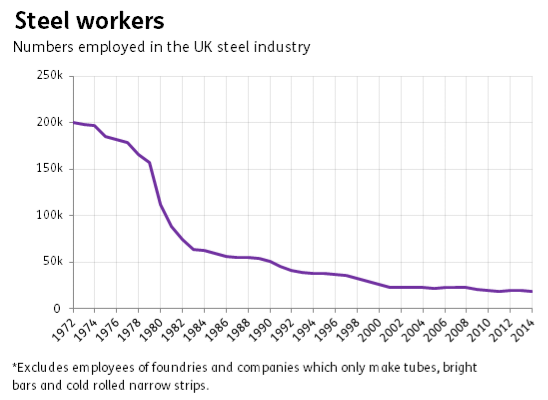
As a side effect, this has also completely destroyed domestic steel production.
It takes 770 kg of coal to make one ton of steel.
So, combined with cheap Chinese steel imports, and the EU favouring German steel over all else, you have seen a similar collapse in steel production
It takes 770 kg of coal to make one ton of steel.
So, combined with cheap Chinese steel imports, and the EU favouring German steel over all else, you have seen a similar collapse in steel production
As an aside, Sheffield steel is so ingrained into the fabric of Britain that its mentioned in the Canterbury Tales as a watchword for quality.
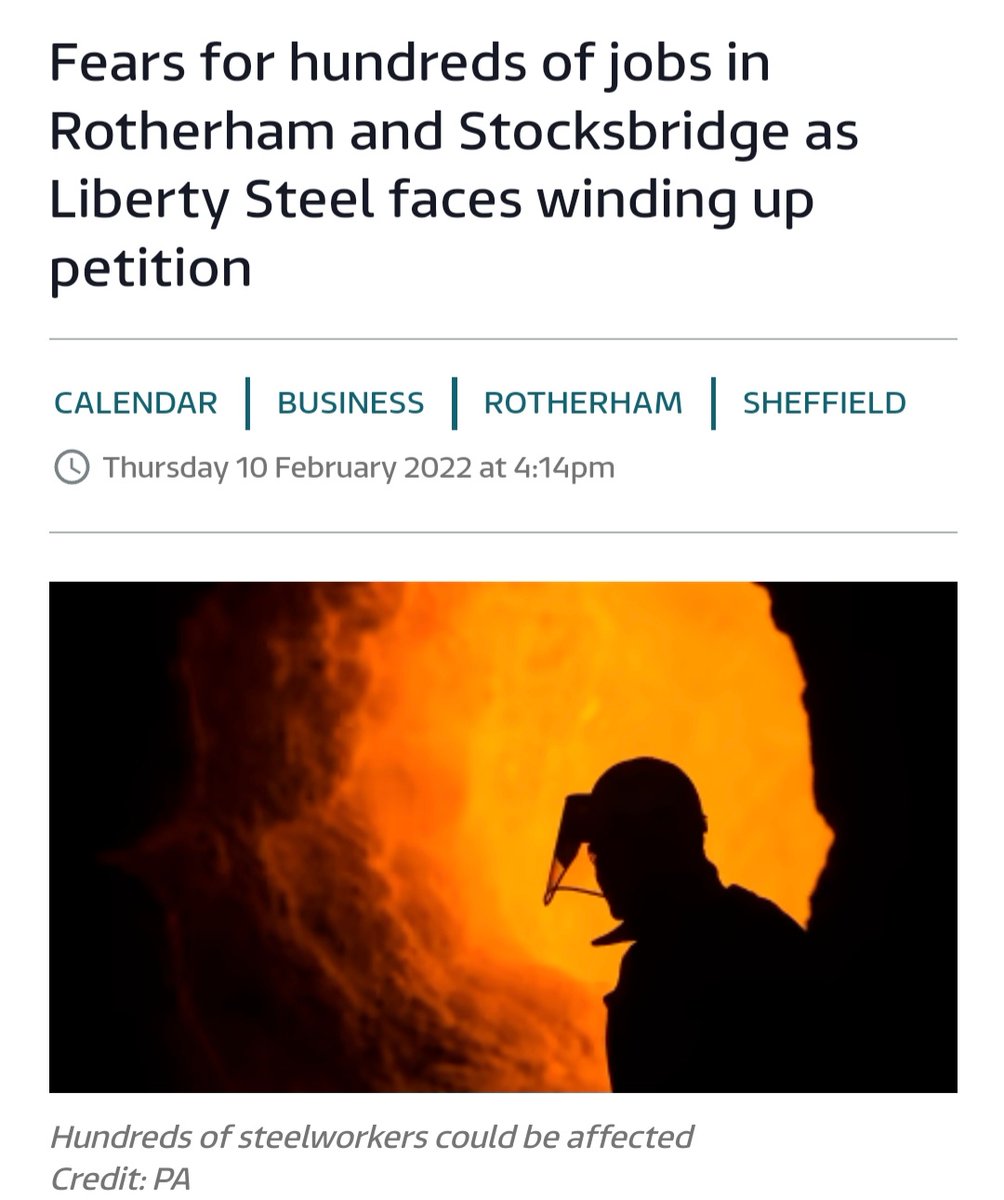
Currently there are only a few thousand steelworkers in Sheffield, and its dropping fast.
However, there are over 60,000 students
Currently there are only a few thousand steelworkers in Sheffield, and its dropping fast.
However, there are over 60,000 students

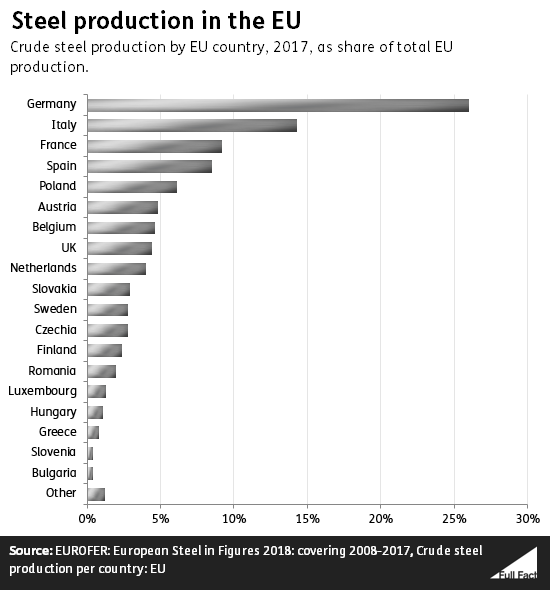
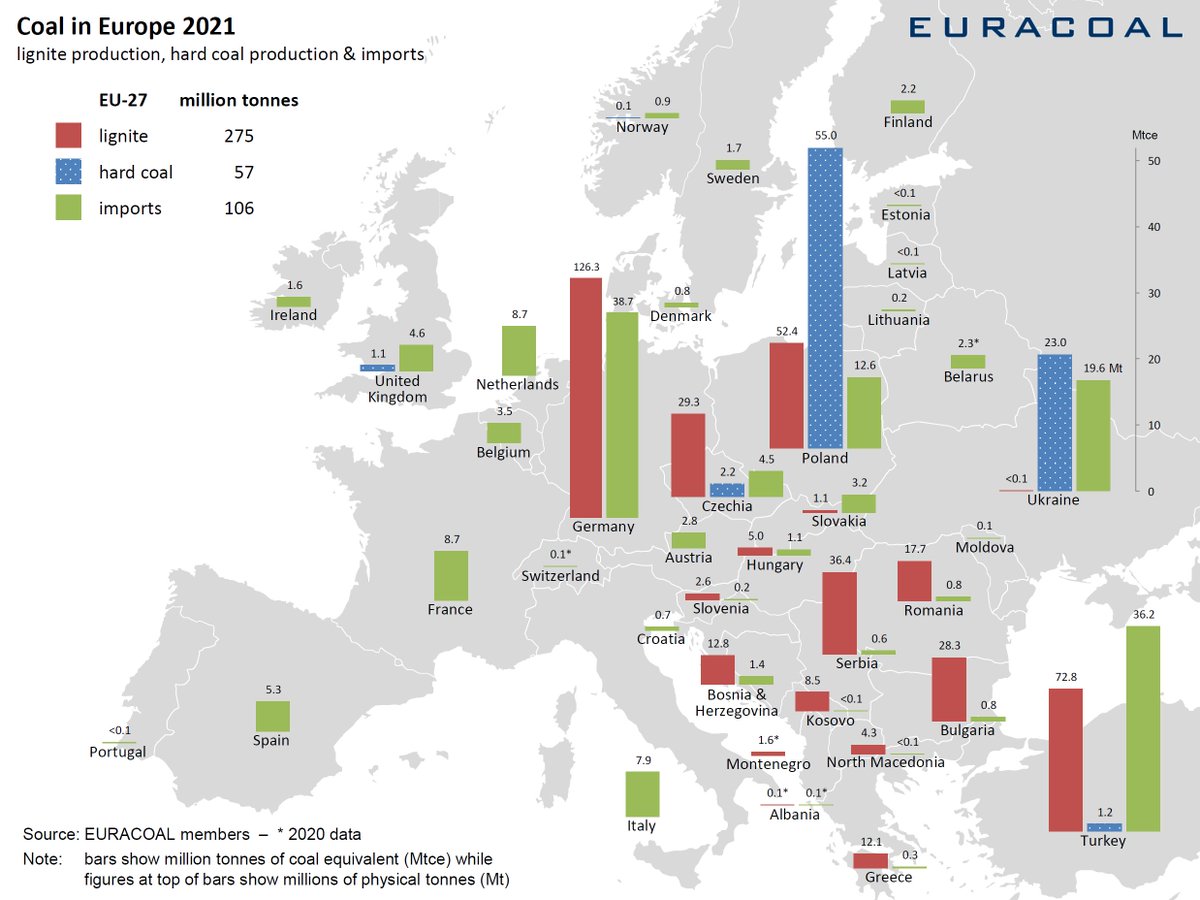
Not only are we heavily reliant on foreign steel, most EU steel is itself heavily reliant on foreign coal imports.
Germany imports 25% of its coal.
Italy imports 100%
And is somehow the second largest steel producer in Europe.
Germany imports 25% of its coal.
Italy imports 100%
And is somehow the second largest steel producer in Europe.
To be fair, it's not just Italy.
Many other EU countries are completely dependent upon coal imports.
France, Spain, the Netherlands, Belgium, Belarus, Ireland, as well as all of Scandinavia.
At least it looks alright for Poland.
Many other EU countries are completely dependent upon coal imports.
France, Spain, the Netherlands, Belgium, Belarus, Ireland, as well as all of Scandinavia.
At least it looks alright for Poland.
At this point point, it you may expect me to talk about the energy we get from renewables.
But I can't.
Because renewables are not net energy positive.
Including construction and dismantling costs, over their lifetime solar panels and wind turbines do not net energy.
But I can't.
Because renewables are not net energy positive.
Including construction and dismantling costs, over their lifetime solar panels and wind turbines do not net energy.
The main issue with "sustainable energy" is that they all suffer from the battery problem.
ie - what do you do when you have excess energy?
For fossil fuels and nuclear, you can reduce the energy production by slowing input.
But you can't put some wind to one side for later.
ie - what do you do when you have excess energy?
For fossil fuels and nuclear, you can reduce the energy production by slowing input.
But you can't put some wind to one side for later.
The simplest way around this is using hydroelectric dams with a multiple reservoir system.
We use this in Dinorwig Power Station - the "Electric Mountain" - where it used excess energy to pump water to the top reservoir to use later.
We use this in Dinorwig Power Station - the "Electric Mountain" - where it used excess energy to pump water to the top reservoir to use later.
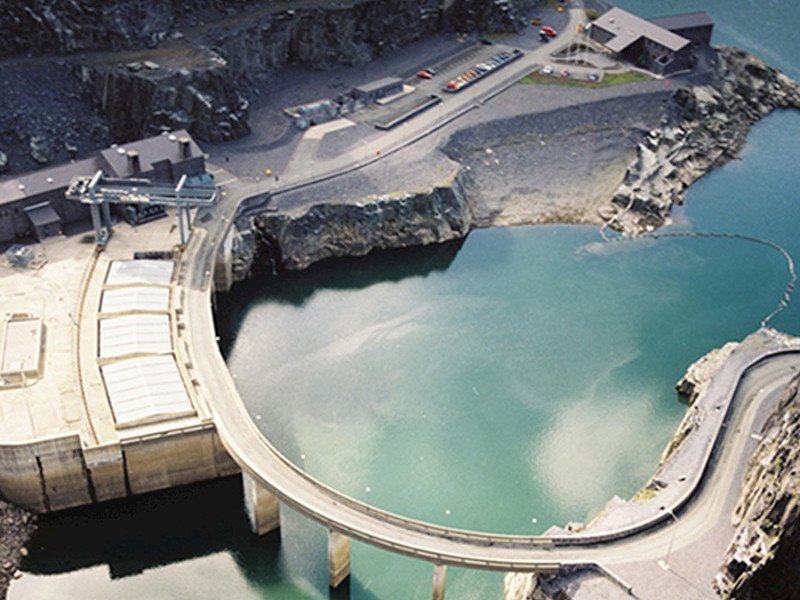
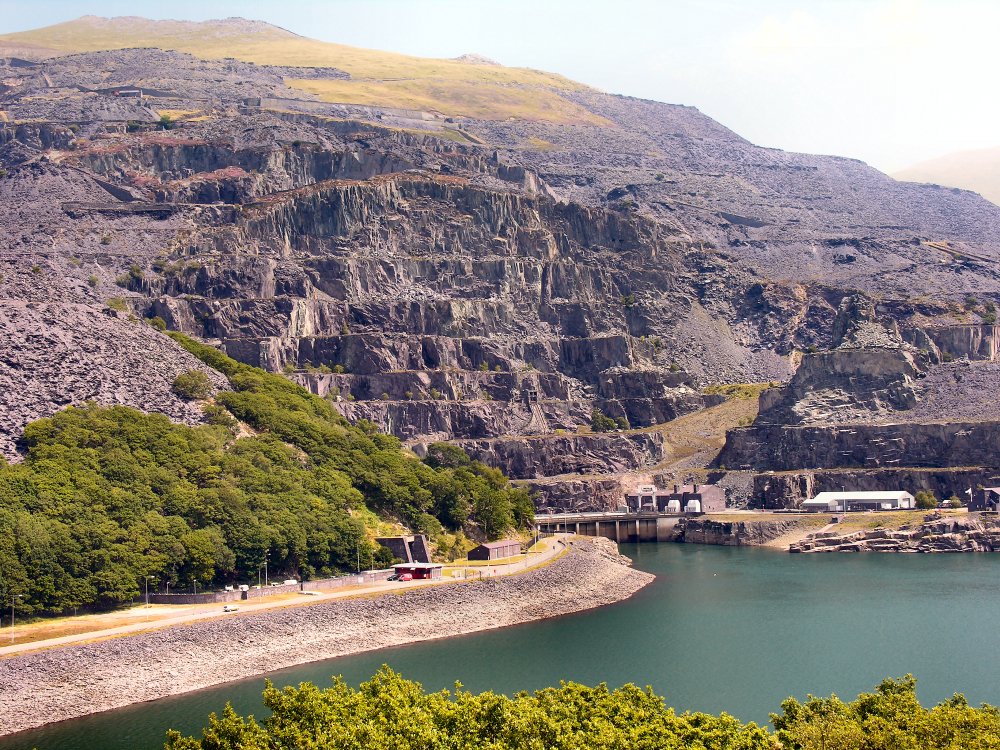
Sadly, that's the only pumped-storage hydroelectric power station we have in the UK, and there are no plans to build more.
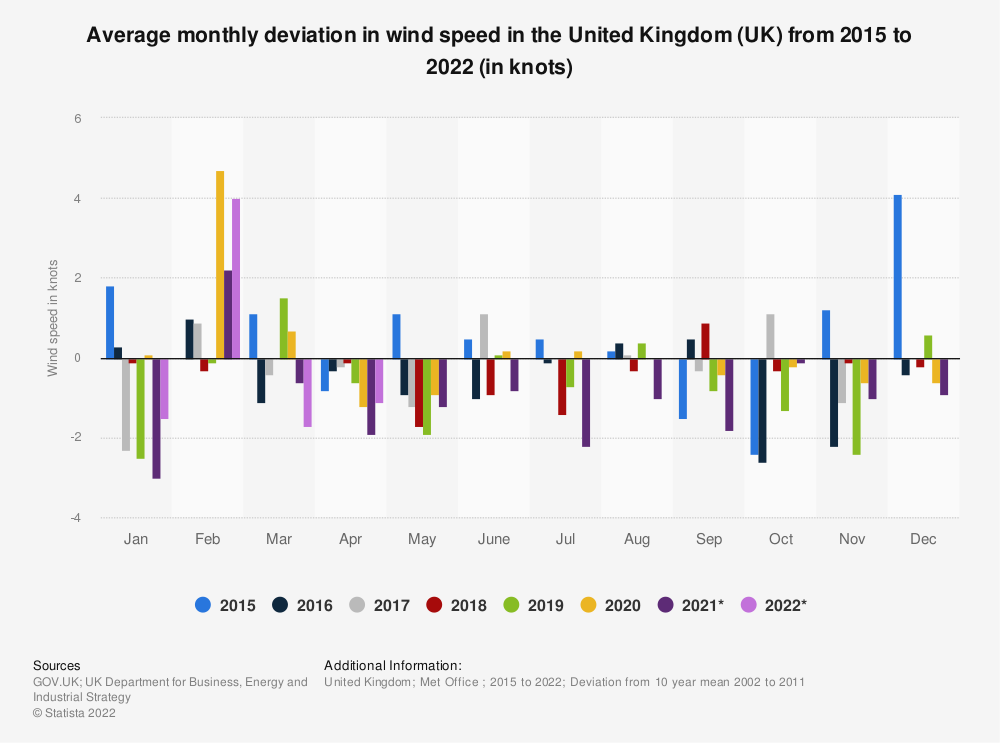
Although there may be headlines about the UK being the "Saudi Arabia of Wind", its completely unfeasible.
Not only is wind fickle from year-to-year, but when it is strong, wind turbines generally shut-off at anything over a 25 metres per second, so High/Gale winds are unusable.
Not only is wind fickle from year-to-year, but when it is strong, wind turbines generally shut-off at anything over a 25 metres per second, so High/Gale winds are unusable.
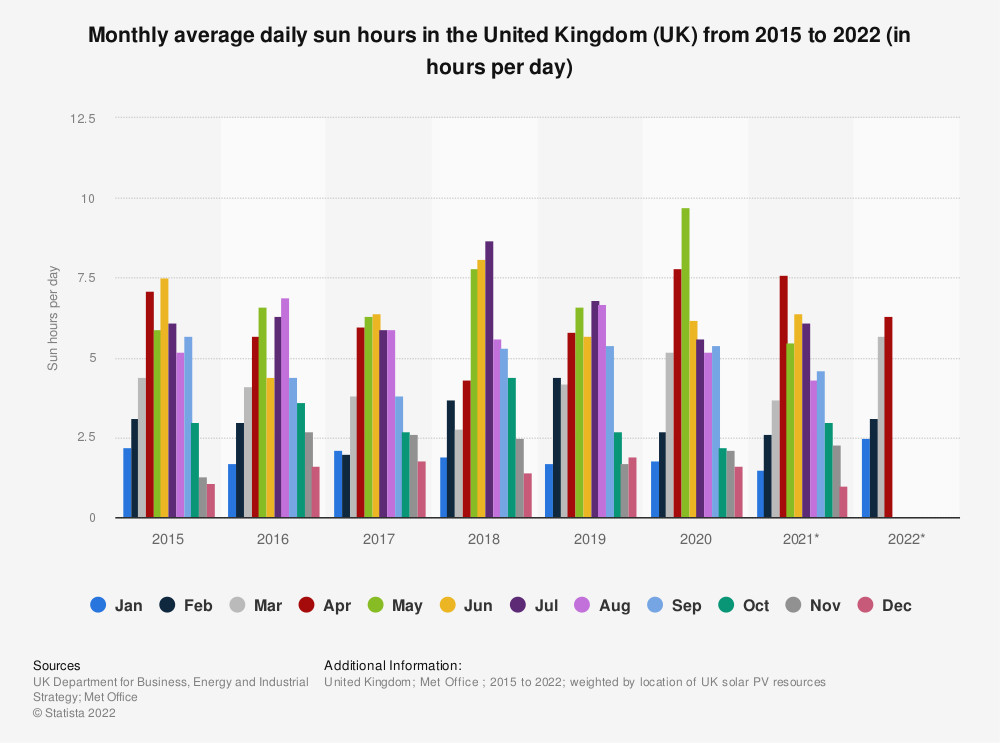
Solar has its own issues.
As they take time to "warm-up" intermittent sunlight is hard to harvest, especially when the temperature and humidity get in the way.
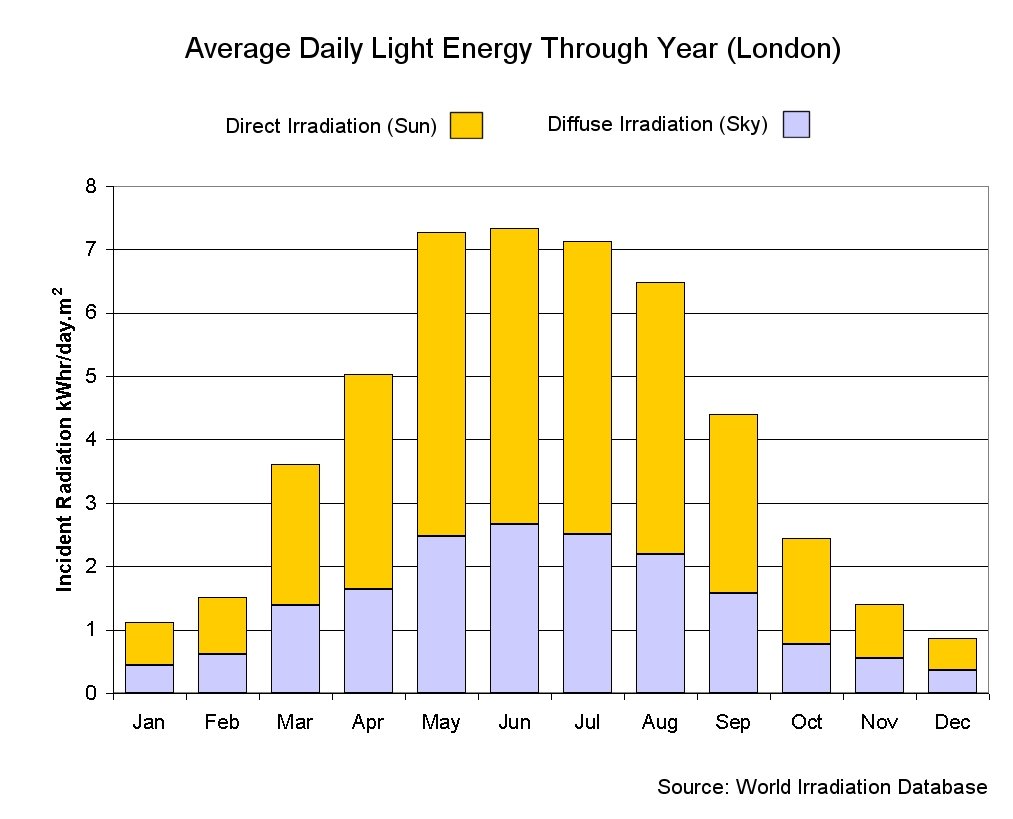
And obviously, you don't get much sunlight in winter.
As they take time to "warm-up" intermittent sunlight is hard to harvest, especially when the temperature and humidity get in the way.
And obviously, you don't get much sunlight in winter.
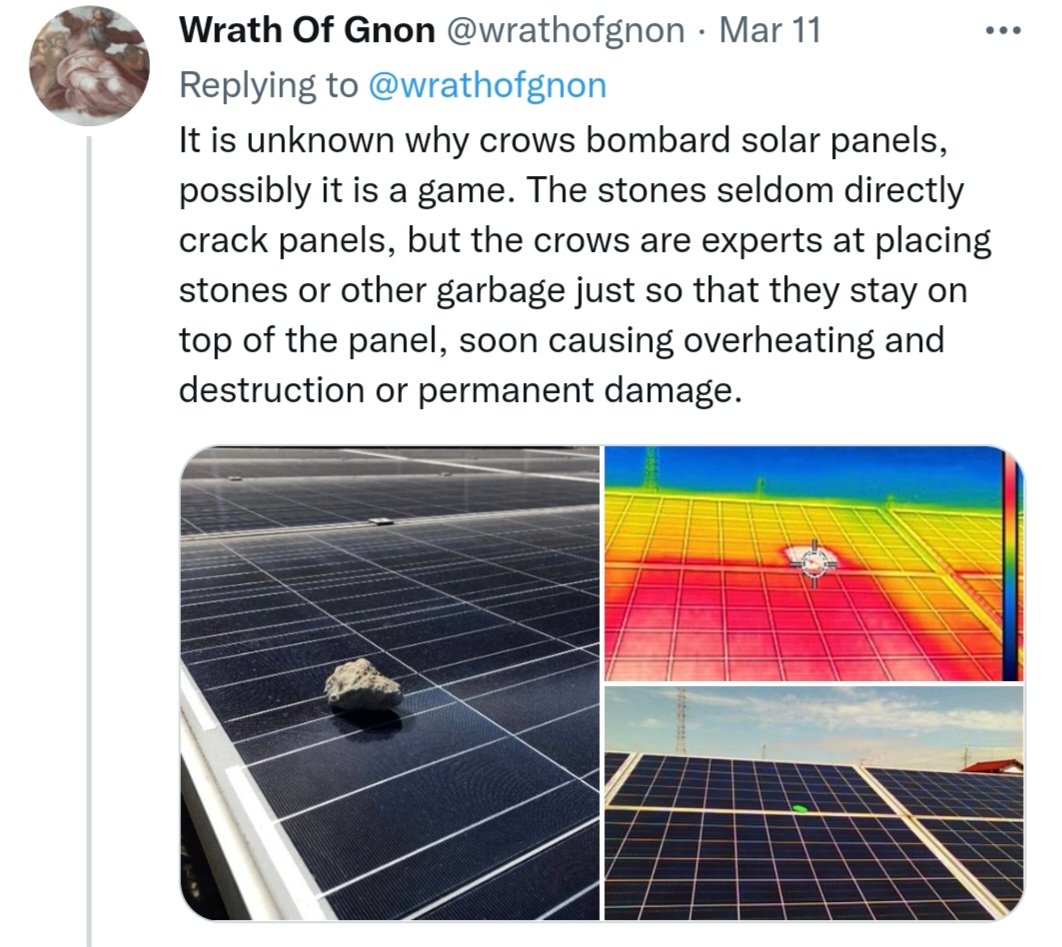
Plus, crows can utterly destroy them with a well-placed rock.

Hydroelectric power is actually a pretty viable solution for the UK, but sadly it will never happen for the the same reason proper tidal power won't - they'd never get planning permission to build the Severn Barrier, or flood and dam a few more valleys.
Which, sadly is very relevant to nuclear.
We haven't built a nuclear plant since Sizewell, in 1995.
And since then, no proposed plant has survived the gauntlet of planning permission.
We haven't built a nuclear plant since Sizewell, in 1995.
And since then, no proposed plant has survived the gauntlet of planning permission.
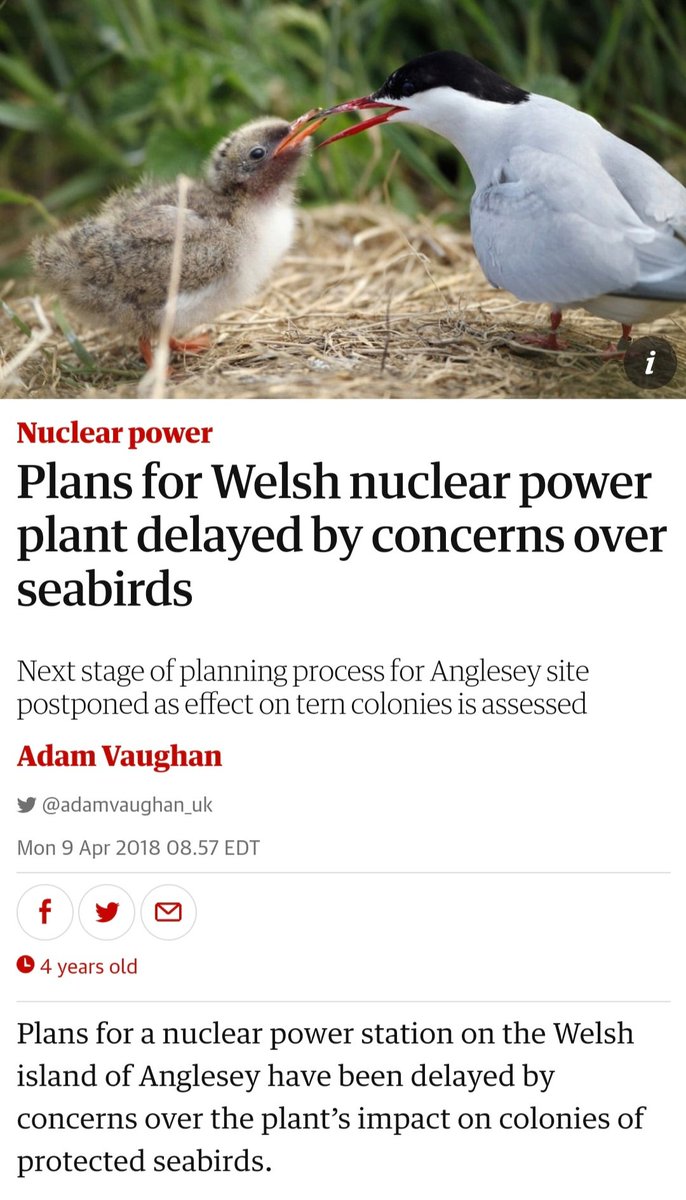
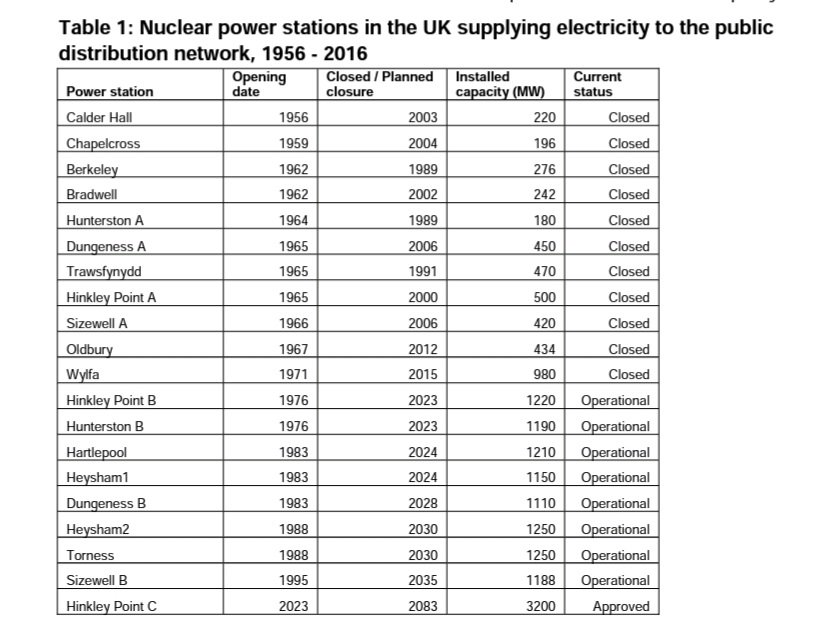
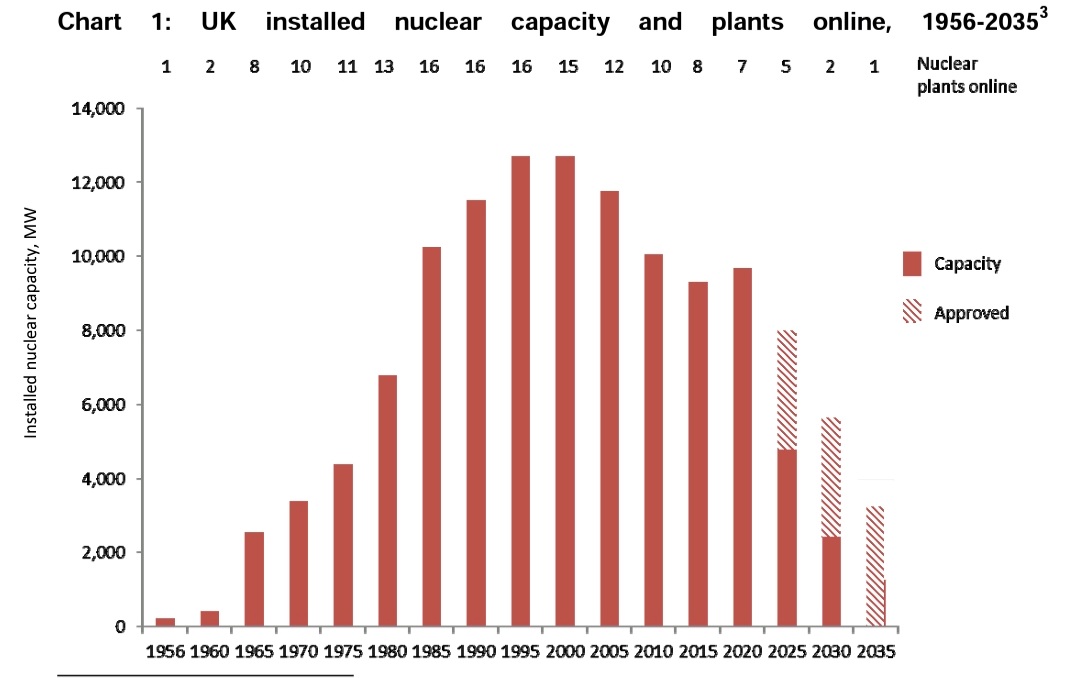
The cold, hard truth is that within a decade the UK will not have any operational nuclear power plants.
This data is from 2016, and not only have none of the proposed plants even gotten planning permission, let alone started construction - several have already been cancelled.
This data is from 2016, and not only have none of the proposed plants even gotten planning permission, let alone started construction - several have already been cancelled.
Standard construction time for a nuclear power plant has risen in recent decades to a little over a decade, in order to minimise the environmental aspects of their construction, plus increased safety checks & regulatory oversight.
And this for countries that build them regularly
And this for countries that build them regularly
Again, the UK has not built a plant in 30 years.
There is no way we can build a plant by 2035, let alone beat the clock and have it up by 2030. And 2025 is just a fantasy.
Our first station was Calder Hall, in 1956.
Sizewell should close in 2035, and with it, nuclear in the UK
There is no way we can build a plant by 2035, let alone beat the clock and have it up by 2030. And 2025 is just a fantasy.
Our first station was Calder Hall, in 1956.
Sizewell should close in 2035, and with it, nuclear in the UK
Anyway.
Burning wood is a historic staple, but it's sadly been banned in the UK.
It is currently illegal to burn any "wet" wood, and must instead burn "dry" wood.
And for wood to be "dry" it needs to be in a kiln for a minimum of one year / inch of thickness.
Burning wood is a historic staple, but it's sadly been banned in the UK.
It is currently illegal to burn any "wet" wood, and must instead burn "dry" wood.
And for wood to be "dry" it needs to be in a kiln for a minimum of one year / inch of thickness.
Combined with similar restrictions on peat, coal and gas have made it harder for people to to heat their homes by burning fuel.
This is because the UK government is currently pushing heat pumps heavily.
Not only is this inefficient, it will further stress the system
This is because the UK government is currently pushing heat pumps heavily.
Not only is this inefficient, it will further stress the system
Within three years, no new housing will be constructed in the UK with a gas boiler. Heat pumps will be the only option.
Log burners will still be allowed, as long as they are either an "Ecodesign" model, or manufactured before 2022.
Ecodesign burners struggle to burn "wet" wood
Log burners will still be allowed, as long as they are either an "Ecodesign" model, or manufactured before 2022.
Ecodesign burners struggle to burn "wet" wood

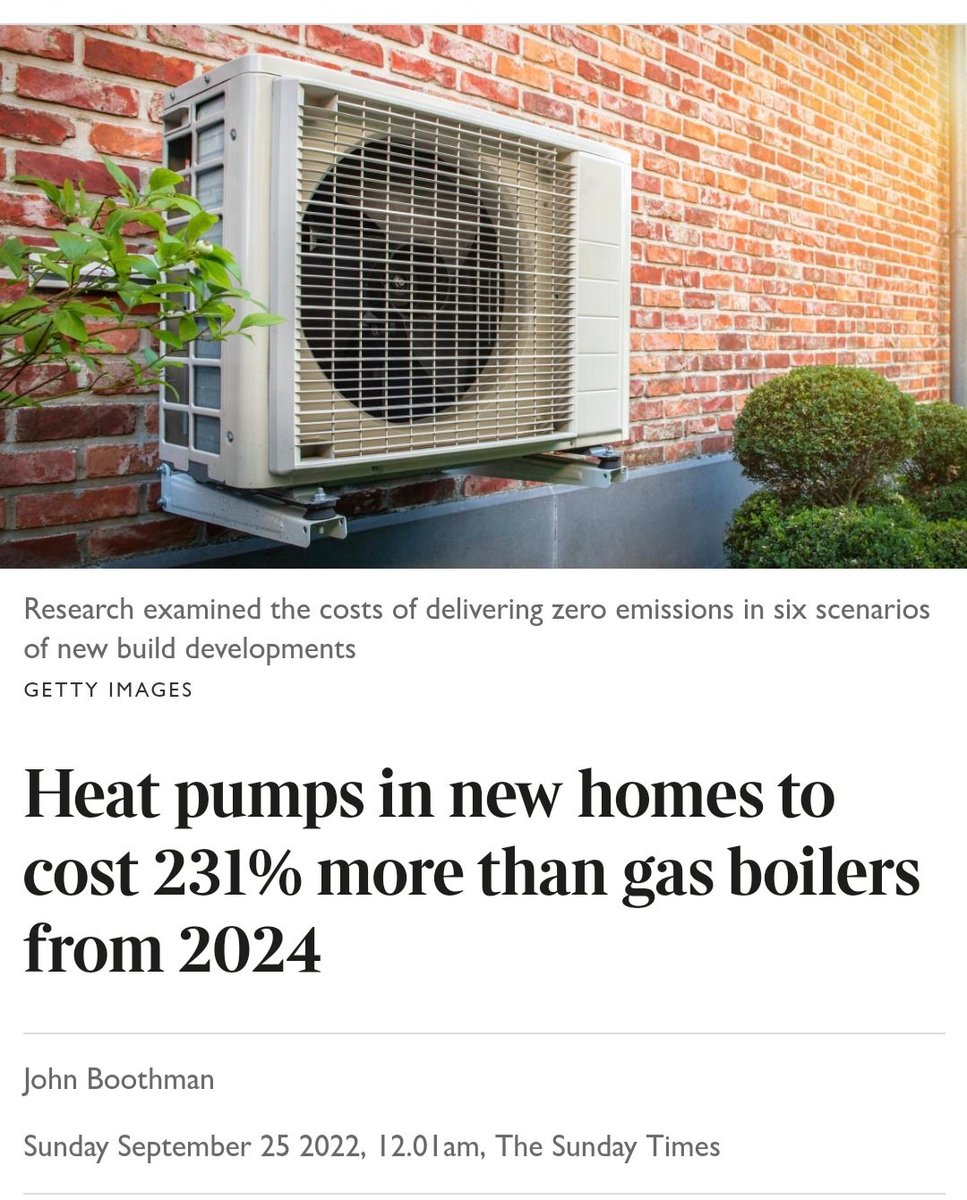
Heat pumps are horrendously inefficient.
All they are is a fridge in reverse - heating one part of a system and cooling another.
However these systems generally have to increase the energy load by 5% for every °C the ambient temperature changes adversely from the mean
All they are is a fridge in reverse - heating one part of a system and cooling another.
However these systems generally have to increase the energy load by 5% for every °C the ambient temperature changes adversely from the mean
Now, for a fridge it's not so bad. There's a reason they have big, heavy doors, and lots of insulation.
Heat pumps can't have that. They don't want to regulate the temperature of a small container - instead they are going to do it for an entire house!
Heat pumps can't have that. They don't want to regulate the temperature of a small container - instead they are going to do it for an entire house!
As the temperature drops, power draw increases exponentially.
And the harder it has to work, the more it stresses its components, and that of the house.
For a standard 4-person household, this would increase the draw by 60%, peaking in wintertime.
And the harder it has to work, the more it stresses its components, and that of the house.
For a standard 4-person household, this would increase the draw by 60%, peaking in wintertime.
That's not even getting into the energy loss through transformation.
Voltage and Amperage needs to be stepped up and stepped down, as what's good for transmission is not good for domestic use.
And each step entails a 1.3-2% loss.
Voltage and Amperage needs to be stepped up and stepped down, as what's good for transmission is not good for domestic use.
And each step entails a 1.3-2% loss.
This of course isn't including the massive energy loss from the initial generation of electricity - which is generally by burning fuel to heat water to drive a turbine - generally at least 20%.
All this, instead of simply burning the same fuel for heat domestically.
All this, instead of simply burning the same fuel for heat domestically.
So let's circle back to where I started, and work out the UK's reliance on imported energy.
Standard imports from the connections to the continent is around 9.5%
Standard imports from the connections to the continent is around 9.5%
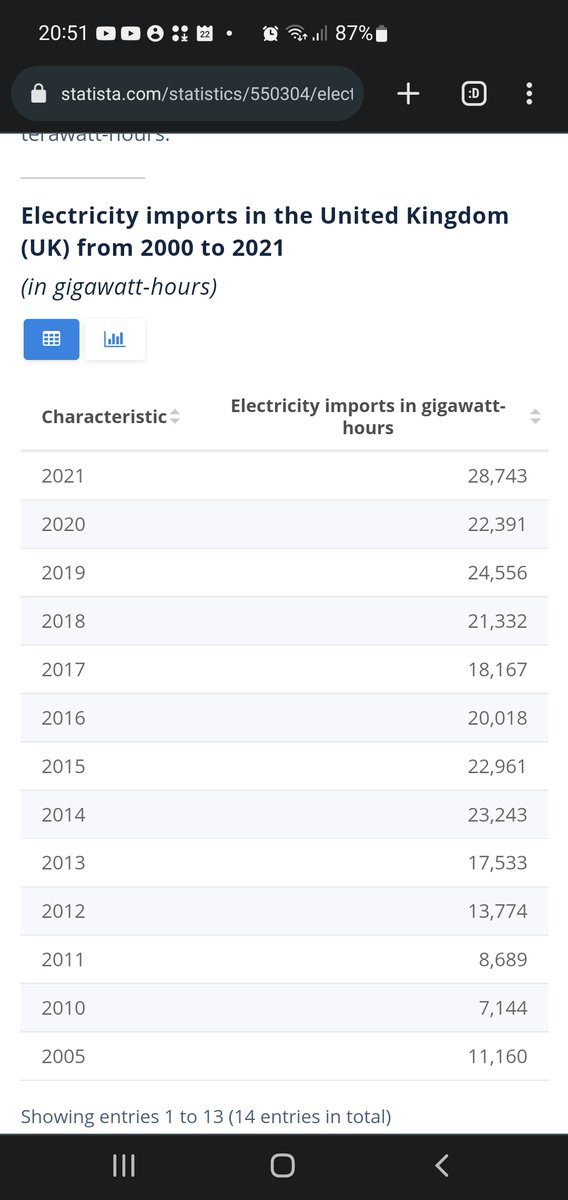
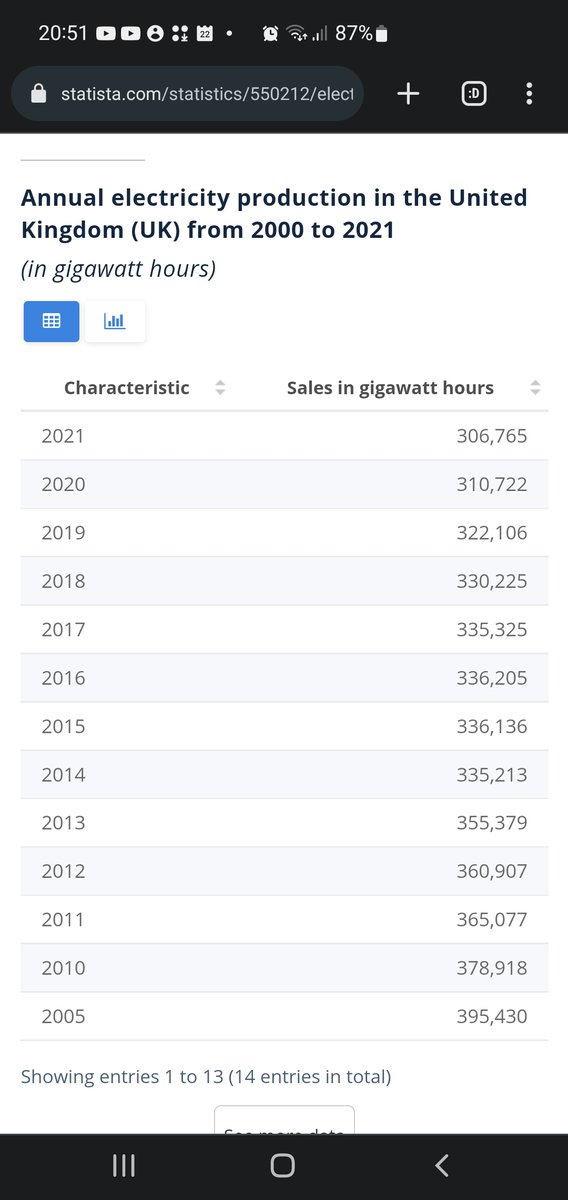
Renewables is a mixed bag, but I will treat it as completely domestic, otherwise this thread will never end.
Gas is approximately 52-55% imported, and oil is 31-34% imported.
Coal is 21% imported.
Nuclear (uranium) is completely imported.
Gas is approximately 52-55% imported, and oil is 31-34% imported.
Coal is 21% imported.
Nuclear (uranium) is completely imported.
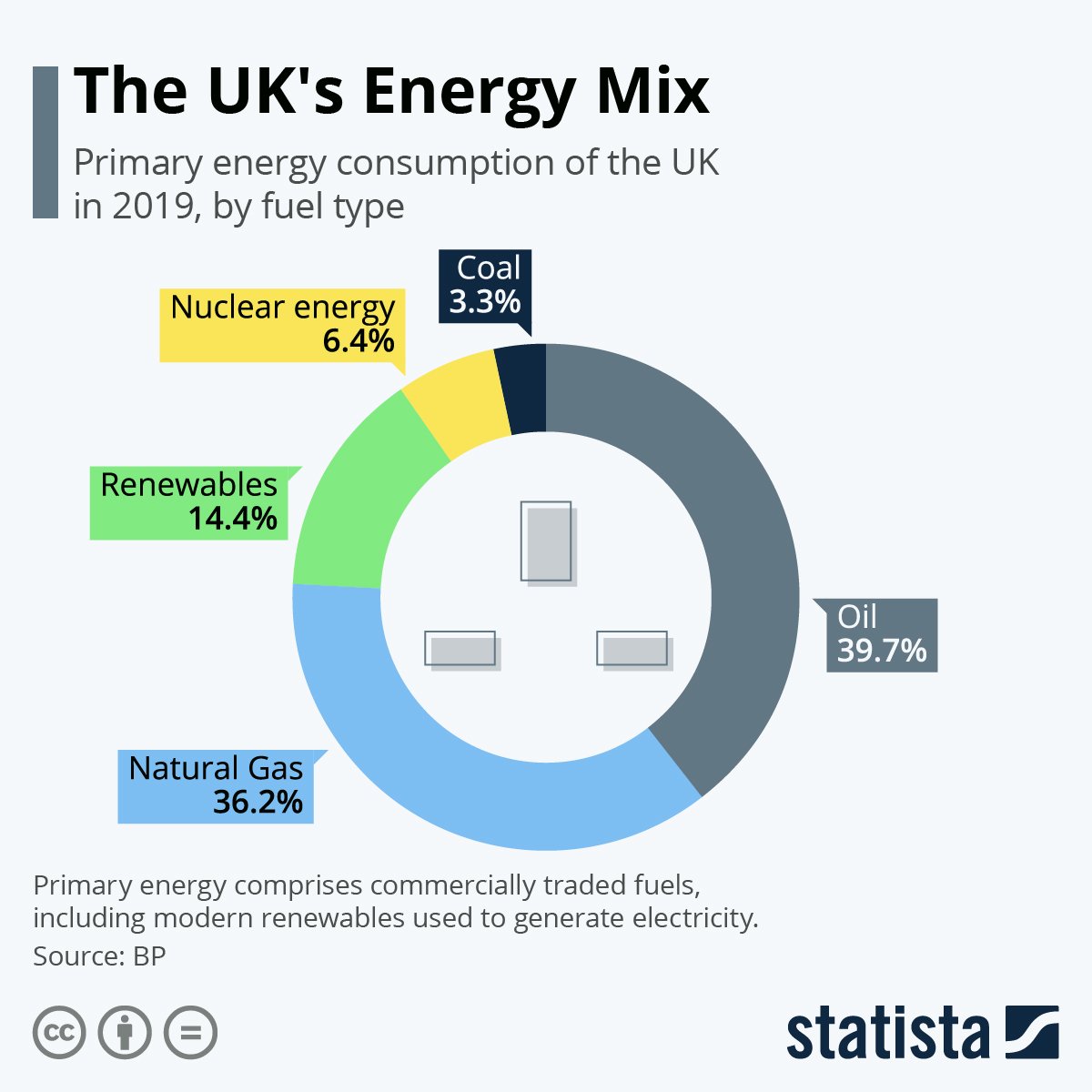
This gives us a final estimate of roughly 49.7% reliance on of foreign imports.
So that's your answer.
If left to itself, the UK can barely meet half its energy needs.
So that's your answer.
If left to itself, the UK can barely meet half its energy needs.
I'm choosing to end here, both for simplicity and sanity.
If I don't I'll start going deep into landfill gas extraction & storage, or the break-even point on fracking.
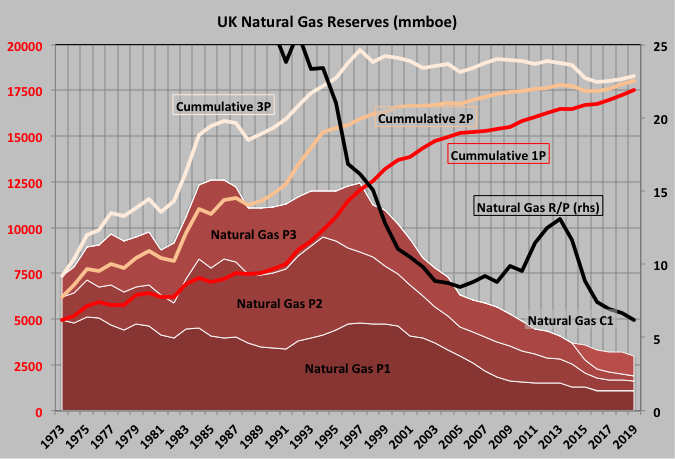
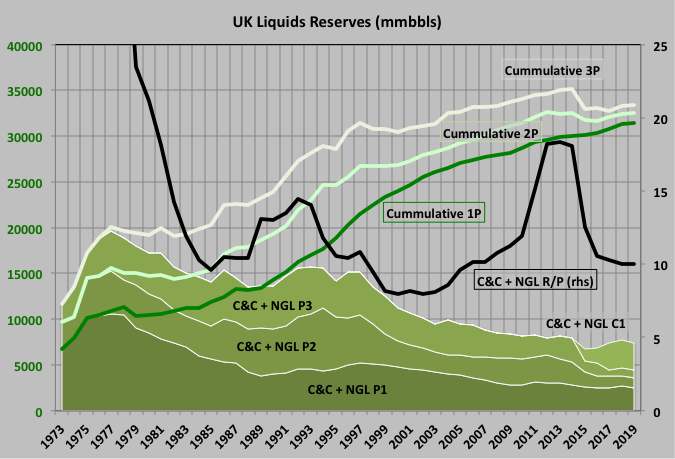
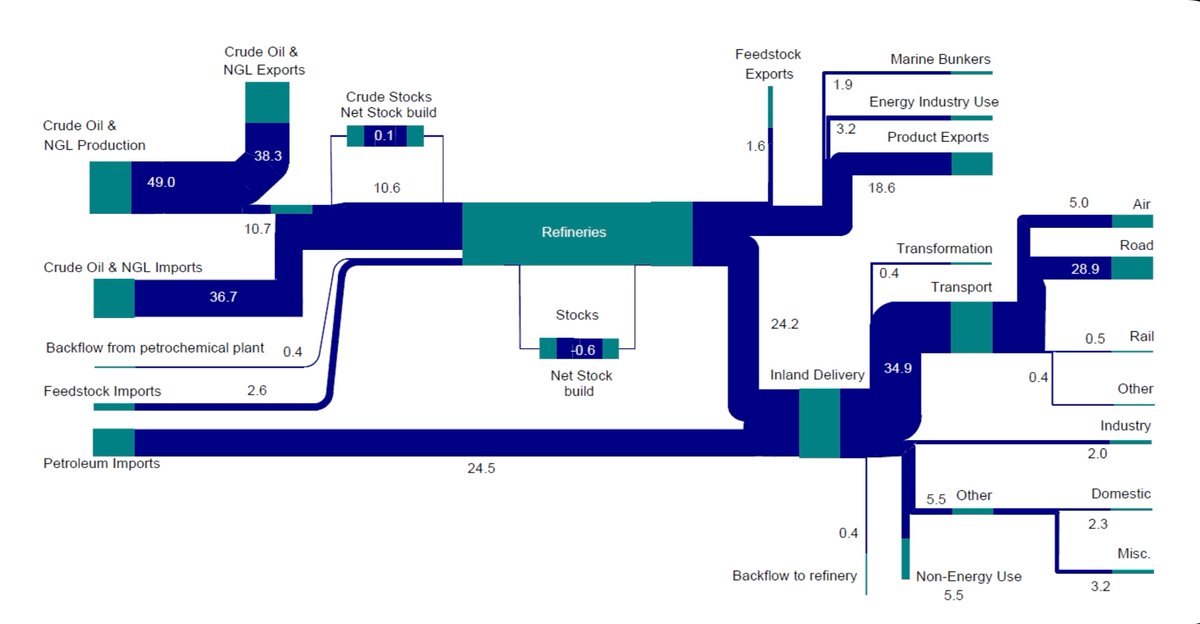
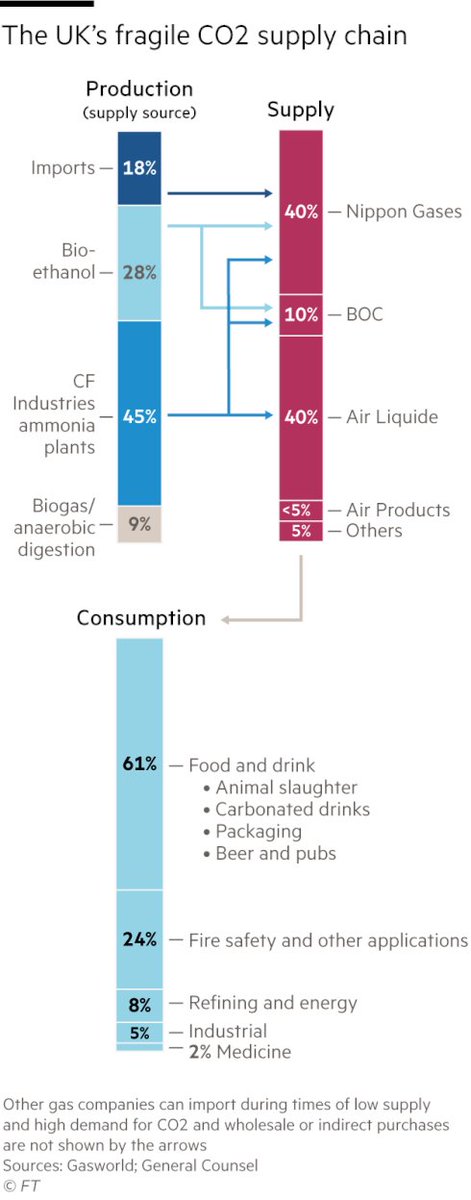
I'm just going to leave you with these, which I wanted to talk about, but I couldn't find a place for.
If I don't I'll start going deep into landfill gas extraction & storage, or the break-even point on fracking.
I'm just going to leave you with these, which I wanted to talk about, but I couldn't find a place for.
Addendum - many thanks to @kunley_drukpa and @LinManuelRwanda for encouraging me to post more.
And to @MavenPolitic for boosting my thread on the census.
Very decent fellows, all.
And to @MavenPolitic for boosting my thread on the census.
Very decent fellows, all.
Loading suggestions...