

7 communication frameworks to help you dominate any situation:
1. Situation - Complication - Question - Answer Framework
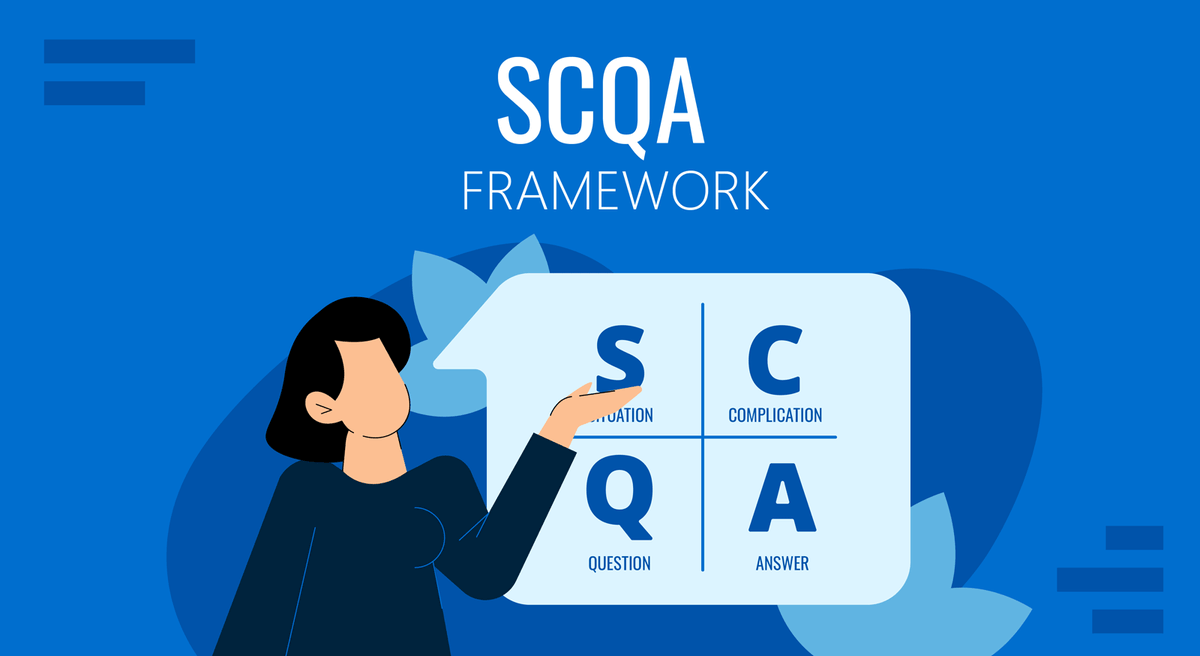
Situation - Complication - Question - Answer (SCQA) is a framework for solving complex problems.
Situation - Complication - Question - Answer (SCQA) is a framework for solving complex problems.
It can be used in various settings, from business to education to personal relationships.
The SCQA framework is designed to help you identify the root cause of a problem and then find a solution that meets the needs of all involved parties.
Here's how it works 👇👇
The SCQA framework is designed to help you identify the root cause of a problem and then find a solution that meets the needs of all involved parties.
Here's how it works 👇👇
Situation: Define the problem or challenge that you are facing.
Complication: Identify the factors that are making the situation more complex.
Question: Ask yourself what you need to do to solve the problem.
Answer: Develop a plan of action for addressing the situation.
Complication: Identify the factors that are making the situation more complex.
Question: Ask yourself what you need to do to solve the problem.
Answer: Develop a plan of action for addressing the situation.
This framework is a helpful tool for solving complex problems in a structured and effective way.
By following each step, you can ensure that you find a solution that meets the needs of all involved parties.
By following each step, you can ensure that you find a solution that meets the needs of all involved parties.
2. Pyramid Principle Framework
The Pyramid Principle is a simple yet powerful way to persuade your audience.
By starting with the most important information at the top of the pyramid, you can gradually convince your listener or reader of your point of view.
The Pyramid Principle is a simple yet powerful way to persuade your audience.
By starting with the most important information at the top of the pyramid, you can gradually convince your listener or reader of your point of view.

This technique is particularly effective when delivering a speech or presentation, as it allows you to focus on the most important points while providing supporting information.
It can also be used in written communications, such as memos or articles.
It can also be used in written communications, such as memos or articles.
When using this format, remember that your goal is to persuade your audience, not simply inform them.
Therefore, start with the most critical information and work your way down.
Therefore, start with the most critical information and work your way down.
Additionally, make sure that the information you include is relevant and convincing.
If you can do this, you'll be on your way to persuading your listeners.
If you can do this, you'll be on your way to persuading your listeners.
3. Heaths' SUCCESs Framework
When you want to make a lasting impression, use Heaths' SUCCESs mnemonic.
SUCCESs stands for Style, Uniqueness, Confidence, Connection, Energy, and Smile.
When you want to make a lasting impression, use Heaths' SUCCESs mnemonic.
SUCCESs stands for Style, Uniqueness, Confidence, Connection, Energy, and Smile.
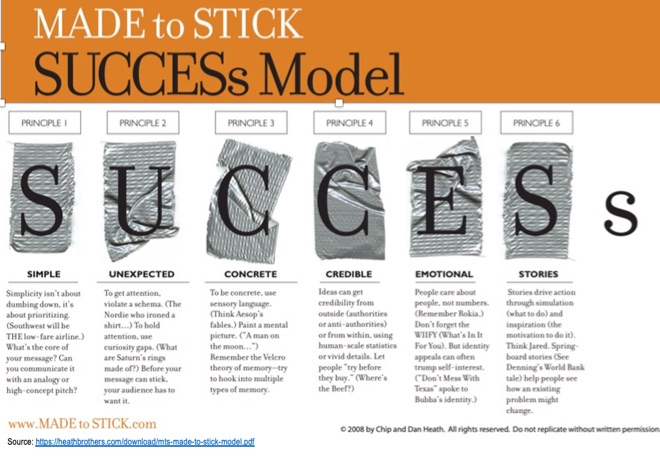
By focusing on these six elements, you can ensure that you leave a positive and lasting impression on those you meet.
Here's how it works 👇👇
Here's how it works 👇👇
Style: Make sure your appearance is neat and stylish.
Uniqueness: Find ways to stand out from the crowd.
Confidence: Believe in yourself and your ability to succeed.
Uniqueness: Find ways to stand out from the crowd.
Confidence: Believe in yourself and your ability to succeed.
Connection: Build rapport with others by showing interest in their lives and experiences.
Energy: Be positive and enthusiastic in your interactions with others.
Smile: Let your smile be the first thing people notice about you.
Energy: Be positive and enthusiastic in your interactions with others.
Smile: Let your smile be the first thing people notice about you.
By following these tips, you can make sure that you’ll be memorable and impactful.
With Heath's SUCCESs mnemonic, you can be remembered long after you've left the room.
With Heath's SUCCESs mnemonic, you can be remembered long after you've left the room.
4. Baile's SPIKES Framework
No one likes to break bad news, but sometimes it's necessary.
When delivering unpleasant news, use this framework with compassion and care.
No one likes to break bad news, but sometimes it's necessary.
When delivering unpleasant news, use this framework with compassion and care.
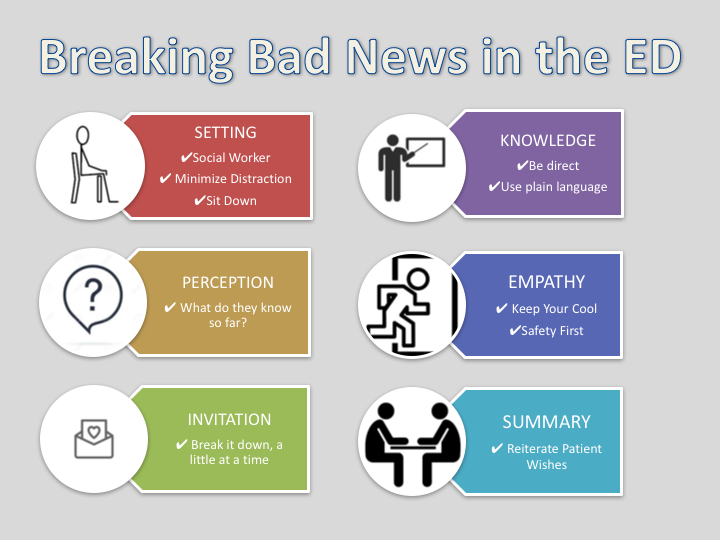
SPIKES stands for Situation, Perception, Impact, Knowledge, Emotion, and Strategy.
This six-step process can help you deliver bad news clearly, concisely, and respectfully.
Here's how it works 👇👇
This six-step process can help you deliver bad news clearly, concisely, and respectfully.
Here's how it works 👇👇
Situation: Briefly describe the situation you are delivering the bad news about.
Perception: Explain how the situation appears from your perspective.
Impact: Describe the impact of the situation on yourself and others.
Perception: Explain how the situation appears from your perspective.
Impact: Describe the impact of the situation on yourself and others.
Knowledge: Share any relevant information that may help the listener understand the situation.
Emotion: Acknowledge the emotions that come with receiving bad news.
Emotion: Acknowledge the emotions that come with receiving bad news.
Strategy: Offer a plan of action for moving forward.
By following these steps, you can ensure that you deliver bad news in a respectful way that considers the needs of others.
By following these steps, you can ensure that you deliver bad news in a respectful way that considers the needs of others.
5. Open Disclosure Framework
Making mistakes is a part of life, but learning from them is essential.
This framework can help you do just that.
It consists of four steps 👇👇
Making mistakes is a part of life, but learning from them is essential.
This framework can help you do just that.
It consists of four steps 👇👇
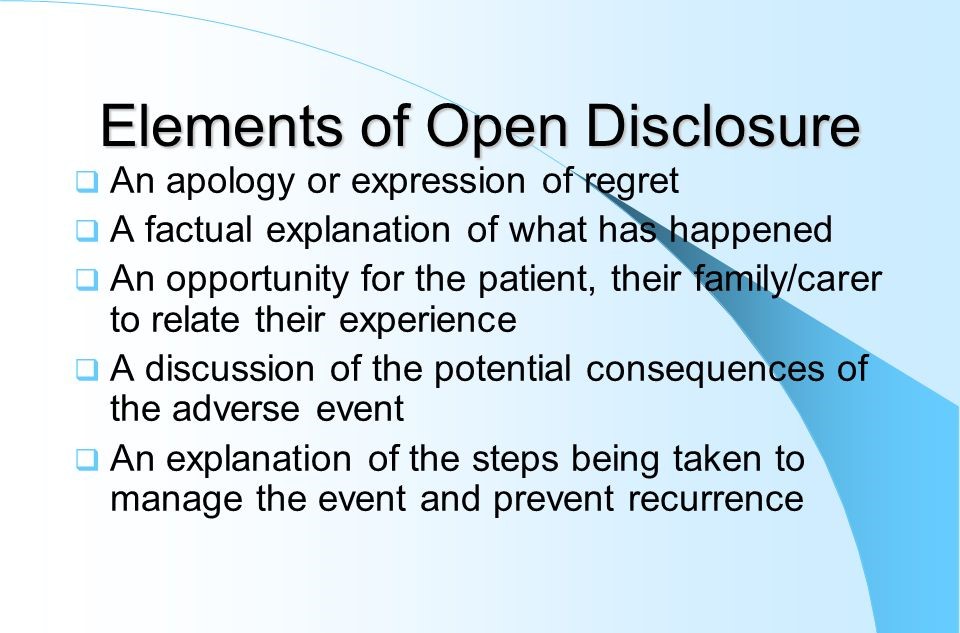
1. Acknowledge your mistake.
2. Apologize for your mistake.
3. Explain what you will do to prevent the mistake from happening again.
4. Thank the other person for their patience and understanding.
2. Apologize for your mistake.
3. Explain what you will do to prevent the mistake from happening again.
4. Thank the other person for their patience and understanding.
By following these steps, you can admit your mistakes in a respectful and effective way.
This framework can help you improve your relationships and communication with others.
This framework can help you improve your relationships and communication with others.
6. Pendelton's negative feedback
Giving feedback can be difficult, but it's important to do it in a way that is respectful and constructive.
This framework can help you do just that.
It consists of four steps 👇👇
Giving feedback can be difficult, but it's important to do it in a way that is respectful and constructive.
This framework can help you do just that.
It consists of four steps 👇👇
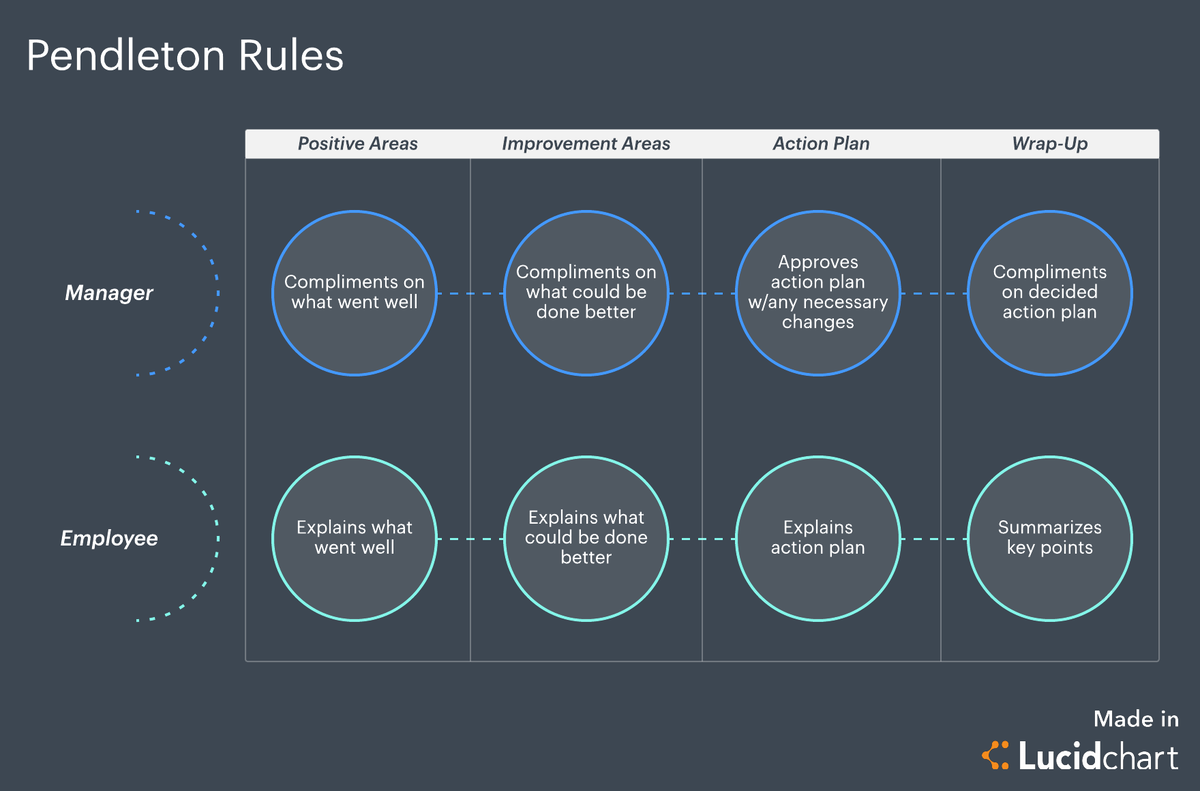
1. Acknowledge the other person's feelings.
2. Express your feelings about the situation.
3. Describe the behavior that you would like to see changed.
4. Offer a solution or suggestion for how to change the behavior.
2. Express your feelings about the situation.
3. Describe the behavior that you would like to see changed.
4. Offer a solution or suggestion for how to change the behavior.
By following these steps, you can give respectful and helpful feedback.
Pendelton's framework will help you improve your relationships and communication with others.
Pendelton's framework will help you improve your relationships and communication with others.
7. Learn William Ury's power of a positive no
This one may seem odd at first, but trust me, it works.
Avoid saying 'no', by saying👇
Yes! No. Yes?
This one may seem odd at first, but trust me, it works.
Avoid saying 'no', by saying👇
Yes! No. Yes?
'Yes!' to outline the core value behind your no
A clear 'no' to create boundaries and be strong
A 'yes?' to present a feasible alternative that meets your need
Saying 'no' can be difficult, but it's important to learn how to do it in a way that is respectful and effective.
A clear 'no' to create boundaries and be strong
A 'yes?' to present a feasible alternative that meets your need
Saying 'no' can be difficult, but it's important to learn how to do it in a way that is respectful and effective.
This framework can help you do just that.
By following it, you can ensure that you are clear and concise in your communication while still maintaining respect for the other person.
Here's how it works 👇👇
By following it, you can ensure that you are clear and concise in your communication while still maintaining respect for the other person.
Here's how it works 👇👇
Yes!: Outline the core value behind your no.
No: Be clear and concise in your communication.
Yes?: Present a feasible alternative that meets your need.
By following these steps, you can learn to say 'no' in a positive and effective way.
No: Be clear and concise in your communication.
Yes?: Present a feasible alternative that meets your need.
By following these steps, you can learn to say 'no' in a positive and effective way.
Summary:
1. Situation - Complication - Question - Answer Framework
2. Pyramid Principle Framework
3. Heaths' SUCCESs Framework
4. Baile's SPIKES Framework
5. Open Disclosure Framework
6. Pendelton's negative feedback
7. Learn William Ury's power of a positive no
1. Situation - Complication - Question - Answer Framework
2. Pyramid Principle Framework
3. Heaths' SUCCESs Framework
4. Baile's SPIKES Framework
5. Open Disclosure Framework
6. Pendelton's negative feedback
7. Learn William Ury's power of a positive no
This is the type of thread to bookmark and refer to it another day.
I’ve learned these over years of trying to become a better communicator.
Don’t expect to learn them in one day.
Bookmark this and come back later.
I’ve learned these over years of trying to become a better communicator.
Don’t expect to learn them in one day.
Bookmark this and come back later.
Thank you for reading this thread.
If you found value, please RT the first tweet.
Follow @pechacek_amy for more on mindset, leadership, and habit-building.
If you found value, please RT the first tweet.
Follow @pechacek_amy for more on mindset, leadership, and habit-building.
Loading suggestions...