

Today, in 52 BC, Julius Caesar’s legions besieged Vercingetorix & his Gallic army at the fortress of Alesia.
This battle would be the dramatic climax of the centuries-long conflict between the Gauls & Romans with immense consequences for the future of the Gauls, Rome, & Caesar.
This battle would be the dramatic climax of the centuries-long conflict between the Gauls & Romans with immense consequences for the future of the Gauls, Rome, & Caesar.
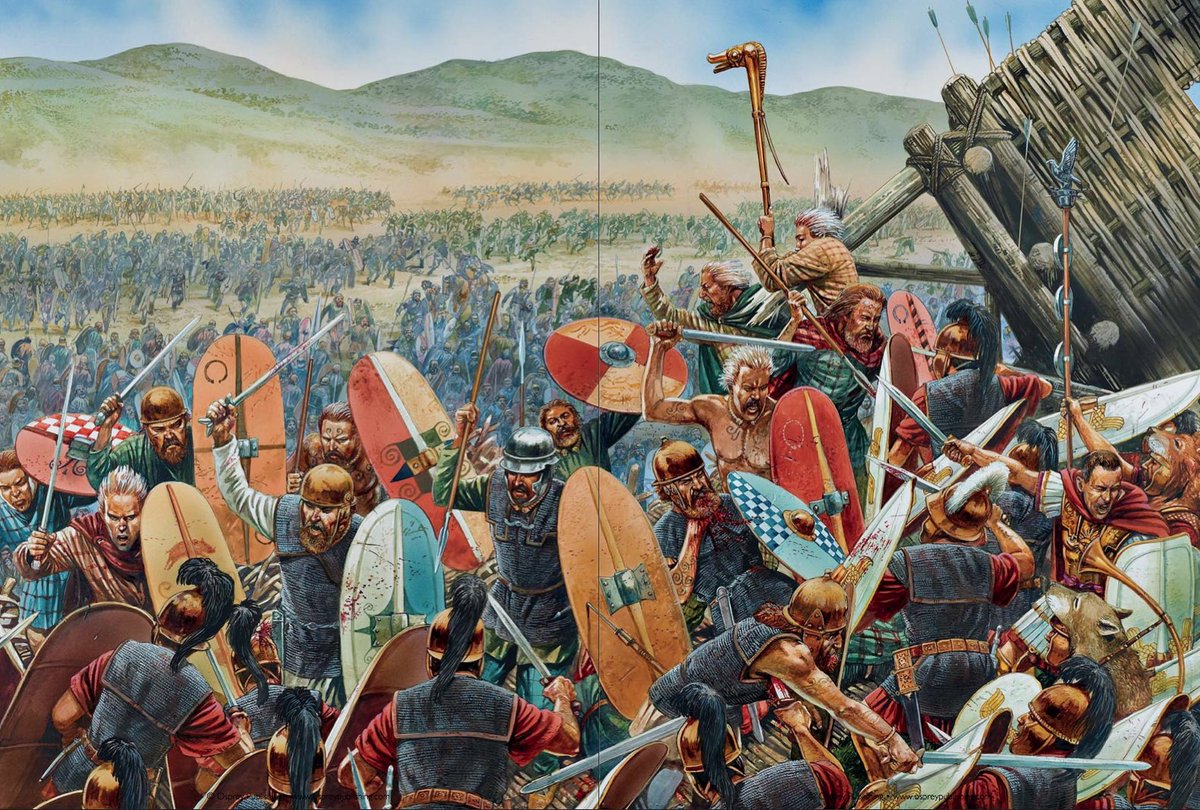
The Romans feared the Gauls, probably more than their arch-nemesis Carthage. The barbarian hordes to the North were alien & ferocious in ways the Punic merchants & seamen weren’t. Hannibal relied on these warriors to augment his army in Italy, reinforcing their feared image.
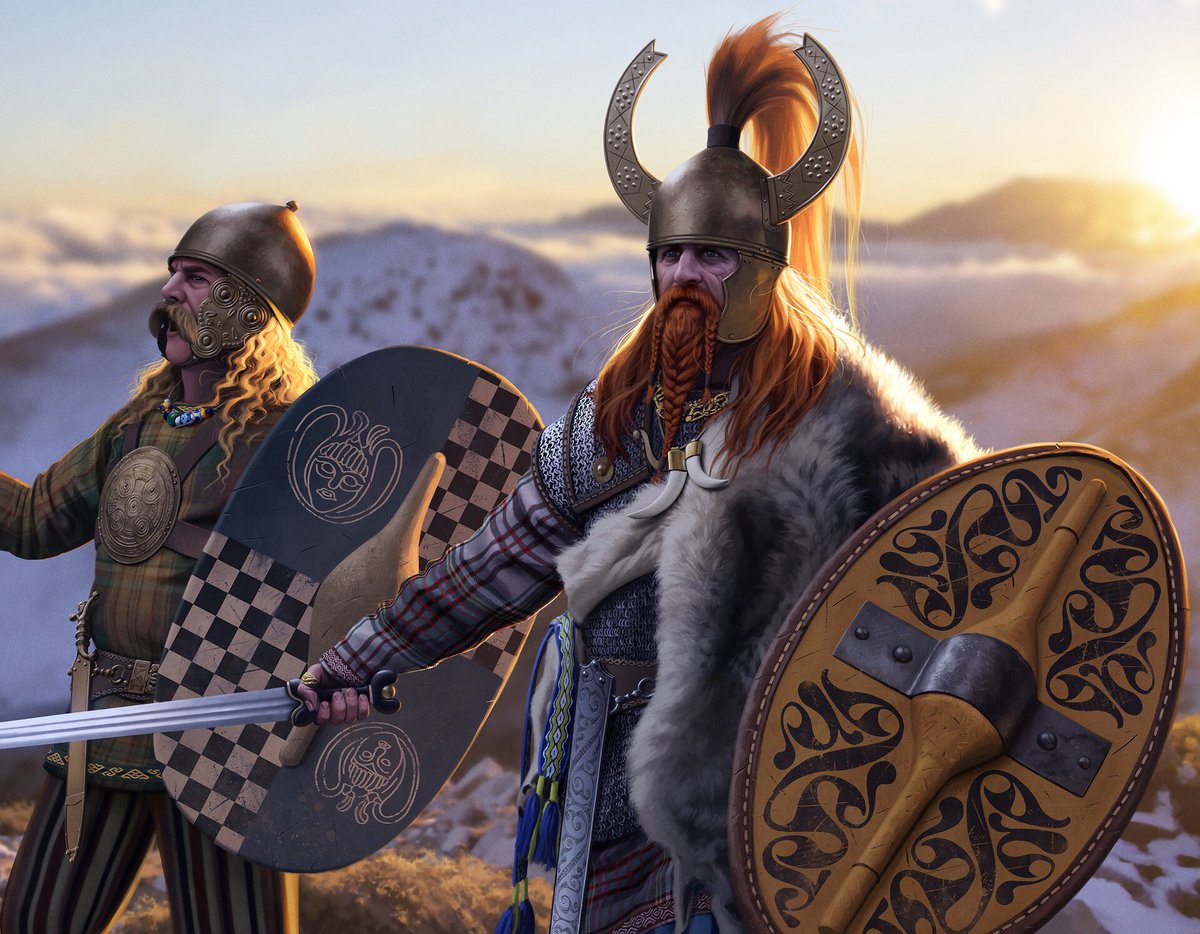
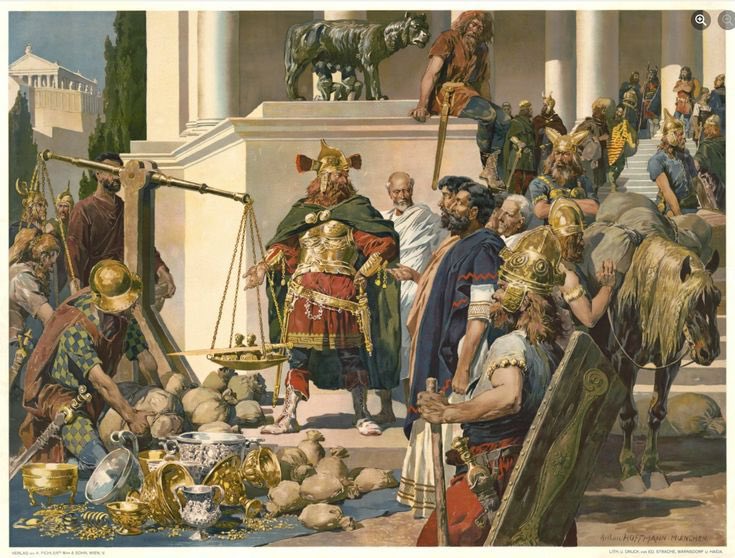
The Gauls also achieved what Hannibal never could, the capture of Rome. In 390 BC, the Gallic chieftain Brennus crushed a Roman army at Allia & sacked the city. Only some defenders on Capitoline Hill were able to resist, alerted by Juno’s geese of a Gallic night attack.

When the Romans protested the amount of gold Brennus required to leave the city, he threw his sword onto the scales and remarked, “Vae Victis,” “Woe to the vanquished.” The Romans never forgot or forgave this traumatic episode.
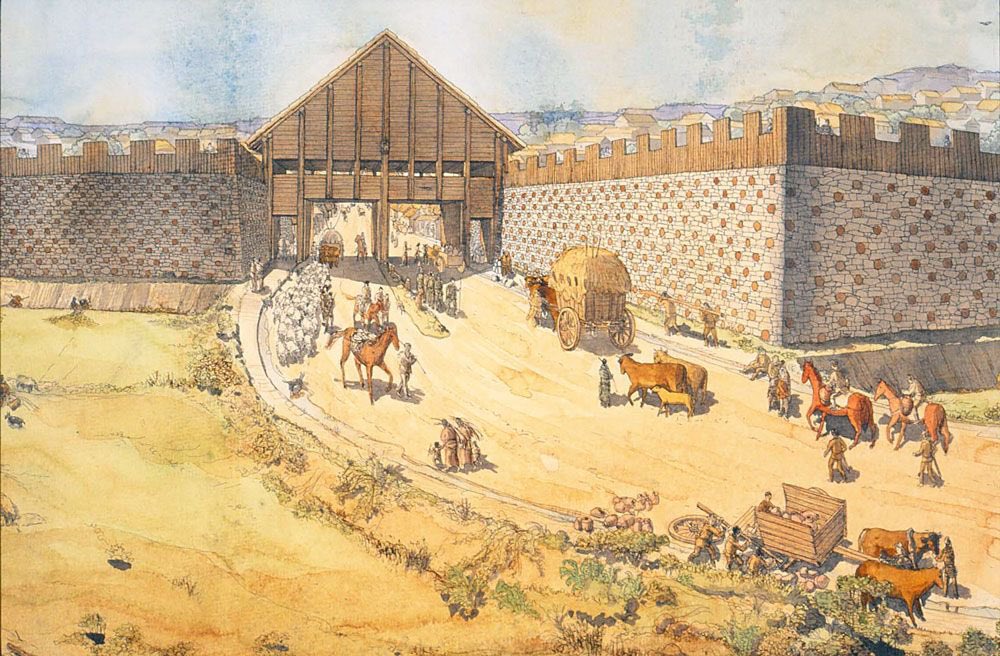
As Rome’s power grew she conquered the Celts of Italy & the southern coast of France. Gaul, closer to Roman borders, was not simply a Stygian territory, but one of sophisticated art, rich culture, centralizing states, coinage, international trade, & increasing Romanization.
However, fears of barbarian migrations & latent Celtic power haunted Rome. Memories of the Cimbrian War, Brennus, & Hannibal’s Celts flooded into the minds of the Romans when the Helvetii, Celts of Switzerland, decided to migrate thanks to increasing pressure from Germanic tribes
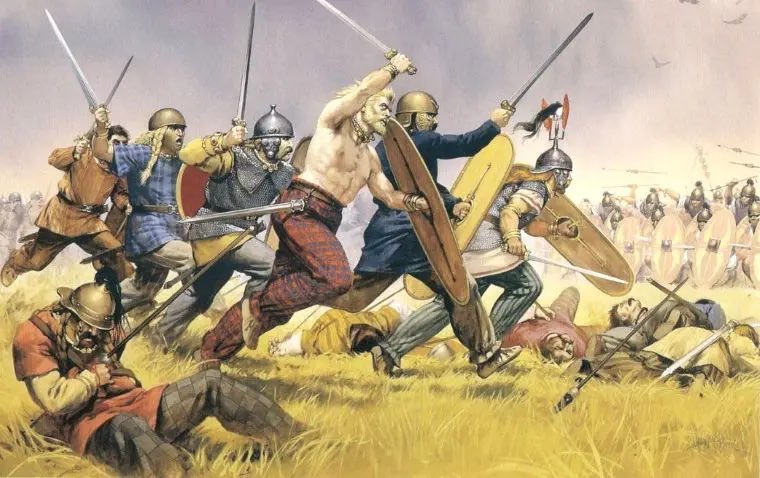
The Romans, preferring the Gauls as neighbors to the Germans, didn’t support the migration. Julius Caesar, the governor of Transalpine Gaul (southern France), sensed an opportunity. He forbid the Helvetii from migrating through Roman land & as they skirted his province, attacked.
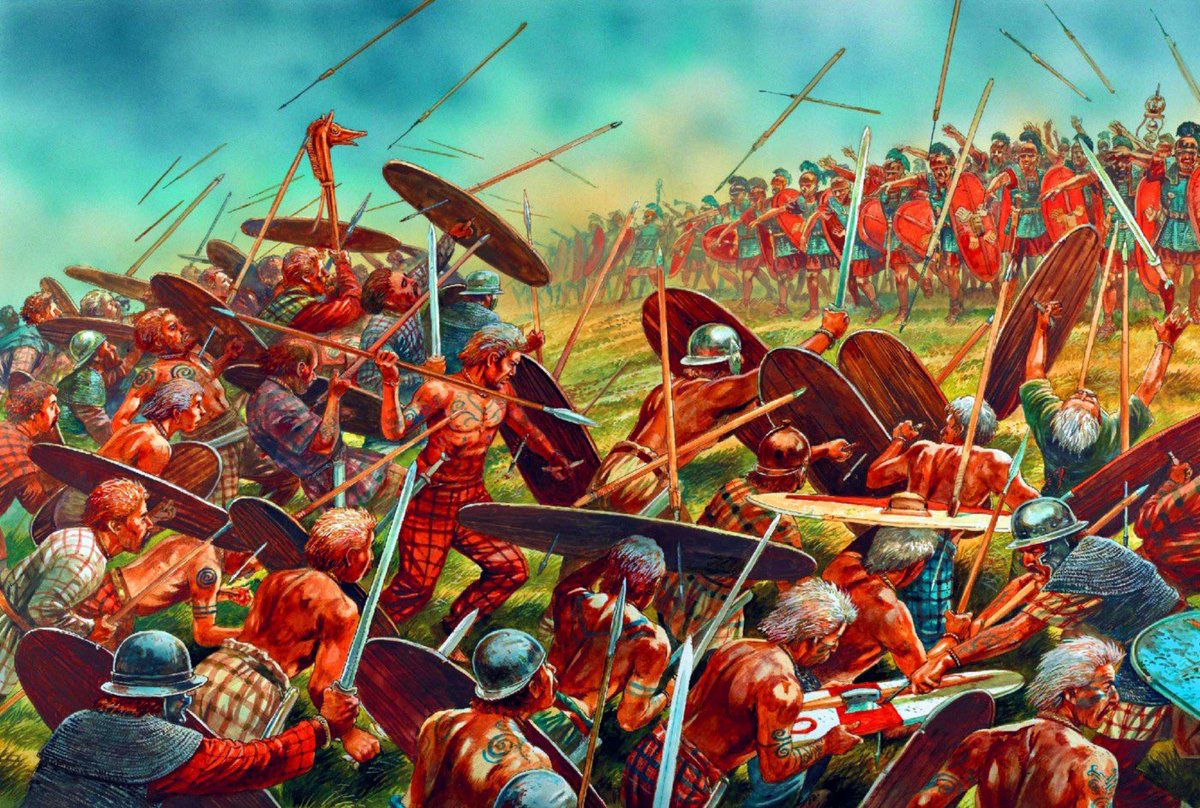
The Gauls whose land the Helvetii had trespassed on had called Caesar to defend them & he did, annihilating the Helvetii & then the Suebi at the behest of his Gallic allies, in opposition to Roman policy, & to win glory for himself in pursuit of greater power.
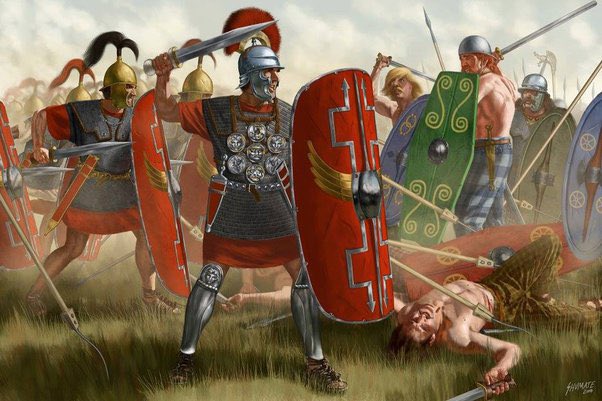
Caesar continued his interventions in Gaul in the following years, conquering the tribes one by one. Such victories won him fame, fortune, prestige & new, jealous enemies in Rome. After 52 BC’s brutal campaign, Caesar effectively made Gaul a Roman province. This alarmed the Gauls
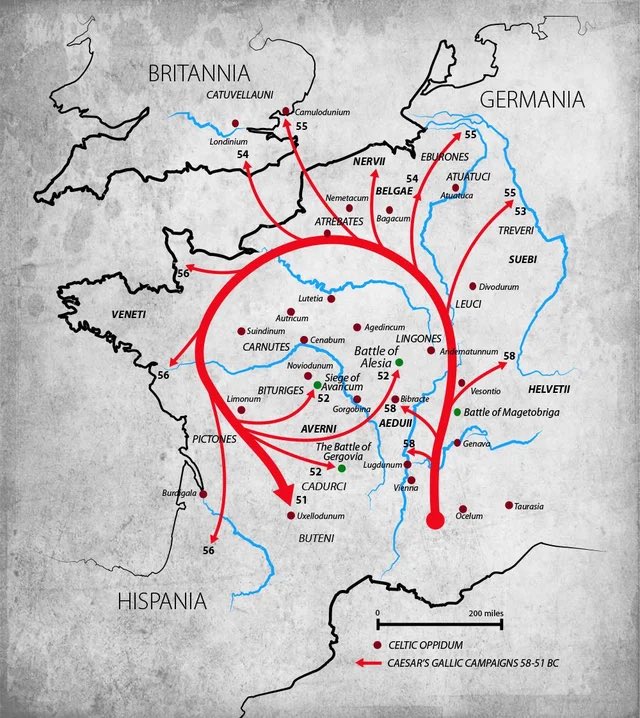
Fearing complete subjugation & infringement on the Druidic rites that occurred annually on their sacred land, the Gauls united behind the Arvenian King, Vercingetorix. Facing a unified Gaul was Caesar’s greatest threat thus far & Caesar was defeated at the Battle of Gergovia.
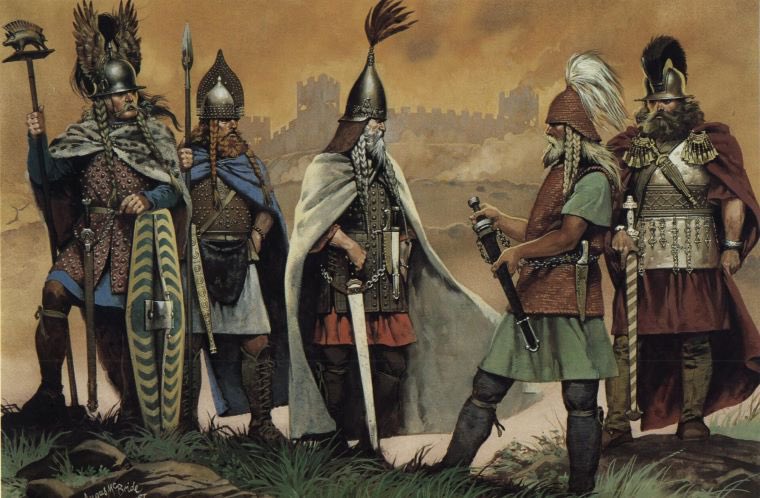
Caesar soon reversed his fortunes & defeated the Gauls at Vingeanne, pursuing Vercingetorix to the imposing oppidum of Alesia. Caesar, far from his base & without viable supply lines was vulnerable & the Gauls hoped to crush him between the walls of Alesia & their armies.
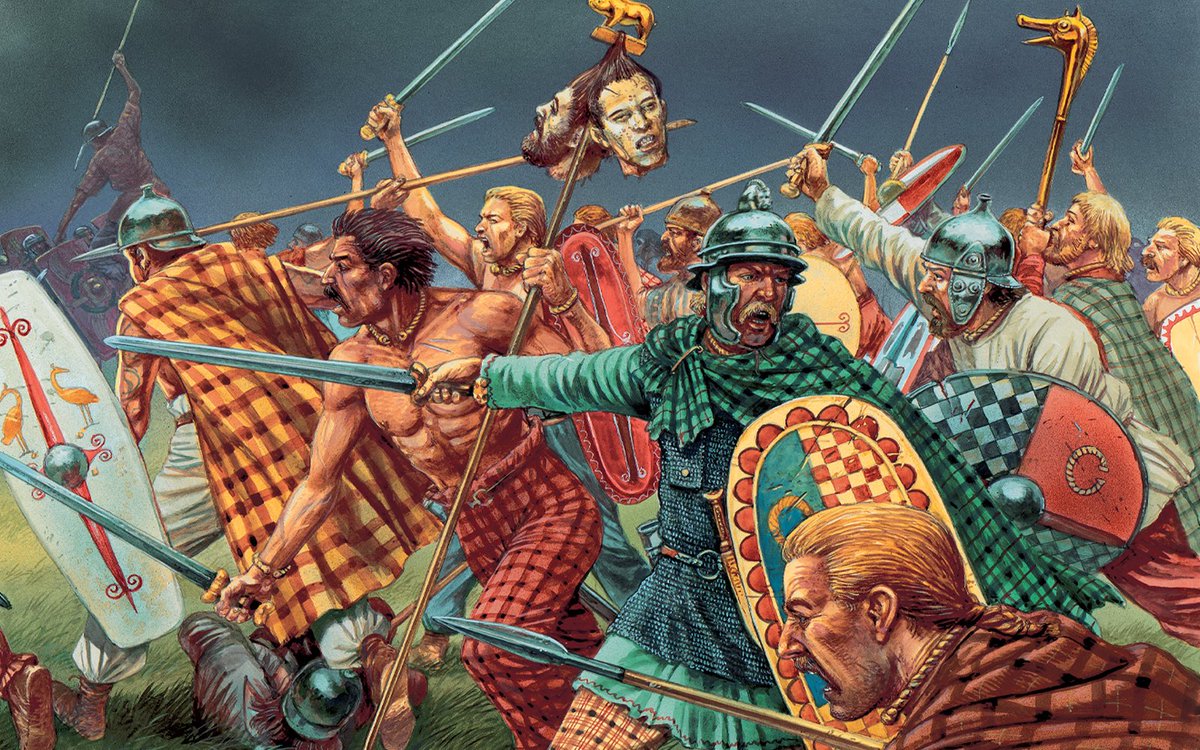
Vercingetorix underestimated the legions. Caesar erected massive siege works to cut off the 80,000 defenders of Alesia & threaten them with starvation. When Caesar heard of the relief army Vercingetorix had sent for, his men built a second line of fortifications facing outward.
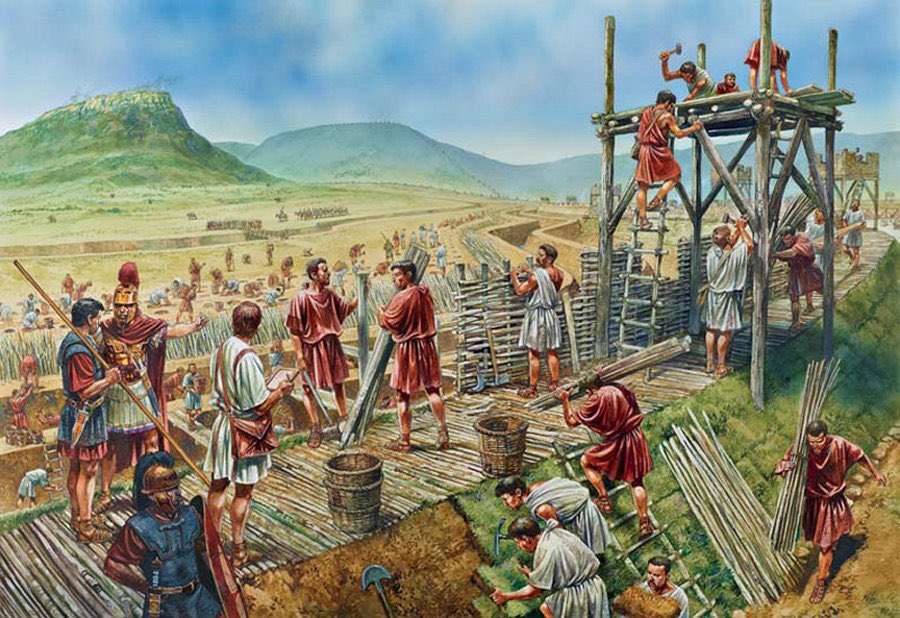
In September 52 BC, Caesar’s men had built an astounding 25 miles of fortifications complete with trenches, moats, stakes, palisades, watch towers, and battlements while fending off Gallic sorties & scouring the surrounding area for food & timber.
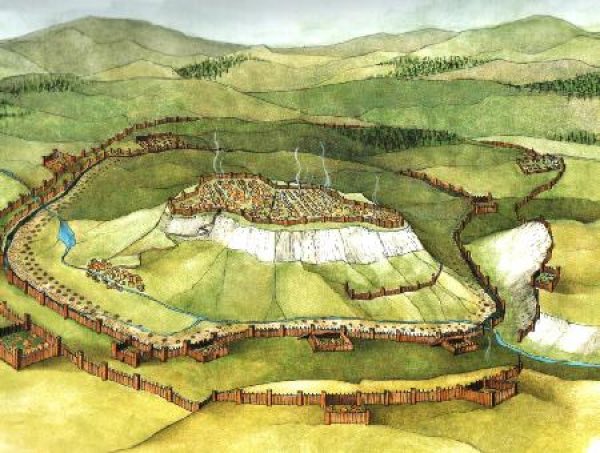
The noose around Vercingetorix tightened all the time. With 80,000 defenders plus civilians in Alesia, starvation was a fast-approaching reality for Vercingetorix. First the food was rationed, then the old & sick evicted, then the wives & children of the warriors were sent away.
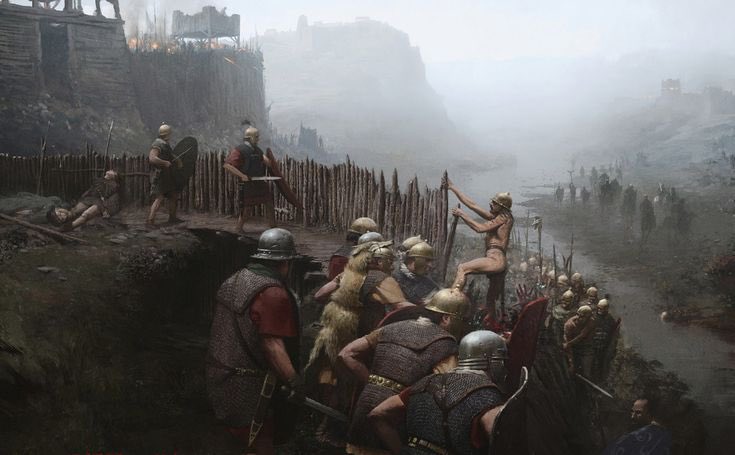
Vercingetorix hoped Caesar would accept these people into his camp in order to enslave them & run down his own supplies of grain, but Caesar refused & tens of thousands of starving Gauls languished in the no-man’s land between Alesia & Caesar.
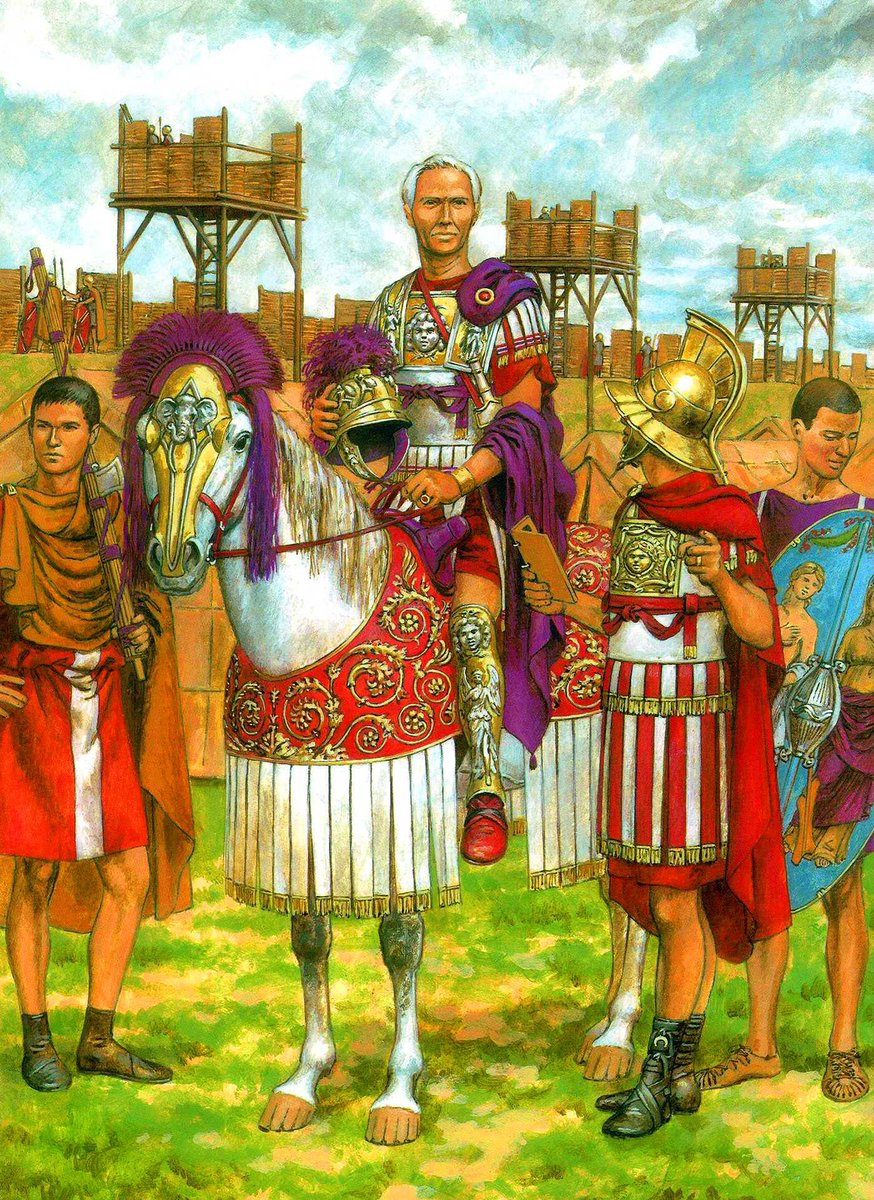
The Gauls repeatedly assaulted the siege works, looking for any weakness to exploit. The relief army & Vercingetorix’s men in Alesia attempted to coordinate their attacks to overwhelm the outnumbered Romans & crush Caesar’s bloodied & isolated army.
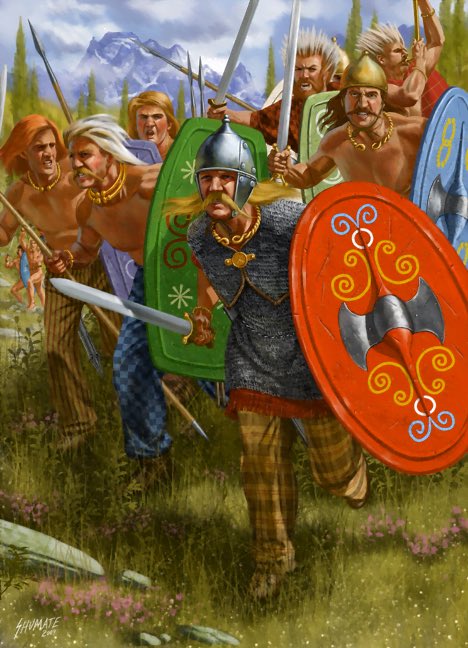
However, Caesar’s men stood firm. Caesar repositioned his troops adroitly to counter any Gallic attacks, the massive fortifications slowing & softening any assaults made on the Roman lines.
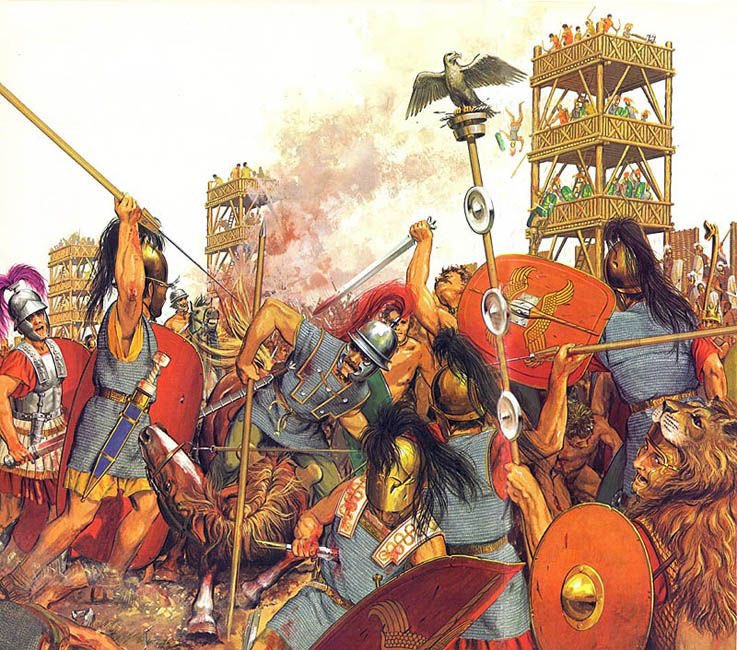
The Gauls would mass disorganized charges & plunge toward trenches, stakes, moats, & palisades under withering javelins, ballista bolts, & arrows only to reach lines of disclipned legionaries, gladius in hand, or devastating cavalry charges.
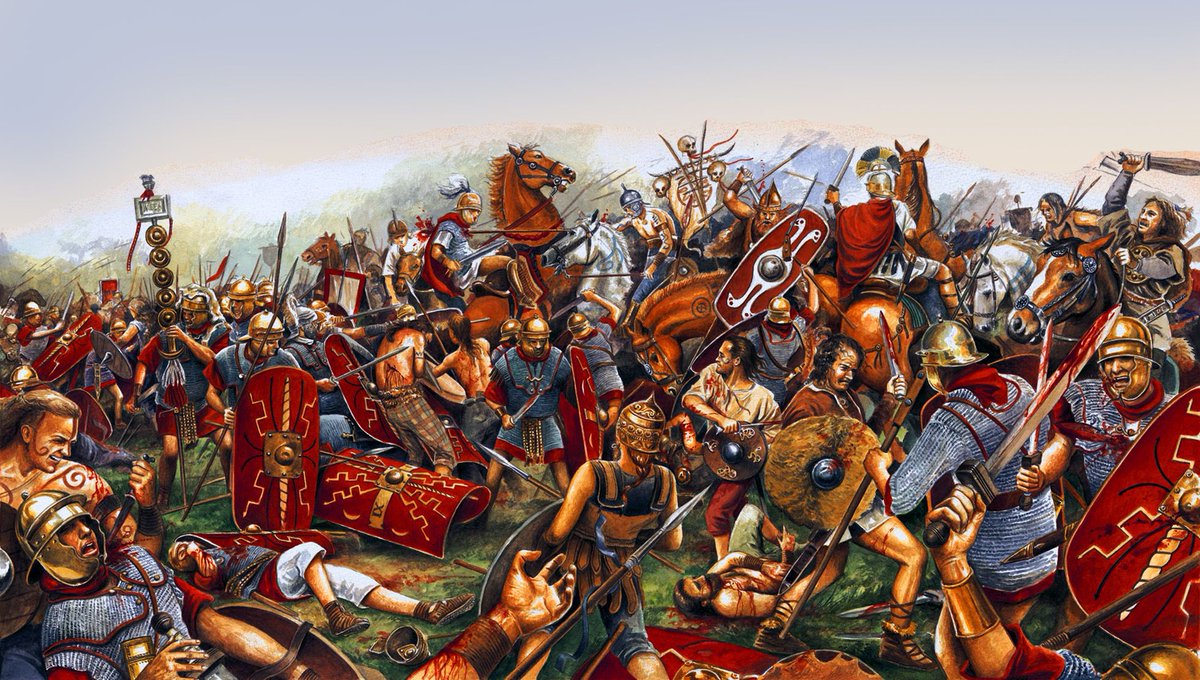
The Gauls finally found a weakness in the fortifications: a hill that was too steep to place siege works on. At dawn 60,000 warriors charged the position & Vercingetorix led a sally out to the position as well, trying to make contact with the relief force and crush Caesar.
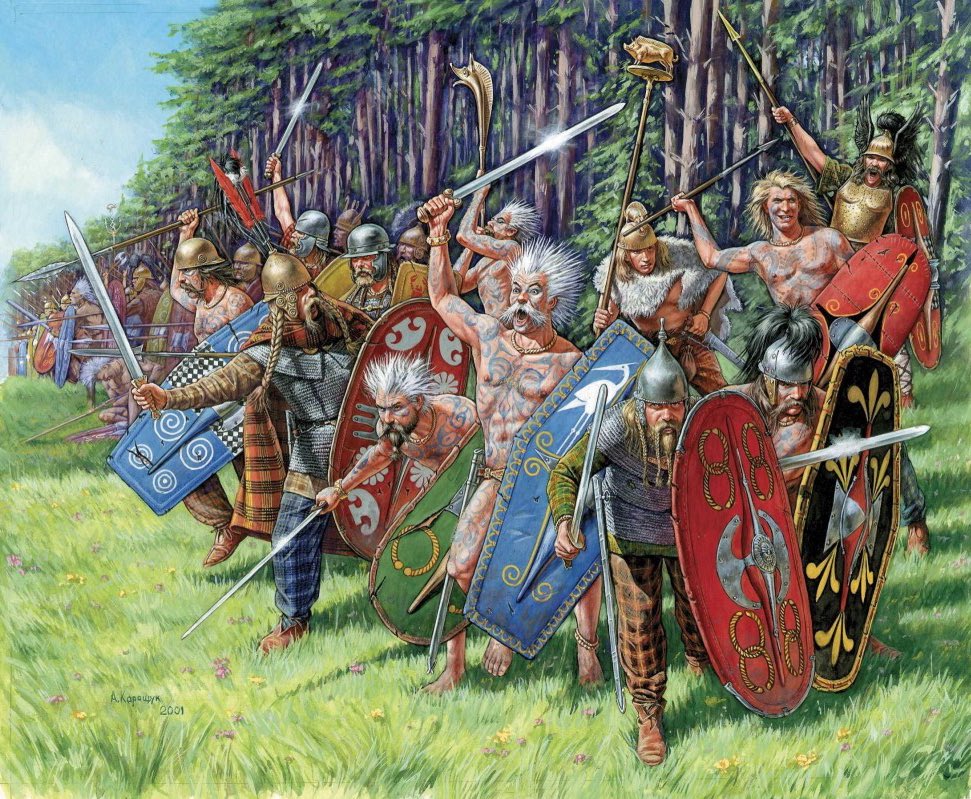
Caesar sent all the cavalry he could, including six cohorts under Brutus. The defenses buckled, about to break when Caesar arrived at the head of fresh troops, repelling the assault. Caesar then attacked another Gallic force that threatened to annihilate Labienus’s men.
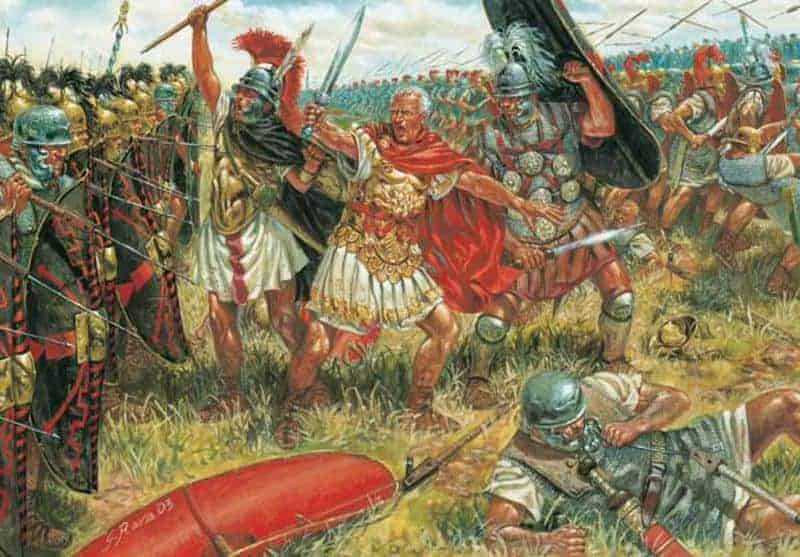
Caesar’s cavalry crashed into the rear of the Gauls & they pursued them far beyond the fortifications, slaughtering many. Vercingetorix’s troops retreated, their hopes of a breakout dashed. Knowing the starving men of Alesia were doomed, Vercingetorix surrendered.
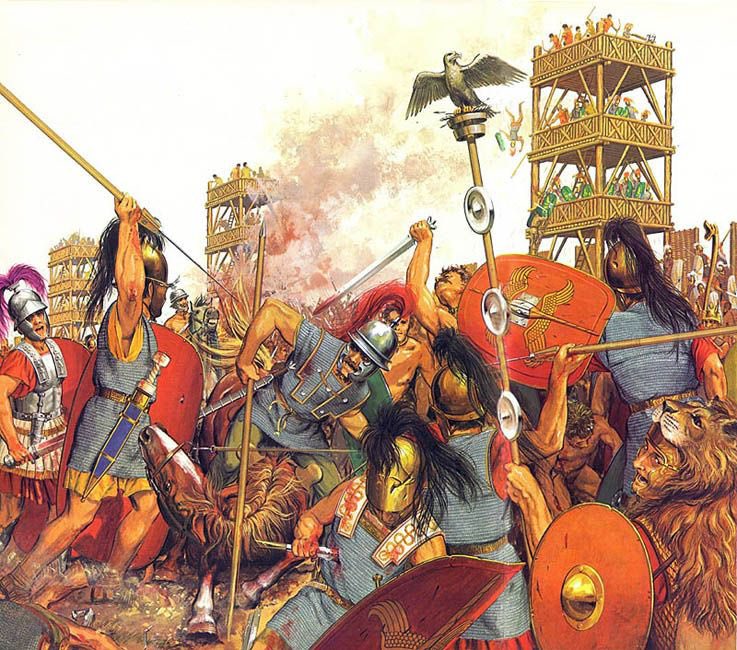
Plutarch records the last great chieftain of the Gauls mounted his most beautiful horse adorned in finery, approached Julius who was sitting before his formed-up legions. Vercingetorix stripped himself of his armor & sat at Caesar’s feet, not moving until he was carried away.
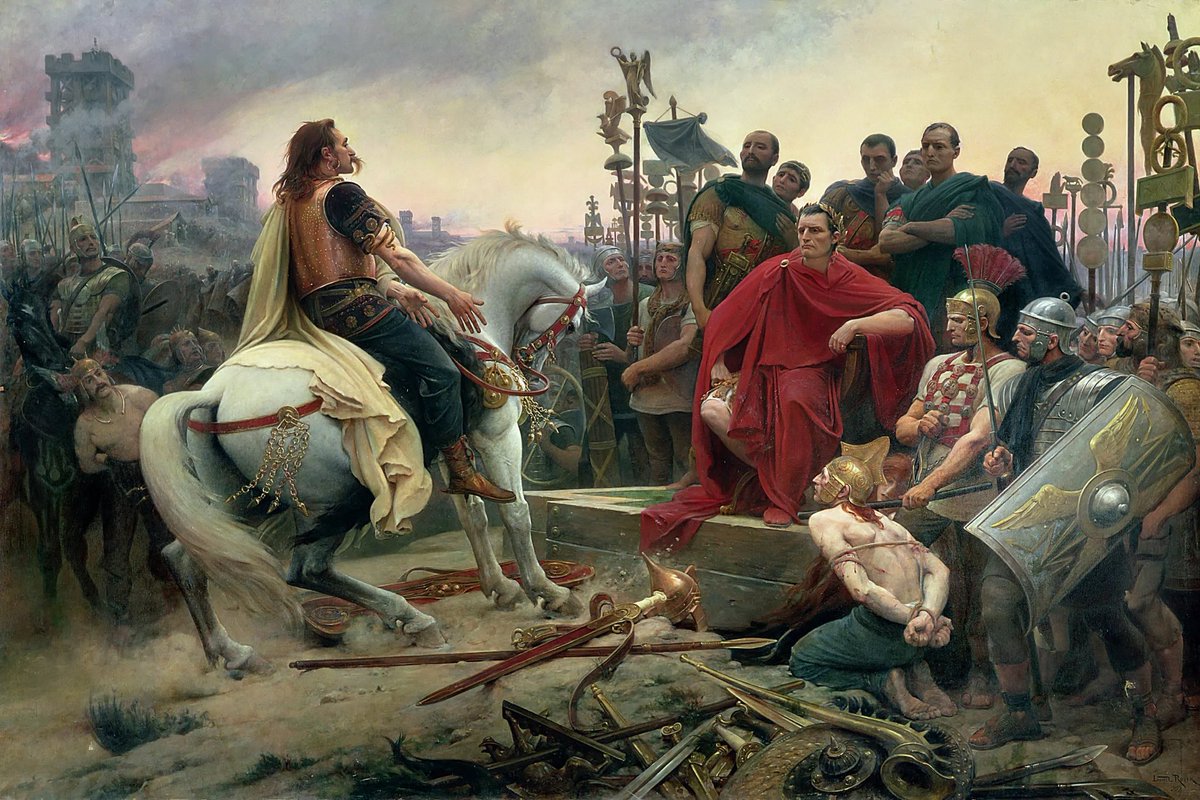
This victory would be one of Caesar’s finest moments & one of Rome’s most impressive victories, showcasing the engineering prowess & toughness of her legions. Even after this stunning victory, Caesar was denied a triumph by his political enemies.
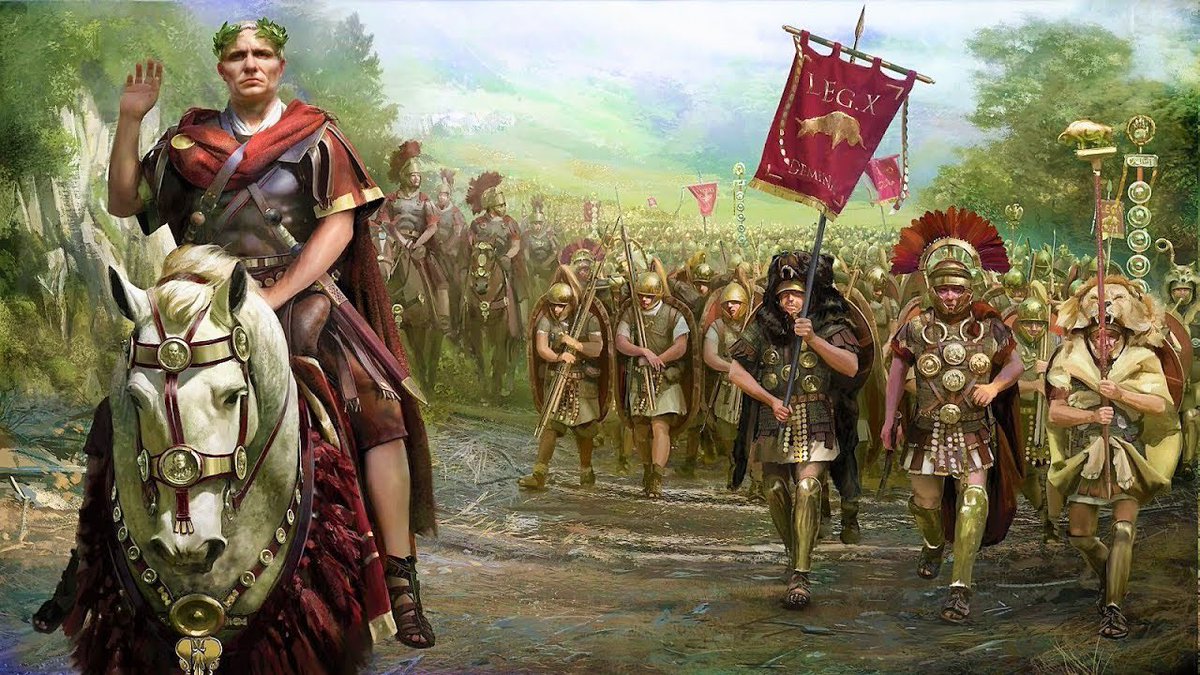
Tensions between Caesar & Pompey, his political rival, will escalate into civil war. Caesar’s victory, assassination, & the rise of his successor Augustus will spell the end of the Roman Republic & beginning of the Empire.
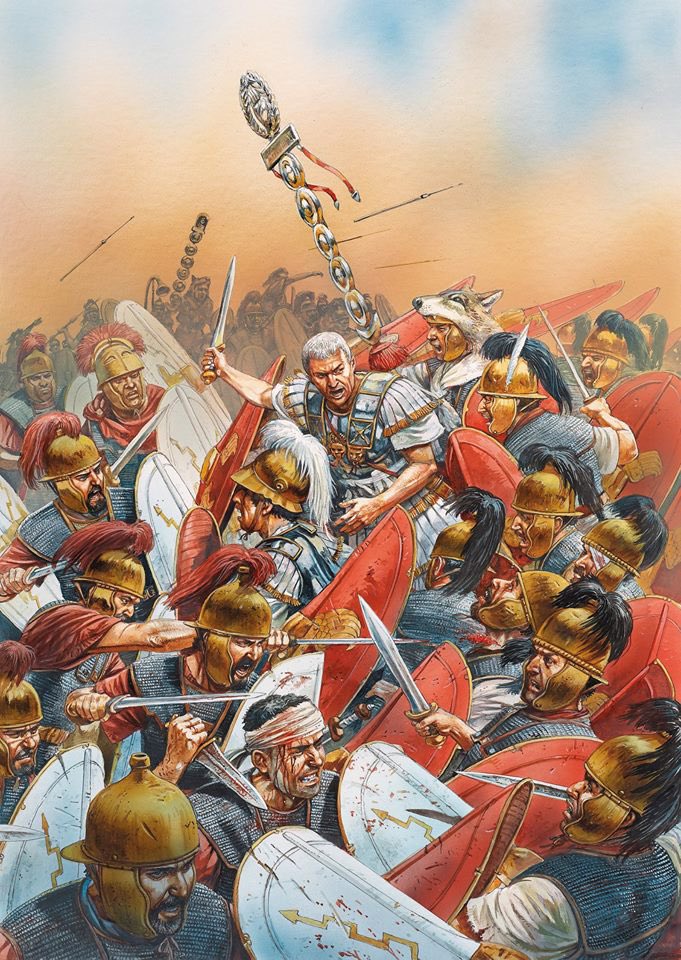
This can be attributed, in part, to Caesar’s total success in Gaul providing him with public adoration, glory, riches, & loyal veterans destabilizing the delicate balance of power in Rome. As for Gaul, its Celtic character will melt away as it Romanized under the Empire’s rule.
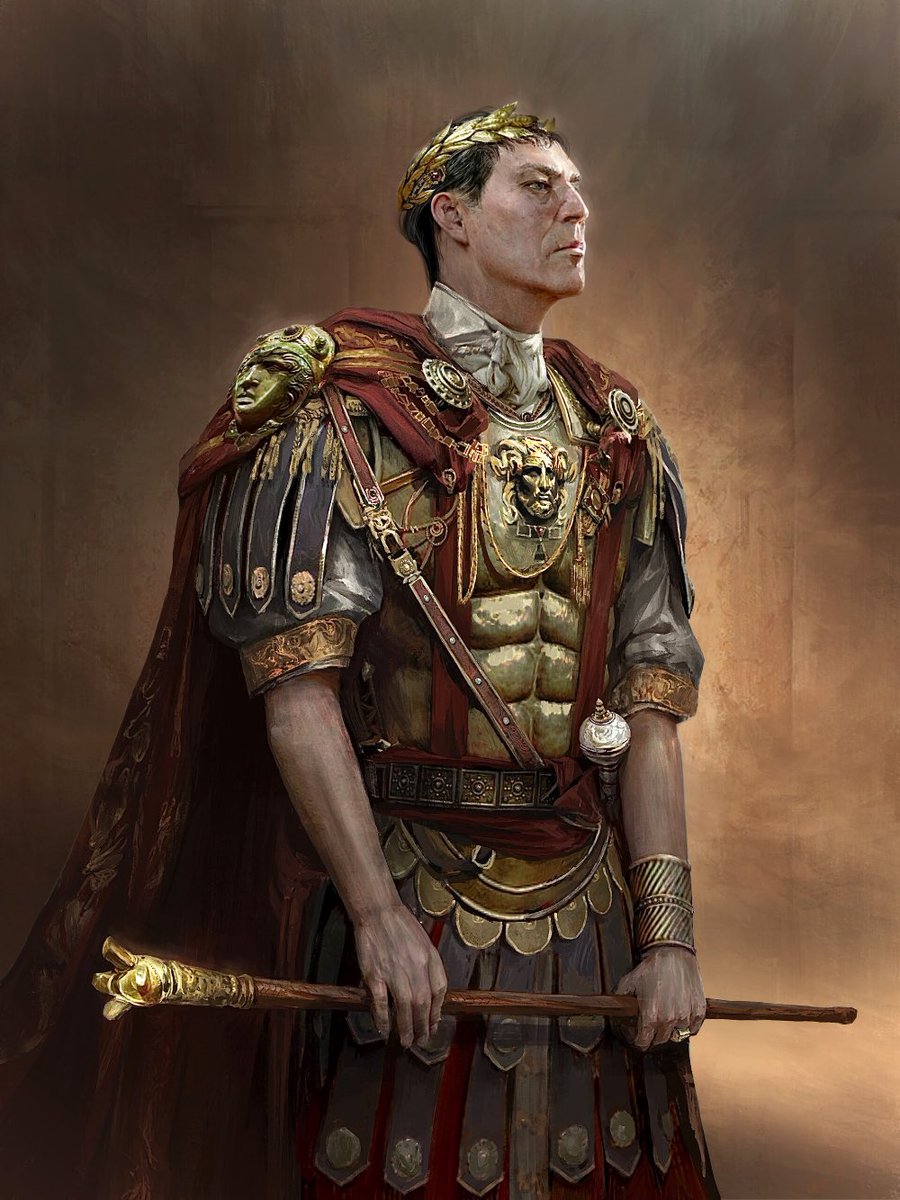
Gaul will become France & speak French, a Romance language descended from Latin. Caesar’s hard fought victory at Alesia assured this; a Roman future for much of continental Europe & the marginalization of the once dominant Celts to the misty edges of the continent.

Loading suggestions...