

Studying the Hanafi Madhab:
There are many different ways on how a student can approach the study of the Madhab, and different syllabi are utilized in various madaris and are prioritized over others depending on the country, the madrasa, the teacher etc. Present below will be one t.co
There are many different ways on how a student can approach the study of the Madhab, and different syllabi are utilized in various madaris and are prioritized over others depending on the country, the madrasa, the teacher etc. Present below will be one t.co

ordering of books to study, in which the student should master one book before moving on to the next, otherwise the order won't be of much benefit. Since this is one ordering, of course many people will disagree on certain books, and would rearrange them or choose another book.
1- Beginner Book on Hanafi Fiqh in Ibaadat
*It is ideal to study with a qualified teacher.
One could start with the study of Imam Maydani's Isaf al-Muridin, the Believers Guide published by Heritage Press, Maraqi al-Sa'adat of Imam Shurunbulali translated as Ascent to Felicity.
*It is ideal to study with a qualified teacher.
One could start with the study of Imam Maydani's Isaf al-Muridin, the Believers Guide published by Heritage Press, Maraqi al-Sa'adat of Imam Shurunbulali translated as Ascent to Felicity.
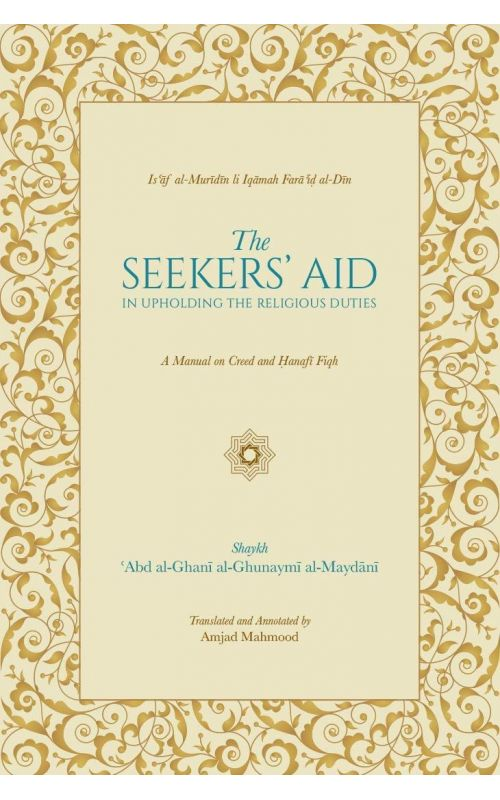
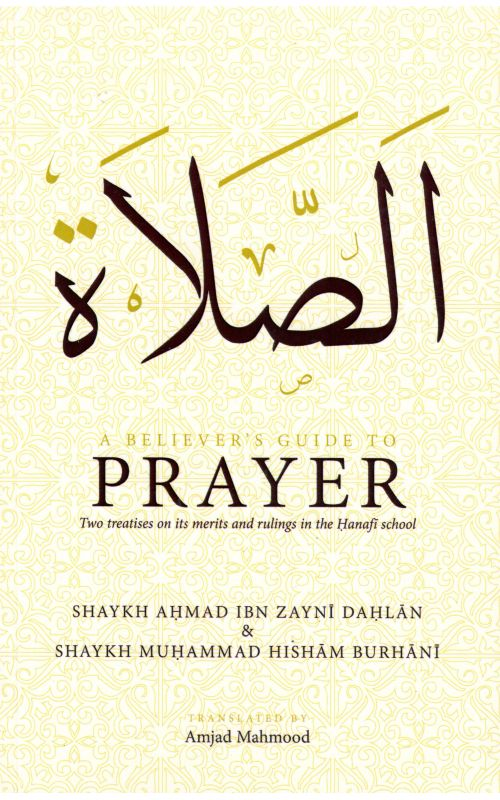
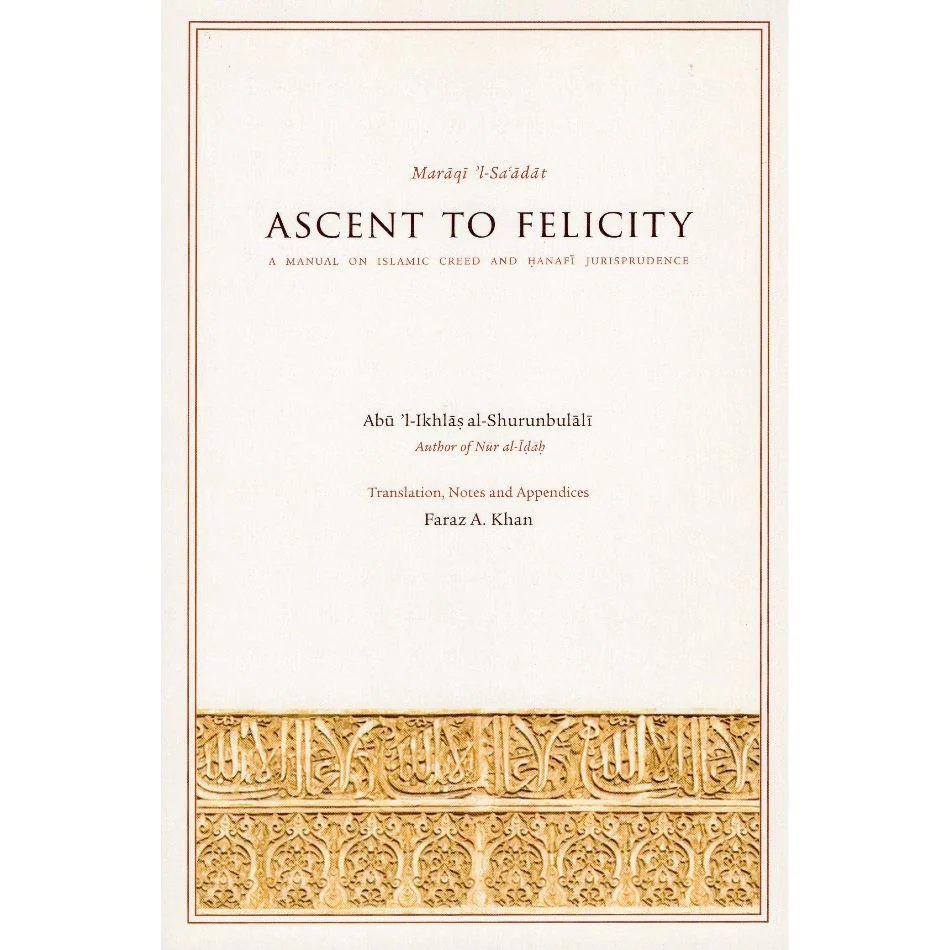
2-
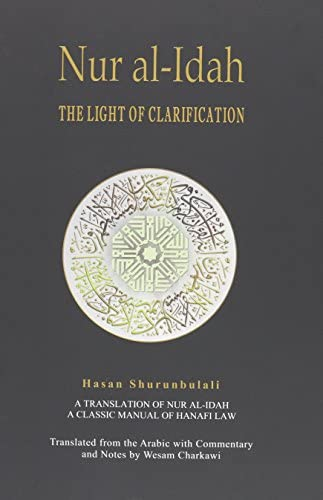
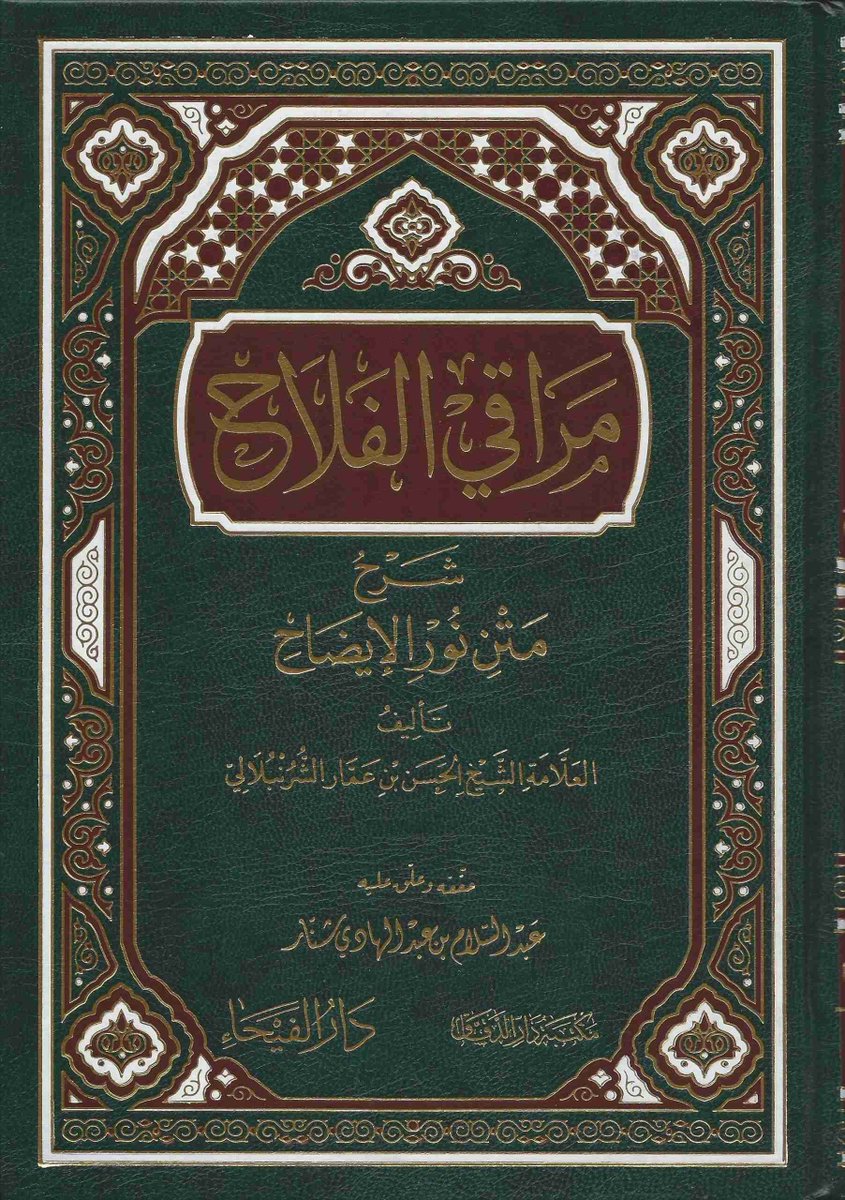
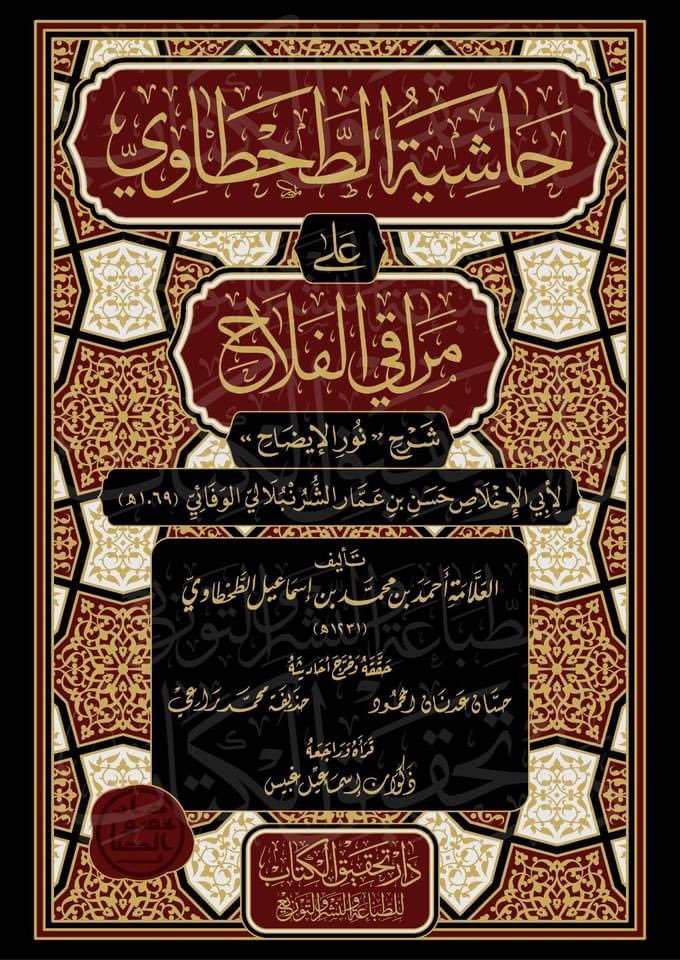
After mastering Ascent to Felicity, one should study Nur al-Idah with Maraqi al-Falah. As Maraqi has some discussions regarding evidences and usul of many masa'il. On which the teacher should simplify for the student. Hashiyah Tahtawi ala Maraqi should also be consulted.
After mastering Ascent to Felicity, one should study Nur al-Idah with Maraqi al-Falah. As Maraqi has some discussions regarding evidences and usul of many masa'il. On which the teacher should simplify for the student. Hashiyah Tahtawi ala Maraqi should also be consulted.
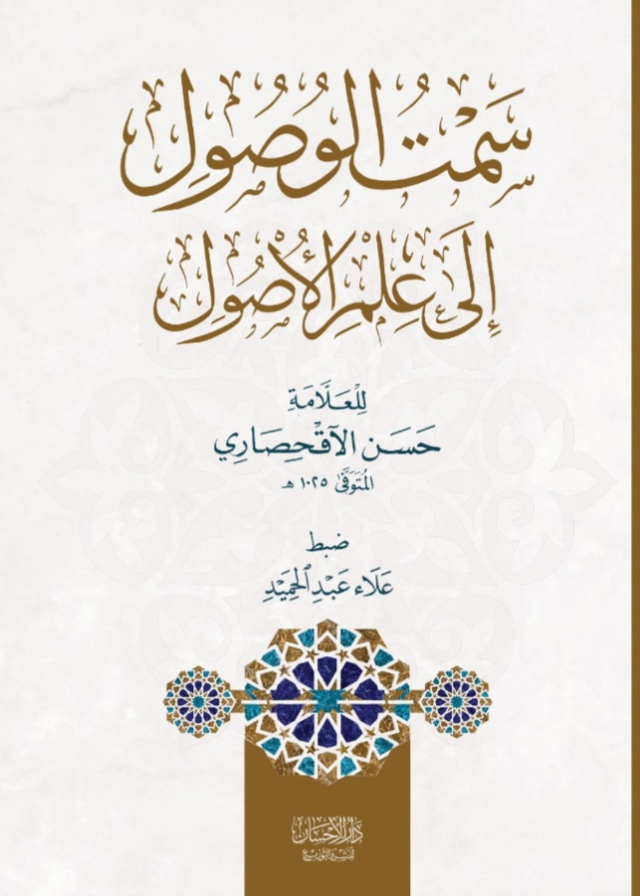
On this point,it is my view that it would be beneficial for the student to study a very introductorywork on Hanafi Usul while studying Maraqi,so that he is not overwhelmed by Usul alShashi.There are many works that fit such a description.Samt al-Wusul with a teacher would be good
3-
After mastering the masa'il of tahara, salah, and sawm, in step 1 and 2, one should use Mukhtasar Quduri to study from the chapter of Zakat to the end of the book. Imam Maydani's Lubab fi Sharh al-Kitab should be utilized. Jawhara al-Nayriyya of Imam Zabidi has very
After mastering the masa'il of tahara, salah, and sawm, in step 1 and 2, one should use Mukhtasar Quduri to study from the chapter of Zakat to the end of the book. Imam Maydani's Lubab fi Sharh al-Kitab should be utilized. Jawhara al-Nayriyya of Imam Zabidi has very
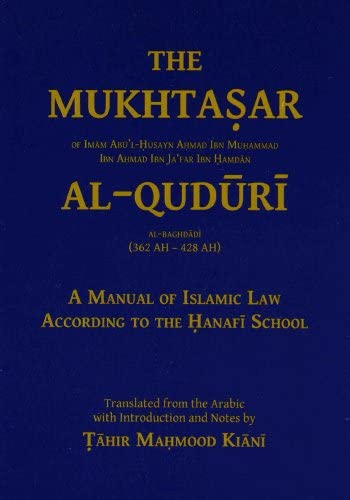
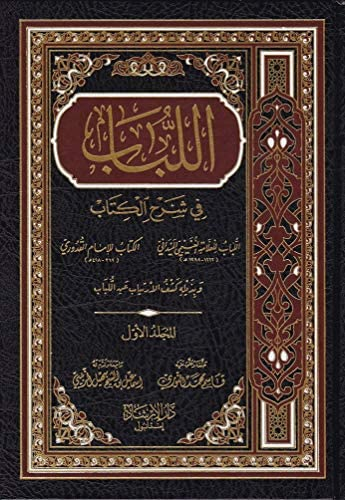
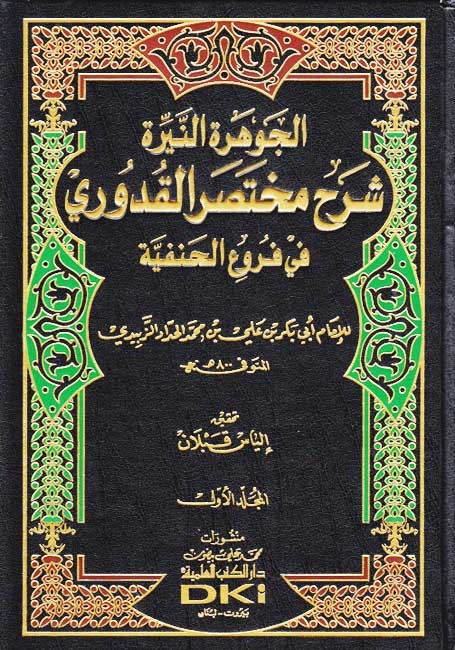
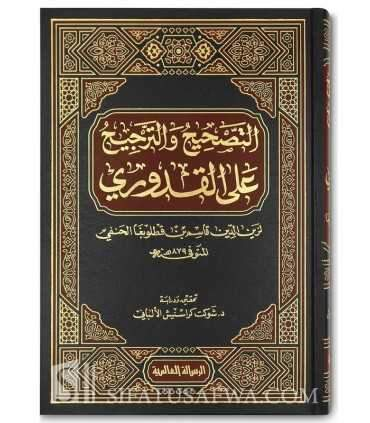
interesting discussions however it is probably to lengthy for the student, so it would be best if the teacher sprinkles passages from it during the lessons. Imam Qutlubugha's Tashih is also a nice reference to use since Imam Maydani constantly refers to it in his Lubab.
4-
During the study of Quduri, in a normal madrasah setting, Usul al-Shashi is the first Usul text that is studied cover to cover(ideally). So one should master Usul al-Shashi for which one needs to be solid in Nahw and Sarf and other sciences of the Arabic language.
During the study of Quduri, in a normal madrasah setting, Usul al-Shashi is the first Usul text that is studied cover to cover(ideally). So one should master Usul al-Shashi for which one needs to be solid in Nahw and Sarf and other sciences of the Arabic language.
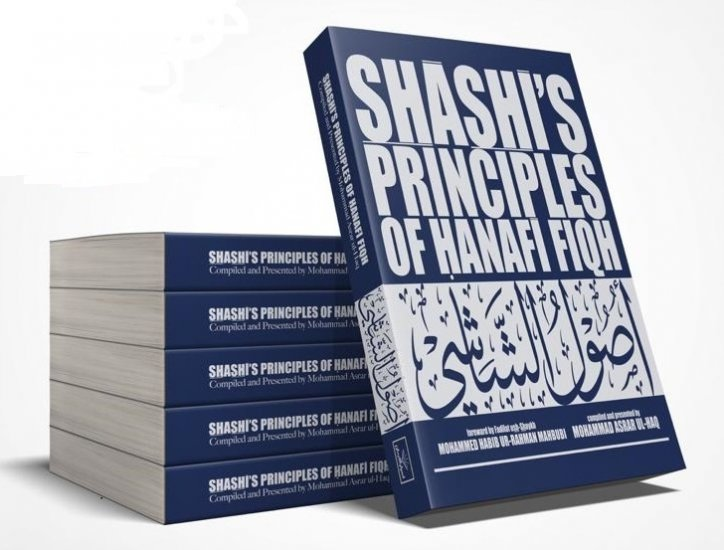
5-
After mastering Quduri and Usul al-Shashi, there comes a divergence in the syllabus. Multiple paths can be taken from this point on to Hidayah. In the subcontinent it is usually the case that Sharh al-Wiqayah is studied, others study Nuqayah with Mulla Ali Qari's sharh.
After mastering Quduri and Usul al-Shashi, there comes a divergence in the syllabus. Multiple paths can be taken from this point on to Hidayah. In the subcontinent it is usually the case that Sharh al-Wiqayah is studied, others study Nuqayah with Mulla Ali Qari's sharh.
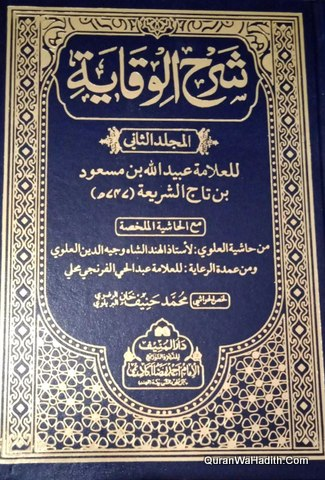
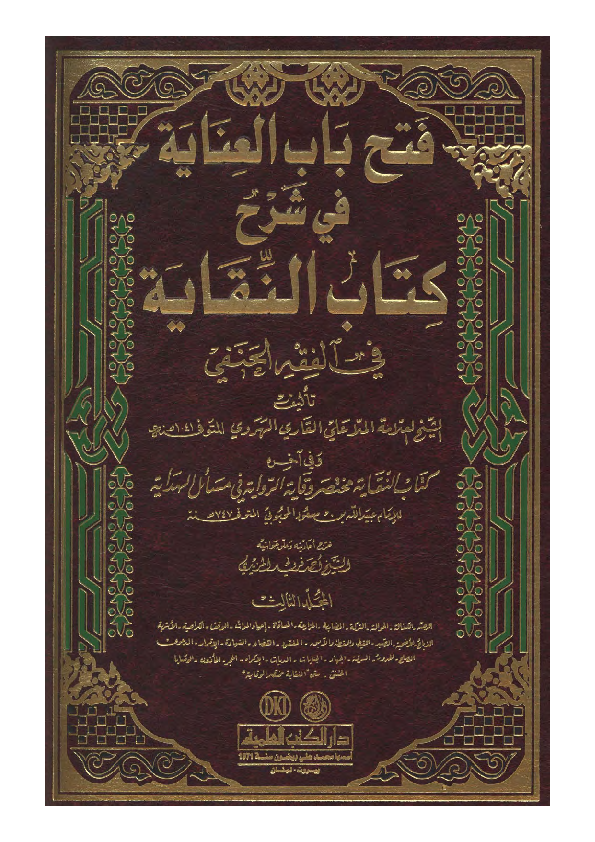
While in the Arab world, Ikhtiyar li-Talil al-Mukhtar is studied. All three works mentioned in this step deal with textual evidences and Usul. While each offers a benefit the others do not. As of now, my view is that Ikhtiyar should be studied after Quduri and Usul al-Shashi and
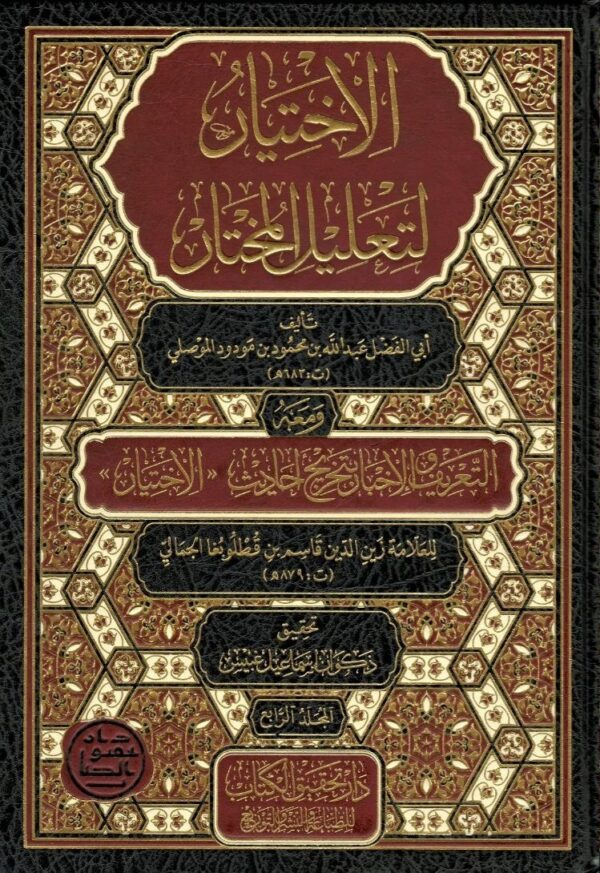
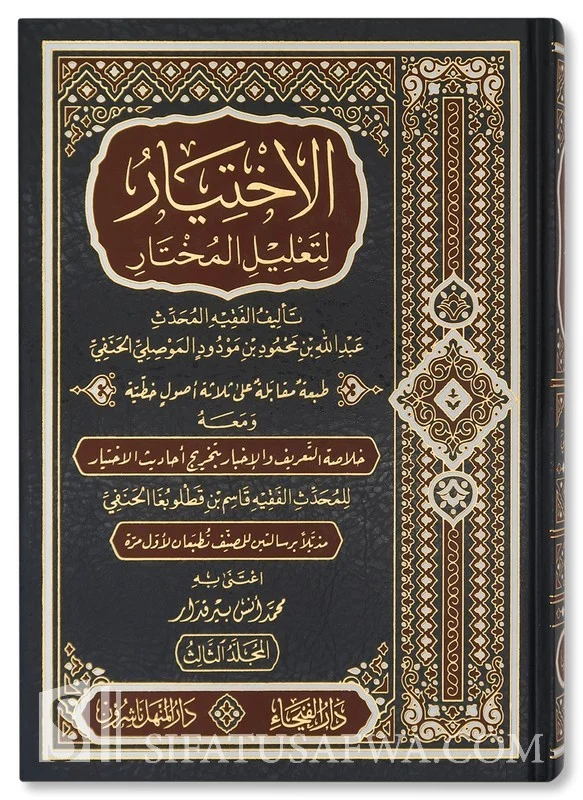
during the studies of Ikhtiyar, one should master the differences between the main imams of the Hanafi school, and be extremely familiar with the textual evidences. Doing this will be very helpful when it is time to study Hidayah.
6-
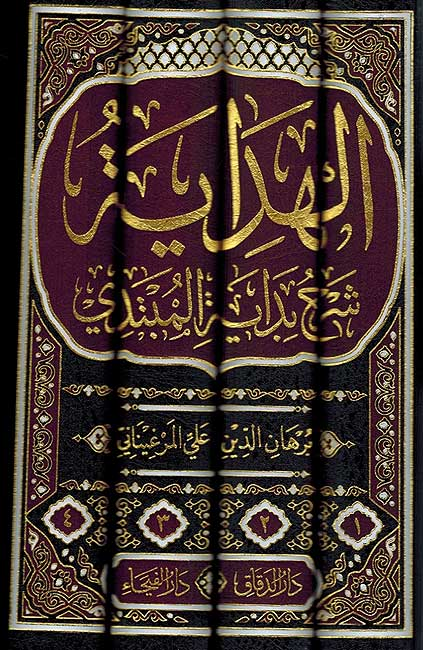
Now it is time to study Hidayah. Although Hidayah is the commentary of Bidayat al Mubtadi, many scholars treat Hidayah as a matn. Of which many shuruh are written. The most utilized ones are as follows:
a) Fath al-Qadir of Imam ibn Humam for Usul, Rulings, Evidence, very hard.
Now it is time to study Hidayah. Although Hidayah is the commentary of Bidayat al Mubtadi, many scholars treat Hidayah as a matn. Of which many shuruh are written. The most utilized ones are as follows:
a) Fath al-Qadir of Imam ibn Humam for Usul, Rulings, Evidence, very hard.
b) Hashiya Lucknowi
c) al-Binayah
d) al-Inayah
Most teachers recommend the latter three to refer to when studying Hidayah. For which Fath al-Qadir is studied after one has a full grasp of Hidayah. The text is divided in four parts and is usually studied in one year in madrasah
c) al-Binayah
d) al-Inayah
Most teachers recommend the latter three to refer to when studying Hidayah. For which Fath al-Qadir is studied after one has a full grasp of Hidayah. The text is divided in four parts and is usually studied in one year in madrasah
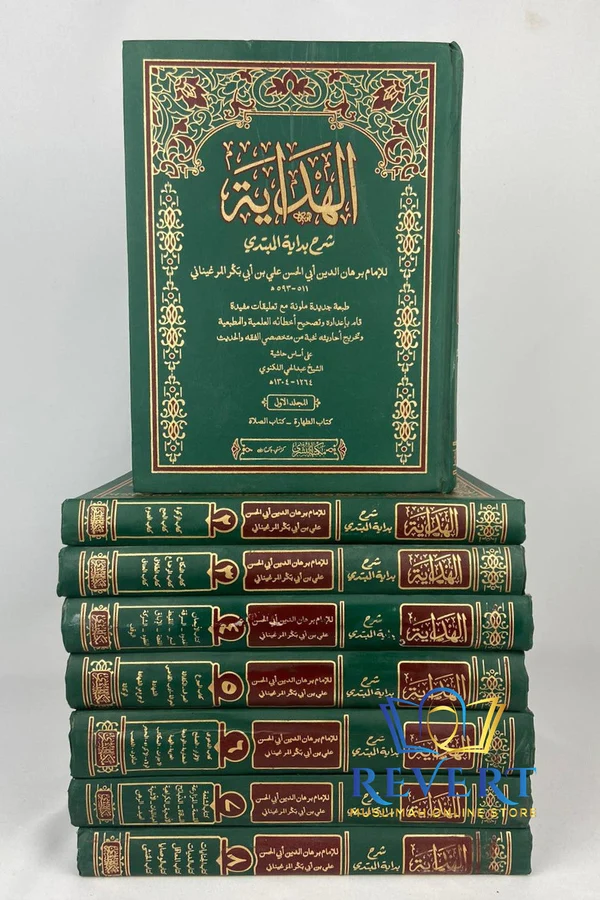
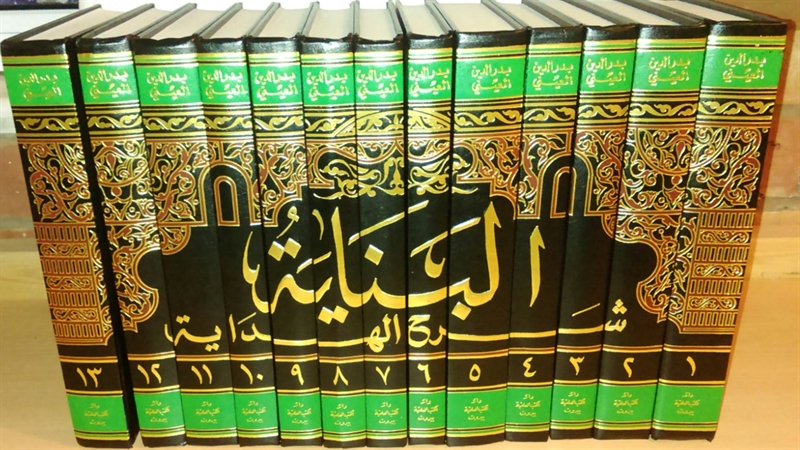
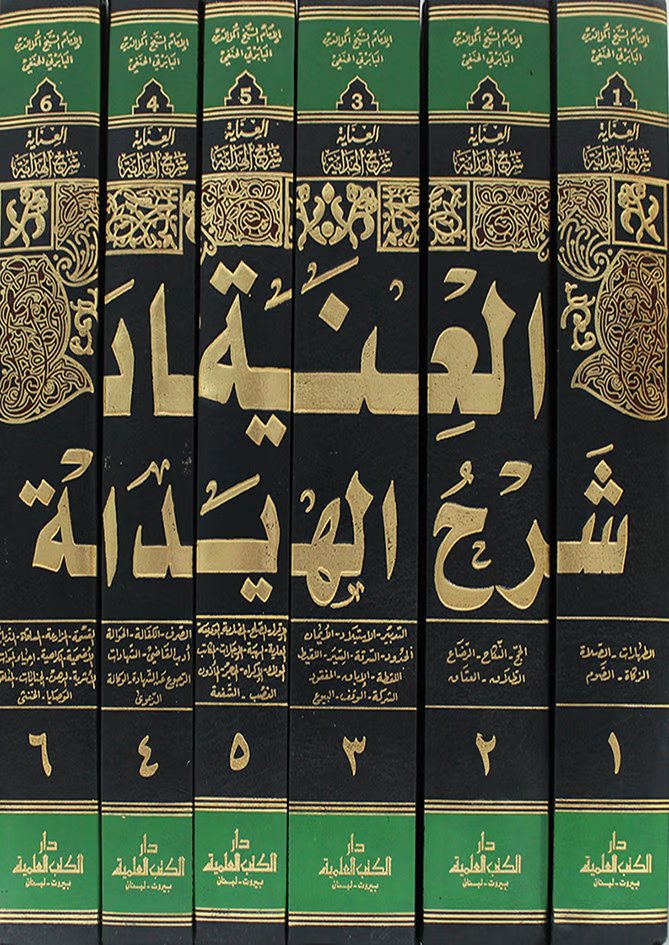
for which many parts are skipped, since many are irrelevant now. Although I think it would be better if two years are dedicated to the book for which it can be fully analyzed and discussed with the class without skipping anything. The reason many find Hidayah hard is because the
matn itself is very concise and requires a lot of work to unpack for which many times the teachers and students are lazy in their approach. Secondly Hidayah focuses a lot on theoretical reasoning for which one needs an analytical mind to properly digest the arguments (This is why
I said one should be fully familiar with the hadith evidences after studying Ikhtiyar, since it will make Hidayah easier because one could focus more on the reasoning in Hidayah).
7-
While studying Hidayah, one should study Nur al-Anwar of Mulla Jeevan. Although in Madrasa many portions of it are skipped, it would be ideal to study cover to cover.
While studying Hidayah, one should study Nur al-Anwar of Mulla Jeevan. Although in Madrasa many portions of it are skipped, it would be ideal to study cover to cover.
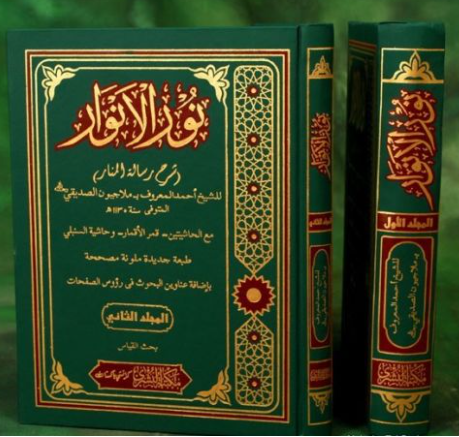
This thread is already very long, so I will stop here, although there are many many books that are still left to discuss. As steps 6 and 7 are not the final point of studying the Madhab, rather one has just entered the domain of self/guided research for which one can scour
through the corpus of Hanafi Literature. Works of advanced Usul, Fatawa, Zahir al-Riwayah, advanced comparative fiqh, etc have yet to be discussed.
Loading suggestions...