

In the 19th century, Britain was effectively a narco-state, a country financed by the trafficking of illegal drugs. At its peak, opium, although illegal in Britain, was the third-highest source of income for the British empire in India, after land and salt. 🧵

In the early 1800s, Britain had a huge trade deficit with China, importing massive quantities of Chinese porcelain, silks, and tea, which were draining Britain's silver reserves. Britain's notorious East India Company (EIC) stepped in with opium illegally smuggled from India.

Between 1820-1830 EIC agents, along with other British "merchants", trafficked 10,000 chests full of opium every year into China, for which they demanded payment in silver that they could then use to buy Chinese goods.


By the 1830s, people from every level of Chinese society were addicted to opium. As many as 15 million people, equal to 10% of the Chinese population at the time, were opium addicts by 1890, making it one of the worst cases of national drug addictions ever recorded.
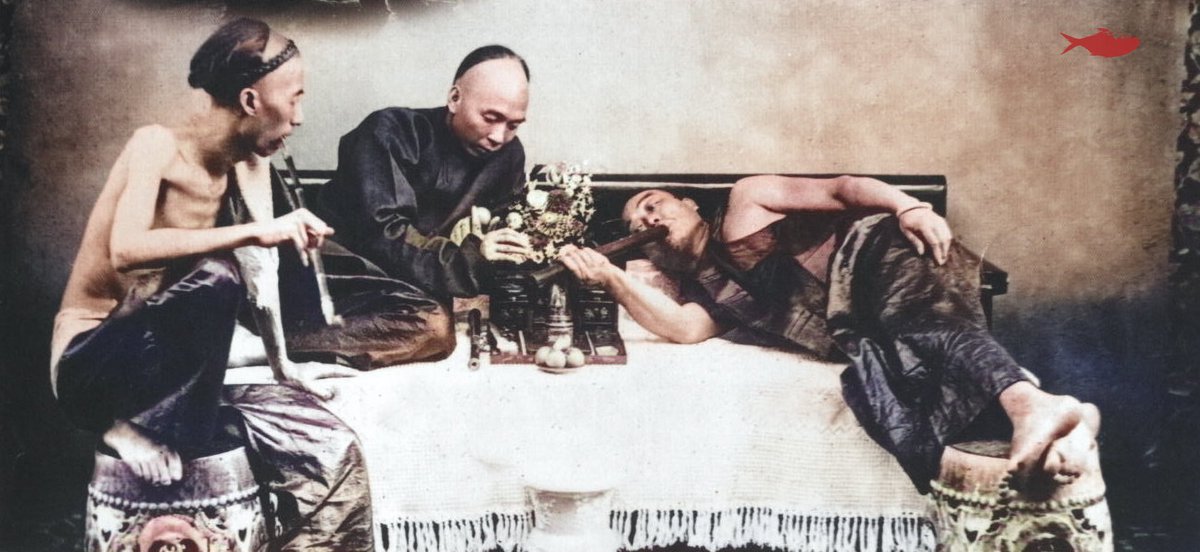
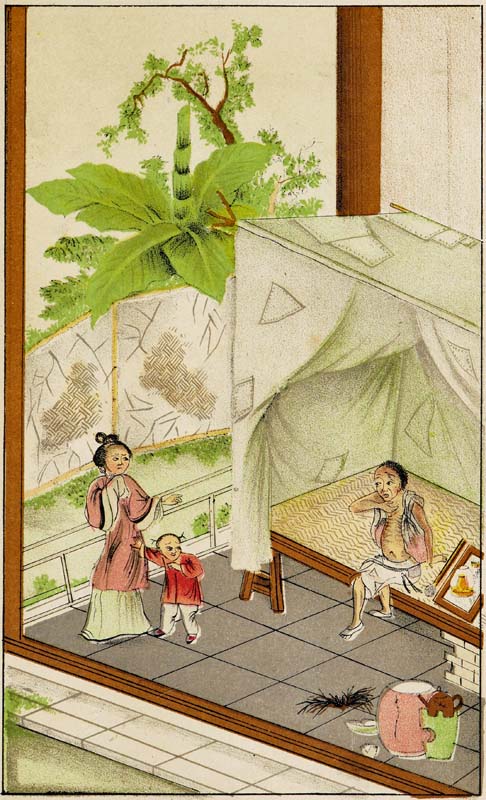
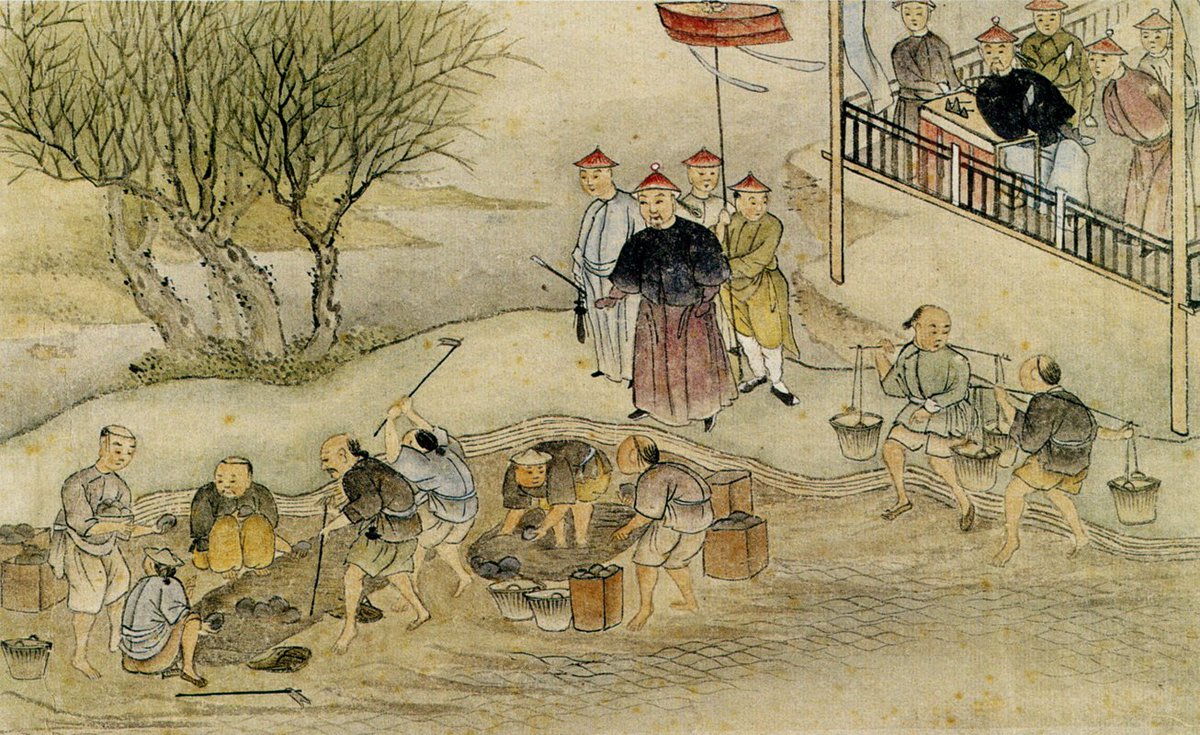
When Chinese Emperor Daoguang realized the scale of the epidemic, he declared a war on drugs and destroyed around 1,400 tons of opium belonging to British cartels. The cartels pressured the British government to demand Beijing repay the full street value of their narcotics.
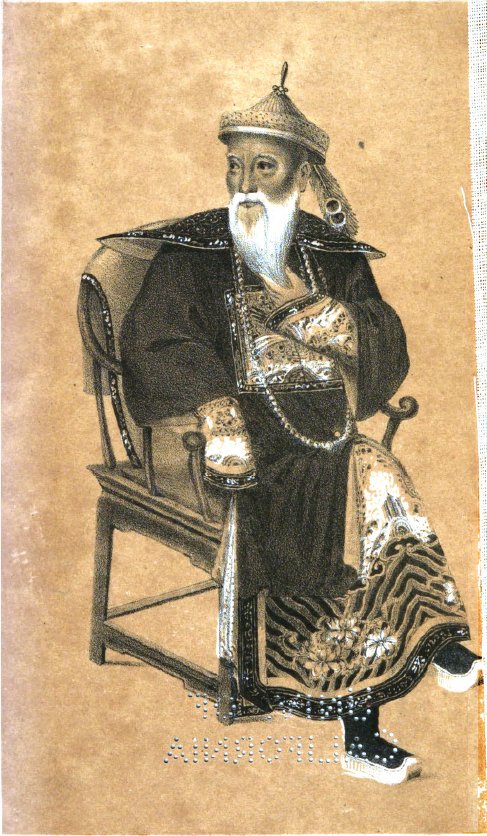
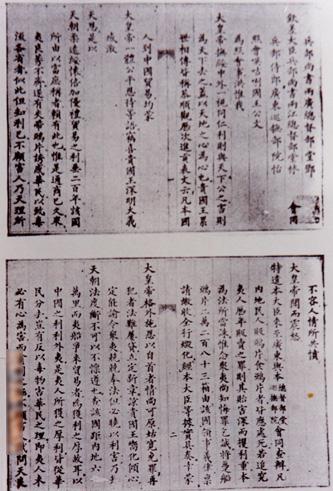
Meanwhile, Chinese Viceroy Lin Zexu wrote to Queen Victoria urging her to stop shipping opium to China: "We have heard that in your country opium is prohibited with the utmost strictness and severity - this is a strong proof that you know full well how hurtful it is to mankind."
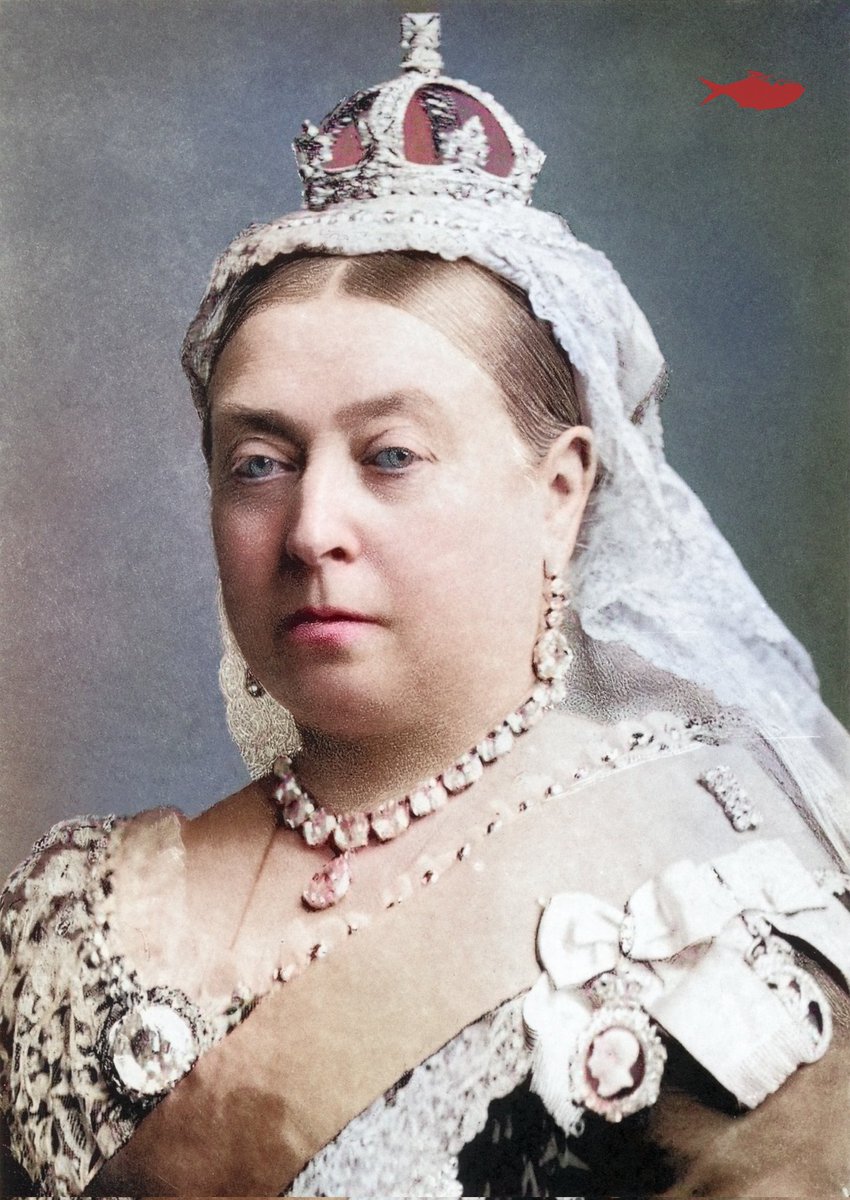
But such pleas fell on deaf ears and British capitalists' profits were prioritized. In 1839, the British government launched the First Opium War on China under the guise of "free trade". The real reason: to force Chinese markets open to British drug dealers.
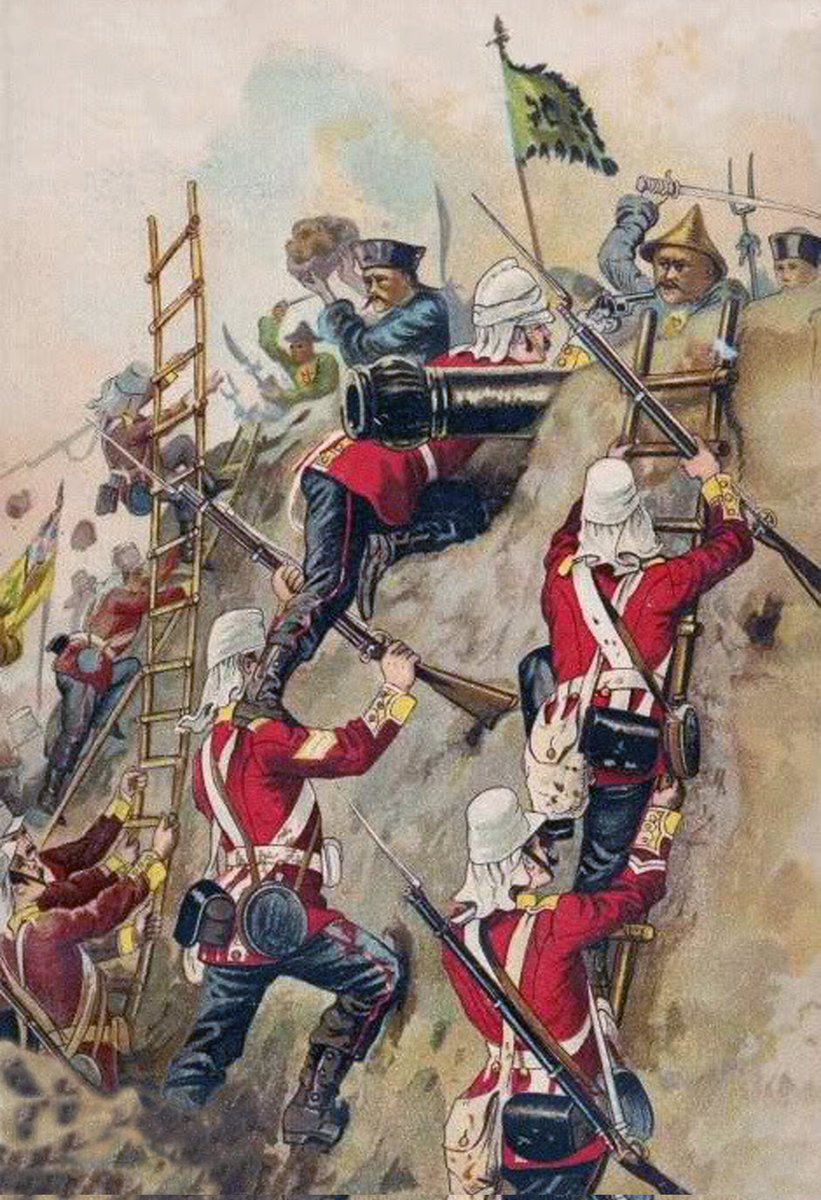
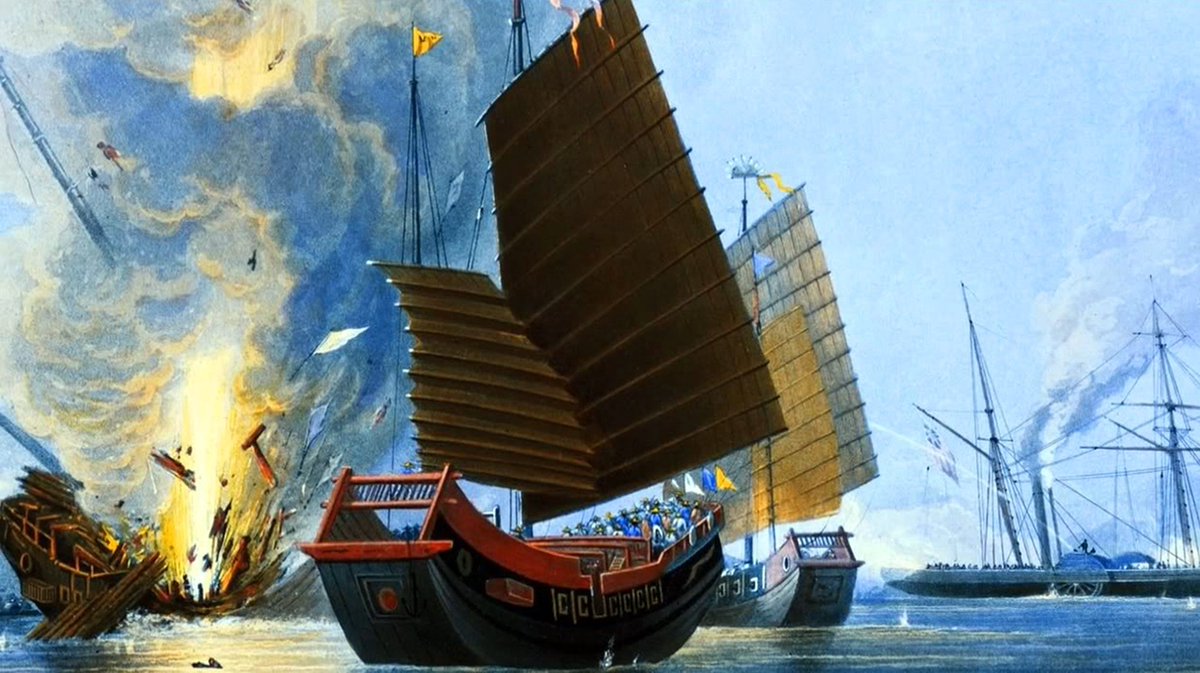
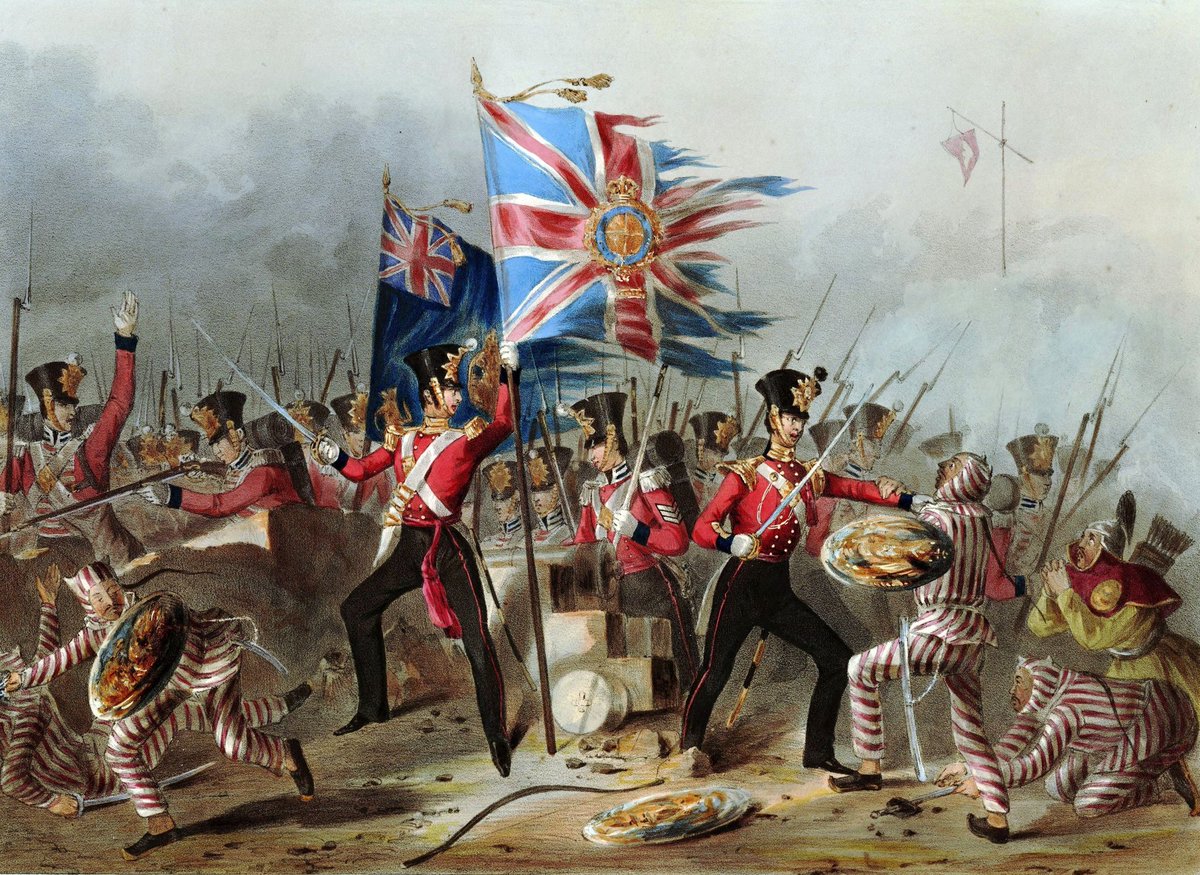
The 1st war ended with China on its knees & forced to sign the Treaty of Nanjing. Under the treaty, China forked out the equivalent of almost $1 billion in compensation to British cartels for their lost opium, ceded Hong Kong to British rule, and opened 4 ports to British trade.
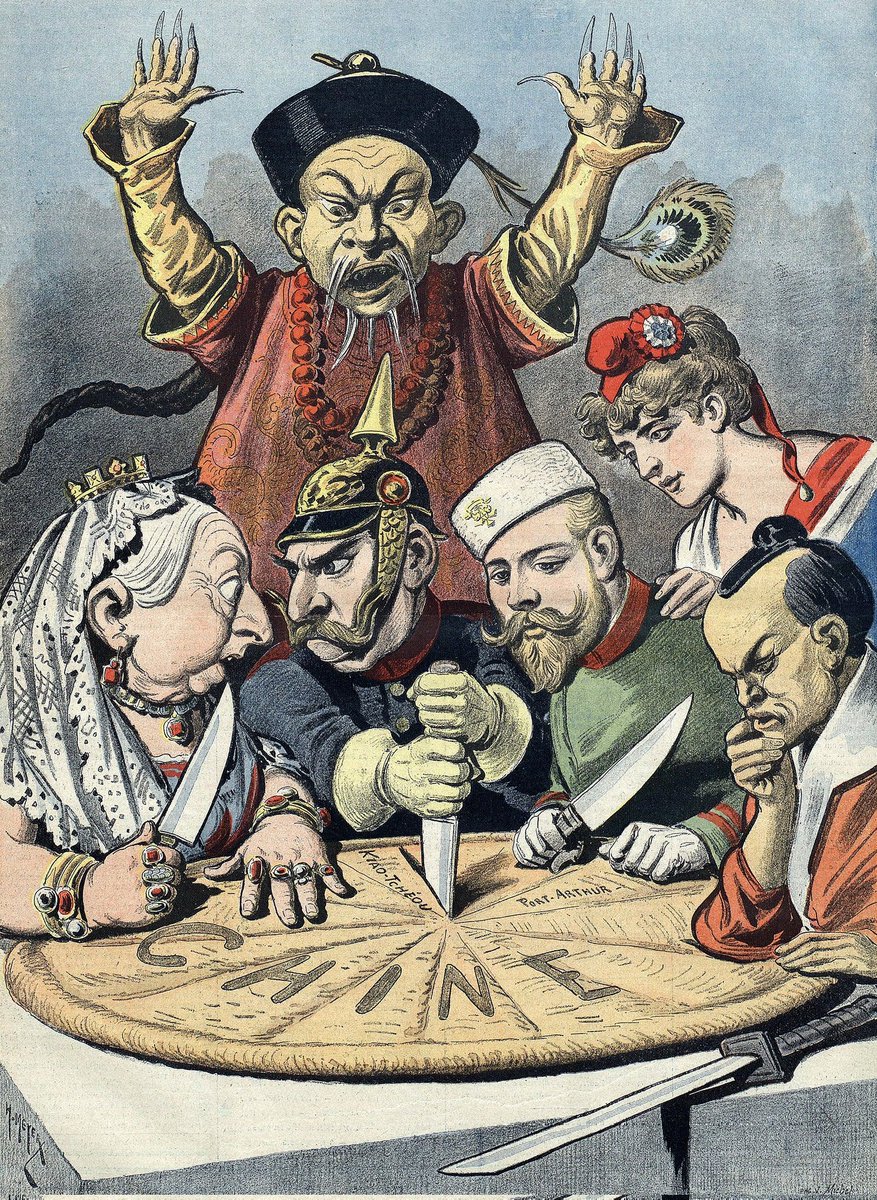
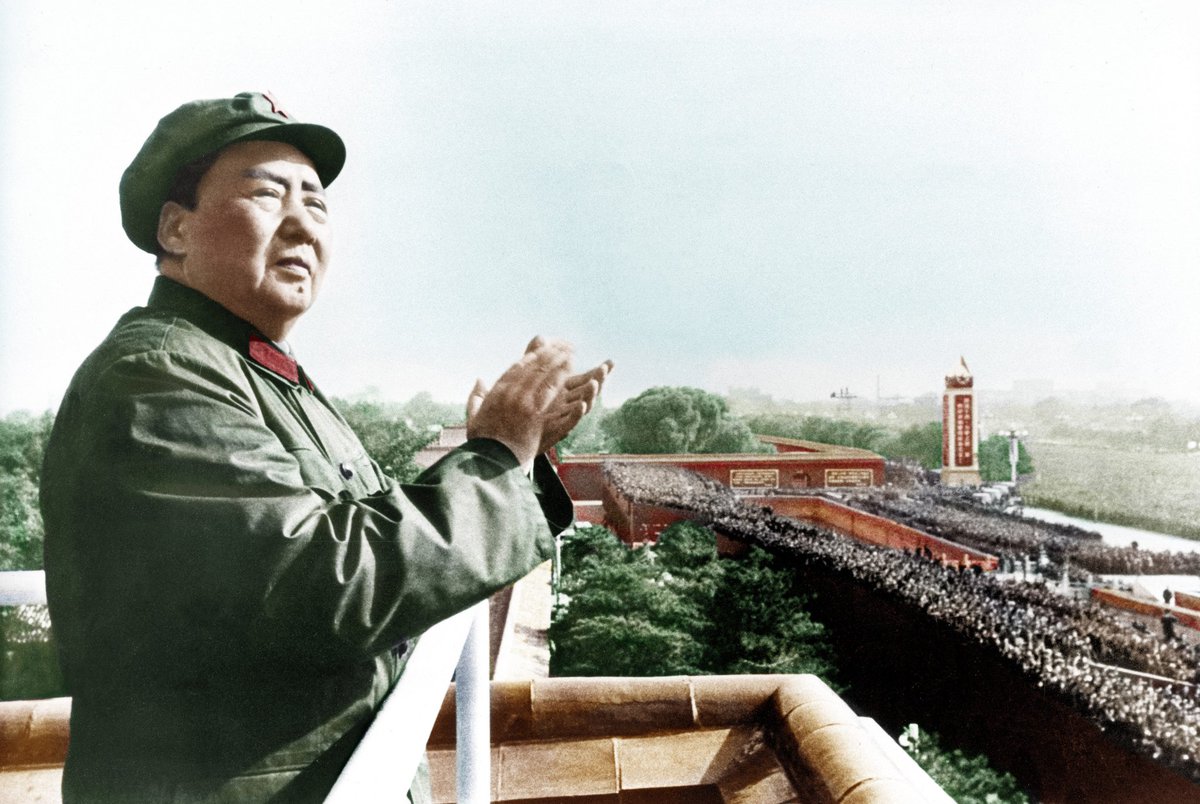
For China, the era marked the start of the "century of humiliation", that would end only with the 1949 victory of the Chinese revolution under Mao Tse-Tung. Mao almost immediately eradicated opium production & consumption, and placed 10 million addicts into compulsory treatment.
Loading suggestions...