

October in Europe is the part of the year where the last great harvests happen before going into the winter. One of the unsung heroes of the late season, a plant unfairly maligned since its very domestication millennia ago, is the turnip. Time to set the record straight
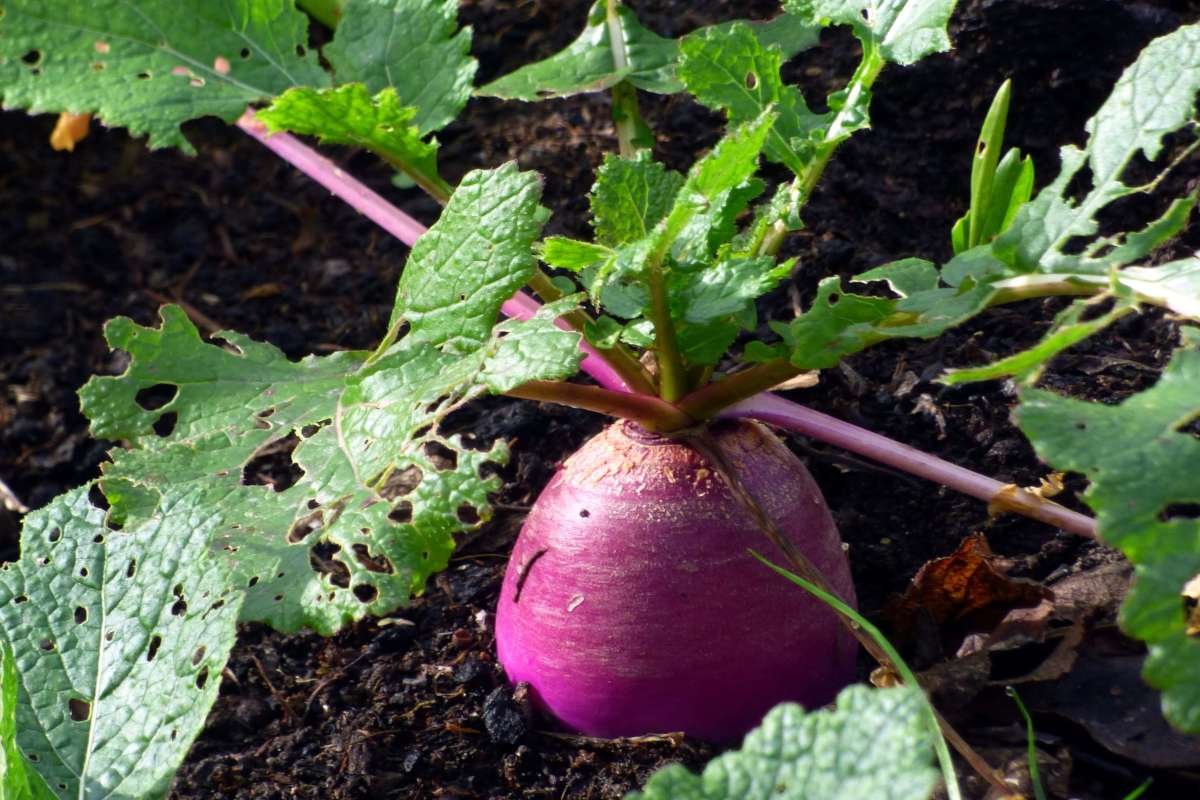
It’s well established that through artificial selection, also known as domestication, humans have been able to create incredible numbers of varieties or races of animals, all suited to their environments, the tasks and the products that were required of them
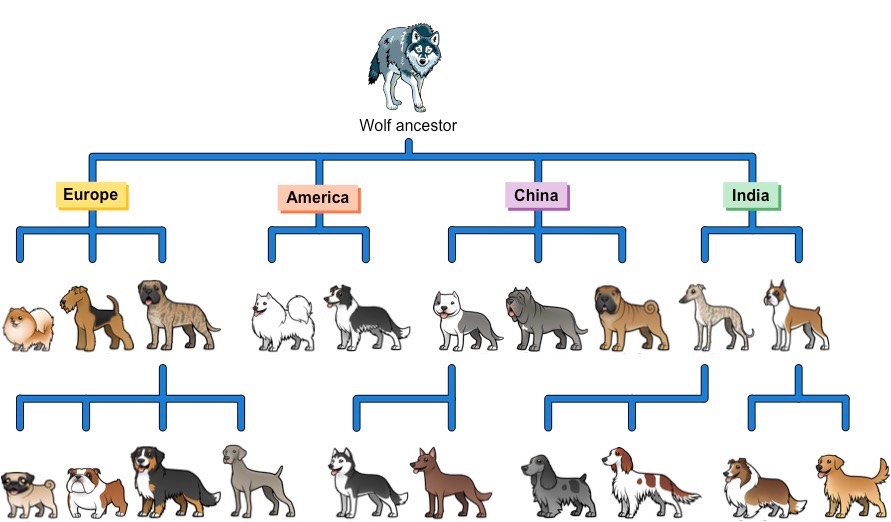
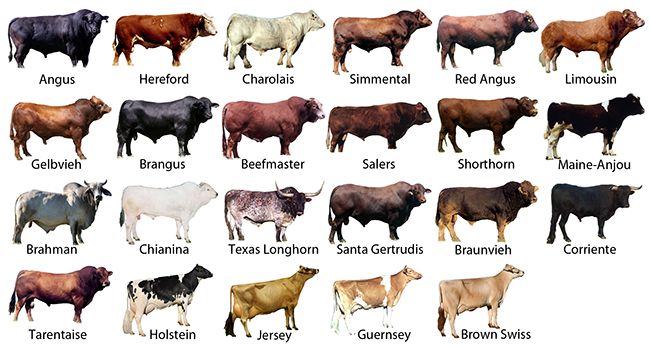
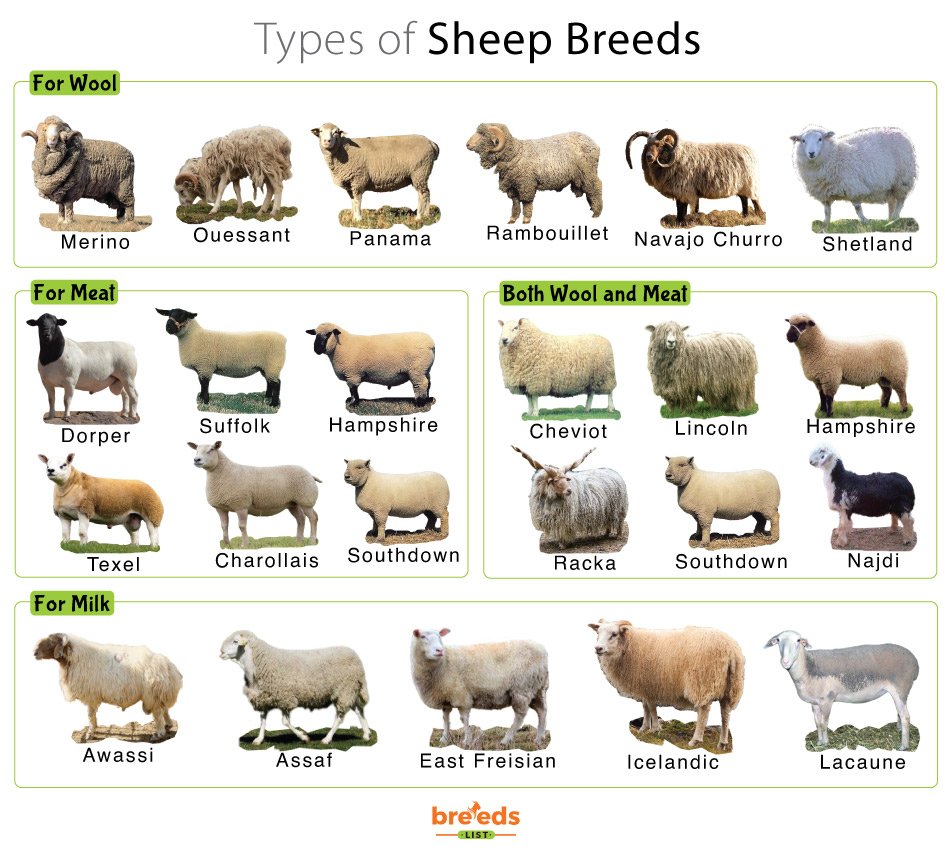
It’s slightly less known that this process is the most visible and spectacular in crop plants, where selection for special traits relating to hardiness, food production, or general edibility can produce descendants completely unrecognisable from their common ancestors
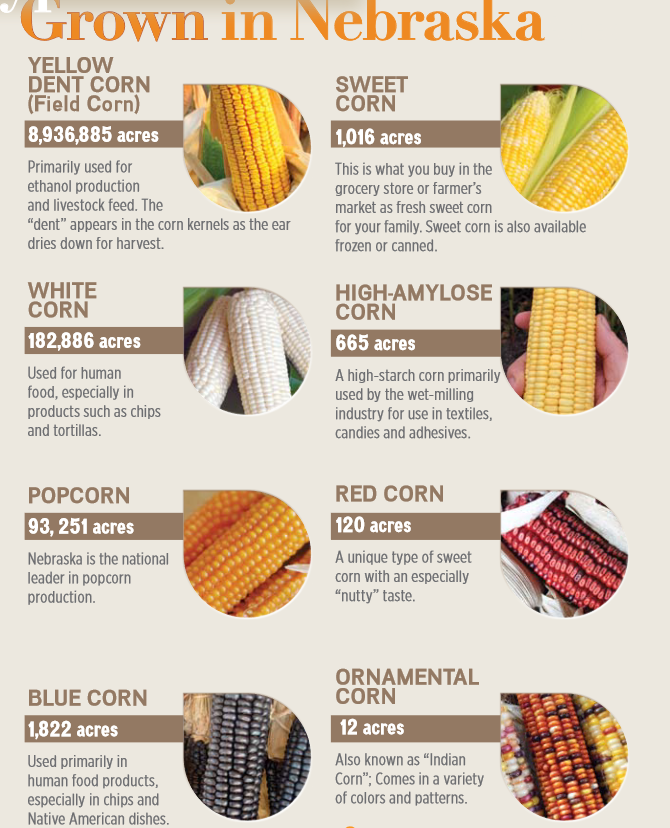
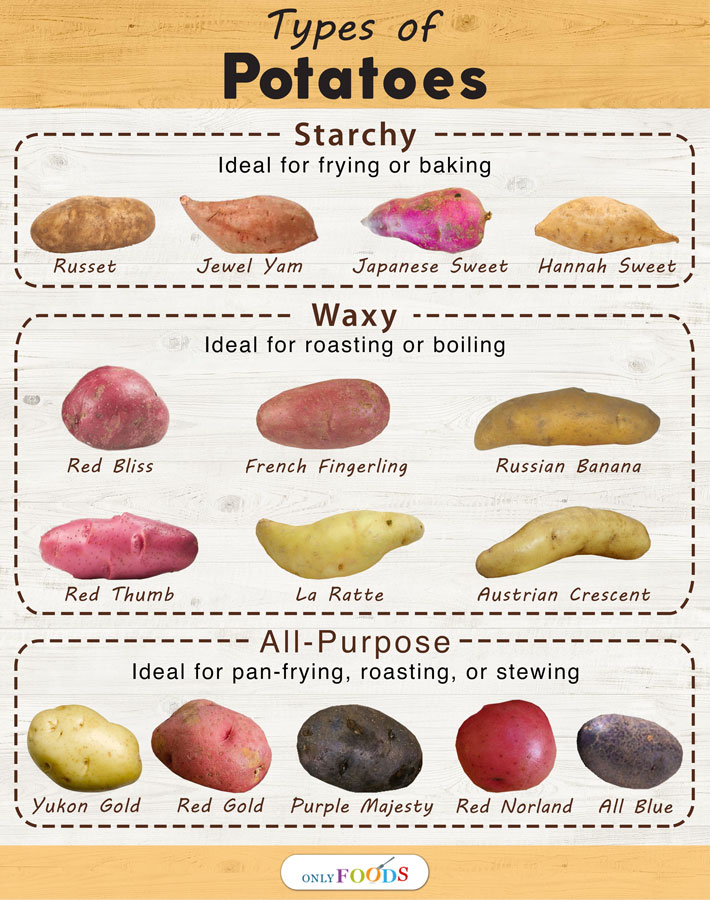
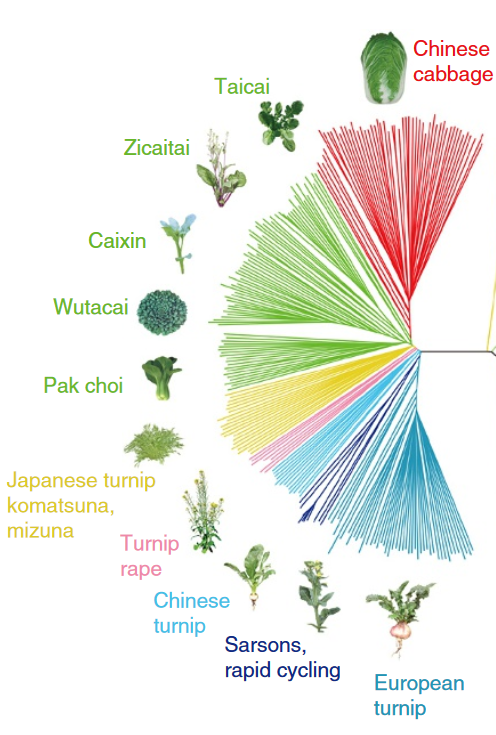
Few plant species today can boast a more diverse range of cultivated species than Brassica rapa, the namesake genus of the mustard family Brassicaceae. Every part of the plant above and below ground has been extensively meddled with by human selection to improve edibility
It’s the most widely distributed and longest-domesticated of the species in the Brassica genus. Its origin is very hard to determine because of its long standing relation with humans. Indeed, domesticated forms have repeatedly returned to the wild and feralised
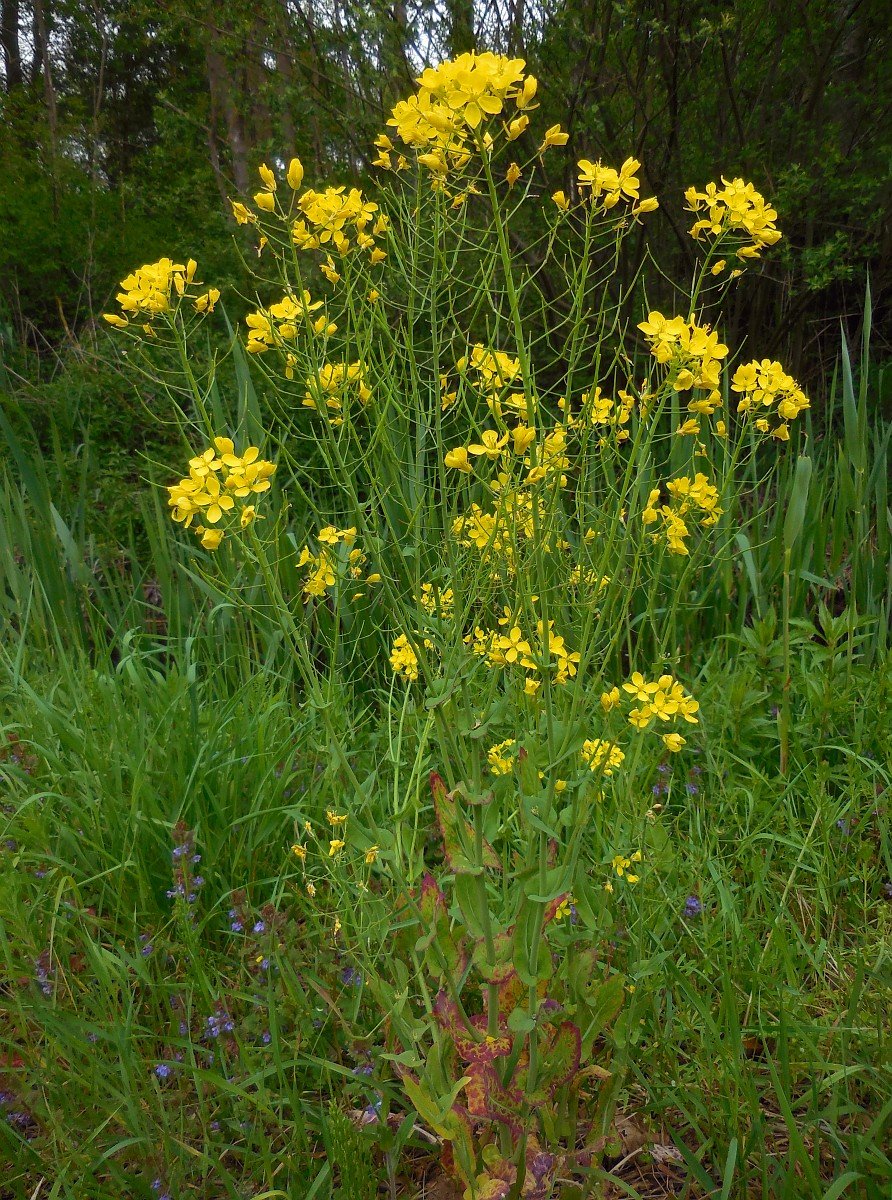
Recent research indicates that while this plant likely had a wide Palearctic distribution, the only true wild types come from the Caucasus & Anatolia regions as well as Southern Italy and Southern Siberia, all other individuals found in the wild descended from domesticated crops

The plant’s ecology is highly adaptable, growing from lowlands to mountains up to 2300m in altitude. It favours disturbed terrain with bare soil where there’s little competition for it to grow. They eventually disappear if the habitat is allowed to close in with grasses & shrubs
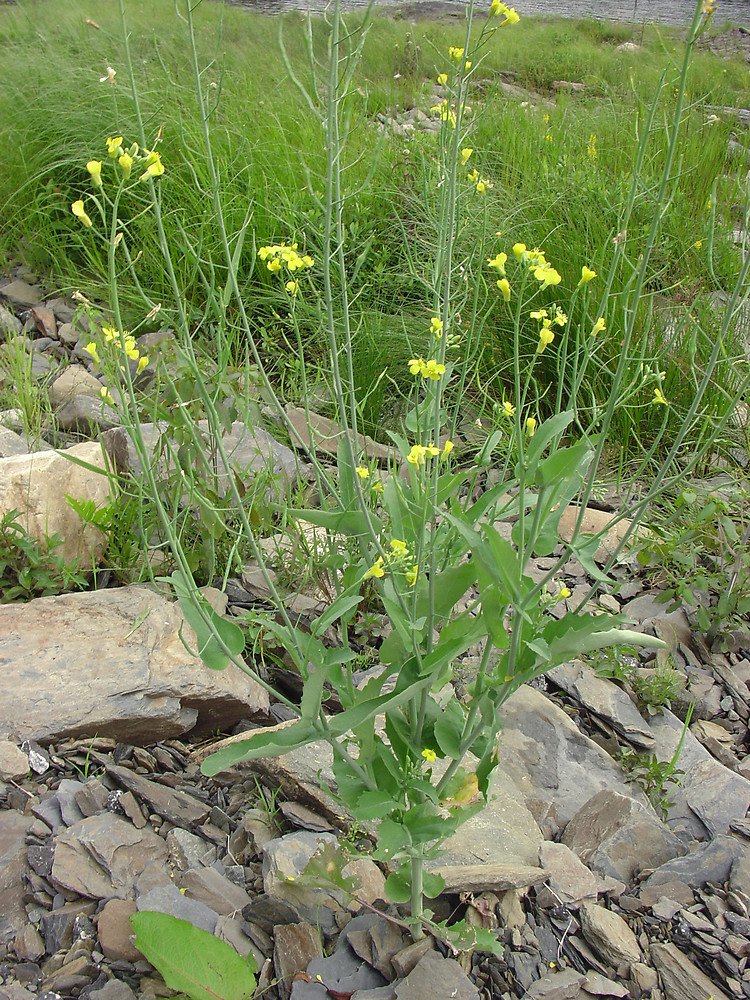
In accordance with this ephemeral disturbed habitat ecology, B. rapa is an annual which dies out after flowering, with only some domesticated varieties becoming biennials requiring vernalization (spending a period of cold weather in dormancy during their life cycle)
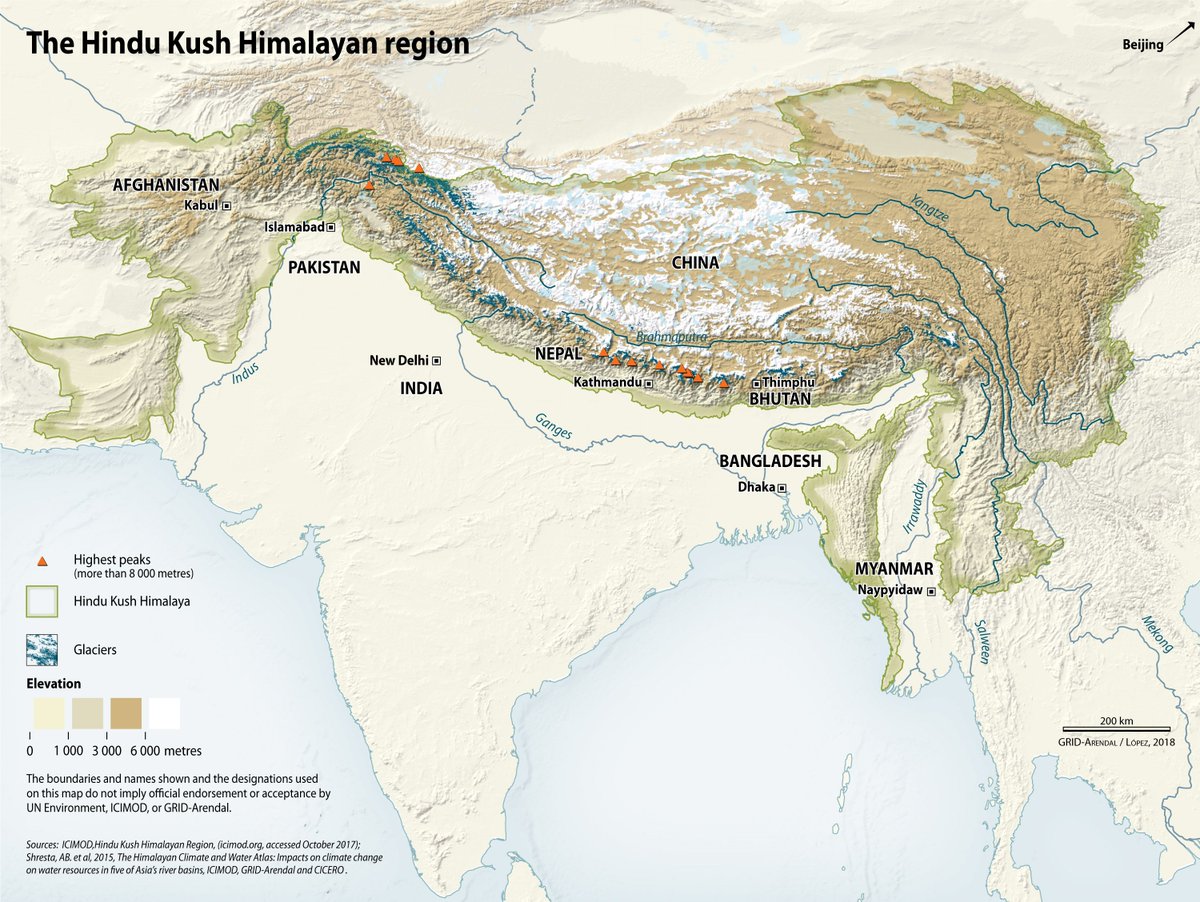
Going further, the oldest domesticated varieties of B. rapa are found in Central Asia, most notably the Hindu Kush area. The samples there diverged from the wild type between 5900 and 3400 years ago.
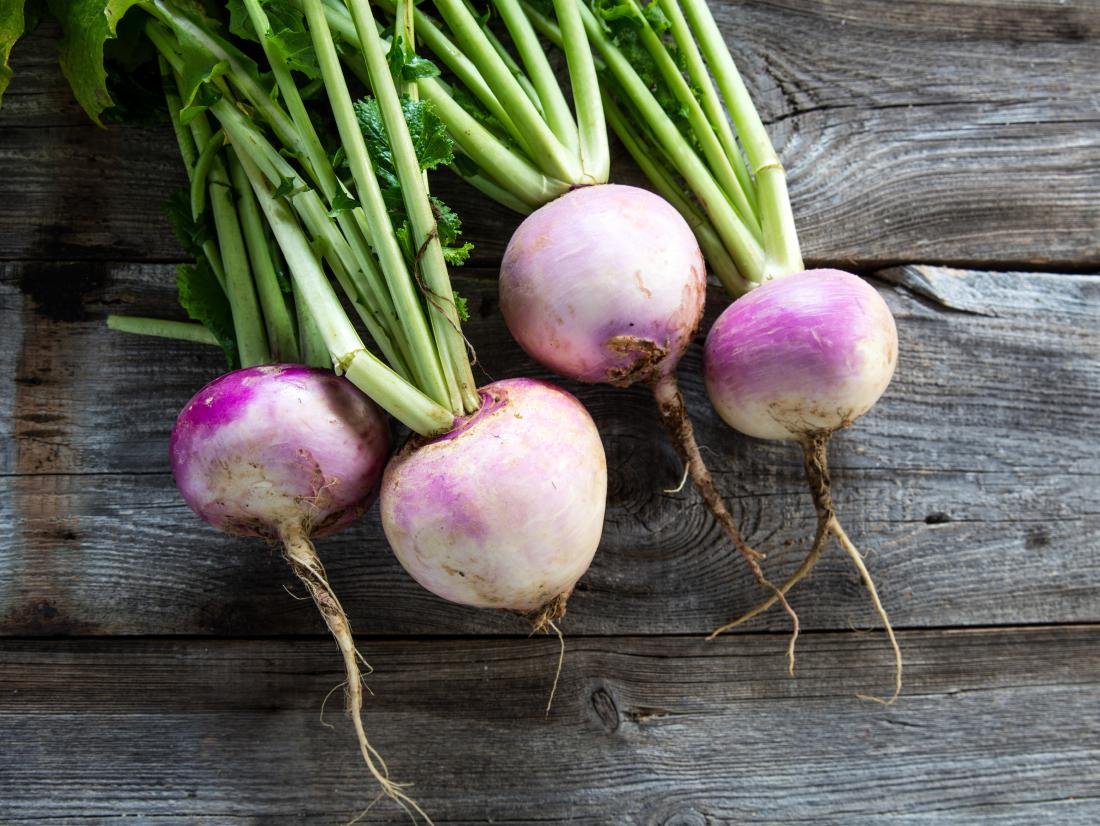
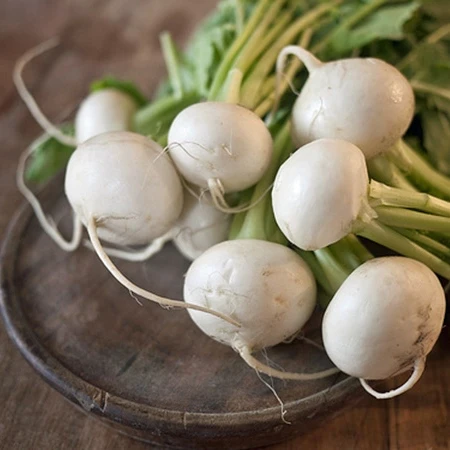
These oldest domesticated types appear to have been turnips, B. rapa subsp. rapa. They were selected for an increase in the size and nutritional richness of their edible taproot. Both Asian & European turnips are close sisters to this first group of domesticated vegetables
The theory is that they spread along commercial land routes that existed even then between India & China and Europe, with central Asia as the crossroads. Even as far back as the Indus valley civilization, such trade took place with Mesopotamia
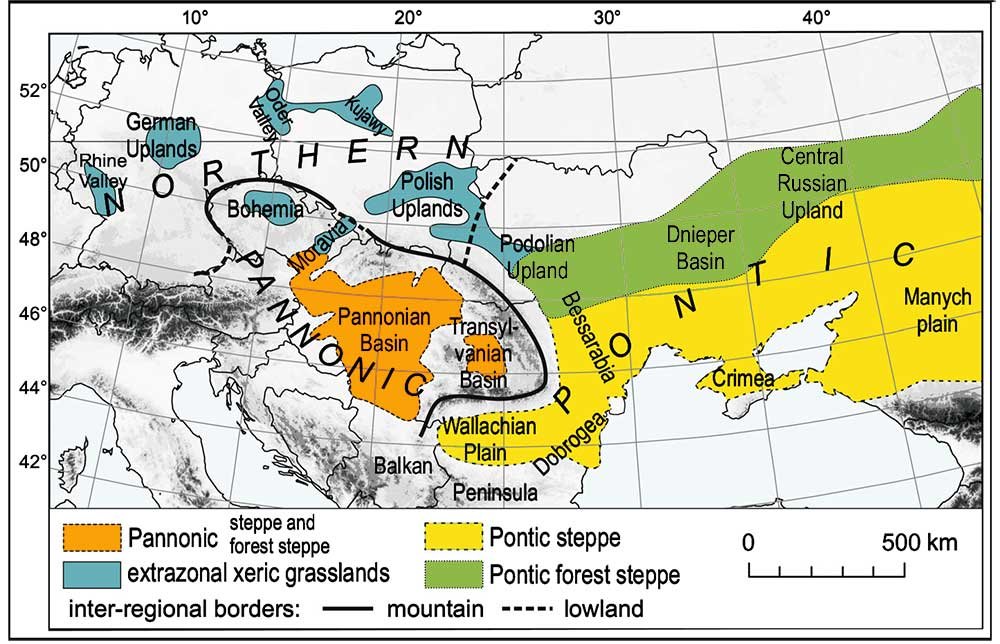
Linguistic evidence shows turnips were known in the Pontic Steppe 6400-4300 years ago. While vocabulary relating to them can be traced back to 3000 years ago in South West Asia
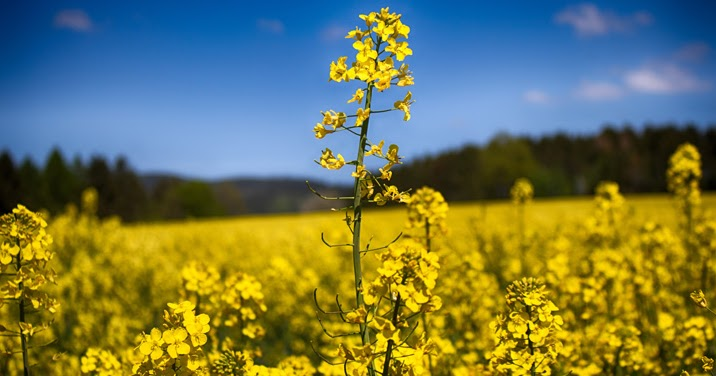
Another great branch of this plant’s domestication is as a source of vegetal oil. Known as turnip rape, field mustard or Brassica rapa subsp. oleifera is very similar to its cousin colza, Brassica napus subsp. napus.
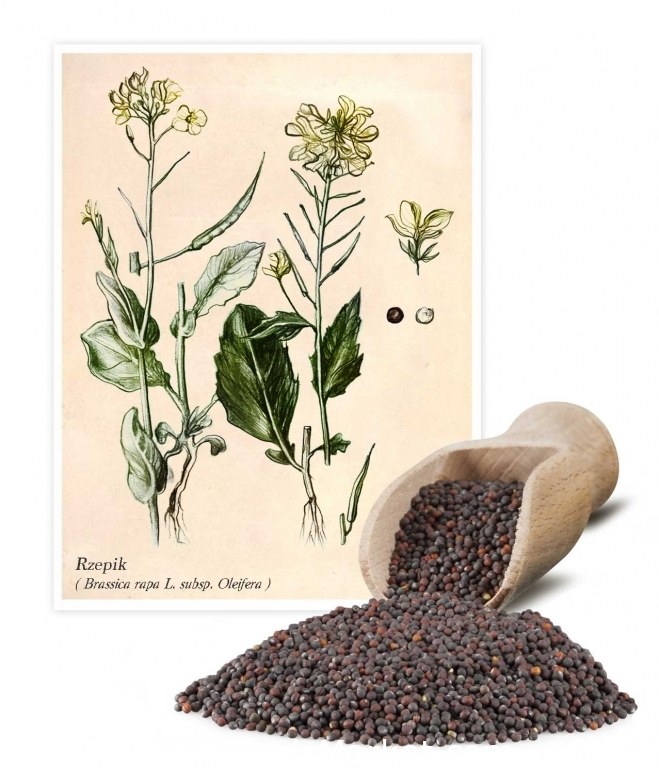
A high genetic diversity in this group indicates it was independently created through domestication in different places at different times, but generally from the tuber turnip types of B. rapa rather than other varieties selected for edible leaf production

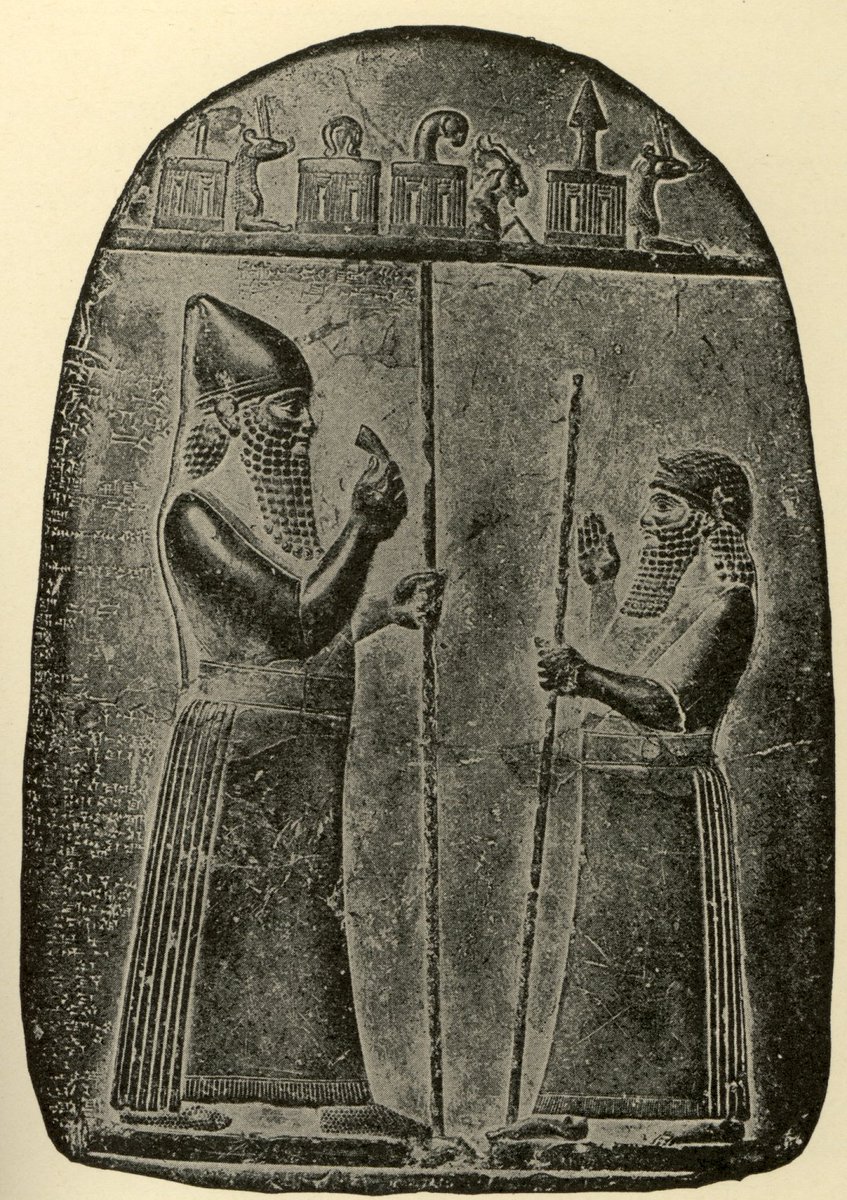
General writings about the use of Brassica plants as crops, inferred from descriptions, can be dated back to 3000BC in Chinese almanacs and 1500BC in India. Proper turnips were known from the garden of the Babylonian king Merodach-baladan around 715BC

The Shi Jing, or Classics of Poetry, China’s oldest poetry compendium (said to have been compiled by Confucius) also mentions turnips, using a specific old Chinese character for it which would indicate it was already known at that time (between 1100 and 700 BC)

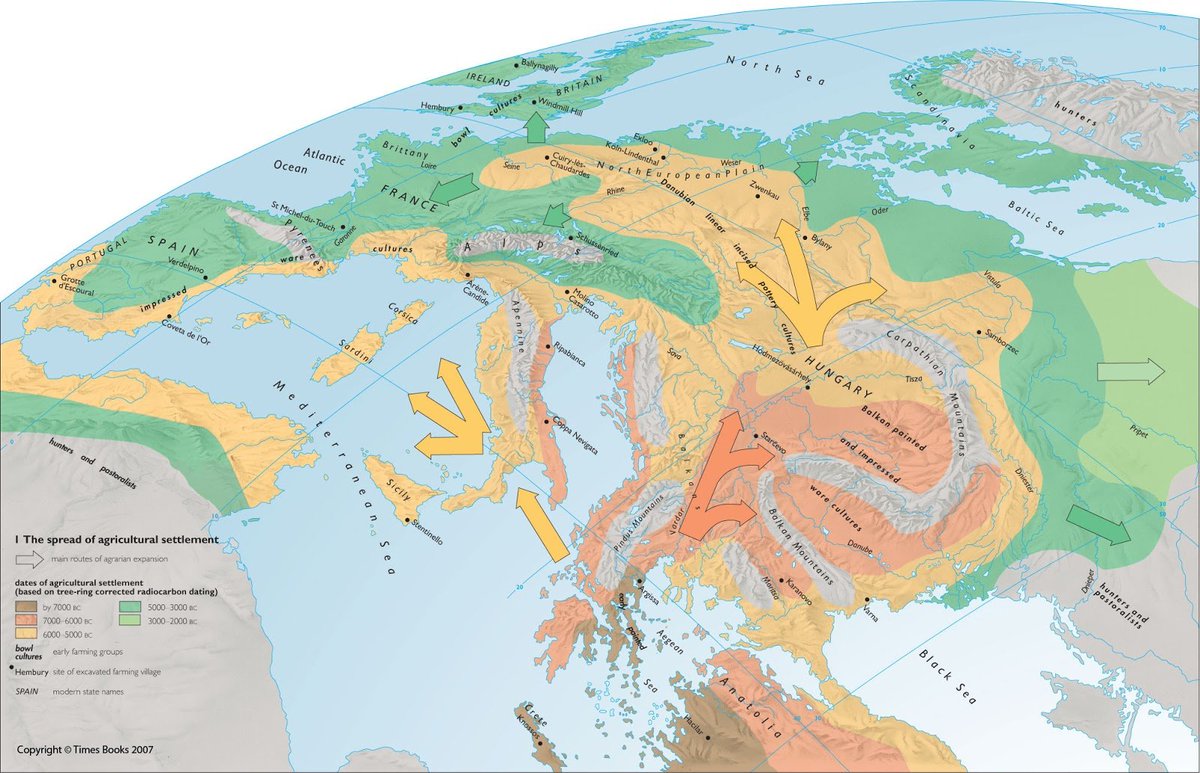
Remains of seeds and roots of turnips were found from Neolithic Swiss villages, crossroads for the diffusion of agriculture into western Europe from the Balkans and Anatolia, all the way to India and China.
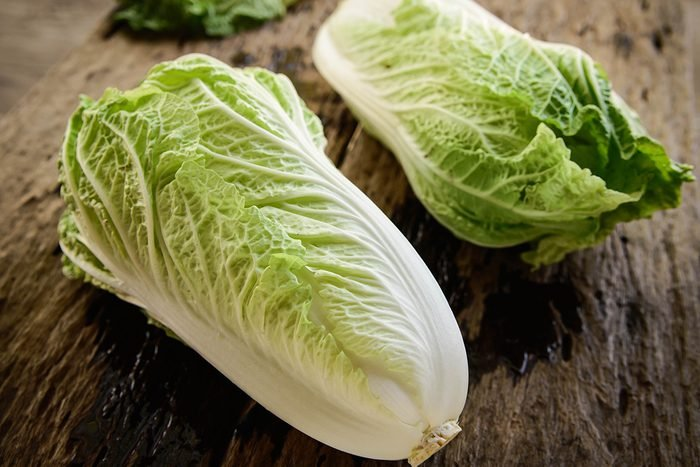
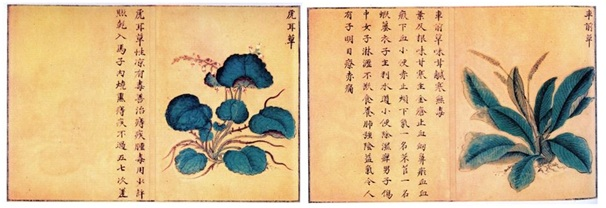
Other types of B. rapa were created with a focus on the leaves, which are also edible. One example is Chinese cabbage (Brassica rapa subsp. pekinensis) in a dish called Niu du Song (beef tripe cabbage) in the Xin Xiu Ben Cao (pharmacy book by Jin Su, 659 AD)
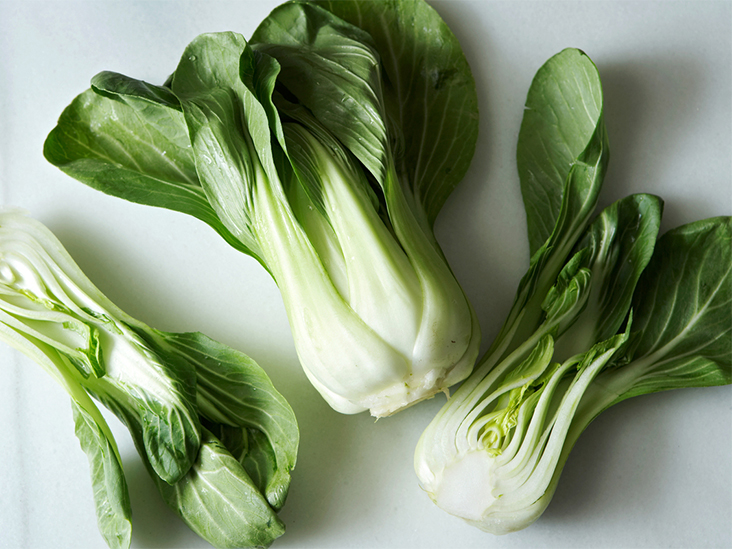
Another type domesticated in China, in the Yangtze river delta, is bok choy (B. rapa subsp. chinensis), a popular winter-hardy and now cultivated in all of S-E Asia as well. Its exportation to China in the 14th c AD lead to the creation of kimchi, a fermented recipe of bok choy

In Europe turnips were always looked down upon as food for the poor & rural. In Ancient Rome & Greece, the vegetable was so ill-regarded that in cities its main use was as a projectile aimed at unpopular figures. If eaten by the well-off at all, it was heavily covered in spices
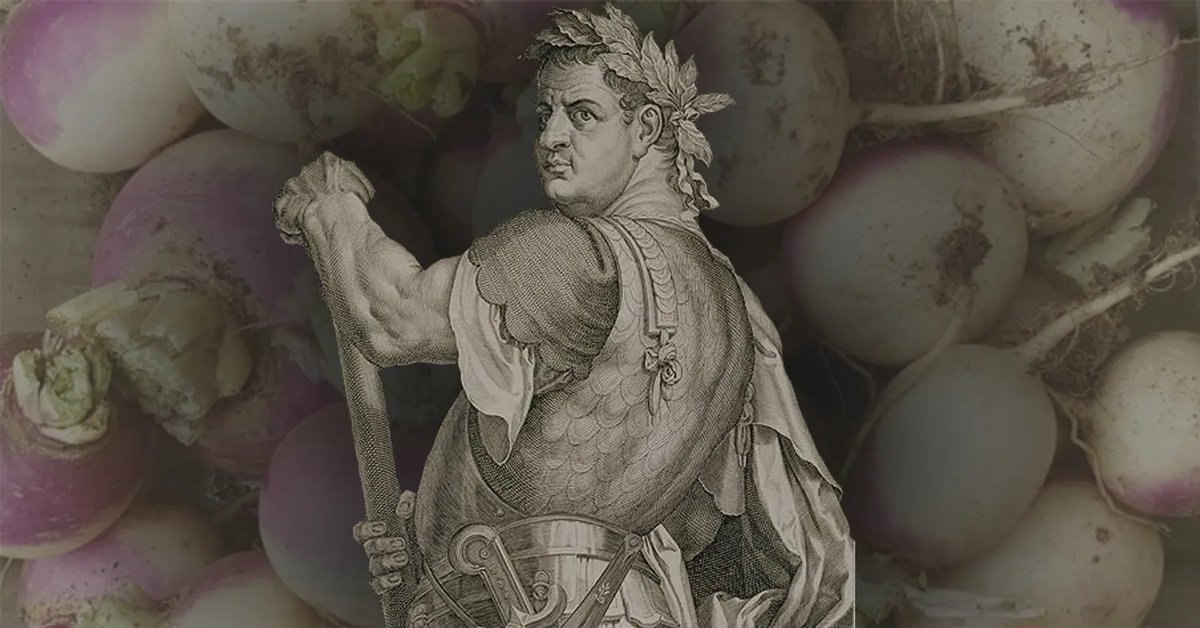
This reputation as a food for bumpkins would follow it for centuries to come, so that even in 15th century England “turnip eater” was a nickname reserved for poor bumpkins, disdained by urban society. They were much in use as fodder for livestock
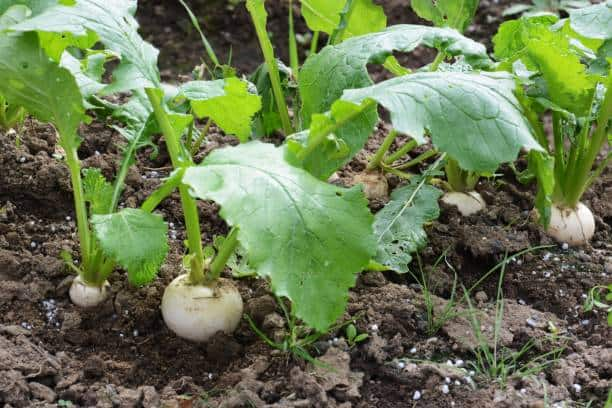
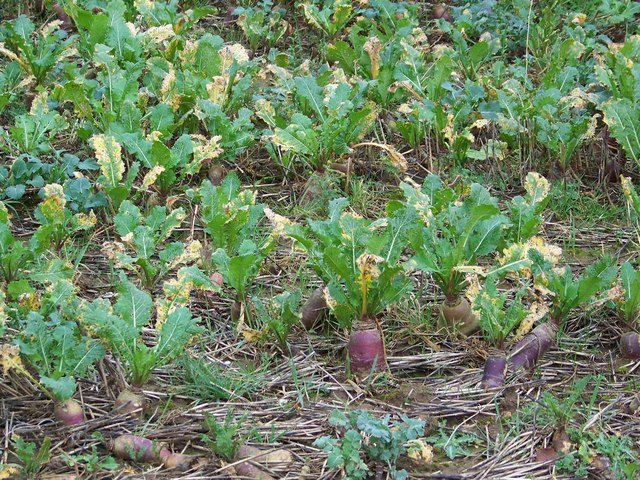
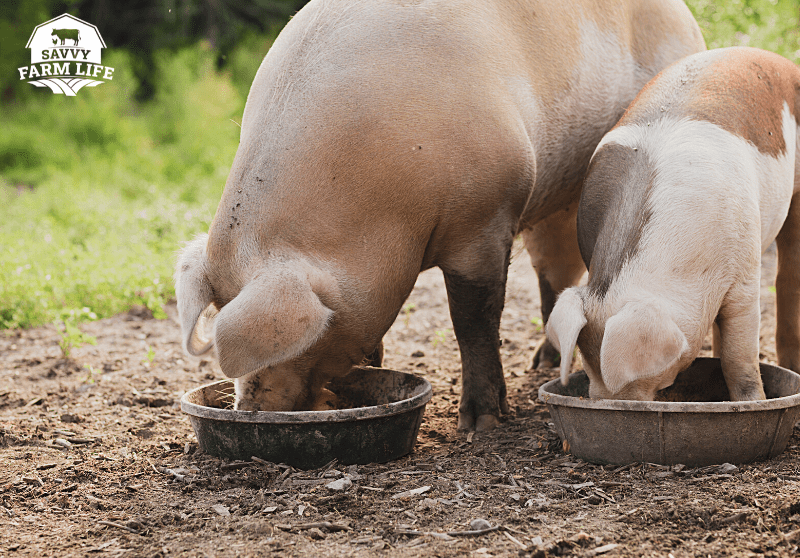
It was much appreciated by these same farmers because it could grow even in cold damp weather and be harvested just before the winter, where it could feed animals. This avoided having to kill some of one’s pigs or cows to avoid the expense of stocking hay etc for the winter
The use of oil from turnip rape in the 16th & 17th centuries shifted from lamp oil to steam engine lubricant during the industrial revolution in the 18th c. While its oil was comparable to that of colza, colza eventually won over and became the dominant rapeseed oil producer
Turnips would become a major factor in the industrial revolution thanks to the Viscount Townshend Charles who promoted a four crop yearly rotation system of wheat, turnip, barley and clover. This massively boosted food production in the 18th century

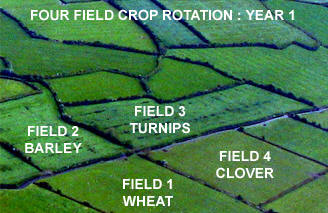
Indeed the clover eliminated the need to leave the land fallow, reintroducing nitrogen into the soil and providing fodder. The hardy cold-resistant turnip grew in Autumn and was used as fodder for animals in the winter, increasing meat and milk availability at little cost
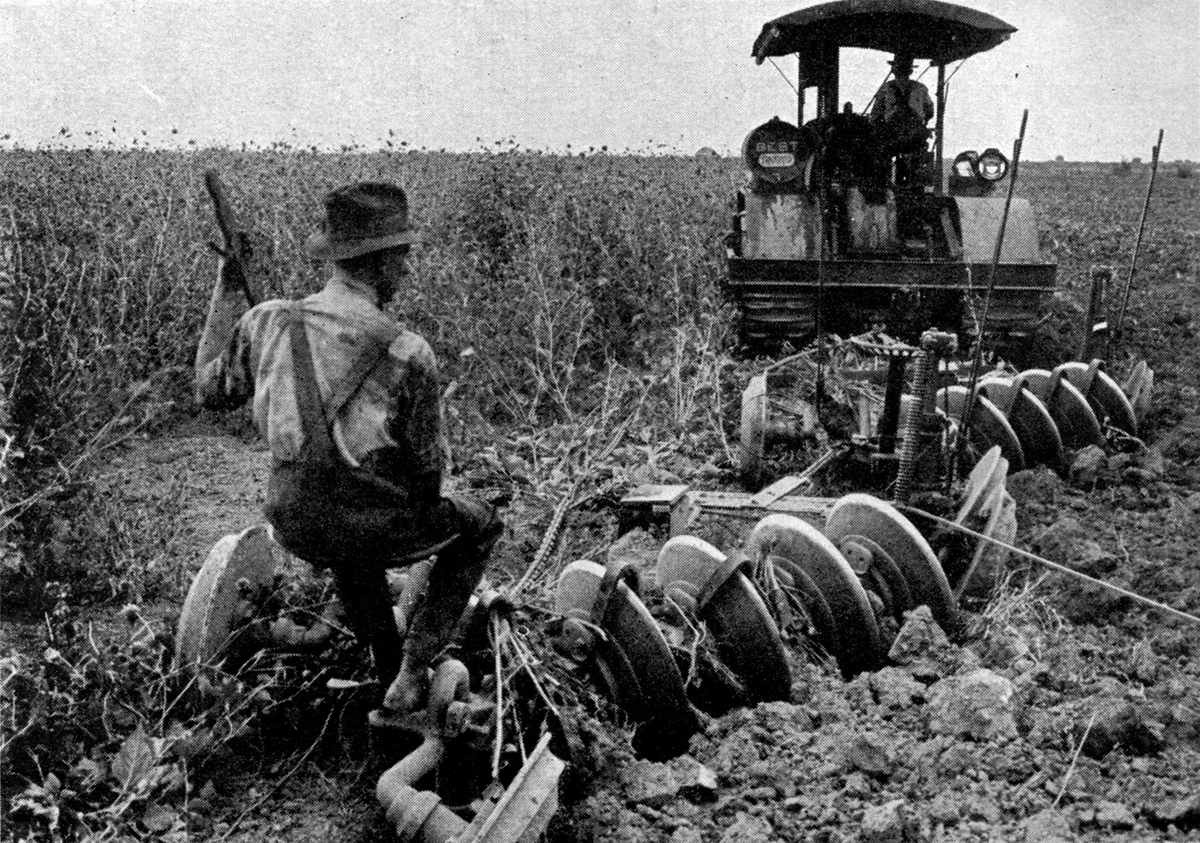
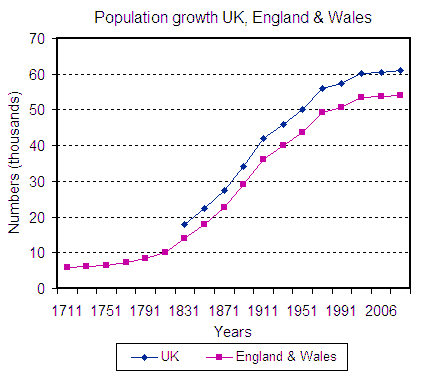
This increase in food production directly translated to increases in population, which gave plentiful manpower for the early factories of England to develop into the world-changing behemoths they eventually became
Turnips would also have a minor cultural impact in Ireland, which would eventually spread worldwide. Indeed, during Samhain, which marks the end of harvest season and the beginning of the “dark” half of the year, prominently featured the stout tubers

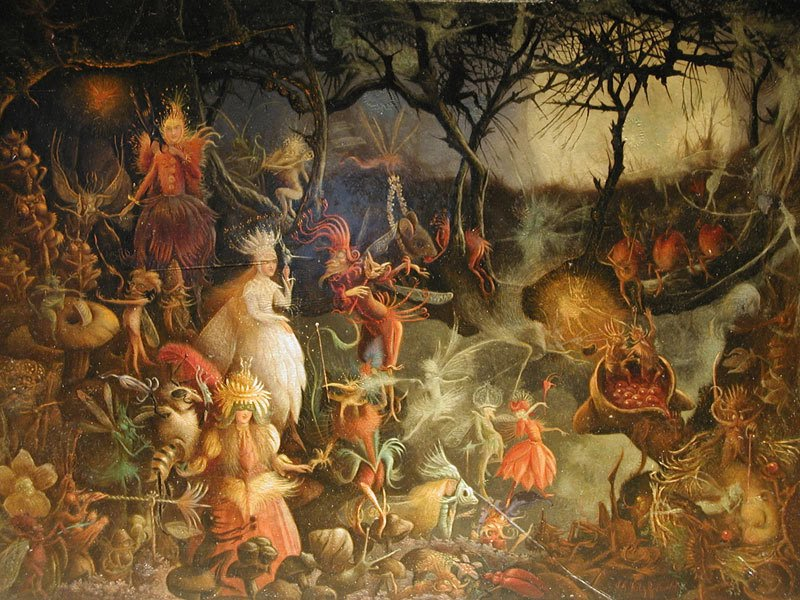
It was thought that during Samhain, which took place beginning on the evening of the 31st of October, the veil between world was thin, causing faeries, ghosts and other supernatural creatures to roam the land in the dark
As metal lantern frames were uncommon and expensive, one often carved out turnips which had just been harvested. Originally, the holes served to protect the flame from going out in the wind while shedding light, later they’d become faces and other designs
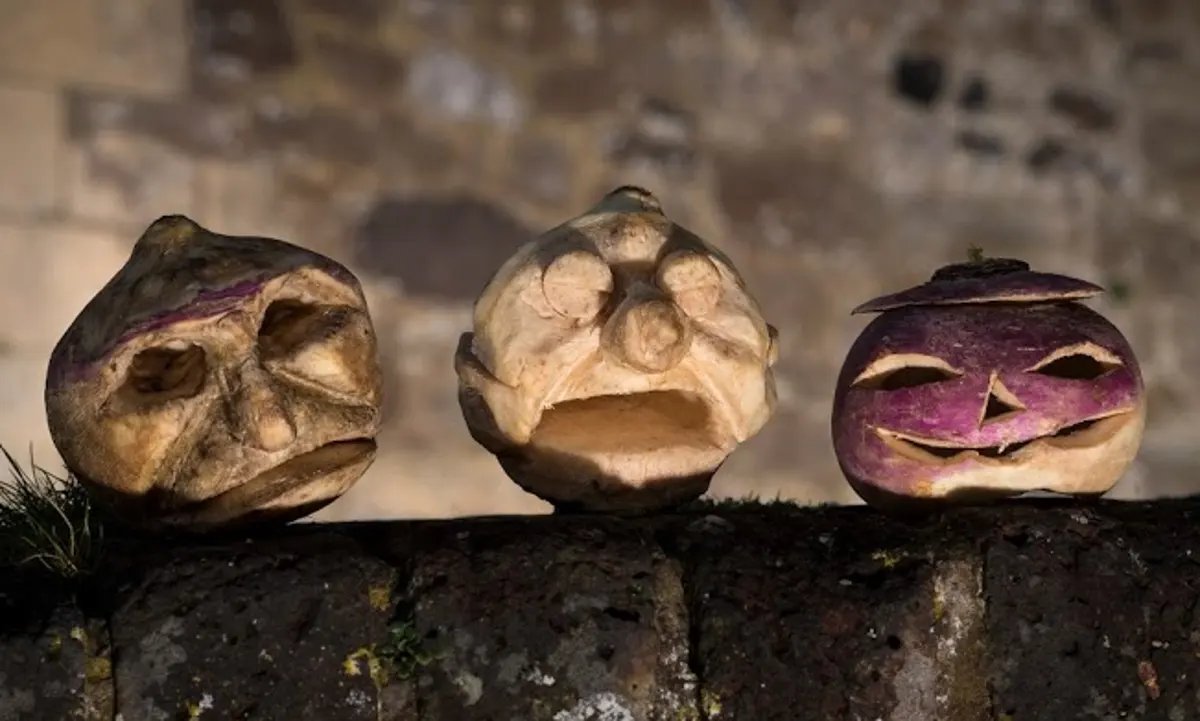
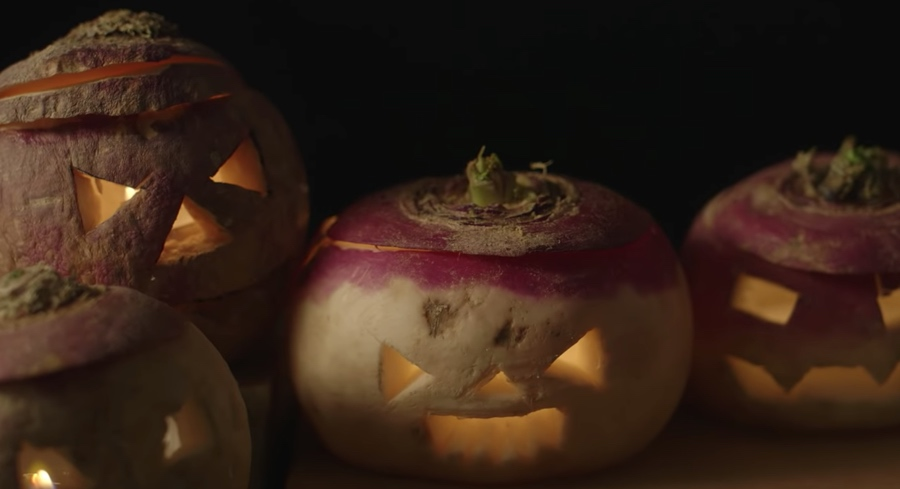
This lantern was used while travelling but also hung up around houses to ward off these supernatural spirits until the boundaries between worlds reasserted themselves. This was practiced in Ireland as well as parts of Scotland and Somerset in the 19th century

These lanterns, called Punkies or Jack-O-Lanterns would evolve into the pumpkin decorations we all know today in America in the early to mid 19th century, possibly influenced by Irish immigration to the continent

And that’s the whole story of turnips, the much maligned vegetable which nonetheless indirectly fed the industrial revolution (whether this is a good or bad thing is still up for debate) and inspired the most striking symbol of the month of October!
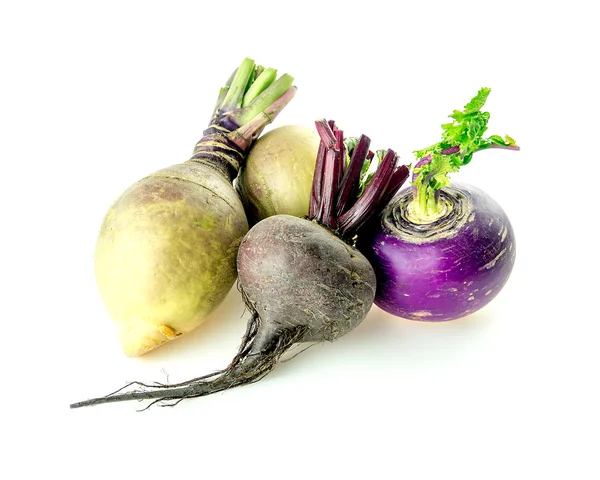
*Exportation to Korea not China, oops
Loading suggestions...