
Education
Technology
Data Science
programming
Finance
Data Analysis
Web Development
Software Development
Python
Documentation

Jupyter Notebook is the most powerful tool Python developers have.
But most people don’t know the hidden features.
Need a quick web app?
Or to create REST APIs?
Here's the 6 ways to use Jupyter notebook you never knew existed:
But most people don’t know the hidden features.
Need a quick web app?
Or to create REST APIs?
Here's the 6 ways to use Jupyter notebook you never knew existed:
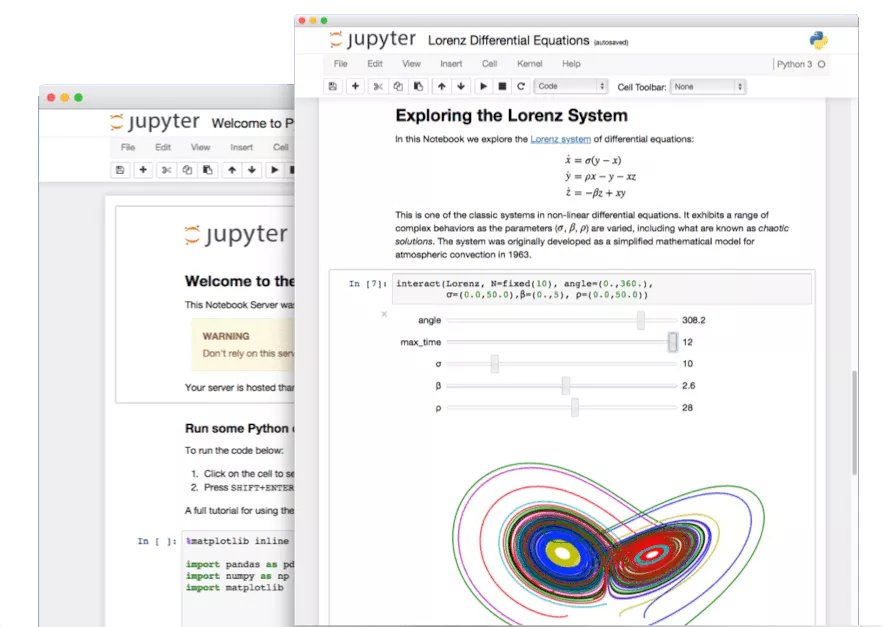
Jupyter Notebook is a web app for creating and sharing computational documents.
When I say powerful, here's what I mean:
• It supports 40 languages
• Produces rich, interactive output
• Can leverage big data tools like Spark
So, what else can we do with Jupyter Notebook?
When I say powerful, here's what I mean:
• It supports 40 languages
• Produces rich, interactive output
• Can leverage big data tools like Spark
So, what else can we do with Jupyter Notebook?
Package Development
nbdev let's you develop and publish Python packages right from Jupyter Notebook.
It generates documentation and publishes on GitHub Pages. You can also write tests and setup CI with GitHub Actions.
github.com
nbdev let's you develop and publish Python packages right from Jupyter Notebook.
It generates documentation and publishes on GitHub Pages. You can also write tests and setup CI with GitHub Actions.
github.com
Web Apps
With Mercury, you can build an interactive web app.
Define the interactive widgets and deploy the app to any server. When users interact with the app, they can save the results as PDF or HTML.
github.com
With Mercury, you can build an interactive web app.
Define the interactive widgets and deploy the app to any server. When users interact with the app, they can save the results as PDF or HTML.
github.com
Blogs
Create a blog with Nikola.
Nikola reads your notebooks and produces the static HTML and CSS for the website. It comes with themes, feeds and comments.
getnikola.com
Create a blog with Nikola.
Nikola reads your notebooks and produces the static HTML and CSS for the website. It comes with themes, feeds and comments.
getnikola.com
Reports
Impress your colleagues by sending them a report built by nbconvert.
nbconvert converts notebooks into PDF, HTML, Markdown and Latex. Converting notebooks lets you share results with people not using notebooks.
nbconvert.readthedocs.io
Impress your colleagues by sending them a report built by nbconvert.
nbconvert converts notebooks into PDF, HTML, Markdown and Latex. Converting notebooks lets you share results with people not using notebooks.
nbconvert.readthedocs.io
REST API
Jupyter Kernal Gateway turns each cell into a REST API endpoint.
Use the Kernal Gateway to define many endpoints in a single notebook. It also supports Websockets.
jupyter-kernel-gateway.readthedocs.io
Jupyter Kernal Gateway turns each cell into a REST API endpoint.
Use the Kernal Gateway to define many endpoints in a single notebook. It also supports Websockets.
jupyter-kernel-gateway.readthedocs.io
Whether it's algorithmic trading, big data analysis or web development, use Jupyter Notebook for your next project.
• Package development
• Web apps
• REST API
• Reports
• Books
• Blogs
• Package development
• Web apps
• REST API
• Reports
• Books
• Blogs
And that's a wrap!
PyQuant News is the best place for resources for developers using Python for scientific computing and quantitative analysis.
Check out pyquantnews.com for the best in Python
Oh!
One more thing:
PyQuant News is the best place for resources for developers using Python for scientific computing and quantitative analysis.
Check out pyquantnews.com for the best in Python
Oh!
One more thing:
If this was valuable, I'd appreciate if you:
• Follow @pyquantnews for more resources like these
• RT the tweet below to share this thread with your audience
• Follow @pyquantnews for more resources like these
• RT the tweet below to share this thread with your audience
If you like Python for quant finance, check out the 46-Page Ultimate Guide to Pricing Options and Implied Volatility With Python.
Here's why:
• Black-Scholes, the greeks, and implied volatility
• Jupyter Notebooks with the code
• Live options data
pyquantnews.gumroad.com
Here's why:
• Black-Scholes, the greeks, and implied volatility
• Jupyter Notebooks with the code
• Live options data
pyquantnews.gumroad.com
Loading suggestions...