

NoCode is incredibly POWERFUL!
A 15+ year marketing expert built a Shopify app:
- in 5 months
- working part-time
- on a $500 NoCode stack
And scaled it to:
- 1500+ clients
- $50,000 MRR
- in just 1.5 years!
Read his story to know how you can buildd your startup with NoCode 🧵
A 15+ year marketing expert built a Shopify app:
- in 5 months
- working part-time
- on a $500 NoCode stack
And scaled it to:
- 1500+ clients
- $50,000 MRR
- in just 1.5 years!
Read his story to know how you can buildd your startup with NoCode 🧵
Structure:
1. Journey of Analyzify
2. What exactly is Analyzify?
3. What problems did they face?
4. How did NoCode help?
5. Analyzify's NoCode Tech Stack!
6. Final Impact?
7. NoCode vs Code
8. Key Takeaways!
1. Journey of Analyzify
2. What exactly is Analyzify?
3. What problems did they face?
4. How did NoCode help?
5. Analyzify's NoCode Tech Stack!
6. Final Impact?
7. NoCode vs Code
8. Key Takeaways!
1/ Journey of Analyzify
Before building Analyzify, Erman Küplü worked as a digital marketer for 15+ years.
He created Solverhood, a services company that provides marketing and analytics solutions to brands.
While working on 300+ solutions, the idea of Analyzify was born.
Before building Analyzify, Erman Küplü worked as a digital marketer for 15+ years.
He created Solverhood, a services company that provides marketing and analytics solutions to brands.
While working on 300+ solutions, the idea of Analyzify was born.
2/ What is Analyzify?
In Erman's experience, most Shopify merchants made the following project request:
a. Fix my analytics
b. Connect my store to 3rd party tools
c. Fix my conversions
... and so on
So, they built Analyzify, a data analytics tool for Shopify apps.
(contd.)
In Erman's experience, most Shopify merchants made the following project request:
a. Fix my analytics
b. Connect my store to 3rd party tools
c. Fix my conversions
... and so on
So, they built Analyzify, a data analytics tool for Shopify apps.
(contd.)

With Analyzify, Shopify merchants can:
- connect to tools like Google Tag Manager, Facebook Pixel, Google Ads, Analytics and more
- by offering this seamless connection, Analyzify simplifies the process of collecting data, tracking and reporting.
(contd.)
- connect to tools like Google Tag Manager, Facebook Pixel, Google Ads, Analytics and more
- by offering this seamless connection, Analyzify simplifies the process of collecting data, tracking and reporting.
(contd.)
This data is valuable for e-commerce app owners who are looking to accurately quantify the impact of their ads and marketing campaigns.
So, by solving a real and significant problem, Erman was setting himself up for success with Analyzify.
(contd.)
So, by solving a real and significant problem, Erman was setting himself up for success with Analyzify.
(contd.)
💡 Lessons:
1. A service business brings you immediate revenue & cash flow. So start by making you're offering a service (eg. consulting) while building your product on the side.
2. Stop thinking of potential ideas and start observing problems around you.
1. A service business brings you immediate revenue & cash flow. So start by making you're offering a service (eg. consulting) while building your product on the side.
2. Stop thinking of potential ideas and start observing problems around you.
3/ What problems did they face?
Analyzify was launched in November 2020.
Version 1 was completely built on Ruby on Rails, a preferred framework for many Shopify apps.
But, Erman could only code a little in PHP & HTML. So, maintaining an RoR app proved very difficult.
(contd)
Analyzify was launched in November 2020.
Version 1 was completely built on Ruby on Rails, a preferred framework for many Shopify apps.
But, Erman could only code a little in PHP & HTML. So, maintaining an RoR app proved very difficult.
(contd)
He also wanted to make many front-end UI/UX improvements.
But, for changing a simple feature or altering a line of code, he'd have to call up the developer.
Customers were already using their product. So, Erman was getting anxious waiting for the dev to make the changes.
But, for changing a simple feature or altering a line of code, he'd have to call up the developer.
Customers were already using their product. So, Erman was getting anxious waiting for the dev to make the changes.
4/ How did NoCode help?
When Erman was struggling with this problem, he came across a post about building Shopify apps using the NoCode tool, Bubble.
He researched more and found out that Bubble allowed them to edit their Shopify app simply via a graphic interface.
(contd.)
When Erman was struggling with this problem, he came across a post about building Shopify apps using the NoCode tool, Bubble.
He researched more and found out that Bubble allowed them to edit their Shopify app simply via a graphic interface.
(contd.)
That was a game-changer and very quickly solved their main problem.
With the help of Bubble developer, Enez, Erman kept improving their UI/UX workflows.
And, now they could easily & quickly update their UI and make cool backend workflows, the keyword being "quickly"!
With the help of Bubble developer, Enez, Erman kept improving their UI/UX workflows.
And, now they could easily & quickly update their UI and make cool backend workflows, the keyword being "quickly"!
5/ Analyzify's NoCode Tech Stack!
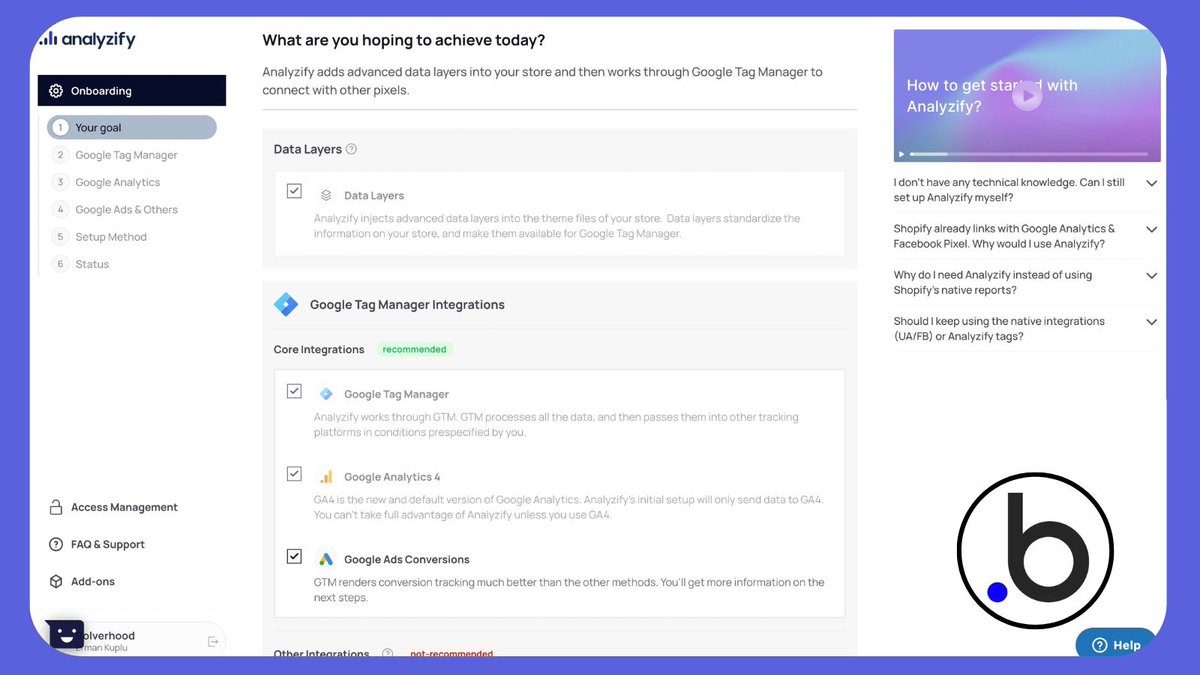
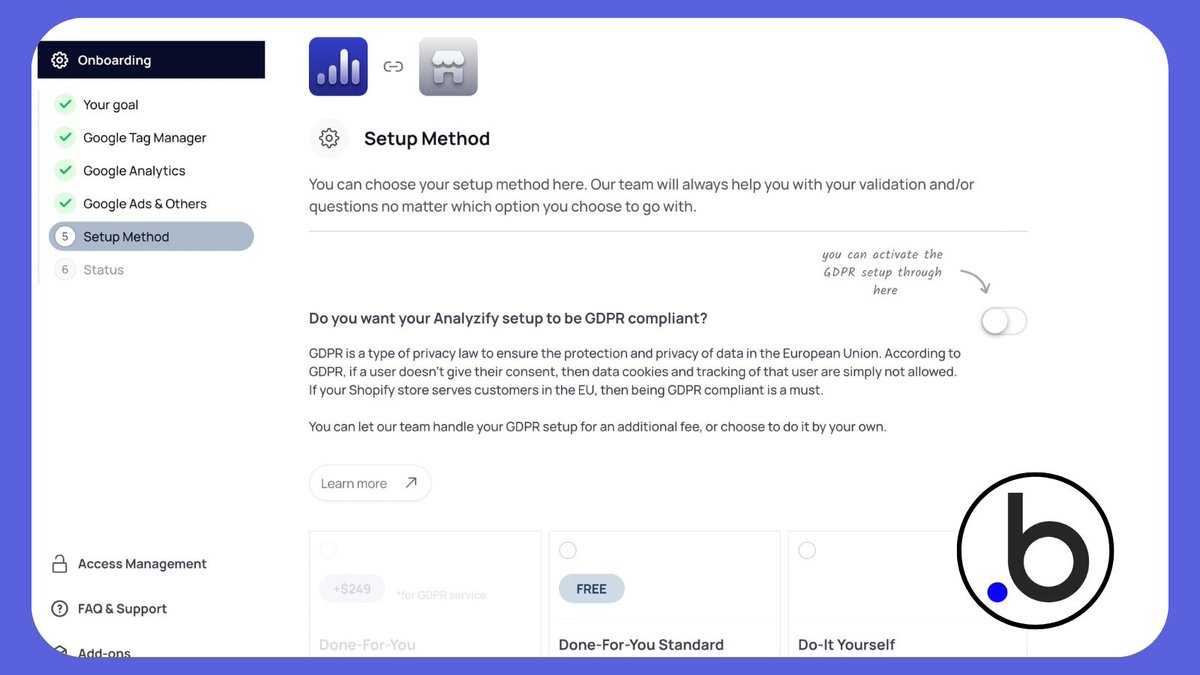
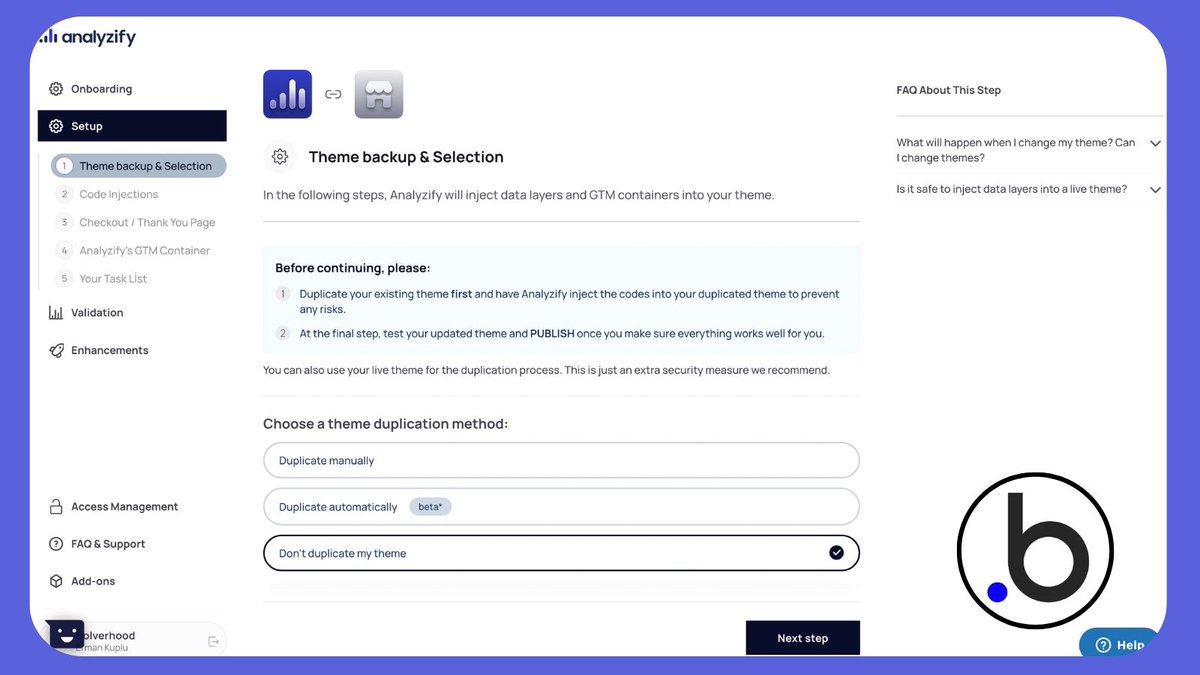
1) Bubble
Use case ⇒ manages all frontend and 90% of their workflow.
All of Analyzify's features and setups are built on Bubble.
For example:
A) Google Tag Manager Integration
B) GDPR Compliance Setup
C) Analyzify Setup on Shopify
(contd.)
1) Bubble
Use case ⇒ manages all frontend and 90% of their workflow.
All of Analyzify's features and setups are built on Bubble.
For example:
A) Google Tag Manager Integration
B) GDPR Compliance Setup
C) Analyzify Setup on Shopify
(contd.)
2) Tallyforms
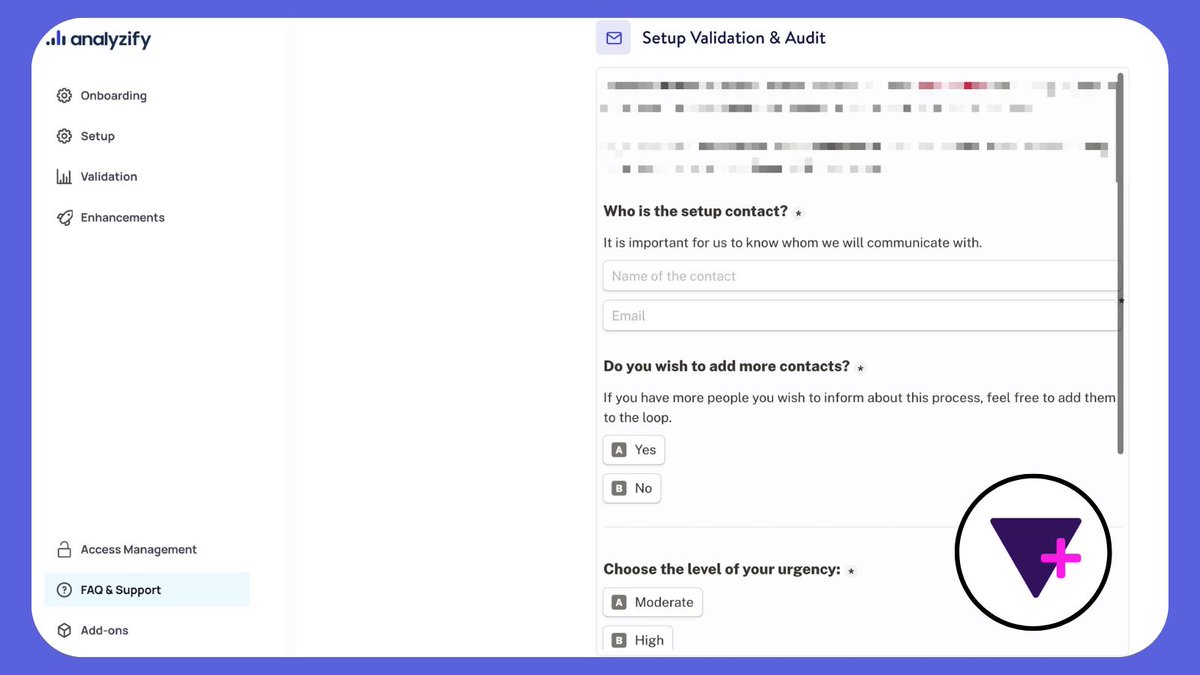
Use case ⇒ creates customer-facing forms for different support requests.
The Tallyforms are added to Bubble (frontend) as an iFrame and all customer details are passed through the iFrame with URL parameters. So, they know who submitted the form
(contd.)
Use case ⇒ creates customer-facing forms for different support requests.
The Tallyforms are added to Bubble (frontend) as an iFrame and all customer details are passed through the iFrame with URL parameters. So, they know who submitted the form
(contd.)
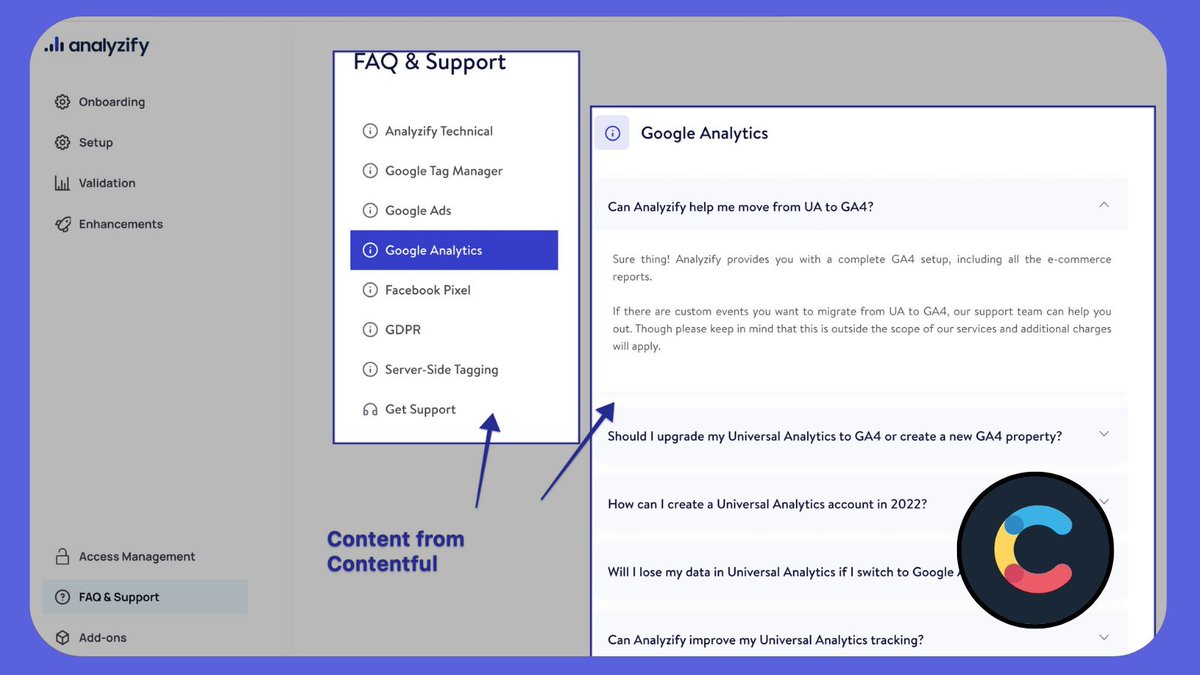
3) Contentful
Use case ⇒ is their headless CMS.
They manage their in-app content, website content, FAQs and much more on this platform.
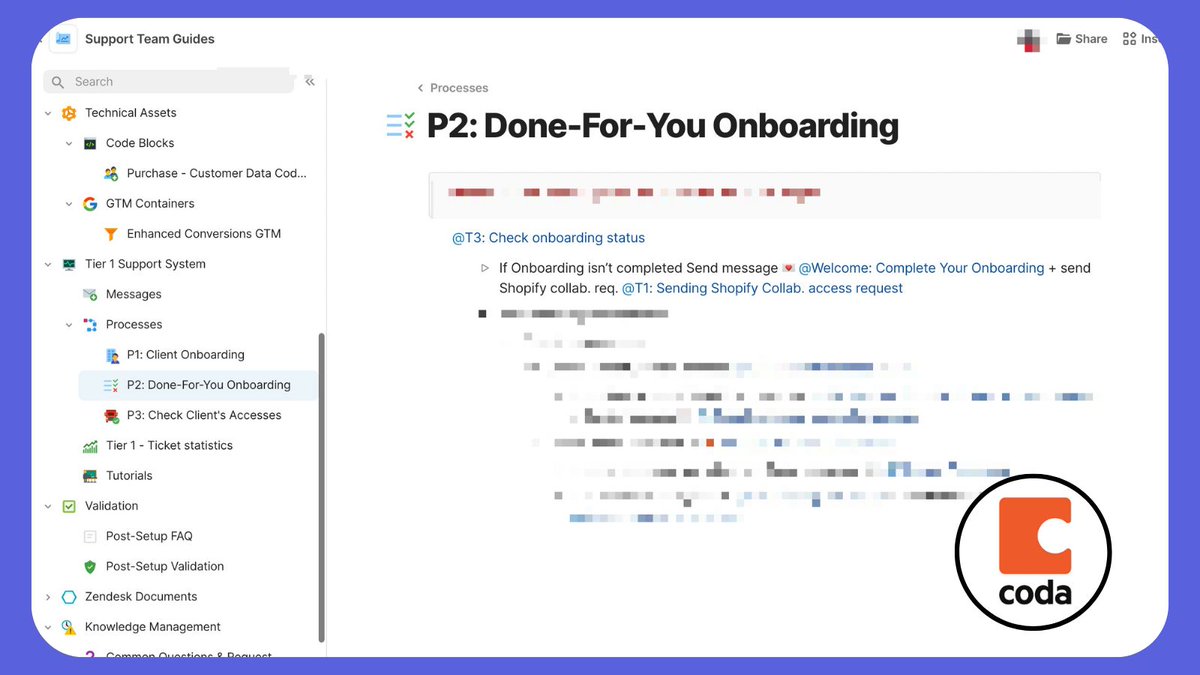
4) Coda
Use case ⇒ is their internal database. Most of their data is sent from Bubble to Coda.
(contd.)
Use case ⇒ is their headless CMS.
They manage their in-app content, website content, FAQs and much more on this platform.
4) Coda
Use case ⇒ is their internal database. Most of their data is sent from Bubble to Coda.
(contd.)
5) Zapier
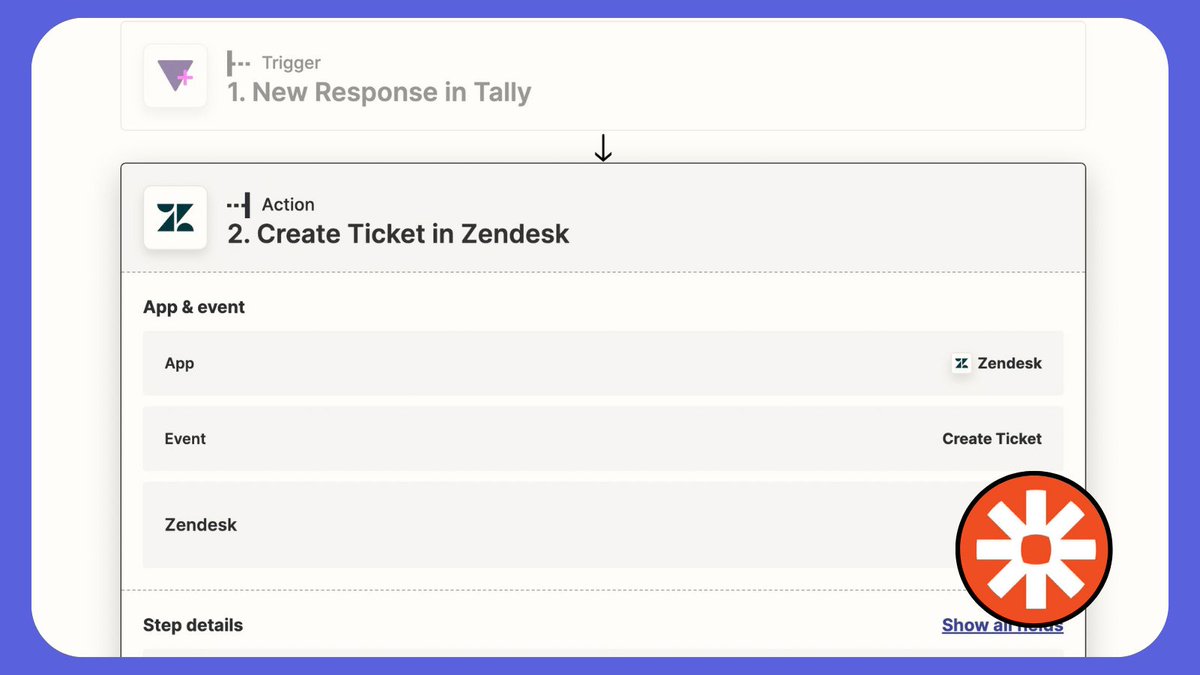
Use Case ⇒ integrates all their apps
For Example:
- TallyForms <> Zendesk
- Coda <>Tally
- Coda <> Zendesk.
The Tally to Zendesk flow helps create a structured easy-to-action ticket.
This helps when the customer wants to send a validation request.
(contd.)
Use Case ⇒ integrates all their apps
For Example:
- TallyForms <> Zendesk
- Coda <>Tally
- Coda <> Zendesk.
The Tally to Zendesk flow helps create a structured easy-to-action ticket.
This helps when the customer wants to send a validation request.
(contd.)
6) Zendesk
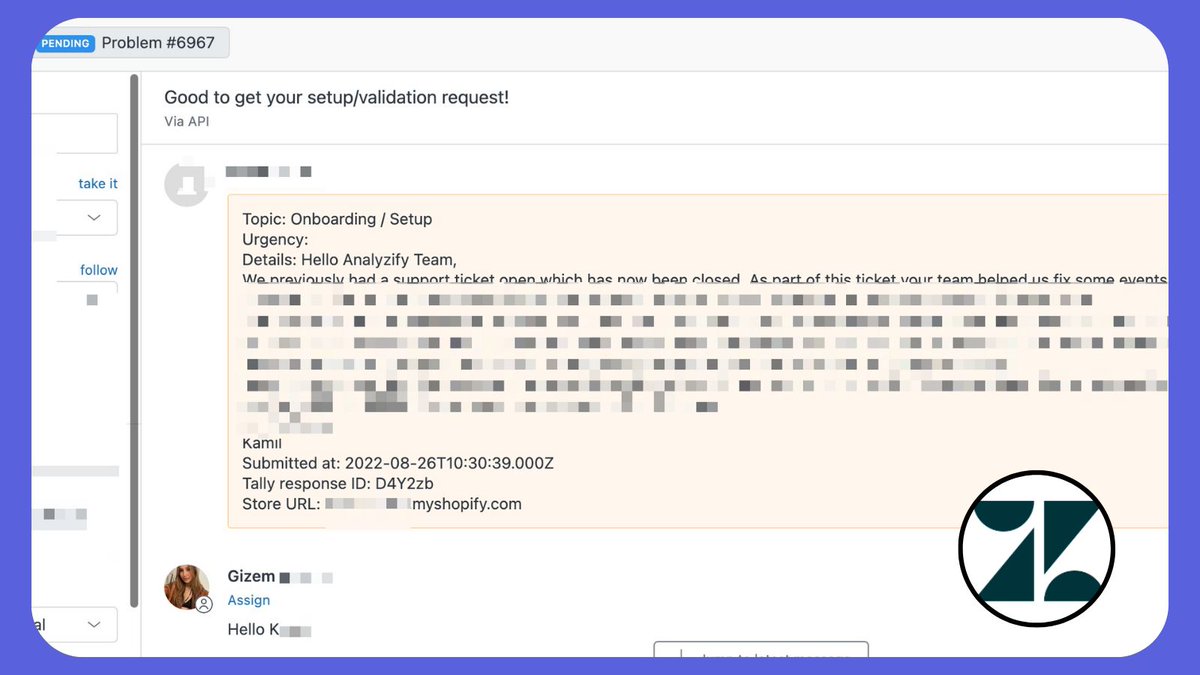
Use case ⇒ They use Zendesk's support ticketing system to attend to customer support requests.
Zapier pushes all these requests from customer-facing forms to Zendesk.
Use case ⇒ They use Zendesk's support ticketing system to attend to customer support requests.
Zapier pushes all these requests from customer-facing forms to Zendesk.
6/ What was the final impact?
Well, Analyzify quickly took off!
1. Version 2 was built only in 5 months using Bubble with less than part-time effort.
2. In just 1.5 years, Analyzify went from ZERO to 1500+ clients. And they expanded to 3 more products.
(contd.)
Well, Analyzify quickly took off!
1. Version 2 was built only in 5 months using Bubble with less than part-time effort.
2. In just 1.5 years, Analyzify went from ZERO to 1500+ clients. And they expanded to 3 more products.
(contd.)
3. They passed an MRR of $50K+ and their team grew to 20+ people!
4. As for their cost — their entire tech stack only costs them $500 per month.
Eventually, Erman moved to a low-code solution.
Now, they develop a lot of custom APIs and connect those to NoCode tools.
4. As for their cost — their entire tech stack only costs them $500 per month.
Eventually, Erman moved to a low-code solution.
Now, they develop a lot of custom APIs and connect those to NoCode tools.
7/ How does NoCode compare with Code?
Erman loves NoCode, but he's well aware of its shortcomings.
As time passed & Analyzify scaled to handle more complex use cases, Erman slowly moved towards LowCode solutions. Here's why!
(contd.)
Erman loves NoCode, but he's well aware of its shortcomings.
As time passed & Analyzify scaled to handle more complex use cases, Erman slowly moved towards LowCode solutions. Here's why!
(contd.)
1) Adding custom server-side logic
It's easy to add authentication to your Bubble app, but it's difficult to customise the authentication flow.
Over time, Erman wanted to add server-side custom actions during authentication.
So, building a custom solution made sense.
(contd)
It's easy to add authentication to your Bubble app, but it's difficult to customise the authentication flow.
Over time, Erman wanted to add server-side custom actions during authentication.
So, building a custom solution made sense.
(contd)
They connected this authentication app with their Bubble app via an API.
2) Handling data for multiple apps in a single place
Now, Erman & team planned to create 2 more Shopify apps and wanted a centralized admin panel for all their products.
(contd.)
2) Handling data for multiple apps in a single place
Now, Erman & team planned to create 2 more Shopify apps and wanted a centralized admin panel for all their products.
(contd.)
This couldn't be achieved trivially using Bubble.
So, they again built a custom solution for the admin panel and connected this with the Bubble app via an API.
So, they again built a custom solution for the admin panel and connected this with the Bubble app via an API.
8/ Key Takeaways!
1) On Buildd-ing
It doesn't matter what solution you use to buildd something as long as you solve a problem.
Bubble, Coda & Zapier all give an amazing opportunity to create businesses with negligible investment in comparison to coding from scratch!
(contd.)
1) On Buildd-ing
It doesn't matter what solution you use to buildd something as long as you solve a problem.
Bubble, Coda & Zapier all give an amazing opportunity to create businesses with negligible investment in comparison to coding from scratch!
(contd.)
2) On Avoiding Distractions
While the democratization of development is overall amazing, it's also a bit of a distraction from creating a viable startup.
There are thousands of products being built every day. But, creators just make, launch, get 10 users and sell!
(contd.)
While the democratization of development is overall amazing, it's also a bit of a distraction from creating a viable startup.
There are thousands of products being built every day. But, creators just make, launch, get 10 users and sell!
(contd.)
3) On Perseverance
Instead of getting distracted, it's more important to keep improving the product.
This philosophy really helped Analyzify.
Erman received an offer early on to sell Analyzify for $20K. But he persevered and today, Analyzify is worth a lot more.
(contd.)
Instead of getting distracted, it's more important to keep improving the product.
This philosophy really helped Analyzify.
Erman received an offer early on to sell Analyzify for $20K. But he persevered and today, Analyzify is worth a lot more.
(contd.)
4) On Content Creation
It's important for founders to create content.
Erman constantly creates YouTube videos and helpful guides on Analyzify.
The content does NOT promote Analyzify but teaches people how they can achieve the same results without their app!
(contd.)
It's important for founders to create content.
Erman constantly creates YouTube videos and helpful guides on Analyzify.
The content does NOT promote Analyzify but teaches people how they can achieve the same results without their app!
(contd.)
💡 Lesson ➝ Great marketing involves "selling" while "helping".
Making & launching a product is a teaching experience, but maintaining & improving your product is an even better teacher!
Making & launching a product is a teaching experience, but maintaining & improving your product is an even better teacher!
If you liked what you read,
Give us a follow
Retweet the first tweet :)
Give us a follow
Retweet the first tweet :)
Loading suggestions...