
The magic of trams & streetcars:
(and why they're the best form of public transport in cities)
(and why they're the best form of public transport in cities)

What is a tram?
It isn't quite a train but nor is it quite a bus. You might think it has the problems of both with the advantages of neither.
But the tram actually seems to be the best of both worlds: an ideal form of urban public transport.
It isn't quite a train but nor is it quite a bus. You might think it has the problems of both with the advantages of neither.
But the tram actually seems to be the best of both worlds: an ideal form of urban public transport.
Trains (both overground and underground) and buses have their place, of course.
Trains are great for long-distance travel, while the inherent flexibility of bus routes is also important.
But trams are ideal for shorter distance transit in cities and urban centres...
Trains are great for long-distance travel, while the inherent flexibility of bus routes is also important.
But trams are ideal for shorter distance transit in cities and urban centres...
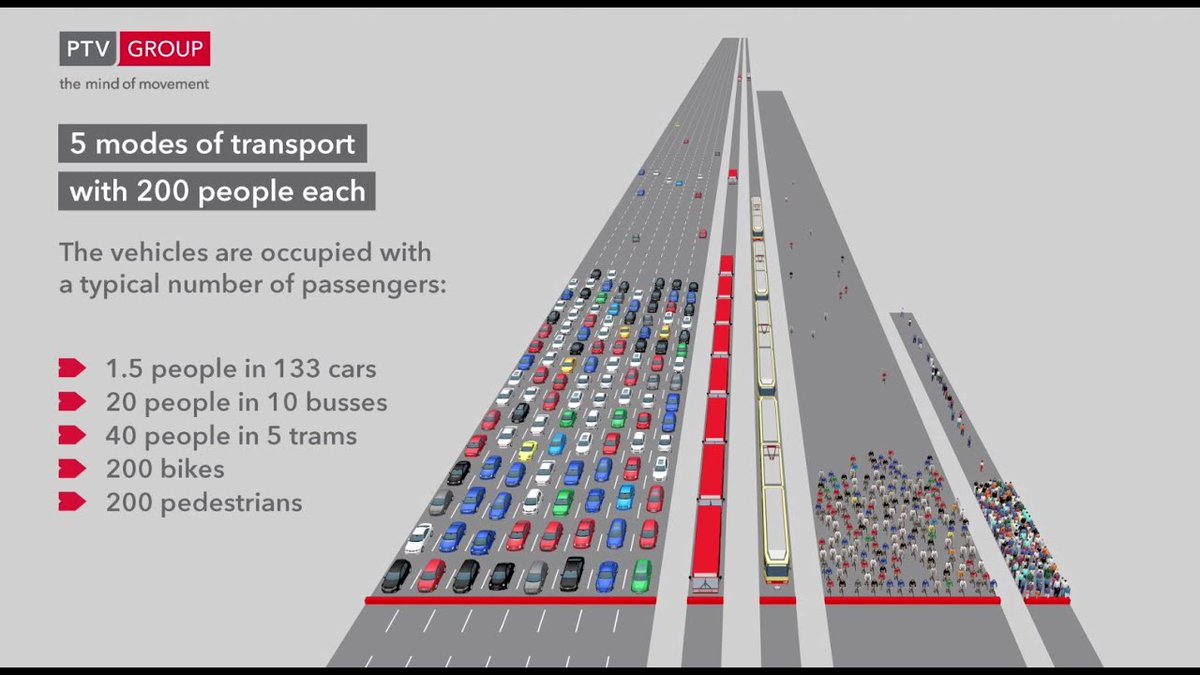
See, trams aren't just more efficient than cars (as everything is) but also carry more passengers than buses, the other "cheap" form of public transport.
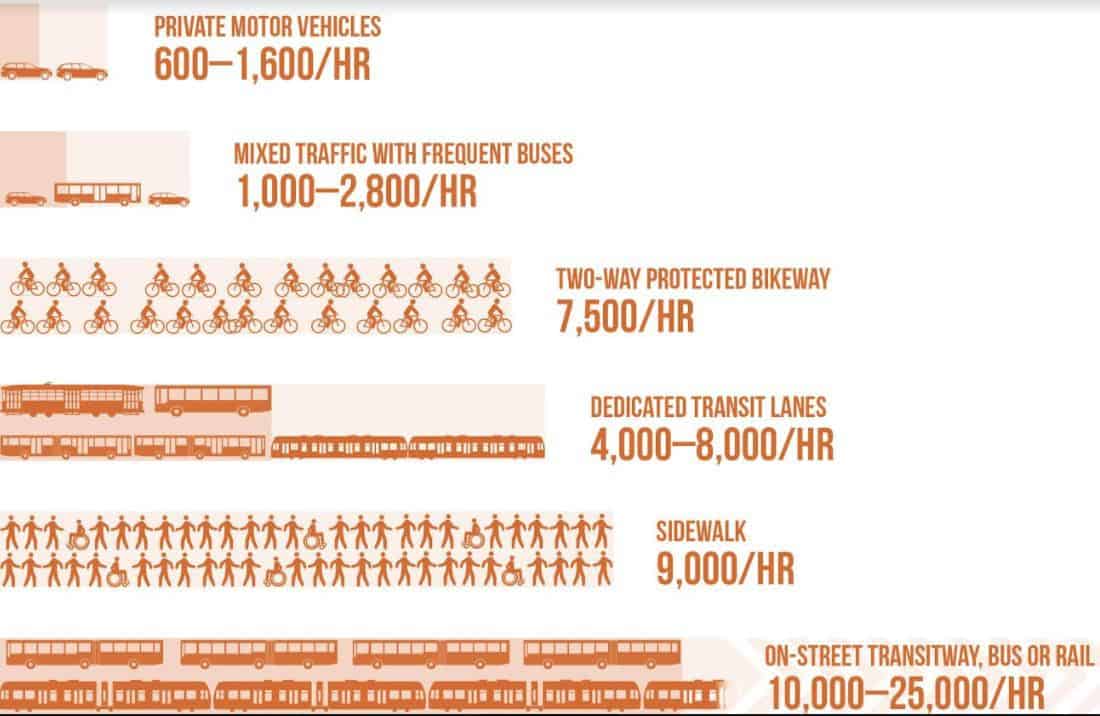
Reducing the number of vehicles on the streets has innumerable advantages.
There's the environmental take, of course, and then there's the way cities are just nicer with less cars around, leaving more room for pedestrians, cycles, gardens, cafes, or whatever.
There's the environmental take, of course, and then there's the way cities are just nicer with less cars around, leaving more room for pedestrians, cycles, gardens, cafes, or whatever.
But, beyond that, a lesser need for cars allows you to plan and design cities without making cars the number one priority, what with their need for huge roads and colossal parking lots and so on.
And trams supplant cars better than any other form of cheap public transport.
And trams supplant cars better than any other form of cheap public transport.
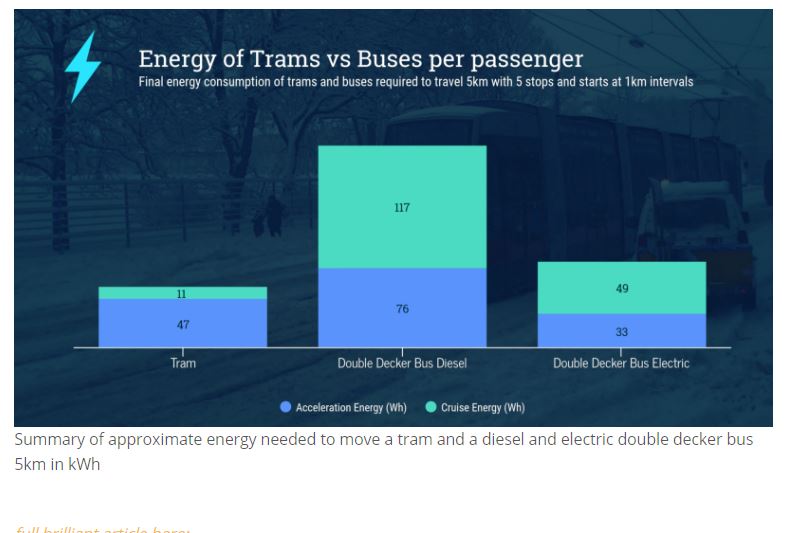
There's also the energy, ecological, and environmental arguments.
Trams have a longer lifespan than buses, so need replacing less frequently. And, by running on tracks, are more energy efficient, not to mention that they use electricity and carry more passengers.
Trams have a longer lifespan than buses, so need replacing less frequently. And, by running on tracks, are more energy efficient, not to mention that they use electricity and carry more passengers.
Another useful (and vital) quality of trams is that they can be scaled to need.
Carriages can be added or removed depending on how much a particular route is used, thus ensuring there's always enough space when needed.
Carriages can be added or removed depending on how much a particular route is used, thus ensuring there's always enough space when needed.
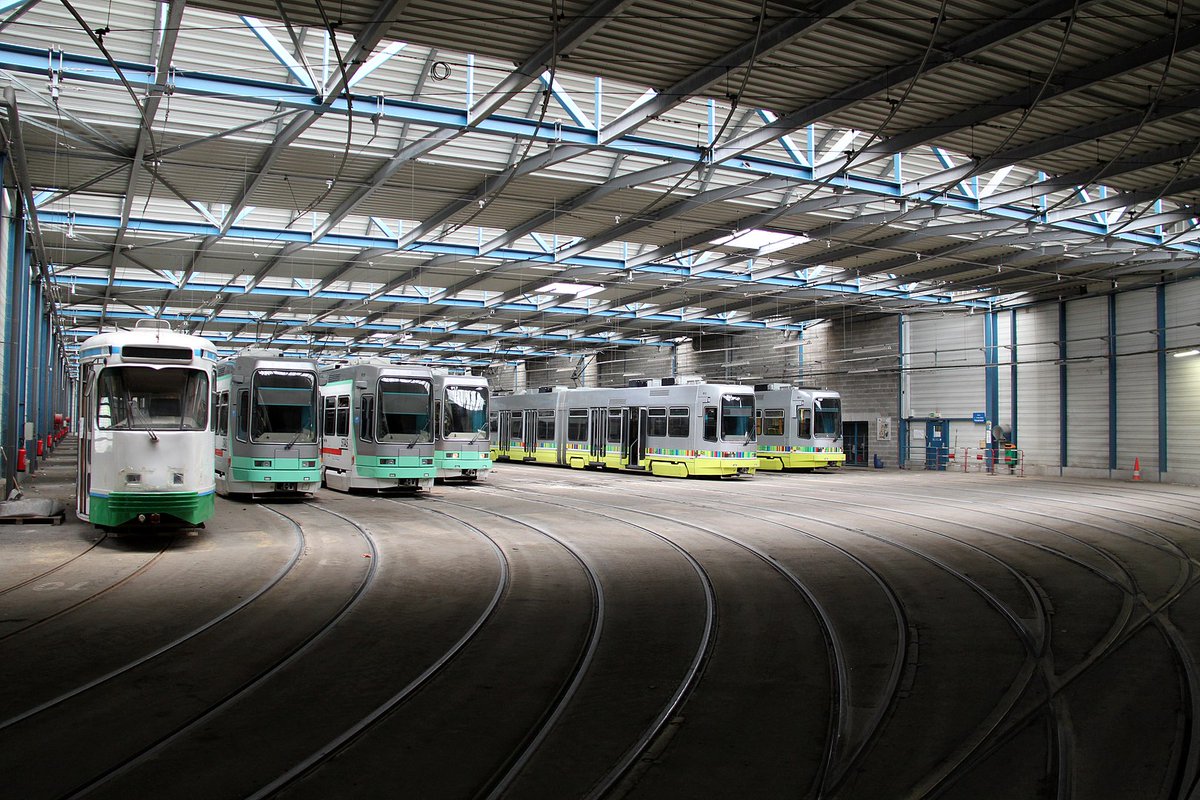
Trams can also be integrated much more innovatively into a city's transport network.
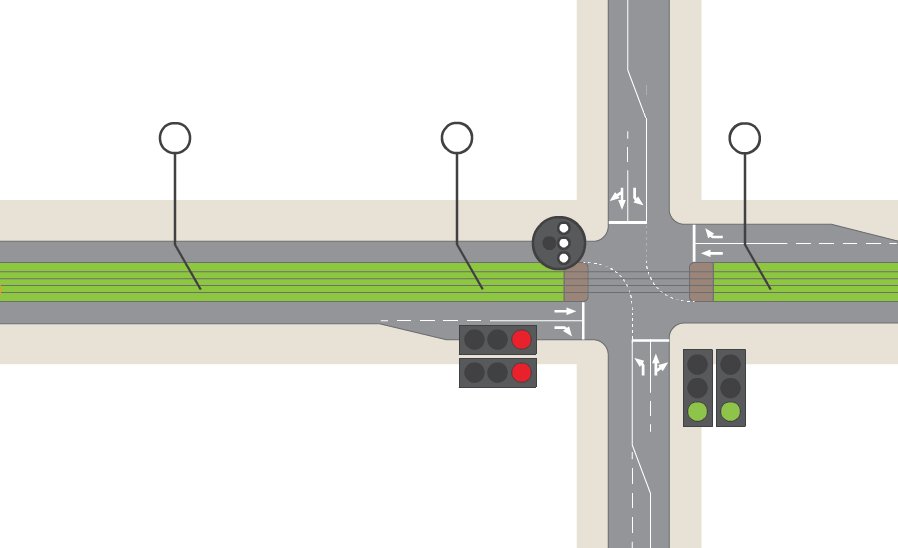
They can have dedicated zones (as can buses, in fairness), but they can also, like trains, use routes unavailable to other vehicles.
And they can be given traffic priority:
They can have dedicated zones (as can buses, in fairness), but they can also, like trains, use routes unavailable to other vehicles.
And they can be given traffic priority:
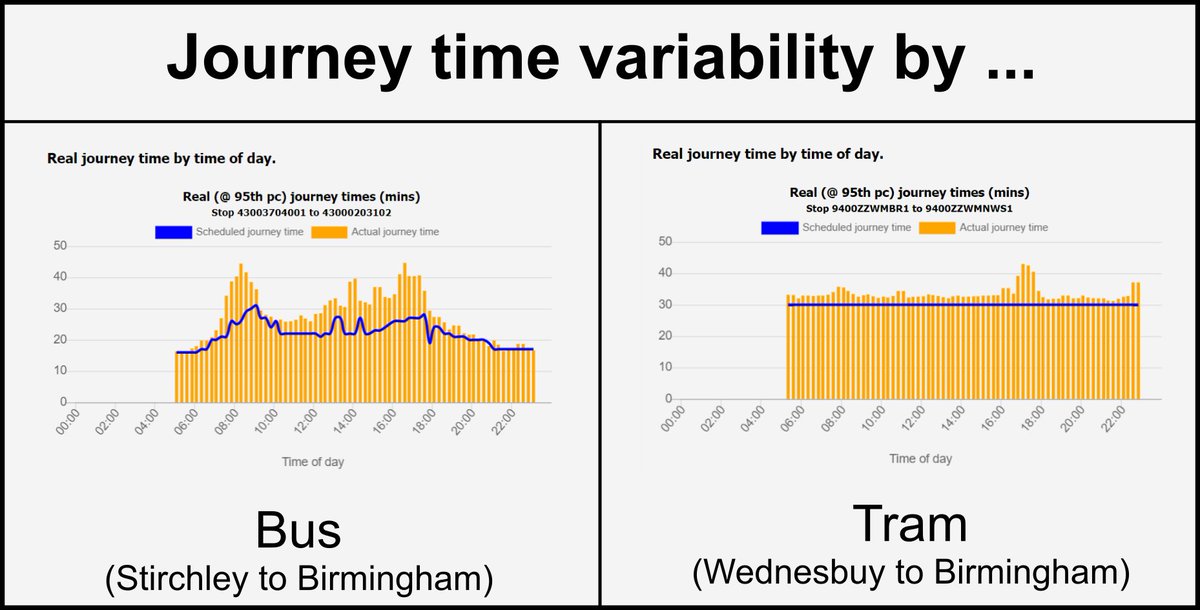
And so, with their greater passenger volume, scalable capacity, fixed rails and routes, greater speed, and greater ability to overcome traffic, trams end up being more reliable than buses:
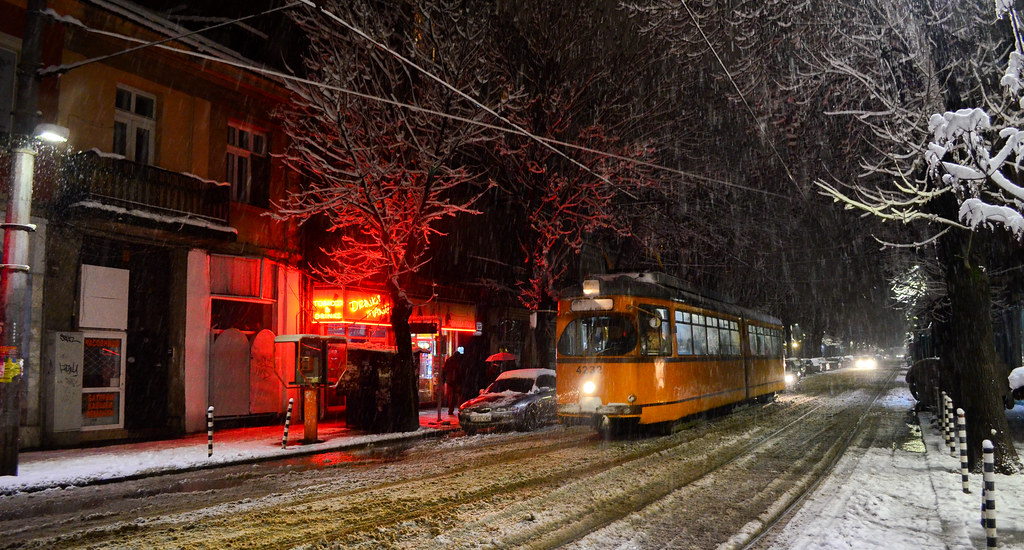
Even in bad weather!
And, unlike buses, trams can be integrated with pedestrianised zones.
Because allowing buses (usually) means building a proper road - rather than just laying tracks - and thus letting other vehicles use it too.
Because allowing buses (usually) means building a proper road - rather than just laying tracks - and thus letting other vehicles use it too.
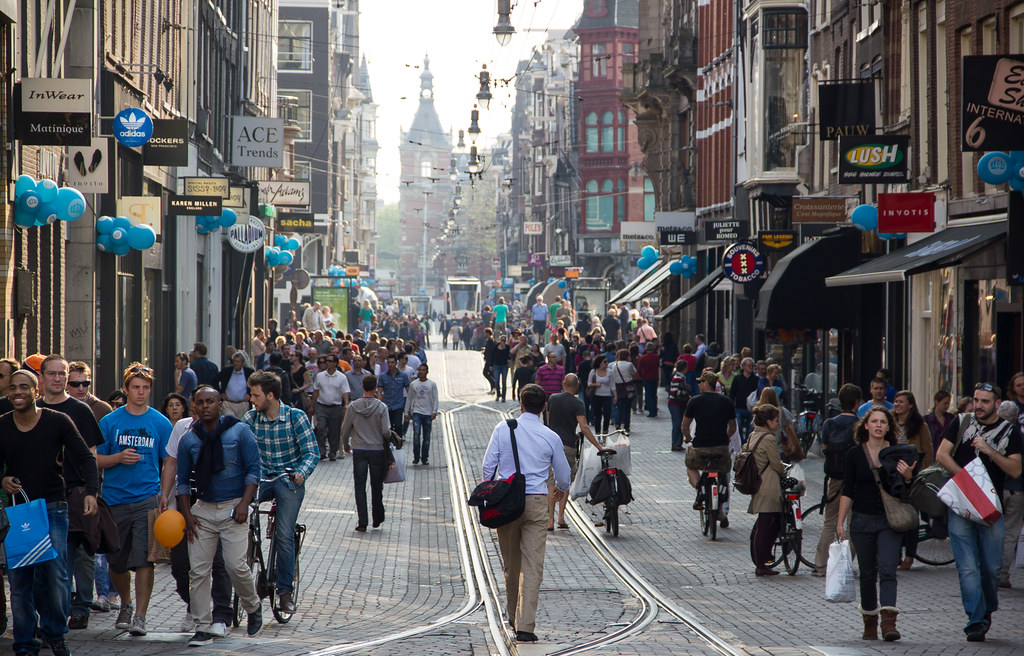
People also seem to like trams more than buses. It's hard to explain exactly why.
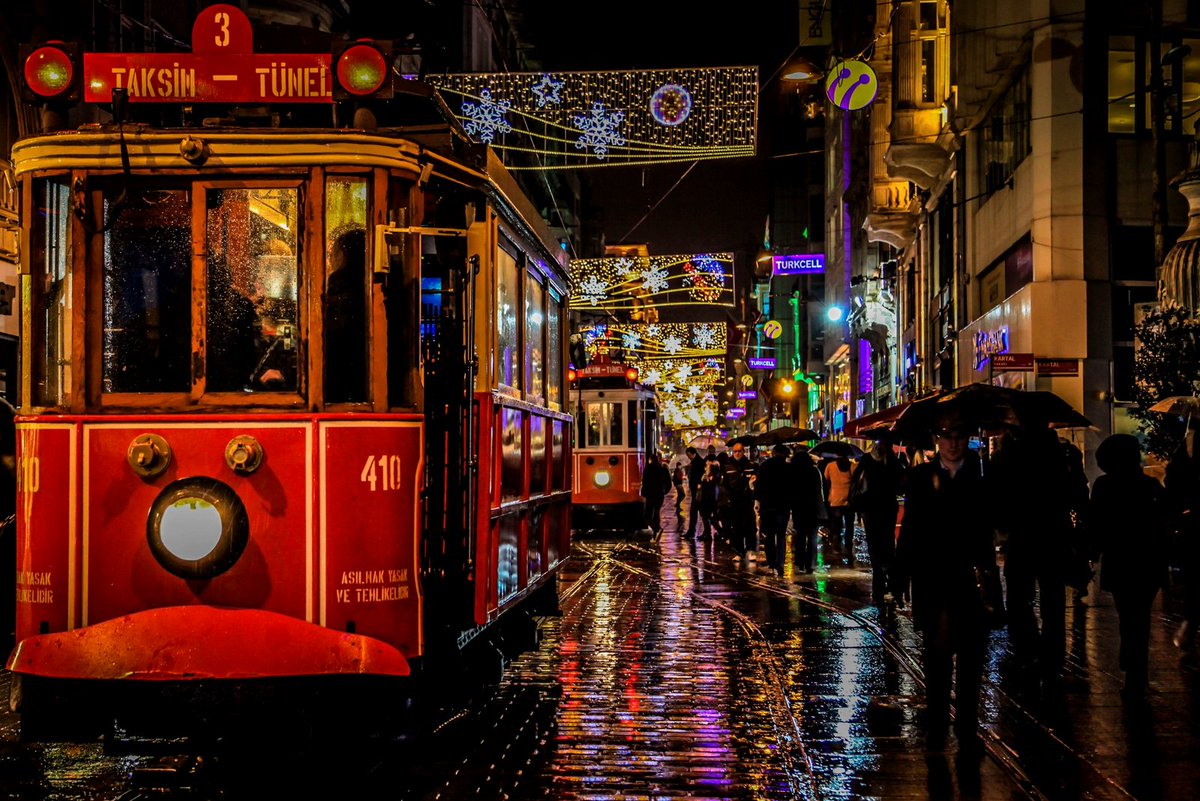
Perhaps because they offer a smoother and less noisy ride. Perhaps because they have the permanence and coherence of trains. Somehow, trams feel like a part of the city.
Perhaps because they offer a smoother and less noisy ride. Perhaps because they have the permanence and coherence of trains. Somehow, trams feel like a part of the city.
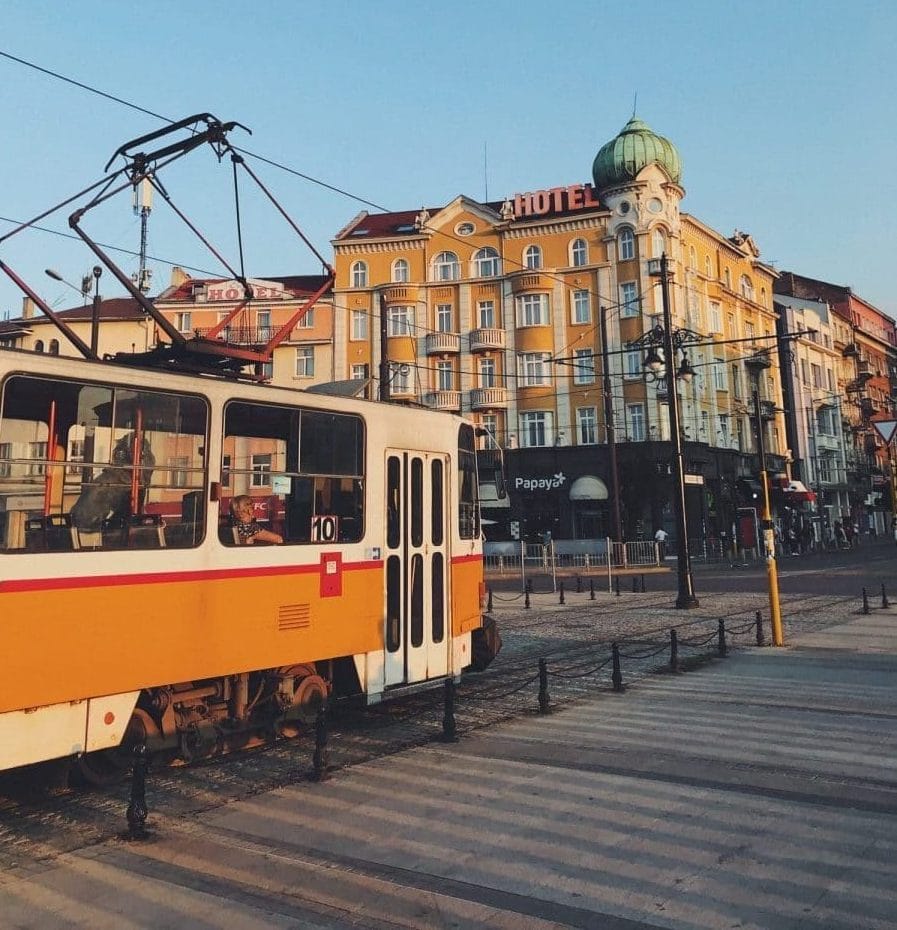
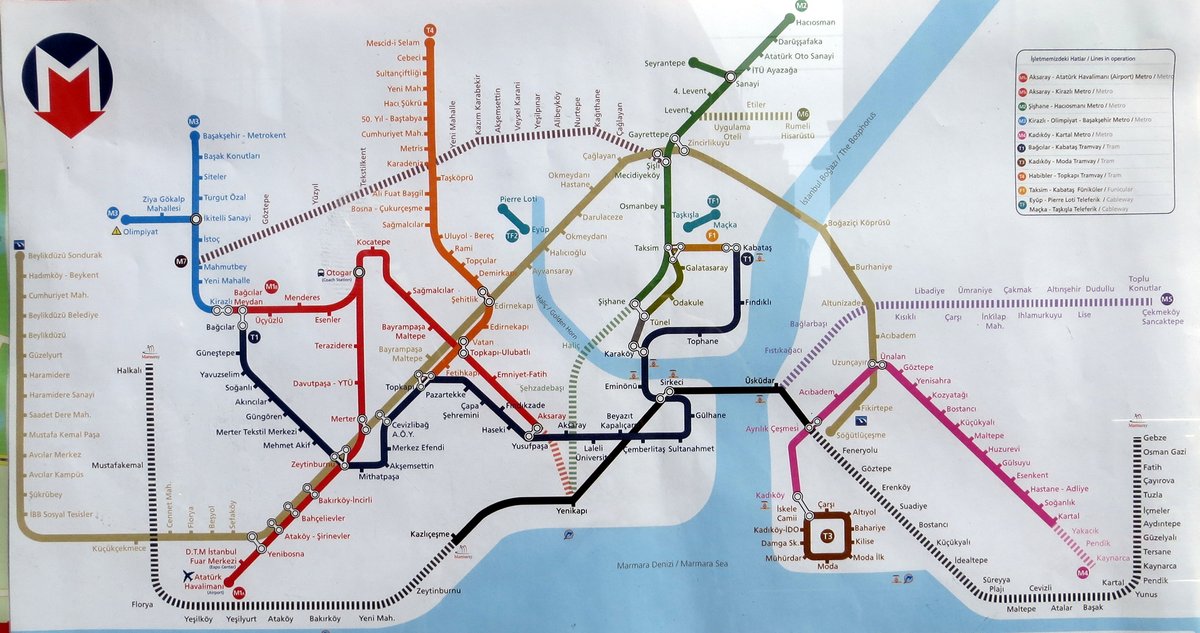
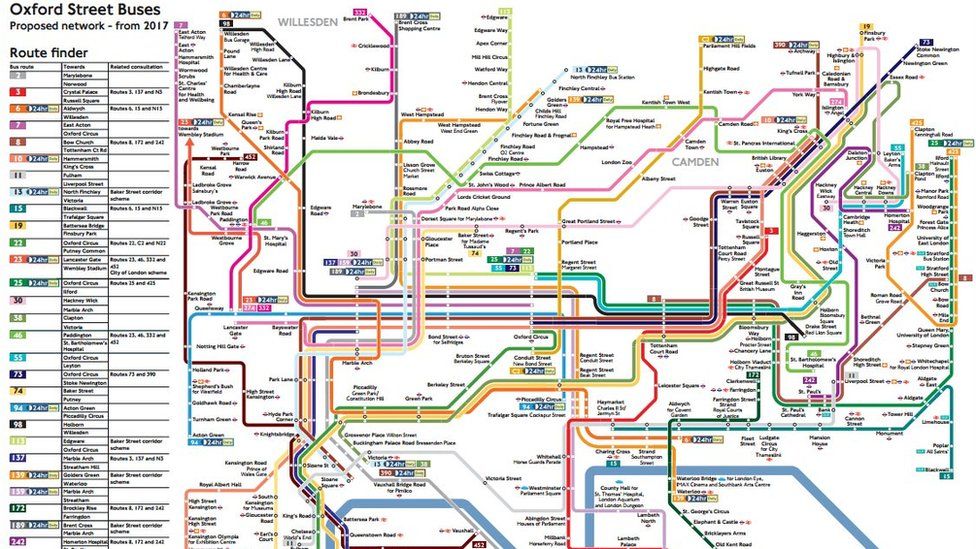
And, by having fixed tracks and being more visible, trams and their routes are much more easily understood by passengers. Even their maps make more sense.
For visitors or tourists this is particularly helpful.
(Istanbul's tram network v part of London's bus network)
For visitors or tourists this is particularly helpful.
(Istanbul's tram network v part of London's bus network)
There's also the aesthetic value of trams, which is probably more important than we might think.
It's easy to sniff at aesthetic considerations; but why shouldn't travelling on urban public transport be effective *and* aesthetically pleasing?
It's easy to sniff at aesthetic considerations; but why shouldn't travelling on urban public transport be effective *and* aesthetically pleasing?
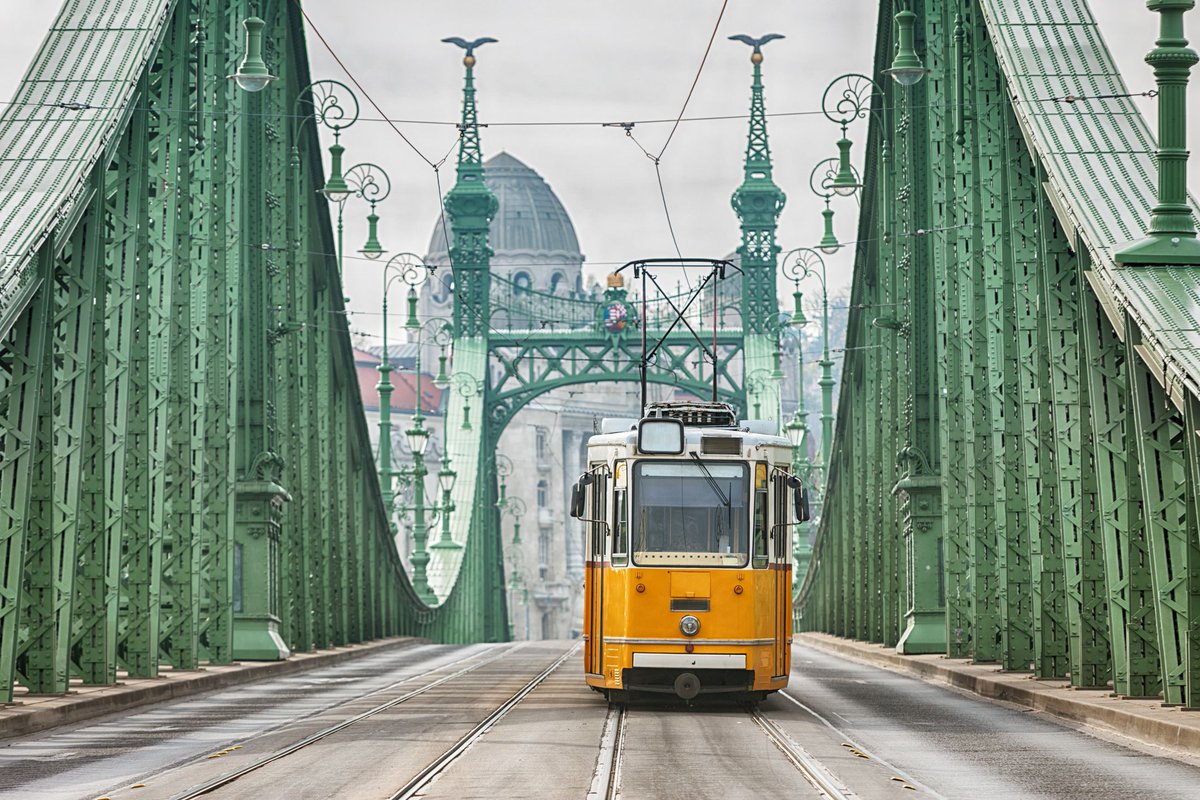
Indeed, if public transport is comfortable, efficient, cheaper, *and* aesthetically pleasing, then that will only encourage people to use it more.
Not to mention the aesthetic impact of the tram on its surroundings when compared to buses...
Not to mention the aesthetic impact of the tram on its surroundings when compared to buses...
Cars or buses heaving up and down a street with their rumbling engines and exhaust fumes are far more intrusive than trams running past.
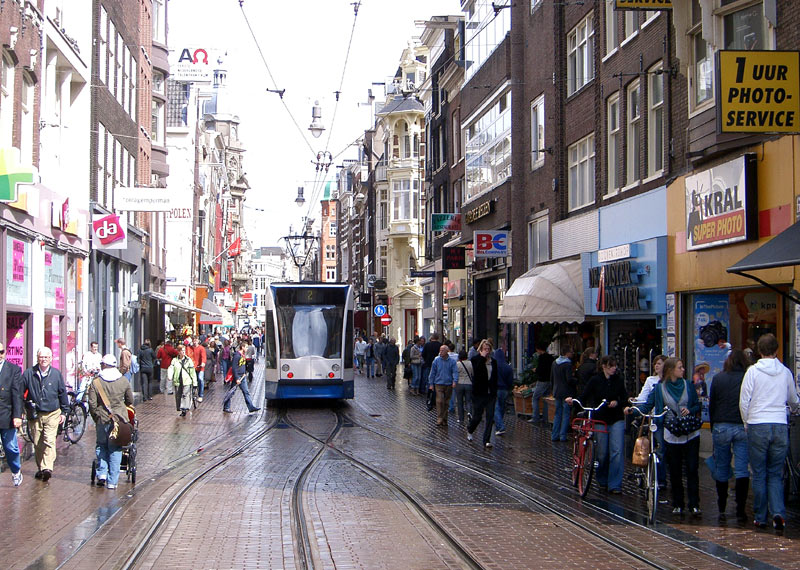
This sort of charm was once used to attack trams; such was the case in the 1950s and 1960s when they were accused of being old-fashioned, thus to be replaced by the much more modern cars and buses.
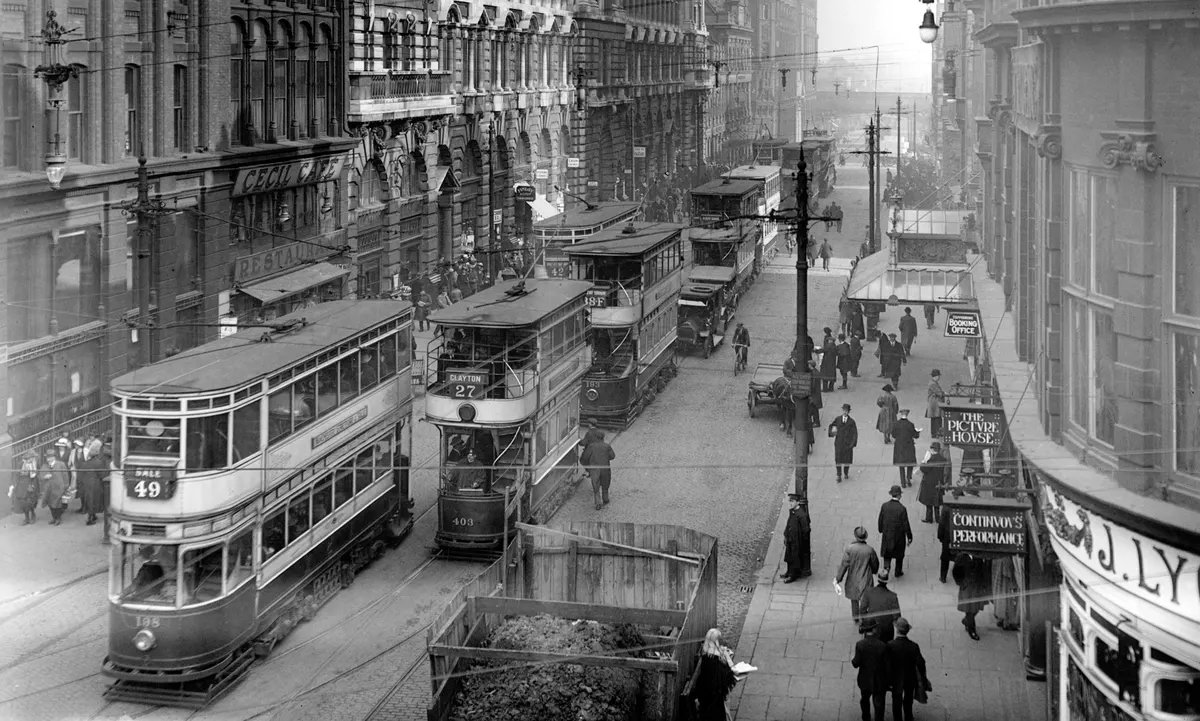
Trams were once *the* form of public transport, but after a long sleep (only in some parts of the world; in others they have remained popular) they are slowly but surely coming back to life.
As in France, for example:
As in France, for example:

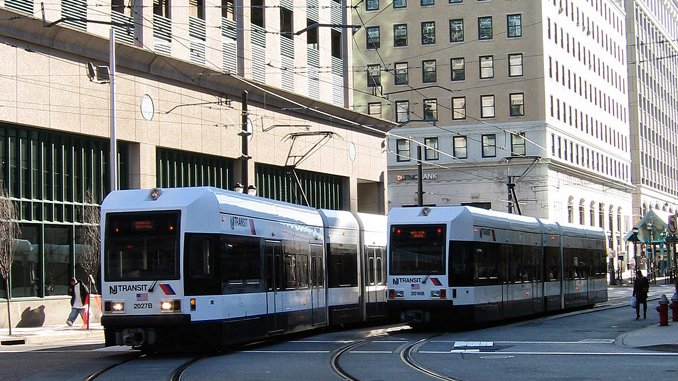
Or with the rise of so-called "light rail", often used as a sort of euphemism for tram or streetcar, which can sound rather old-fashioned and not modern enough.
That being said, light rail does usually have more in common with the train.
Though this is, apparently, light rail:
That being said, light rail does usually have more in common with the train.
Though this is, apparently, light rail:
And not forgetting the creation of "trackless trams", which combine the flexibility of buses with the efficiency and scalability of trams.
They do look rather odd, though:
They do look rather odd, though:
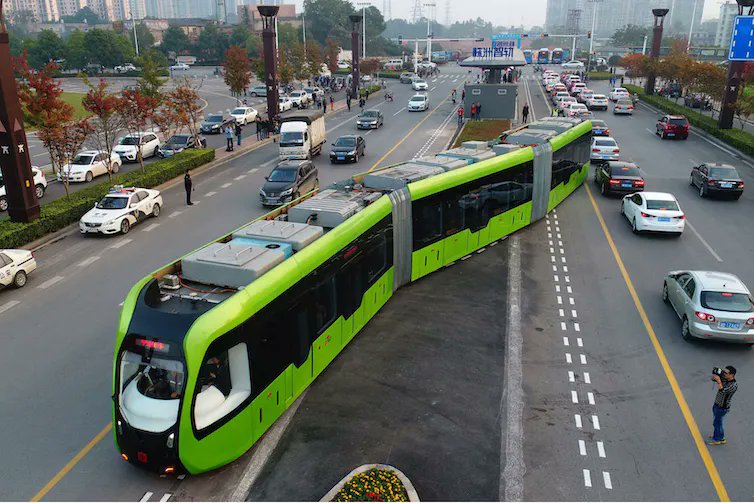
Now, the biggest problem with trams is that they require time and care to integrate into a city's transit system. Unlike buses, which can simply be redirected, tramway tracks are not so easily moved.
And they need to be installed, of course, which has a cost.
And they need to be installed, of course, which has a cost.
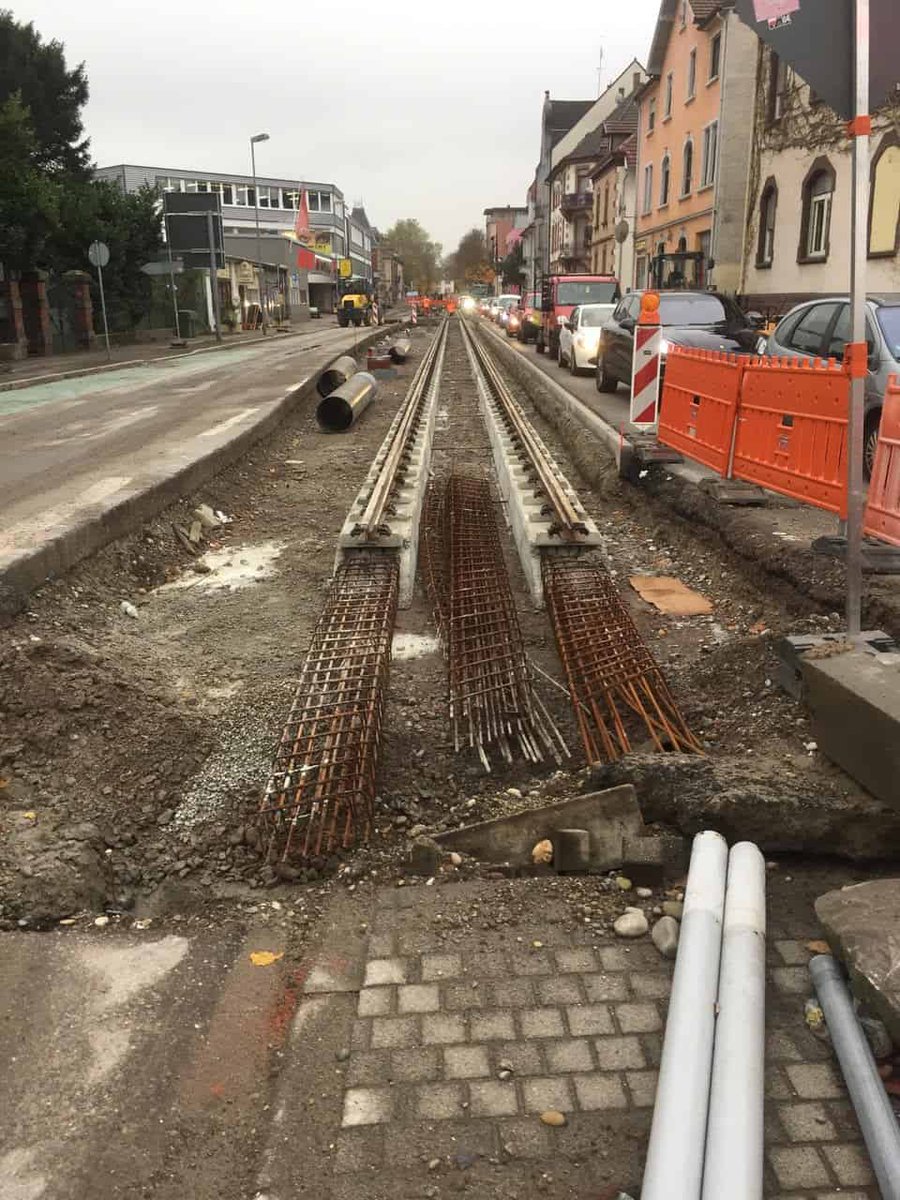
And yet, as discussed, that permanence is part of what makes trams so efficient, effective, usable, aesthetically pleasing, and likeable.
Besides, since when was the need for some careful planning an argument *against* something? As for their cost: it's an investment.
Besides, since when was the need for some careful planning an argument *against* something? As for their cost: it's an investment.
So that is a very brief appraisal of trams.
They have a certain charm to them, but beneath the magic lies some real efficiency and usefulness.
The point isn't to replace buses, of course, but many cities could surely do with a tram network...
They have a certain charm to them, but beneath the magic lies some real efficiency and usefulness.
The point isn't to replace buses, of course, but many cities could surely do with a tram network...
Loading suggestions...