

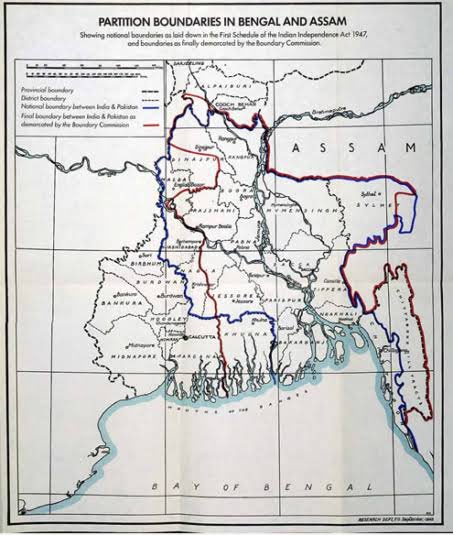
Sylhet - A forgotten tragedy of Partition. For Sylhetis ,Partition Meant Loss of a Homeland, Culture & Language.The Sylhetis of undivided Bengal, after partition were left neither a geographical nor a cultural homeland.

Srihatta is the olden name for Sylhet ,literally means ‘prosperous’.
Geographies, just like people, are born with a fortune. Perhaps no culture & geography in the world is there, who became tragic victims of a crude British administrative & accounting permutation
Geographies, just like people, are born with a fortune. Perhaps no culture & geography in the world is there, who became tragic victims of a crude British administrative & accounting permutation

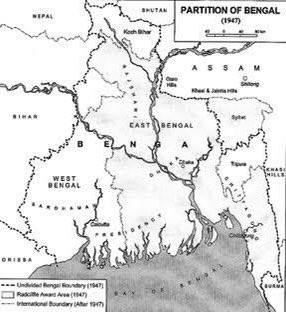
In 1874 Assam province was carved out from Bengal presidency with Shillong as its capital. Sylhet, though dominated by Bengali-speaking people, was merged with Assam.

The district of Sylhet rich in tea plantations was transferred from Bengal to Assam to boost the latter’s revenues. Sylhet was a revenue-surplus district.
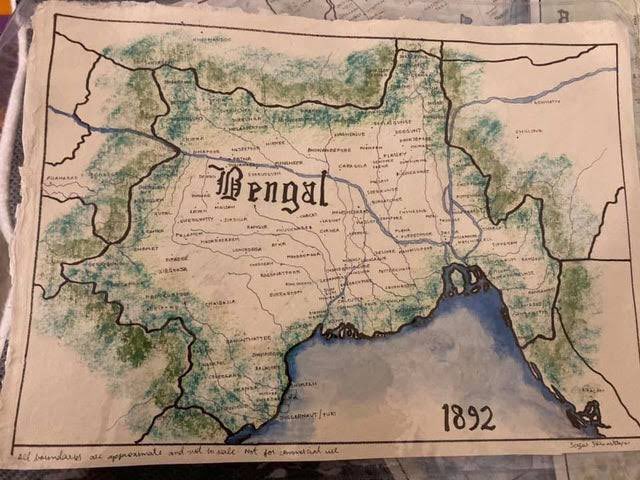
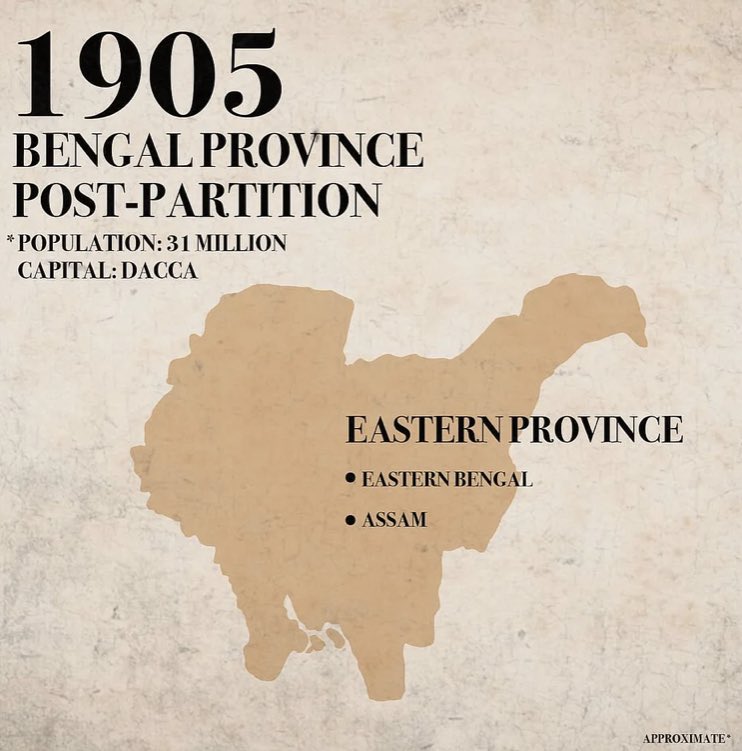
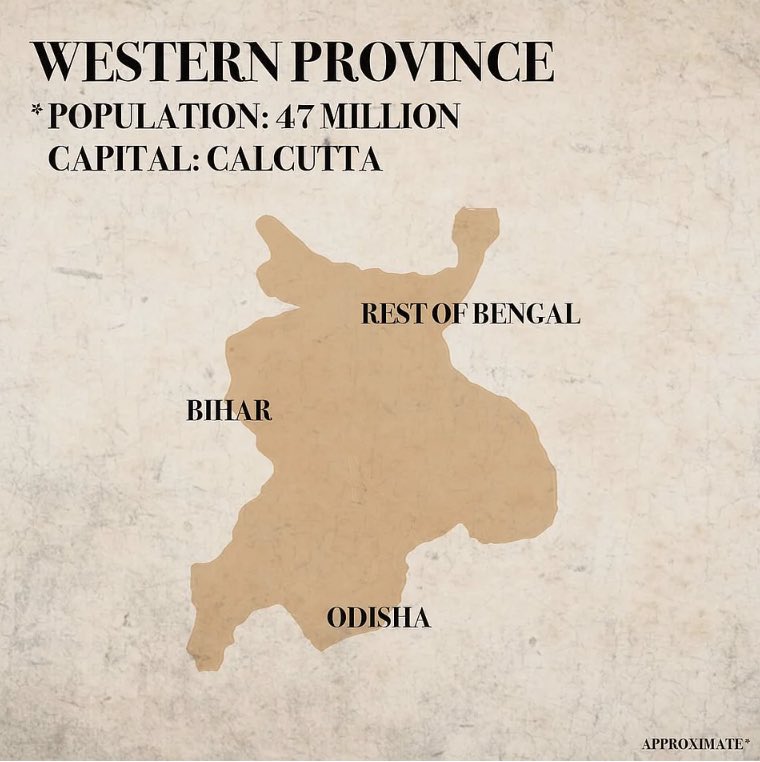
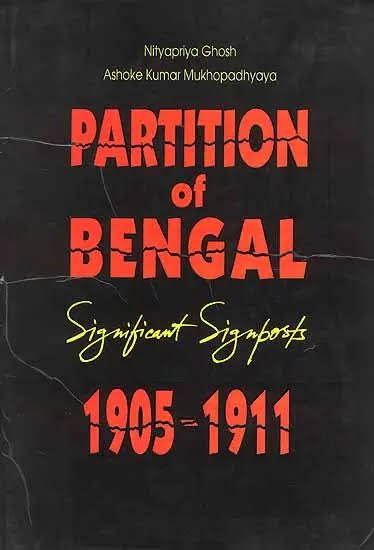
Again in 1905 Partition of Bengal by British administrators ,Sylhet was back in Bengal 1912.Partition was undone. Sylhet was back in Assam as per old arrangement
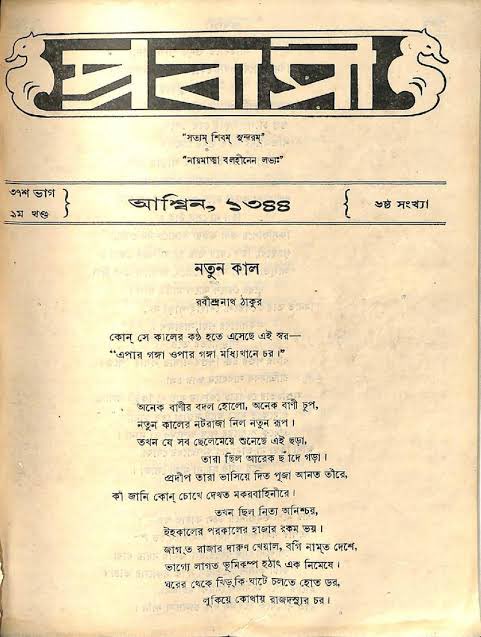
Sylhet was a thriving town & a district. It had its own strong cultural quotient. In the 1930s, it had the highest readership, after Calcutta, of Prabashi, the leading literary Bengali magazine.
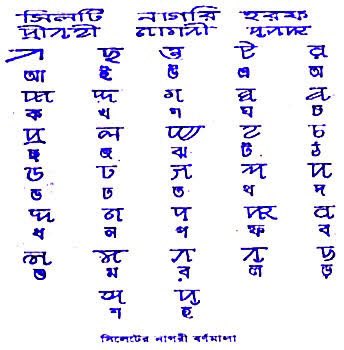
Sylheti dialect has distinctive script, cultural wealth . Sylheti people are culturally inclined towards acquiring good education , though there is a polarised opinion that Sylheti is a distinctive language, much like Odia & Assamese, while many claim it is a Bengali dialect.
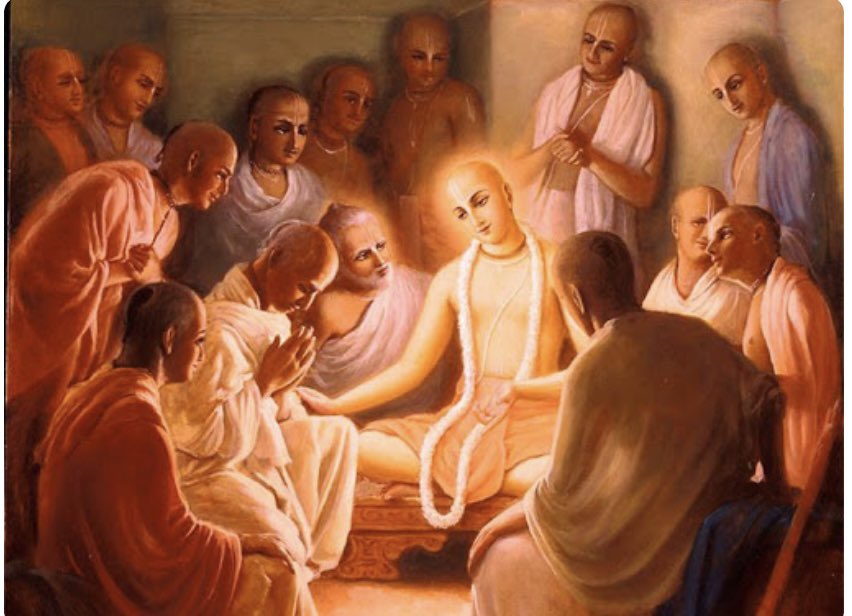
Bengal’s Vaishnav saint Sri Chaitanya Mohaprabhu’s parents were from Sylhet before migrating to Mayapur ,Nadia .
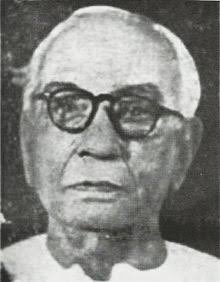
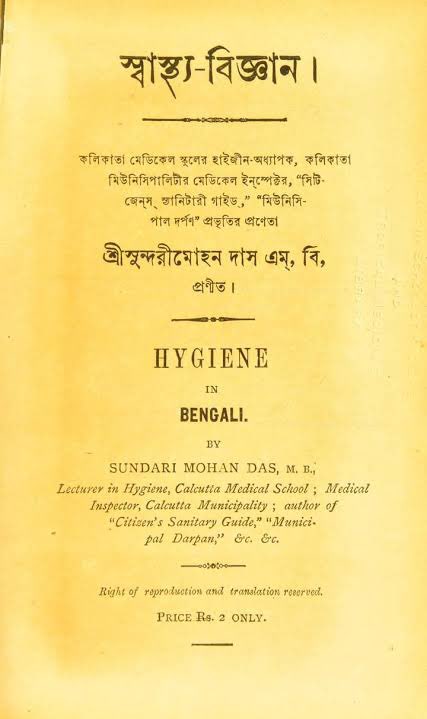
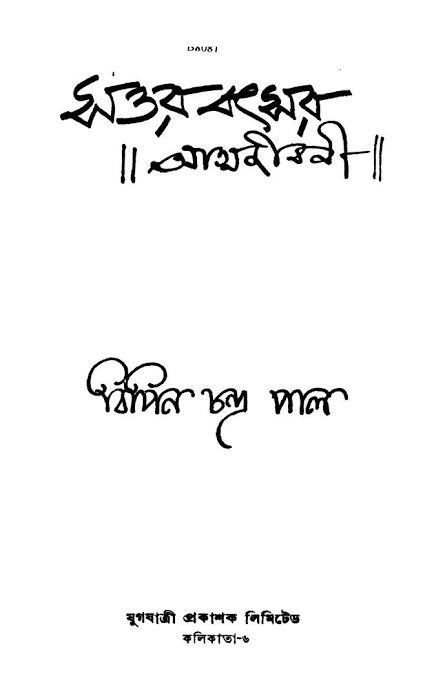
The founder of Calcutta’s National Medical College, Sundari Mohan Das & freedom fighter Bipin Pal (of the Lal Bal Pal triumvirate) were from Sylhet

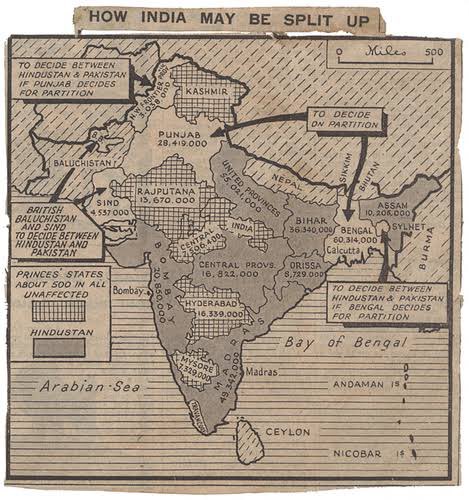
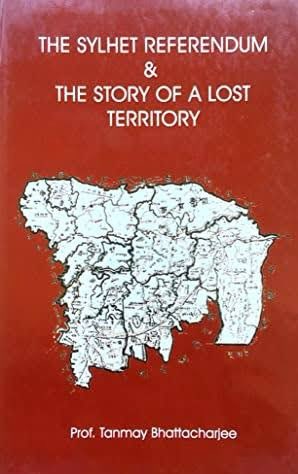
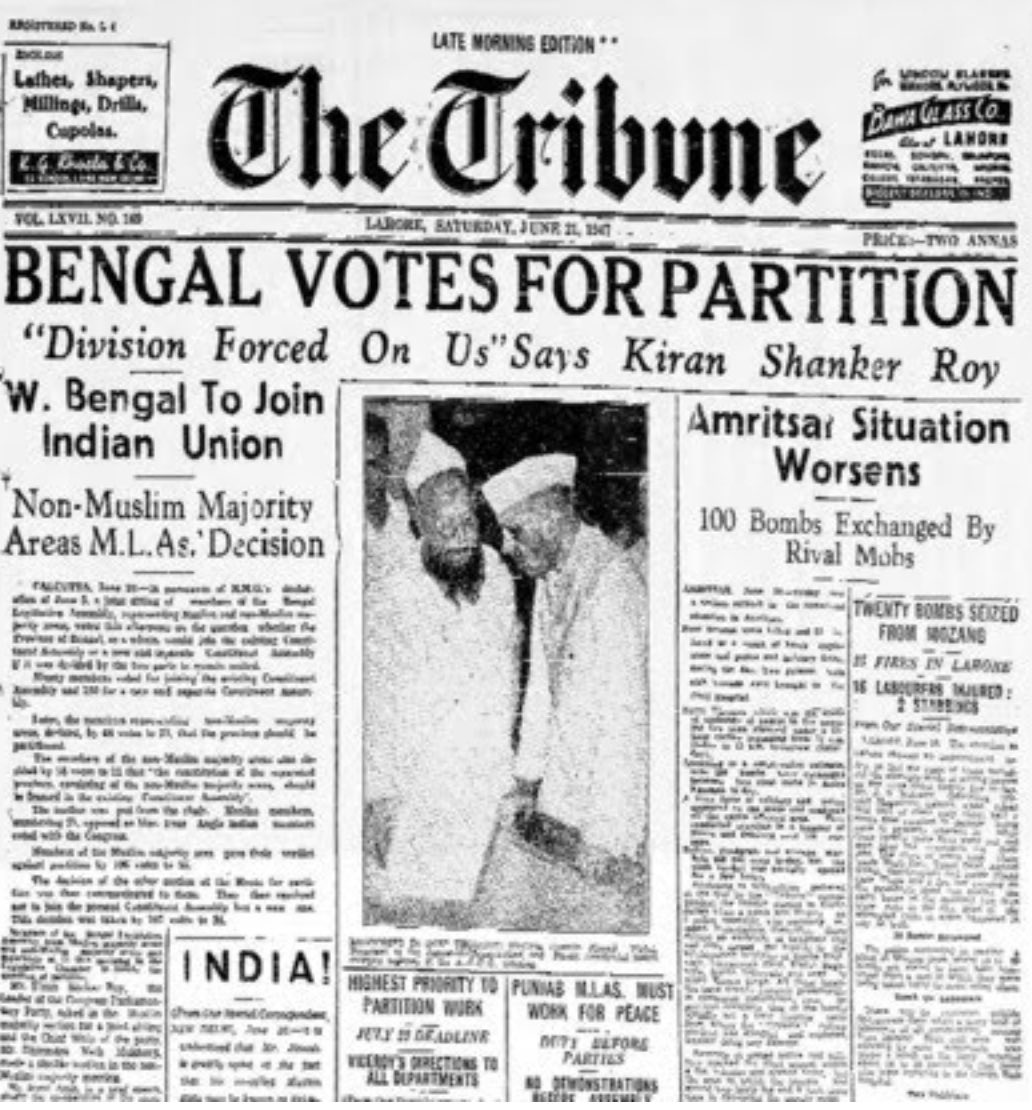
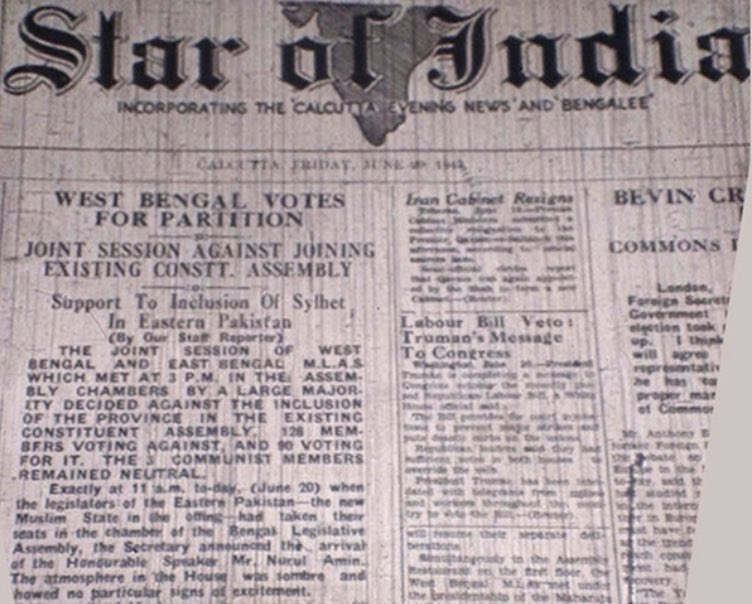
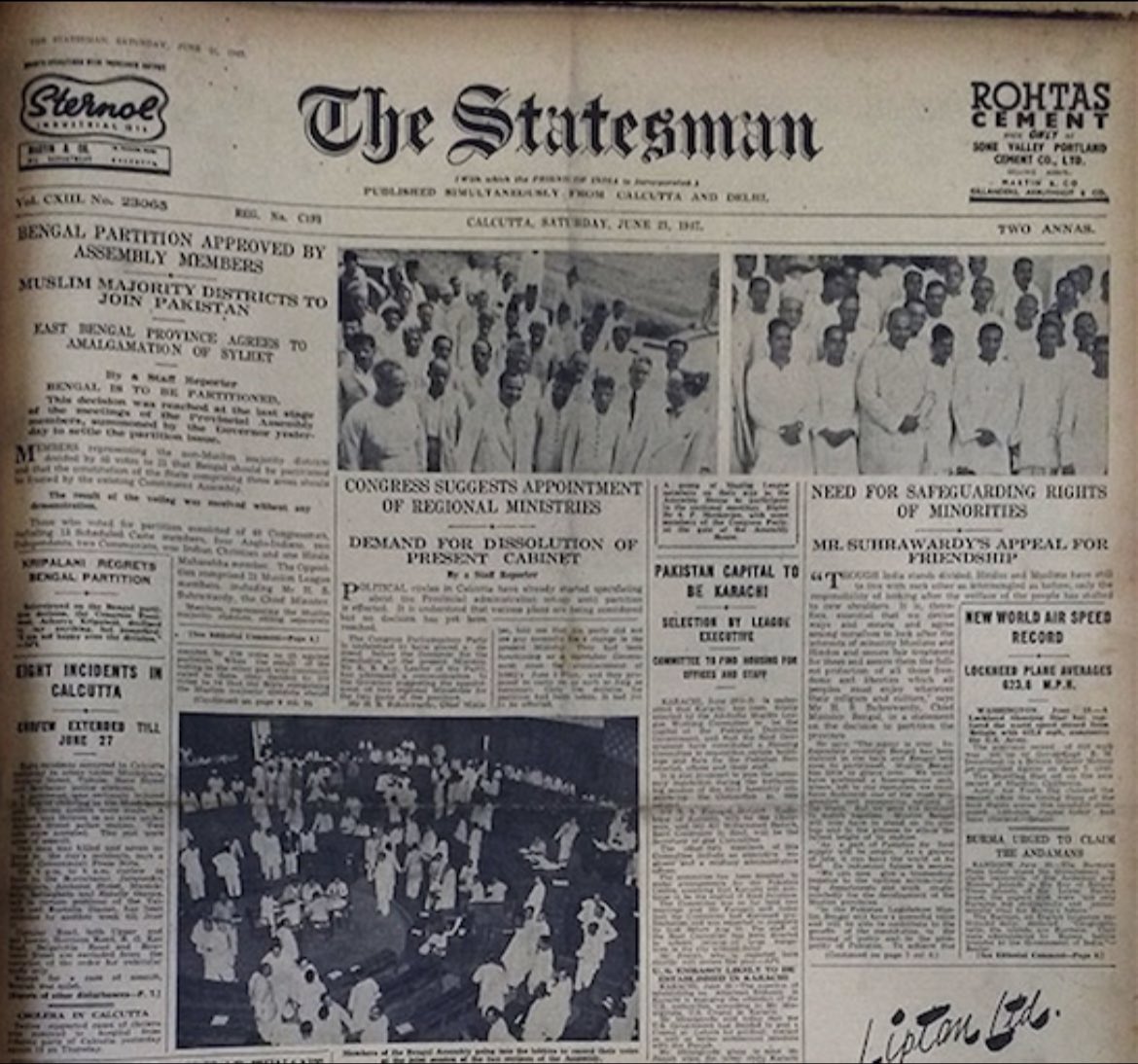
When the partition proposals came on 4thJune 1947,it was decided that if Bengal was to be partitioned,a referendum would be organized under the then British govt to decide whether Sylhet,a predominantly Bengali-speaking district was to remain in Assam or to merge with East Bengal
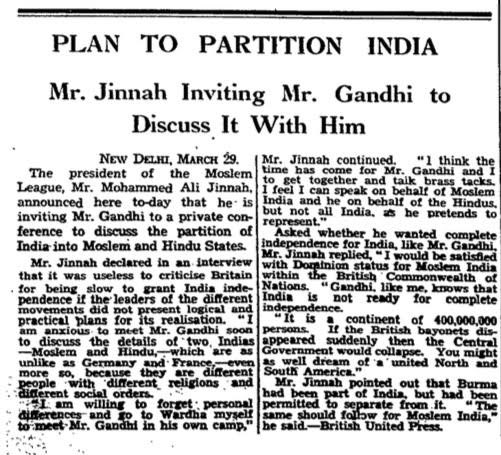
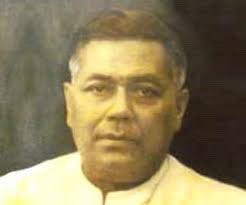
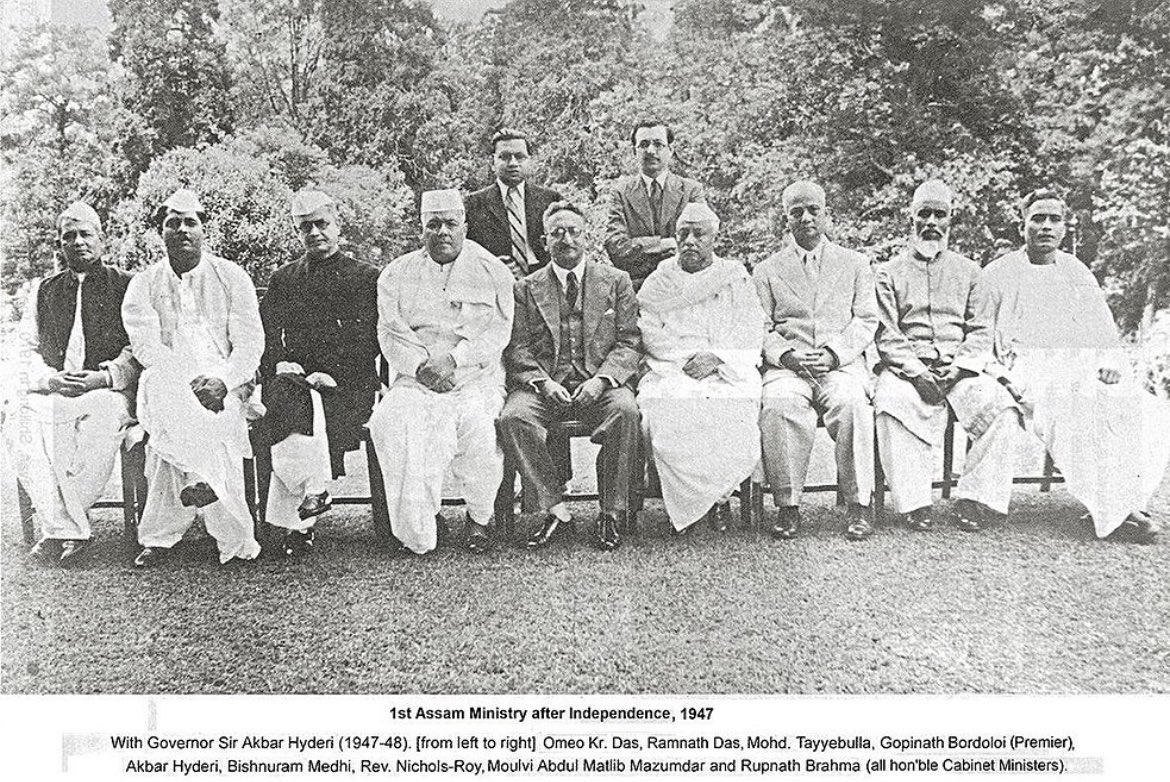
The then Assam Pradesh Congress led by Gopinath Bordoloi was extremely eager to agree to the partition proposal as it would only affect the Bengali-speaking areas of south Assam.
The Assam Pradesh Congress Committee in 1945, in its election manifesto, stated:
‘Unless the province of Assam is organised on the basis of Assamese language & Assamese culture, the survival of the Assamese nationality & culture will become impossible.
‘Unless the province of Assam is organised on the basis of Assamese language & Assamese culture, the survival of the Assamese nationality & culture will become impossible.
The inclusion of Bengali speaking Sylhet & Cachar and immigration or importation of lacs of Bengali settlers on wastelands has been threatening to destroy the distinctivness of Assam and has, in practice, caused many disorders in its administration.’
Gopinath Bordoloi, the then premier of Assam, was reported to have said, “there was no cause for sorrow about the division or partition of India.”
Gopinath Bordoloi, conveyed to all concerned, that assam was not interested in retaining Sylhet.
‘It was indeed the lifetime opportunity for the Assamese leadership "to get rid of Sylhet" and carve out a linguistically more homogenous province.
‘It was indeed the lifetime opportunity for the Assamese leadership "to get rid of Sylhet" and carve out a linguistically more homogenous province.
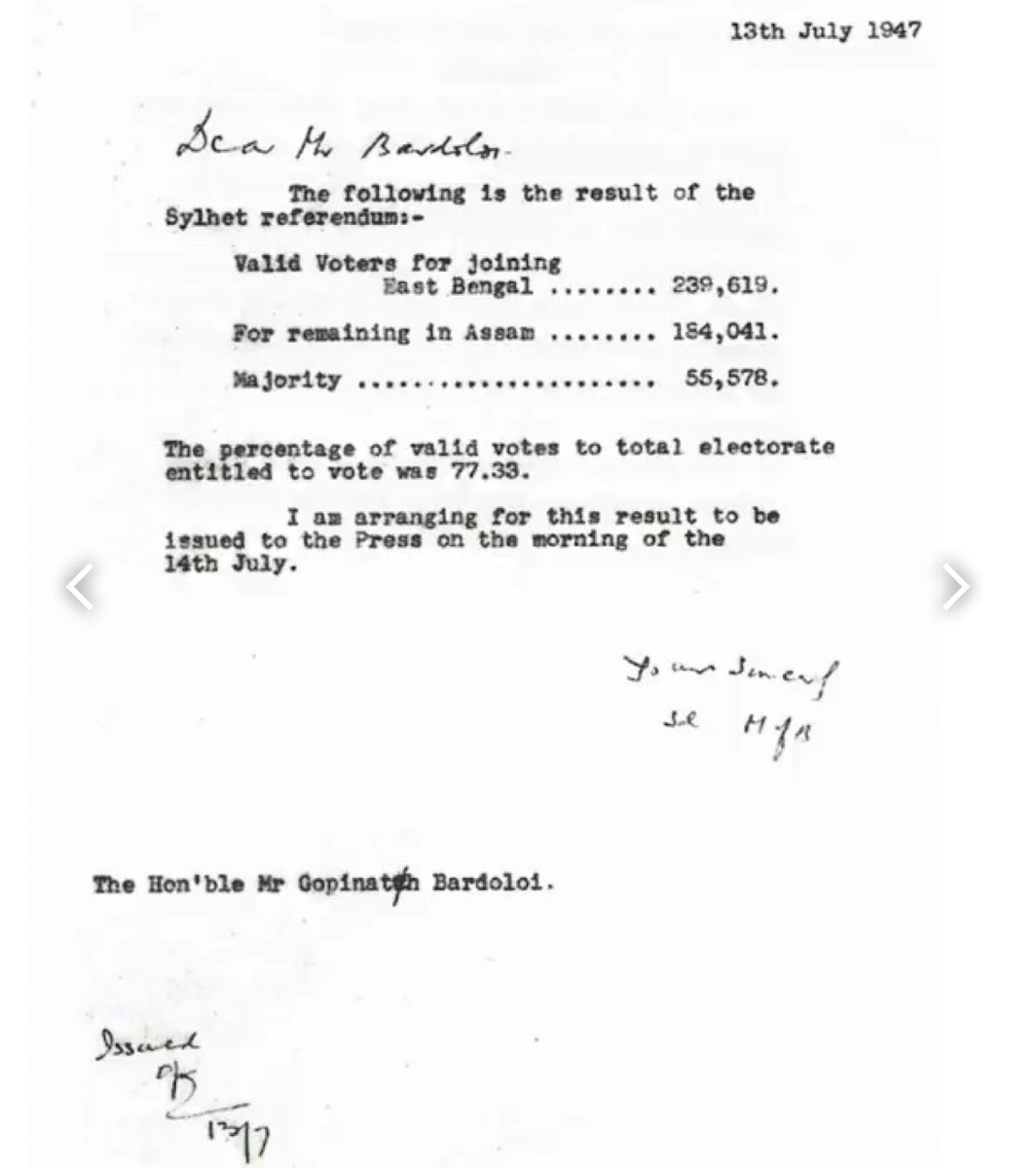
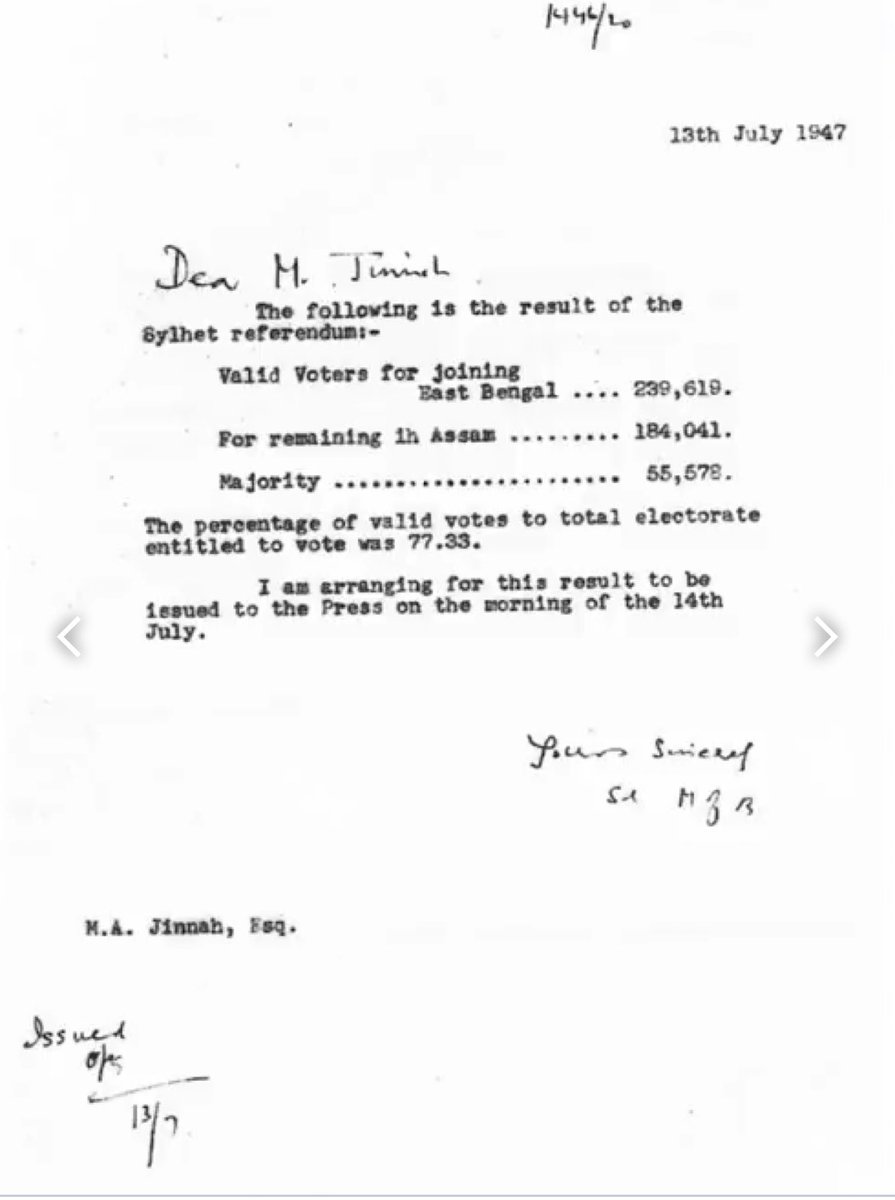
Sylhet, along with the North West Frontier Province (now Khyber Pakhtunkhwa in Pakistan), were the only places that were allowed a referendum on whether they would like to join India or Pakistan after the British had transferred power.
Historian Sujit Chaudhuri wrote
“At the time of Partition in 1947, it is well-known that Assam made no serious effort to win the plebiscite in Sylhet & even allowed propagandists from the Punjab to preach in favour of Pakistan
“At the time of Partition in 1947, it is well-known that Assam made no serious effort to win the plebiscite in Sylhet & even allowed propagandists from the Punjab to preach in favour of Pakistan
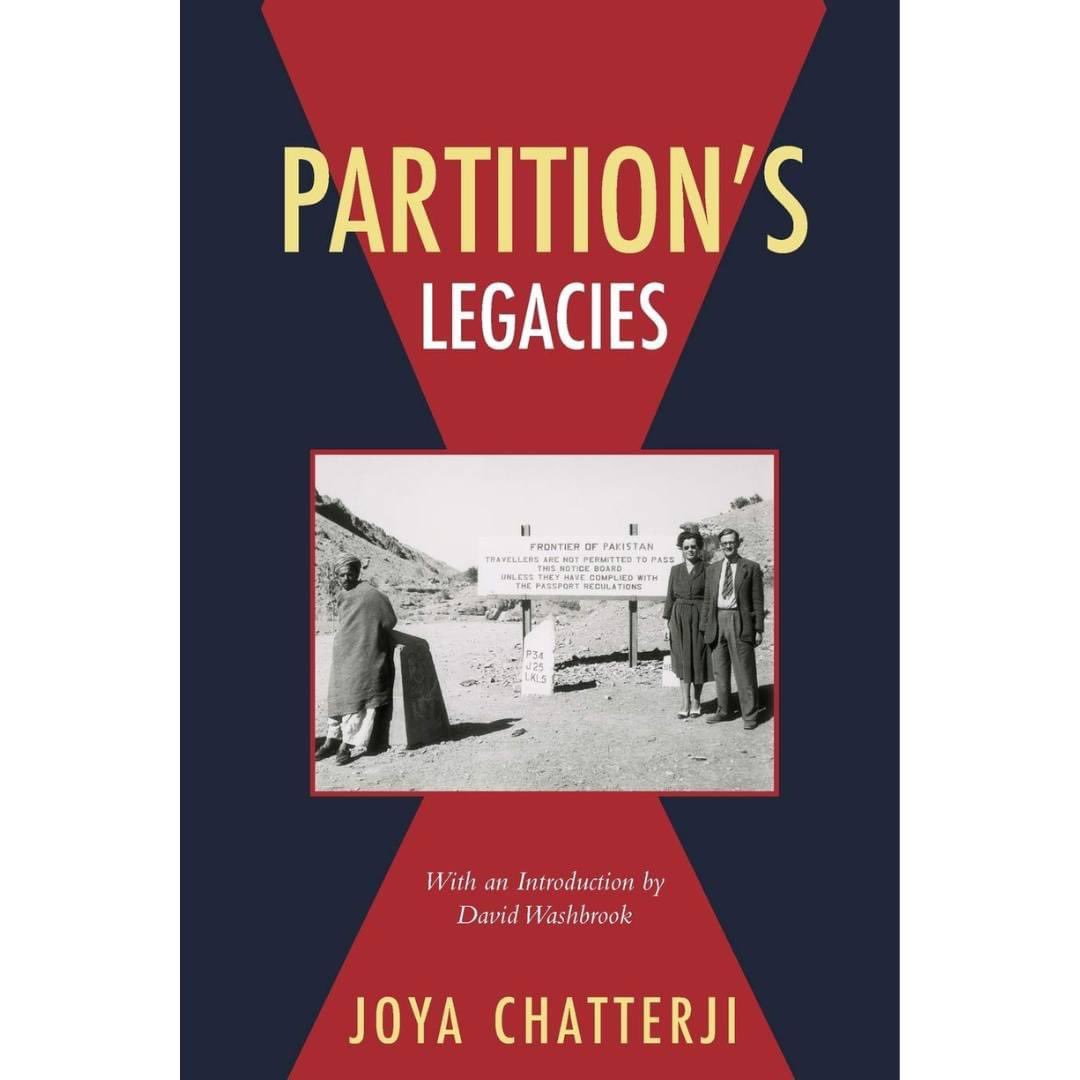
while it harassed men from Calcutta to speak in favour of retention in the Indian Union.”
Sylhet leaders were discouraged when they tried to salvage a portion of the district through an effective representation to the Boundary Commission .
Abdul Matlib Mazumdar was one of the prominent Muslim leaders from Sylhet . He propagated Hindu-Muslim unity, opposing the partition of India on communal lines.
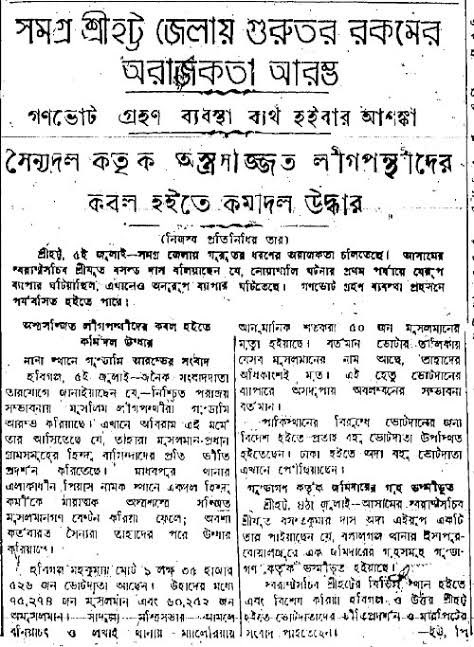
The voting was held on July 6, 1947 and July 7, 1947 amidst flooding as well as allegations of intimidation by Muslim League cadre bought in from North India.
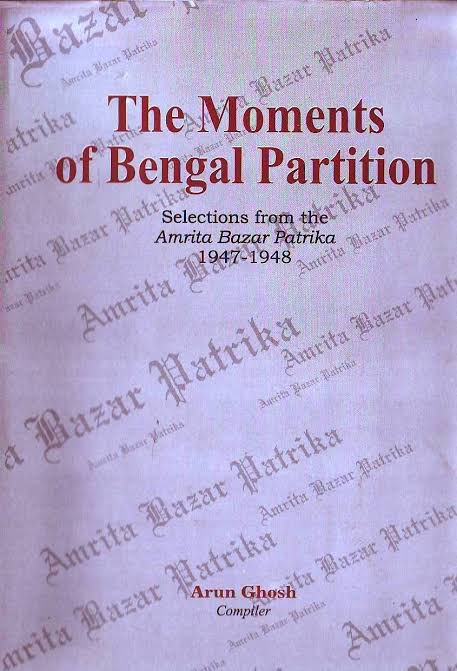
There were widespread reports that Armed bands moved about the interior of Sylhet threatening vengeance on those who might potentially vote against joining East Bengal.
Congress’ election symbol was ‘house’ and the Muslim League’s, that is Pakistan’s was the ‘axe’. League ‘s cadres used to chant slogans like ‘Strike the box of the house with the axe”
The results of the referendum were translated in favour of a division of Sylhet on the basis of its demographic composition
Abdul Matlib Mazumdar played a big role in retaining Barak. He wrested the crucial Muslim majority Hailakandi seat from the Muslim League in favour of Congress. It was at a time when even Muslim Congress candidates were losing miserably to Muslim League.
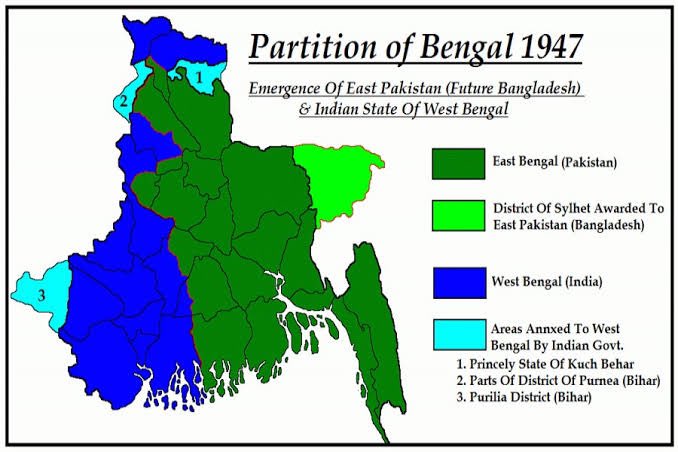
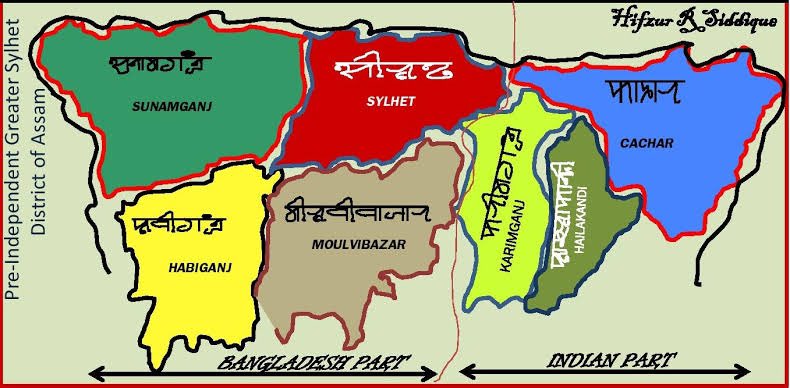
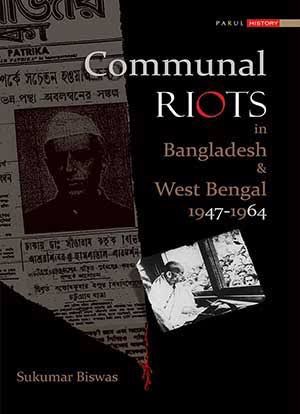
The Victory in the referendum was interpreted by Muslim league as an opportunity for intimidation of Hindus & other minorities resulting in pogroms,violent clashes
Suhasini Das a congress worker wrote in her diary dated 19.7.1947 “the law and order situation was worsening. The exuberance of the Muslim League at the creation of Pakistan sounded like threats to the minority community.”
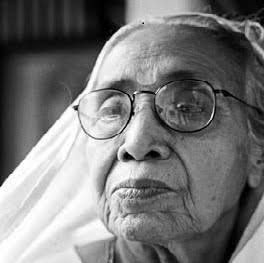
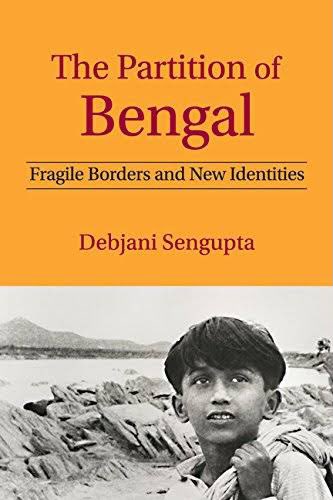
She also wrote “How could anyone happily leave behind ones home where ones forefathers had lived for years?”
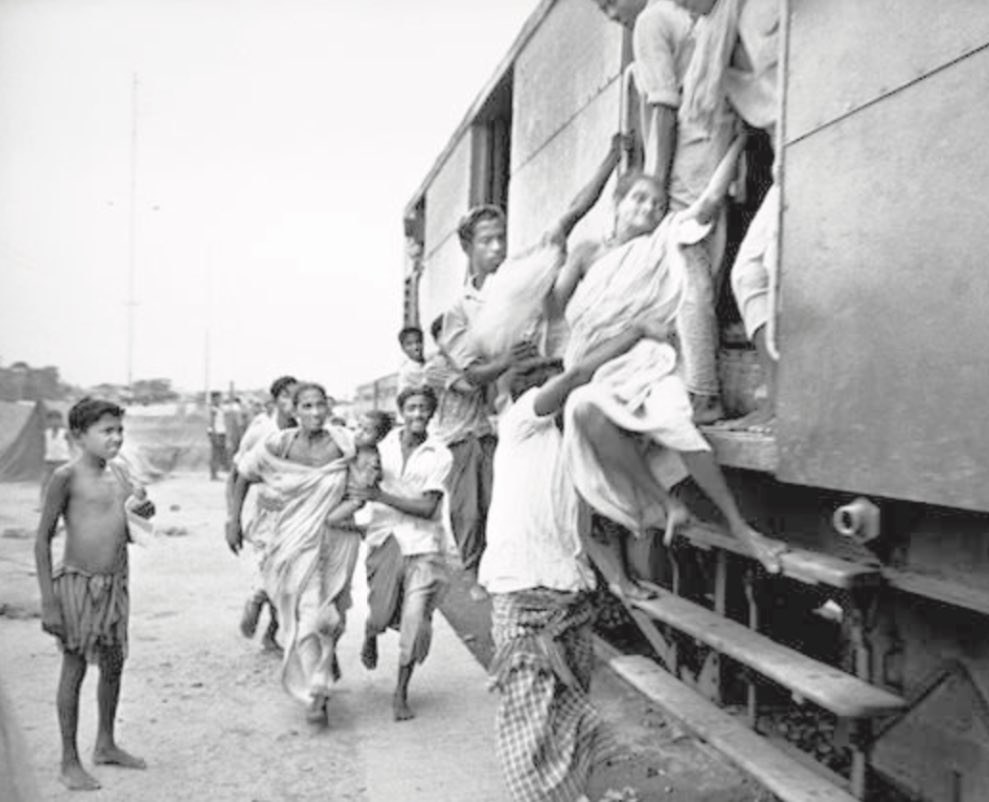
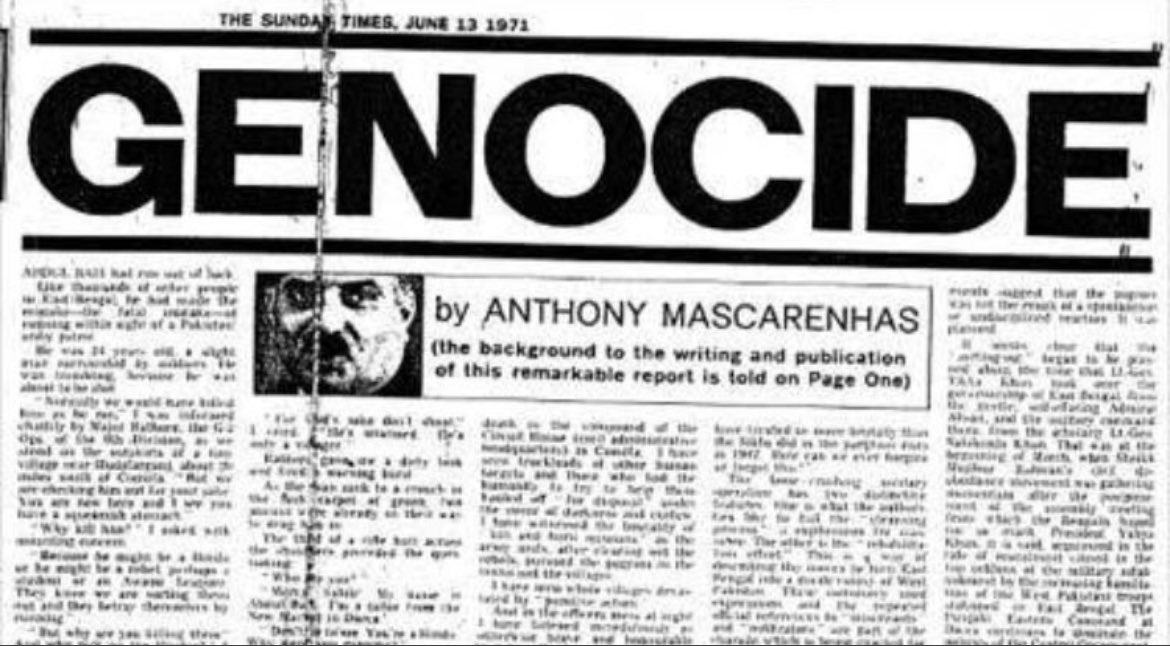
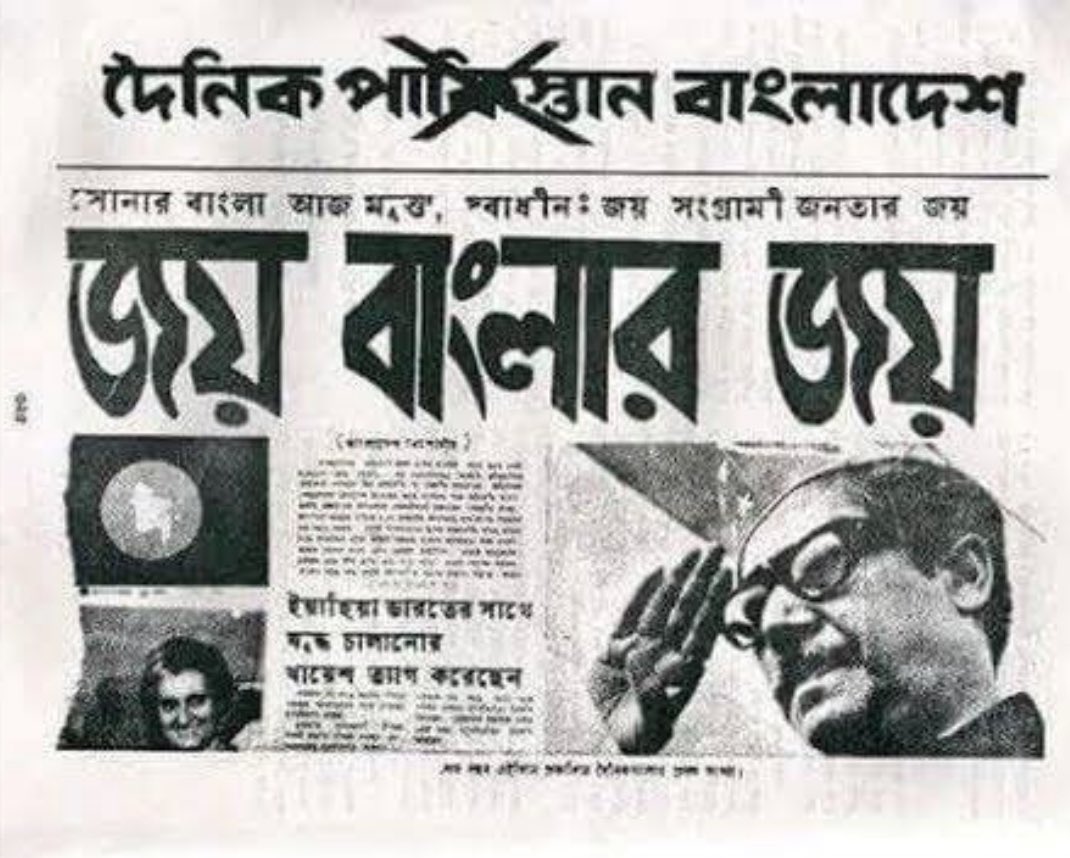
The Bengali Muslims in Sylhet, and also in the entire East Bengal, committed a real historical blunder in choosing a misplaced identity was vindicated by the 1952 Bengali Language upsurge in Dhaka, a movement which culminated in the birth of sovereign Bangladesh in 1971.
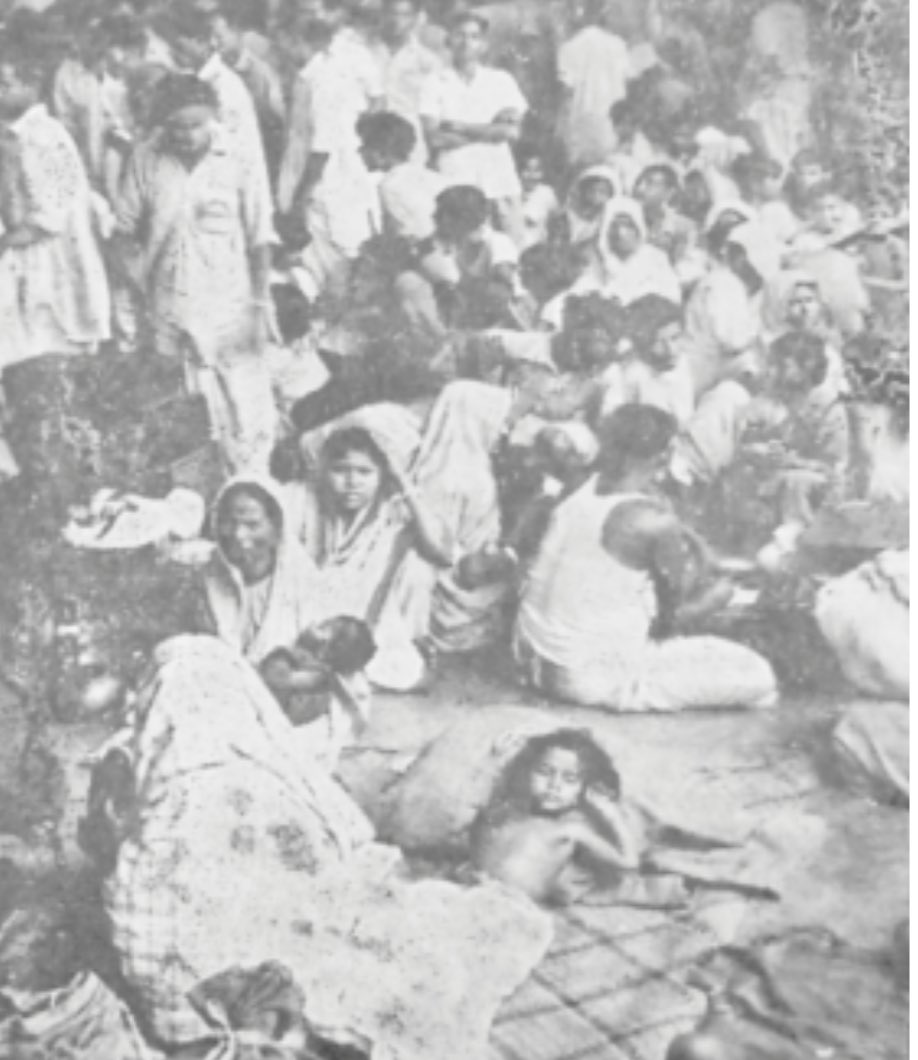
The euphoria of the Assamese elite was short-lived because the Hindu Sylhetis, now refugees, started migrating to undivided Assam soon after Partition after being intimated & targeted by Muslim league’s mobs across the border.
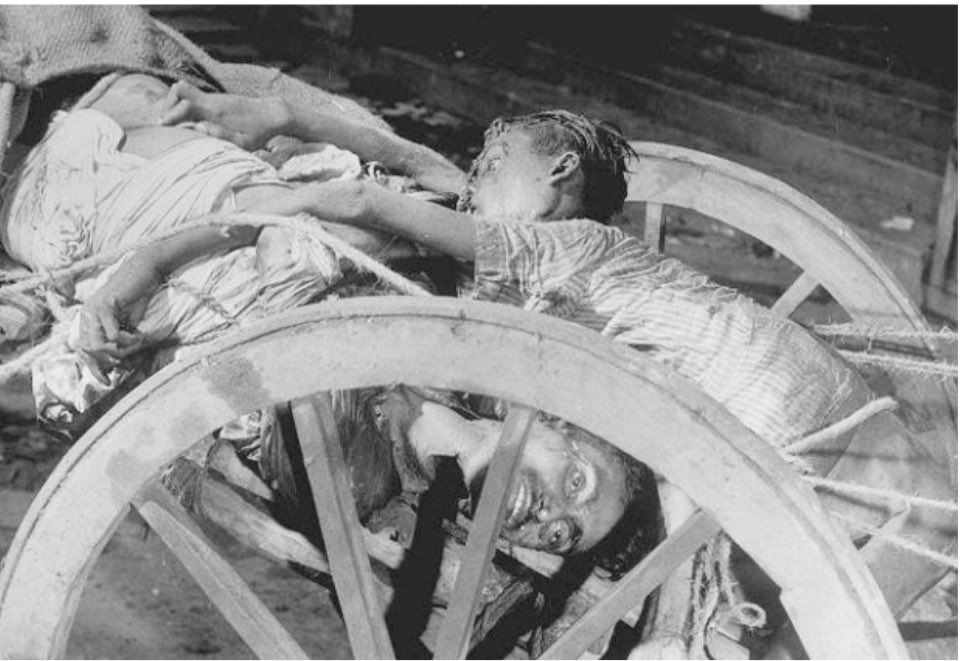
Partition destroyed the entire economy of Bengal .The whole supply chain went kaput.
It disrupted the natural channels of riverine communication, rail & road networks that linked the hill areas of Assam through the Surma valley & had adverse effects on Assam’s economy
It disrupted the natural channels of riverine communication, rail & road networks that linked the hill areas of Assam through the Surma valley & had adverse effects on Assam’s economy
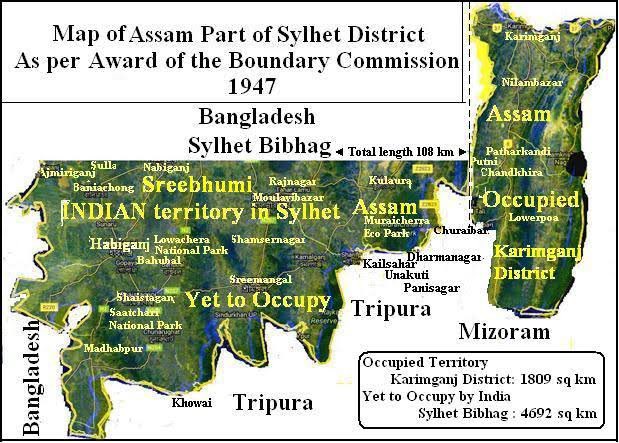
Partition made Assam a land-locked province as its outlet to the sea since 1904 was through the port of Chittagong, which became a part of East Pakistan.
The tolerant, plural and democratic India that the Sylheti Bengalis opted for as their tryst with destiny, disowned them.The anti-Bengali xenophobia in Assam and the entire northeast is a case in point even today
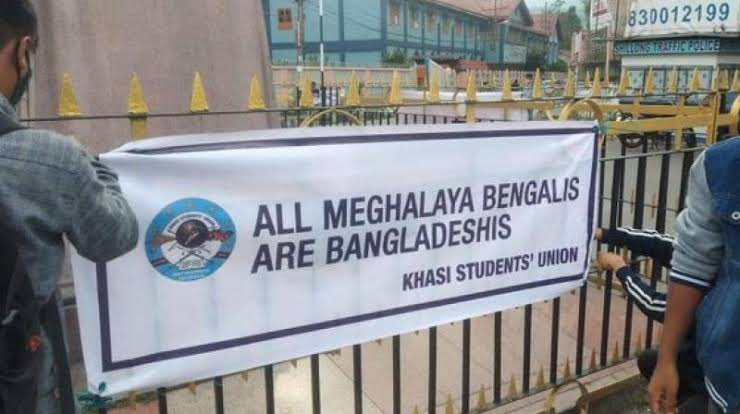
Despite the pressure from the Centre to accommodate refugees, the Bordoloi government refused to grant land settlement to not only refugees but to all non-Assamese communities who may have lived in Assam for several generations.
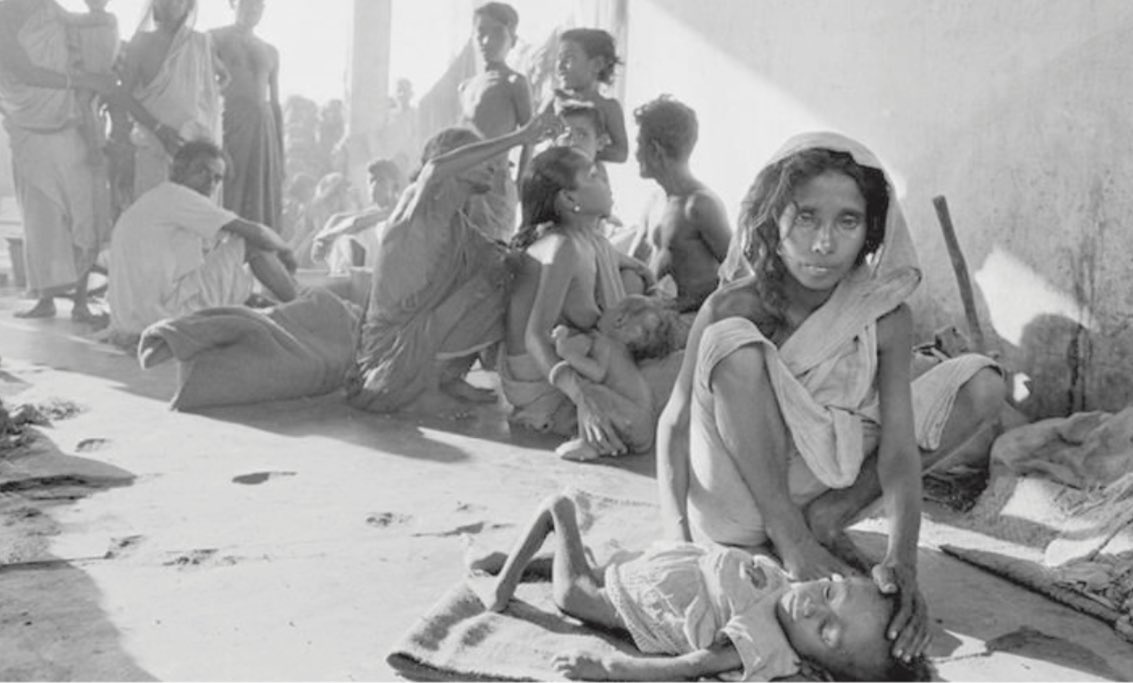
Mohanlal Saxena, who was sent by Nehru to look into the problem of refugees in Eastern India, in his report wrote: “The refugees who have got into the state of Assam are there inspite of the unhelpful attitude of the state government.”
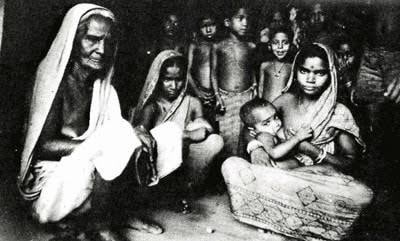
In an outright xenophobic adress the Assam Assembly on behalf of the Congress government in September 1947, which was a double wound for Bengali Refugees .
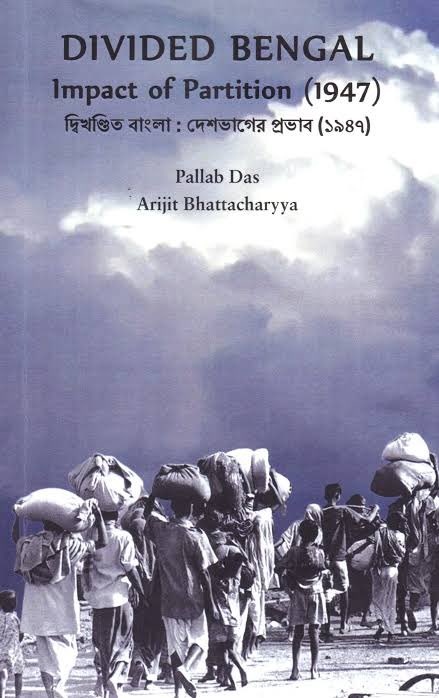
The Governor of Assam said:
“The natives of Assam are now masters of their own house. They have a govt which is both responsible to them.The Bengali no longer has the power,even if he had the will,to impose anything on the people of these hills & valleys which constitute Assam.”
“The natives of Assam are now masters of their own house. They have a govt which is both responsible to them.The Bengali no longer has the power,even if he had the will,to impose anything on the people of these hills & valleys which constitute Assam.”
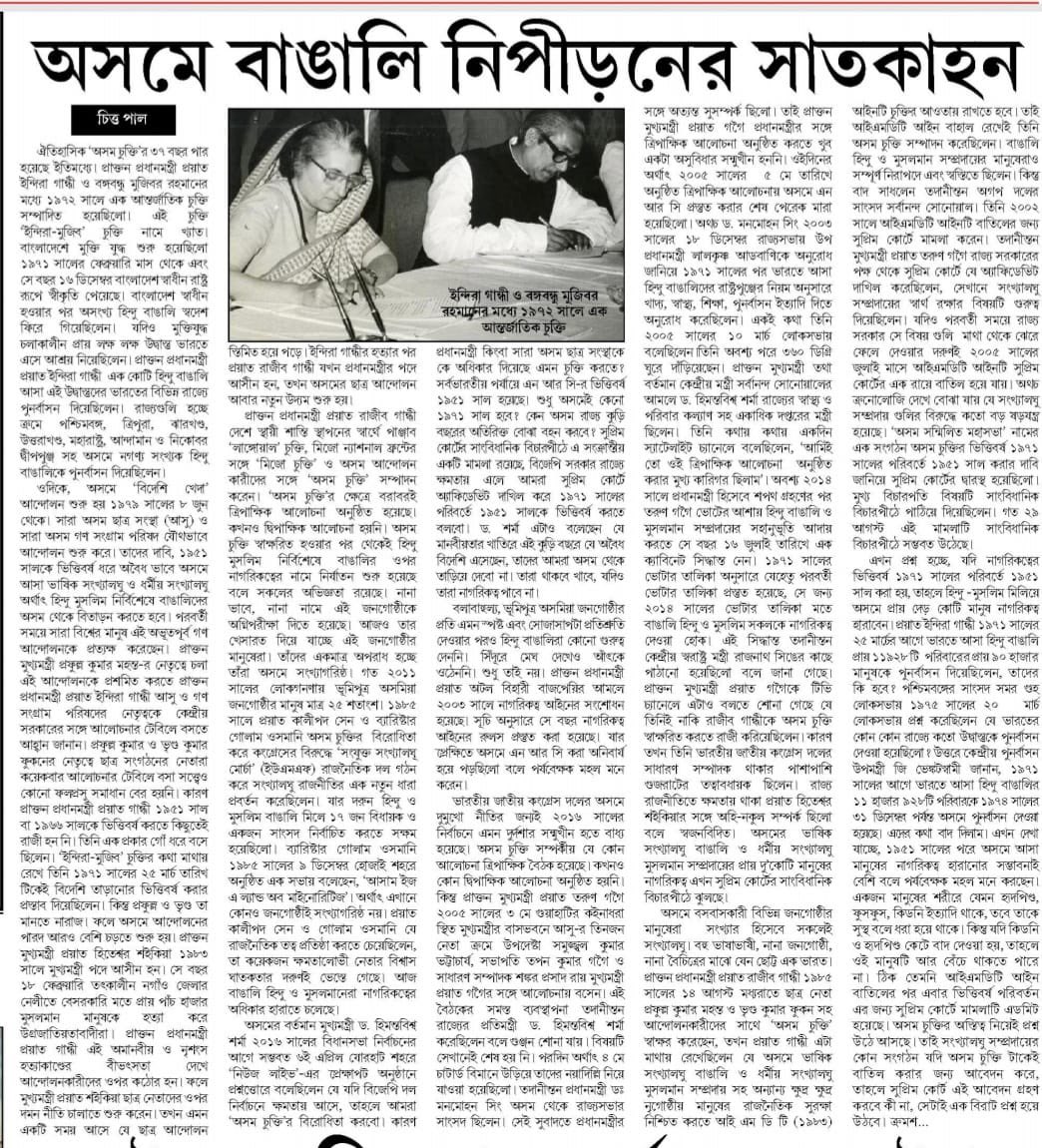
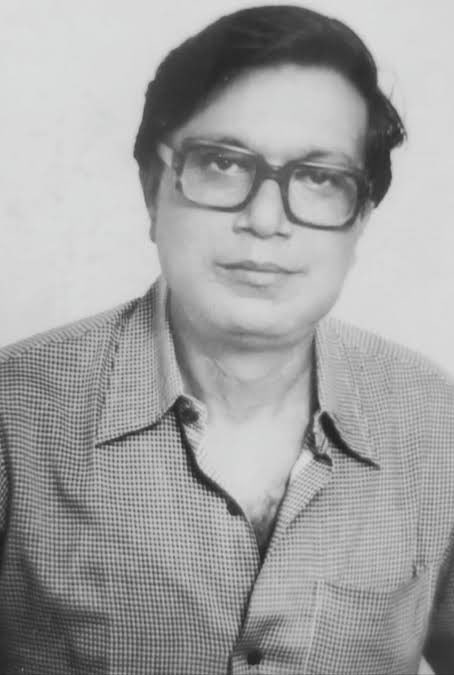
The tragedy of Sylhetis was described by noted Bengali poet Shaktipada Brahmachari from Barak valley
We had our house in Sylhet district
Yet we are refugees…
Yet we are refugees…
the words burst into the air
to release the bad breath of bitter experiences…
We had our house in Sylhet district
Yet we are refugees…
Yet we are refugees…
the words burst into the air
to release the bad breath of bitter experiences…
The Referendum was indeed a lose-lose proposition.The Sylhetis were forever trapped in the cunning passages and contrived corridors of history & the idea of a homeland continues to remain elusive.
@theheritagelab publish
Loading suggestions...