

No. The network state is 100% democracy, because every single person opts in by (a) moving there and (b) staying there. You renew citizenship each year.
Contrast with the existing system of 51% democracy, which is 49% dictatorship. Almost half doesn't get what they voted for.
Contrast with the existing system of 51% democracy, which is 49% dictatorship. Almost half doesn't get what they voted for.
The concept behind democracy is the consent of the governed. When that consent is not present, then it's not a democracy.
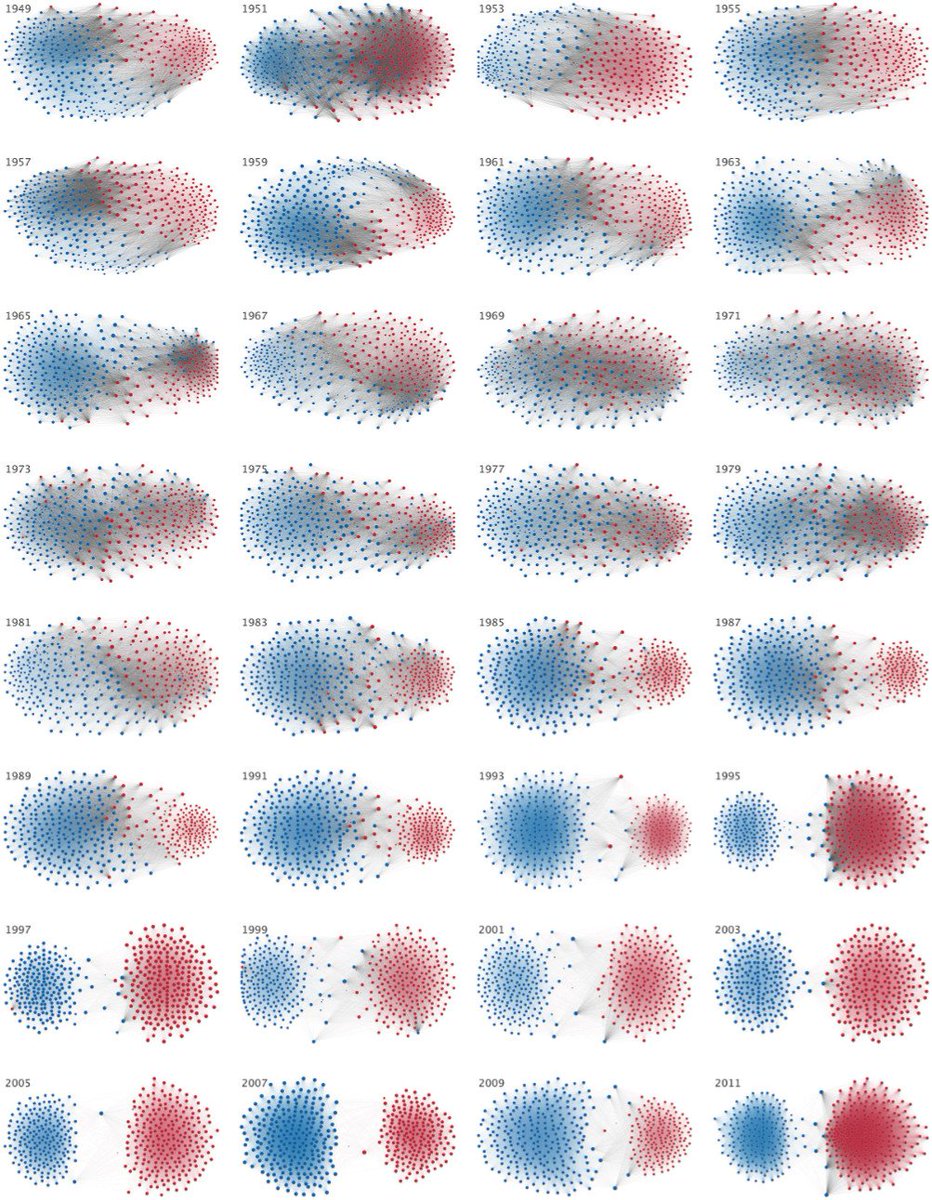
With pre-internet technology, we could only practically get to 51% consent thresholds. But then we get the polarization shown below.
Is there a better way?
With pre-internet technology, we could only practically get to 51% consent thresholds. But then we get the polarization shown below.
Is there a better way?
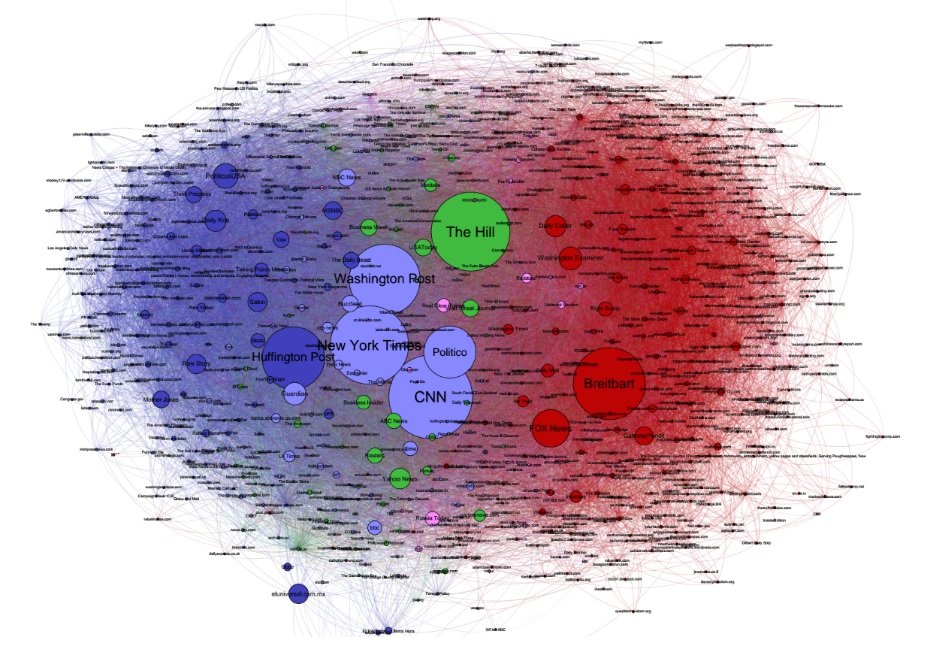
The US is not "one nation, under god, indivisible".
It's at least two nations: the Democrat and Republican nations. They don't much believe in god anymore. And they're very divided, as shown below.
It's at least two nations: the Democrat and Republican nations. They don't much believe in god anymore. And they're very divided, as shown below.
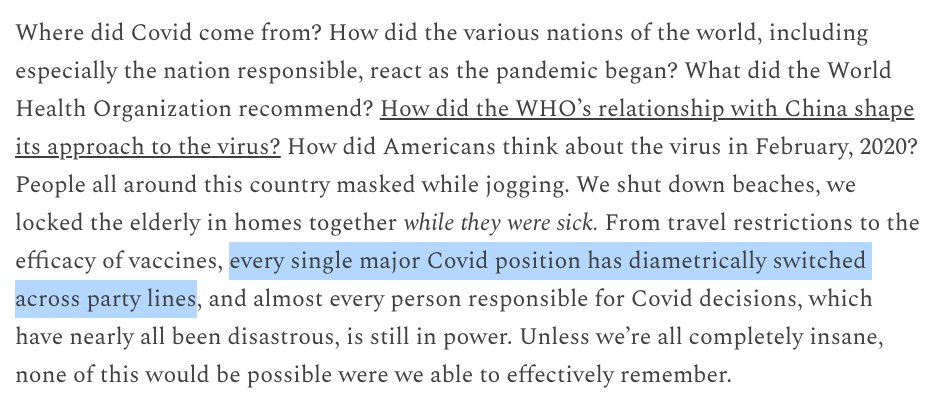
The character of Democrat-vs-Republican is not even that ideological anymore. Positions switch routinely; see below.
But if it's not ideological, what is it?
It's ethnic. It's like Sunni-v-Shiite or Hutu-v-Tutsi. That's not solvable with 51% democracy. piratewires.com
But if it's not ideological, what is it?
It's ethnic. It's like Sunni-v-Shiite or Hutu-v-Tutsi. That's not solvable with 51% democracy. piratewires.com
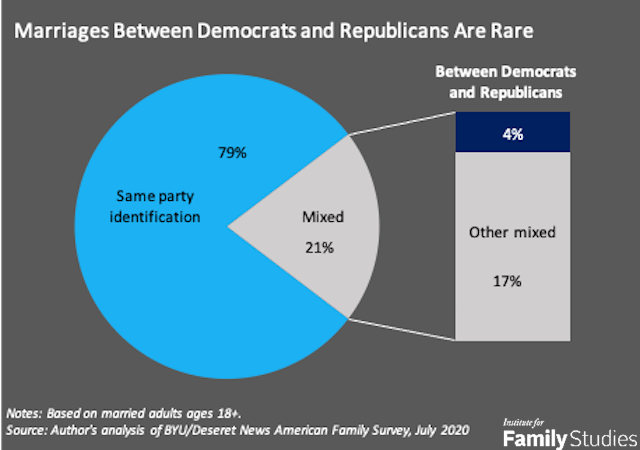
Remember, Democrats don't marry Republicans. Only 4% of Democrats are married to Republicans in this survey!
People will marry across race, but not across party. However, at 96%…ideology becomes biology in one generation.
Parties become ethnic groups.
ifstudies.org
People will marry across race, but not across party. However, at 96%…ideology becomes biology in one generation.
Parties become ethnic groups.
ifstudies.org
If the conflict isn't ideological, if people are voting for tribes rather than ideas, then the temptation is for one side to try to win totally, via Blue Censorship or Red Dictatorship.
Which are the same, as censorship implies dictatorship & vice versa.
Is there a better way?
Which are the same, as censorship implies dictatorship & vice versa.
Is there a better way?
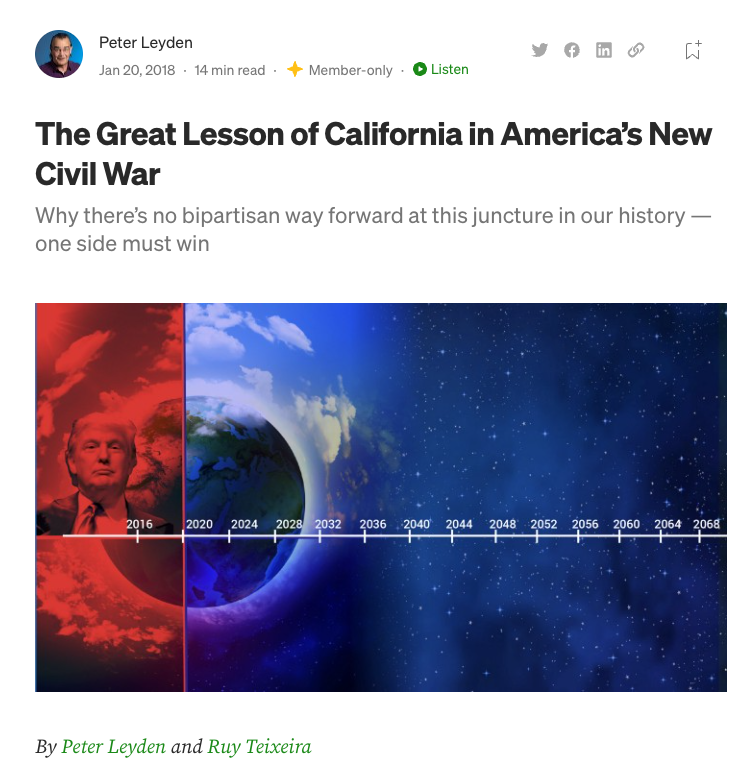
One idea: instead of 51% democracy, try 100% democracy.
In 51% democracy you just barely pass the bar, and then assume all will do as you say. They won't.
The ideal is 100% democracy. An opt-in society, built from scratch, where everyone chooses to be there.
And can leave.
In 51% democracy you just barely pass the bar, and then assume all will do as you say. They won't.
The ideal is 100% democracy. An opt-in society, built from scratch, where everyone chooses to be there.
And can leave.
Loading suggestions...