
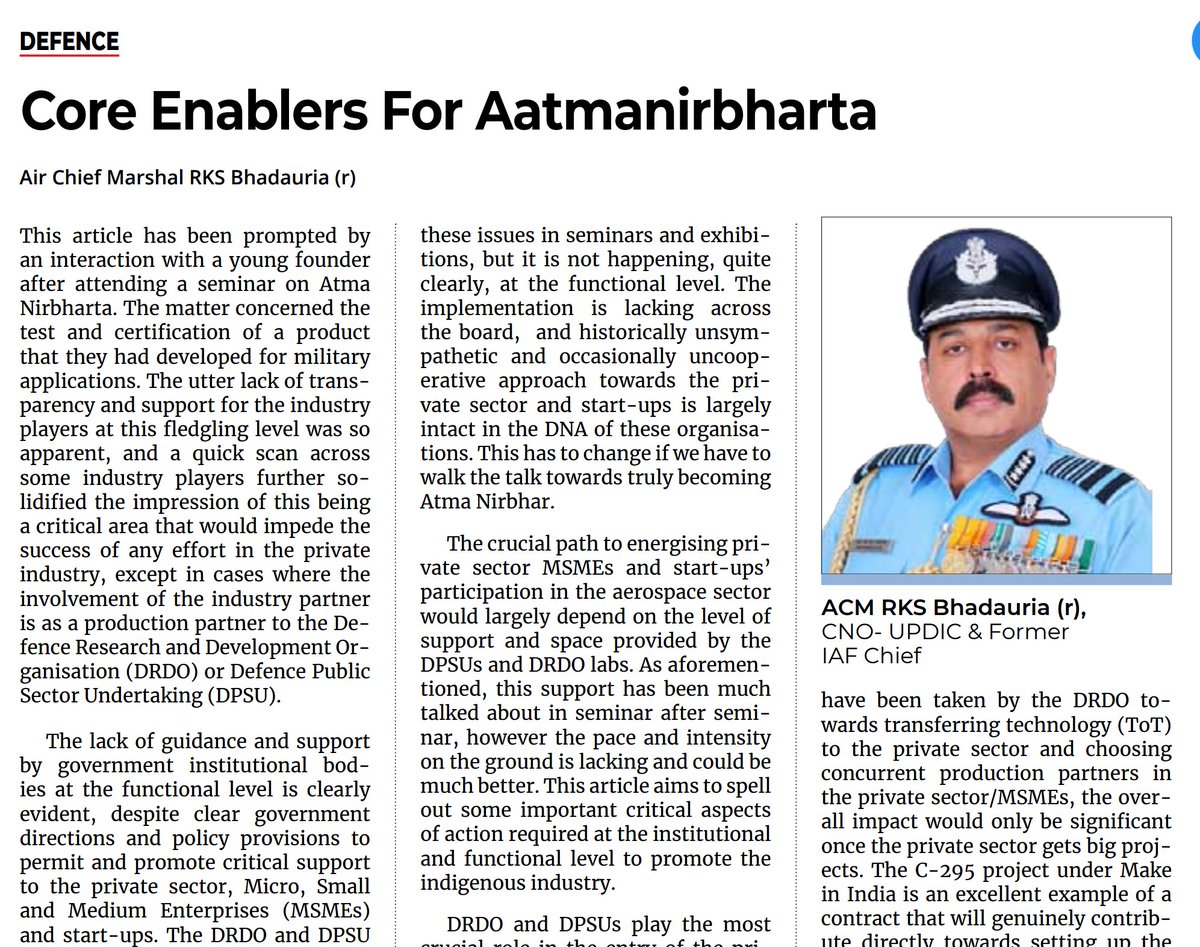
I came across this wonderfully prescriptive article by our very own RKS Bhadauria sir. I am quite pleasantly surprised on how strongly my own thoughts are aligned with his on this subject. Please allow me to add a few more of my thoughts.
iadb.in
iadb.in
1. In my humble opinion we don’t have the capacity for a private vs public sector showdown. We are trying to play catch-up (with enemy at the doors) and intend to emerge as a leader in 1-2 decades. Wishful thinking, a complete restart and unorganized execution can’t get us there.
2. I am going to take up two examples of success: ISRO and RCI/DRDL. ISRO is currently undergoing the transformation that Bhadauria sir mentioned. RCI/DRDL have already completed the transition. Let's start with ISRO first.
3. There is considerable private sector involvement in building the SSLV, PSLV and GSLV Mk2. Notice that our private sector today would not be able to design these vehicles from scratch. You can now see the similarity between Tejas, Arjun etc.
4. But ISRO is moving on. It is handholding pvt. sector companies to integrate SSLV and PSLV.
The integrators will use ISRO’s infrastructure to accomplish this task instead of wastefully replicating the same at considerable cost and time (land-acquisition et al.)
The integrators will use ISRO’s infrastructure to accomplish this task instead of wastefully replicating the same at considerable cost and time (land-acquisition et al.)
5. Not just that ISRO is also hand-holding private sector companies to design and build new small launchers.
But why would ISRO give away its crown jewels. The market that it so laboriously built and cornered?
But why would ISRO give away its crown jewels. The market that it so laboriously built and cornered?
6. Because it's aspirations are much bigger now. It is dreaming of building liquid rockets with >5mtr diameter, propelled by large (semi) cryogenic motors which are reusable!
They will send Indians to space, build space stations and launch extremely large payloads.
They will send Indians to space, build space stations and launch extremely large payloads.
7. In short, their men & women aspire for legacy of their own and not those of the PSLV/GSLV designers!
A legacy which is immediately evident and does not need to be painstakingly explained and justified!
A legacy which is immediately evident and does not need to be painstakingly explained and justified!
8. Nobody in India can come close to attempting these. It's not just a matter of funding. There technologies don’t exist in India today and it cannot be bought!
This is what scientists and designers aspire to work for. The place where their contributions become invaluable!
This is what scientists and designers aspire to work for. The place where their contributions become invaluable!
9. In my humble opinion, RCI and DRDL are ahead of ISRO in this aspect. Let me explain. There are 3 challenges to building a technology-intensive product: 1. Build a proof of concept, 2. Build a product from the PoC and 3, Build at scale.
10. ISRO has covered the first 2 steps whereas RCI/DRDL has completed all 3 steps on multiple designs. They have excellent product managers now. If you follow their tenders they build 10s of test articles from day 1, going from drawing board to first test in < 3 years!
11. By the time they are done with testing, they are ready to mass produce and provide quality support. Even at a scale which allows exports after sufficing internal needs. That level of maturity is rare is not totally missing in other DRDO labs (except may be for LRDE)
12. So what may be some of the hurdles. a) Decision-makers who exhibit the understanding of these stages in their actions. E.g. We cannot expect the PoC to have the same quality as a fully mature product rolling off a fully functional assembly line, or compare cost etc.
b) Risk mitigation in decision-makers, user and developers. A proposal to bridge 3 generations of development in 1 is much more than the combined risk of developing 3 incremental generations and operating the first 2 slightly sub-optimal generations.
14. I think @JA_Maolankar sir said this best. It is very rare that the outcome of a war is determined by the supremacy of one particular weapon. As long as the competing machine is in the ballpark, one can develop strategies to nullify the advantage.
15. This has played out over and over and over again. Not just in wars, but battles and even in skirmishes. Gnat, MiG-21s etc. etc. etc.
16. c. Decision making should be precise, prompt and streamlined (from top to bottom). In my humble opinion, we need to streamline the process. An equivalent of the space and nuclear commission is a must.
17. This must be filled by visionary technocrats like Sarabhai, APJ etc. They set the national goals in direct consultation with the PM and resources for the same are allocated appropriately and immediately.
18. If the commission wants technologists to succeed, then they must unshackle them. Delegate fully. PLEASE REMOVE THE BABU FROM THE LOOP. It is not a matter of credibility, integrity and capability. I don’t see them adding any value beyond the developer and user of the system.
19. I have often heard that the babu is great method of accountability. I don't think so. The accounts of billion dollar industries are maintained to the last penny without a babu.
20. Finally, I come to HAL as an exemplar for a DPSU. It is without doubt the biggest aerospace major in the country today. It has phenomenal infrastructure and people. The time has come for it to take the next step.
21. Imagine a HAL which is the combination of a Sikorsky, Pilatus and Embraer combined. Tejas Mk1, Mk1A, Dhruv, Prachand are all okay. But allow me to paint my dream here.
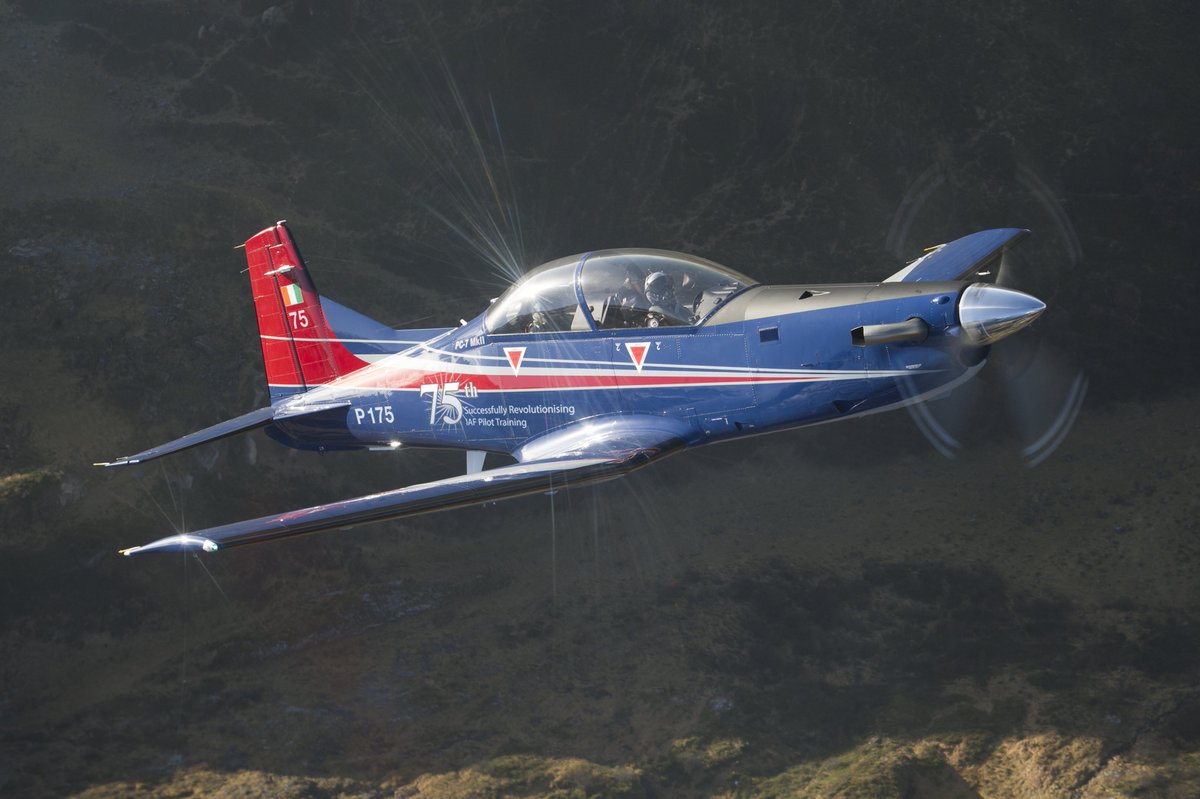
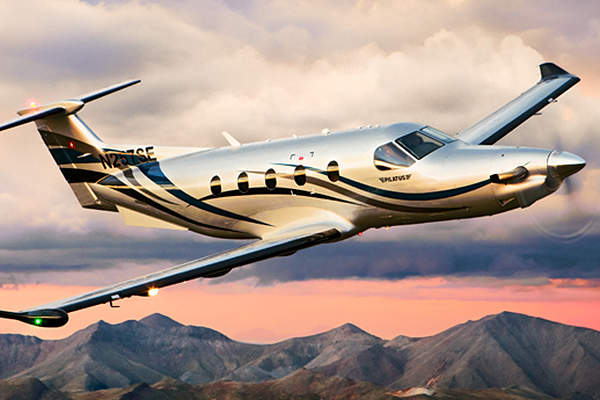
22. From an HTT-40, HAL is only developing an armed version. The fuel system, the wing, the engine the landing gears etc. could be used to develop PC-12 equivalent. Cockpit and avionics can be borrowed from the Hindustan 228. Like Pilatus did!
23. The upgrade of Avro is on such a slow drip! Buy two pairs of PW127M engines from the used market. Upgrade two aircrafts with systems certified on the Hindustan 228.
Park one in front of the defense and aviation ministers at AI-23 with a price tag and another in front of DRDO with a 30kW APU for reconnaissance versions. Ready today for fitting sensors of choice.
Go to PW with an order for 120 engines to upgrade all 56.
Go to PW with an order for 120 engines to upgrade all 56.
25. Remember, what I was saying about risk management earlier. This is what we are trying with the NCAD program today. We dream of leapfrogging everybody today to a world-class product in our first attempt!
26. Let’s take a more practical approach. Reuse the wings, landing gear, cockpit avionics from the upgraded HS-748 to develop a 70 seater like the BAe ATP. Is there a way to buy some or whole of this beautiful but unlucky design?
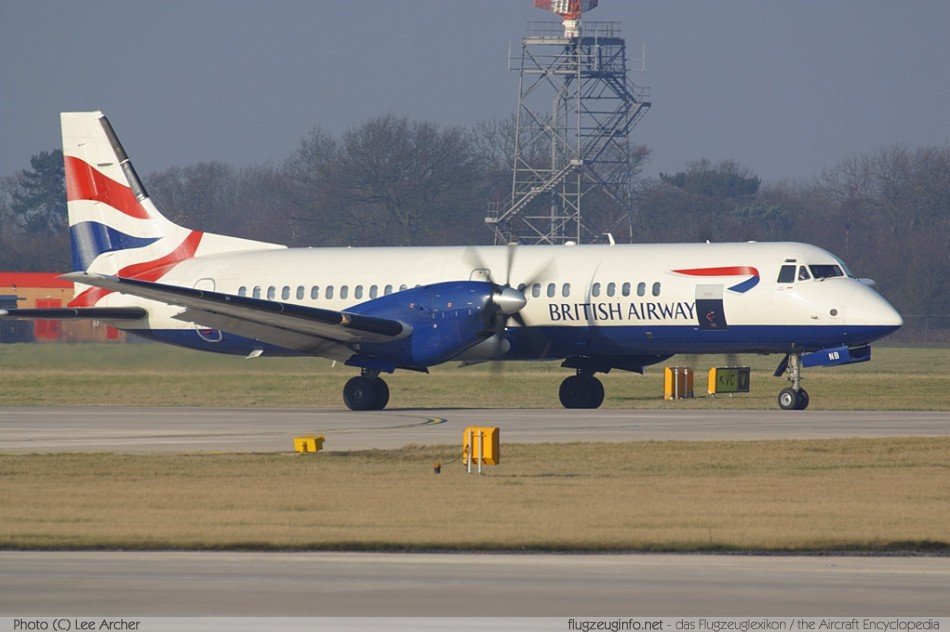
27. Can Tata’s manufacturing capability with the 295 be leveraged in any way? It will probably cost 5% more than an ATR-72 to operate. Can GoI offset this for operators? Afterall, it will be saving a lot in development cost through this incremental approach.
28. NAL’s civil aviation group should be completely assimilated into HAL. What is the point of it being under the ministry of Sc. with uncertain funding. Saras Mk1 was dealing with weight issues. Imagine it design with a couple of turbofans. A business jet or a small transporter!
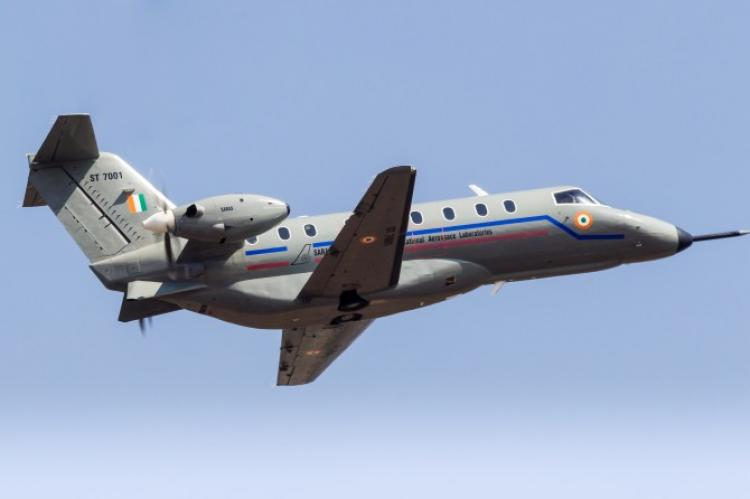
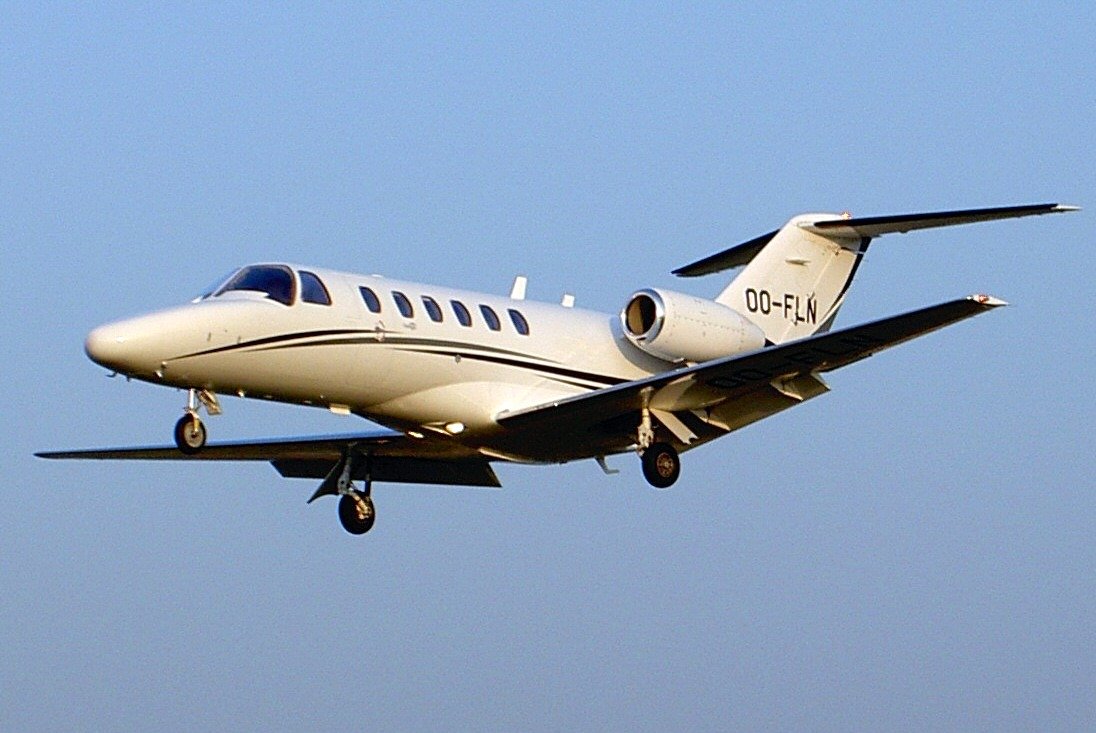
29. We abandoned that project! Mk2 is now projected to have first flight in 2025. Can we afford to be that slow? Shouldn’t a stretched version with a pressurized cabin for 30 already on the board by now.
30. How about another version with same wings, LG, everything. Just the fuselage goes from oval to rectangular. It will be unpressurized. The fatter fuselage
with flat side can allow 3 seats instead of 2 in current Mk2 (taking seating capacity to 29) & more cargo volume?
with flat side can allow 3 seats instead of 2 in current Mk2 (taking seating capacity to 29) & more cargo volume?
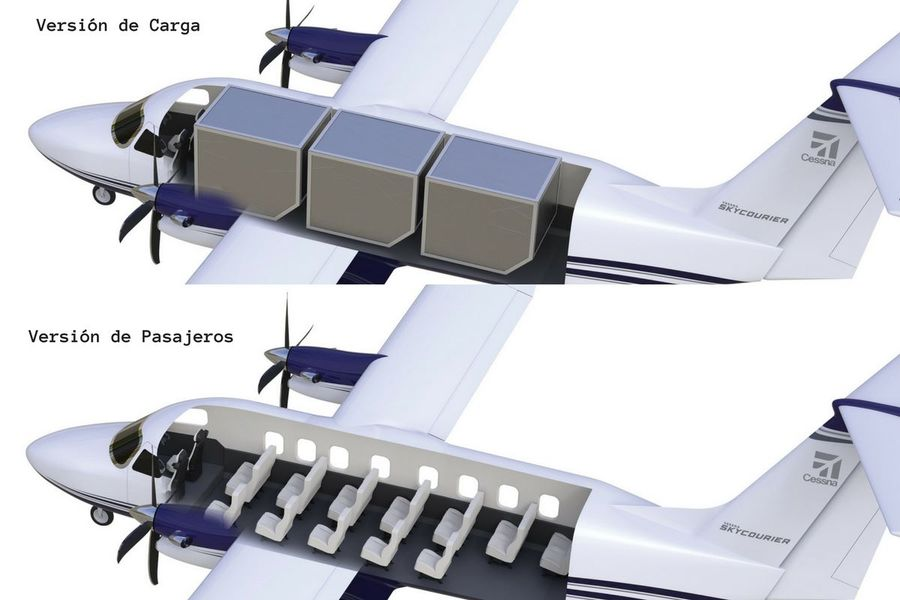
Similarly, 10s of LoIs have already been signed for the Hansa NG. Shouldn’t we be testing a 4 seater based on the same in the Wind Tunnel right now?
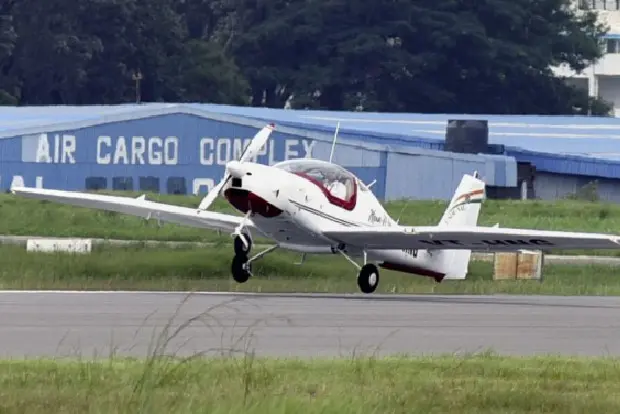
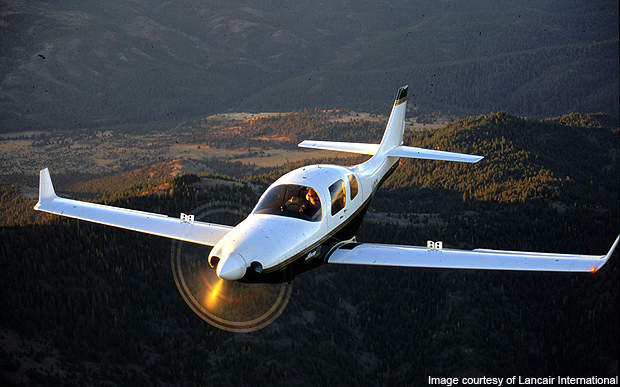
32. For rotor crafts, there Prachand, ALH, and LUH are excellent products. But it is only with the LUH that HAL is seeing civilian interest. This is because this is a first "non-Ferrari" from HAL.
33. It should develop a smaller craft with 500 HP engines and using systems from LUH, chetak and Cheetah! Basically lower the barrier to entry so that the large untapped civilian helo-market in India can be materialized.
34. On the future rotorcrafts. There is big question of compound helicopters.
With so many futuristic products and markets to tap, the choice in front of HAL is the same as that in front of ISRO.
With so many futuristic products and markets to tap, the choice in front of HAL is the same as that in front of ISRO.
35. Guard the turf and fight the tide of the upcoming private sector. Or leap up to the next tier of futuristic designs where the private sector cannot be a competition in the next 1-2 decades.
ISRO's choice is clear. HAL's actions are currently ambiguous.
ISRO's choice is clear. HAL's actions are currently ambiguous.
36. All that I have written here is quite elementary and evident once one comes onboard the atmanirbharta train fully. It is not by chance that the ex-ACM and I think alike.
But the question is whether we all will bite the bullet or not.
But the question is whether we all will bite the bullet or not.
Loading suggestions...