

The 7 elements of exceptional storytelling:
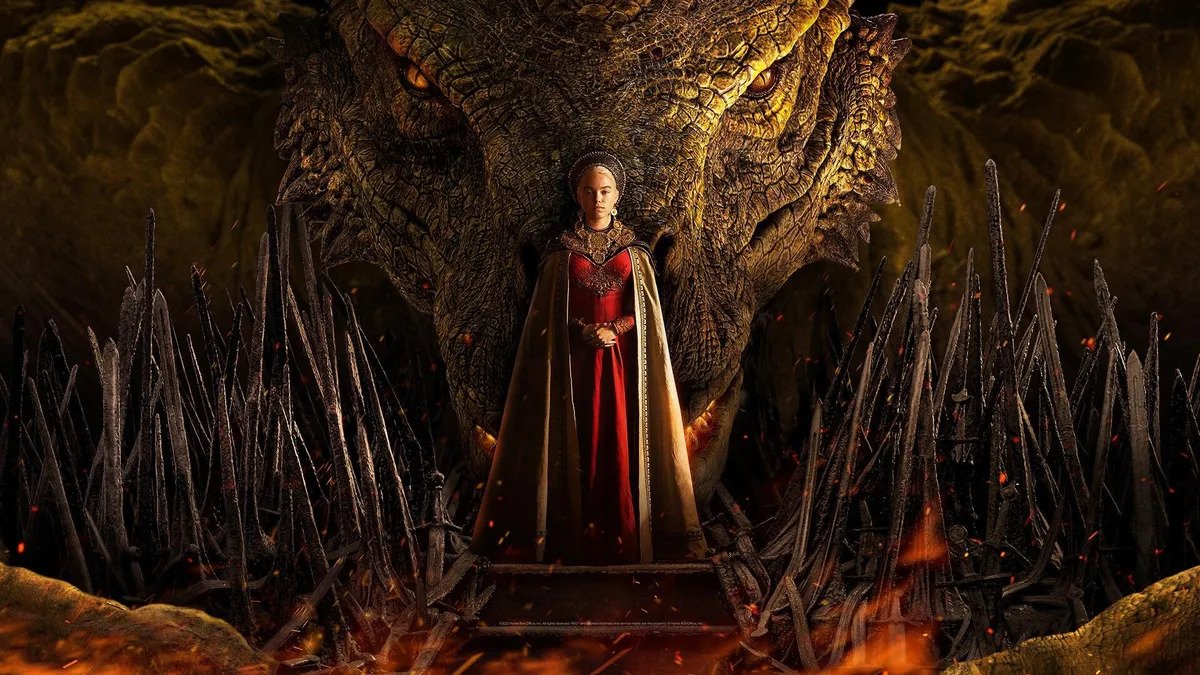
Why do some plots captivate us more than others?
We all have stories that we adore, look to for inspiration and possibly even emulate.
Today, I'm going to tell you the 7 fundamental elements of stories that stick in your mind:
We all have stories that we adore, look to for inspiration and possibly even emulate.
Today, I'm going to tell you the 7 fundamental elements of stories that stick in your mind:
1) Plot
You can have a realm filled with fascinating characters.
But if they don't act in a believable manner, it is unrelatable.
A key to remember when telling a story:
Your characters create the plot, not the other way around.
You can have a realm filled with fascinating characters.
But if they don't act in a believable manner, it is unrelatable.
A key to remember when telling a story:
Your characters create the plot, not the other way around.
2) Character
Creating empathy among your characters regardless of association is key.
Think about this:
Creating empathy among your characters regardless of association is key.
Think about this:
Why do the greatest stories have an antagonist as impactful as the protagonist?
Aren't we designed to hate the bad guy?
Wrong.
We're designed to see the challenge the antagonist provides and empathise with it.
This is why you even end up liking the bad guy on occasion.
Aren't we designed to hate the bad guy?
Wrong.
We're designed to see the challenge the antagonist provides and empathise with it.
This is why you even end up liking the bad guy on occasion.
3) Point-of-View
When telling a story, you have to decide who is communicating to the reader.
This affects what information is given away about plot and character.
We have multiple vantage points we can take:
When telling a story, you have to decide who is communicating to the reader.
This affects what information is given away about plot and character.
We have multiple vantage points we can take:
First Person - the protagonist is the narrator
First Person Peripheral - a close acquaintance of the protagonist
Second Person - The reader is the protagonist (hard to do this well)
First Person Peripheral - a close acquaintance of the protagonist
Second Person - The reader is the protagonist (hard to do this well)
Third Person Limited - From the vantage of 1+ protagonists (narrator only knows what the protagonists do)
Third Person Omniscient - From multiple vantage points (narrator knows more than any character)
Third Person Omniscient - From multiple vantage points (narrator knows more than any character)
4) Setting
Most people default to thinking setting is just location.
While it's a huge factor, there's much more to consider.
For example:
Most people default to thinking setting is just location.
While it's a huge factor, there's much more to consider.
For example:
Your story may be set in California, but one of your characters may be from Paris or Mexico City.
This will greatly impact how they behave in the surrounding environment.
Setting means culture, history, worldview, language.
This will greatly impact how they behave in the surrounding environment.
Setting means culture, history, worldview, language.
5) Style and Word Choice
This comes down to you.
How do you want to tell your story?
Do you want to intertwine multiple layers of Machiavellian scheming?
Or do you want to stab straight at the point of your story?
These are the creative decisions you must make as the teller.
This comes down to you.
How do you want to tell your story?
Do you want to intertwine multiple layers of Machiavellian scheming?
Or do you want to stab straight at the point of your story?
These are the creative decisions you must make as the teller.
6) Conflict
Be it with other characters or internal - it's essential.
Struggle comes from the protagonists' wants, needs and desires.
The best stories are when we see a protagonist overcome a battle to achieve one of these.
Consider carefully your character's desires.
Be it with other characters or internal - it's essential.
Struggle comes from the protagonists' wants, needs and desires.
The best stories are when we see a protagonist overcome a battle to achieve one of these.
Consider carefully your character's desires.
7) Theme
This is the mixing pot of all the elements mentioned.
At its' simplest - what is your story about?
Here's some possible themes:
- Lust
- Revenge
- Redemption
- Discovery
- Corruption
- Justice
- Love
- Fate
- Family
This is the mixing pot of all the elements mentioned.
At its' simplest - what is your story about?
Here's some possible themes:
- Lust
- Revenge
- Redemption
- Discovery
- Corruption
- Justice
- Love
- Fate
- Family
This is arguably the most important point of this thread:
Your job as the storyteller is NOT to resolve these themes.
They are ethereal, bigger than any character.
Your job is to create characters your readers empathise with in their journey through the exploration of these.
Your job as the storyteller is NOT to resolve these themes.
They are ethereal, bigger than any character.
Your job is to create characters your readers empathise with in their journey through the exploration of these.
7 key considerations of a great story:
1. Plot
2. Character
3. Point-of-View
4. Setting
5. Style and Word Choice
6. Conflict
7. Theme
1. Plot
2. Character
3. Point-of-View
4. Setting
5. Style and Word Choice
6. Conflict
7. Theme
Thanks for reading.
If you enjoyed this one, follow me @TheWritersGift
If you want to help spread the word, follow the link below and RT the first tweet
Have a wonderful day, writers.
If you enjoyed this one, follow me @TheWritersGift
If you want to help spread the word, follow the link below and RT the first tweet
Have a wonderful day, writers.
Struggling to write content that gets engagement? Not converting your readers into followers?
I've written a FREE 10-step guide to help you solve this exact problem.
Grab it here: thewritersgift.gumroad.com
I've written a FREE 10-step guide to help you solve this exact problem.
Grab it here: thewritersgift.gumroad.com
Loading suggestions...