
The Byzantine Empire reached its territorial zenith under Emperor Justinian. Astonishing buildings were raised, the arts flourished, & law codes restructured. However; below the surface, Byzantium weakened.
Was Justinian truly the Great Restorer or the Architect of Collapse?
Was Justinian truly the Great Restorer or the Architect of Collapse?

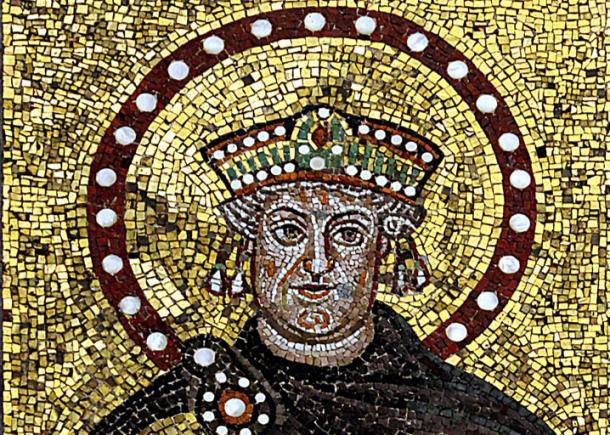
When Petrus Sabbatius was crowned Justinian I in 527 AD, the Eastern Roman Empire was flourishing. She had weathered barbarian invasions, internal shocks, & the collapse of the Western Roman Empire. Byzantium remained the preeminent power militarily, economically, & culturally.
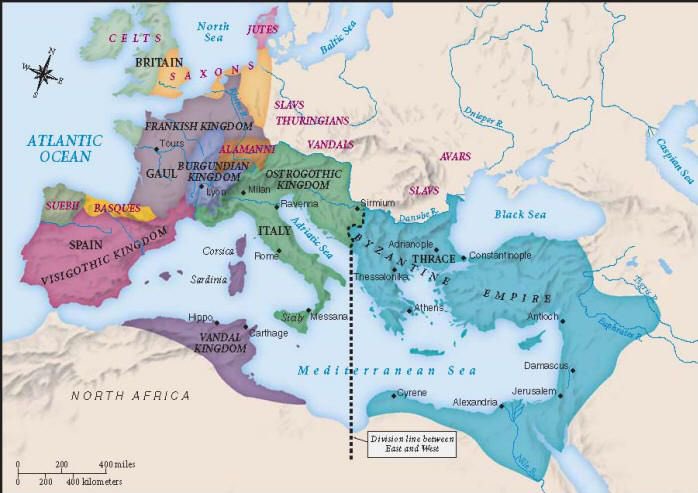
Justinian’s predecessors had even filled the treasury with 400,000 lbs of gold. Justinian intended to expend these resources in pursuit of his dream: the Renovatio Imperii, “The Restoration of The Empire.” The energetic man surrounded himself with capable, but unpopular advisors.
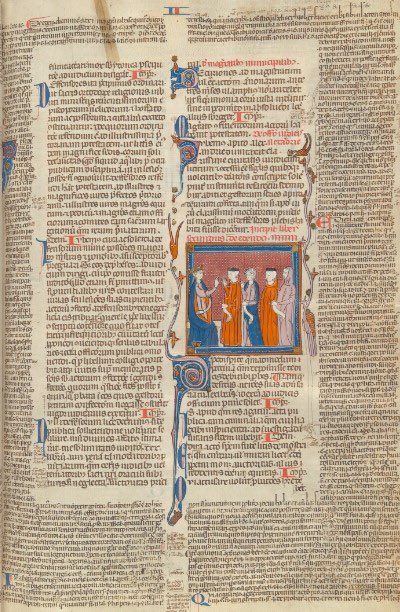
Early in his reign, Justinian appointed Tribonian to codify centuries of confusing & disparate Roman laws into the Codex Justinianeus to clarify, update, & standardize the law. Tribonian accomplished this herculean feat in less than two years.
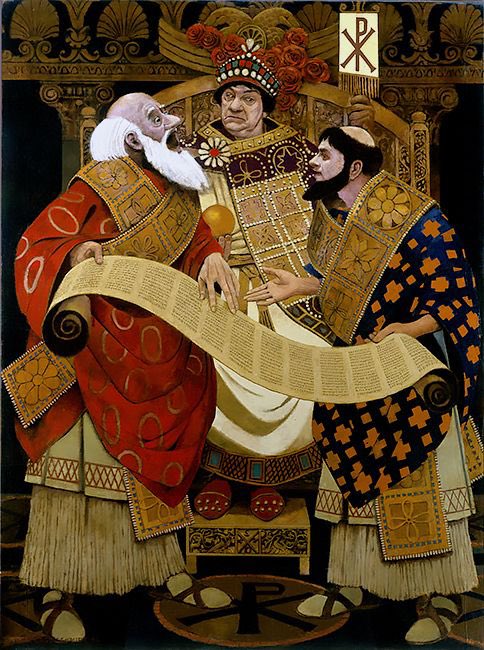
Justinian’s law code shaped Christian Canon Law & the served as the bedrock for European law codes that developed over the next millennia & spread worldwide with Europe’s colonialism. This influence can’t be overstated & most legal codes today have roots in Justinian’s Codex.
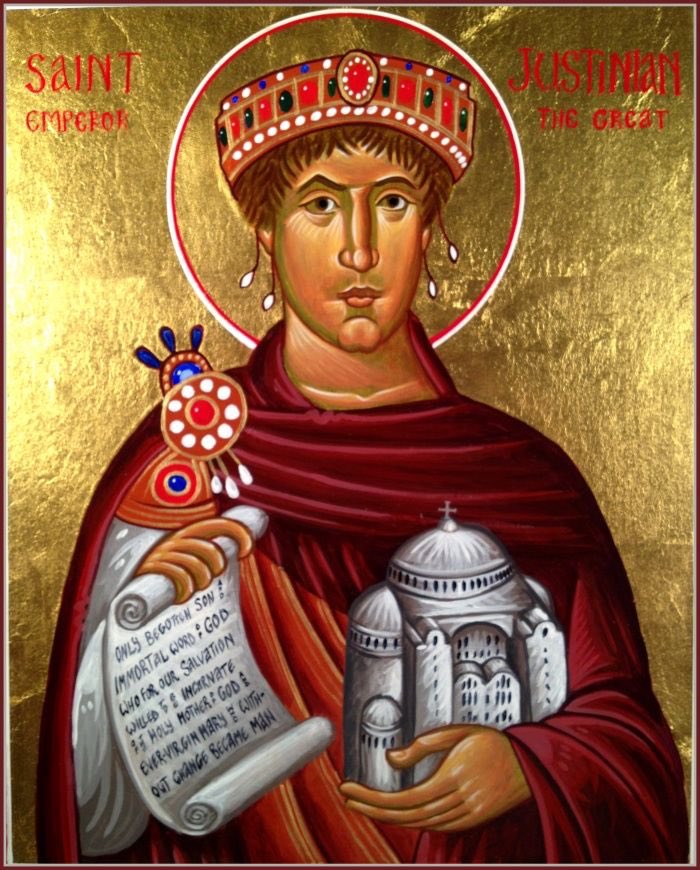
St. Justinian also took great interest in his sacred duty toward Christendom as Emperor. He passed laws that banned all remaining pagan worship in the Empire & sent many successful missions to convert peoples in & outside of the Empire to Christianity.
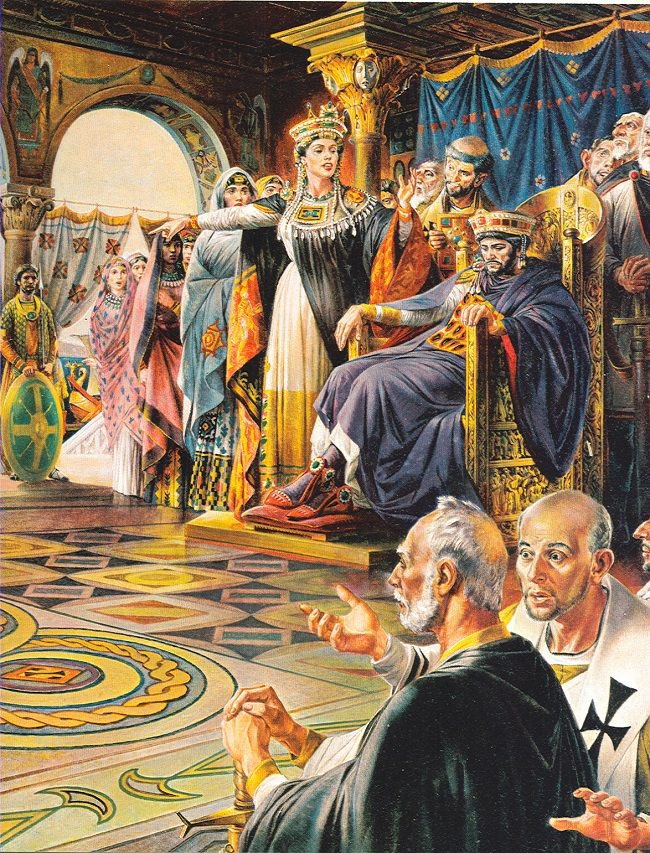
He also attempted to heal the divide between Chalcedonians & Mia/Monophysites in the Empire. He hosted the 2nd Council of Constantinople whose canons were meant to reunite the Church. Despite his efforts, the rift remained, partly due to Theodora, his Monophysite-sympathetic wife
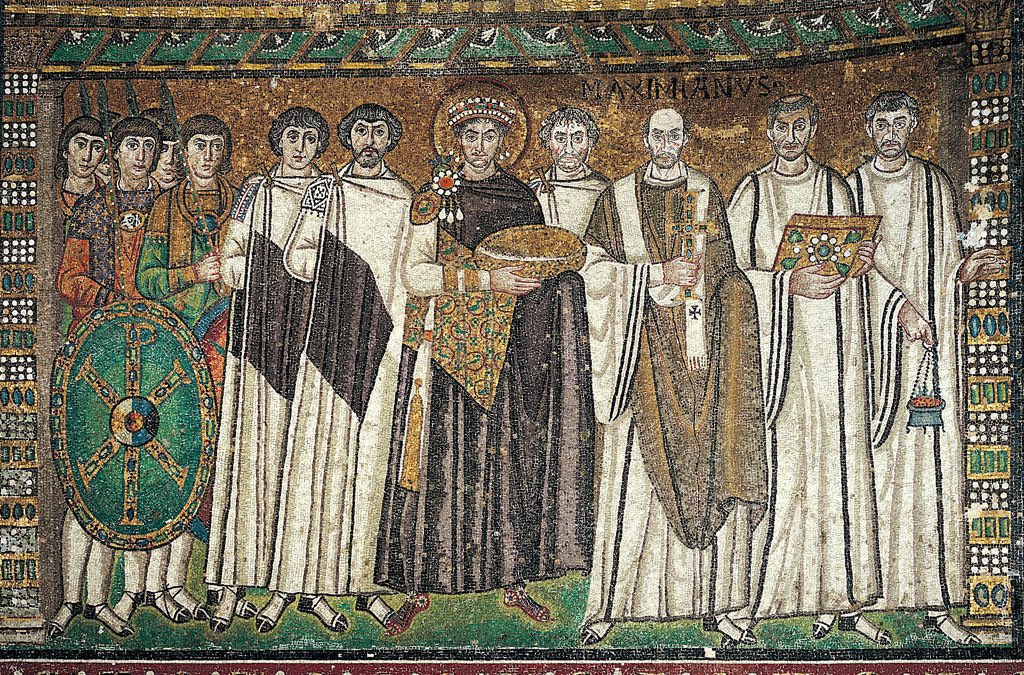
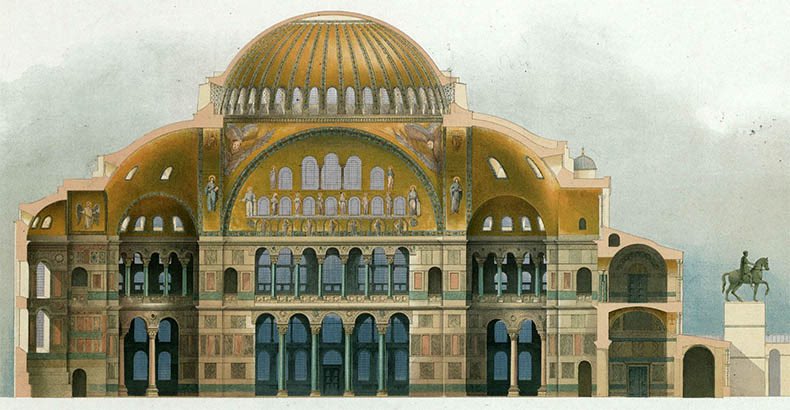
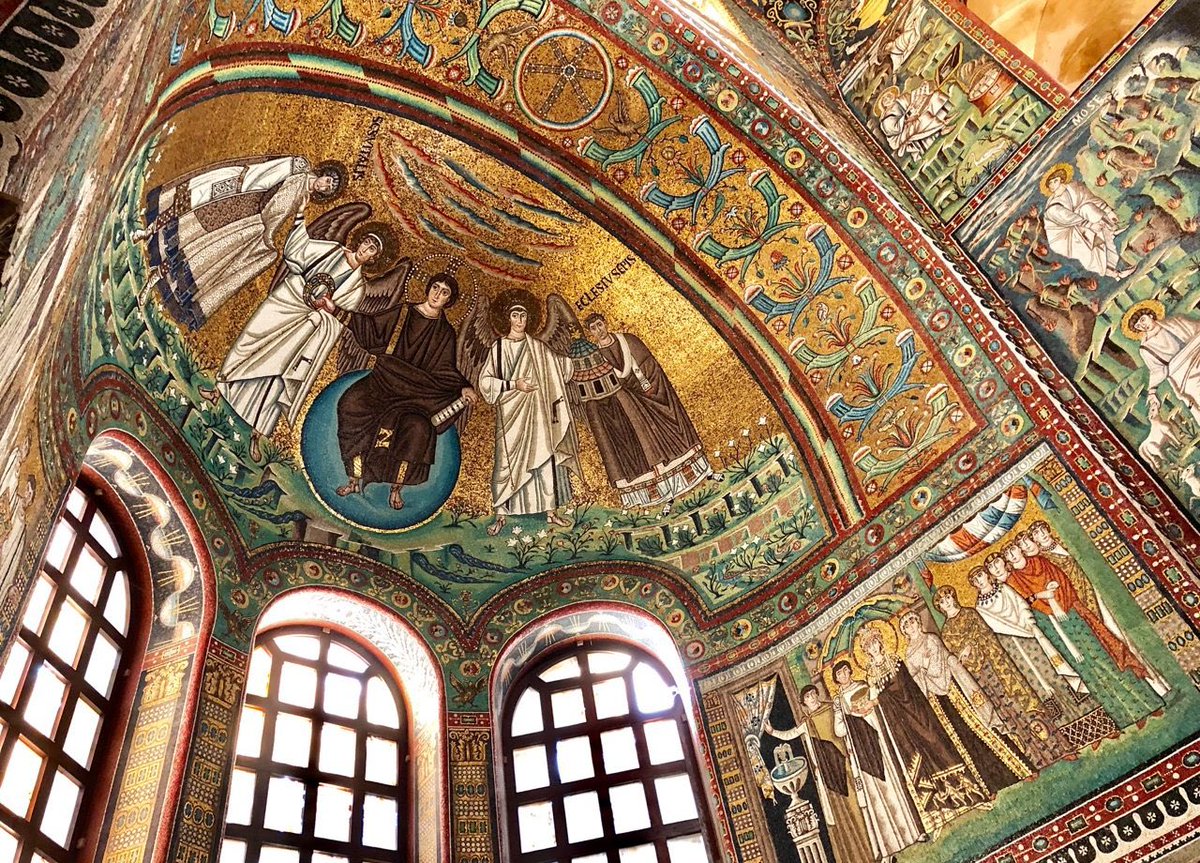
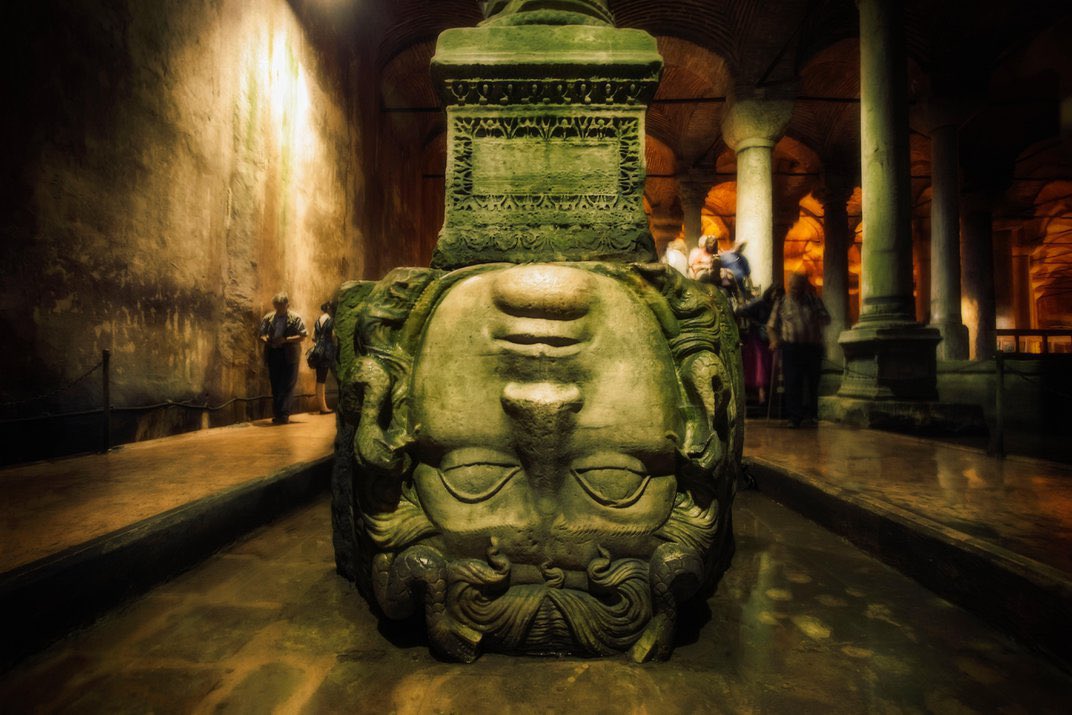
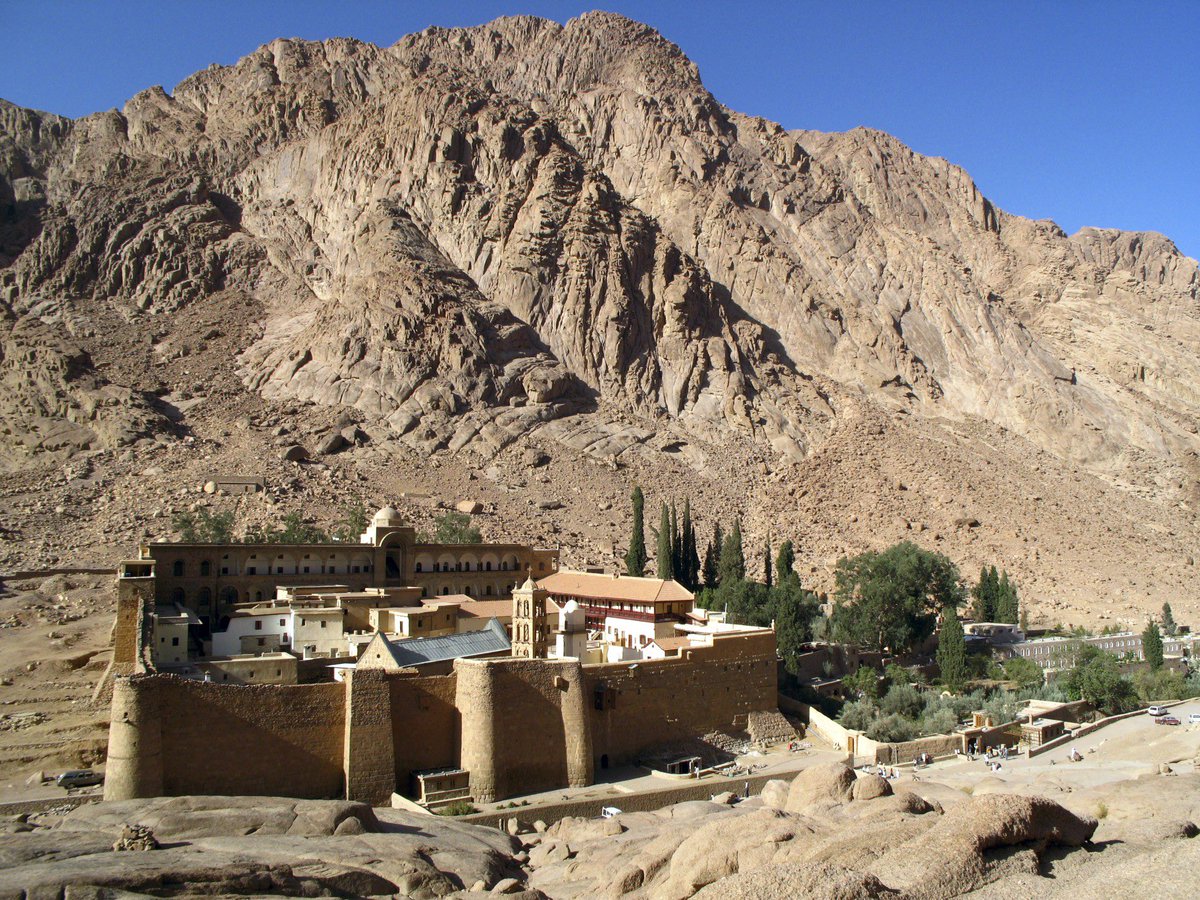
Byzantium experienced an artistic Golden Age under Justinian’s generous patronage & many of the artifacts & styles that we think as quintessentially Byzantine are from this period; the Hagia Sophia, to the mosaics of Ravenna, to the Basilica Cistern, to St. Catherine’s Monastery.
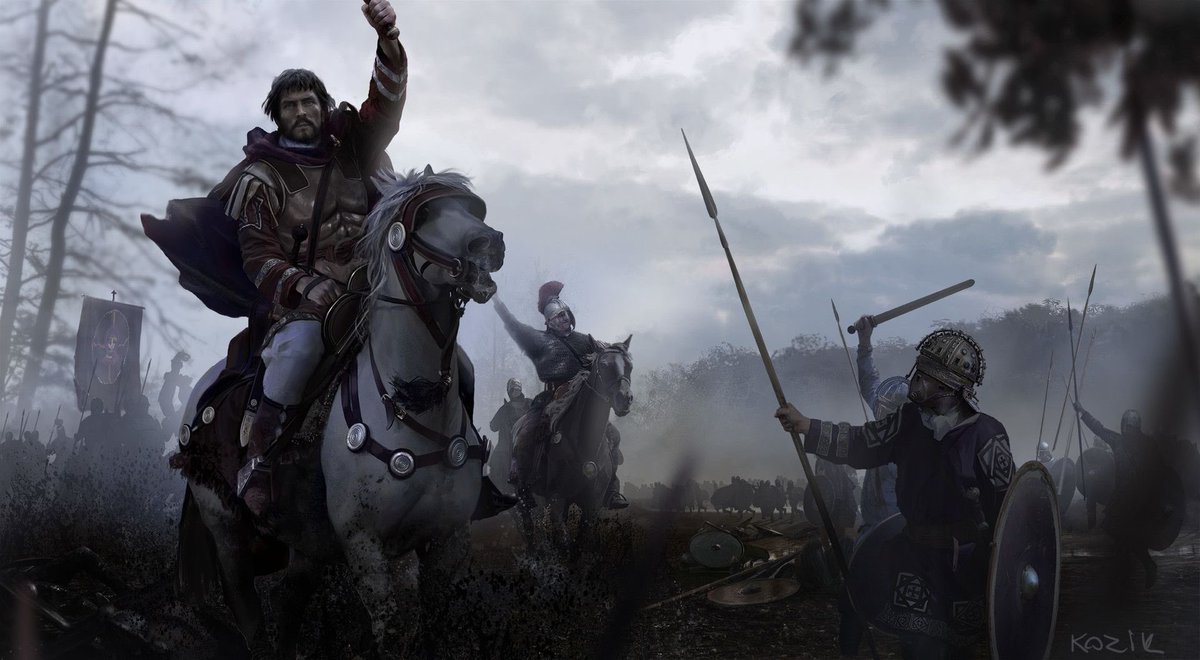
Most famously, under the command of the genius General Belisarius, the Byzantines conquered the Vandal Kingdom, southern Spain, and much of Italy. Belisarius accomplished this outnumbered & under-supplied, reasserting the superiority of Roman arms & dominance in the Mediterranean
Justinian cared for the economic health of his Empire, working to make taxation less corrupt & increasing the revenues of the treasury. Importantly, Justinian oversaw the theft of silk worms from the Chinese & kickstarted a local silk industry, undercutting Persian middlemen.
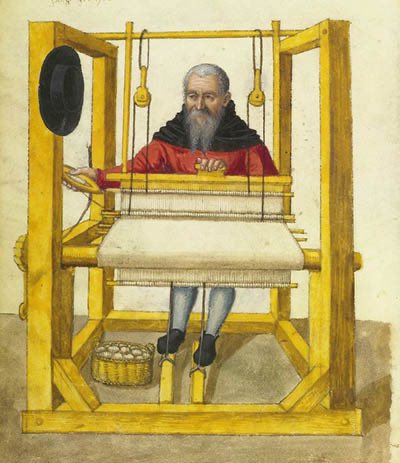
Despite all these accomplishments, Justinian’s eventful rule was marred by troubles & setbacks, some due to his mistakes, others God-given. Justinian’s unpopular advisors agitated the population early in his reign, tensions boiling over into open revolt at the Hippodrome.
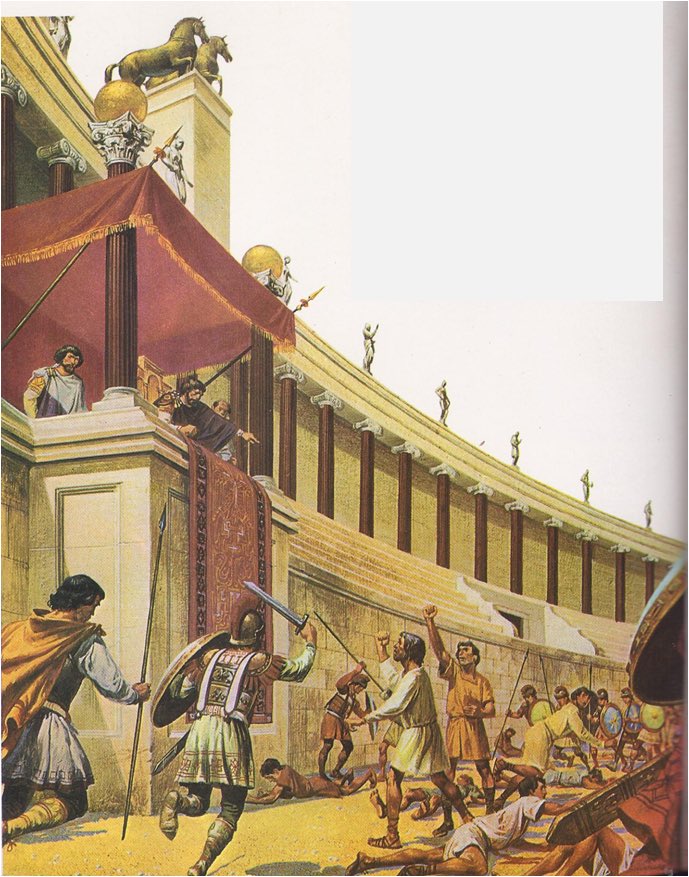
The Nika Riots, if not for Theodora’s resolve, would have toppled his regime. Only after Belisarius’s men killed 30,000 rioters was order restored. The riot devastated Constantinople & riches were spent rebuilding; Justinian used this opportunity to rebuild the Hagia Sophia.
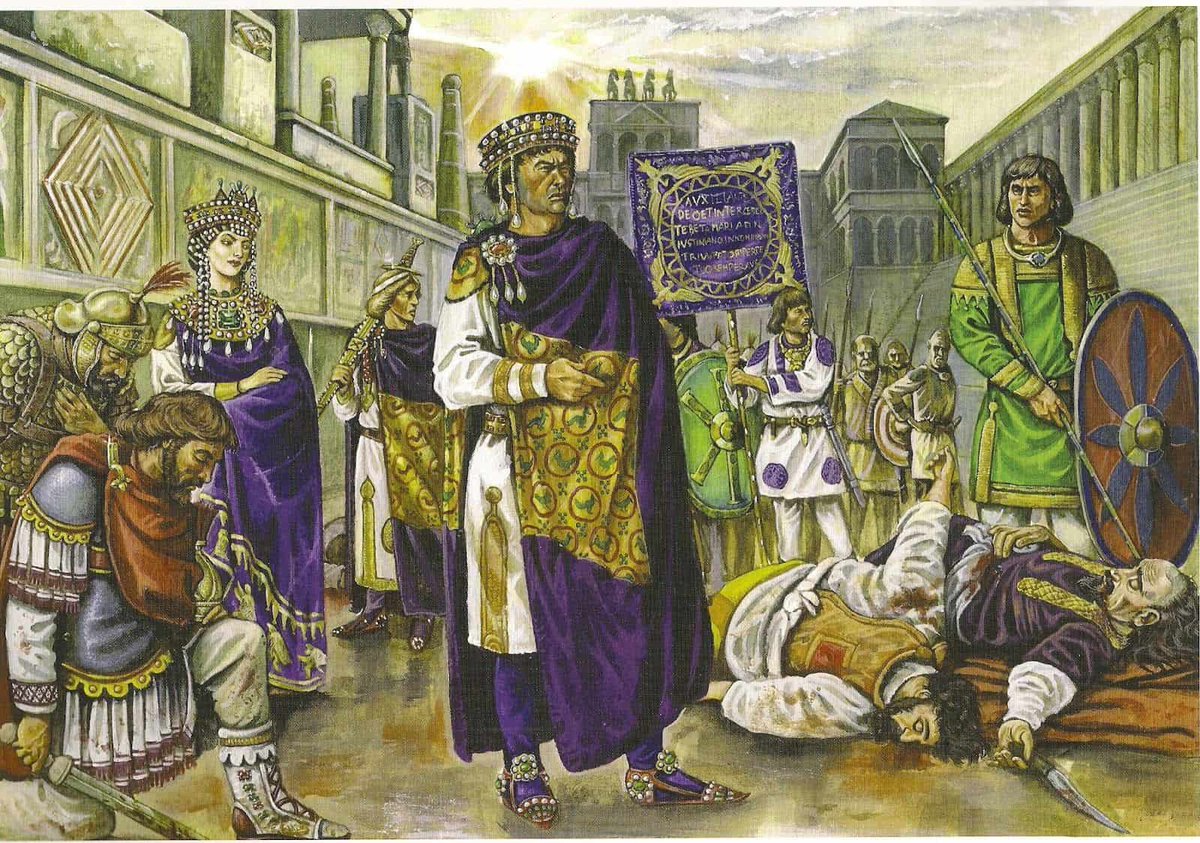
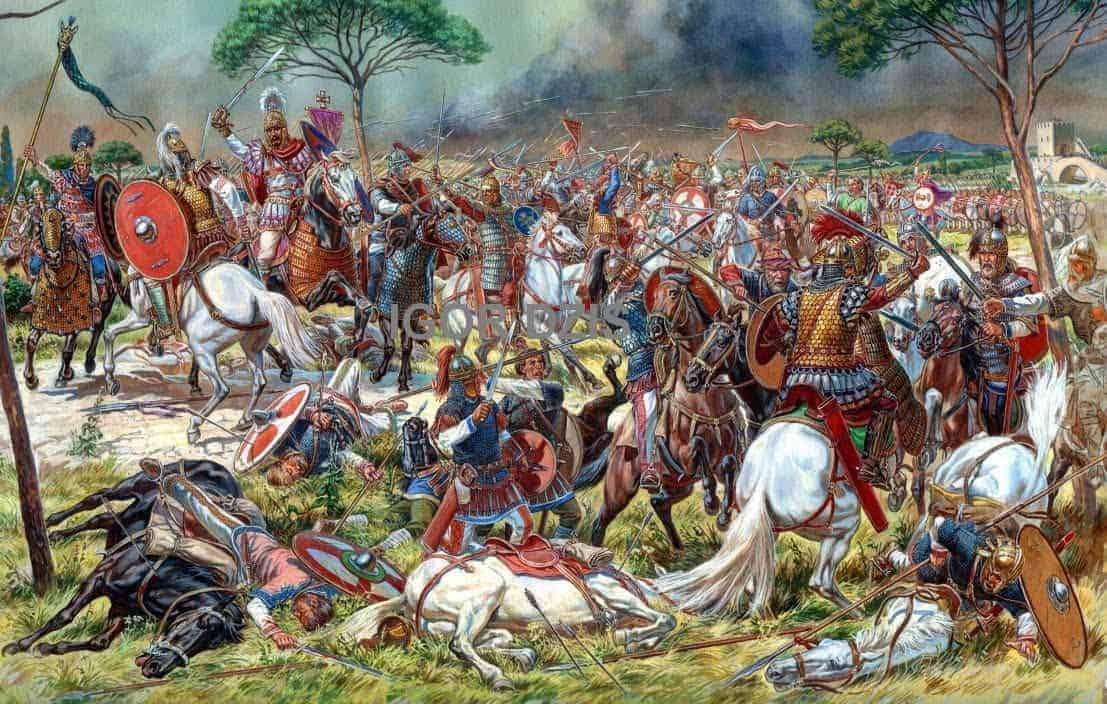
Justinian’s great dream was the reconquest of Italy & in 535 AD Belisarius landed in Sicily, scoring successes against Ostrogothic armies far larger than his 7,500 man force. After securing a bloody victory, Belisarius was recalled by Justinian, jealous & questioning his loyalty.
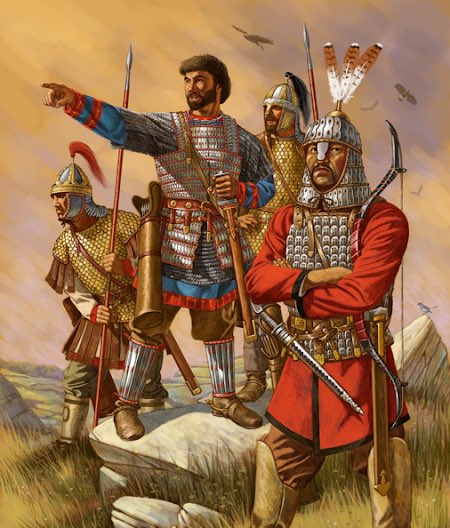
Belisarius’s removal encouraged a Gothic resurgence under Totila, lengthening the war & ravaging Italy. The war lasted +20 more years. At the end, the region was devastated. Byzantine Italy was weak, too exhausted to prevent the Lombards from conquering most of it shortly after.
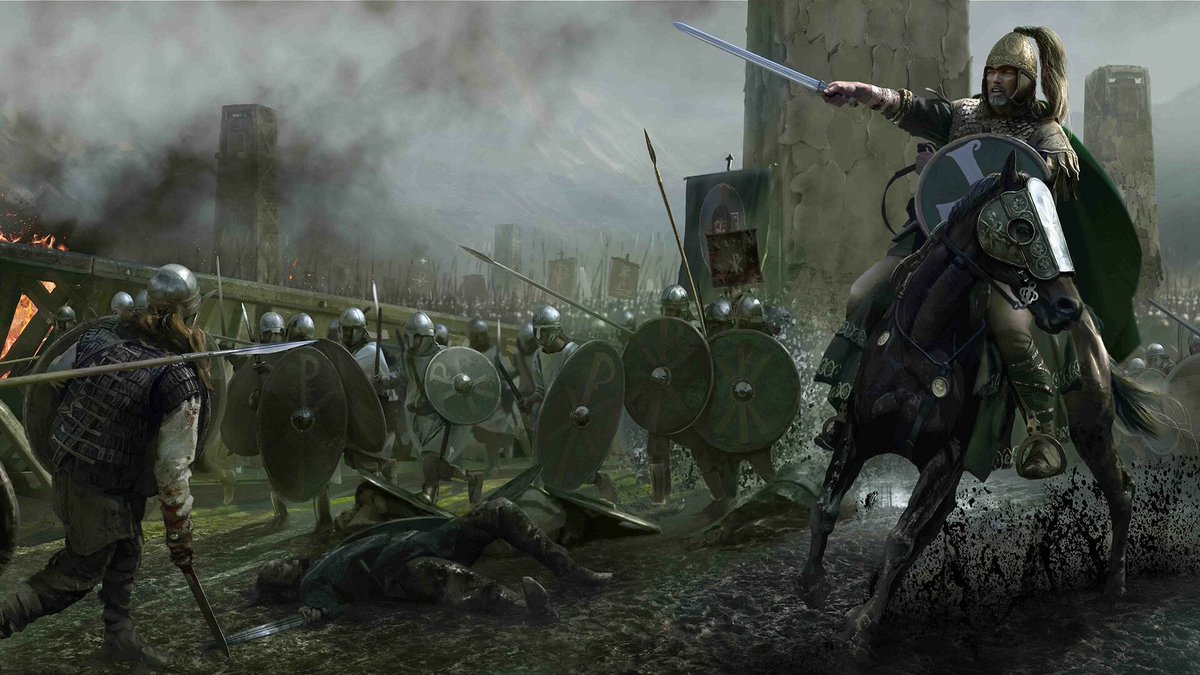
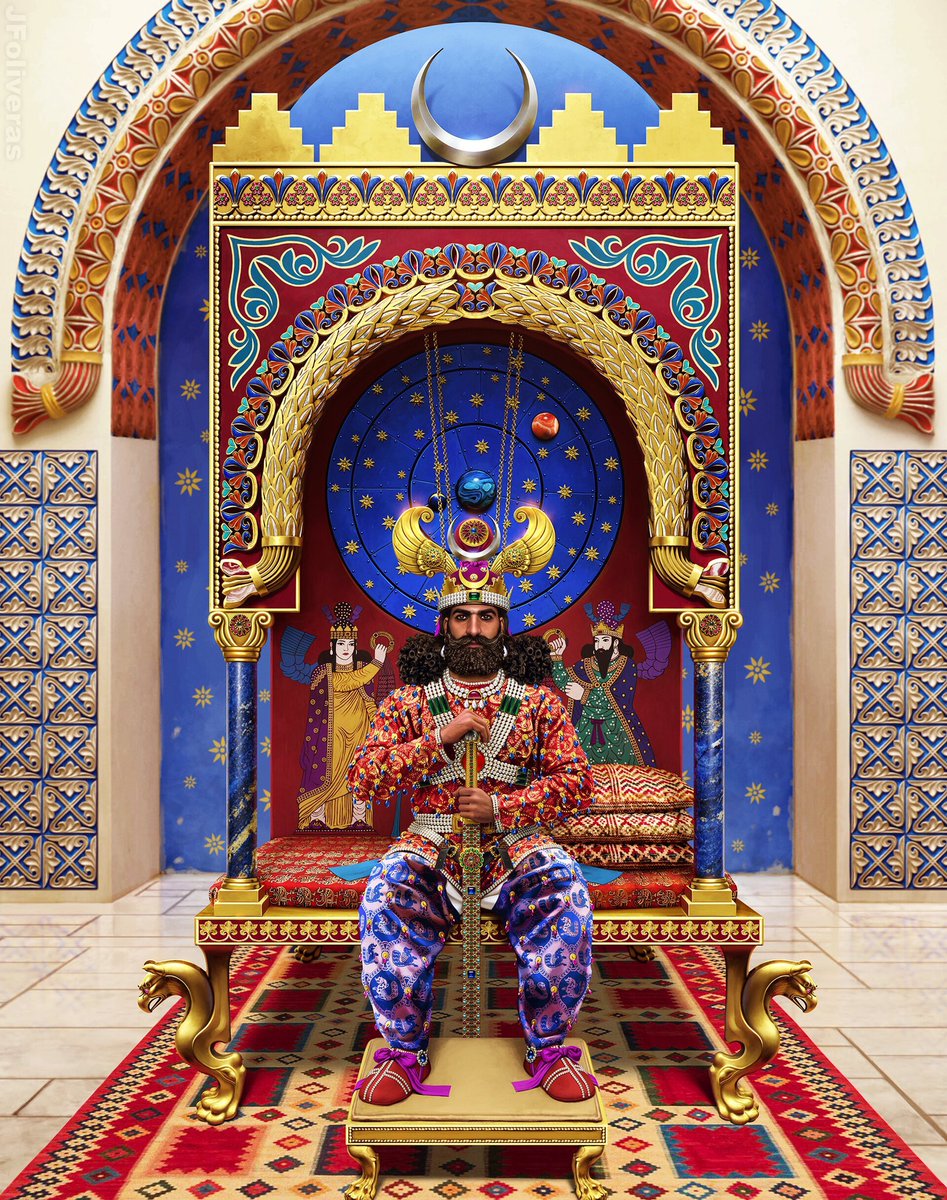
Justinian’s wars in the West invited Sassanid incursions. The Byzantine army was too small to fight its Reconquista & defend the East from the powerful Sassanids. Shah Khosrow I invaded, ravaging Byzantium’s eastern flank & forced Byzantium into fighting a draining two-front war.
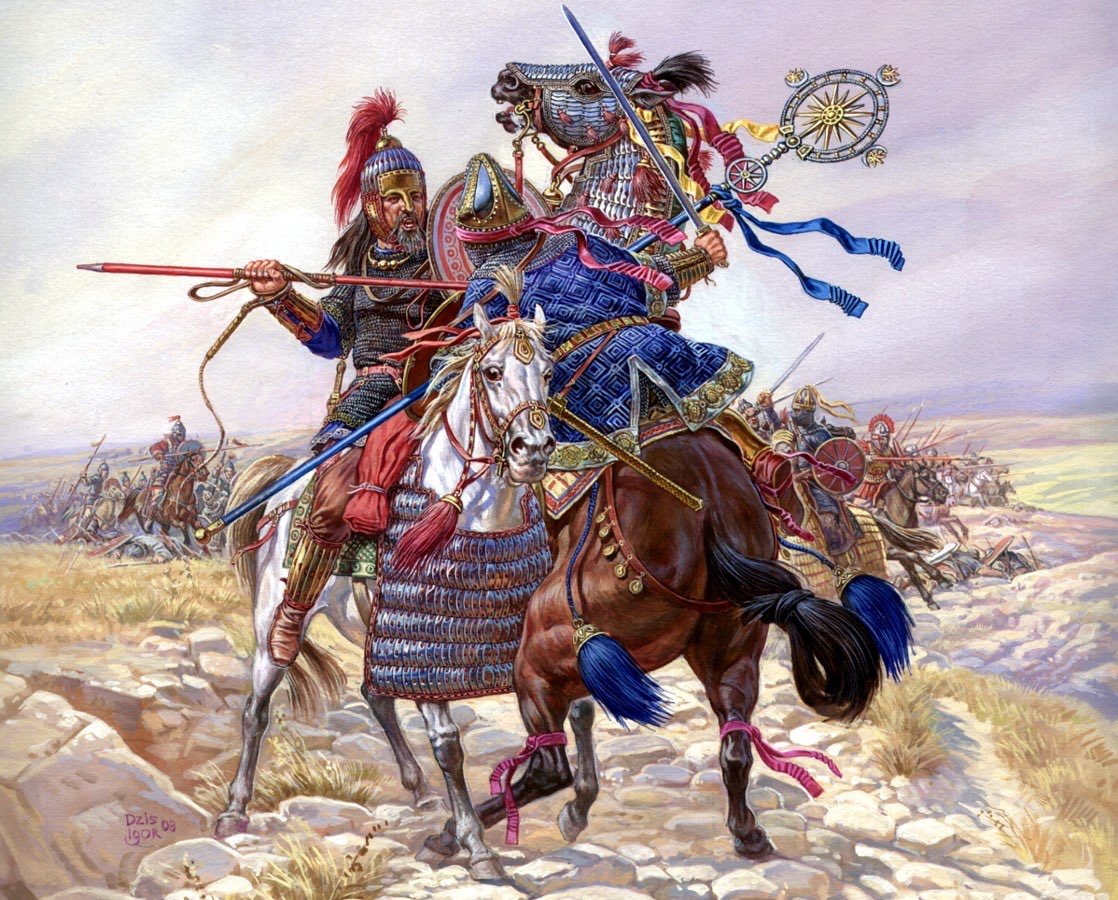
Khosrow’s war was a measured success & although few lasting gains were had, he devastated the border, invaded client kingdoms, and even sacked & evacuated Antioch, building his own “better” Antioch for the captive population in Sassanid territory.
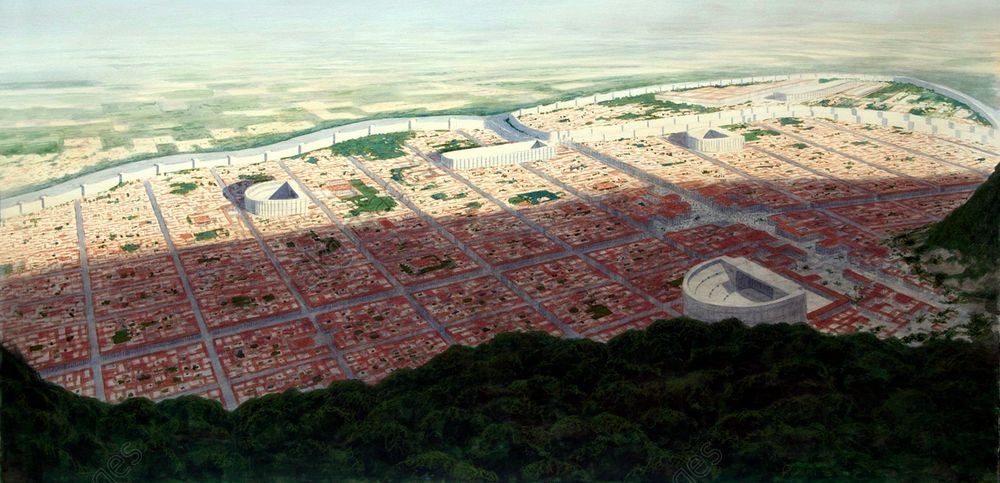
Powerful earthquakes (526 & 528 AD) as well as Khosrow’s sack in 540 AD devastated Antioch, one of the Empire’s largest & wealthiest cities. Although rebuilt, it never regained its former glory, impoverishing Byzantine Syria. However, earthquakes weren’t the worse disaster.
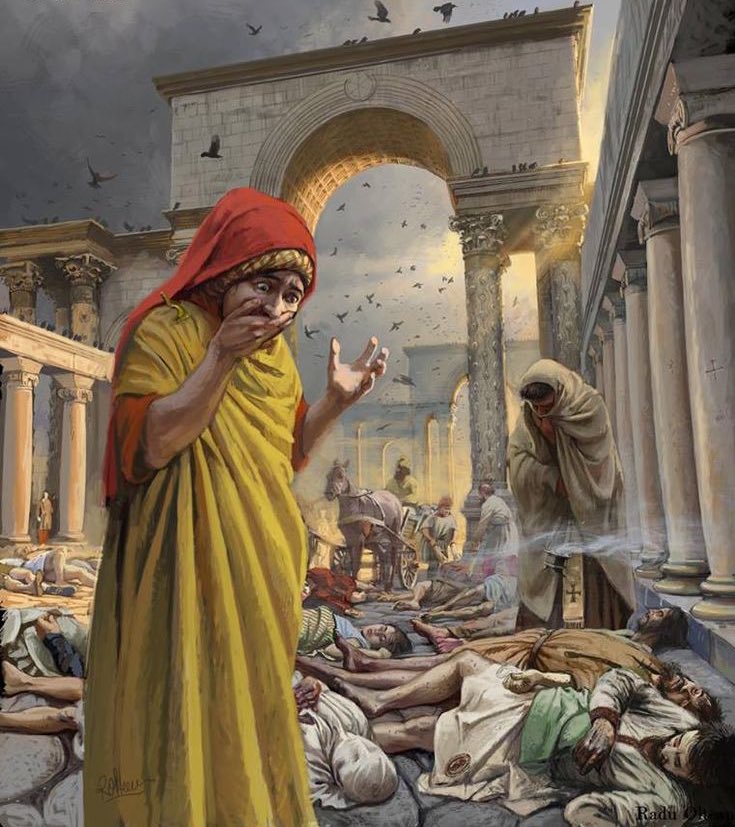
Famine gripped the Empire in 530s after a volcanic eruption in 535-536 AD, straining the Byzantines’ ability to enact Justinian’s vision. Even worse, the bubonic plague reared its ugly head in 542 AD, spreading from south of Egypt & sweeping across Europe & the Middle East.
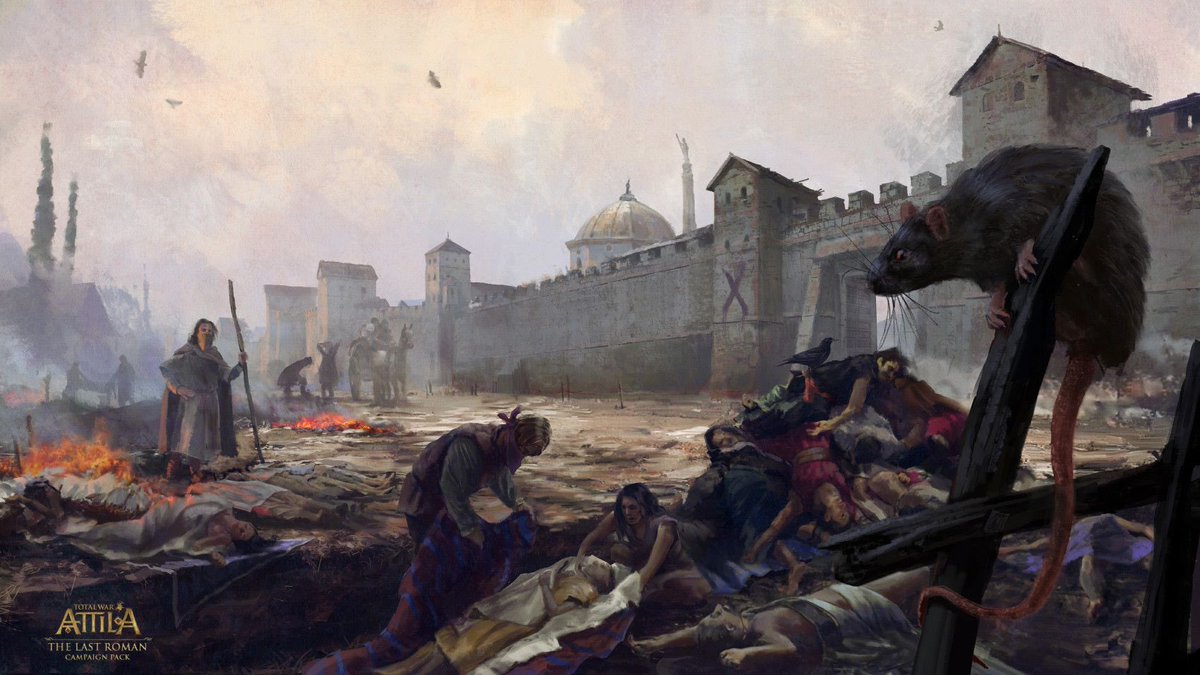
The plague ravaged Byzantium. Procopius claims at its height it killed 10,000 people per day in Constantinople alone. Justinian himself was struck by the plague, emerging from his sickness to find his Empire in ruins. Cities hollow, fields overgrown, ships rotting in the harbor.
Despite all the setbacks, Justinian remained determined to accomplish his dream. Taxation remained heavy on the disease-ravaged population; money was needed to support the armies in the West, Sassanid tribute, & rebuild Constantinople & Antioch.
Justinian, throughout his long reign, worked tirelessly to bring Byzantium to its zenith. Even as an old man he could be found pouring over reports by candlelight into the early morning. Faced with such unrelenting adversity, stagnation set into the exhausted Empire.
At the eve of his reign, Justinian ruled a larger, emptier, Empire, still wracked by religious strife. The Empire staggered under the weight of military campaigns, Sassanid tribute, & infrastructure commitments after the plague, the optimism of his early reign soured to cynicism.
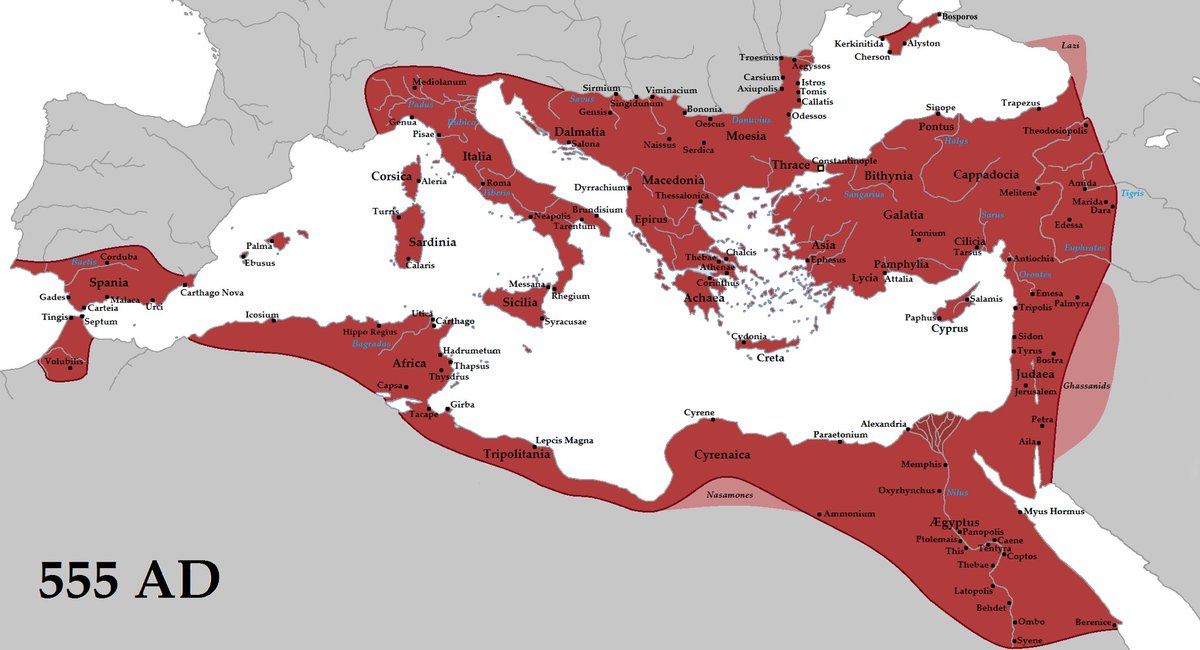
Justinian died on Nov. 14th, 565 AD at 83 years old; remarkable for the era. It was as if the Emperor refused to die, stubbornly chasing a dream that grew more distant as the years went by. Justinian’s successors would be hamstrung by his conquests.
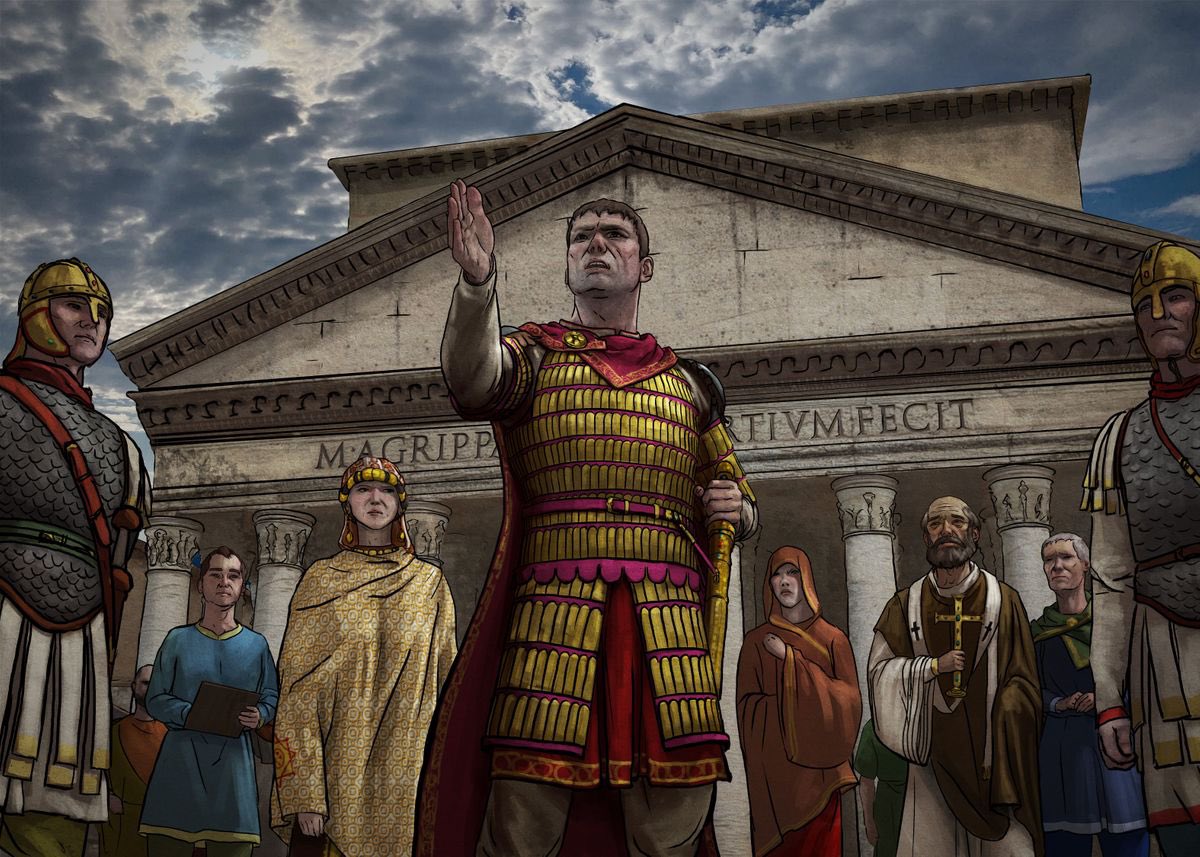
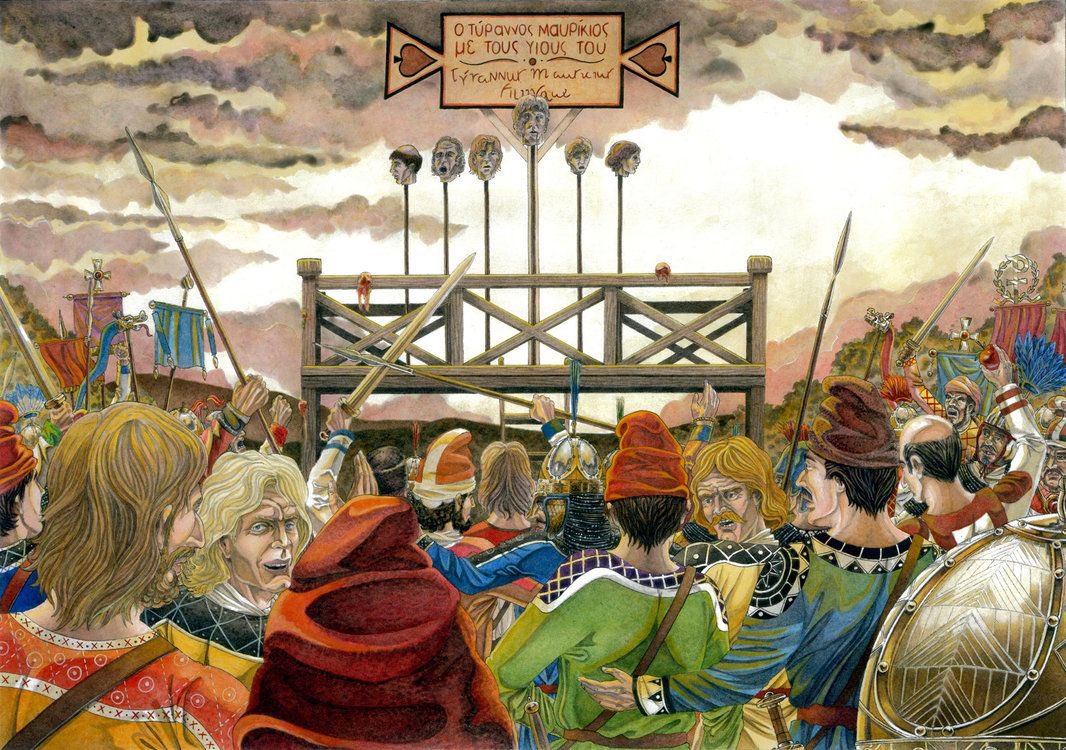
Forced to fight rearguard actions across long borders with covetous foes, Byzantium contracted. In 602 AD, after decades of ceaseless warfare the last Emperor of Justinian’s dynasty, Maurice, would be killed with his six sons by the traitor Phokas at the head of a frustrated army
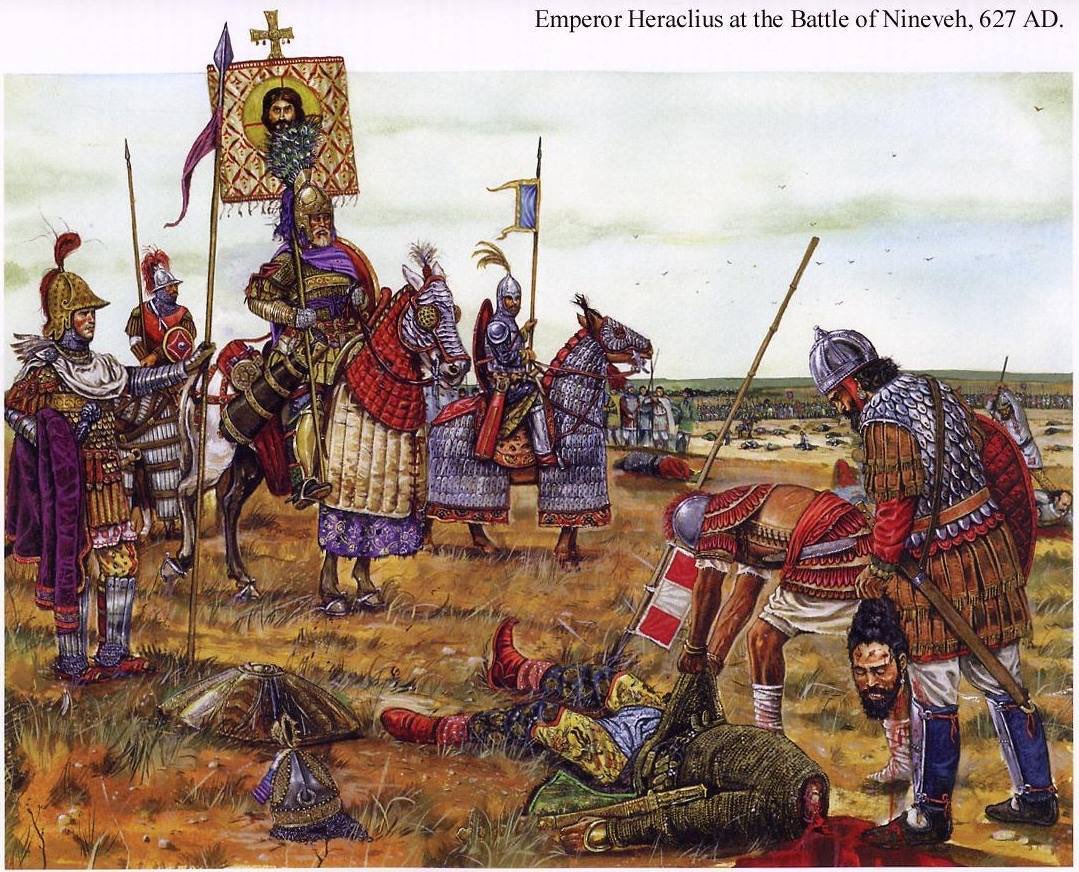
Mounting financial issues & Phokas’s disasterous leadership invited a Sassanid invasion. After 26 years of war, Heraclius repelled the Sassanids. A few years later the weakened Byzantines retreating from the advancing Arabs. Heraclius saved the Empire; retreating into Anatolia.
Fortress Byzantium, secured behind the Taurus Mountains, survived. However, Justinian’s dreams of a restored Empire were killed for good. But can we blame his vision?
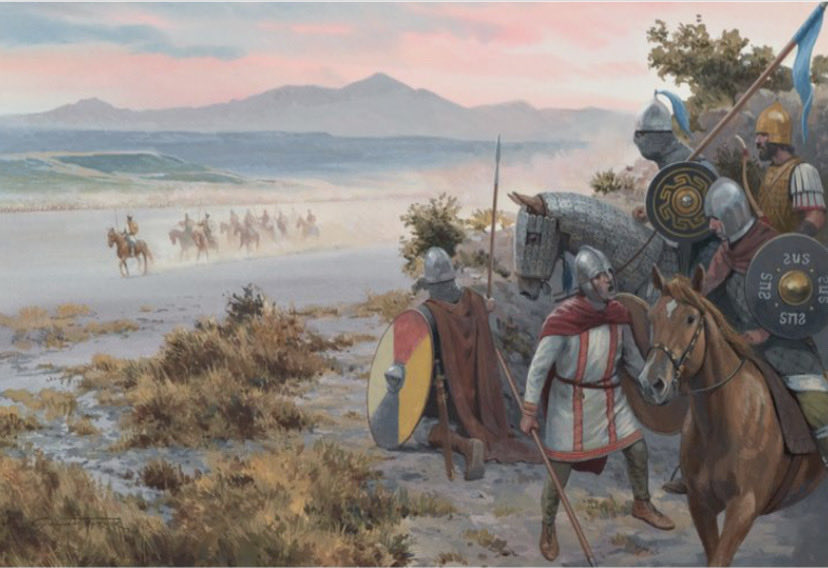
Perhaps Justinian lacked realism; the Empire didn’t have the resources to expend in endless wars of expansion & massive infrastructure projects. But who could have predicted the famines, earthquakes, & plagues that took such a toll on the Empire?
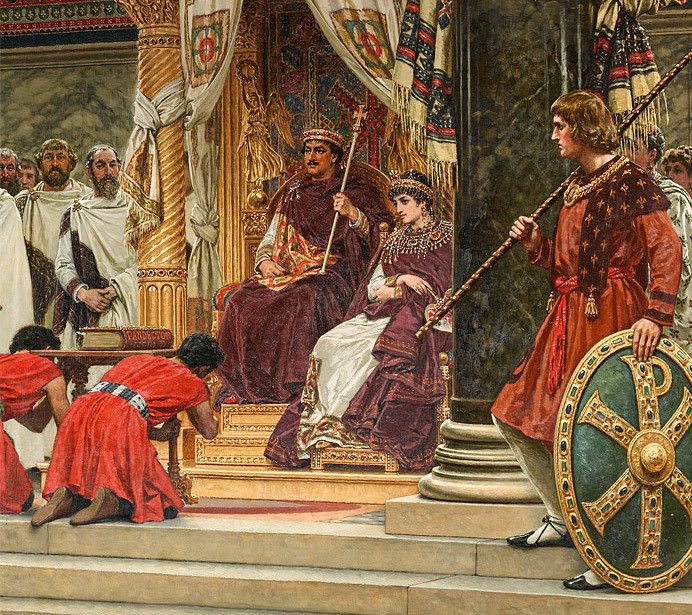
Even though Justinian’s dream wasn’t realized he lead the Byzantines to eddying height; inspiring them to conquer, to create heavenly works of art, to reform their Empire. Justinian restored a universal vision for the Roman people, & they rose to the challenge.
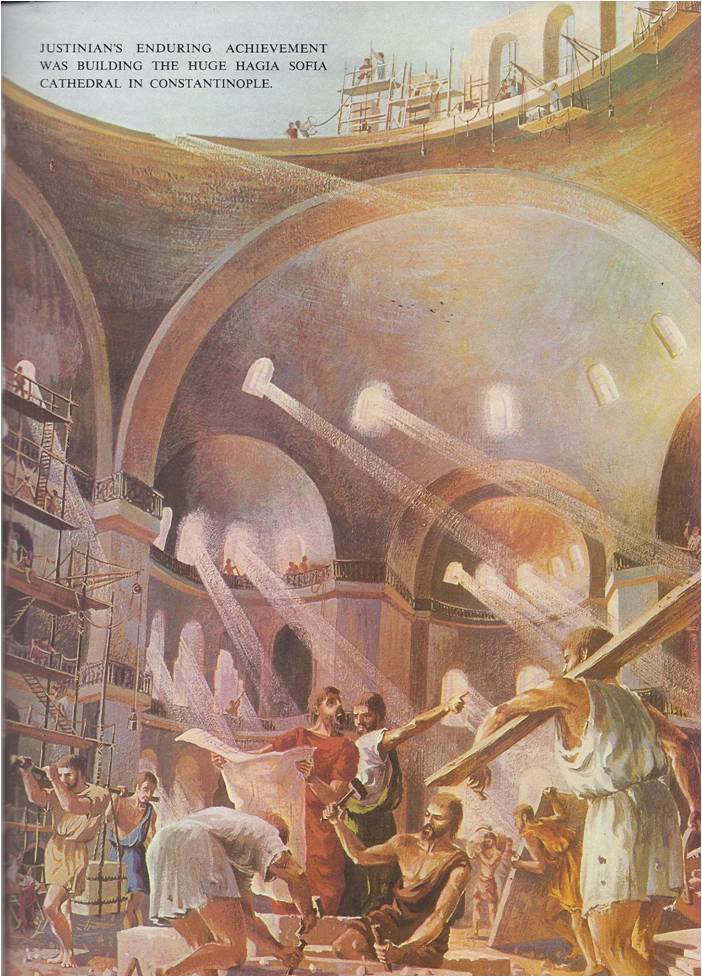
Maybe our leaders can learn from Justinian that dreams & determination must be parsed by pragmatism; nations being beholden to reality but can be energized by visionaries to do the unthinkable. Justinian deserves praise for accomplishing so much against such long odds.
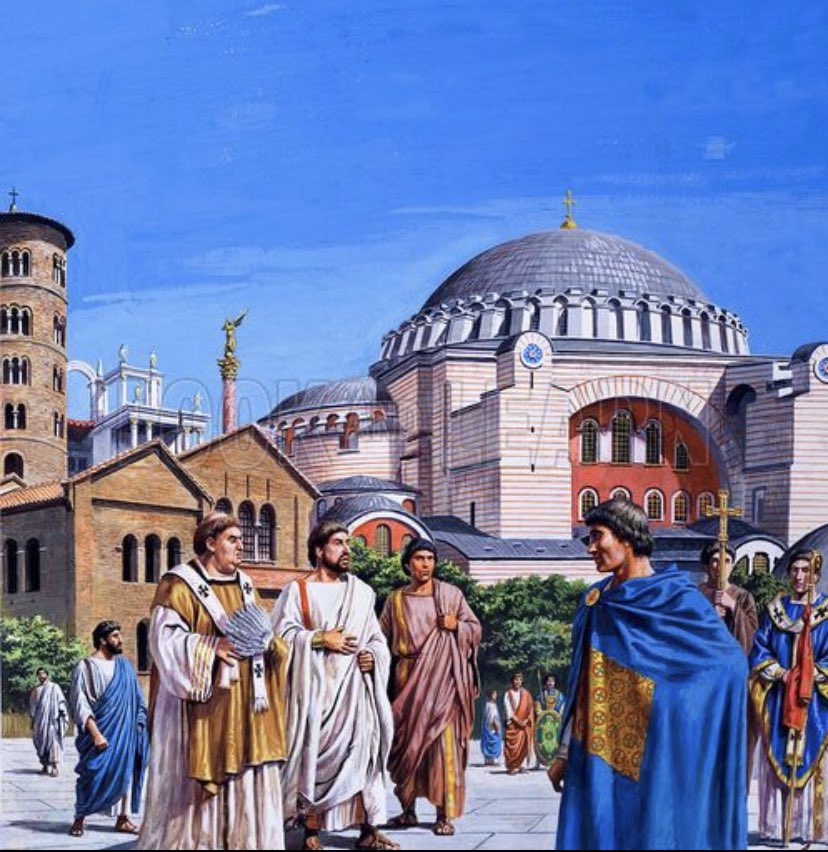
What do you think about Emperor Justinian?
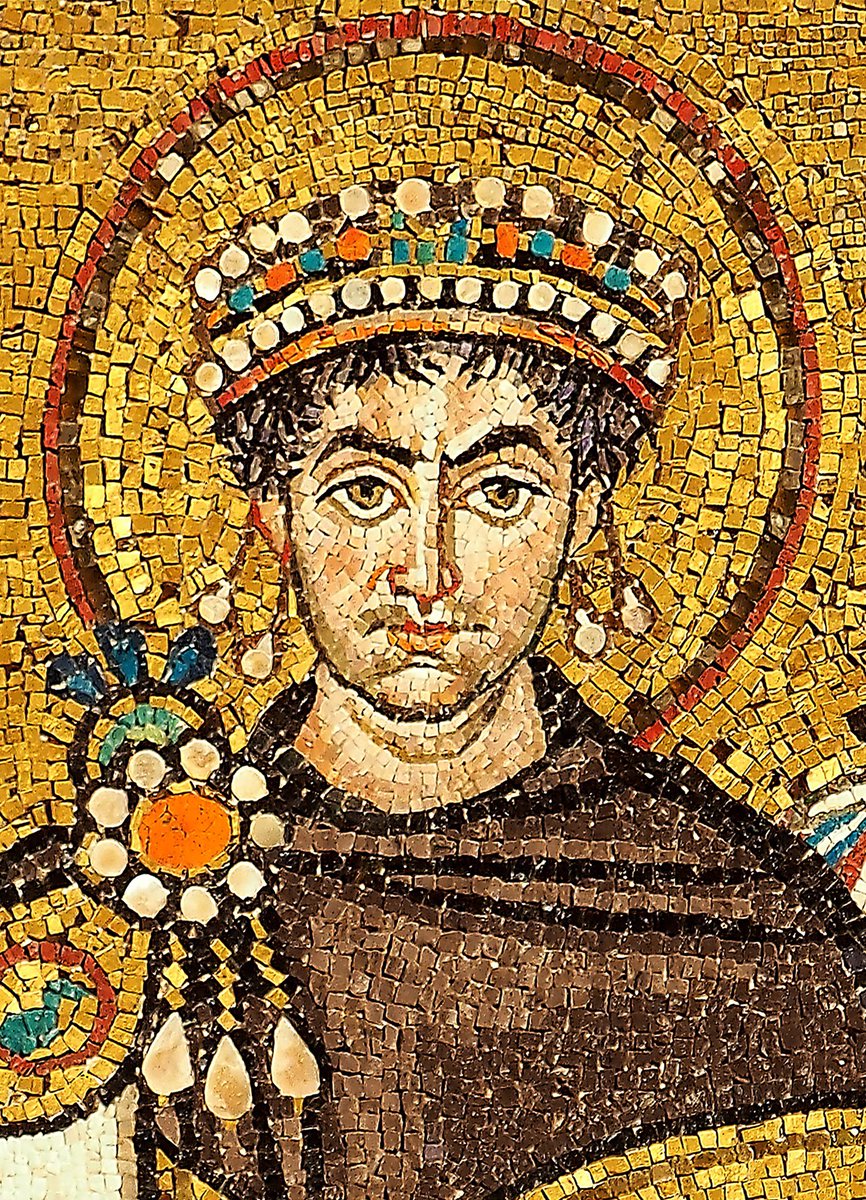
Illustrations for Shah Khosrow & Emperor Justinian were made by @JoanFrancescOl1, check him out for more exceptional, historical work!
Loading suggestions...