

🔷 About HTML Plug-ins
A Thread🧵 👇
A Thread🧵 👇

📌 HTML Plug-ins
→ Plug-ins are computer programs that extend the standard functionality of the browser.
→ Plug-ins were designed to be used for many different purposes.
→ Plug-ins are computer programs that extend the standard functionality of the browser.
→ Plug-ins were designed to be used for many different purposes.
📌 Uses Of Plug-ins
→ Plug-ins were designed to be used for many different purposes:
• To run Java applets
• To run Microsoft ActiveX controls.
• To display Flash movies
• To display maps
• To scan for viruses
• To verify a bank id
→ Plug-ins were designed to be used for many different purposes:
• To run Java applets
• To run Microsoft ActiveX controls.
• To display Flash movies
• To display maps
• To scan for viruses
• To verify a bank id
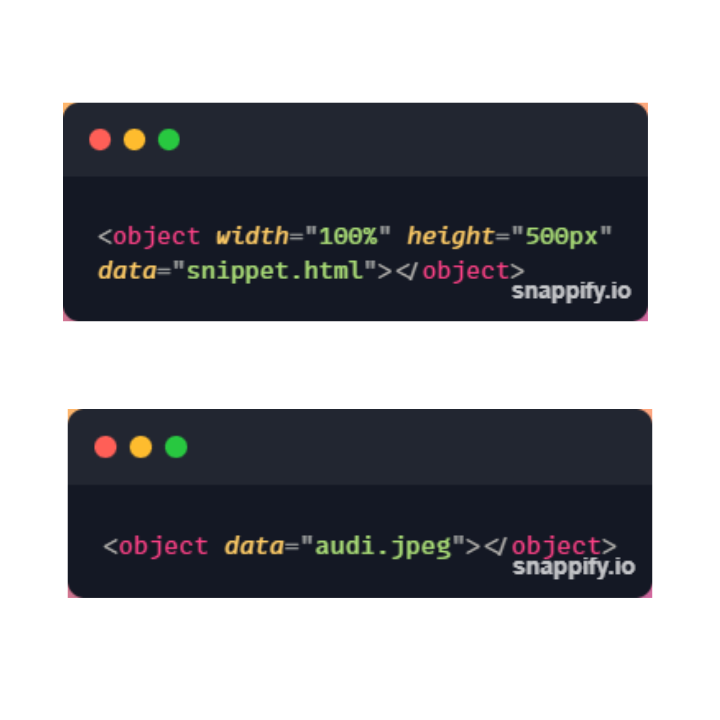
📌 The <object> Element
→ The <object> element defines an embedded object within an HTML document.
→ It was designed to embed plug-ins (like Java applets, PDF readers, and Flash Players) in web pages, but can also be used to include HTML in HTML.
→ The <object> element defines an embedded object within an HTML document.
→ It was designed to embed plug-ins (like Java applets, PDF readers, and Flash Players) in web pages, but can also be used to include HTML in HTML.
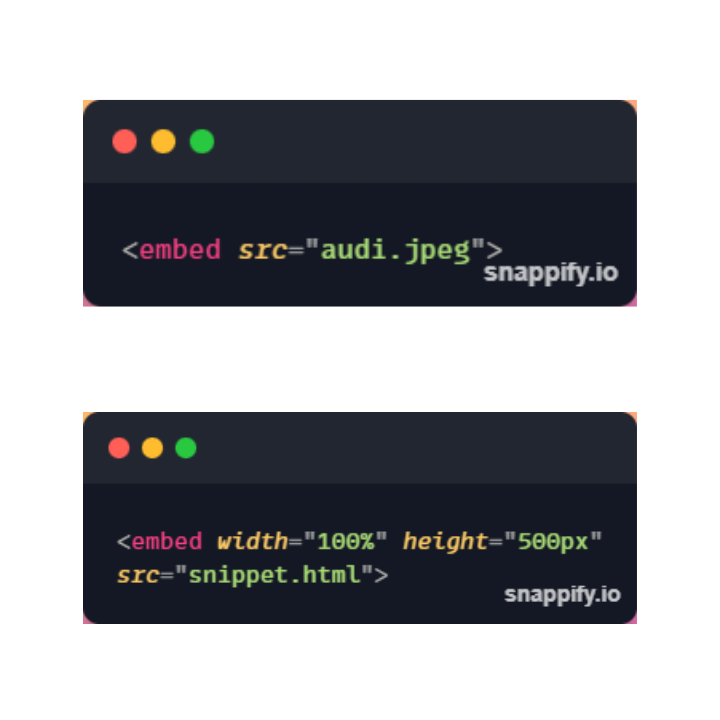
📌 The <embed> Element
→ The <embed> element also defines an embedded object within an HTML document.
→ Web browsers have supported the <embed element for a long time.
→ The <embed> element can also be used to include HTML in HTML.
→ The <embed> element also defines an embedded object within an HTML document.
→ Web browsers have supported the <embed element for a long time.
→ The <embed> element can also be used to include HTML in HTML.
→ The <embed> element does not have a closing tag.
📌 HTML <source> Tag
→ The <source> tag is used to specify multiple media resources for media elements, such as <video>, <audio>, and <picture>.
→ The <source> tag is used to specify multiple media resources for media elements, such as <video>, <audio>, and <picture>.
→ The <source> tag allows you to specify alternative video/audio/image files which the browser may choose from. based on browser support or viewport width.
→ The browser will choose the first <source> it supports.
→ The browser will choose the first <source> it supports.
→ The <source> tag also supports the Global & Event Attributes in HTML.
Thanks for reading this thread ❤️
If you like it , make sure you:
🔷 Like the tweet
🔷 Retweet the first tweet ⚡
For more content , follow:
@MrunayU
If you like it , make sure you:
🔷 Like the tweet
🔷 Retweet the first tweet ⚡
For more content , follow:
@MrunayU
You can read the unrolled version of this thread here: typefully.com
Loading suggestions...