

5 trends shaping the future of energy
1. Fossil fuels’ fundamentals remain strong
2. Anti-FF policies have caused a global crisis
3. The anti-FF establishment is in denial
4. Humanistic thinking about FFs is on the rise
5. Many people are thinking differently about FFs
1. Fossil fuels’ fundamentals remain strong
2. Anti-FF policies have caused a global crisis
3. The anti-FF establishment is in denial
4. Humanistic thinking about FFs is on the rise
5. Many people are thinking differently about FFs
I’m an energy expert with a 15-year track record of correctly predicting major trends: "peak oil" wouldn’t happen, fossil fuel demand would grow, climate danger would decline, "green energy" policies would be deadly.
Unlike most "experts," my analysis of the future is credible.
Unlike most "experts," my analysis of the future is credible.
I also have the advantage of a research team that also avoids the many philosophical errors today, as well as constant interactions with leaders in politics and industry so that I have firsthand exposure to these worlds rather than second-hand, often distorted accounts.
While I can’t make precise price or policy predictions (can anyone?), I can use my knowledge of philosophy, my research, and my high-bandwidth connection to politicians and industry to identify overlooked or underestimated *trends* that will shape the future of energy.
Trend 1: Fossil fuels’ fundamentals remain strong
Despite a decade of claims that we are in an "energy transition" in which fossil fuels will be rapidly replaced by superior, mostly solar/wind alternatives, FFs have fundamental strengths that are not replaceable anytime soon.
Despite a decade of claims that we are in an "energy transition" in which fossil fuels will be rapidly replaced by superior, mostly solar/wind alternatives, FFs have fundamental strengths that are not replaceable anytime soon.
Fossil fuels provide 80+% of the world's energy and are still growing, despite 1) decades of intense competition from alternatives and 2) worldwide cultural and political hostility.
Clearly there are some strong fundamentals at work here.
Clearly there are some strong fundamentals at work here.
Fundamental: Fossil fuels are uniquely cost-effective, a combo of:
1) affordable
2) reliable—available when needed, in the quantity needed
3) versatile—able to power every type of machine, not just electrical
4) scalable—for billions of people in thousands of places
1) affordable
2) reliable—available when needed, in the quantity needed
3) versatile—able to power every type of machine, not just electrical
4) scalable—for billions of people in thousands of places
Fossil fuels are uniquely cost-effective due to:
1: Physical attributes: natural storage, concentration, and abundance—a combo currently shared only by nuclear
2: Generations of innovation + work by industry—which nuclear hasn’t had, mostly because of its near-criminalization
1: Physical attributes: natural storage, concentration, and abundance—a combo currently shared only by nuclear
2: Generations of innovation + work by industry—which nuclear hasn’t had, mostly because of its near-criminalization
Fundamental: Solar/wind, the politically favored alternative, has intractable problems with cost (unreliability requires costly infrastructure duplication), versatility (only electricity) and scalability (depends on "reliables" and diluteness causes unprecedented material needs).
Recent price spikes in fossil fuels do not reflect some new lack of cost-effectiveness on the part of FFs, but rather the devastating effects of "green energy" efforts to artificially restrict the supply of FFs on the false promise that unreliable solar/wind can replace them.
Fundamental: The world desperately needs more energy.
Billions of people lack the cost-effective energy they need to flourish. 3B use less electricity than a typical American refrigerator. 1/3 of the world uses wood/dung for heating/cooking. *Much more* energy is needed.
Billions of people lack the cost-effective energy they need to flourish. 3B use less electricity than a typical American refrigerator. 1/3 of the world uses wood/dung for heating/cooking. *Much more* energy is needed.
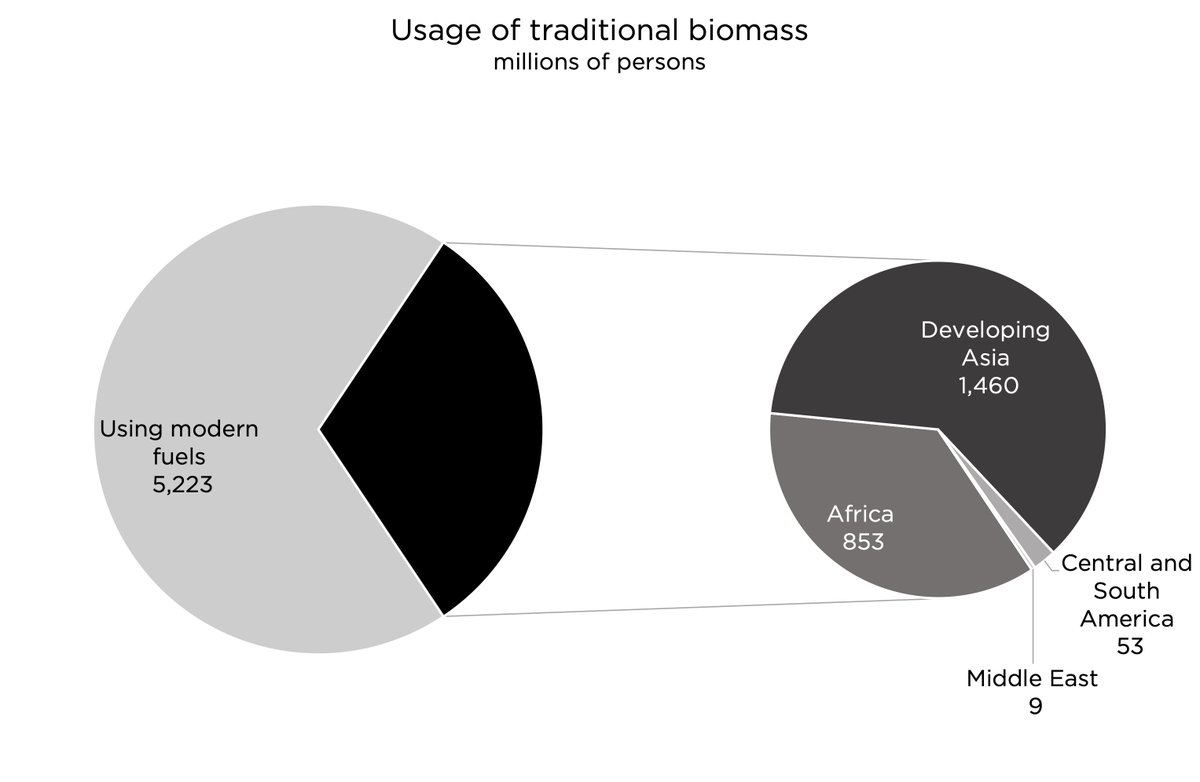
Summary of Trend 1: Fossil fuels will continue to have fundamental advantages due to 1) their unique cost-effectiveness and 2) the world's need for much more energy.
Recommendation for investors: Be on the lookout for opportunities in the fossil fuel space that others are missing because they’re underestimating the superior fundamentals of fossil fuels. Just make sure you can navigate the political risk.
And that risk might be going down. 👇
And that risk might be going down. 👇
Trend 2: Anti-fossil-fuel policies are causing a global crisis
Restrictions on FF investment, production, and transport have artificially restricted supply, while promises that demand would be replaced by alternatives have proved false.
And much of the voting public knows this.
Restrictions on FF investment, production, and transport have artificially restricted supply, while promises that demand would be replaced by alternatives have proved false.
And much of the voting public knows this.
For the last 15+ years, the anti-fossil-fuel movement has successfully restricted FF investment, FF production, and FF transport on the false grounds that 1) FFs’ climate impacts were an "emergency" and 2) unreliable solar/wind could rapidly replace FFs.
While the anti-fossil-fuel movement has not come anywhere near achieving its goal of rapidly eliminating FF use, just by *slowing the growth of FF use* it has caused a global energy crisis in which the world hasn’t been able to handle post-pandemic demand + less Russian energy.
The world is now seeing the consequences of *just a small sliver* of the net-zero agenda:
* Wealthy Europe is experiencing mass-hardship, deindustrialization, and fear of winter.
* Poor nations, e.g., Bangladesh, are being outbid for today’s scarce energy supplies.
* Wealthy Europe is experiencing mass-hardship, deindustrialization, and fear of winter.
* Poor nations, e.g., Bangladesh, are being outbid for today’s scarce energy supplies.
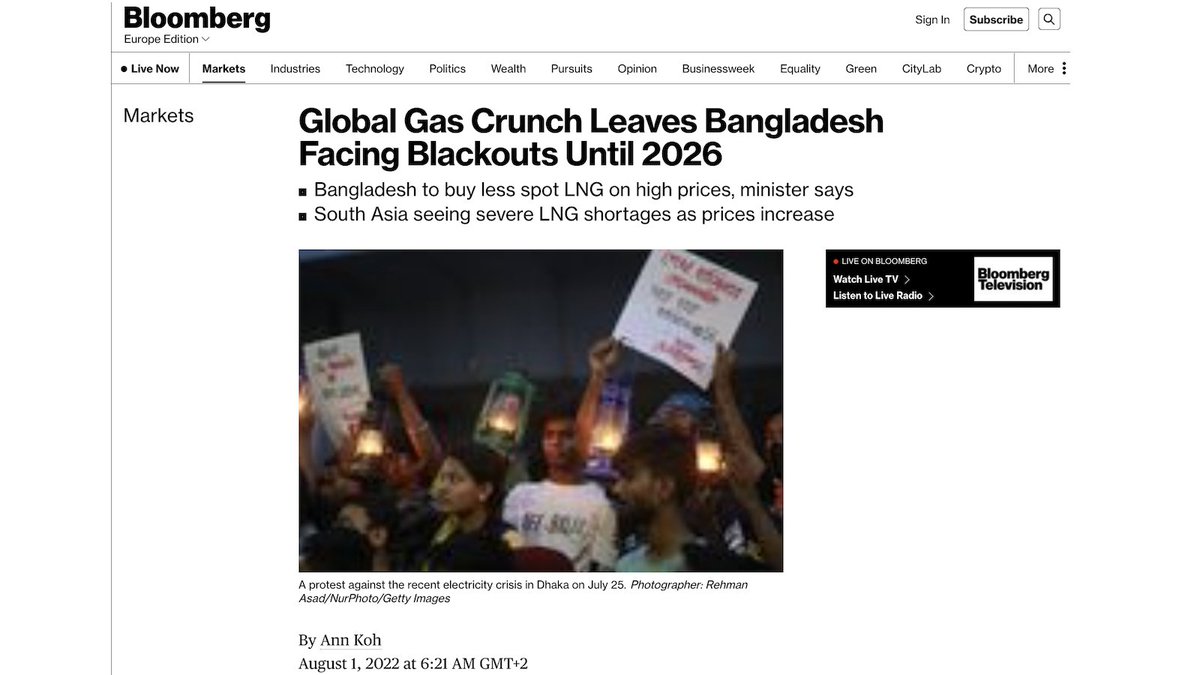
For the last decade, the idea of rapidly eliminating fossil fuel use was considered reasonable by the (misinformed) public. Now that a sliver of that agenda has caused a global crisis, people around the world are waking up and beginning to demand more pro-fossil-fuel policies.
Recommendation: Be wary of *all rosy claims about alternatives* from anti-fossil-fuel "experts." To my knowledge not one of these people warned that anti-FF policies would cause an energy crisis. Their thinking has demonstrably been distorted.
And most are unrepentant… 👇
And most are unrepentant… 👇
Trend 3: The anti-fossil-fuel establishment is in denial
In the face of clear evidence that FFs’ fundamentals are strong and that anti-FF policies have caused a crisis, the anti-FF establishment is playing a denial game.
This may (and should) further discredit it.
In the face of clear evidence that FFs’ fundamentals are strong and that anti-FF policies have caused a crisis, the anti-FF establishment is playing a denial game.
This may (and should) further discredit it.
Instead of admitting that suppressing fossil fuel investment, production, and transport in a world that needs far more energy is clearly responsible for today’s crisis, today’s anti-FF establishment is denying this by placing primary blame on Putin and (absurdly) the FF industry.
Today’s high fossil fuel prices are not primarily a "Putin price hike."
They are caused by global anti-fossil-fuel policies—which made fossil fuel prices artificially high before Putin’s war and prevented the free world from quickly increasing production in response.
They are caused by global anti-fossil-fuel policies—which made fossil fuel prices artificially high before Putin’s war and prevented the free world from quickly increasing production in response.
The anti-fossil-fuel movement has the gall to chastise the FF industry for not sufficiently ramping up production post-pandemic and post-Putin-invasion. But this insufficient ramp-up is the result of FF policies that restrict and punish new attempted production!
Another establishment attempt to deny responsibility for the energy crisis is to claim we just needed government to push solar/wind even more. But places that did this most, e.g., Germany, are suffering the most. Because solar/wind is nowhere near able to replace fossil fuels.
Another establishment attempt to deny responsibility for the energy crisis is to blame it on "climate change." E.g., blackouts and high food prices are "climate change." BS. With low-cost, reliable energy, blackouts are rare and food is cheap, whatever our climate impact.
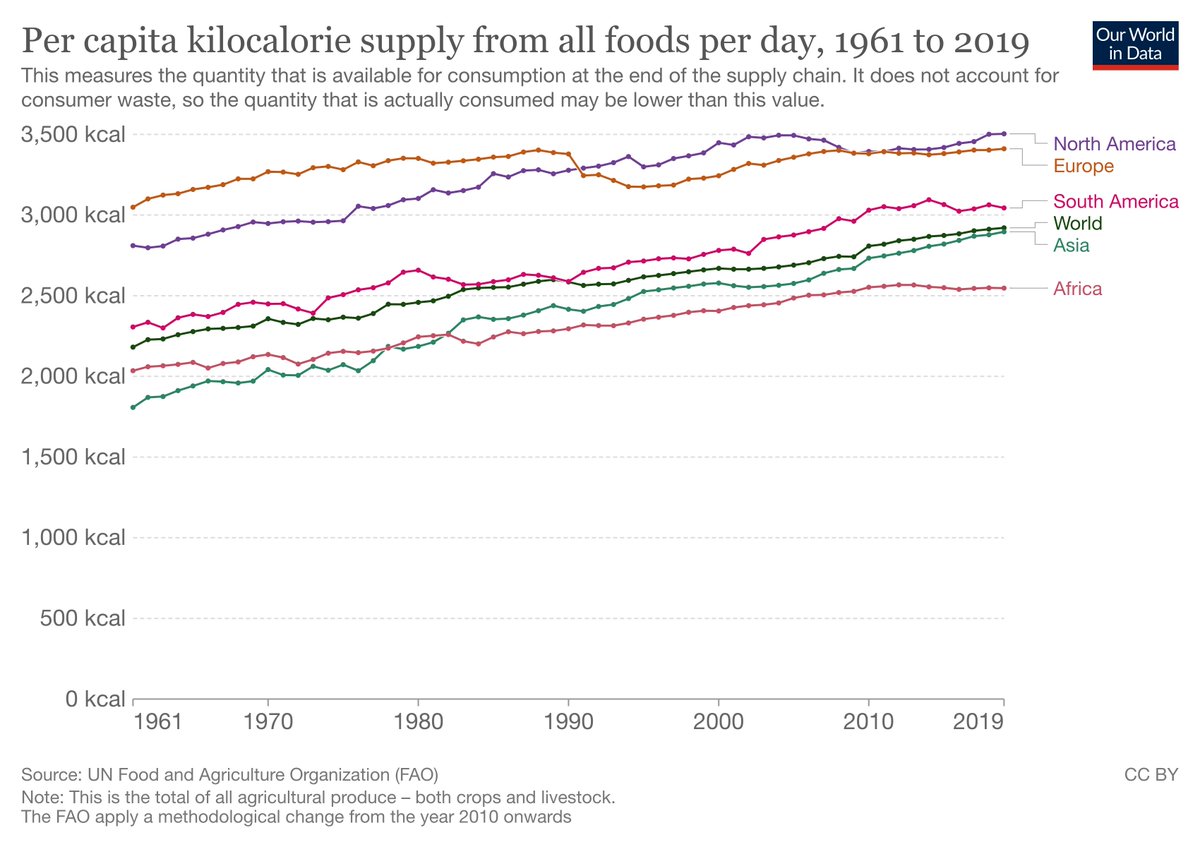
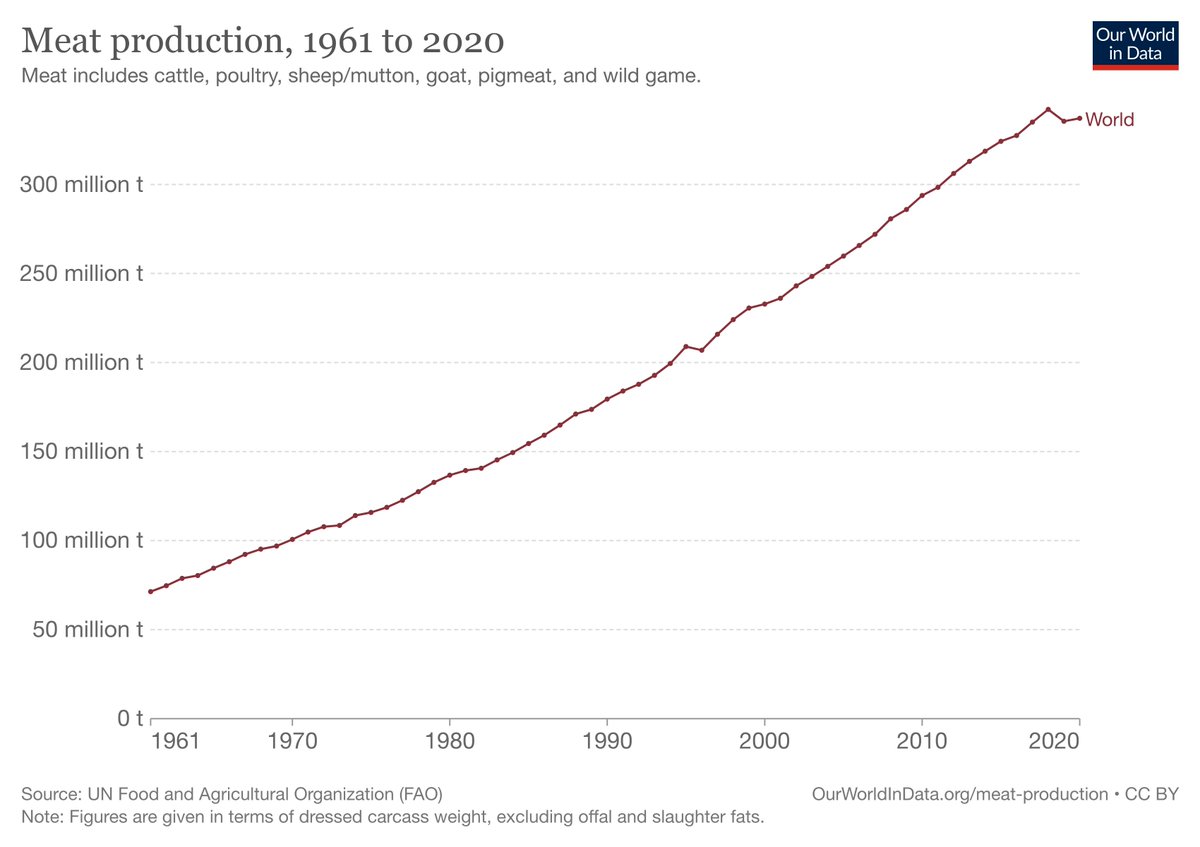
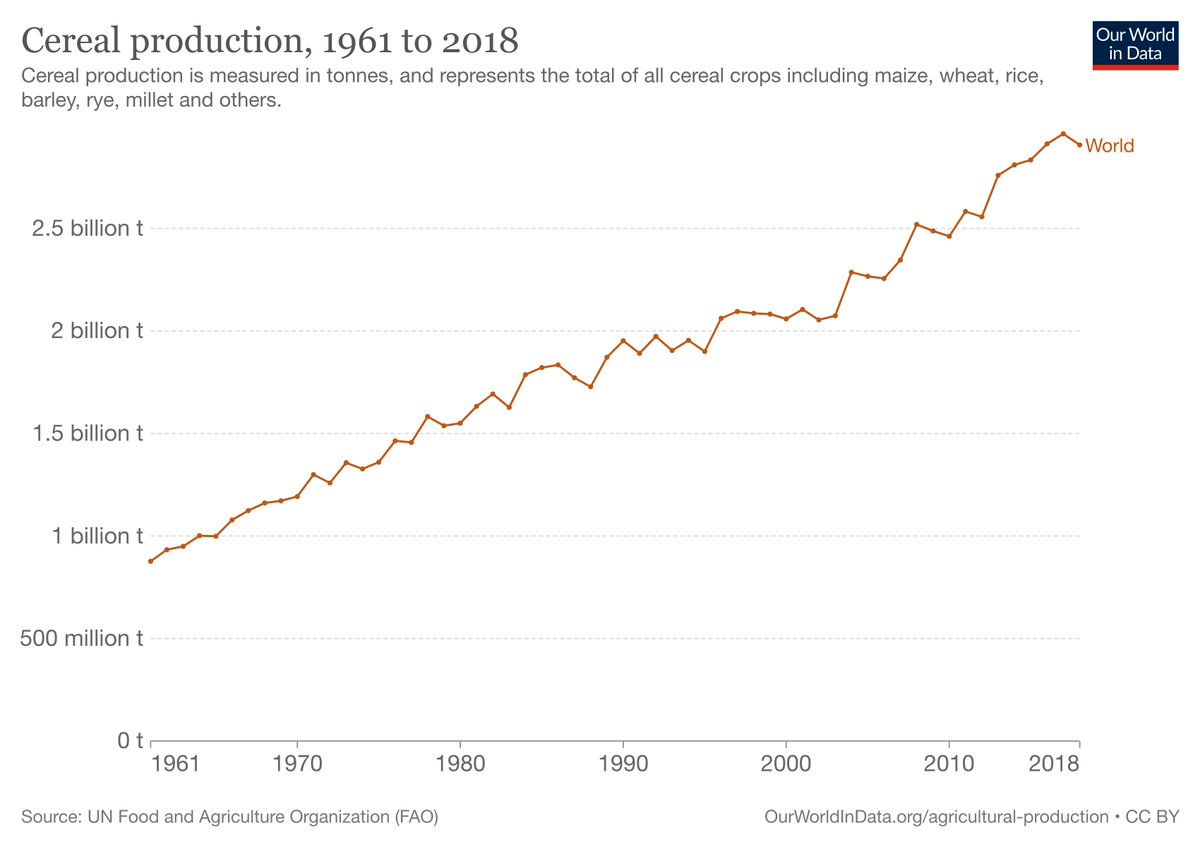
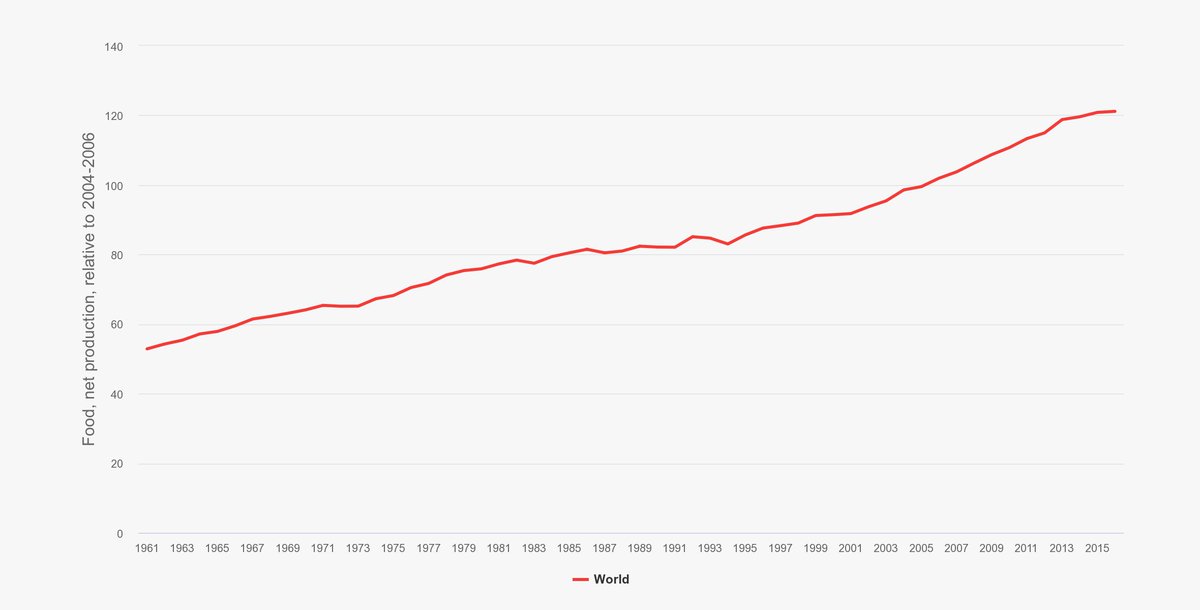
A final establishment attempt to deny responsibility for the energy crisis is to ignore it and instead just incessantly talk about "climate crisis." But while "climate change"—humans impacting climate—is real, "climate crisis" is not. We should focus on the energy crisis.
The world is slowly becoming warmer—at a cold point in geological history, when far more people die of cold than of heat. Thanks in large part to fossil fuels, climate-related disaster deaths have decreased 98% over the last century. This isn’t a crisis. *Lack of FF is a crisis.*
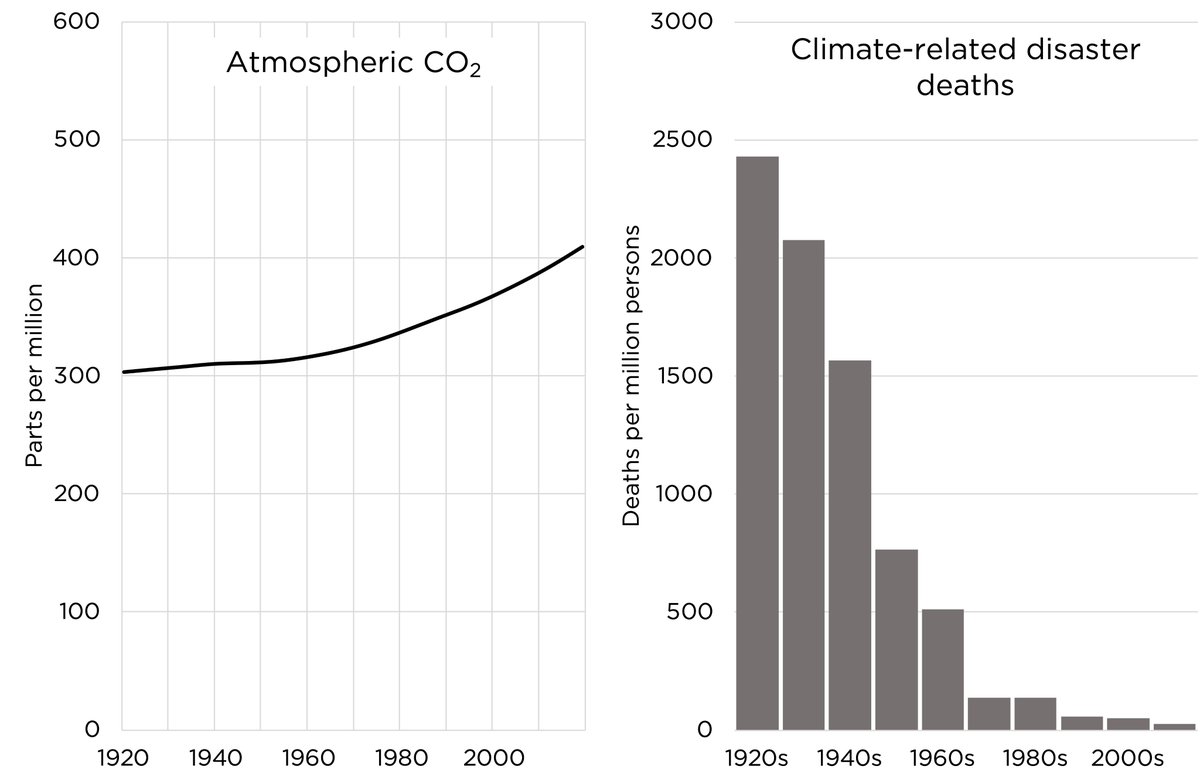
The anti-fossil-fuel establishment’s attempt to deny responsibility for the energy crisis and its refusal to reverse course is causing it to lose credibility around the world, as many harmed by the energy crisis protest and many voters demand more fossil fuels.
Recommendation to businesses: Don’t assume that the anti-fossil-fuel establishment will keep its status. Before the establishment’s policies caused a crisis it seemed unstoppable—and allying with it via bogus "net zero" commitments seemed profitable and risk-free. No longer.
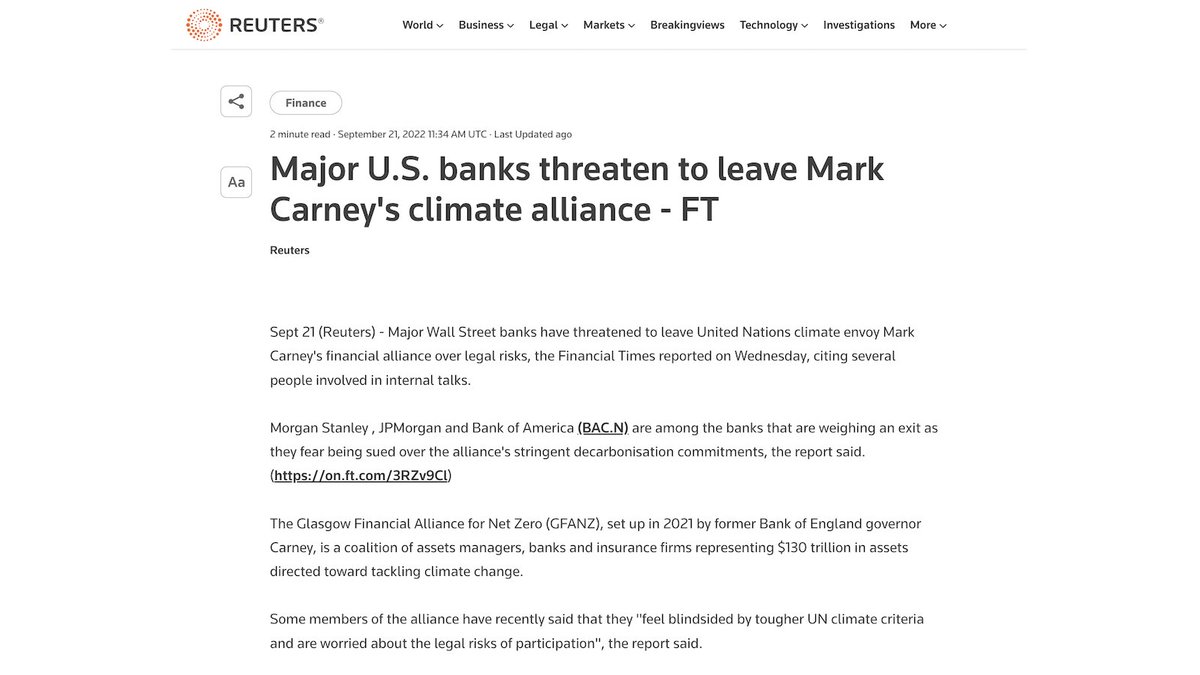
As more people realize that anti-fossil-fuel policies are deadly and that therefore "net zero" is catastrophic, companies that promote these ideas and pledge to follow them will be vulnerable. Witness bankers backing away from anti-FF commitments.
This may accelerate now that…
This may accelerate now that…
Trend 4: Humanistic thinking about fossil fuels is on the rise
A new, influential group of thinkers is thinking about FFs in a pro-human, evenhanded, precise way—not just focusing on or exaggerating their negatives.
This is breaking the "moral monopoly" of the anti-FF movement.
A new, influential group of thinkers is thinking about FFs in a pro-human, evenhanded, precise way—not just focusing on or exaggerating their negatives.
This is breaking the "moral monopoly" of the anti-FF movement.
Much of the anti-fossil-fuel establishment’s success in promoting horrific fossil fuel elimination policies is that they have enjoyed a "moral monopoly"—a position in which they were considered the only moral option.
This was never deserved and is now being eroded.
This was never deserved and is now being eroded.
The key to the anti-fossil-fuel establishment’s "moral monopoly" has been a false alternative re: FFs and climate: you’re either
1) a "climate change believer" who opposes FFs or
2) a "climate change denier" who supports FFs
Since humans do impact climate, most chose 1.
1) a "climate change believer" who opposes FFs or
2) a "climate change denier" who supports FFs
Since humans do impact climate, most chose 1.
In the last 10 years we have seen the rise of "climate change believers" who support fossil fuels.
I call these "energy humanists," because the core of their position is to think about all effects of energy, including FFs, on human life, not just negative climate side-effects.
I call these "energy humanists," because the core of their position is to think about all effects of energy, including FFs, on human life, not just negative climate side-effects.
When you look at the full effects of fossil fuels in an evenhanded and precise way, you quickly conclude that FFs have enormous, near-term-irreplaceable benefits and that FFs’ climate side-effects are not catastrophic, let alone apocalyptic. But losing FFs’ benefits is.
In the last few years there has been a wave of bestselling, highly influential "energy humanist" books: Apocalypse Never (2020) by @ShellenbergerMD, False Alarm (2020) by @BjornLomborg, Unsettled (2021) by Steven Koonin, and Fossil Future (2022) by me.
The anti-FF establishment has done an embarrassingly bad job at countering the "energy humanist" books. Their main tactics have been:
1) Suppression on social media
2) Straw-men attacks
3) False personal accusations
They use these *because they can’t refute our core arguments*.
1) Suppression on social media
2) Straw-men attacks
3) False personal accusations
They use these *because they can’t refute our core arguments*.
Energy humanist arguments for fossil fuels are rapidly and deservingly more prominent in light of today’s energy crisis.
Many of us warned that anti-FF policies would cause such a crises, while our opponents assured the world that these policies would turn out great.
Many of us warned that anti-FF policies would cause such a crises, while our opponents assured the world that these policies would turn out great.
Recommendation for energy-related companies: Utilize the latest humanistic arguments on energy and climate issues throughout your communications: recruiting, employee relations, lobbying, investor relations, etc.
For an intro to these arguments check out EnergyTalkingPoints.com
For an intro to these arguments check out EnergyTalkingPoints.com
Trend 5: Many people are thinking differently about fossil fuels
The combination of a global crisis caused by anti-FF policies and the rise of humanistic arguments for FFs is rapidly changing perception and short-term policy.
And there is potential for long-term policy change.
The combination of a global crisis caused by anti-FF policies and the rise of humanistic arguments for FFs is rapidly changing perception and short-term policy.
And there is potential for long-term policy change.
Evidence of changing fossil fuel perception: In March, the WH, trying to portray itself as pro-FF, absurdly claimed that "there is nothing standing in the way of domestic oil production." Vs. when Biden ran, he felt comfortable saying "I guarantee you, we’re going to end FFs."
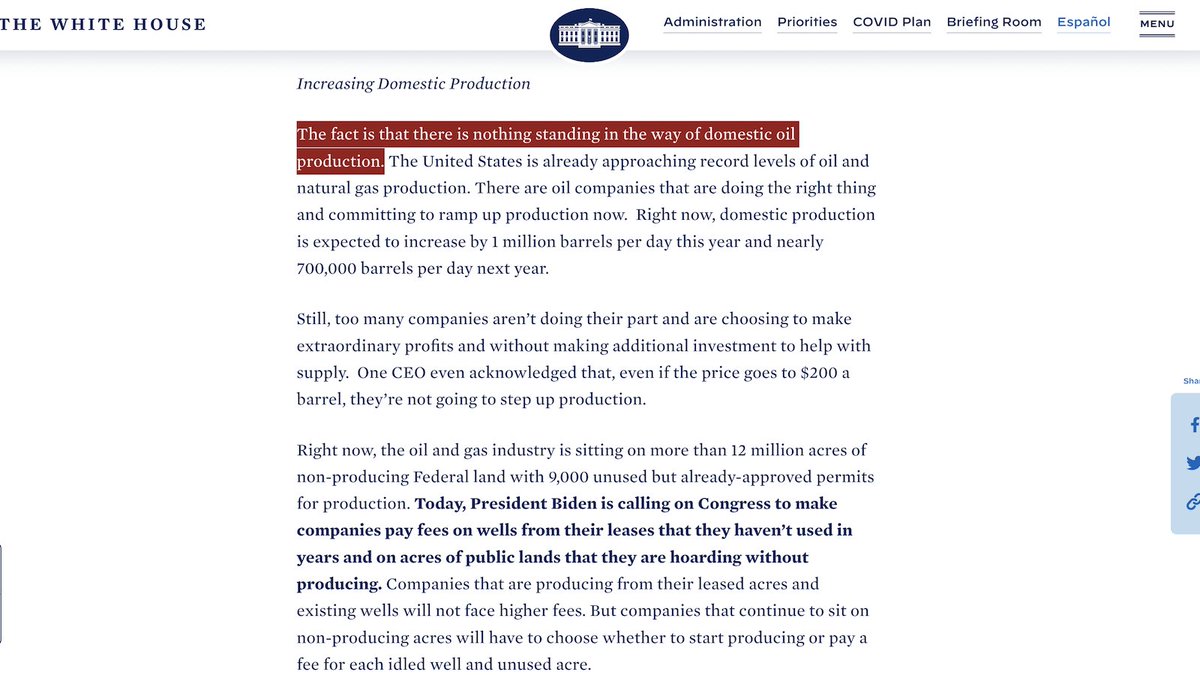
President Biden made a 180° in rhetoric as soon as high energy prices threatened reality to collide with November election prospects of Democrats. Instead of taking credit for hampering fossil fuel production, he now blames everyone but himself.
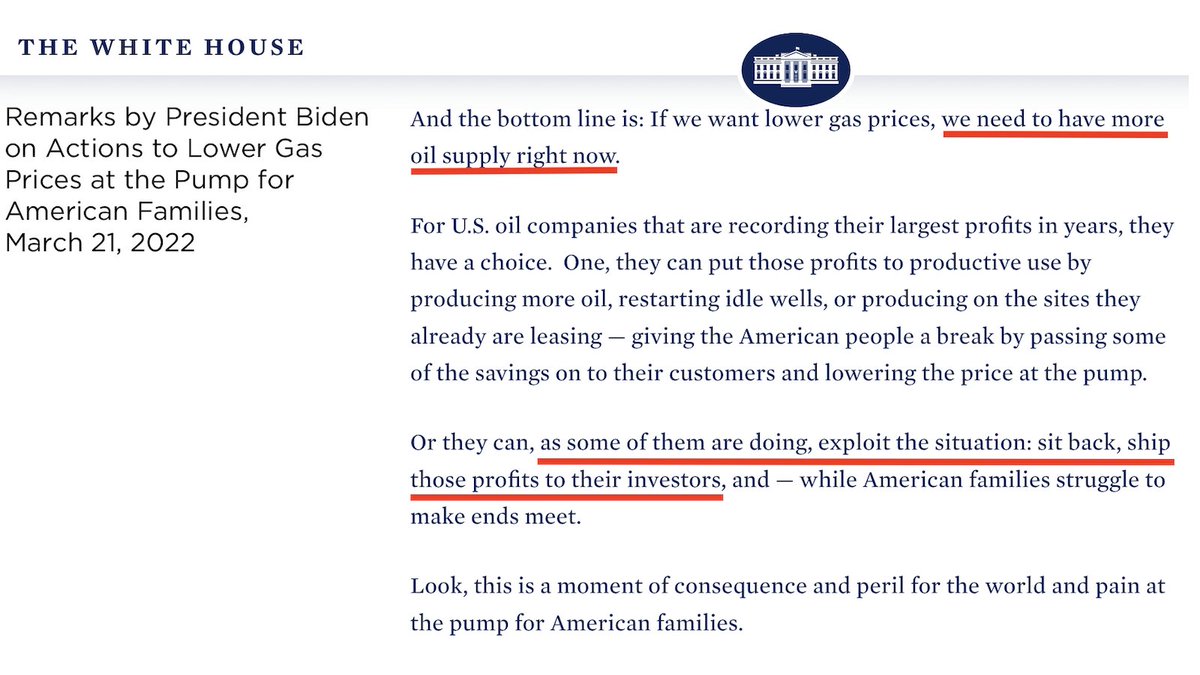
Evidence of changing fossil fuel perception: Where climate activists engaging in publicity stunts used to garner great sympathy, their stunts are increasingly condemned by a public that wants lower fossil fuel prices.
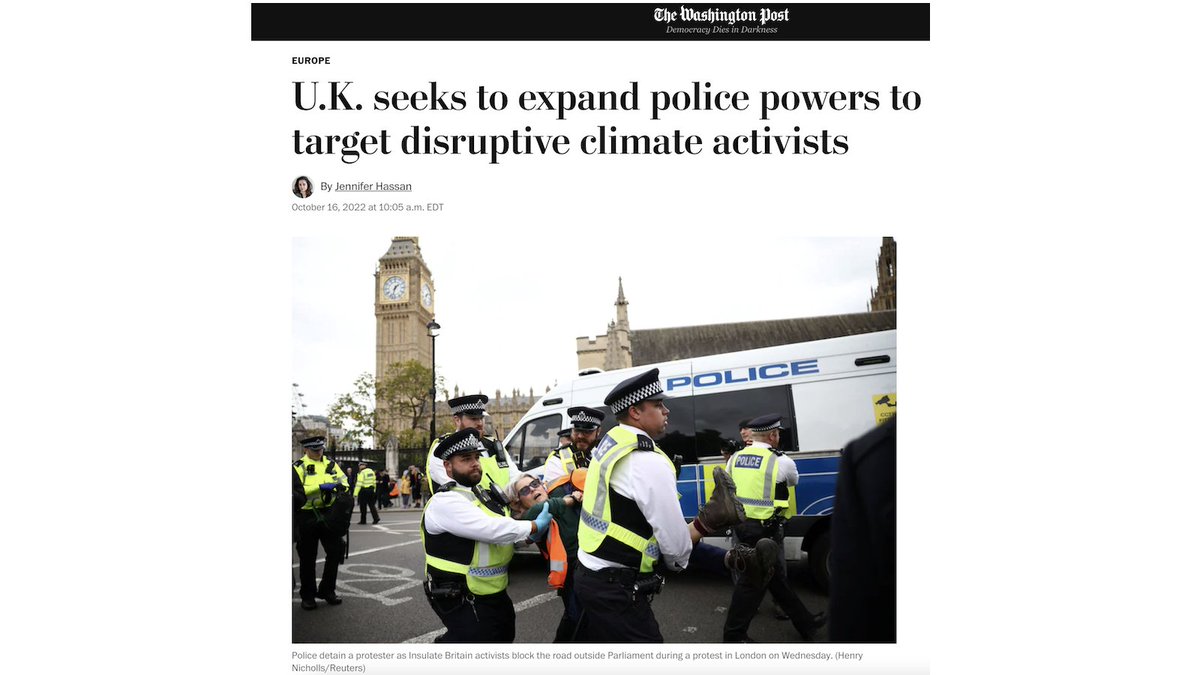
Evidence of fossil fuel perception change: Elon Musk, often a bellwether of public opinion, has gone from a FF-attacker + climate catastrophist to someone who supports near-term oil/gas development and reassures the public that we don’t face imminent climate catastrophe.
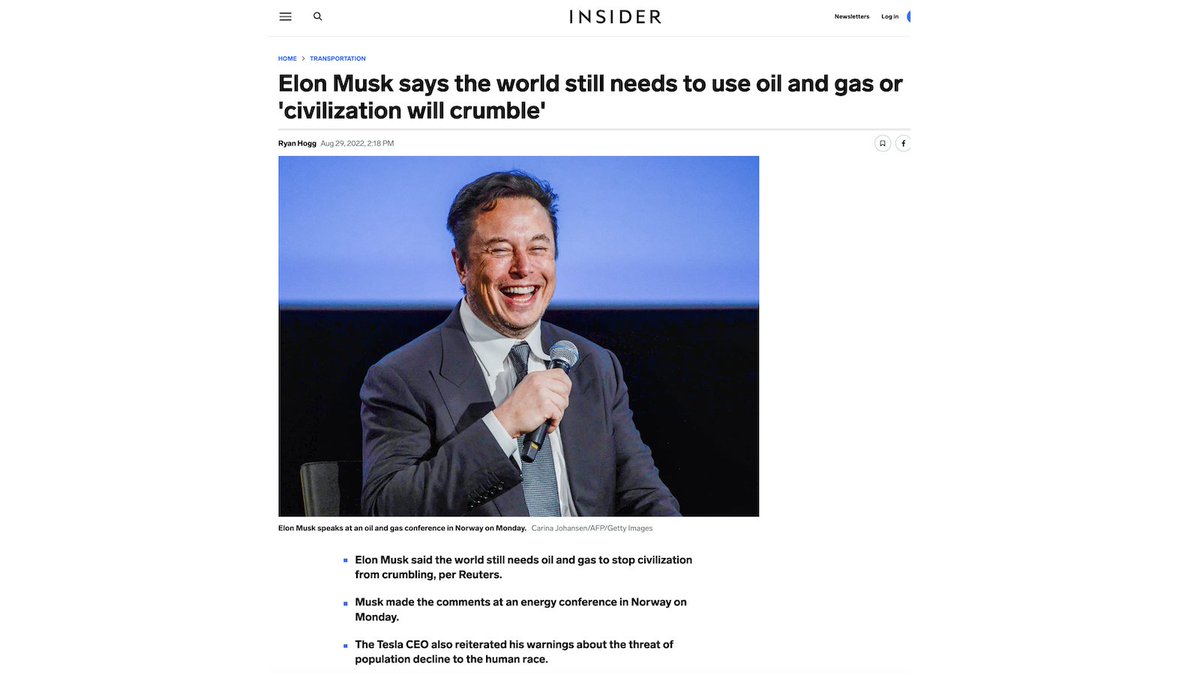
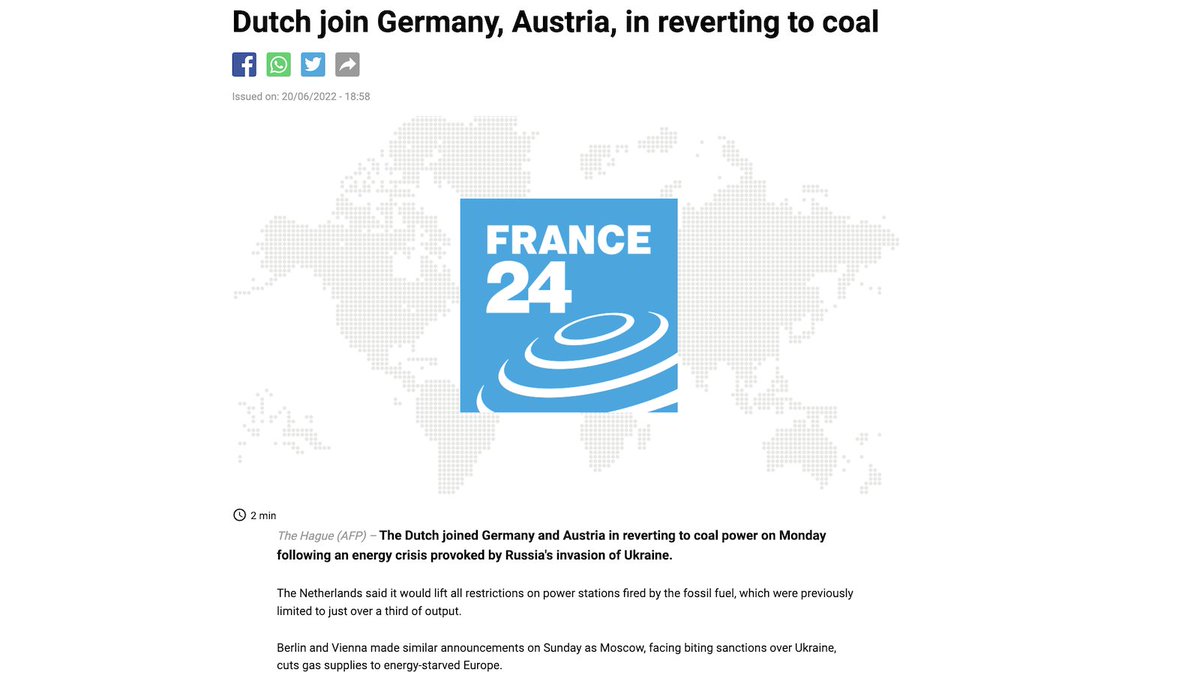
Short-term policy change: In Europe, coal power plants are being reactivated to meet demand. Governments promise this is a temporary measure but it reveals the gap between supply and demand left by the policies that foolishly destroyed domestic fossil fuels with no replacement.
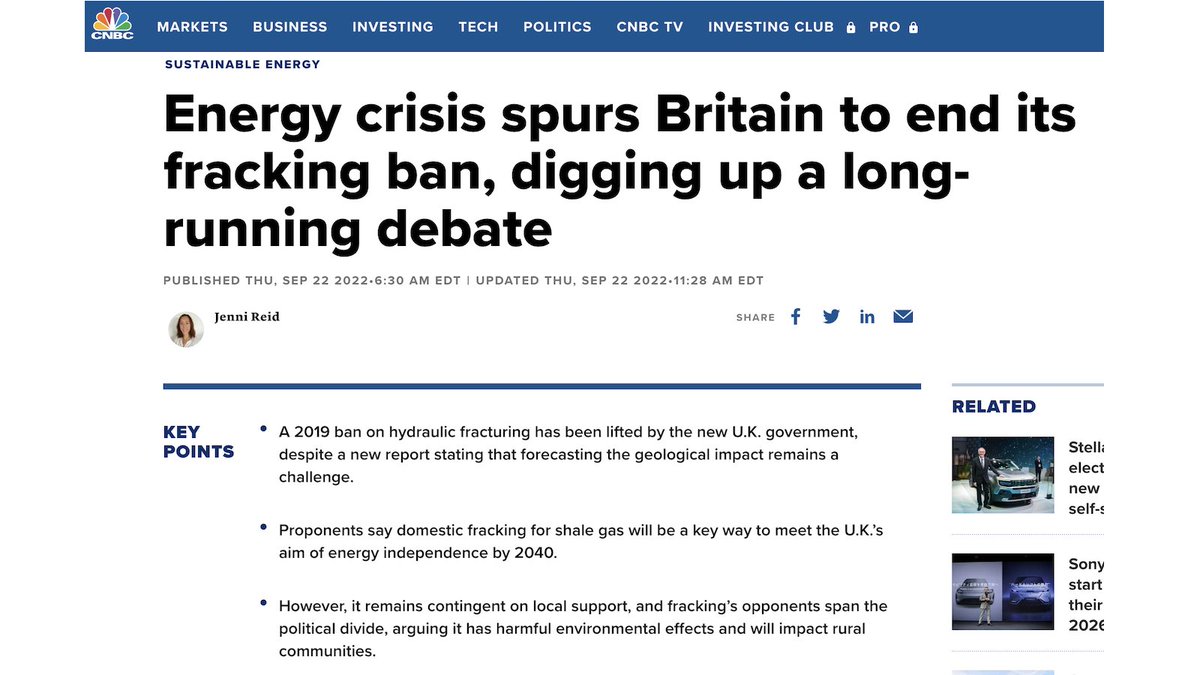
Short-term policy change: In the UK, where policies have encouraged wind power and decimated nuclear and coal, the new government has lifted the preemptive fracking ban to bolster domestic natural gas supply in recognition of today’s energy realities.
Evidence of more humanistic thinking and policies: nuclear energy, long opposed by the green movement in favor of unreliable solar/wind, is now being embraced around the world—including significant policy reversals in California and Germany.
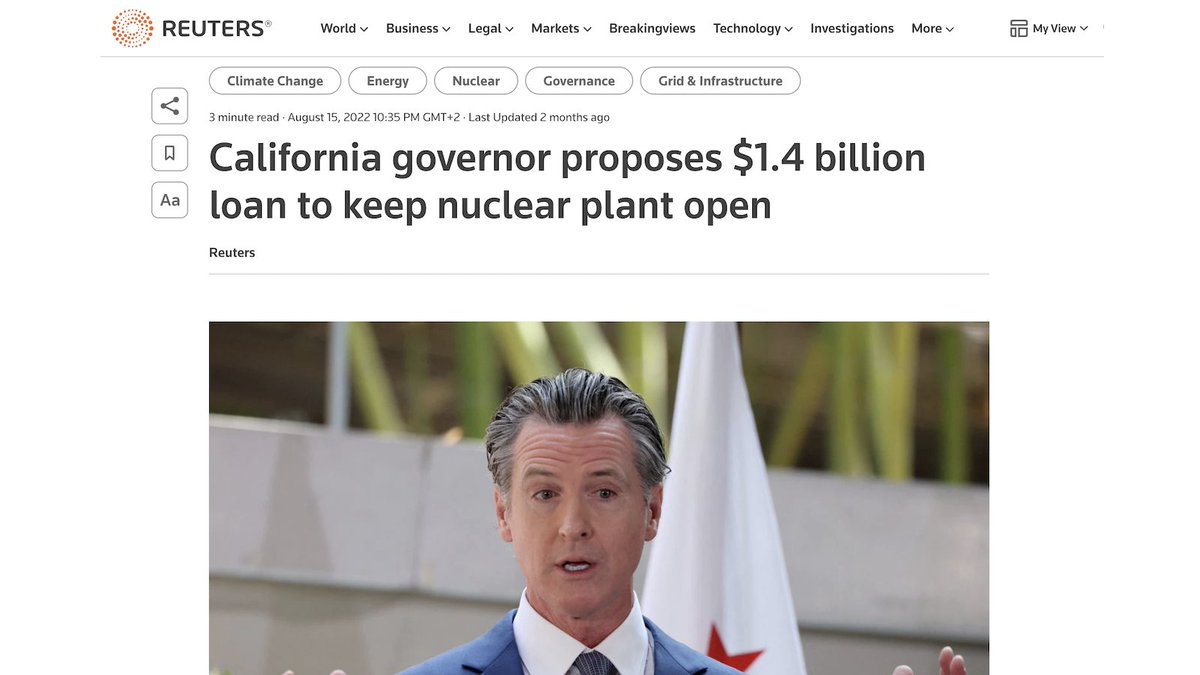
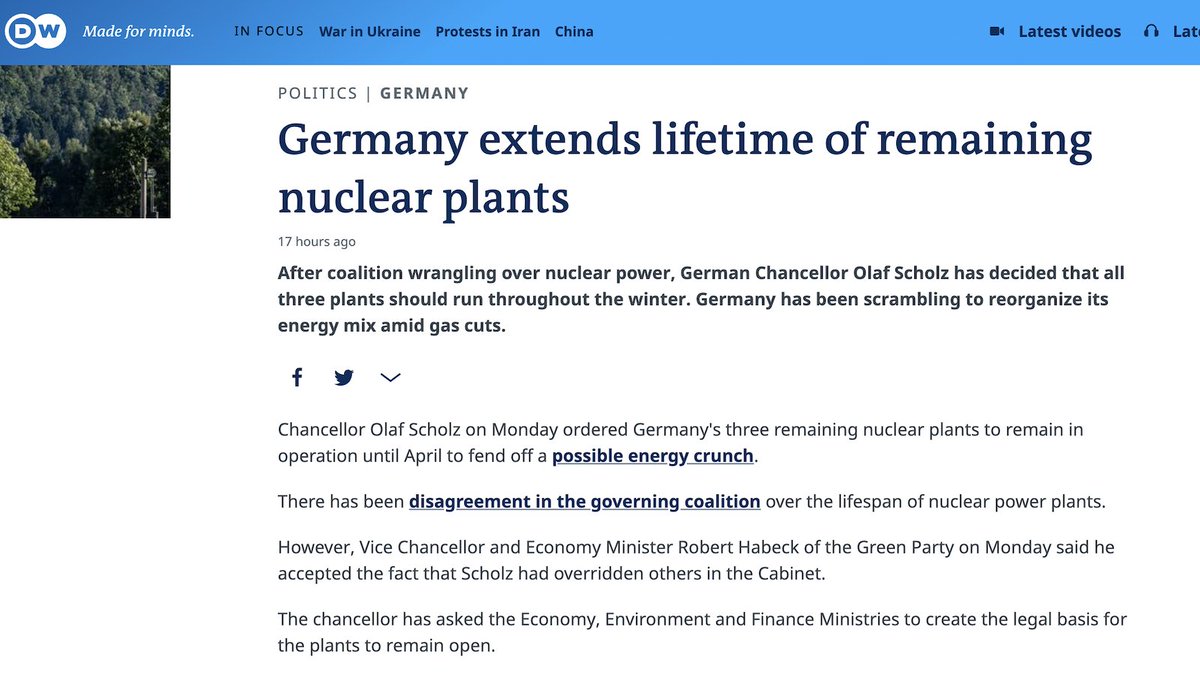
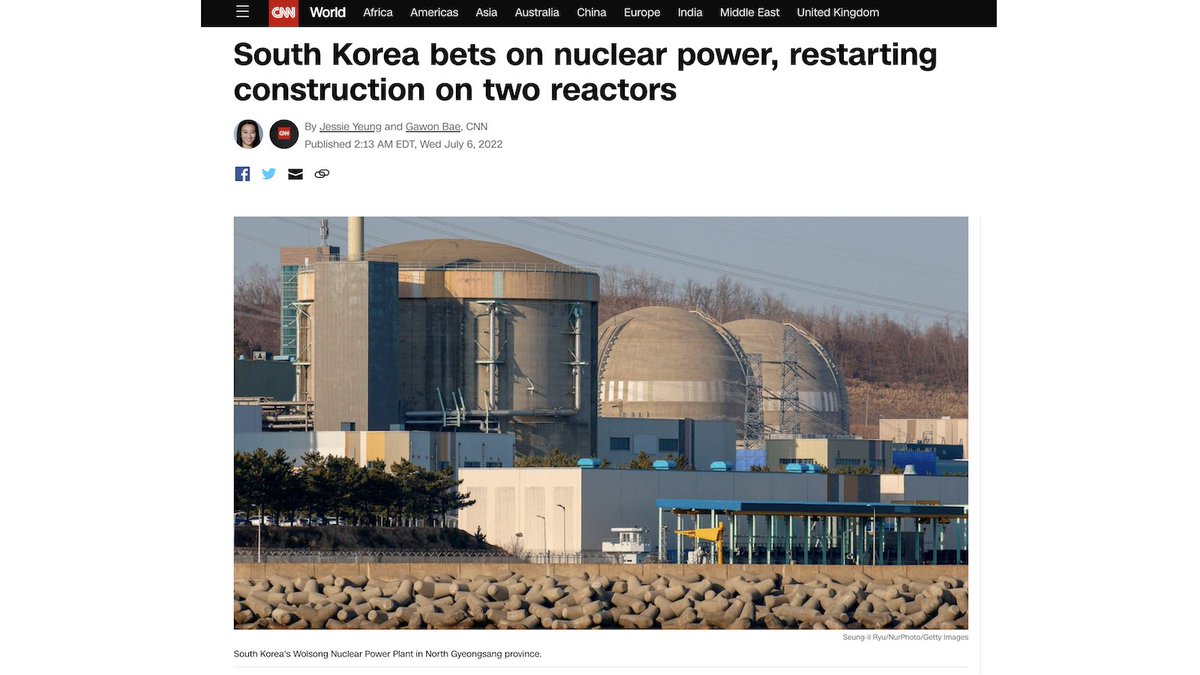
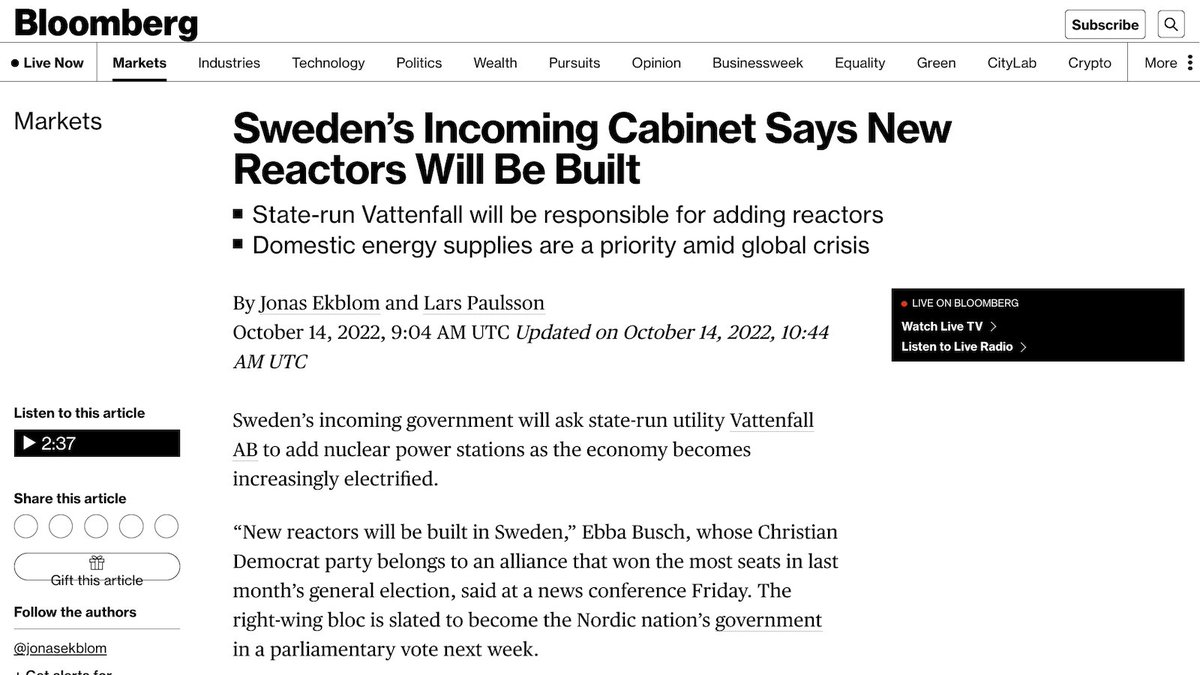
While the changes in fossil fuel perception and short-term policy are encouraging, most nations have not yet reversed their long-term commitment to rapidly eliminating FF use. E.g, in the US congress just passed the disastrous "Inflation Reduction Act."
Recommendation: Take advantage of the opportunity to promote long-term fossil fuel policy change:
* Implicate the anti-FF movement for causing today’s crisis
* Spread energy humanist arguments as efficiently as possible
* Promote positive, pro-FF and pro-alternative policies
* Implicate the anti-FF movement for causing today’s crisis
* Spread energy humanist arguments as efficiently as possible
* Promote positive, pro-FF and pro-alternative policies
Implicate the anti-FF movement for causing today’s crisis
The public understanding of who is implicated for a crisis and who is vindicated by a crisis has huge effects on influence going forward.
Today’s anti-FF establishment deserves to be implicated for today’s crisis.
The public understanding of who is implicated for a crisis and who is vindicated by a crisis has huge effects on influence going forward.
Today’s anti-FF establishment deserves to be implicated for today’s crisis.
Here are some resources implicating today’s anti-fossil-fuel establishment for today’s crisis:
alexepstein.substack.com
alexepstein.substack.com
alexepstein.substack.com
alexepstein.substack.com
I also highly recommend @ShellenbergerMD’s Substack in this regard (and others).
alexepstein.substack.com
alexepstein.substack.com
alexepstein.substack.com
alexepstein.substack.com
I also highly recommend @ShellenbergerMD’s Substack in this regard (and others).
Spread energy humanist arguments as efficiently as possible
To maximize our chances at long-term policy change we need to be persuasively efficient. To this end I have created EnergyTalkingPoints.com, which provides concise, well-referenced arguments on every conceivable issue.
To maximize our chances at long-term policy change we need to be persuasively efficient. To this end I have created EnergyTalkingPoints.com, which provides concise, well-referenced arguments on every conceivable issue.
Promote positive, pro-FF and pro-alternative policies
Long-term policy change requires not just criticizing bad policies but advancing good policies that liberate fossil fuels + alternatives. To this end I have created a 5-point Energy Freedom Platform.
alexepstein.substack.com
Long-term policy change requires not just criticizing bad policies but advancing good policies that liberate fossil fuels + alternatives. To this end I have created a 5-point Energy Freedom Platform.
alexepstein.substack.com
Summary:
1. Fossil fuels’ fundamentals remain strong
2. Anti-FF policies have caused a global crisis
3. The anti-FF establishment is in denial
4. Humanistic thinking about FFs is on the rise
5. Many people are thinking differently
We can leverage these trends to change policy!
1. Fossil fuels’ fundamentals remain strong
2. Anti-FF policies have caused a global crisis
3. The anti-FF establishment is in denial
4. Humanistic thinking about FFs is on the rise
5. Many people are thinking differently
We can leverage these trends to change policy!
This week I’ll be covering "5 trends shaping the future of energy" in a speech to investors and executives. If you are in finance and/or energy and interested in having me speak, email speaking@alexepstein.com.
To maximize your understanding of the future of energy, read my new book Fossil Future: Why Global Human Flourishing Requires More Oil, Coal, and Natural Gas—Not Less.
amazon.com
amazon.com
If you're new to my work, follow me @AlexEpstein for extreme clarity on energy, environmental, and climate issues from a humanist perspective. Also, subscribe to my newsletter, featuring lots of concise, powerful, well-referenced energy talking points.
alexepstein.substack.com
alexepstein.substack.com
Loading suggestions...