

This thread, covering 3 centuries, is dedicated 2 da history of our family, & tribe, da Yousafzais, & 2 som curious minds wondering about our presence in certain places. While looking 4 ideas 2 write this thread, I was teleported 2 da Athens of 80s, where I noticed an amzng ad
by PIA, performing with a lot of firsts at tht time :
δεν είναι η πρώτη φορά που είμαστε πρώτοι/It’s not 4 da first time dat we’re in a leading position. This metaphor is wel matching with my family’s story. Back 2 my narative, let’s shed som light on our succeses & misfortunes:
δεν είναι η πρώτη φορά που είμαστε πρώτοι/It’s not 4 da first time dat we’re in a leading position. This metaphor is wel matching with my family’s story. Back 2 my narative, let’s shed som light on our succeses & misfortunes:
when Nadir Shah Afshar (1688–1747), 1 of da most powerful rulers in Iranian history-who created a grt empire encompasing today’s Iran, Armenia, Azerbaijan, Georgia, North Caucasus, Iraq, Turkey, Turkmenistan, Afghanistan, Uzbekistan, Bahrain, Pakistan, Oman, & da whole
Persian Gulf- visited Peshawar in 1738- to consolidate his rule in this unruly semi-independent region - met my ancestor, the Chief of da Yousafzais, Nazo Khan Hoti, seeking alegiance, & coop of his tribe. Nazo K. Hoti refused, as Nadir Shah was Persian, while traditionaly da
Yousafzais wud accept allegiance 2 da Afghan
kings only, & tht refusal caused a tragic war, where da Yousafzais paid a heavy price in terms of death/destruction of their region.
After Nadir’s death, his succesor, Ahmad Shah Abdali (Durrani), with the support of Pashtoon
kings only, & tht refusal caused a tragic war, where da Yousafzais paid a heavy price in terms of death/destruction of their region.
After Nadir’s death, his succesor, Ahmad Shah Abdali (Durrani), with the support of Pashtoon
tribes, became King of da Afghans in 1747, & swiftly conquerd da Afsharid Empire of Iran in da West, Mughal
& Maratha Empires of India in da East includ Punjab, Sindh & Kashmir, Khanate of Bukhara of Turkistan in da North, extending control frm Khorasan 2 North India, & from da
& Maratha Empires of India in da East includ Punjab, Sindh & Kashmir, Khanate of Bukhara of Turkistan in da North, extending control frm Khorasan 2 North India, & from da
Amu Darya (Oxus) to da Arabian Sea.
Like all Afghan kings, Ahmad Khan also visited Peshawar valley & da Frontier region in 1749, 2 seek suport of da fierce Yousafzais, & met their Chief, Fateh Khan Hoti s/o da above mentioned Nazo K. Hoti, along with his son Shahwali Khan Hoti.
Like all Afghan kings, Ahmad Khan also visited Peshawar valley & da Frontier region in 1749, 2 seek suport of da fierce Yousafzais, & met their Chief, Fateh Khan Hoti s/o da above mentioned Nazo K. Hoti, along with his son Shahwali Khan Hoti.
Ahmad Shah Abdali being Pashtoon, Fateh Khan, on behalf of his tribe promptly tendered alegiance, & as per da demand of Ahmad Shah, in Jan 1761, suportd da King in his efforts to conquer India, in form of a contingent of 500 Yousafzai cavaliers, 2 fight alongside their
other felow Yousafzai tribesmen, the Rohilas of Rohilkhand, who were also
supporting Ahmad Khan, & thus contributed to da success of the Durranis, in da 3rd batle of Panipat in a big way.
The said contingnt demonstrtd high perf in this war: the emerging but strong Marhattas
supporting Ahmad Khan, & thus contributed to da success of the Durranis, in da 3rd batle of Panipat in a big way.
The said contingnt demonstrtd high perf in this war: the emerging but strong Marhattas
empire was totally eradicated, & their chief was slain by 1 of da Yousafzais.
After da death of Ahmad Shah, our ancestors kept close relations with all rulers of Durrani dynasty as independent friends, & supporters, includ kings Mahmood Shah, Shah Zaman, & his brothr Shah Shuja.
After da death of Ahmad Shah, our ancestors kept close relations with all rulers of Durrani dynasty as independent friends, & supporters, includ kings Mahmood Shah, Shah Zaman, & his brothr Shah Shuja.
After da fall of Durrani dynasty, da next generation of our forefathers maintained friendly relations with
da Barakzai dynasty, incl King Amir Dost M. Khan, & his brother Sardar Yar M. Khan (Ruler of Pesh & Frontier region). They supported eachother in fighting against da Sikhs
da Barakzai dynasty, incl King Amir Dost M. Khan, & his brother Sardar Yar M. Khan (Ruler of Pesh & Frontier region). They supported eachother in fighting against da Sikhs
& da fanatics of Barailvy together.
In 1824, the Chief of the Yousafzais, Nawab Khadi Khan gs/o Shahwali Khan Hoti, accepted to join hands with Syed Ahmad Barelvi, invited him to settle his HQ at Hund, in Swabi (KP), & extended him full support in his plans to wage war against
In 1824, the Chief of the Yousafzais, Nawab Khadi Khan gs/o Shahwali Khan Hoti, accepted to join hands with Syed Ahmad Barelvi, invited him to settle his HQ at Hund, in Swabi (KP), & extended him full support in his plans to wage war against
the Sikh occupation.
The rulers of several semi-independent Muslim states in India also supported him with
British consent, as it was obvious that the British wouldn’t stop them from supporting an enemy of the Afghans.
They didn’t discourage them as they were going to weaken
The rulers of several semi-independent Muslim states in India also supported him with
British consent, as it was obvious that the British wouldn’t stop them from supporting an enemy of the Afghans.
They didn’t discourage them as they were going to weaken
the Afghans, Sikhs & everyone who could resist the future British Invasion of the Frontier, & Afghanistan.
Around 8,000 holy-warriors who joined the militia of Barelvi, were mostly religious students from Madrasahs, or other poor wretches looking for adventure & employment.
Around 8,000 holy-warriors who joined the militia of Barelvi, were mostly religious students from Madrasahs, or other poor wretches looking for adventure & employment.
Barailvi got the support of the local Khans, & the population on
religious basis, particularly in the name of anti Sikh jihad, &
managed to recruit also locals in his army, in order to fight against the Sikhs. He preached amongst the local Pashtun tribes, demandng they renounce
religious basis, particularly in the name of anti Sikh jihad, &
managed to recruit also locals in his army, in order to fight against the Sikhs. He preached amongst the local Pashtun tribes, demandng they renounce
their tribal customs & adopt the Sharia.
The traditional Khans of the tribe were replaced by the ulamas (clerics) & an unsustainable system of taxes was established to finance the jihad. But in reality, Barelvi’s hidden plan was to establish a religious bastion in the Peshawar
The traditional Khans of the tribe were replaced by the ulamas (clerics) & an unsustainable system of taxes was established to finance the jihad. But in reality, Barelvi’s hidden plan was to establish a religious bastion in the Peshawar
valley & north-west-frontier, starting from the region, that’s home to the most powerful tribe, the Yousafzais.
Soon after his first petty success in skirmishes with the Sikhs in Shaidu (Nowshera), Barelvi declared Khilafat & gave order of citation of his name in Friday sermon,
Soon after his first petty success in skirmishes with the Sikhs in Shaidu (Nowshera), Barelvi declared Khilafat & gave order of citation of his name in Friday sermon,
divulging his manifest
greed for power. Soon after his declaration of Khilafat, he intensified interference with local
customs, particularly through the actions of his women squads who would invade privacy of local homes in search of young girls to be forcefully given into
greed for power. Soon after his declaration of Khilafat, he intensified interference with local
customs, particularly through the actions of his women squads who would invade privacy of local homes in search of young girls to be forcefully given into
marriage to Barelvi’s fanatics.
At this point, the local leaders, including Nawab Khadi Khan developed severe differences with
him & openly declared in front of Barelvi & an assembly of local ulema, that the jihadis shouldn’t interfere in local customs, & the task of gov shud
At this point, the local leaders, including Nawab Khadi Khan developed severe differences with
him & openly declared in front of Barelvi & an assembly of local ulema, that the jihadis shouldn’t interfere in local customs, & the task of gov shud
stay with those who possess expertise/skills
in this domain, & not with the religious fanatics, who must take care of their own domain.
Following these declarations by the Nawab, & his refusal to suport Barailvy’s plan to form a bastion of fanatics in the Frontier Region,
in this domain, & not with the religious fanatics, who must take care of their own domain.
Following these declarations by the Nawab, & his refusal to suport Barailvy’s plan to form a bastion of fanatics in the Frontier Region,
Barelvi considered it an affront towards the ulema, & on his
instigation, the fort of Hund was attacked by the fanatics & Khadi Khan was assassinated on 8th Aug, 1828.
Dr Mubarak Ali in his book "Almiyah-e-Tarikh" says: Accord to Khadi Khan, a Pathan Sardar: "it is the job of
instigation, the fort of Hund was attacked by the fanatics & Khadi Khan was assassinated on 8th Aug, 1828.
Dr Mubarak Ali in his book "Almiyah-e-Tarikh" says: Accord to Khadi Khan, a Pathan Sardar: "it is the job of
da Sardars to take care of da ppl, not a Maulvi who spends his life on alms. Maulvis are ill-equipped to run da affairs of a State”.
The fanatics occupied his fort, imprisoned his family, & destroyed the whole social & cultural system of this region by imposing unreasonable
The fanatics occupied his fort, imprisoned his family, & destroyed the whole social & cultural system of this region by imposing unreasonable
rules, & taxes. As a collateral damage, they also weakened the Barakzais dynasty of Afghanistan as they fought several times against Yar M. Khan & Pir M. Khan, brothers of King Amir Dost M. Khan, to get control of Peshawar.
Towards the end of 1829, Sardar Yar M. Khan, b/o King
Towards the end of 1829, Sardar Yar M. Khan, b/o King
Dost M. Khan, Ruler of Peshawar & Frontier region, while supporting Amir Khan, younger brother of Khadi Khan, against da invasion of Barailvy, & Sikh ocupation, was killed in vilage Aryan (Swabi),
Khadi Khan, like his illustrious ancestors was a warrior who fiercely fought for
Khadi Khan, like his illustrious ancestors was a warrior who fiercely fought for
what he believed was the right cause, defended his cherished ideals of freedom & independence, & defied all adventurous plans of dacMullahs who dreamt of a state to be carved in the land of the indomitable Yousafzais.
Aafter da assassination of Nawab Khadi Khan, da Yousafzais
Aafter da assassination of Nawab Khadi Khan, da Yousafzais
turned hostile to the Barelvi & his fanatics & attacked them under a collectively devised plan. The elders of the villages
met & secretly devised a plan: as soon as as the forest of Karhamar mountains is on fire, everyone in every village will attack the mullahs wherever they
met & secretly devised a plan: as soon as as the forest of Karhamar mountains is on fire, everyone in every village will attack the mullahs wherever they
find them, will kill them, & will burn & demolish their shelters or any place they occupied, & used.
They successfully did it as per the plan, most of Barelvi’s men were killed, & those who escaped were ejected out of the Yousazais’ lands, & forced to take refuge in the
They successfully did it as per the plan, most of Barelvi’s men were killed, & those who escaped were ejected out of the Yousazais’ lands, & forced to take refuge in the
neighbouring mountains of Hazara namely, Balakot, where they were chased in the mountains & killed by the Sikh forces.
While Barelvy was on the run to escape the wrath of the Yousafzais, Khadi Khan’s younger brother, Amir Khan, recaptured the fort.
While Barelvy was on the run to escape the wrath of the Yousafzais, Khadi Khan’s younger brother, Amir Khan, recaptured the fort.
Although the fort is now just few old walls & ruins, Amir Khan’s & Khadi Khan’s heirs are still the Khans of Hund & Lahor (Swabi).
We, like our ancestors, work hard to perpetuate da ancestral legacy of courage, strength, incisiveness, & service to da ppl, & thus deserve to be
We, like our ancestors, work hard to perpetuate da ancestral legacy of courage, strength, incisiveness, & service to da ppl, & thus deserve to be
present and conspicuous among men of valour and distinction; & be present with honour & dignity in certain coveted places is our destiny for the last at least 300 years..
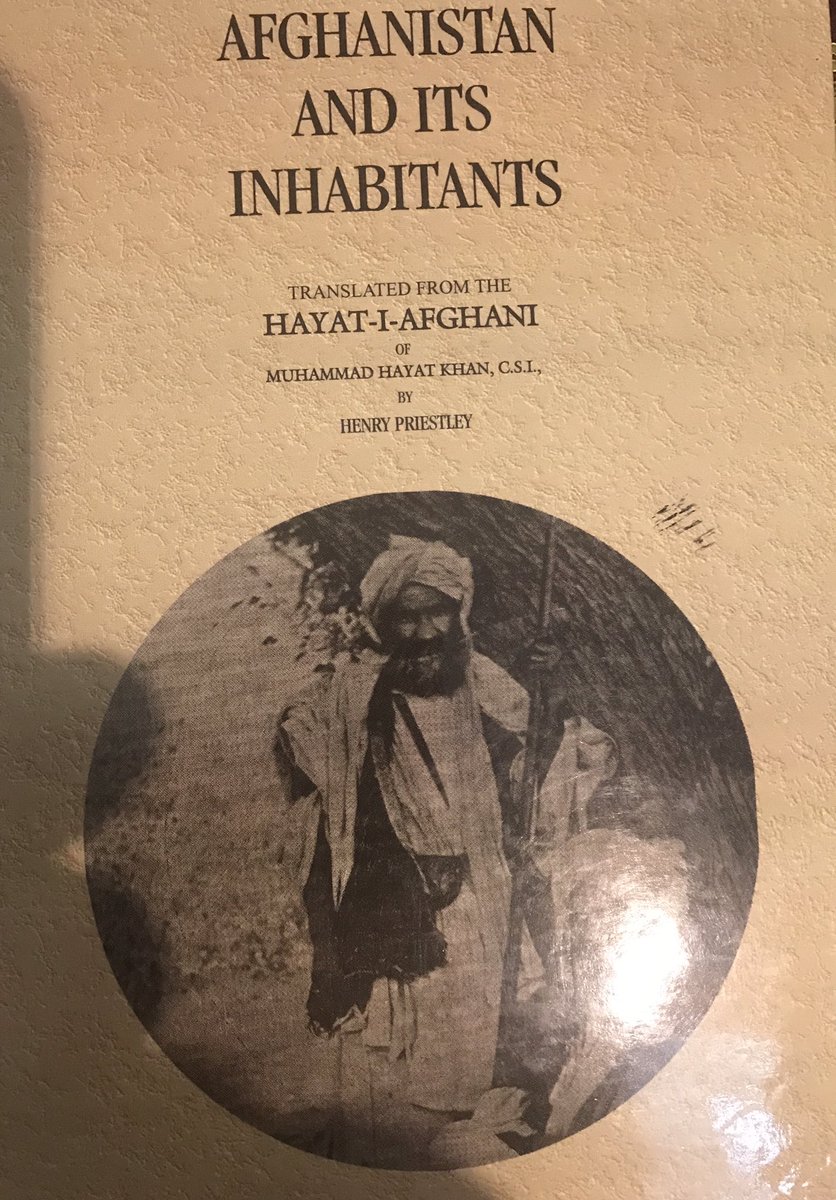
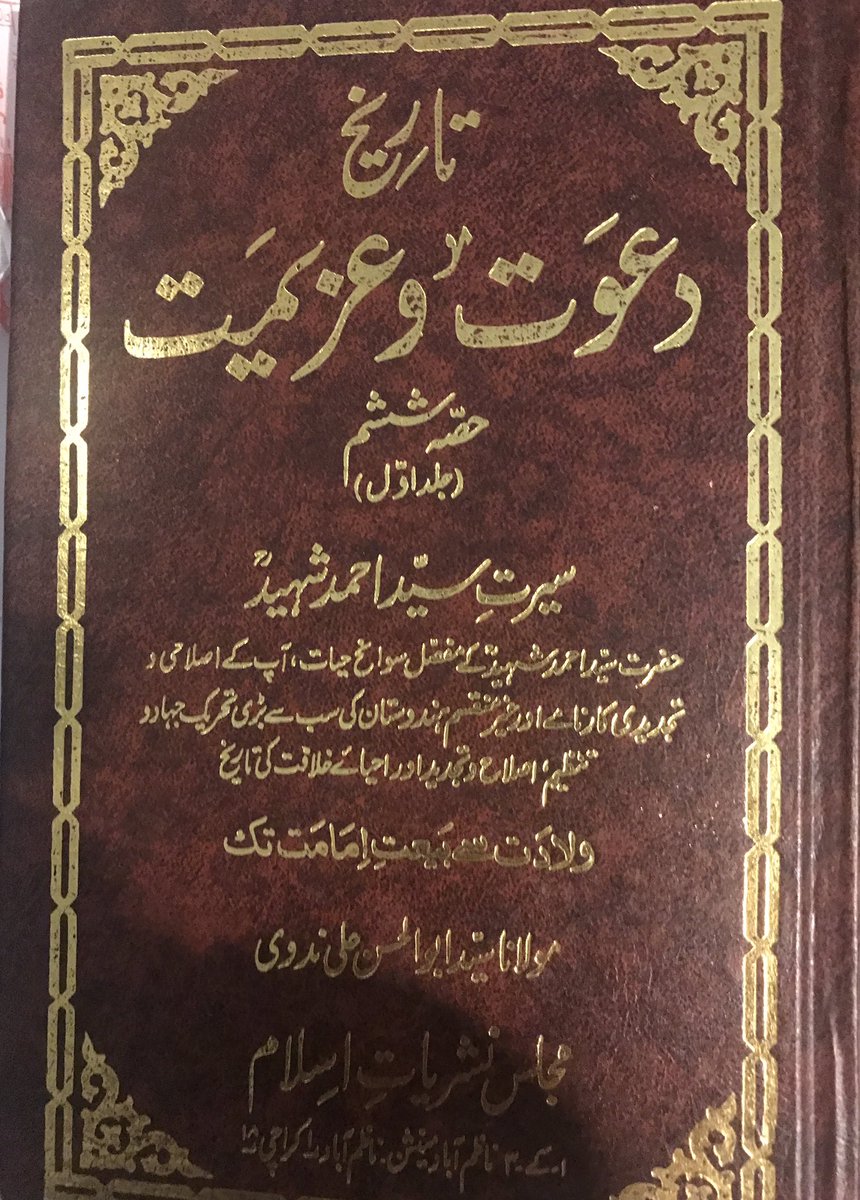
References: ‘A Report on the Yousafzai by HW Bellew, extracts frm da Gazetteer of Punjab 1897-8, published under authority of da Punjab Gov. Tareekh-e-Dawat-o-Azeemat, by Syed Abul Hassan Nadvi, Hayat-e-Afghani, by Muhammad Hayat Khan, translated by Henri Priestley’.

Loading suggestions...