

Thread on how to prevent neurological diseases.
Every single one of them is skyrocketing in some countries to the point of 1:2 people encountering one in the future based on today's numbers.
But a lot of them are preventable with the right set of knowledge.
Every single one of them is skyrocketing in some countries to the point of 1:2 people encountering one in the future based on today's numbers.
But a lot of them are preventable with the right set of knowledge.

Standard disclaimer that this does not constitute medical advice.
Now let's begin.
The most common factors that seem to lead to neurological diseases and the ones that we can do something about it, are the following.
Now let's begin.
The most common factors that seem to lead to neurological diseases and the ones that we can do something about it, are the following.
1) Improper sleep.
If a single night of insomnia, can downregulate our metabolic rate by up to 25% and lead to a huge increase in C-reactive protein (this is why you feel way more the effects of grounding when you didn't get enough sleep), imagine what happens when this becomes
If a single night of insomnia, can downregulate our metabolic rate by up to 25% and lead to a huge increase in C-reactive protein (this is why you feel way more the effects of grounding when you didn't get enough sleep), imagine what happens when this becomes
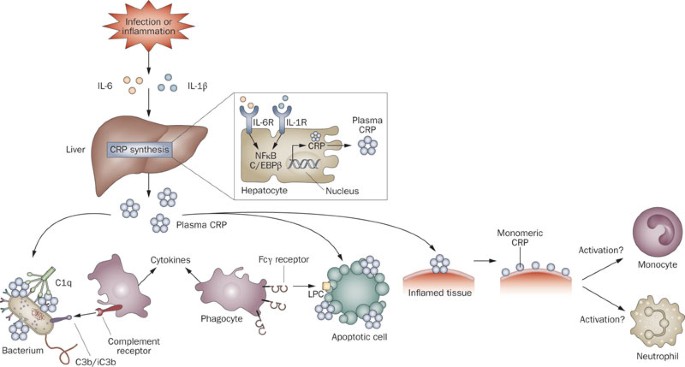
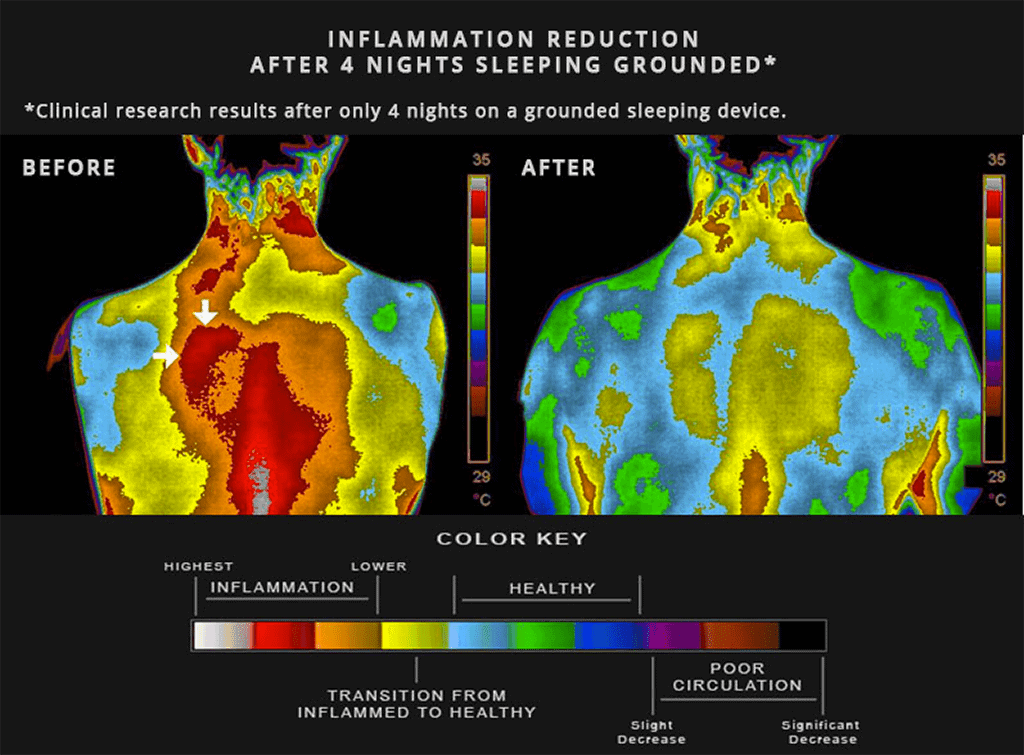
a chronic condition.
Getting quality sleep on a daily basis is something that can get often neglected but it shouldn't.
Improper sleep can lead and exacerbate every disease possible.
From T2D, depression and autoimmune conditions, all the way to cancer, the list is endless
Getting quality sleep on a daily basis is something that can get often neglected but it shouldn't.
Improper sleep can lead and exacerbate every disease possible.
From T2D, depression and autoimmune conditions, all the way to cancer, the list is endless
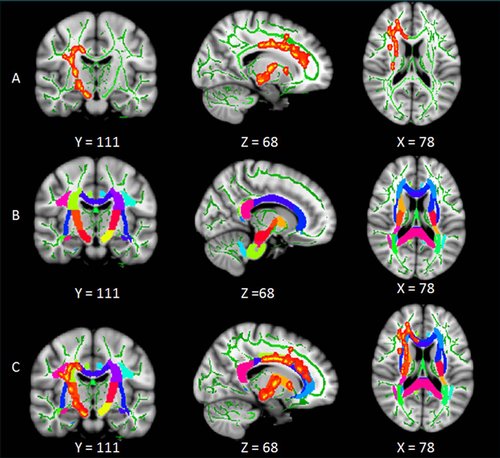
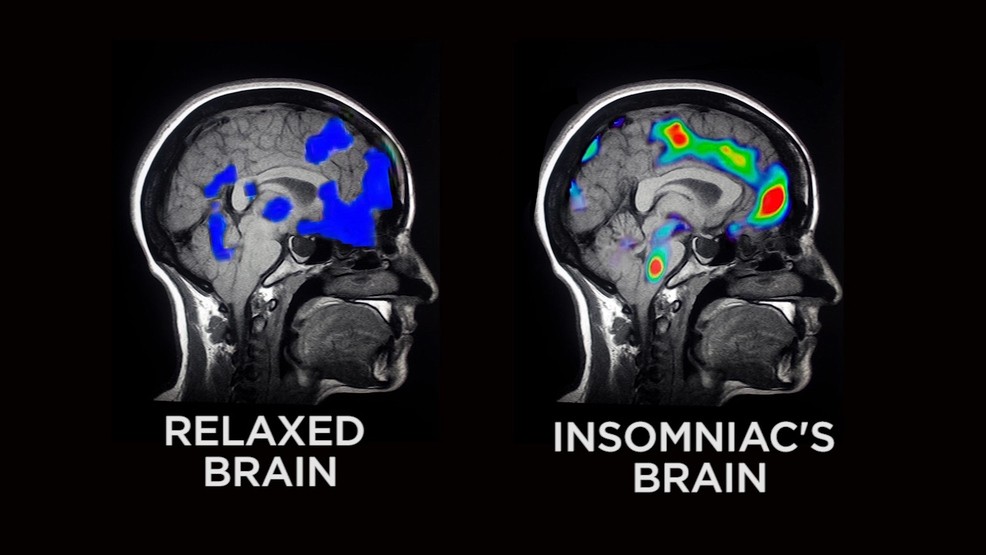
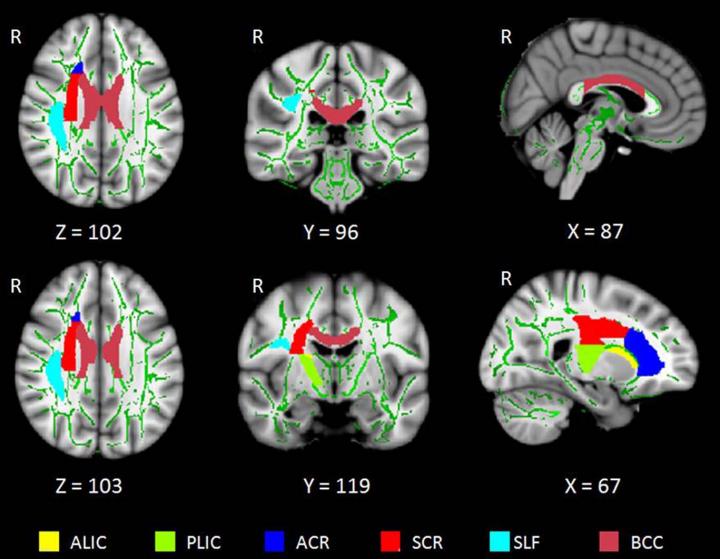
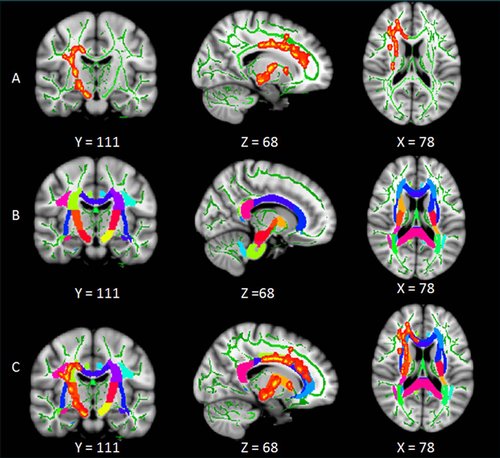
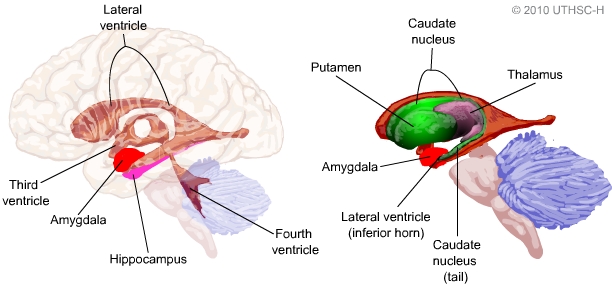
Sleep deprivation will throw anyone's leptin & ghrelin levels out of whack and also overstimulate the amygdala (the emotional center of the brain).
So here's what you can do in order to get quality sleep on a daily basis.
So here's what you can do in order to get quality sleep on a daily basis.
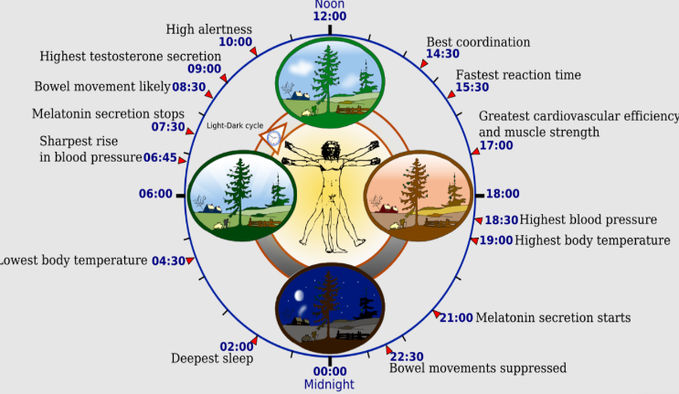
1) Wake up between 6 and 7 A.M if you can.
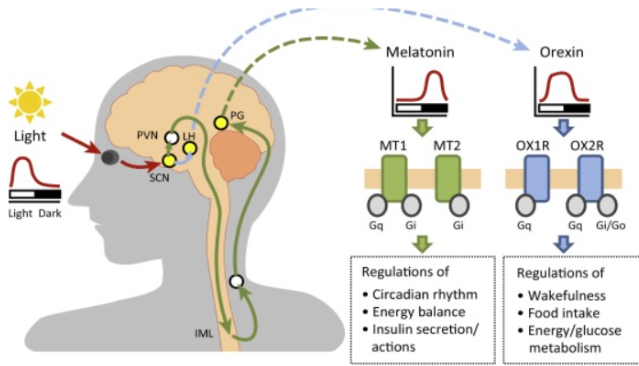
2) Do not look at any artificial light as soon as you wake up but instead expose yourself to natural light.
3)Eat something that includes animal protein, salt, fruit and some saturated fats.
2) Do not look at any artificial light as soon as you wake up but instead expose yourself to natural light.
3)Eat something that includes animal protein, salt, fruit and some saturated fats.
Eating breakfast is crucial if you struggle with insomnia.
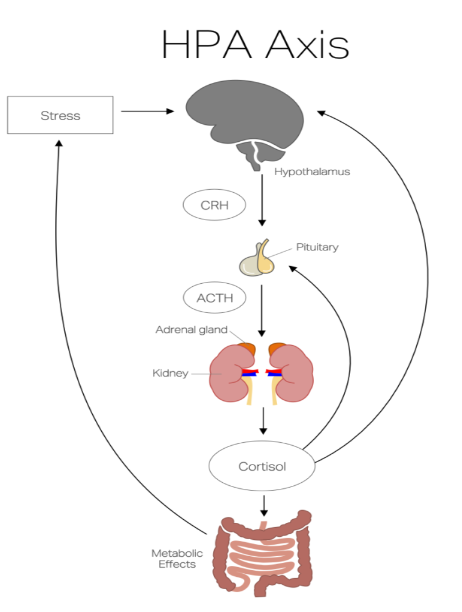
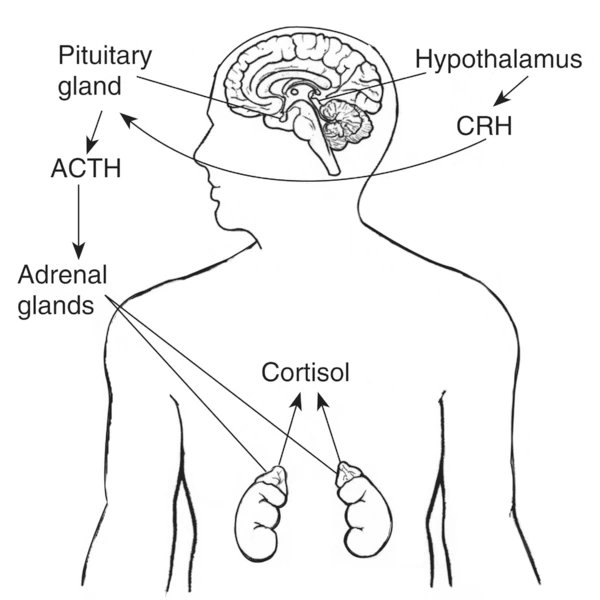
I can not tell you how many clients had severe insomnia simply because they skipped breakfast and had black coffee instead.
A combination popularized by the fitness industry which has led to thousands of people
I can not tell you how many clients had severe insomnia simply because they skipped breakfast and had black coffee instead.
A combination popularized by the fitness industry which has led to thousands of people
suffering from adrenal fatigue.
People today “fast” with poor quality espresso to the point of even developing IBS.
People today “fast” with poor quality espresso to the point of even developing IBS.
4) Either eliminate or minimize your caffeine consumption to 1 cup before 11 A.M.
Is caffeine that bad for sleep? Yes it is.
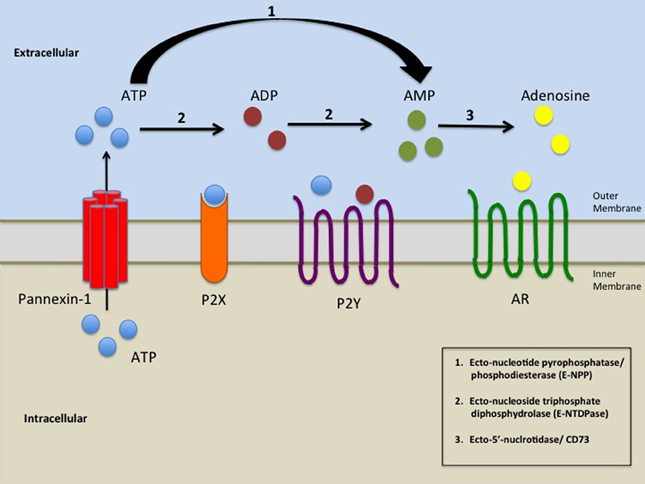
Caffeine binds to adenosine receptors (adenosine creates a pressure to sleep) making it impossible for your sleep cycles to be optimal.
Is caffeine that bad for sleep? Yes it is.
Caffeine binds to adenosine receptors (adenosine creates a pressure to sleep) making it impossible for your sleep cycles to be optimal.
6) Workout as early in the day as you can.
7) Make time to expose your skin to the sun multiple times per day.
Sun will not cause skin cancer if your diet is clean and have enough antioxidants (vitamin C, E and enough glutathione/selenium mostly) in your system.
7) Make time to expose your skin to the sun multiple times per day.
Sun will not cause skin cancer if your diet is clean and have enough antioxidants (vitamin C, E and enough glutathione/selenium mostly) in your system.
8) Block the blue light on your devices and wear blue light blocking glasses.
One of the big reasons that we are sick, depressed, anxious and diabetic is artificial blue light.
Blue light exists in nature and has many benefits for our well being. But the downsides of blue light
One of the big reasons that we are sick, depressed, anxious and diabetic is artificial blue light.
Blue light exists in nature and has many benefits for our well being. But the downsides of blue light
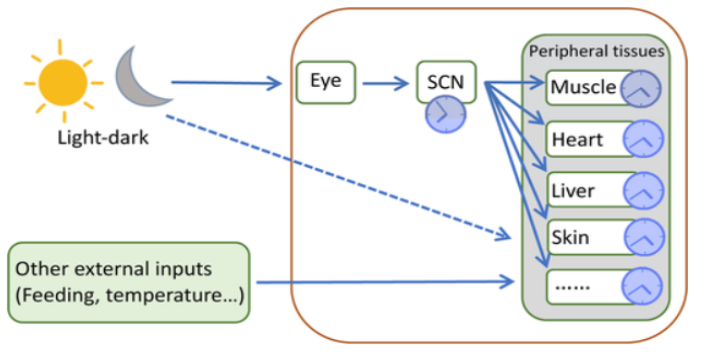
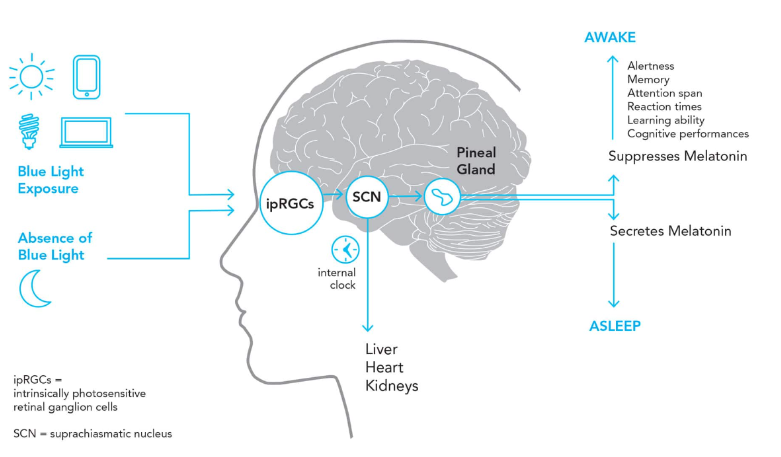
in nature are balanced by the red light that also exists in nature (this is the reason why a lot of blue light blocking glasses can be red-ish).
This obviously is not the case for artificial blue light.
You have only downsides, so block it.
This obviously is not the case for artificial blue light.
You have only downsides, so block it.
9)Get done eating dinner 3 hours before bed, do not over do it with protein in the dinner and keep the carbs in unless you want to wake up at 3A.M and being unable to get back to sleep.
Melatonin peaks around 12AM- 1AM so the ideal time to go to sleep would be 10-10:30.
Melatonin peaks around 12AM- 1AM so the ideal time to go to sleep would be 10-10:30.
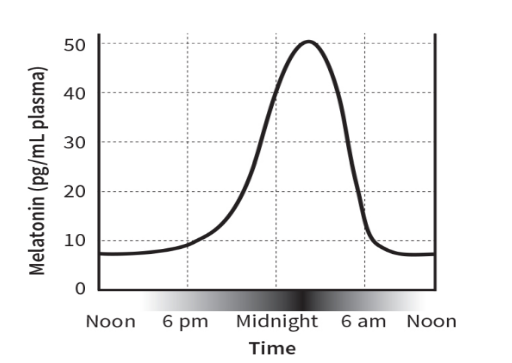
10) Turn the WiFi off (it is important to limit nnEMF exposure especially when sleeping), have some magnesium, glycine and chamomile tea while you read a book, make your room as dark as possible and go to sleep.
Moving on.
Moving on.
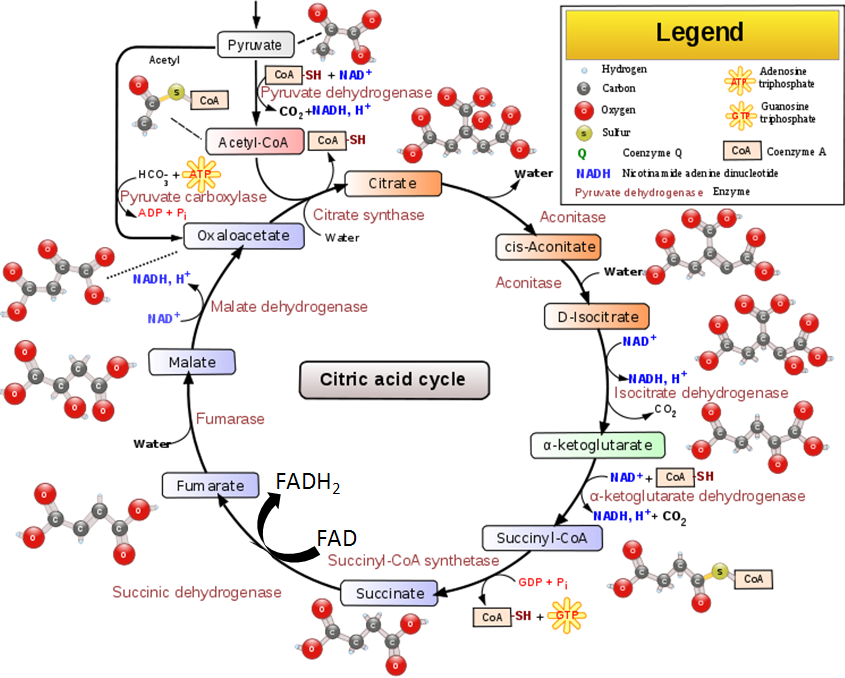
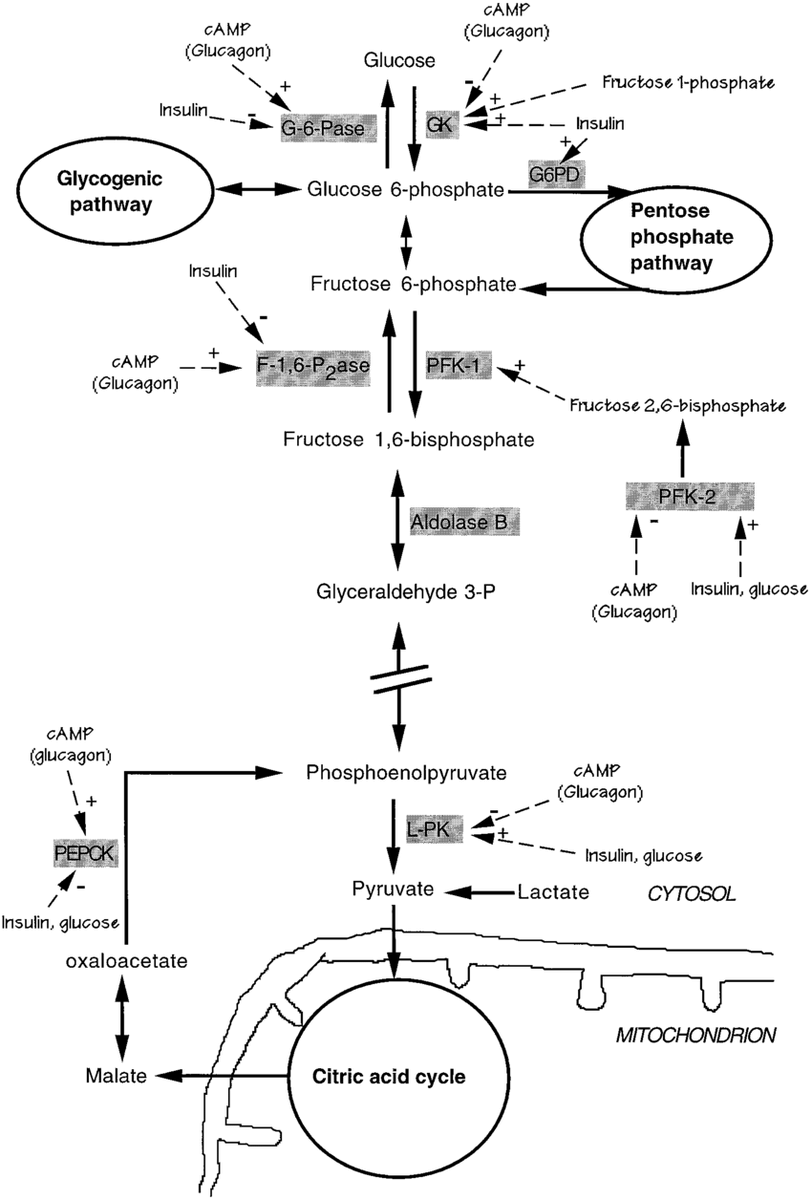
2) Suboptimal glucose metabolism
Glucose is our main source of energy and comes from carbohydrates.
Now, the problem is not carbs.
We are obviously, not talking about things such as high fructose corn syrup, artificial sweeteners and so on.
These are not carbs but poisons.
Glucose is our main source of energy and comes from carbohydrates.
Now, the problem is not carbs.
We are obviously, not talking about things such as high fructose corn syrup, artificial sweeteners and so on.
These are not carbs but poisons.
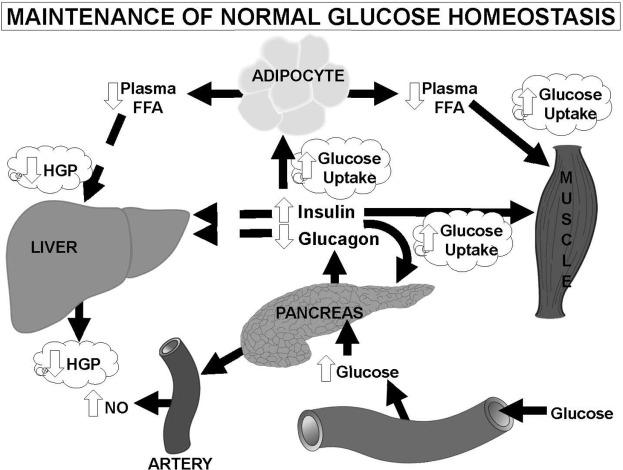
The problem is suboptimal glucose metabolism due to lack of sunlight, exercise, improper sleep and malnutrition.
So, in order to optimize glucose metabolism after prioritizing sleep, cut out inferior fats such as canola oil and minimize PUFAs in order to keep the pancreas safe.
So, in order to optimize glucose metabolism after prioritizing sleep, cut out inferior fats such as canola oil and minimize PUFAs in order to keep the pancreas safe.

Then, make sure that you resistance train 3 times a week, get 10K steps in a day, get plenty of sunlight and address the nutrients that are most crucial for glucose metabolism.
These are:
1)Vitamin D
2)Vitamin K2
3)B1, B2 and B3
4)Magnesium
These are:
1)Vitamin D
2)Vitamin K2
3)B1, B2 and B3
4)Magnesium
4) Lack of acetylcholine
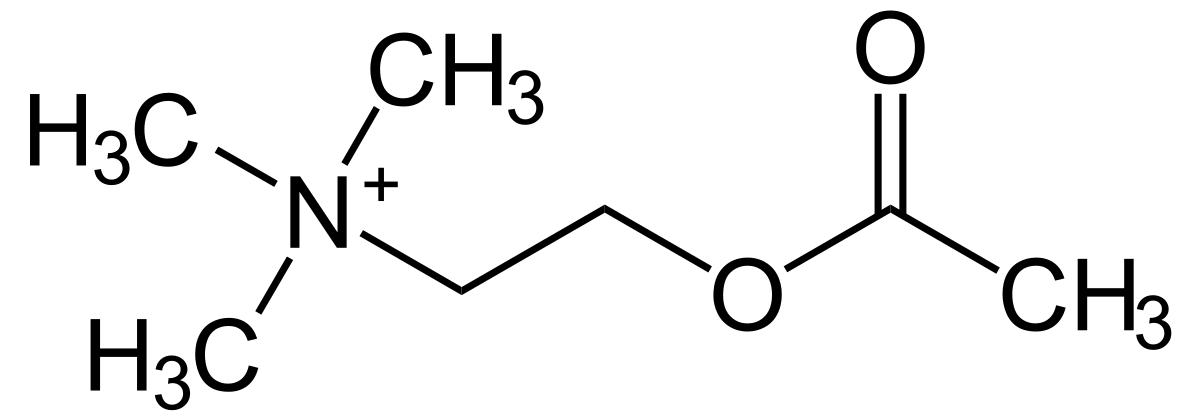
Acetylcholine is a neurotransmitter produced from acetyl coenzyme A (so you nee glucose) and choline, with the help of the enzyme choline acetyltransferase.
Without this, our brain will literally rotten.
Acetylcholine is a neurotransmitter produced from acetyl coenzyme A (so you nee glucose) and choline, with the help of the enzyme choline acetyltransferase.
Without this, our brain will literally rotten.
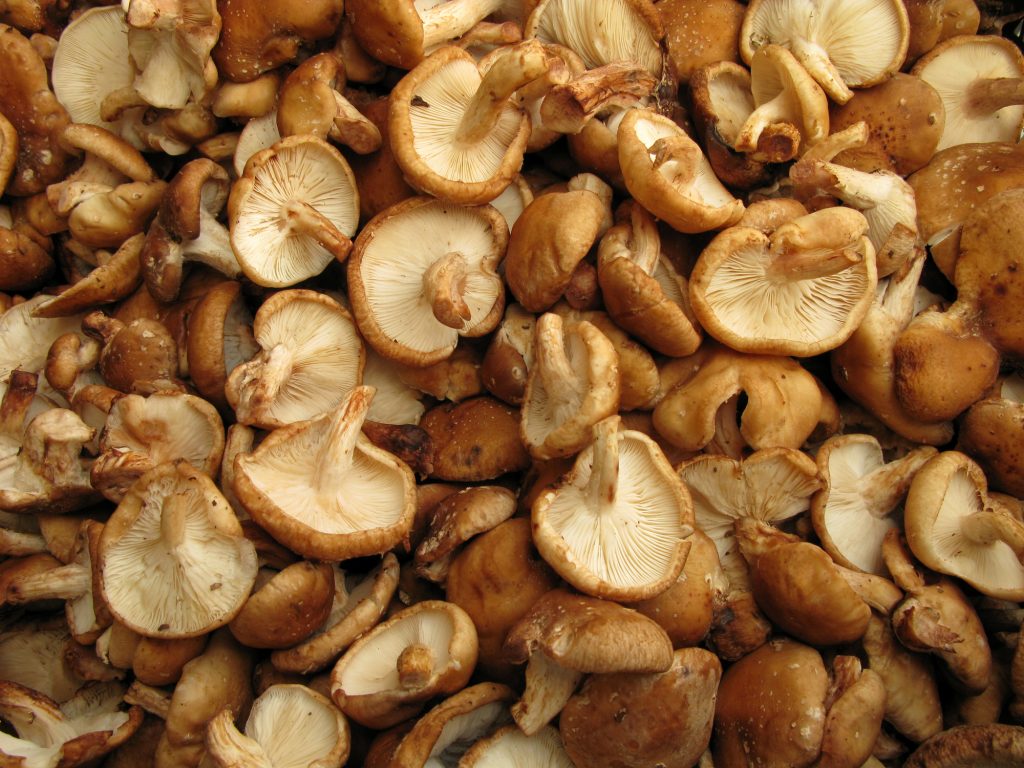
Most people's diets today are dangerously deficient in choline so please get your dietery choline in from sources such as free range egg yolks (raw), organ meats, beef and even some shiitake mushrooms.
5)Low dopamine
First we need choline since it will increase dopamine receptor densities.
Then lower adrenaline (ground, don't fast, eat, get sleep, salt, zinc and magnesium), since adrenaline is made from dopamine and an adrenaline excess will create a dopamine deficiency.
First we need choline since it will increase dopamine receptor densities.
Then lower adrenaline (ground, don't fast, eat, get sleep, salt, zinc and magnesium), since adrenaline is made from dopamine and an adrenaline excess will create a dopamine deficiency.
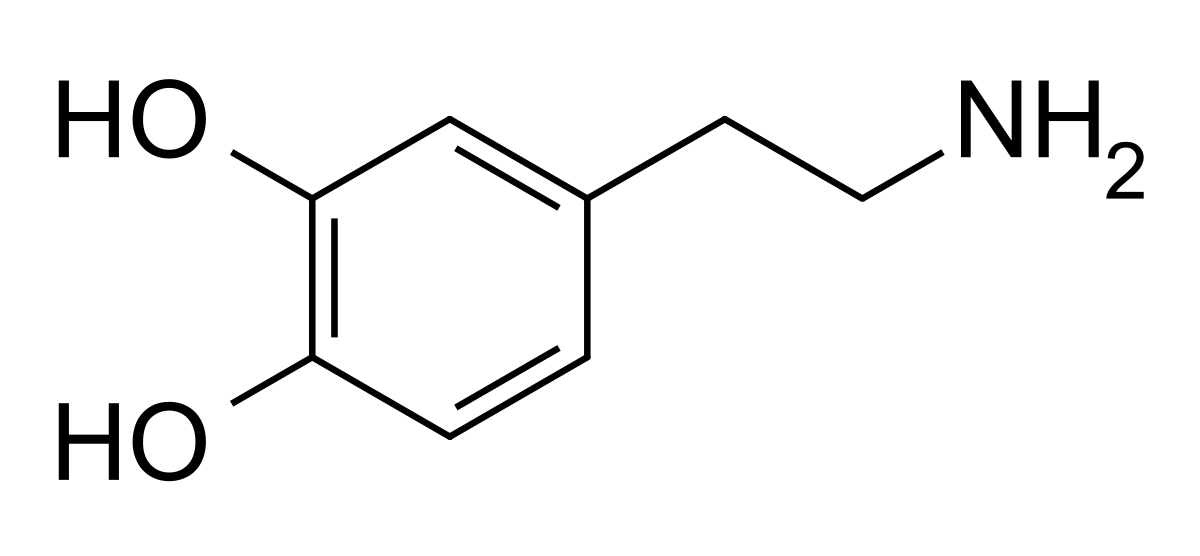
Elevated catecholamine can lead to low dopamine so try some ginkgo biloba as well.
Last but not least, prolactin is a dopamine antagonist and vitamin B6 is a great prolactin antagonist so make sure you have enough sources of vitamin B6 in your diet.
You can also add creatine*
Last but not least, prolactin is a dopamine antagonist and vitamin B6 is a great prolactin antagonist so make sure you have enough sources of vitamin B6 in your diet.
You can also add creatine*
6) GABA : Glutamate imbalance
First of all we need to make sure we have enough nutrients that help us synthesize GABA.
These are: Thiamine, vitamin C, vitamin D, vitamin A, copper, zinc, magnesium, taurine and vitamin E.
First of all we need to make sure we have enough nutrients that help us synthesize GABA.
These are: Thiamine, vitamin C, vitamin D, vitamin A, copper, zinc, magnesium, taurine and vitamin E.
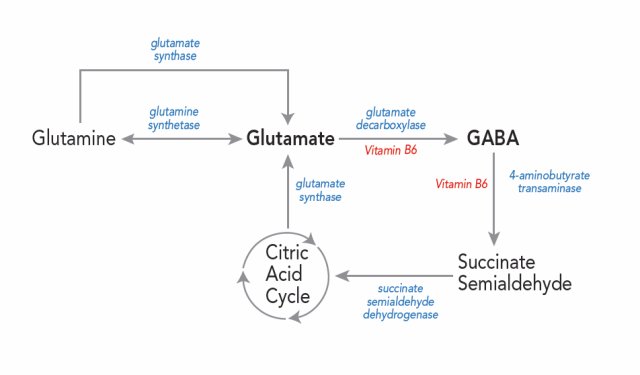
Thiamine is important since GABA promotes cellular regeneration through a rise in CO2.
A deficiency of GABA also can also not be improved until sodium levels are restored and a thiamine deficiency is probably the number 1 cause of such a deficiency since to acquire the needed
A deficiency of GABA also can also not be improved until sodium levels are restored and a thiamine deficiency is probably the number 1 cause of such a deficiency since to acquire the needed
sodium and potassium regulators is pretty relatively easy.
So do not ingore these 2 as well.
Then in order to balance glutamate and GABA we must avoid foods and supplements that “signal” to the body to create glutamate.
So do not ingore these 2 as well.
Then in order to balance glutamate and GABA we must avoid foods and supplements that “signal” to the body to create glutamate.
These are things such as: caffeine, nicotine, alcohol, fermented foods, soy products, food additives and in general things that are not a part of an animal based diet.
Some herbs with GABA promoting effects are:
1)Passion flower
2)Lemon balm
3)Chamomile tea
as well.
Some herbs with GABA promoting effects are:
1)Passion flower
2)Lemon balm
3)Chamomile tea
as well.
7)nnEMF toxicity
Here's a full thread about this since i run out of space.
Here's a full thread about this since i run out of space.
8)Heavy metal toxicity.
Again, here's a full thread.
Again, here's a full thread.
These are the basics and enough to prevent many of these diseases.
We got my grandma to throw away her Alzheimer meds by tweaking her diet (very low PUFA, no legumes, no nuts/seeds, no high oxalate foods (only spinach cooked in grass fed butter), no foods high in phytoestrogens
We got my grandma to throw away her Alzheimer meds by tweaking her diet (very low PUFA, no legumes, no nuts/seeds, no high oxalate foods (only spinach cooked in grass fed butter), no foods high in phytoestrogens
and so on) and using some serotonin antagonists such as vitamin D and also plenty of thiamine.
Other tweaks included were: B2, ginkgo, niacin, progesterone (both Ray's formula but other ones also) and red light.
Other tweaks included were: B2, ginkgo, niacin, progesterone (both Ray's formula but other ones also) and red light.
Vitamin K2 plays a key role in glucose homeostasis so we sporadically gave her some MK7 as well.
That's it guys.
If you liked this thread, make sure to like or RT the first tweet.
That's it guys.
If you liked this thread, make sure to like or RT the first tweet.
Loading suggestions...