

Steve Jobs sold 400 million iPods by crafting a simple sales story.
Here’s the framework he used (that you can too):
Here’s the framework he used (that you can too):

Introduce an alternative reality:
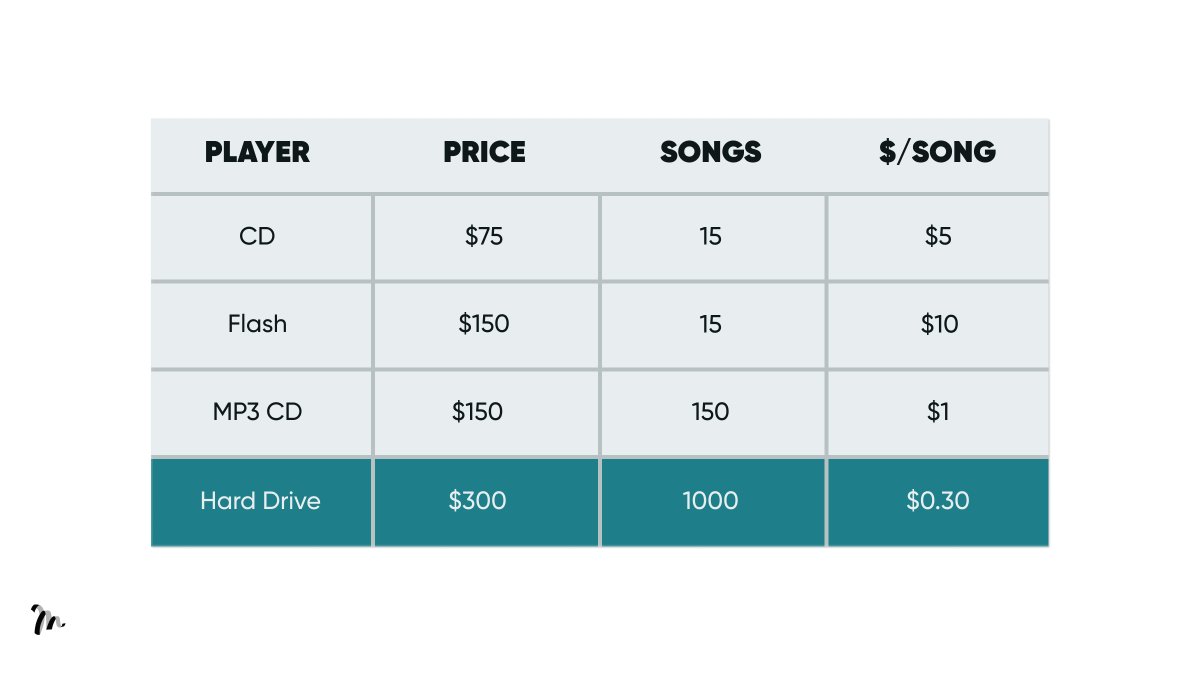
Jobs presents the options that customers currently have in the player market. They don't hold many songs.
He uses numbers to setup his 1 big idea: 1,000 songs.
→ Question for you:
What's the 1 solution your prospect values above all others?
Jobs presents the options that customers currently have in the player market. They don't hold many songs.
He uses numbers to setup his 1 big idea: 1,000 songs.
→ Question for you:
What's the 1 solution your prospect values above all others?
Present the problem with a story:
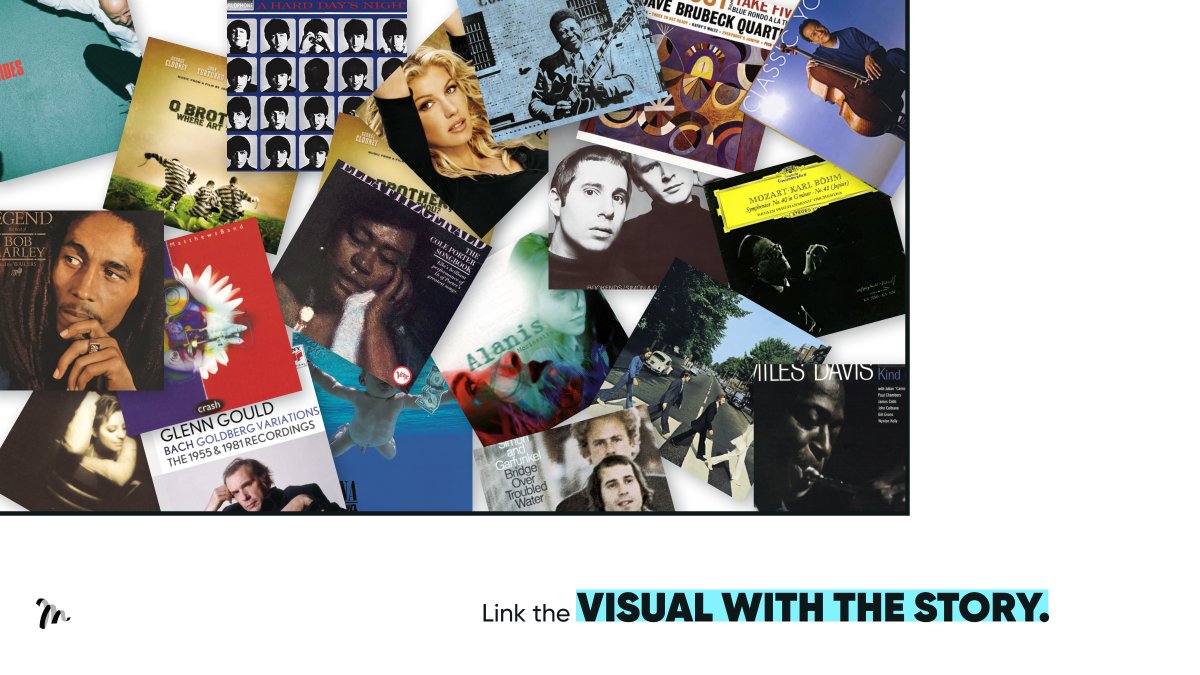
“How many times have you gone on the road with a CD player, and said, oh God I didn’t bring the CD I wanted to listen to.”
→ Question for you:
What’s the story behind the problem you solve? Chances are, your market will resonate with it.
“How many times have you gone on the road with a CD player, and said, oh God I didn’t bring the CD I wanted to listen to.”
→ Question for you:
What’s the story behind the problem you solve? Chances are, your market will resonate with it.
Tie the benefit to their daily life:
“The coolest thing about iPod is that the entire music library fits in your pocket.”
→ Question for you:
In one sentence, tell us why and how we benefit from your product. If you can’t, you don’t have clarity on your offer and position.
“The coolest thing about iPod is that the entire music library fits in your pocket.”
→ Question for you:
In one sentence, tell us why and how we benefit from your product. If you can’t, you don’t have clarity on your offer and position.

Break the idea into 3:
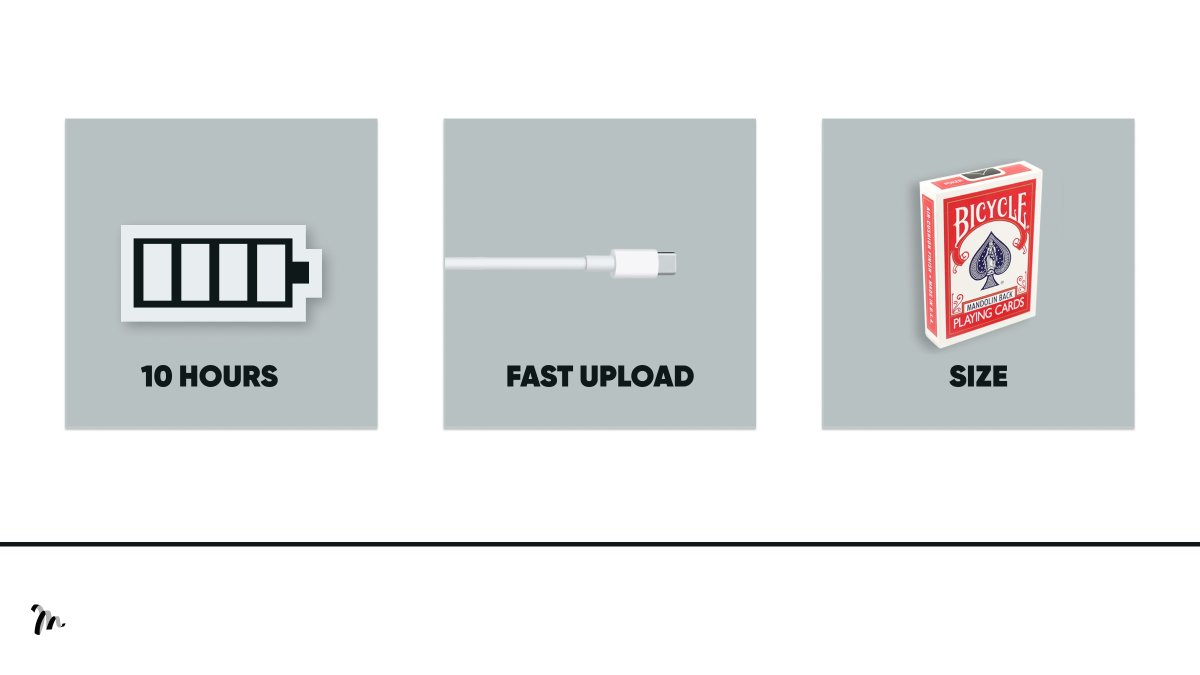
“There are 3 major breakthroughs”
→ Question for you:
What are the 3 features or benefits that support your one big idea. Give us those 3 and nothing more.
“There are 3 major breakthroughs”
→ Question for you:
What are the 3 features or benefits that support your one big idea. Give us those 3 and nothing more.
Hook your idea to an existing concept:
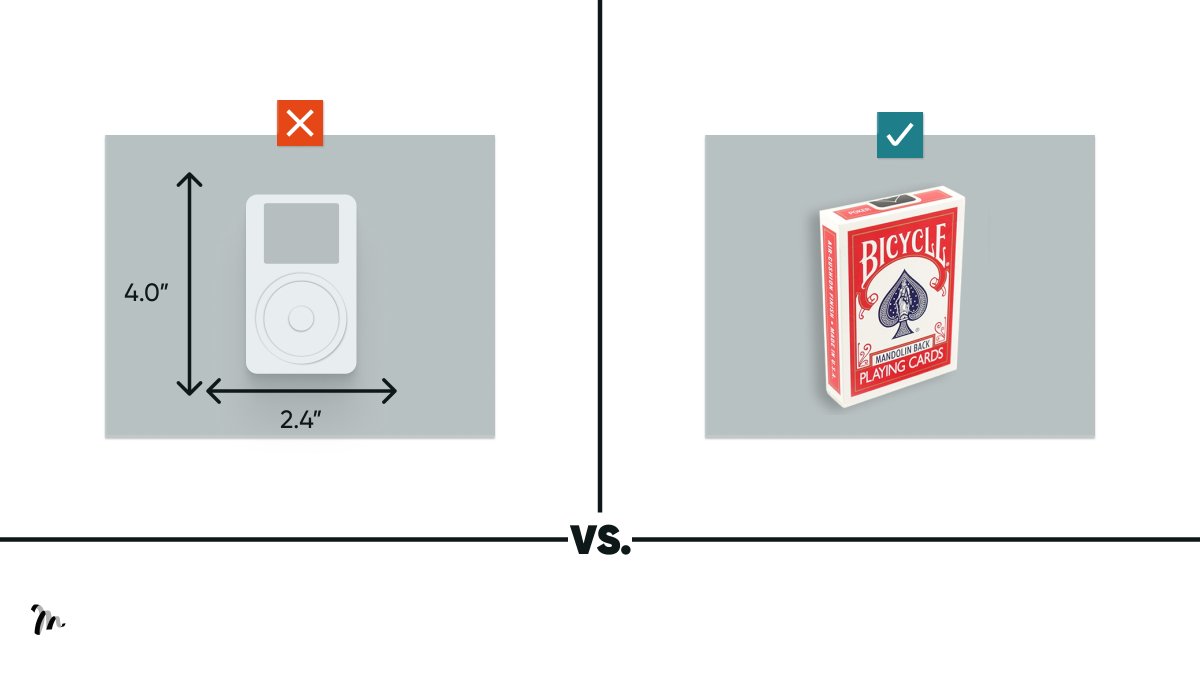
“What’s so special about iPod? It’s ultra portable. An iBook is really portable, but this is ultraportable. iPod is the size of a deck of cards”
→ Question for you:
What concept captures the essence of your key benefit? Show, don’t tell
“What’s so special about iPod? It’s ultra portable. An iBook is really portable, but this is ultraportable. iPod is the size of a deck of cards”
→ Question for you:
What concept captures the essence of your key benefit? Show, don’t tell
TL;DR The sales story framework Steve Jobs used to sell 400 million iPods:
1/ Introduce an alternative reality
2/ Present the problem with a story
3/ Tie the benefit to their daily life
4/ Break your idea into three
5/ Hook your idea to an existing concept
1/ Introduce an alternative reality
2/ Present the problem with a story
3/ Tie the benefit to their daily life
4/ Break your idea into three
5/ Hook your idea to an existing concept
Hope you enjoyed the thread.
If you found this valuable, please retweet the 1st Tweet.
Want more?
Follow @liammotivado for weekly threads on Visual Storyselling.
If you found this valuable, please retweet the 1st Tweet.
Want more?
Follow @liammotivado for weekly threads on Visual Storyselling.
Loading suggestions...