


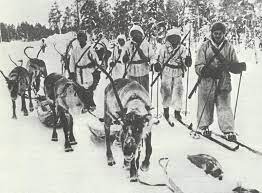
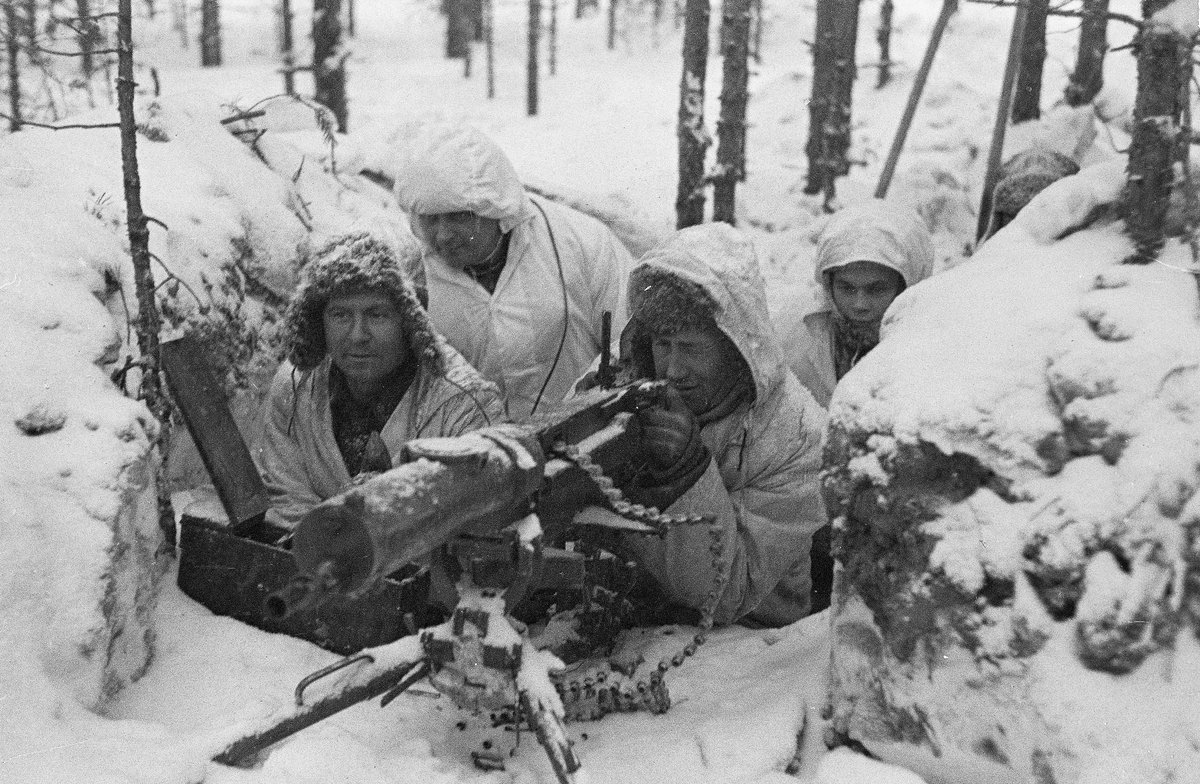
2/ Recently, it has become common to compare the coming winter in #Ukraine with the Russo-Finnish Winter War, fought from November 1939 through to March 1940.

3/ The Finns resisted a massive Soviet invasion of their nation, resulting in a peace agreement temporarily ending hostilities. The Winter War is used as a historical example of David versus Goliath, as well as the clever use of terrain and weather by a defending military force.
4/ But it also offers another important lesson for observers of the war in Ukraine; wars can be fought, and battles can be won, during the most extreme weather, including the depths of winter. smh.com.au
5/ Both the Russian and Ukrainian strategies are predicated on a continuation of hostilities over winter. However, they will have different approaches. For Russia, their aim is to draw the war out over winter and well into 2023.
6/ A key element of this is the insertion of masses of newly mobilised troops into Ukraine to stabilise the front line. But the most important aspect of Russia’s strategy for winter is its strategic energy warfare.
7/ Putin’s energy war, which has already affected 30% of power generation capacity in Ukraine, will see heating restricted, more burst water pipes and a range of other hardships for the population.
8/ While stockpiling of warm clothing and firewood commenced some time ago, many Ukrainians are either displaced from their homes, or living in damaged residences, making them more vulnerable to the ravages of winter.
9/ This ‘denial of heat’ by Putin during the coldest months of the war is a deliberate strategy to both terrorise the population, and to pressure the Ukrainian government for either a ceasefire or some other accommodation with the Russian invaders. kyivindependent.com
10/ But, as we have seen from the hardy Ukrainians, their resilience and very high support for expelling the Russian Army means that this is an unlikely outcome for Putin.
11/ Putin, by now, probably hoped that his strategic energy warfare would have had a greater impact on the populations of European nations that had become reliant on Russian energy. reuters.com
12/ However, a combination of new energy sources, rationing and stockpiling means that Putin has not yet been able to exert leverage over Europeans to reduce their support for Ukraine. That could change, however.
13/ For Ukraine, they have fought hard for eight months to seize the initiative from the Russians in this war. They will want to continue to use the momentum & use the winter as an opportunity to continue seizing back their territory.
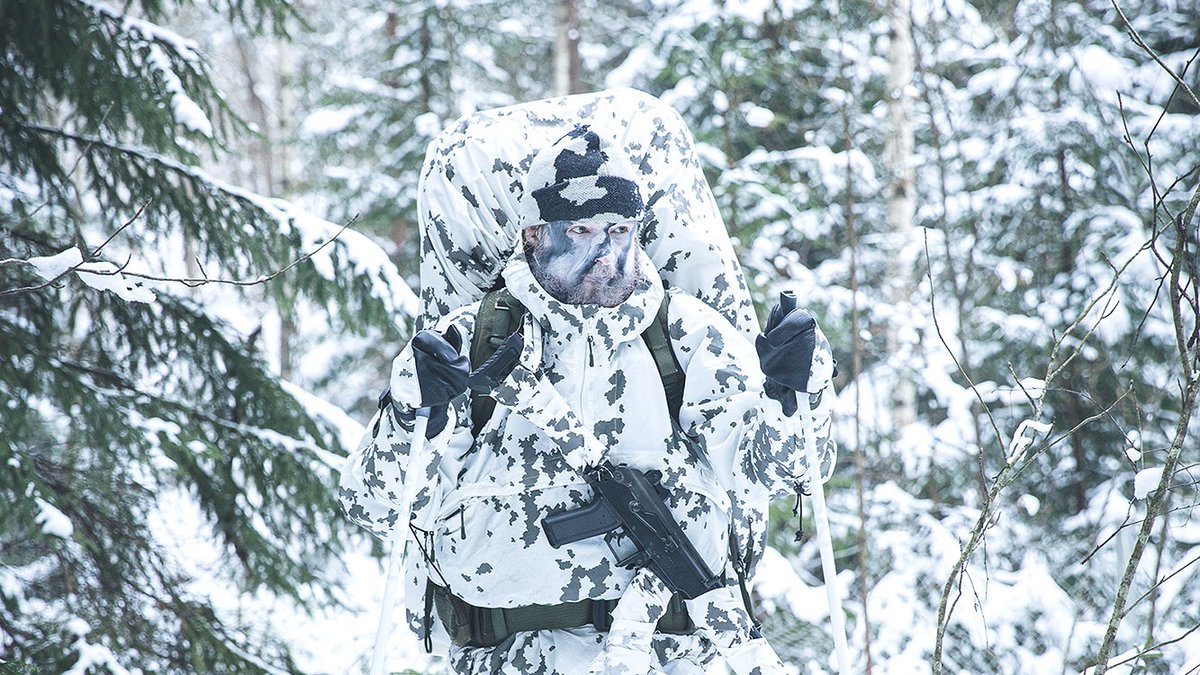
14/ There will be challenges, though. The cold saps the energy from soldiers faster than in warmer conditions. Warm weather clothing, hot food and protection from the elements are key to preserving a military force.
15/ Vehicle mobility is problematic. Wheeled vehicles in particular struggle in cold and boggy conditions, and this will have an impact on the logistic support for both sides. Tracked vehicles, however, have superior mobility in such conditions.
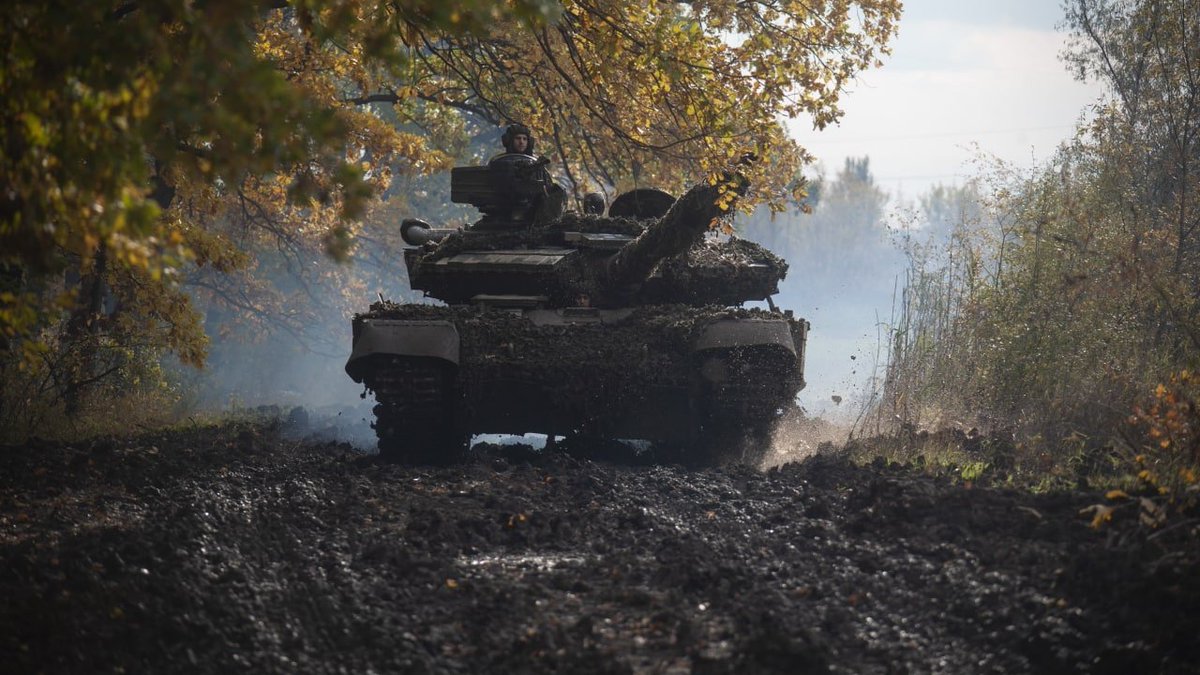
16/ Concealment in winter is difficult. Foliage disappears & the green colours that most military vehicles are painted makes them stand out against the stark white of snow. The heat of humans & equipment stands out more against the cold environment.
17/ Making up for this however is that flying in winter months can be more challenging for both crewed and autonomous aerial vehicles.
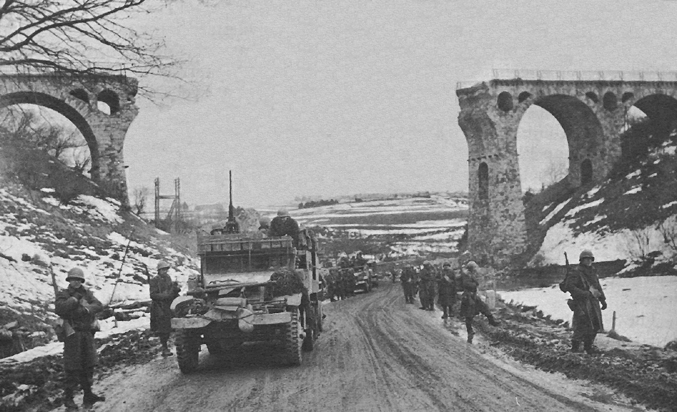
18/ There are many other tactical impacts of cold weather on military operations. But as historical examples such as the Battle of the Bulge, the Winter War, Chosin Reservoir and the more recent conflict around Siachen Glacier demonstrate, winter does not shut down wars.
19/ The Ukrainians, who have been clever strategists and tacticians throughout this war, may take the advice of the Finns from the Winter War. warontherocks.com
20/ They found that it was “not sufficient to adapt to a harsh geography. Rather, the goal should be to develop new forms of operational art that enable one to leverage that same geography against an ill-adapted foe.”
21/ We may see more adaptations by the Ukrainians to use winter to their advantage. Regardless, Ukraine and Russia will continue to pursue their war aims throughout the winter, albeit at a lower tempo. engelsbergideas.com
22/ There is a final salutary lesson when making comparisons between Ukraine in 2022 and Finland in 1939. The Winter War of 1939-1940 was actually the beginning of a longer conflict between Finland and the Soviet Union.
23/ Known as The Continuation War, this conflict lasted until September 1944 and resulted in over one million dead, wounded and missing between the belligerents.
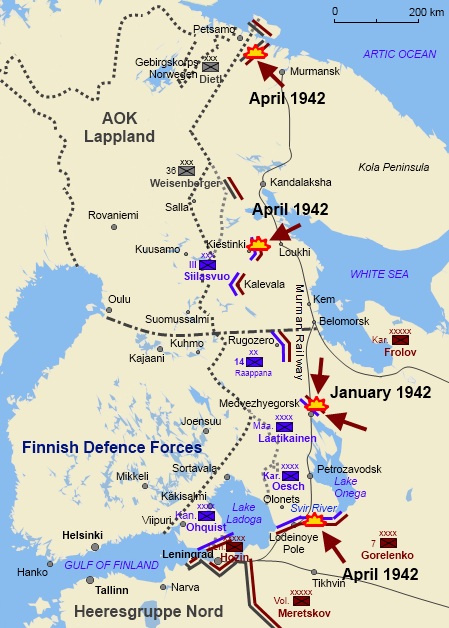
24/ It is an uncomfortable scenario, but one possible future for the current war. End. smh.com.au
25/ Thank you to those whose images and other resources were used in this thread: @reuters @KyivIndependent @ralee85 @war_mapper @smh @EngelsbergIdeas @CSIS @USArmyCMH @IAPonomarenko
Loading suggestions...