

HIGH OUTPUT ILEOSTOMIES
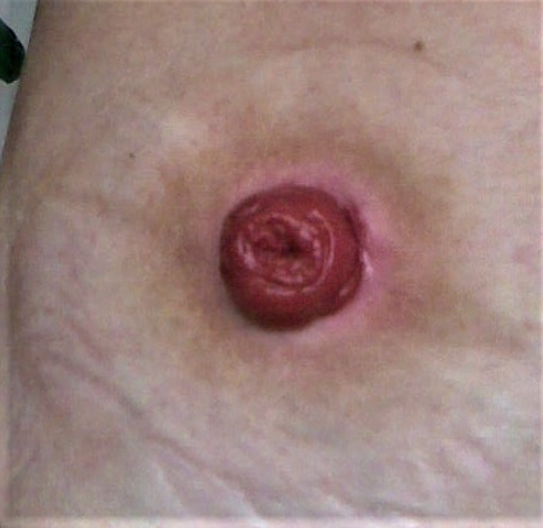
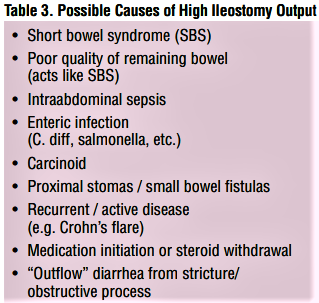
- Output >1.5 -2.0 L/24 hrs leading dehydration & dys-electrolytemia
- Occurs in 31% of small bowel stomas
- Daily output⬆️with increasing small bowel resection
- Resection of 15-50cm of terminal ileum results in ⬆️of >300 g/24hr vs with <15cm removed.
1/n
- Output >1.5 -2.0 L/24 hrs leading dehydration & dys-electrolytemia
- Occurs in 31% of small bowel stomas
- Daily output⬆️with increasing small bowel resection
- Resection of 15-50cm of terminal ileum results in ⬆️of >300 g/24hr vs with <15cm removed.
1/n
Normal intestinal fluid transport:
➡️9 -10 L of fluid passes the ligament of Treitz/ day
➡️Jejunum absorbs ~ 6 L & Ileum ~ 2.5 L
➡️Colon absorbs rest but 100mL excreted in feces daily.
2/n
ncbi.nlm.nih.gov
➡️9 -10 L of fluid passes the ligament of Treitz/ day
➡️Jejunum absorbs ~ 6 L & Ileum ~ 2.5 L
➡️Colon absorbs rest but 100mL excreted in feces daily.
2/n
ncbi.nlm.nih.gov
OSTOMY OUTPUT (Normal)
➡️Mature ileostomy put out up to 1200mL/day
➡️Jejunostomies can put out up to 6 L/day
➡️Colostomies usually only put out 200-600mL/day
3/n
➡️Mature ileostomy put out up to 1200mL/day
➡️Jejunostomies can put out up to 6 L/day
➡️Colostomies usually only put out 200-600mL/day
3/n
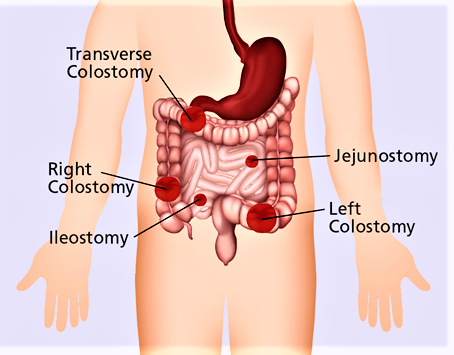
➡️Ostomy at ileocecal valve produce 1-1.5 L/day
➡️Containing approximately
- 200mEq of Na
- 100mEq of Cl &
- 10 mEq of K
➡️In Extensive ileal resection, >100 cm, bile salts loss outpaces hepatic production➡️BA def. & steatorrhea
➡️Low Mg occurs in 78% with a jejunostomy
4/n
➡️Containing approximately
- 200mEq of Na
- 100mEq of Cl &
- 10 mEq of K
➡️In Extensive ileal resection, >100 cm, bile salts loss outpaces hepatic production➡️BA def. & steatorrhea
➡️Low Mg occurs in 78% with a jejunostomy
4/n
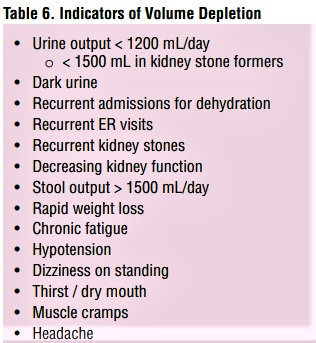
Common complications include:
- Dehydration & AKI
- Low serum Na
- Low urinary Na
- Low serum Mg
- Loss of Cl & HCO3 leading to metabolic acidosis
- High plasma renin & aldosterone
- Weight loss / malnutrition
- Low Vitamin B12 (if > 60-100cm of terminal ileum resected)
5/n
- Dehydration & AKI
- Low serum Na
- Low urinary Na
- Low serum Mg
- Loss of Cl & HCO3 leading to metabolic acidosis
- High plasma renin & aldosterone
- Weight loss / malnutrition
- Low Vitamin B12 (if > 60-100cm of terminal ileum resected)
5/n
➡️Management:
Rehydrate & replace electrolytes
Oral hypotonic fluid is restricted & a glucose-saline solution is sipped.
➡️Medication:
To slow transit (Imodium/Lomotil/opioids) or
To reduce secretions (omeprazole for gastric acid)
Octreotide/sandostatin
6/n
Rehydrate & replace electrolytes
Oral hypotonic fluid is restricted & a glucose-saline solution is sipped.
➡️Medication:
To slow transit (Imodium/Lomotil/opioids) or
To reduce secretions (omeprazole for gastric acid)
Octreotide/sandostatin
6/n
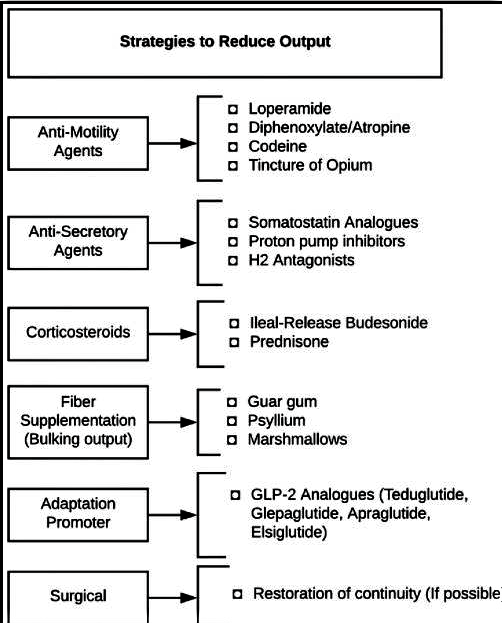
Glucagon-like peptide 2 (GLP-2):
-Endogenous peptide released from distal ileum & proximal colon
-⬆️gut adaptation in response to enteral nutrients
-🚫gastric acid secretion & slow emptying
-⬆️intestinal blood flow
-⬆️intestinal barrier function
-⬆️nutrient & fluid absorption
7/n
-Endogenous peptide released from distal ileum & proximal colon
-⬆️gut adaptation in response to enteral nutrients
-🚫gastric acid secretion & slow emptying
-⬆️intestinal blood flow
-⬆️intestinal barrier function
-⬆️nutrient & fluid absorption
7/n
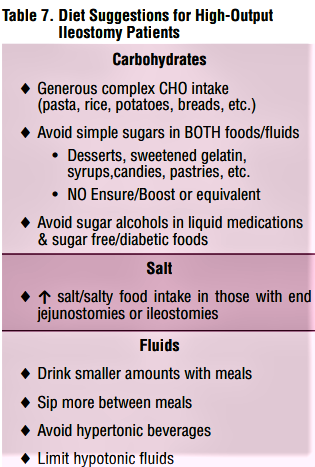
Without appropriate management, a high-output stoma can lead to dehydration, electrolyte disturbances & malnutrition. Interventions include the use of oral rehydration solutions, restriction of hypotonic fluids and dietary modifications.
8/n
fg.bmj.com
8/n
fg.bmj.com
Loading suggestions...