
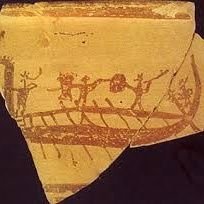
1/ One of the most interesting themes of the LBA in the Eastern Mediterranean is the relations of the Mycenaean Aegean with the Hittites. Hittite texts provide us with some interesting information about Mycenaean involvement in Western Anatolia between 1400-1250 BC.

2/ In the Pylos Linear B' archive, references have been found to women workers bearing ethnonyms, which refer to locations in the Eastern Aegean and Western Anatolia. ➡️

➡️ But what was the position of the specific women in the Mycenaean palatial system, and under what conditions did these women arrive in mainland Greece?

3/The names of these women are recorded in the corpus of tablets A. This is the census of groups of female workers (identified by gender with the ideogram MUL),who were assigned various tasks,while information is provided about their place of origin and the rations they received.
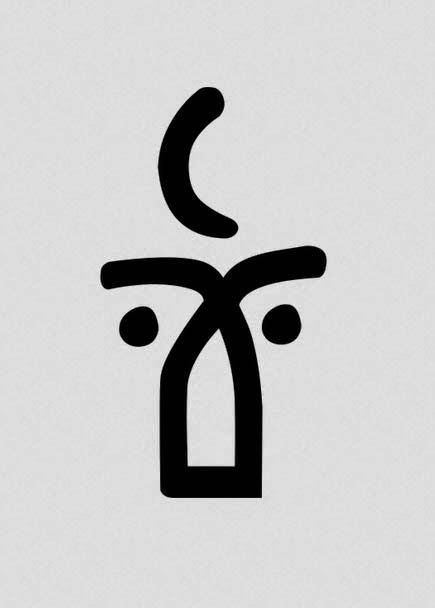
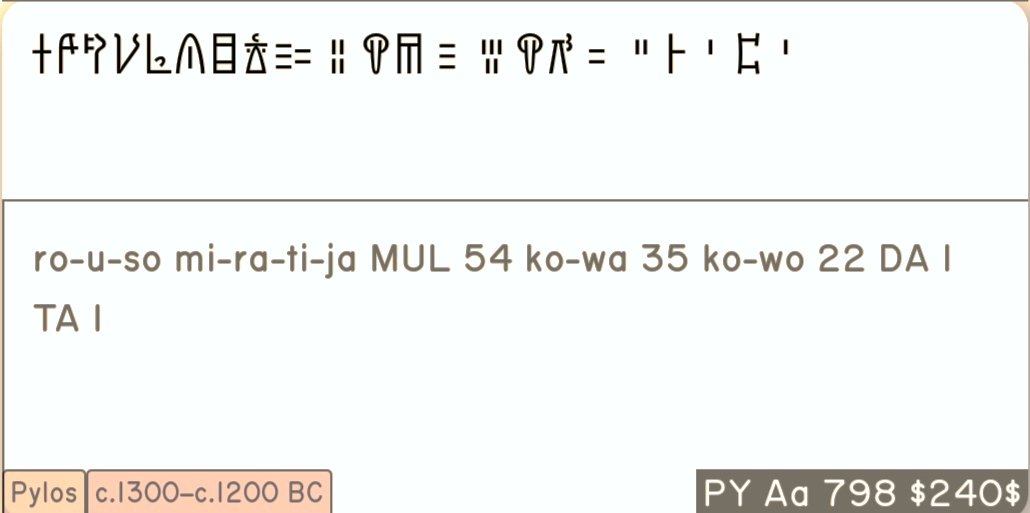
4/ The corpus A is divided into three distinct series (Aa, Ab and Ad) with the first two being closely related to each other, recording groups of workers and children. A typical tablet of the Aa series records the toponym, a feminine name in genitive plural ➡️
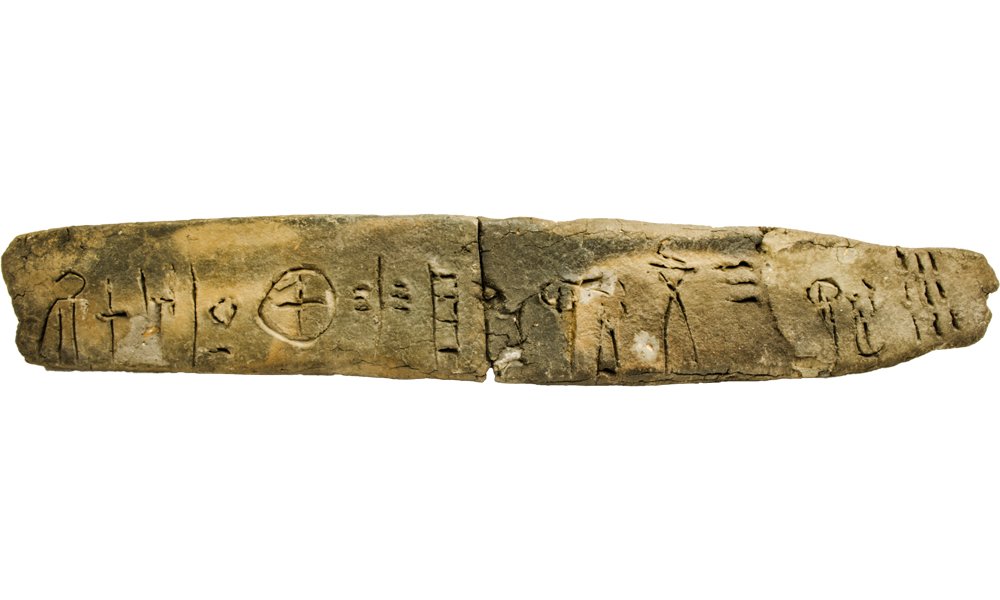
➡️ denoting the women's place of origin or their duties, the ideogram MUL, the number of women, boys and girls in distinct numbers, the provided rations of wheat and figs and the DA / TA phonetic signs, always followed by the number 1, which identify the overseers of the groups.
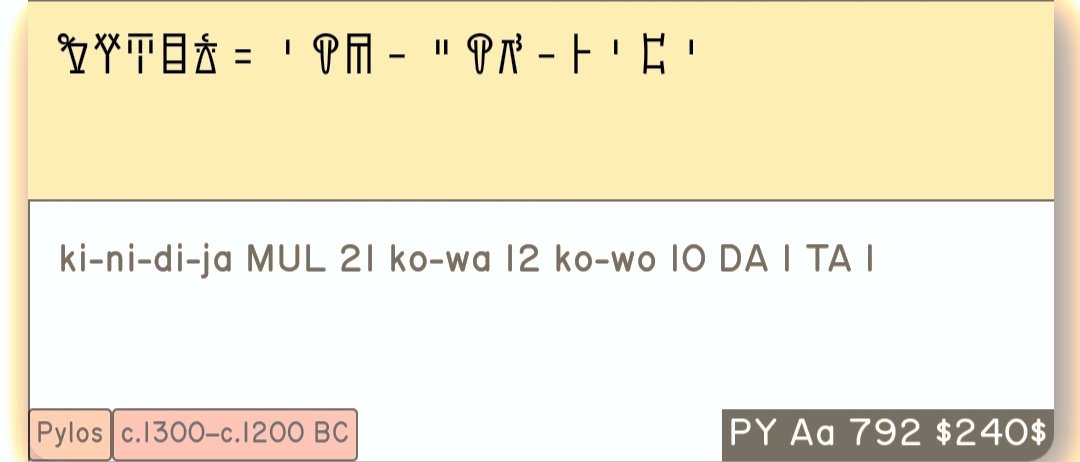
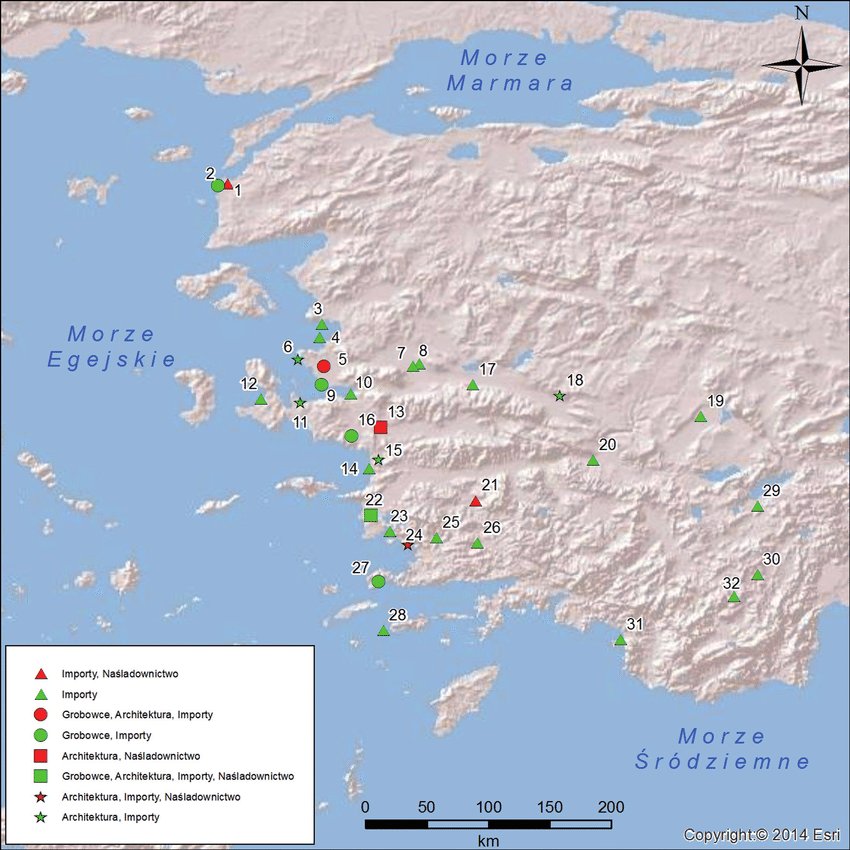
5/ These are references to women from Kythera (ku-te-ra3), Lemnos (la-mi-ni-ja), Chios (ki-si-wi-ja), while the presence of women from Assuwa (a-* 64-ja), Knidos of Caria (ki-ni-di-ja), ➡️
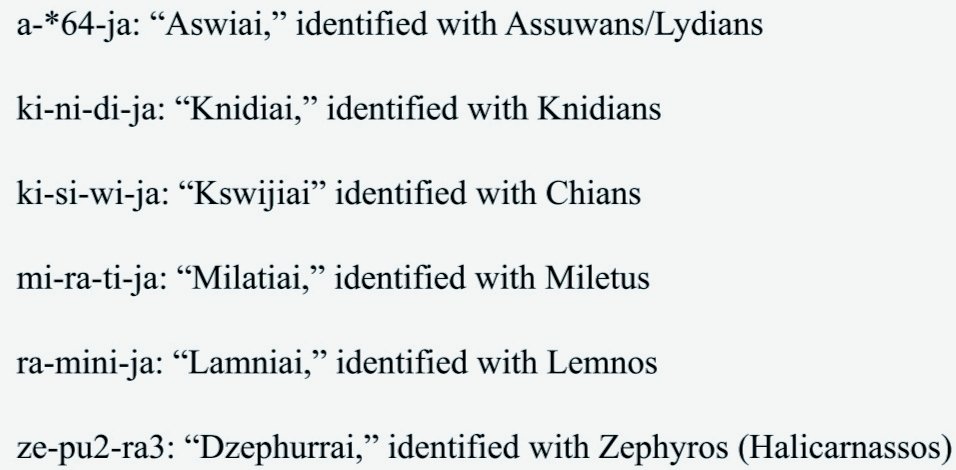
➡️ Halicarnassus (ze-pu3-ri-ja) and Miletus (mi-ra-ti-ja) is of particular interest. The presence of foreign ethnic names is limited only to Pylos.
6/ The women workers of Pylos have a high level of specialization with some of their tasks being unclear. In addition to textile industry, they also worked in domestic work as maids. ➡️
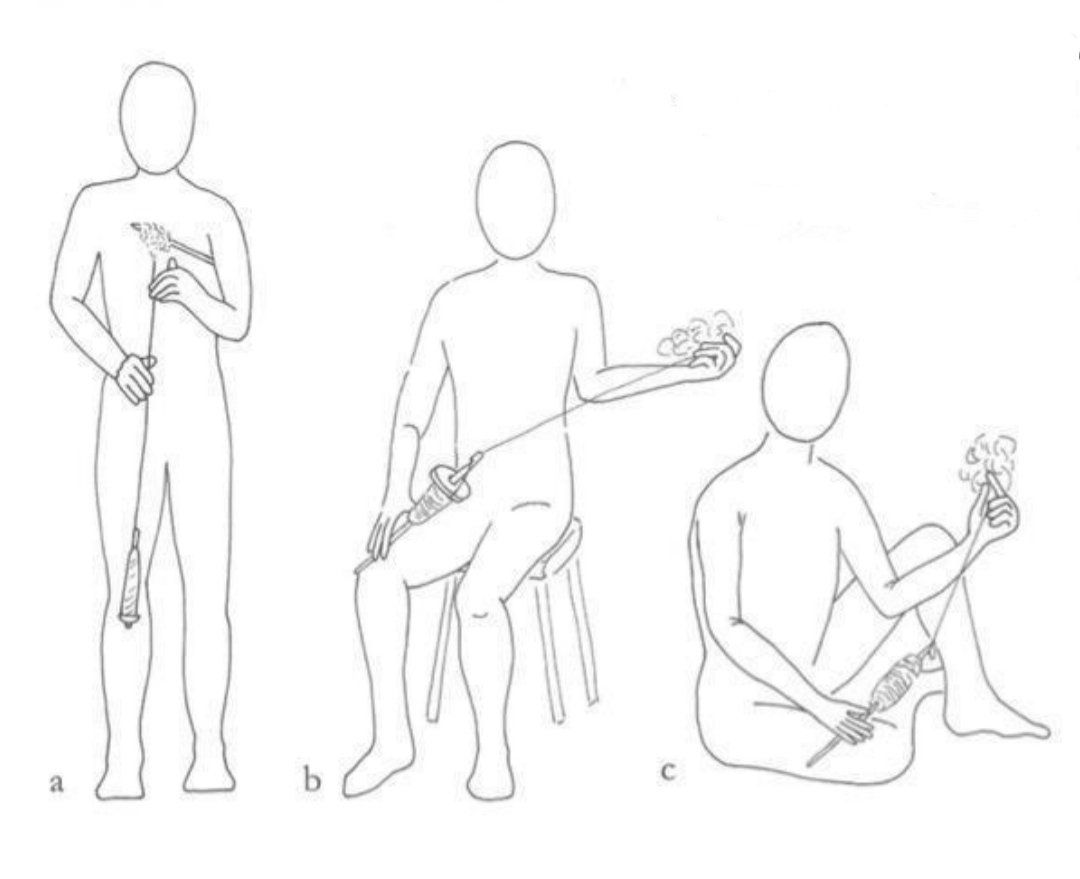
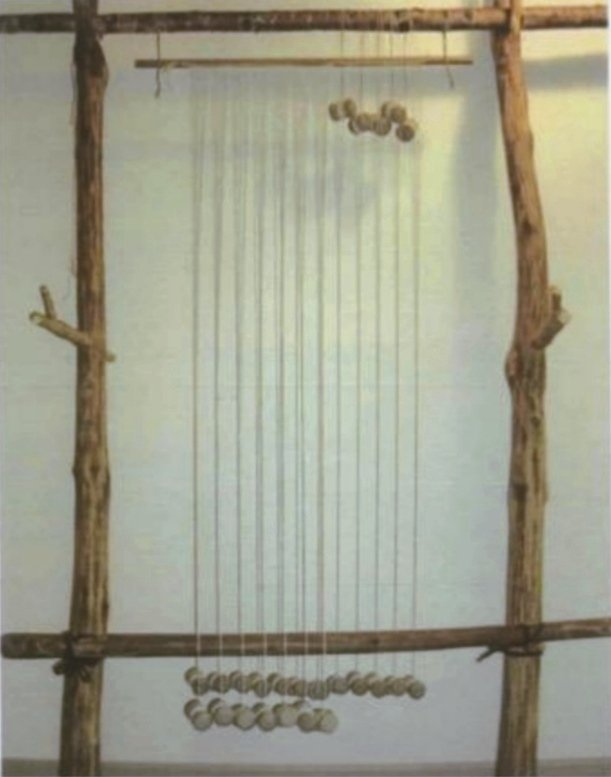

➡️ Most likely the women workers of Pylos textile industry were in the same space as the children, where the girls learned the women's art and the boys, growing up, clinged on to in other male occupations (breeders, metal workers).
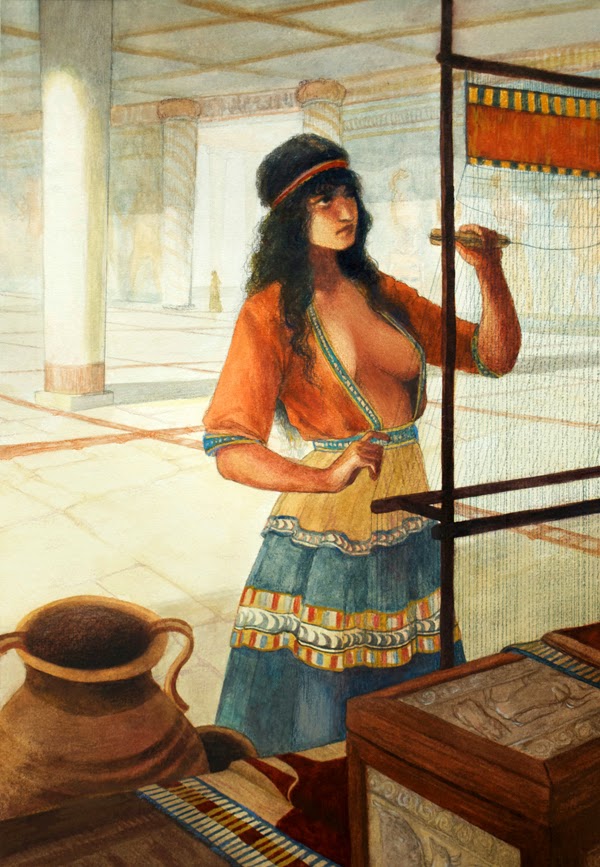
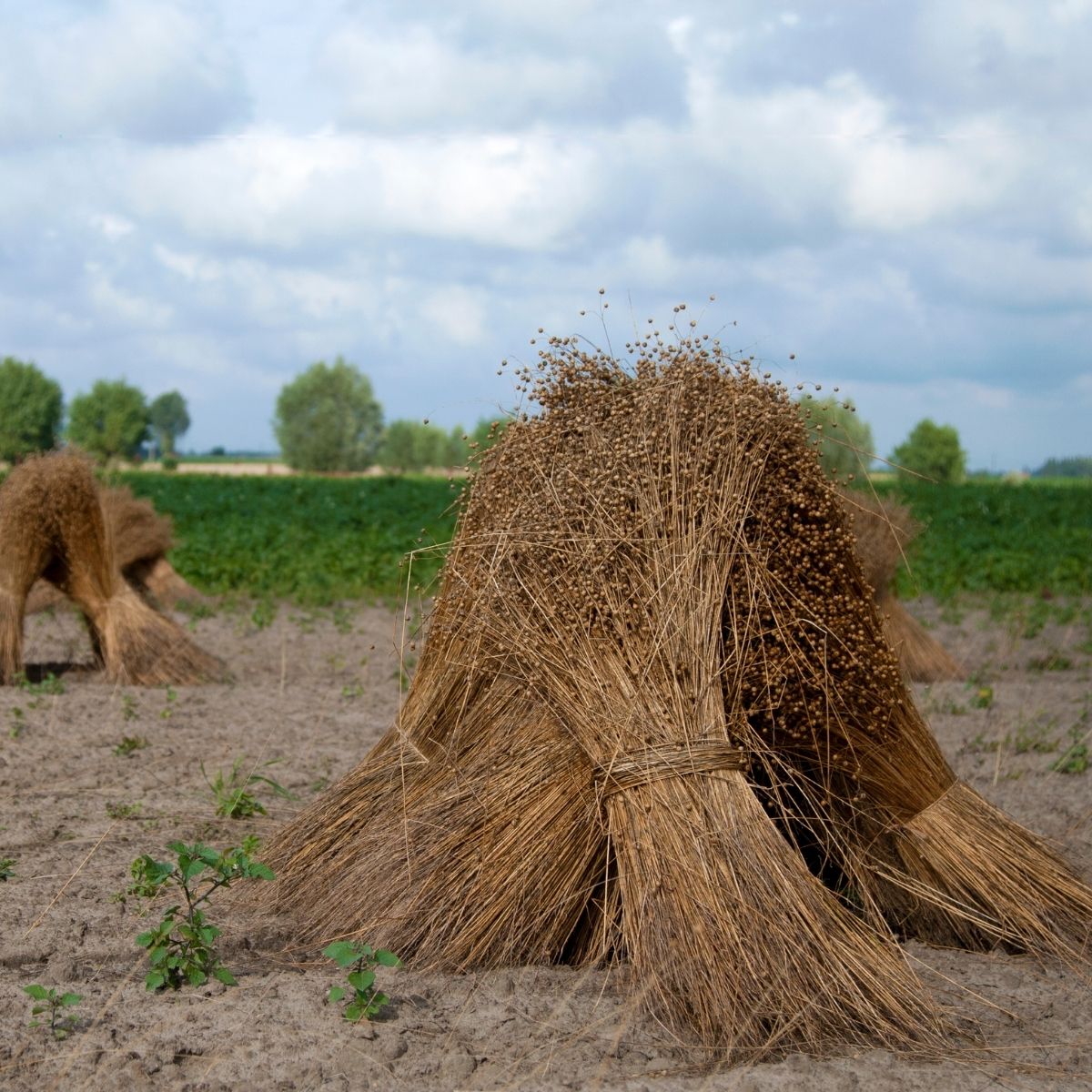
7/The textile industry was of particular importance for the palatial administration of Pylos,since SW Peloponnese seems to have been one of the largest producers of flax in the Mycenaean world.The textile industry was centered on Pylos and Leuktro,the center of Further Providence
8/ It is worth wondering how these women arrived to Pylos, working in the local textile industry. But the solution to the above issue lies in the existence of the word do-e-ra (= female slave) in the Pylos archive, identifying at the same time ➡️
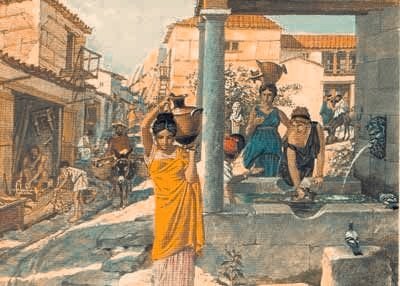
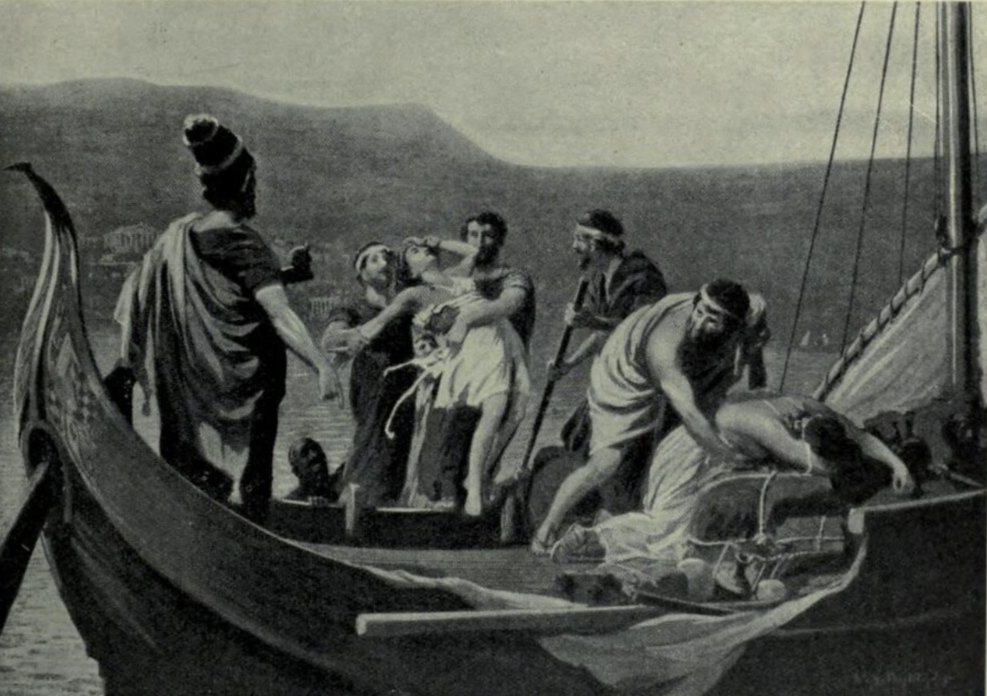
➡️ a large number of slaves under the control of the palace, and suggesting that these women and their children were possibly spoils of Mycenaean raids in their regions of origin. It is very likely that the male population was exterminated during the raid.
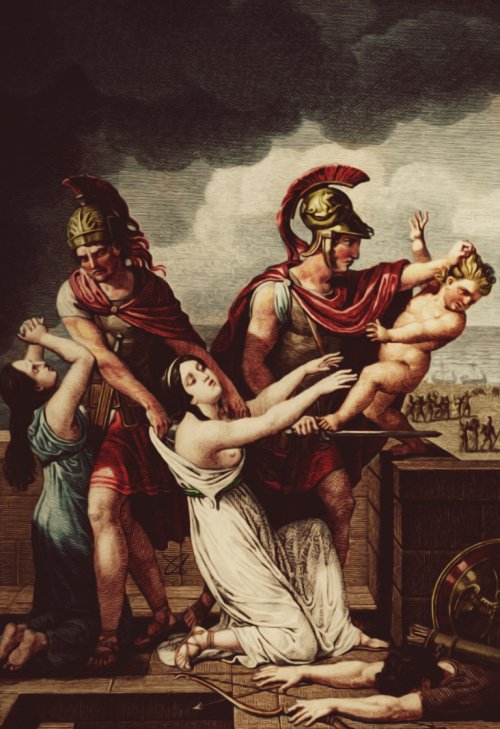
9/ The above scenario is made even stronger by the existence of the word ra-wi-ja-ja, which seems to denote captive women (lawiaiai), from the Homeric word ληιάδες (ληΐη = booty), ➡️
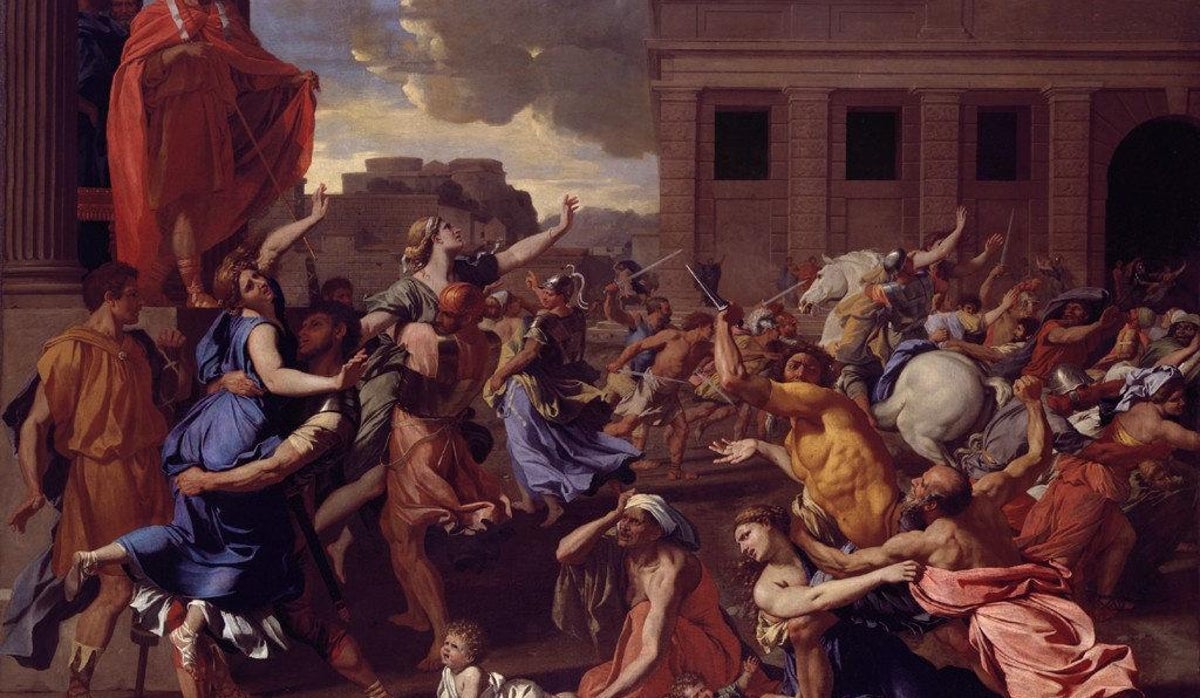
➡️ which refers to the capture of local women on the islands of Lesbos, Skyros and Tenedos, following raids by Achaean warlords.
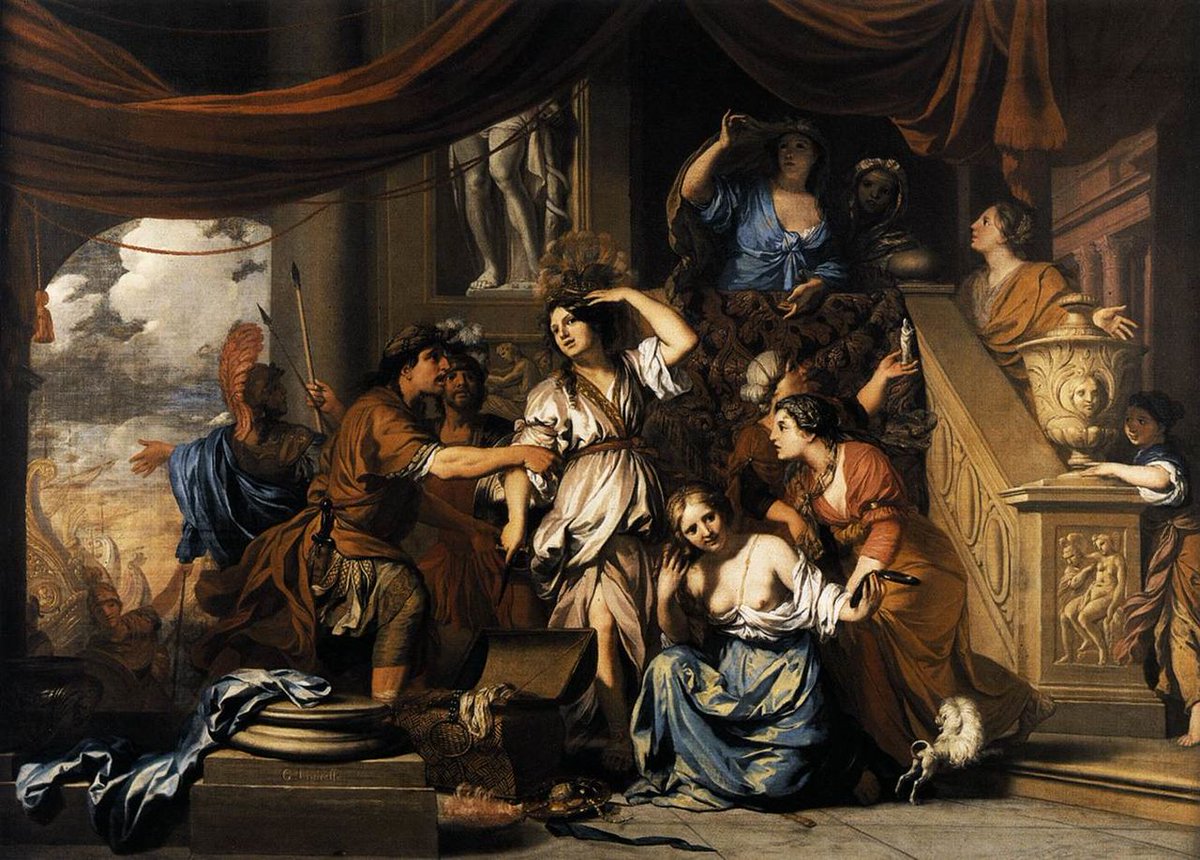
10/ Similar records exist in Sumerian and Hittite texts, where groups of women workers with children are presented, who are classified according to their age, there is supervision by female overseers, while the workers receive better rations.
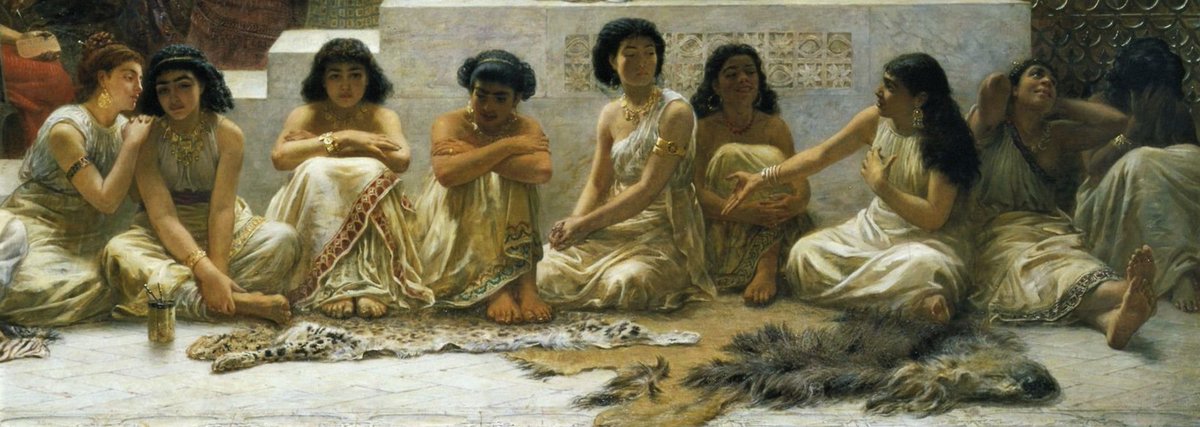
11/ In Mesopotamia, the captives were gathered in special buildings under the supervision of competent officials and were then channeled into work groups under the supervision of overseers, ➡️
➡️ while the men are not mentioned, implying that they either lived separately or had been killed. The Hittites first recorded captives as slaves or booty and then when they undertook duties as laborers or soldiers.
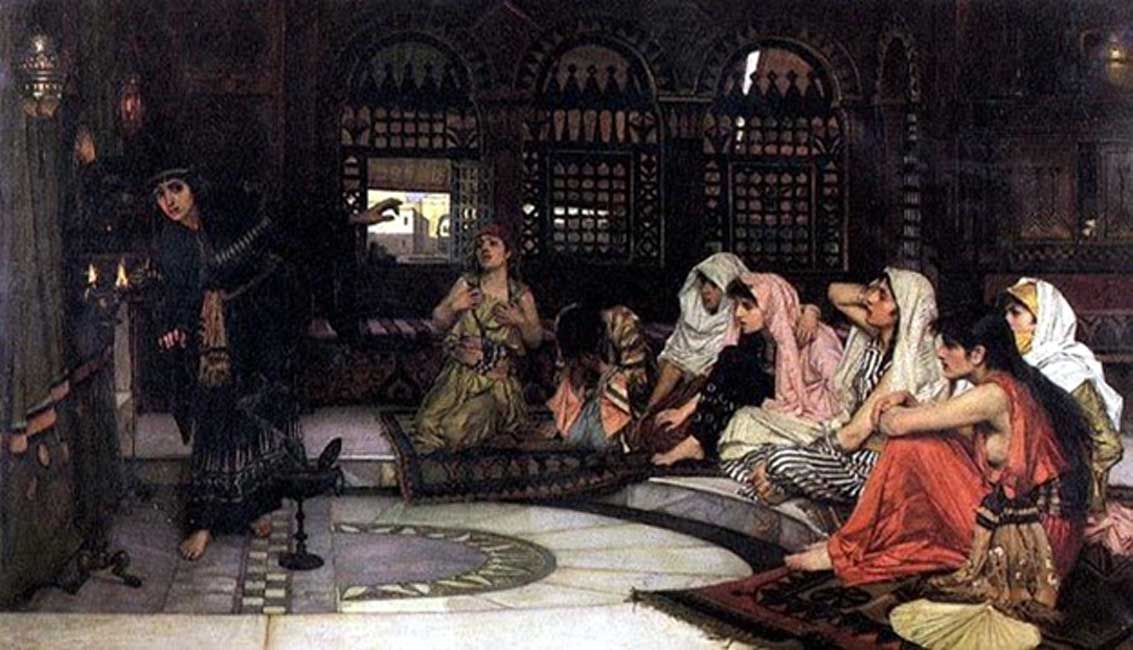
12/ The Mycenaean involvement in Anatolia and the undertaking of military operations against the Hittites and their local vassal rulers presents us with a plausible model of the way in which captive women workers were transported from Anatolia to Pylos. ➡️
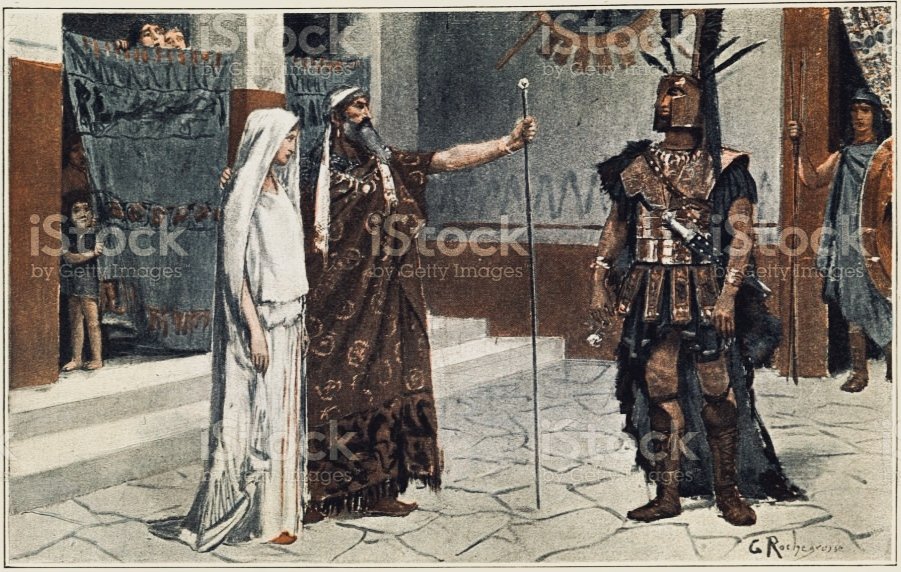
➡️ Pylos must have been a powerful member of the Mycenaean confederation that dominated Anatolia.
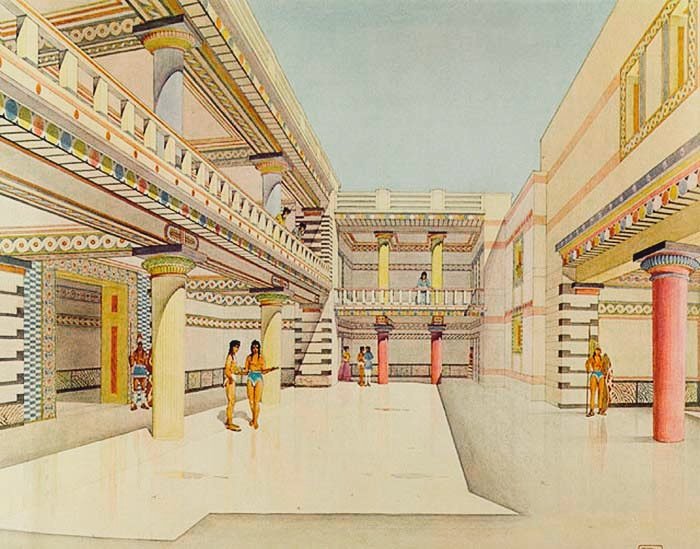
13/ However, I am particularly struck by the fact that the fall of Pylos took place in the period 1190-1180 BC, when the majority of Mycenaean palaces had been destroyed ➡️
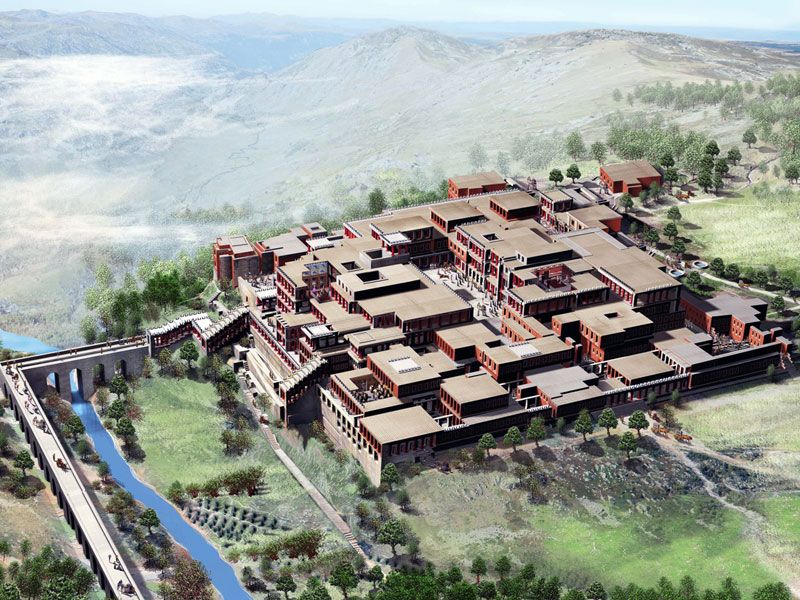
➡️ and yet the palace of Pylos appears to have a considerable number of 600- 700 oarsmen, capable of manning 50 ships, ready for sea raids (?).
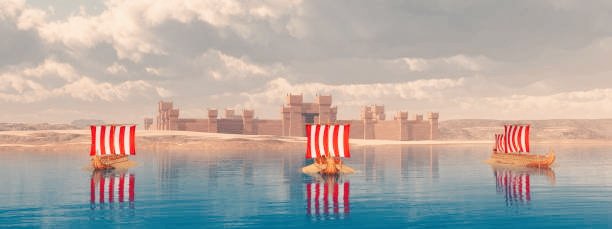
14/ But the raids on islands and coastal areas were not the only way to acquire slaves. The existence of slave markets in the Anatolian region is attested, ➡️
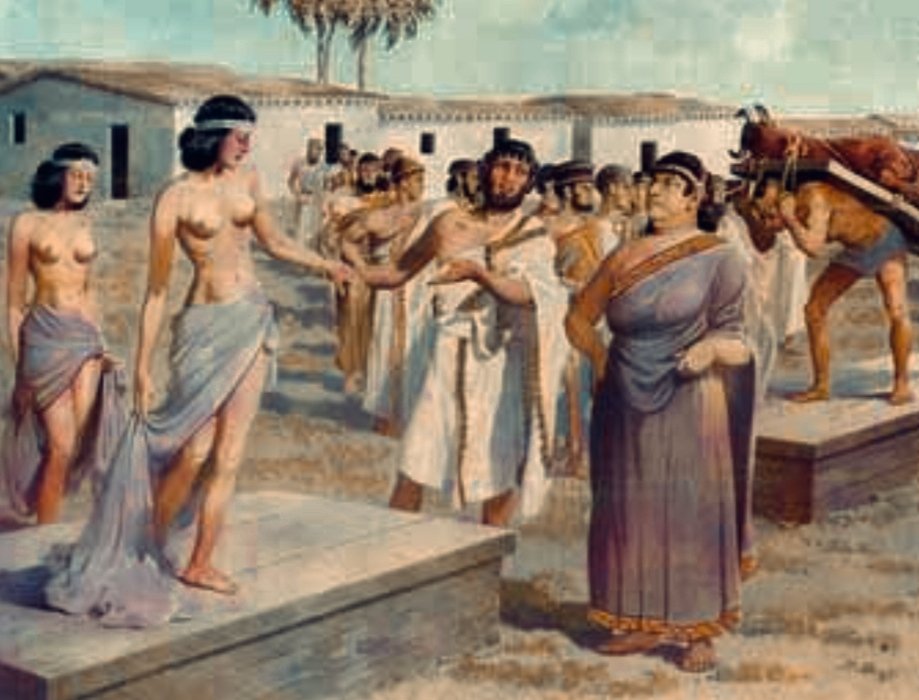
➡️ with the Mycenaean stronghold of Miletus have had been a potential hub for slave traffic from the surrounding area. In a Hittite text (KBo XII 42), it is mentioned that one of the goods traded by the merchants of the city of Ura were the slaves.
15/Although it's not clear whether the slave trade was a legal activity in Hittite territory or whether local or foreign slave traders were employed in this activity,what is certain is that the slave trade was a common practice in which LH IIIB2/C1 Pylos might well have involved.
16/ However, the strange thing is that Anatolian women are not limited to workers of textile industry or maids. In an interesting tablet (PY Ep 705), it is mentioned that a Pylian village (damos) leased estates ➡️
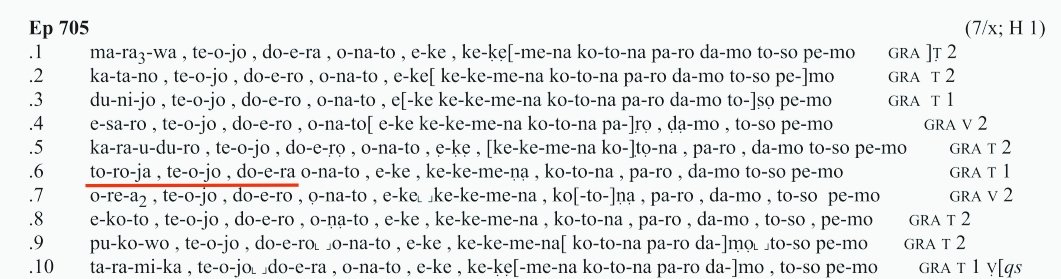
➡️ to a number of slaves of some deity (te-o-jo), which although not mentioned may be related to the Potnia of Asia, while the female slaves are of Trojan origin (to-ro-ja).
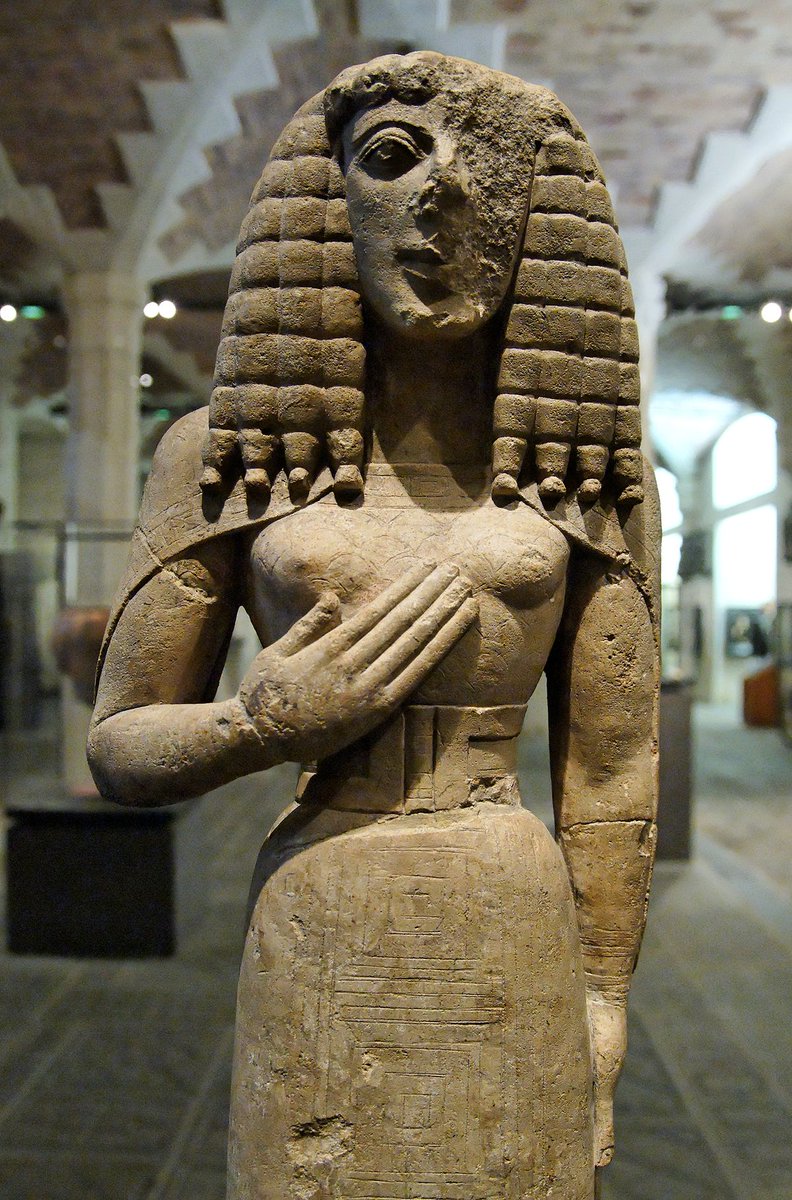
17/ The Potnia of Asia, as well as the Mother Goddess, are two very important deities for the cult community of Pylos, if we judge from the important offerings they receive. Thus we are tempted to note that ➡️
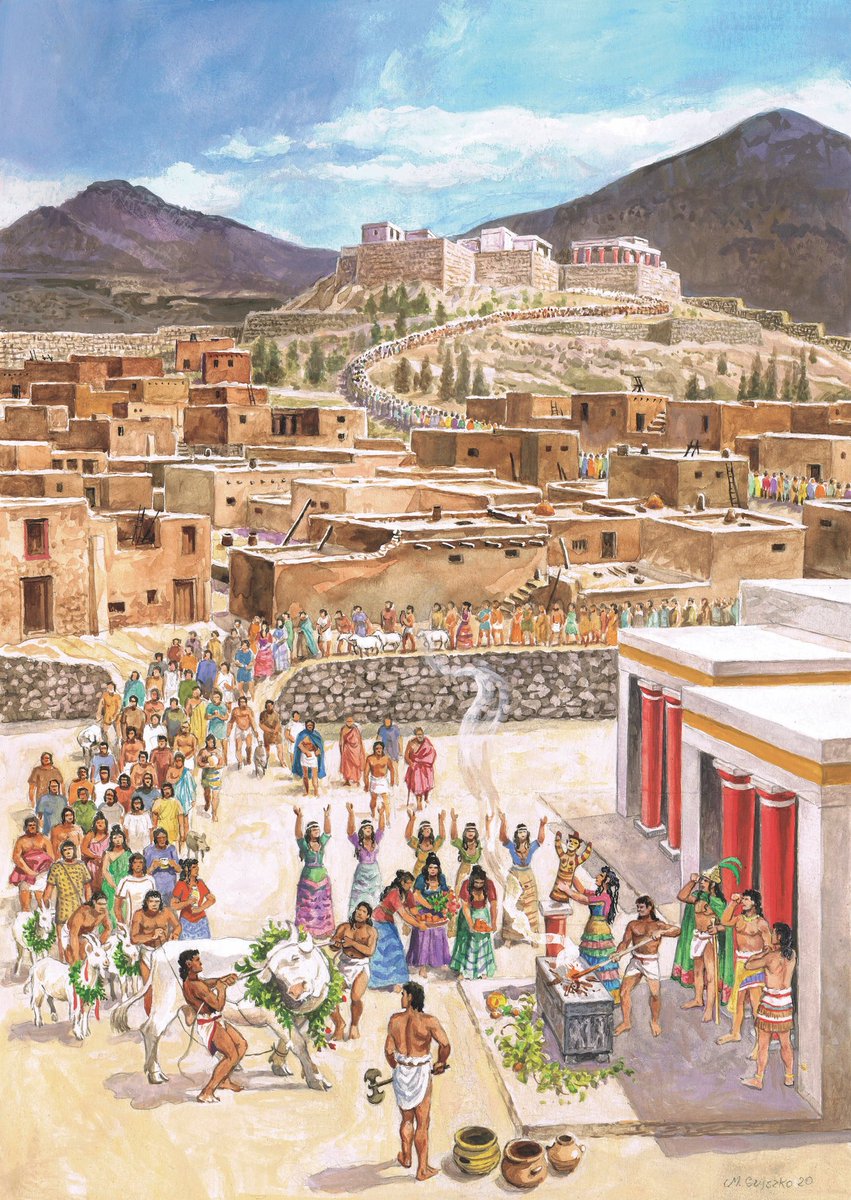
➡️ Potnia of Asia (Assuwa) may have been a religious loan from the region of NW Anatolia and that the role of Trojan slaves (servants), who have a common place of origin with the deity, perhaps it had some particularity in relation to the marginal position of Anatolian workers.
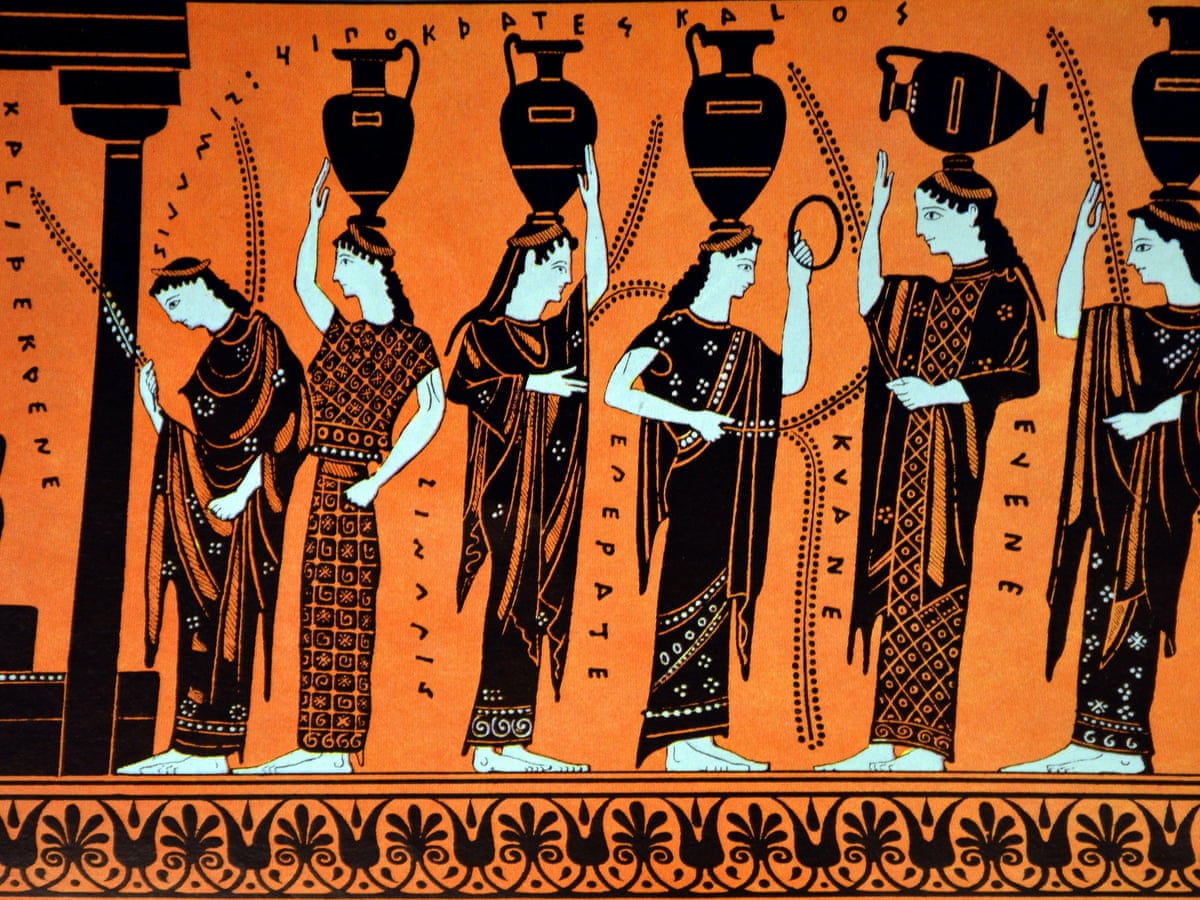
18/ Be that as it may, the existence of Anatolian women in the palatial texts of Pylos reinforces the interaction of the Mycenaean Aegean with Hittite Anatolia, ➡️
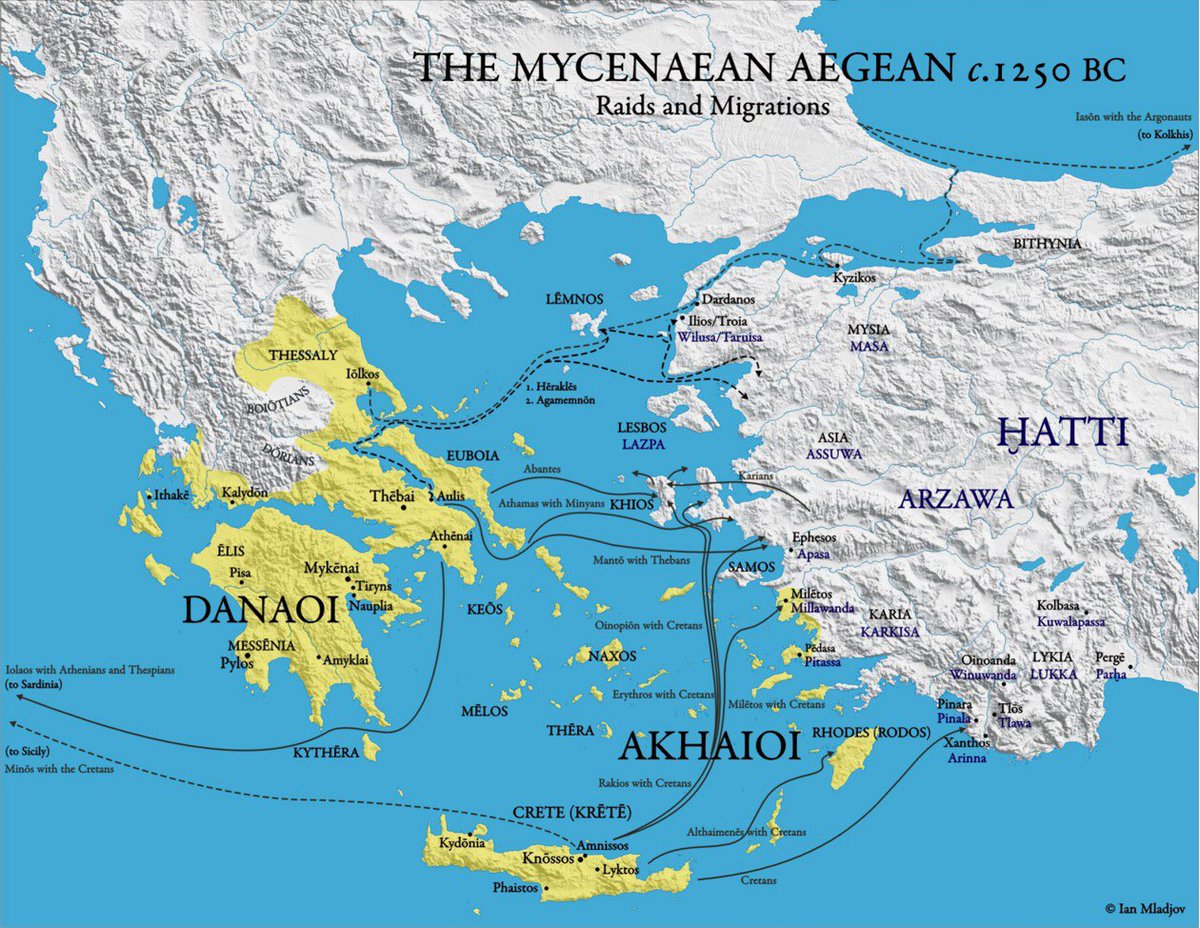
➡️ substantiates the view of the Mycenaean warlords as plundering raiders, as well as attests to the existence of an economic model where the cheap slave labor was present.
Loading suggestions...