

The 2001 collapse of Enron was a fatal hit to elite control of politics.
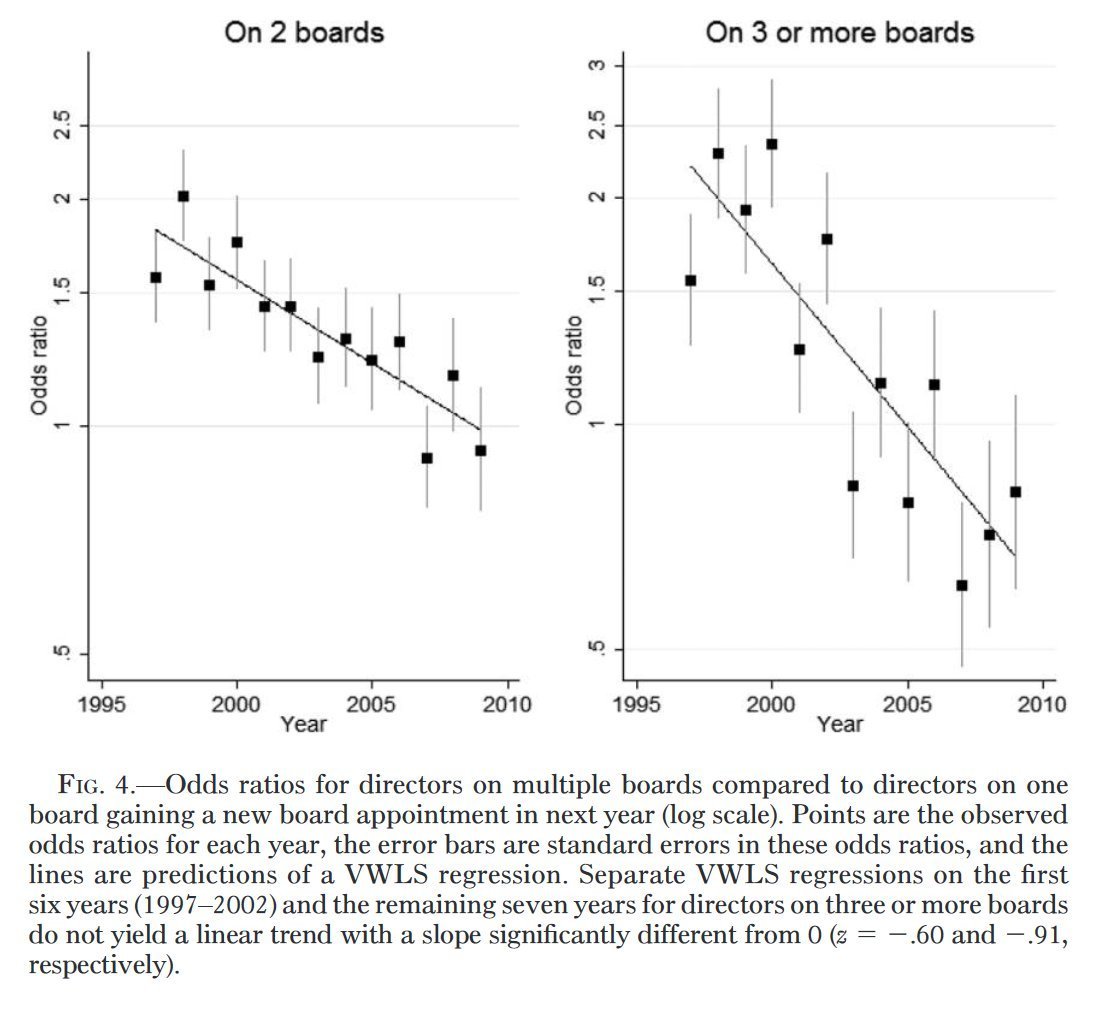
It led to the Sarbanes-Oxley Act, which made sitting on many corporate boards hard. The "old boys network" was built on board interlocks.
100 directors sat on 5+ major boards in 1974, now only one does. 1/
It led to the Sarbanes-Oxley Act, which made sitting on many corporate boards hard. The "old boys network" was built on board interlocks.
100 directors sat on 5+ major boards in 1974, now only one does. 1/
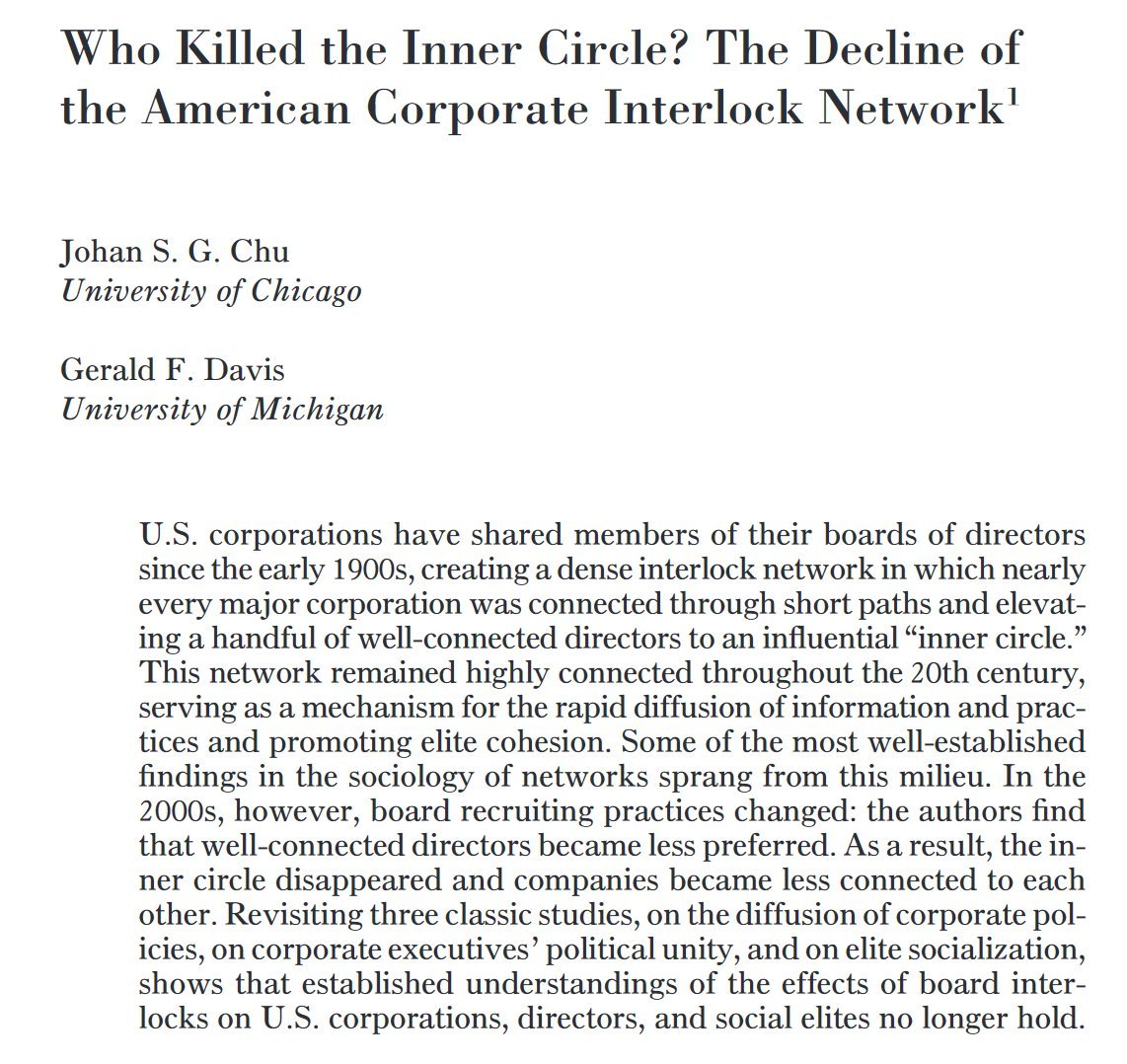
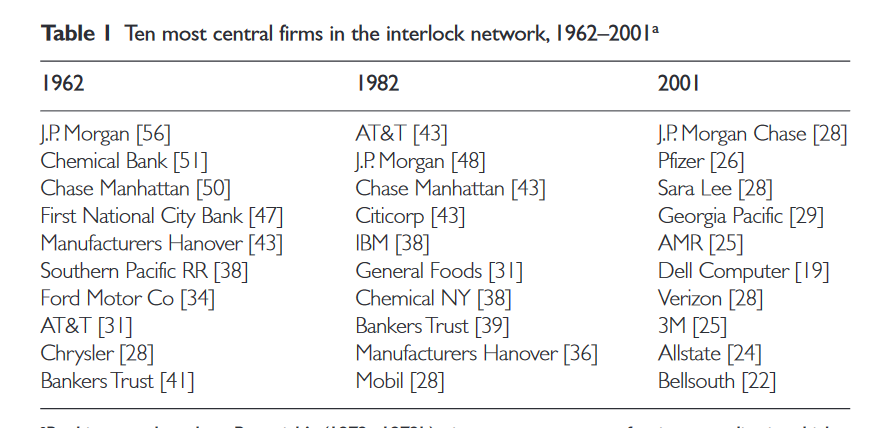
These board interlocks were the way elites coordinated with each other and ensured they had mutual interests for the past 100+ years.
A small set of corporate & social elite would sit on boards of charities, foundations, and companies, and rotate in and out of government. 2/
A small set of corporate & social elite would sit on boards of charities, foundations, and companies, and rotate in and out of government. 2/

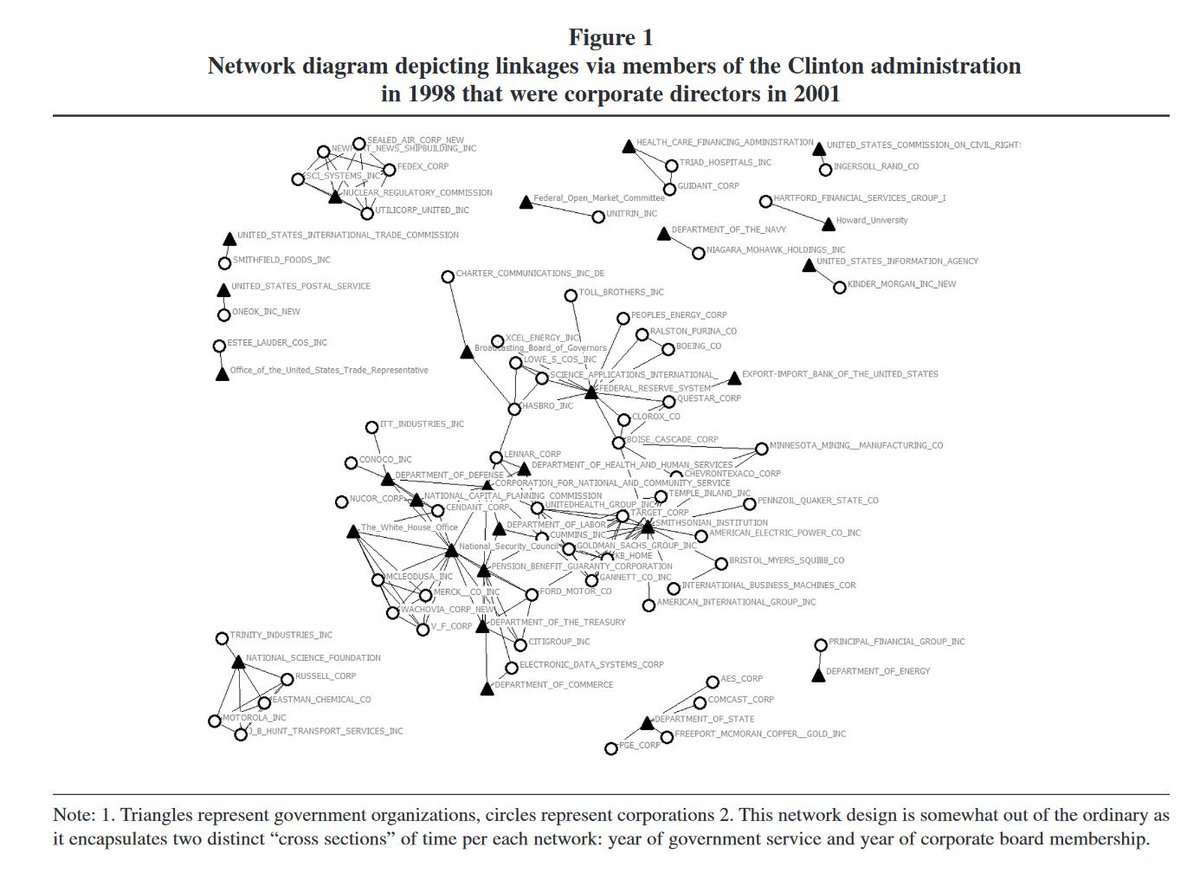
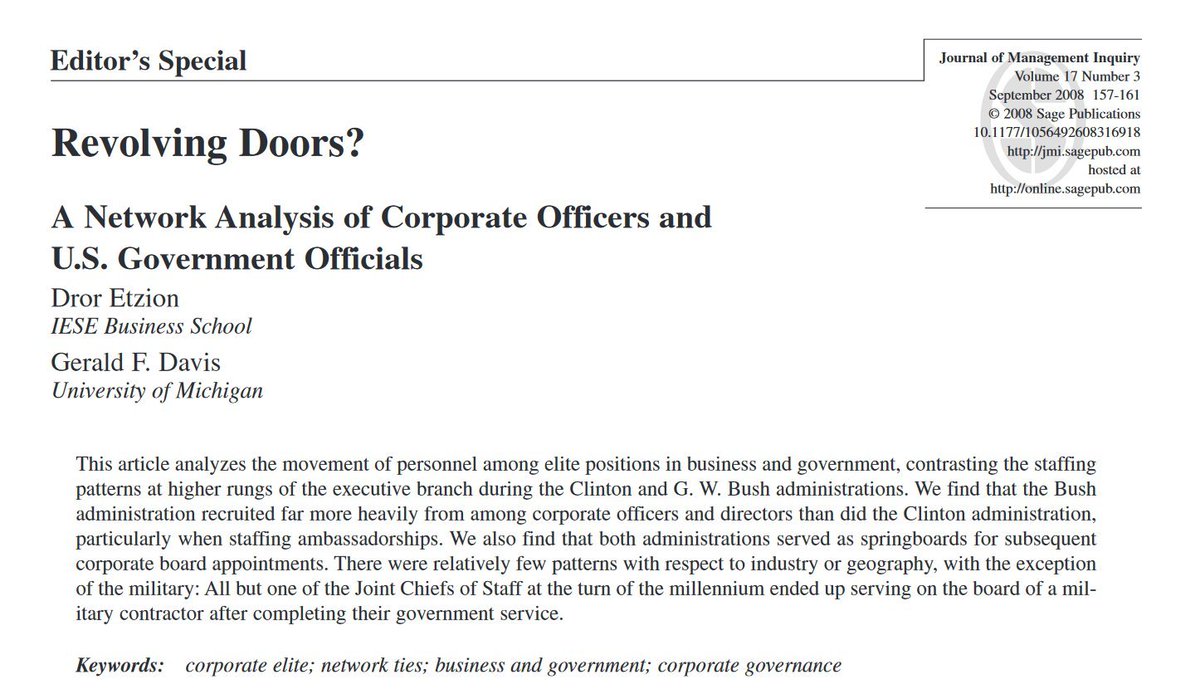
Powerful business people still have tremendous influence, of course, but it is no longer coordinated influence.
Scholars have argued that, with the end of a common elite consensus, individual business people now use their influence in much less moderated ways than before. 3/
Scholars have argued that, with the end of a common elite consensus, individual business people now use their influence in much less moderated ways than before. 3/
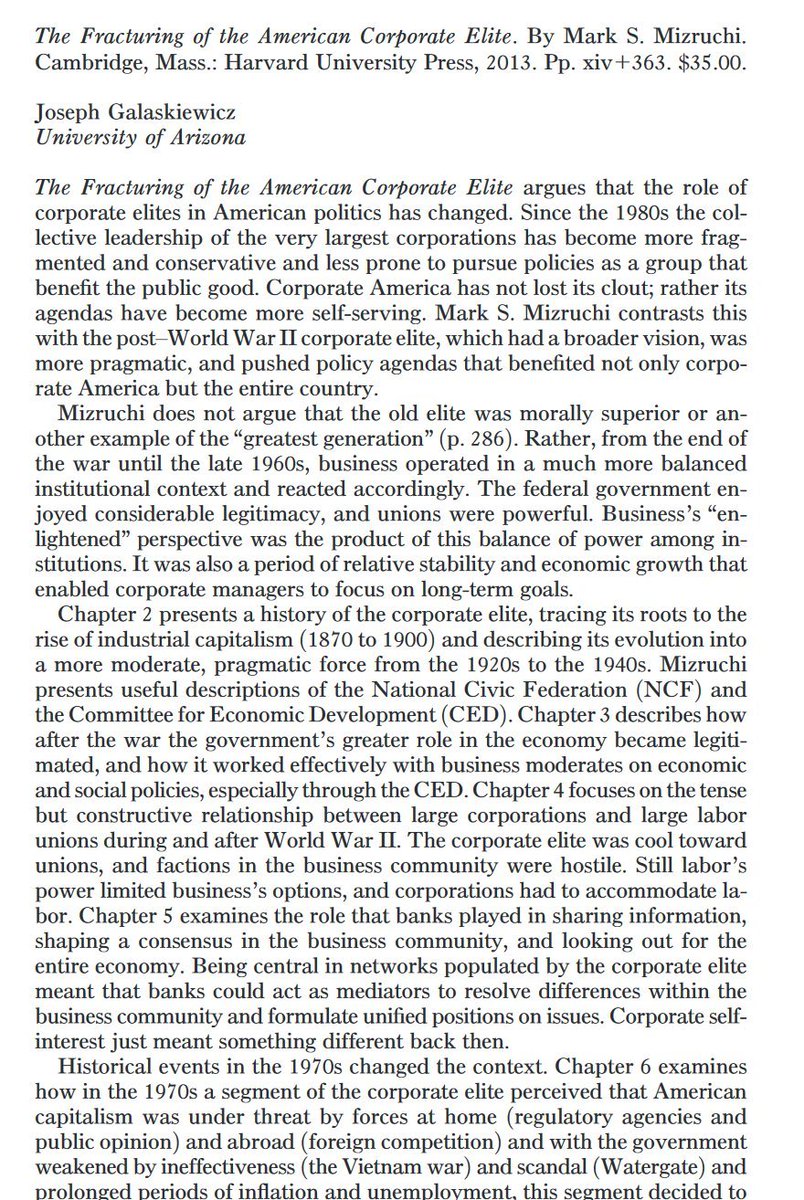
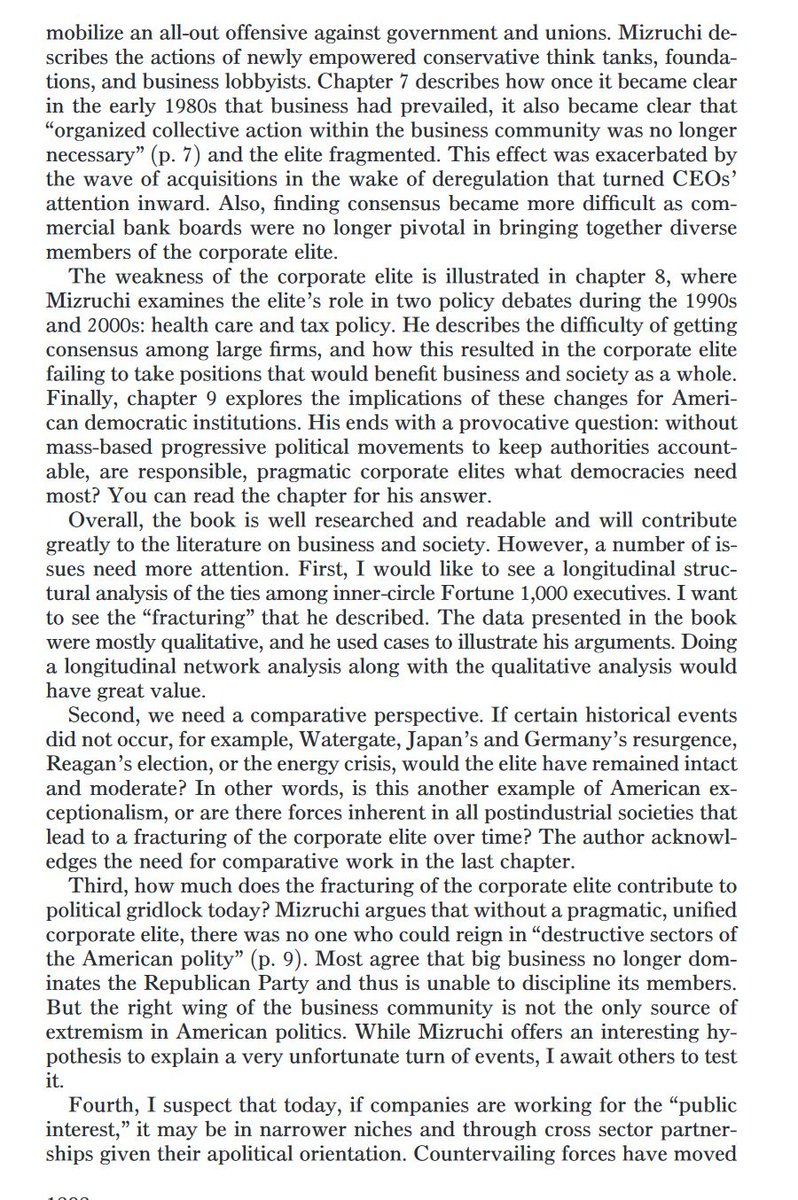
The decline of the old elite is a huge change, and one of the underlying reasons why politics has become more extreme in the US, and the status quo less sacred.
This summary of the research (by the authors of the first paper in the thread) is accessible: theconversation.com
This summary of the research (by the authors of the first paper in the thread) is accessible: theconversation.com
Just to show how old the "Old Boys Network" was before its recent decline, Louis Brandeis wrote a book about interlocks in 1914 (prior to his tome on the Supreme Court ). His famous quote on transparency: "Sunlight is said to be the best of disinfectants" comes from that book.

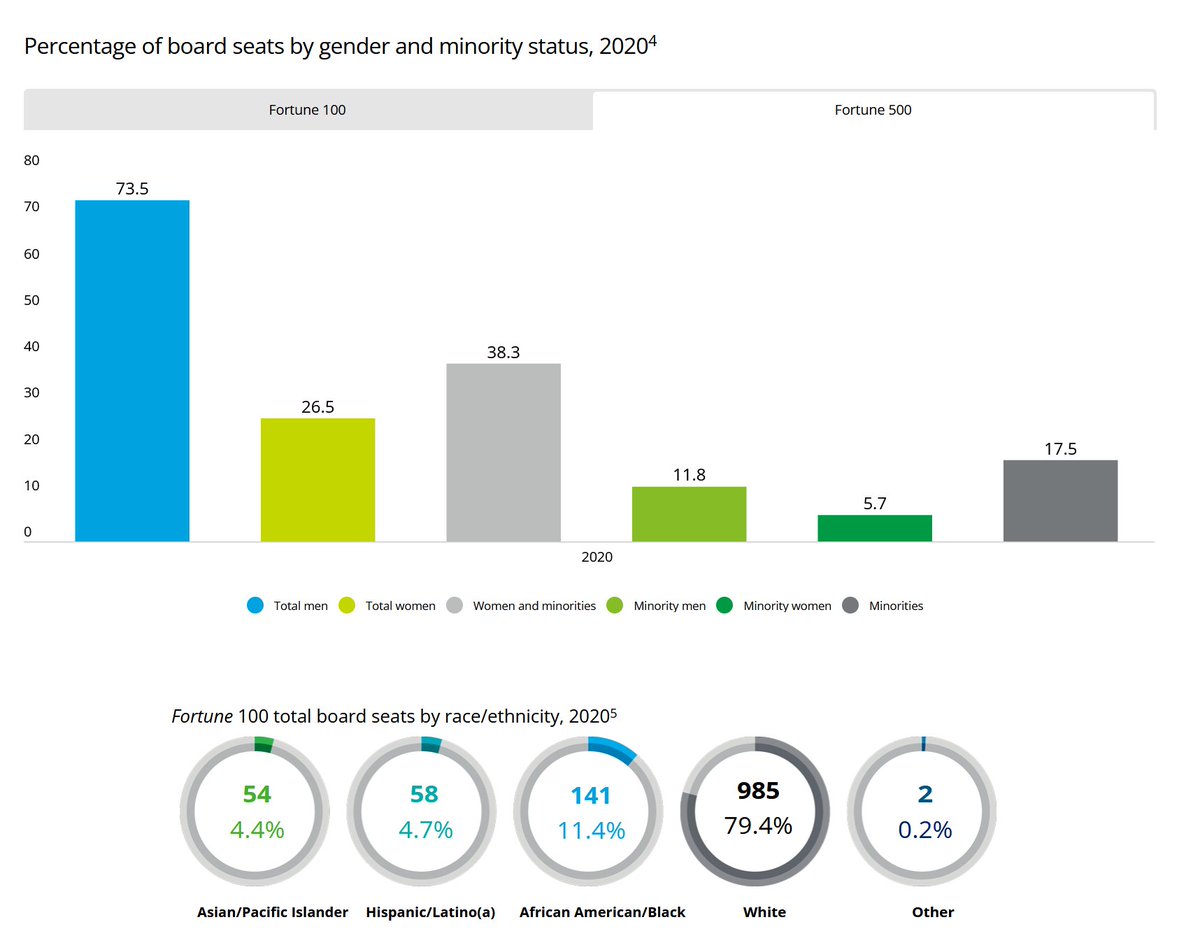
Needless to say, for something called the Old Boy's Network, the elites were very exclusionary. Jewish board members and female board members were rare until the 1970s, Black & Hispanic board members until the 1980s. (Boards are still not very diverse.) www2.deloitte.com
Also being on boards used to be fun: “In most cases, the board does not represent a director’s primary job, and they perceive their board work as “giving back.” As such, directors seek and highly value having a positive experience from their board service” corpgov.law.harvard.edu
Loading suggestions...