

How to restore fertility.
A thread.
A thread.

Standard disclaimer that this does not constitute medical advice.
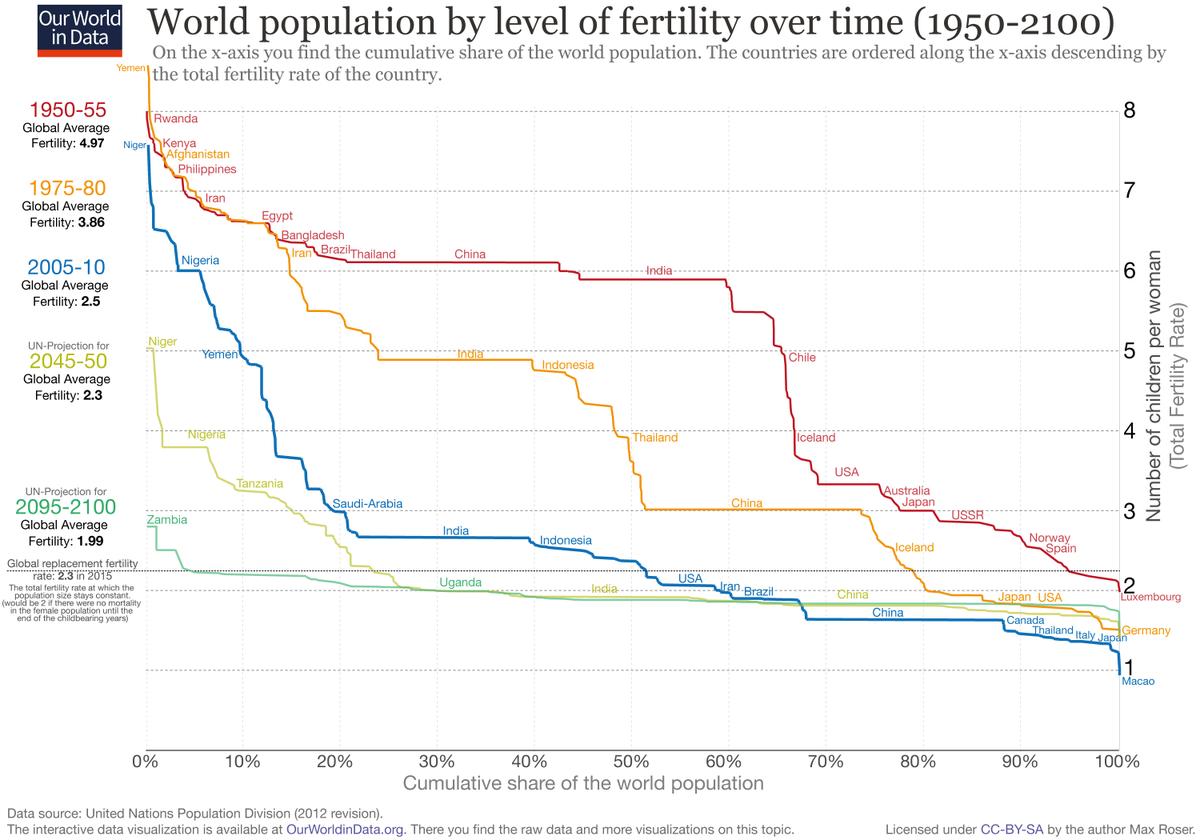
For the last 70 years, fertility rates have decreased worldwide with a total over 50% (52.4%) decline.
It is also estimated that between 60 million to 80 million couples in the world are infertile.
For the last 70 years, fertility rates have decreased worldwide with a total over 50% (52.4%) decline.
It is also estimated that between 60 million to 80 million couples in the world are infertile.
If you follow the curve of sperm decline meta analysis, it predicts that by 2045 we will have a median sperm count of zero.
We live in so many toxins and are malnourished to the point that rats would've become infertile in just weeks in a lot of cases.
We live in so many toxins and are malnourished to the point that rats would've become infertile in just weeks in a lot of cases.

The most common causes of infertility in today’s society seem to be the following and are all of equal importance.
Number 1: Estrogen dominance
Animals that were given larger doses of estrogen during youth become prematurely infertile.
Number 1: Estrogen dominance
Animals that were given larger doses of estrogen during youth become prematurely infertile.
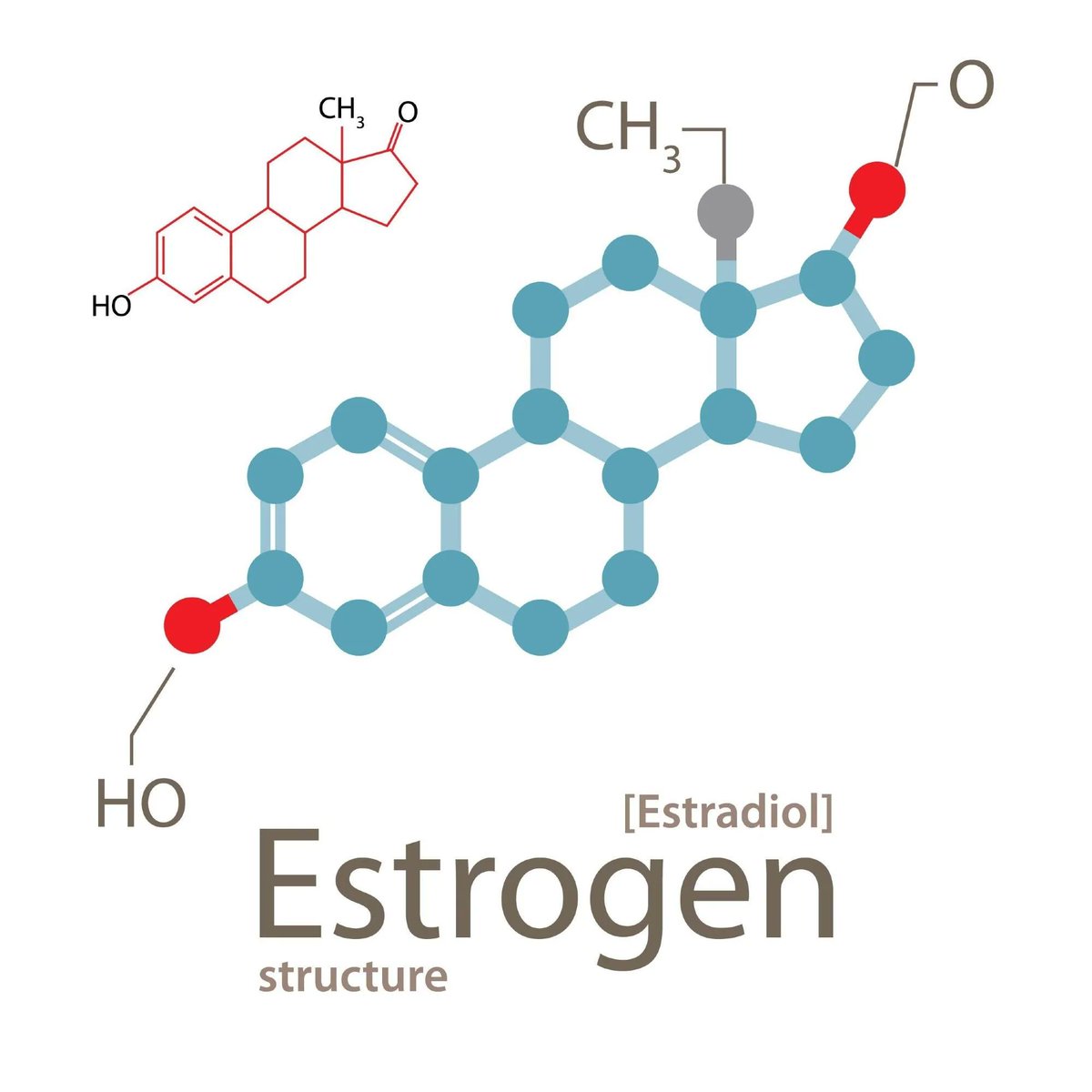
Estrogen also work against progesterone synthesis which is crucial when it comes to fertility for women but also for men.
Without enough progesterone in your system you can not conceive.
Nowadays estrogens are hidden everywhere with the main sources of them being
Without enough progesterone in your system you can not conceive.
Nowadays estrogens are hidden everywhere with the main sources of them being
xenoestrogens and phytoestrogens.
Xenoestrogens cause an endless list of problems in today's society besides infertility such as many forms of cancer and neurodevelopmental delays in children.
Xenoestrogens are estrogen mimicking compounds which are not produced by your body
Xenoestrogens cause an endless list of problems in today's society besides infertility such as many forms of cancer and neurodevelopmental delays in children.
Xenoestrogens are estrogen mimicking compounds which are not produced by your body
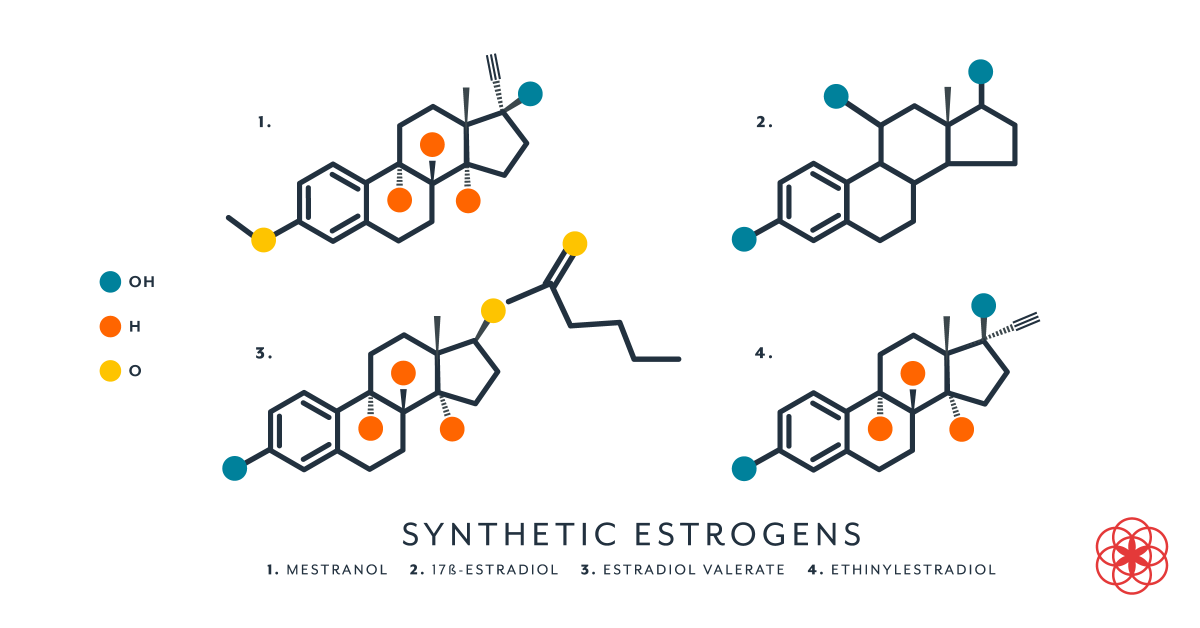
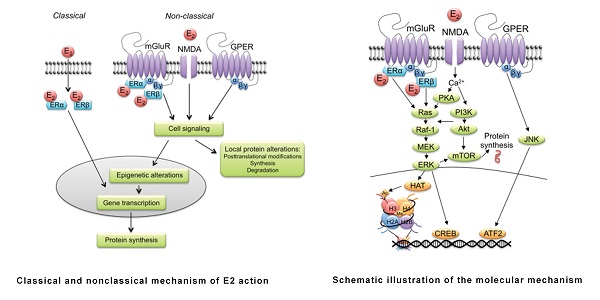
and are structurally or functionally related to human sex hormone 17β-estradiol and bind the estrogen receptors.
Their metabolites are also known to be involved in the pathogenesis of cancerous illness of breast, uterus, ovary, testicle, prostate and kidney.
Their metabolites are also known to be involved in the pathogenesis of cancerous illness of breast, uterus, ovary, testicle, prostate and kidney.
So what should you do?
First of all recognise the things that you should avoid.
These are:
1)PUFAs
2)Plastic (it does not matter if it is BPA free if it has BPS)
3)No fragrances
4)No triclosan
5)No parabens
6)No PFAS/PFCS
7)No birth control pills
First of all recognise the things that you should avoid.
These are:
1)PUFAs
2)Plastic (it does not matter if it is BPA free if it has BPS)
3)No fragrances
4)No triclosan
5)No parabens
6)No PFAS/PFCS
7)No birth control pills
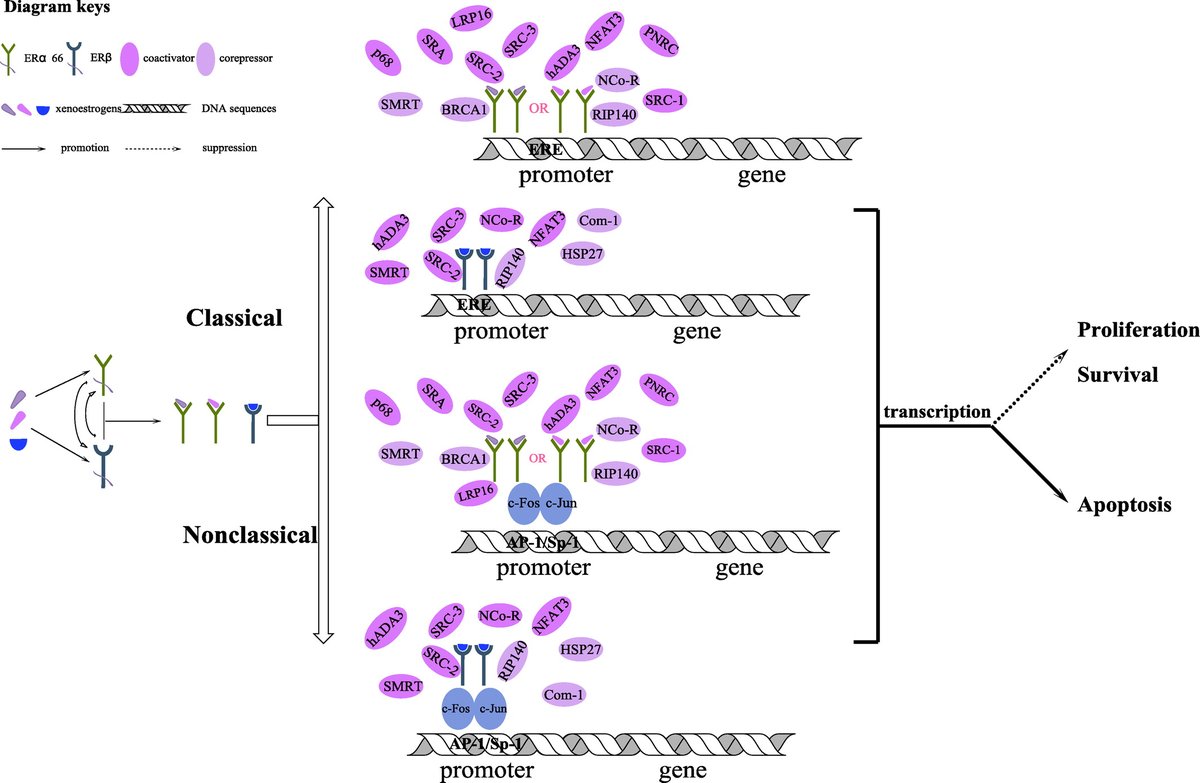
So you basically need to get rid of all the toxic feeled shampoos , moisturizers , sunscreens, fragrances, toothpastes, shaving creams, cleaning products, polyester clothes and underwear and also all non-stick coatings as well.
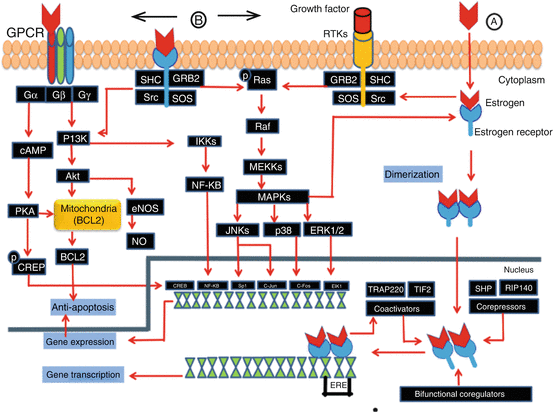
Here are some natural alternatives to all of these:
1)Mineral based sunscreens and deodorants.
2)Olive oil soap.
3)Aloe vera.
4)Coconut oil.
5)For a quick toothpaste recipe try mixing aluminum free baking soda, sea salt and coconut oil or even liquid magnesium.
1)Mineral based sunscreens and deodorants.
2)Olive oil soap.
3)Aloe vera.
4)Coconut oil.
5)For a quick toothpaste recipe try mixing aluminum free baking soda, sea salt and coconut oil or even liquid magnesium.
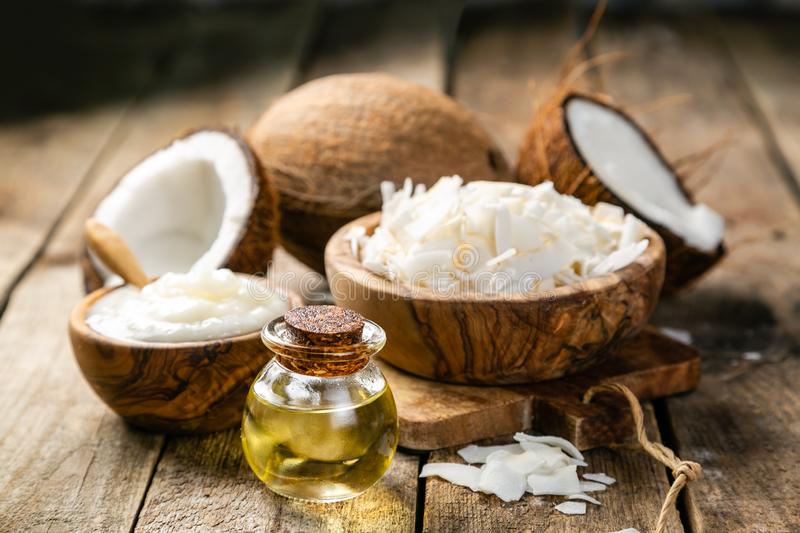
6)ACV for cleaning.
7)Glass “tupperware”.
8)Old school skillets.
9)Stick to clothes made out of cotton and wool.
Now here's how to detox from xenoestrogens in order to help restore and improve fertility.
7)Glass “tupperware”.
8)Old school skillets.
9)Stick to clothes made out of cotton and wool.
Now here's how to detox from xenoestrogens in order to help restore and improve fertility.
1. Avoid as many sources of xenoestrogen as you can and switch to replace them with natural alternatives.
2. Sweat in the sauna 2-3 times a week in order to detox from endocrine disruptors like phthalates and BPA.
3. Try to incorporate some mild natural aromatase inhibitors
2. Sweat in the sauna 2-3 times a week in order to detox from endocrine disruptors like phthalates and BPA.
3. Try to incorporate some mild natural aromatase inhibitors

in your diet such as:
-Citrus fruits (or anything that contains naringenin)
-Chamomile
-Olive oil
-Palm kernel oil
-Mushrooms
4. Get enough beta carotene and vitamin A from whole foods such as pumpkin, carrots and beef liver since retinol can aid in bisphenol-A detoxification.
-Citrus fruits (or anything that contains naringenin)
-Chamomile
-Olive oil
-Palm kernel oil
-Mushrooms
4. Get enough beta carotene and vitamin A from whole foods such as pumpkin, carrots and beef liver since retinol can aid in bisphenol-A detoxification.
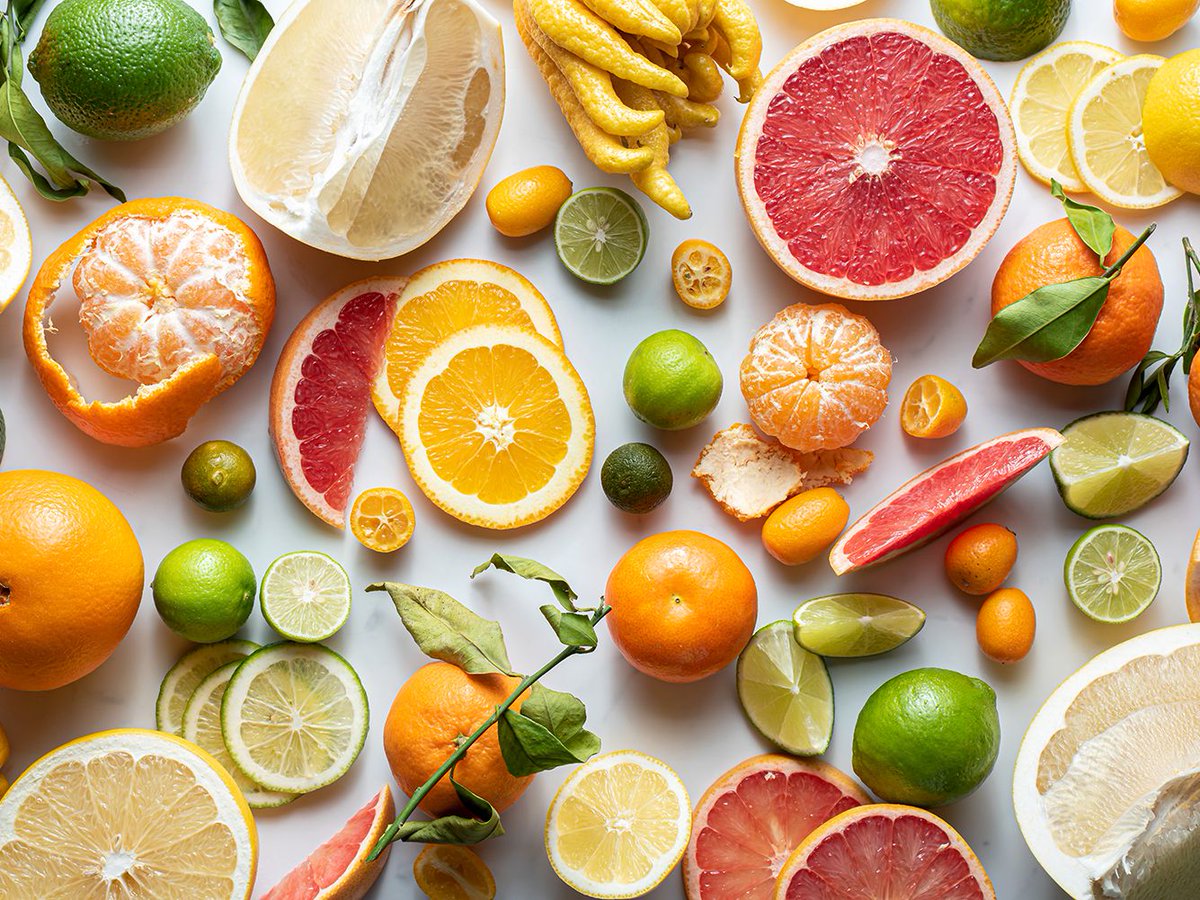
5. Increase your fiber intake from sources such as raw carrots in between meals since excess xenoestrogen binds to fiber and is eliminated through the bathroom.
6. Don’t forget that you can support liver detoxification either with milk thistle.
6. Don’t forget that you can support liver detoxification either with milk thistle.
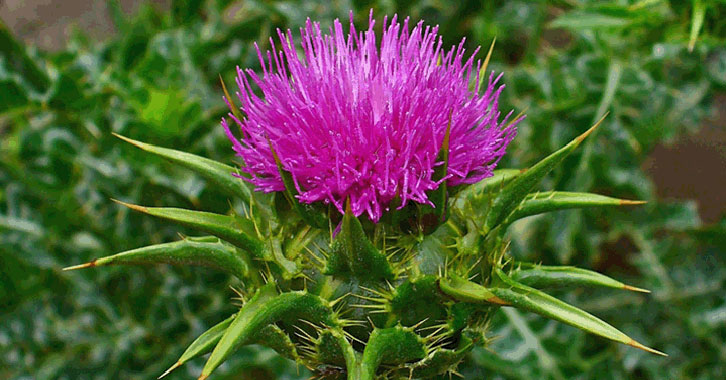
7. Don’t skip the free range egg yolks and quality meats also since B vitamins and choline are crucial for your liver’s detoxification processes.
8. Activated charcoal that binds to xenoestrogens and dead bacteria besides endotoxins.
Do not take more than 1-3 grams.
8. Activated charcoal that binds to xenoestrogens and dead bacteria besides endotoxins.
Do not take more than 1-3 grams.
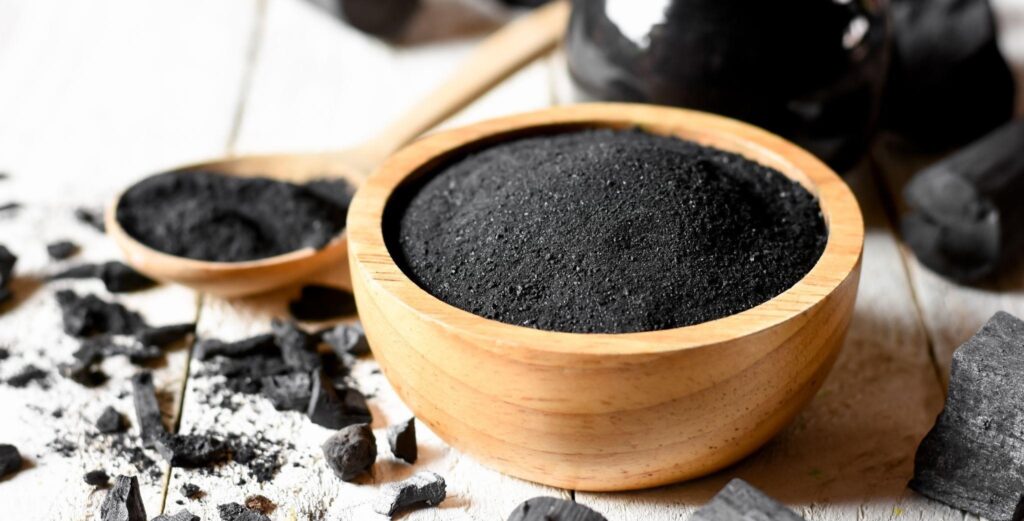
9. Up the anti-estrogenic compounds such as the fat soluble vitamins K2 and E.
(Grass fed ghee/butter and palm kernel oil, EVOO).
Phytoestrogens are present in certain edible plants being most abundant in soy, they are structurally and functionally analogous to the estrogen
(Grass fed ghee/butter and palm kernel oil, EVOO).
Phytoestrogens are present in certain edible plants being most abundant in soy, they are structurally and functionally analogous to the estrogen
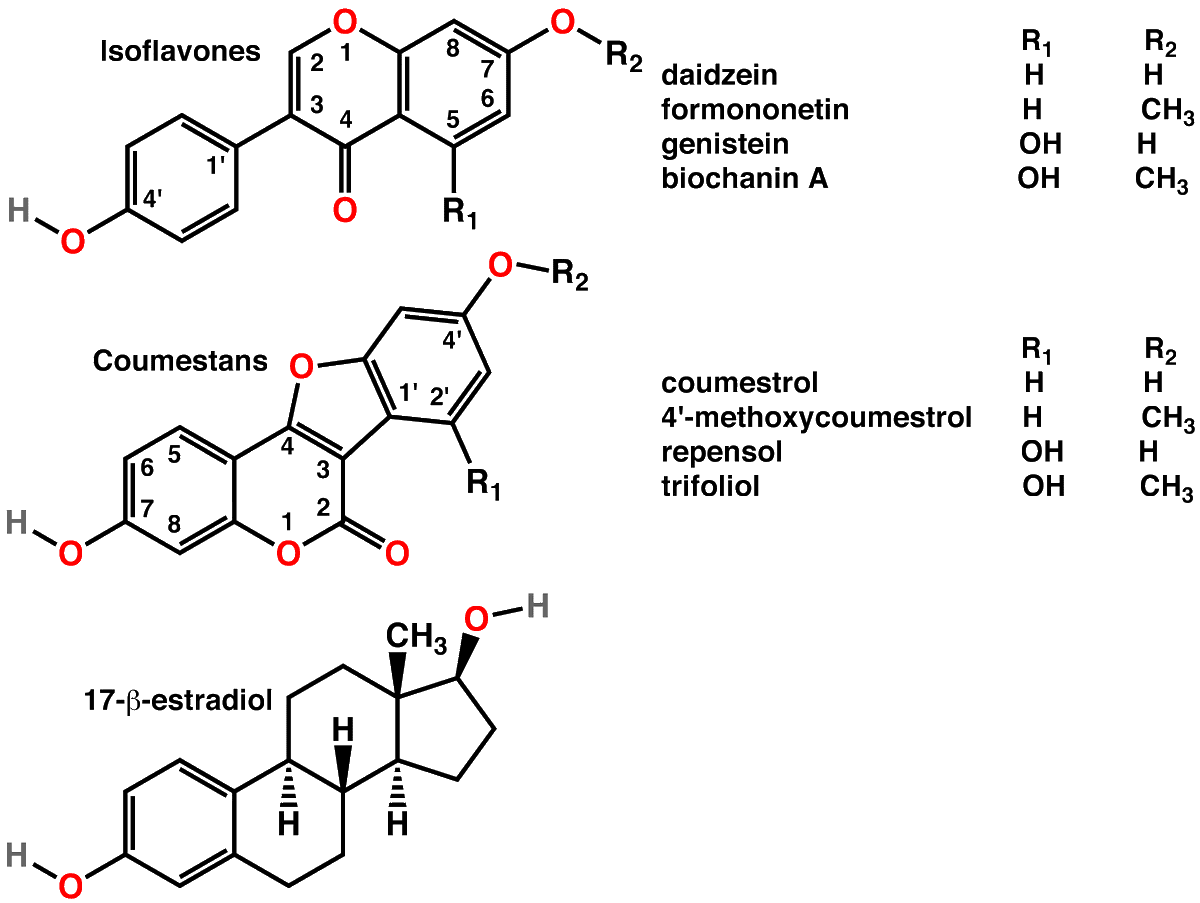
and have also been classified as endocrine disruptors.
Phytoestrogens can stimulate SHBG synthesis in liver cells and displace either 17β-estradiol or testosterone from plasma SHBG.
What you should avoid most :
- Soy/Soy products
- Flax
- Tempeh
- Sesame seeds
- Beer
Phytoestrogens can stimulate SHBG synthesis in liver cells and displace either 17β-estradiol or testosterone from plasma SHBG.
What you should avoid most :
- Soy/Soy products
- Flax
- Tempeh
- Sesame seeds
- Beer
Number 2: Pesticides and herbicides
Some of the worst fertility disrupters are organochlorine compounds such as chlorinated pesticides plus organophosphate pesticides and herbicides.
Exposure to these pesticides can decrease sperm health in a matter of weeks and these are in
Some of the worst fertility disrupters are organochlorine compounds such as chlorinated pesticides plus organophosphate pesticides and herbicides.
Exposure to these pesticides can decrease sperm health in a matter of weeks and these are in

99% of today's foods.
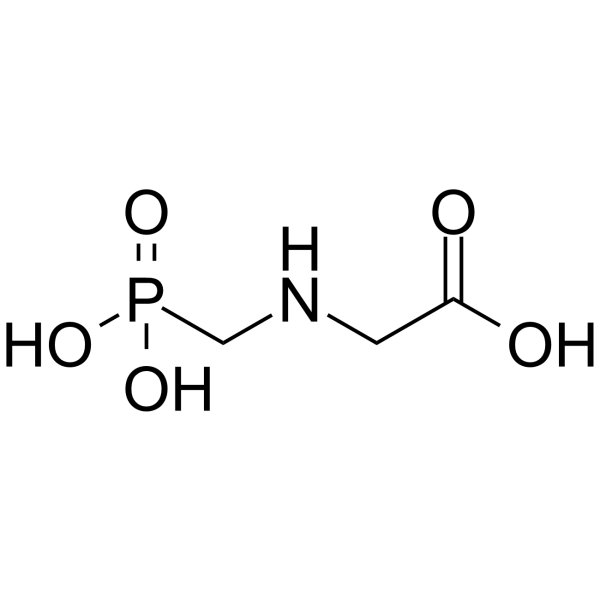
Glyphosate (health Twitter's favorite herbicide) over activates TET enzymes which are responsible for removing methyl groups which can adversely affect fertility and pregnancy outcome.
So what you should avoid and what you should do:
Glyphosate (health Twitter's favorite herbicide) over activates TET enzymes which are responsible for removing methyl groups which can adversely affect fertility and pregnancy outcome.
So what you should avoid and what you should do:
1)No grains
2)Always peel your fruit
3)Stick to organic if you can and if you can not, minimize the vegetables that you consume
4)Get in the sauna
5)Use binder such as apple pectins and activated charcoal
6)No nuts, nut butters or nut "milks"
7)No tap water
2)Always peel your fruit
3)Stick to organic if you can and if you can not, minimize the vegetables that you consume
4)Get in the sauna
5)Use binder such as apple pectins and activated charcoal
6)No nuts, nut butters or nut "milks"
7)No tap water
Which brings us to the number 3 cause of infertility: Tap water and i wish i was kidding.
Tap water is filled with:
1)Choline which destroys the thyroid (which can lead to lower levels of progesterone and once again fertility problems).
2)Sodium fluoride which is a powerful
Tap water is filled with:
1)Choline which destroys the thyroid (which can lead to lower levels of progesterone and once again fertility problems).
2)Sodium fluoride which is a powerful

calcium chelator and displaces iodine.
3)Heavy metals
4)Birth control pills and medication
5)Atrazine which even in very small doses in pregnant women causes: the babies to grow more slowly than normal, birth defects, liver, kidney, and heart damage.
6)Phosphates
7)Dioxins
3)Heavy metals
4)Birth control pills and medication
5)Atrazine which even in very small doses in pregnant women causes: the babies to grow more slowly than normal, birth defects, liver, kidney, and heart damage.
6)Phosphates
7)Dioxins
8)Herbicides and pesticides
So invest in a good water filter as soon as you can
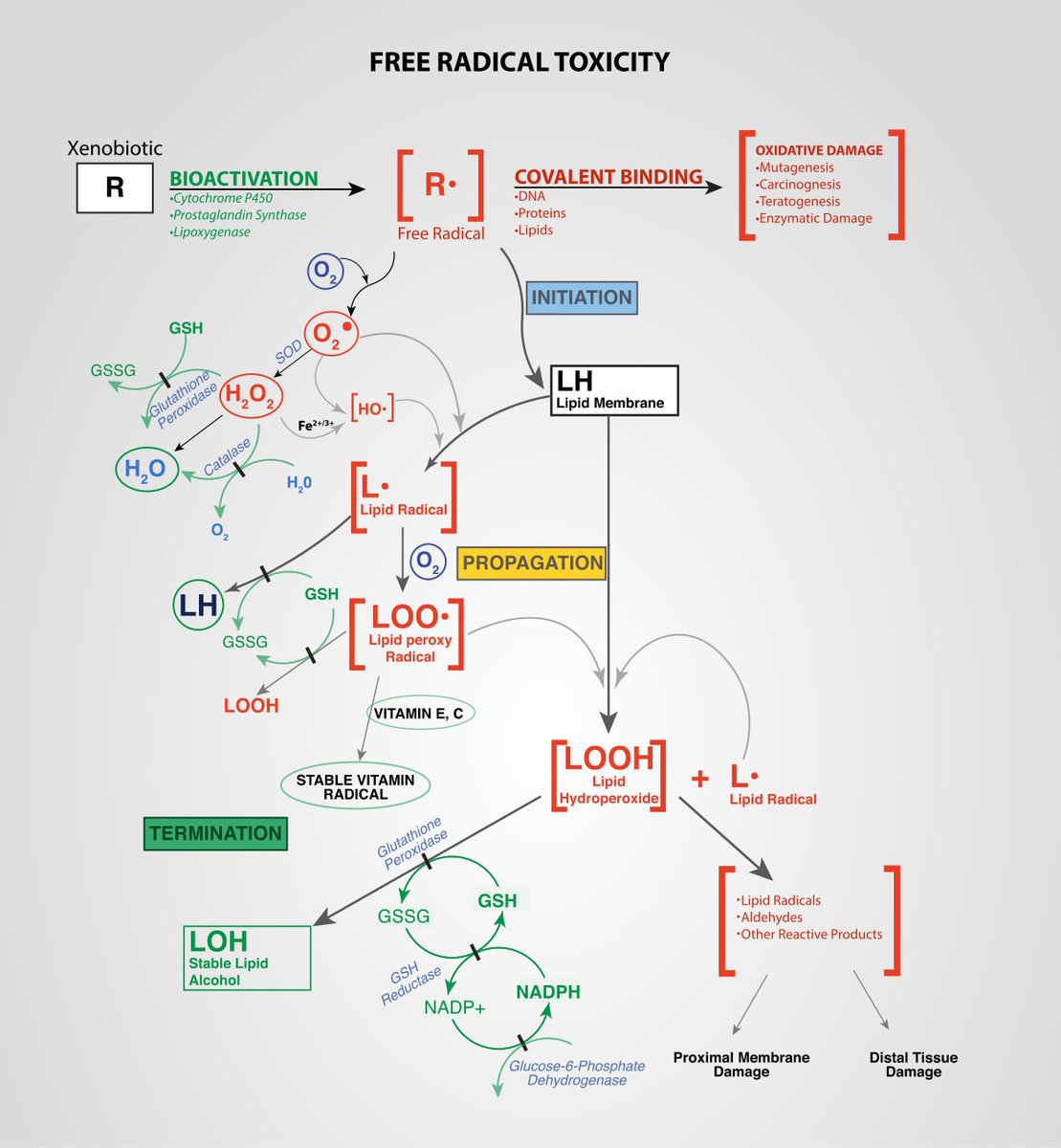
Number 4: Oxidative stress / Stress hormones
Both put the human organism in a catabolic state which makes conceiving and optimal fertility impossible.
Plus stress hormones compete for the same
So invest in a good water filter as soon as you can
Number 4: Oxidative stress / Stress hormones
Both put the human organism in a catabolic state which makes conceiving and optimal fertility impossible.
Plus stress hormones compete for the same
receptors and locations in the body’s tissues with hormones like LH, FSH (both crucial for male fertility), progesterone and DHEA.
So what you can do in order to keep these two as low as possible and not over stimulate the HPA axis.
So what you can do in order to keep these two as low as possible and not over stimulate the HPA axis.
The body responds to stress through a hormone system called the hypothalamic-pituitary adrenal (HPA) axis*
1)No alcohol
2)No vegetable and 99.9% of seed oils
3)Eat and do not go on long fasts
4)Minimize blue light exposure and darkness (progesterone needs natural light in
1)No alcohol
2)No vegetable and 99.9% of seed oils
3)Eat and do not go on long fasts
4)Minimize blue light exposure and darkness (progesterone needs natural light in
order to be optimally produced so a red light device can help in the winter months).
5)No intense dieting (ideally no dieting at all)
6)Do not over train or train on an empty stomach
7)Prioritize sleep
8)Avoid food additives, artificial sweeteners and things such as high fructose
5)No intense dieting (ideally no dieting at all)
6)Do not over train or train on an empty stomach
7)Prioritize sleep
8)Avoid food additives, artificial sweeteners and things such as high fructose
corn syrup
9)Consider using ginkgo
10)Address excessive serotonin
Number 5: nnEMF
In one study that was done (SO to Tim Ferriss) 12 week old male albino rats were exposed to RF-EMR from an active GSM (0.9/1.8GHz) mobile phone for 1 hour for a total of 28 days.
9)Consider using ginkgo
10)Address excessive serotonin
Number 5: nnEMF
In one study that was done (SO to Tim Ferriss) 12 week old male albino rats were exposed to RF-EMR from an active GSM (0.9/1.8GHz) mobile phone for 1 hour for a total of 28 days.
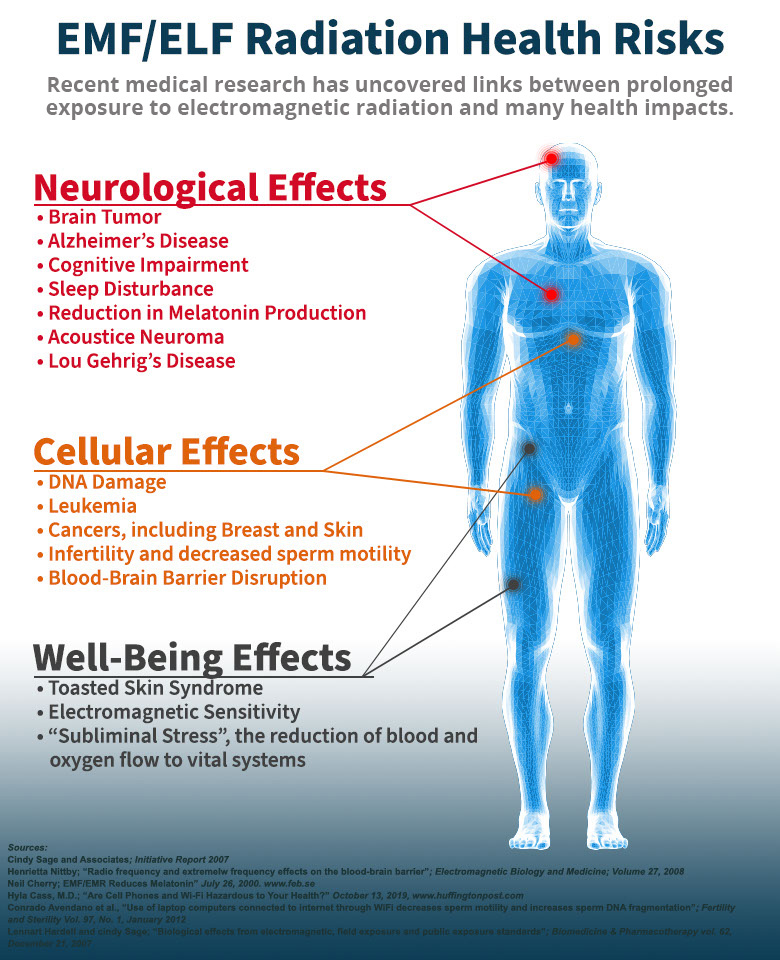
After this, their mobile sperm was almost non existent.
So please do not sit with your laptop on your lap 12 hours a day and check this thread for more tools.
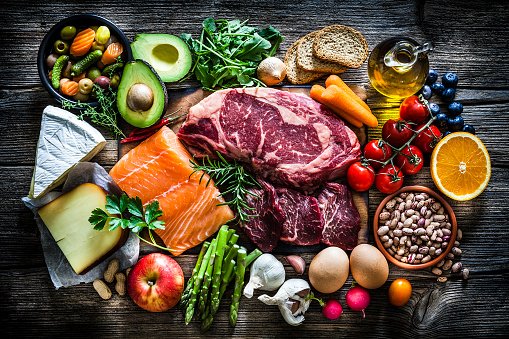
Number 6: Malnutrition
The main vitamins and minerals that are need for optimal fertility are:
So please do not sit with your laptop on your lap 12 hours a day and check this thread for more tools.
Number 6: Malnutrition
The main vitamins and minerals that are need for optimal fertility are:
1)Vitamin A since blocking the retinoic acid receptor alpha (RAR-a) makes someone fully infertile.
In many studies full infertility in animals is achieved by administering an RAR-a antagonist.
A vitamin A deficiency will also lower the production of pregnenolone, DHEA and
In many studies full infertility in animals is achieved by administering an RAR-a antagonist.
A vitamin A deficiency will also lower the production of pregnenolone, DHEA and
progesterone which are all crucial for fertility as well.
So a biweekly dose of quality organ meats is way more important than you might think for your fertility.
2)Dietary cholesterol
Jesus christ, do not be afraid of dietary cholesterol.
I once consumed 2 grams of
So a biweekly dose of quality organ meats is way more important than you might think for your fertility.
2)Dietary cholesterol
Jesus christ, do not be afraid of dietary cholesterol.
I once consumed 2 grams of
cholesterol every day for like a month and my LDL was at 116 (which is LOWER than i'd like).
A lack of dietary cholesterol will severely decrease DHEA, pregnenolone and progesterone as well besides harming your Leydig cells.
A lack of dietary cholesterol will severely decrease DHEA, pregnenolone and progesterone as well besides harming your Leydig cells.
3)Zinc
Zinc is crucial in order to protect seminal fluid from
oxidation.
4)Vitamin E
When vitamin E is deficient one will experience a significant drop in LH and FSH levels which will interfere with fertility.
Zinc is crucial in order to protect seminal fluid from
oxidation.
4)Vitamin E
When vitamin E is deficient one will experience a significant drop in LH and FSH levels which will interfere with fertility.
5)Selenium
A selenium deficiency will cause infertility in men by causing a deterioration in the quality of semen and in sperm motility.
6)Vitamin C
Women with low progesterone levels can benefit from this mostly and vitamin C is in general a great tool against oxidative
A selenium deficiency will cause infertility in men by causing a deterioration in the quality of semen and in sperm motility.
6)Vitamin C
Women with low progesterone levels can benefit from this mostly and vitamin C is in general a great tool against oxidative
damage and the effects of stress.
7)Beta carotene
Beta carotene helps to protect egg and sperm DNA from damage by harmful free radicals.
8)Vitamin D
Women with normal levels of Vitamin D are four times more likely to conceive through IVF than those with low levels.
7)Beta carotene
Beta carotene helps to protect egg and sperm DNA from damage by harmful free radicals.
8)Vitamin D
Women with normal levels of Vitamin D are four times more likely to conceive through IVF than those with low levels.
Note: You should not supplement with any of these except vitamin D (in a liquid form with K2) if needed.
Where can you get these nutrients from?
Organ meats, oysters, red meat, acerola cherry, berries, camu camu, pumpkin and squash for the most part.
Where can you get these nutrients from?
Organ meats, oysters, red meat, acerola cherry, berries, camu camu, pumpkin and squash for the most part.
Last but not least, here are some tools for fertility that work phenomenally but obviously be careful:
0)Progesterone
1)Cistanche
2)Shilajit
3)Ginger
4)Vitamin K2
5)Taurine
6)L carnitine
7)Co-Q10
8)Pregnenolone
9)DHEA
0)Progesterone
1)Cistanche
2)Shilajit
3)Ginger
4)Vitamin K2
5)Taurine
6)L carnitine
7)Co-Q10
8)Pregnenolone
9)DHEA
If you liked this tweet, make sure to like or RT the first tweet.
Loading suggestions...