

@Spectre66108666, this is not against you. This is an often-repeated misconception. So, please allow me to first dispel this misconception.
And then criticize the program properly 😅
And then criticize the program properly 😅
@Spectre66108666 1. Look at the noses of transonic jetliners and cruise missiles. The bulbous nose is more aerodynamically efficient for subsonic and low transonic speeds.


2. If you need to go supersonic though, you need those pointy noses. Jet fighters and Concorde use them. They pay the price for it in subsonic flight. But that’s okay.


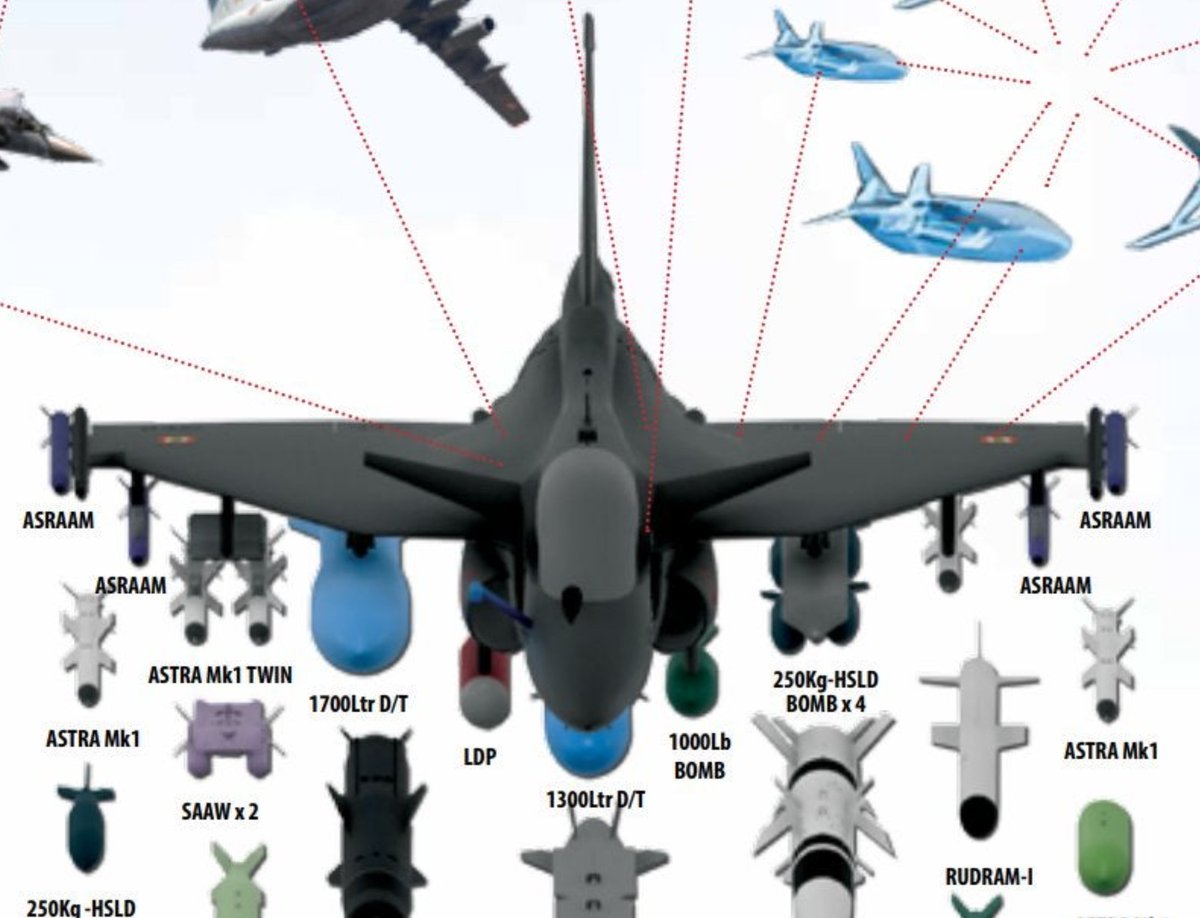
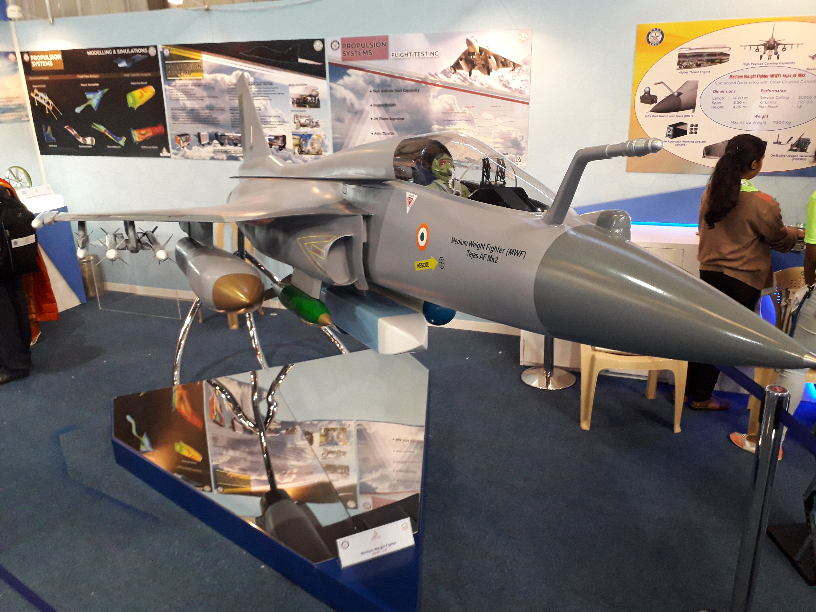
Light fighters like Tejas cannot fly supersonic with such large (1200ltr) tanks. Hence the bulbous nose. Twin-engined medium fighters like Rafale have higher thrust to go supersonic when those tanks are partially empty. Hence those shapes.
4. Does this mean that Tejas’s tanks are optimal? No. The good news: they are made of composites and as light-weight and low maintenance as they can be. But the shapes are far from optimal.
5. The sad part for me in that they had the Mirage and Jaguar tanks right in front of them and yet. These tanks don’t have uniform cross section throughout the length of the tank. Their noses are wider.
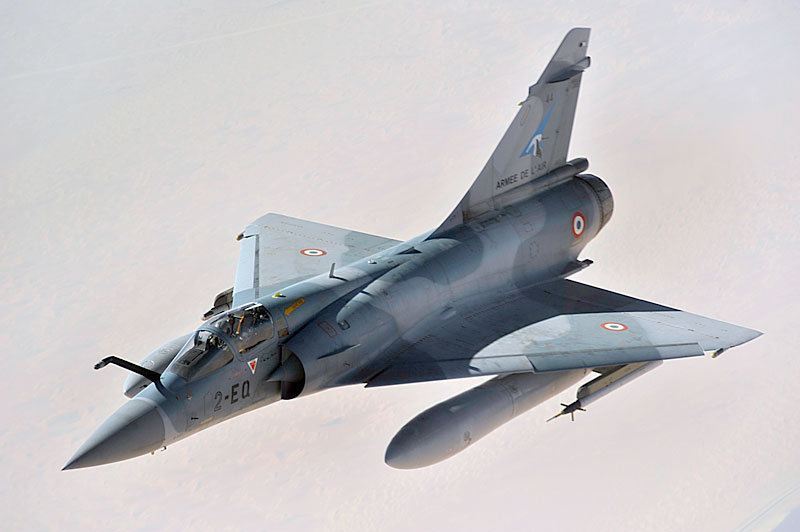
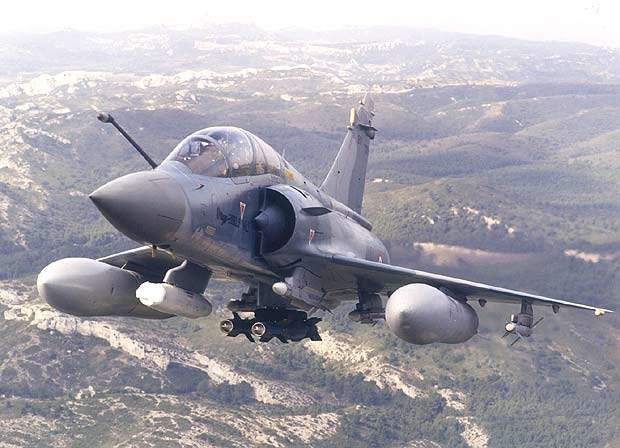
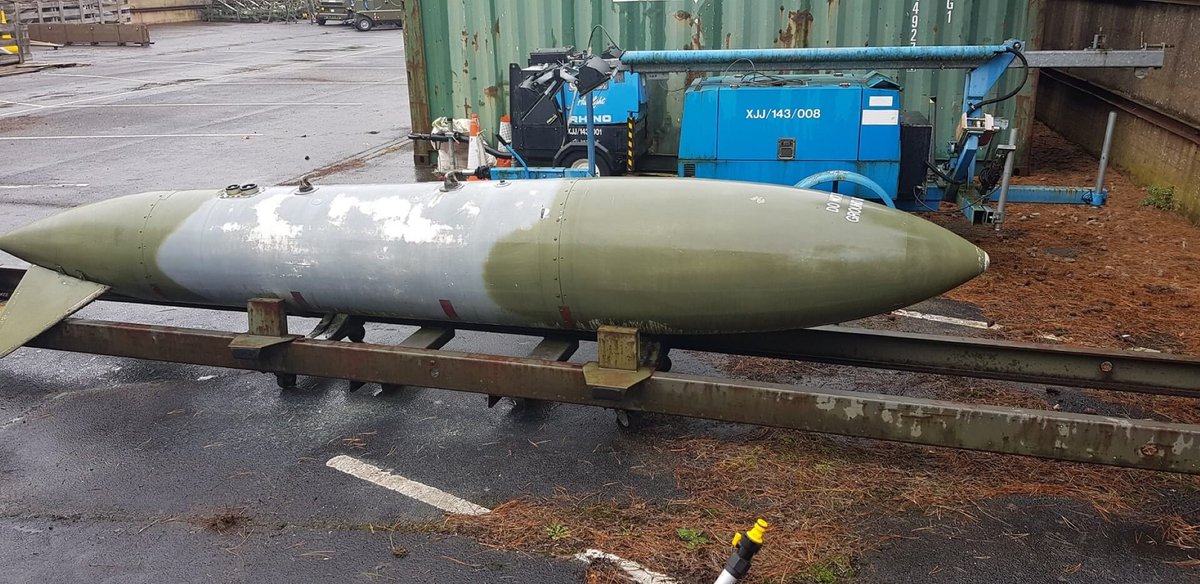
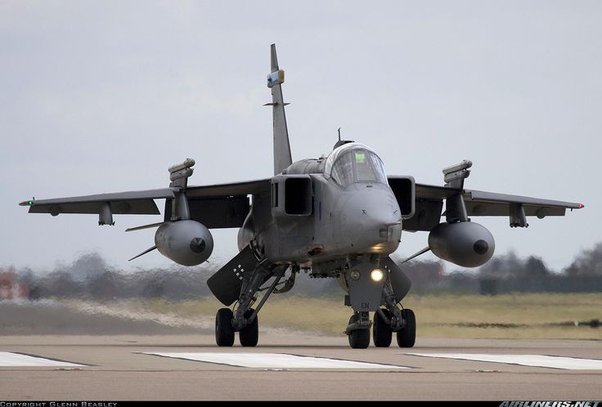
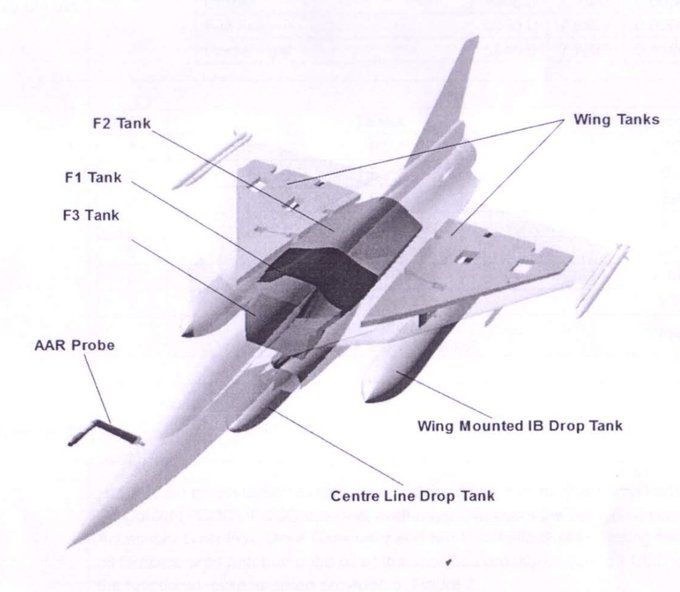
6. That shape has two advantages: a. They give better area ruling and hence less drag. And b. They create better flow gradients on neighboring stores. Here's CFD studies on Tejas Mk2 (old definition with just 0.5 body plug).
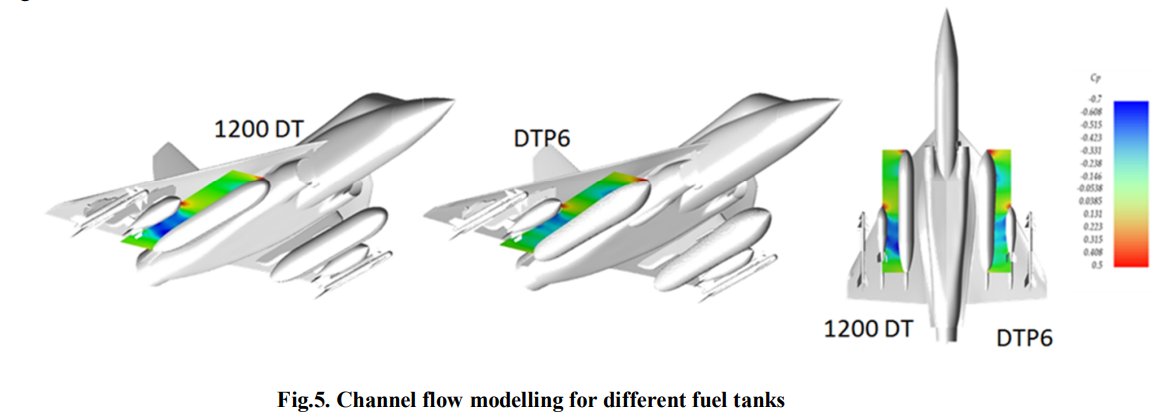
7. The end result of that study is that with the new tanks, they could carry 11% more fuel and trivial side wash on neighboring stores (would yield better drop accuracy with unguided bombs).
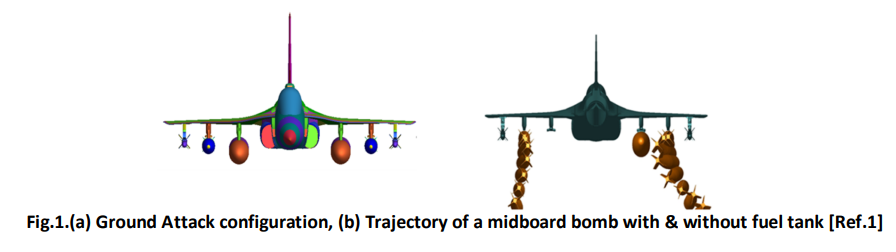
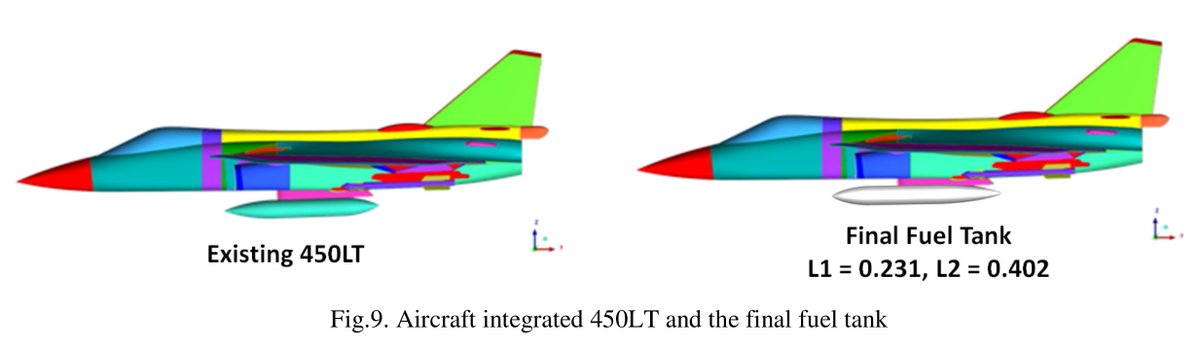
8. Now let's come to the supersonic tanks. Tejas Mk1(a) was supposed to have 450 supersonic drop tanks. Given that it is a light fighter it could have only carried 1 underbelly supersonic tank. That places restrictions on its length. All that is fine.
But, somebody designed a tank with a circular cross section! With an oval cross section and some proper shaping, they could have carried 260 ltrs more at just 2 counts of extra drag, resulting in 11% longer mission times!
10. My problem is that these are low-hanging fruits. 11% -15% longer mission times are huge improvements. They are non-glamorous. But actual wars and DACTs have showed that more often than not when you have to turn back (i.e. fuel) is what determines outcomes.
11. You can see all these changes in the Tejas Mk2. But forget that these are not already flying on Tejas Mk1(A). I don’t know of any plans to incorporate them either.
Loading suggestions...