

1/7
While I agree with Martin Wolf that the process of deglobalization is likely to be associated with numerous adverse consequences, there are two very different ways of explaining this relationship, and thus two very different sets of implications.
ft.com
While I agree with Martin Wolf that the process of deglobalization is likely to be associated with numerous adverse consequences, there are two very different ways of explaining this relationship, and thus two very different sets of implications.
ft.com
2/7
The conventional explanation is that deglobalization is driven largely by politics, and that the economic problems associated with deglobalization are thus the consequences of this political process of deglobalization.
The conventional explanation is that deglobalization is driven largely by politics, and that the economic problems associated with deglobalization are thus the consequences of this political process of deglobalization.
3/7
In that case we should do what we can to pull back from the politics of deglobalization and should instead further strengthen its existing institutions.
But there is an alternative explanation that reverses the relationship and has very different implications.
In that case we should do what we can to pull back from the politics of deglobalization and should instead further strengthen its existing institutions.
But there is an alternative explanation that reverses the relationship and has very different implications.
4/7
It could be that the adverse economic consequences are in fact the results of a global capital and trade regime that has been made obsolete by changes in global political arrangements and by innovations in transportation, communication and financial technology.
It could be that the adverse economic consequences are in fact the results of a global capital and trade regime that has been made obsolete by changes in global political arrangements and by innovations in transportation, communication and financial technology.
5/7
The conventional view, in other words, is that the process of deglobalization creates disruptions to the global economy, while the alternate view is that it is the disruptions to the global economy created under our current system that drives the process of deglobalization.
The conventional view, in other words, is that the process of deglobalization creates disruptions to the global economy, while the alternate view is that it is the disruptions to the global economy created under our current system that drives the process of deglobalization.
6/7
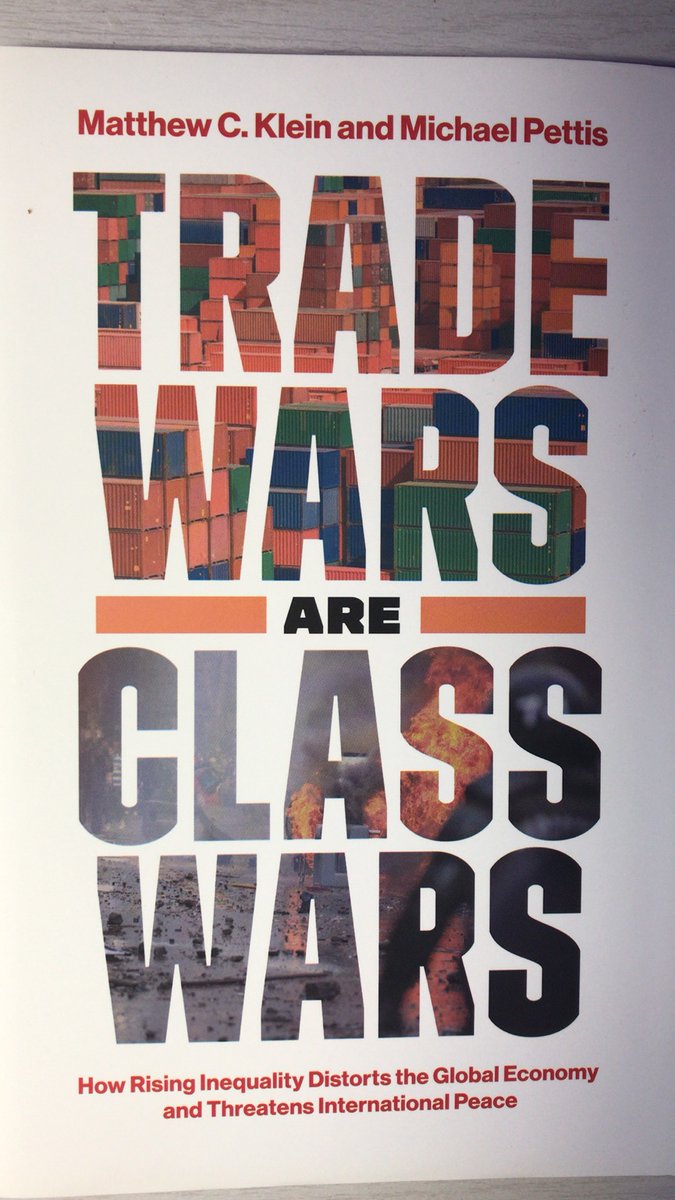
The alternate view argues that deglobalization is the reaction to a global capital and trade regime that has encouraged rising income inequality and surging debt, and has accommodated enormous – and enormously disruptive – trade and capital imbalances.
The alternate view argues that deglobalization is the reaction to a global capital and trade regime that has encouraged rising income inequality and surging debt, and has accommodated enormous – and enormously disruptive – trade and capital imbalances.
7/7
In that case defending globalization and strengthening its existing institutions will only make things worse, not better, and will lead ultimately to an even more disruptive deglobalization process. We should instead accelerate its reform.
In that case defending globalization and strengthening its existing institutions will only make things worse, not better, and will lead ultimately to an even more disruptive deglobalization process. We should instead accelerate its reform.
Loading suggestions...