
1/ Authorities in Russia's Rostov oblast have responded to a video complaint from mobilised men by prosecuting a journalist and suppressing the video. The men have reportedly been given rusty equipment, no training, no food supplies, no leadership and no orders. Thread ⬇️
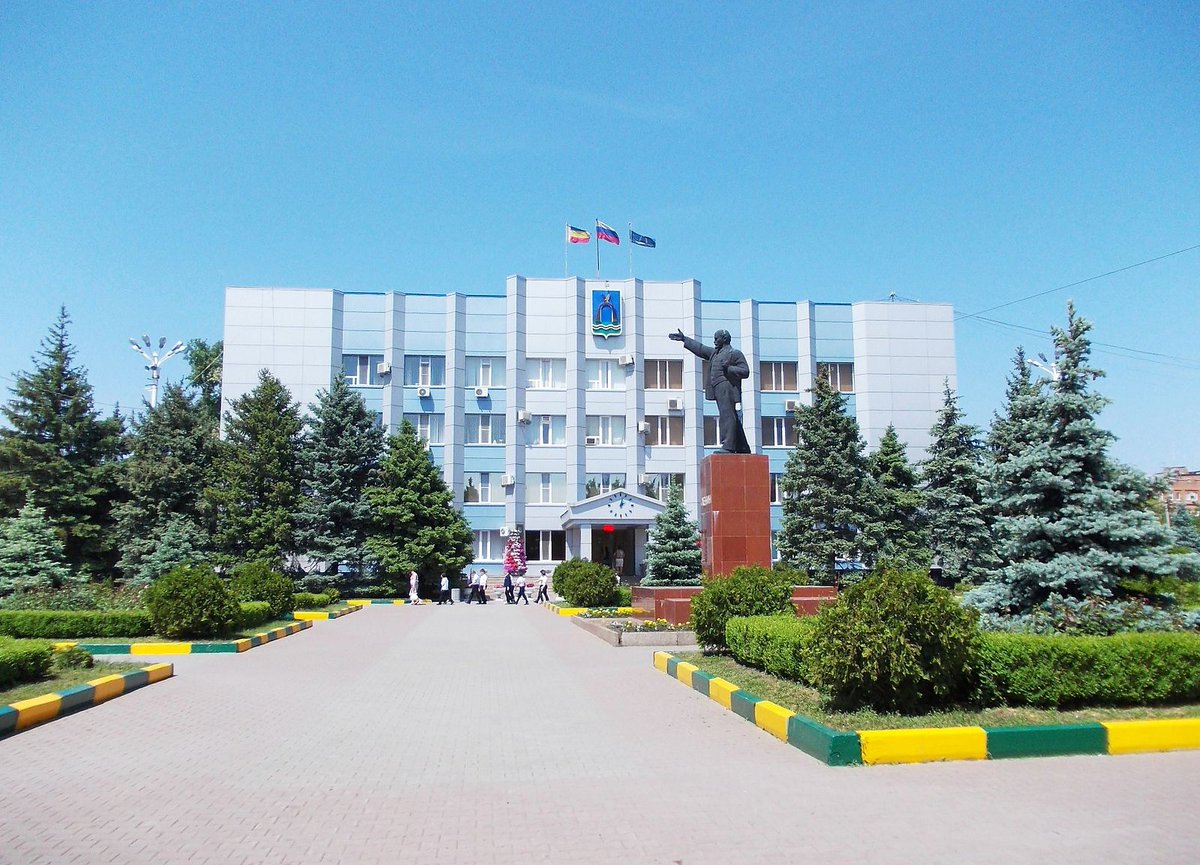
2/ According to Bataylian Time (BT), a newspaper in the Rostov oblast city of Bataysk, 12 mobilised men from the city published a video on social media on 14 October. In a now-deleted report, BT describes the video.
3/ The spokesman for the mobiks is a man called Nikolay M. According to BT:
"Nikolay received a summons on 23 September late in the evening, and in the morning, with the words “I won’t leave my boys,” he went with his things to the draft board.
"Nikolay received a summons on 23 September late in the evening, and in the morning, with the words “I won’t leave my boys,” he went with his things to the draft board.
4/ On the same day, as part of the Bataysk group, he left for a military unit near Novocherkassk, and on 28 September they were sent to a training ground in the Donetsk People's Republic.
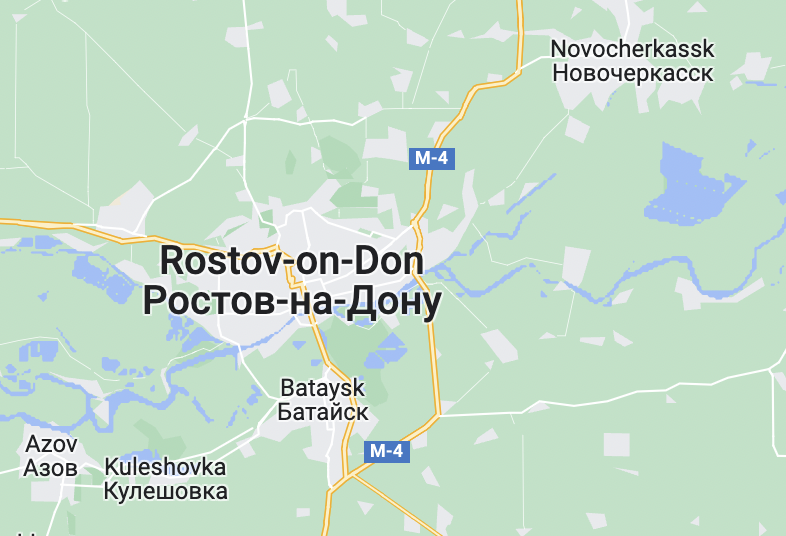
5/ And after two days of preparation, the guys were sent to the Special Military Operation zone. The guys are mostly from 20 to 25 years old, Nikolay himself is 23 years old. Many have pregnant wives at home, some have single elderly mothers.
6/ As the video says, almost immediately the mobilised men, equipped by their own families and at their own expense, were sent "to the front line to carry out combat missions." On 14 October, "one of the groups was smashed."
7/ According to the Bataysk people, as a result of an unequal battle, six of the mobilised men were killed, ten were wounded, and our were seriously injured. Nikolai, to the cheers of his fellow soldiers, enumerated what had caused such an outcome and their appeal.
8/ – "We do not know our unit number, we do not know our call-signs, we do not have a company commander," says Nikolay. – "Or rather, maybe we do, but I don't know him personally, I don't know his name."

9/ "We were given ammunition – rusty cartridges, rusty grenades, rusty ammunition, rusty automatic rifles. Our requests – to have normal coverings, normal sights – are not heard."
10/ At the same time the enemy in combat is "provided with quality weaponry, drones and thermal imaging devices".
Nikolay goes on to mention the lack of food supplies.
Nikolay goes on to mention the lack of food supplies.
11/ As the servicemen say, they literally eat at their own expense – those who have received "the governor's" 150 thousand [a 150,000 ruble payment by the regional government], buy food and everything they need for themselves and their fellow servicemen.
12/ In addition, among the grievances of the Bataysk reservists is a lack of commanders and, as a consequence, no one to set combat objectives.
13/ As Nikolay says, none of the mobilised men has military training, no one understands what to do and how to behave in a battle. The only commander who is assigned to the group who made the video is also a mobilised man with no combat experience.

14/ The lack of military identification badges also frightens the men: if they are killed, they cannot be identified...
– "We had three days of alleged 'training', but in fact we were not trained," he continues.
– "We had three days of alleged 'training', but in fact we were not trained," he continues.
15/ – "And when artillery starts firing at us, no one even warns us that we are being targeted. And we don't even know how to behave under fire. In a fortnight we have learned to recognise the start of shelling, which is why we are still alive!"
16/ Batayskoye Vremya also receives details from relatives who have recorded videos of servicemen who have been thrown into the Special Military Operation without training.
17/ The women say that the men "were simply dragged out of their homes and thrown into the Special Military Operation zone without even a medical examination." [The men corroborate this in their video.]

18/ – "The mobilised men were told that only lack of limbs was a reason to leave the front line. You can't leave with minor injuries. Surrender, of course, was also forbidden."
19/ "They have been instructed that if the enemy side succeeds in taking them prisoner, they must blow themselves up with a grenade!!! However, it's not even possible to do that, as the grenades are rusty and may not work," says one of the relatives from Bataysk.
20/ The mobilised men themselves say that they do not refuse to fight, but demand that they be returned to the training center, properly trained and provided with high-quality weapons, and assigned to groups of professional soldiers.
21/ – "That is why we are recording the video. We want as many people as possible to hear it and help us. We are not afraid to go into battle! But we don't want to die, to be a laughing stock and clowns in the eyes of the enemy!"
22/ "We do not understand what they want from us, what goals are we supposed to achieve? Any goals are impossible to achieve because we are not prepared. Soon the APCs will come for us and we will [enter the battle]. Who will survive, we don't know."

23/ The day after the video was recorded, one of the men in it was killed and two others were injured.
The publication of the video caused a furore in Bataysk.
The publication of the video caused a furore in Bataysk.
24/ Relatives of the mobilised men wrote a joint petition to Putin's office, the local military prosecutor and the Russian Ministry of Defence. As BT puts it, they saw these as "the departments which, in their opinion, will restore order and punish the perpetrators."
25/ The relatives wrote: "Our guys were not trained, except for arbitrary shooting from machine guns for two days. There are no career officers, the organized food is unsatisfactory."
26/ "They are assigned combat missions that they do not even understand how to perform, because they have not been taught. In addition, they did not pass the medical examination."
27/ According to the relatives, many of the men "have big health problems - someone has diseases of the cardiovascular system, someone has a hernia of the spine. When sent to the Special Military Operation, the guys only had their pulse, temperature and blood pressure measured."
28/ However, the authorities "restored order" by prosecuting a 35-year-old journalist named Olesya, the brother of one of the men, who was the first to publicise the video in the Bataysk City news website. The Russian media regulator Roskomnadzor forced the video to be removed.
29/ According to BT, the journalist is facing a 30-50,000 ruble ($500-800) fine for "public actions aimed at discrediting the Armed Forces of the Russian Federation". None of the authorities petitioned by the relatives have responded to them.
30/ BT notes that the Russian federal authorities have acknowledged problems around the botched mobilisation, which it contrasts to the attitude of the local authorities in the Rostov region.
31/ "Obviously, instead of reacting constructively to the problems raised by journalists, the "regions" have taken a different tack - silencing them. Otherwise, their professional credibility will be discredited. This is a completely different story." /end
Loading suggestions...