

What if genocide, not war, was considered the central problem of International Relations? How would the study of international relations be different?
I ask that question of my Intro to IR students. Here's what we discussed.
[THREAD]
I ask that question of my Intro to IR students. Here's what we discussed.
[THREAD]
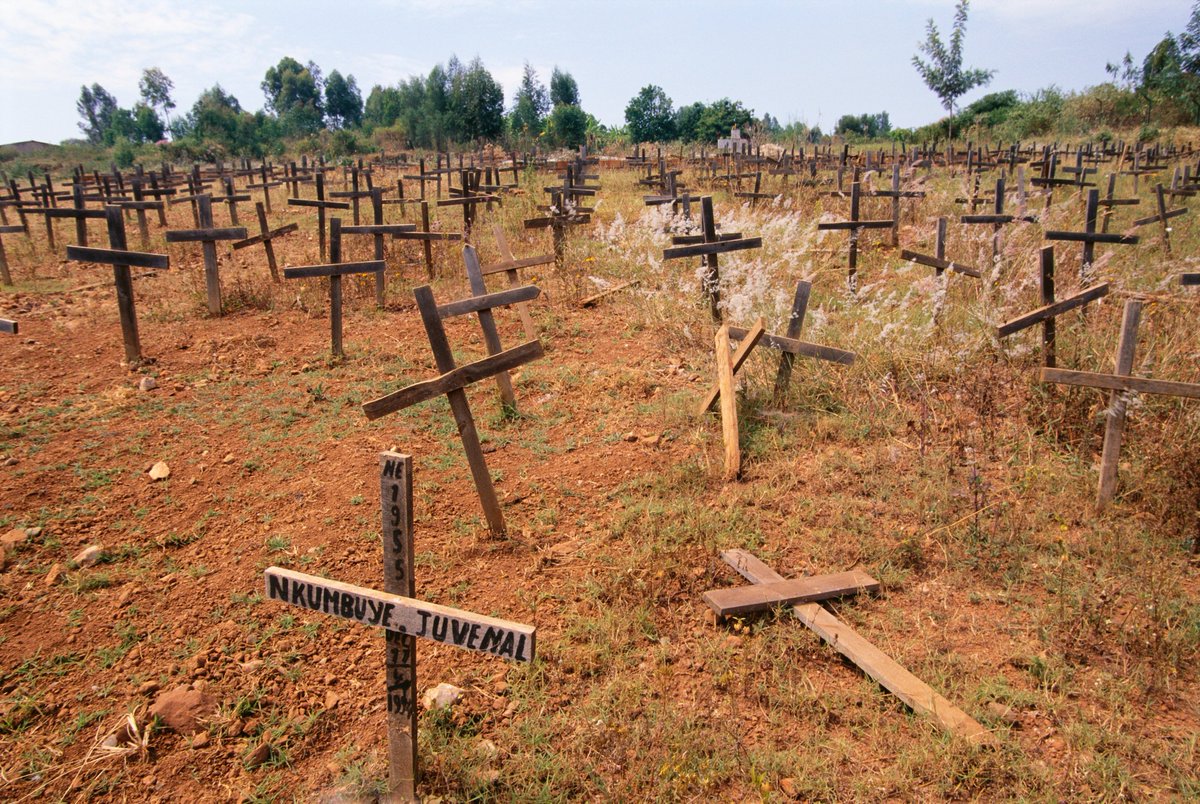
Viewing "war" as the central problem of international relations was well said by Robert Keohane in a review chapter from 2013: "The study of world politics starts with the study of war."
academic.oup.com
academic.oup.com
This is unsurprising, given how the modern discipline of international relations was impacted by World War I: a surge of funding and establishment of institutions after the war focused on understanding its causes and prevention.
But I have my students consider an observation made by W.E.B. Du Bois in this 1917 piece.
Link: #metadata_info_tab_contents" target="_blank" rel="noopener" onclick="event.stopPropagation()">jstor.org
Link: #metadata_info_tab_contents" target="_blank" rel="noopener" onclick="event.stopPropagation()">jstor.org
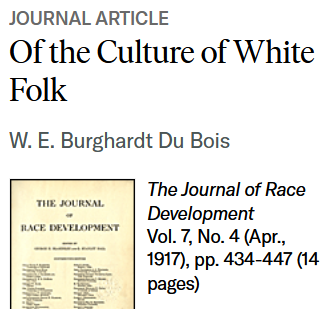
That observation?
While was happening to Belgium (namely its invasion by Germany) is horrible, it seems the world has forgotten an even larger tragedy that unfolded in Belgian-administered Congo.
While was happening to Belgium (namely its invasion by Germany) is horrible, it seems the world has forgotten an even larger tragedy that unfolded in Belgian-administered Congo.
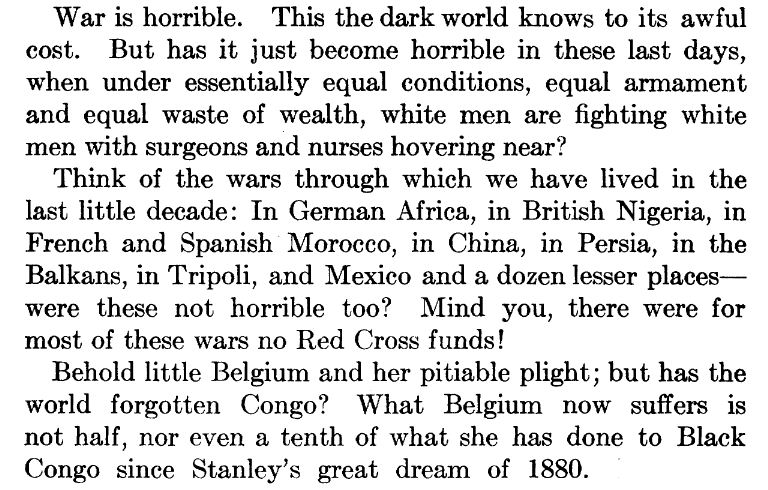
What was that tragedy?
Congo was a colony of Belgium...
Congo was a colony of Belgium...
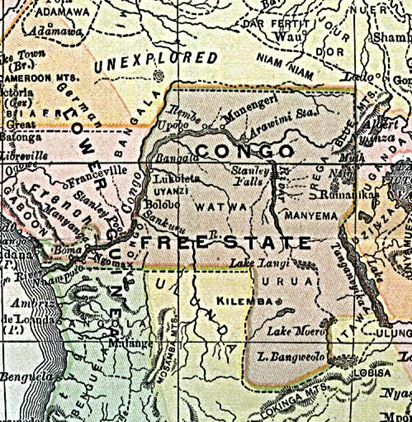
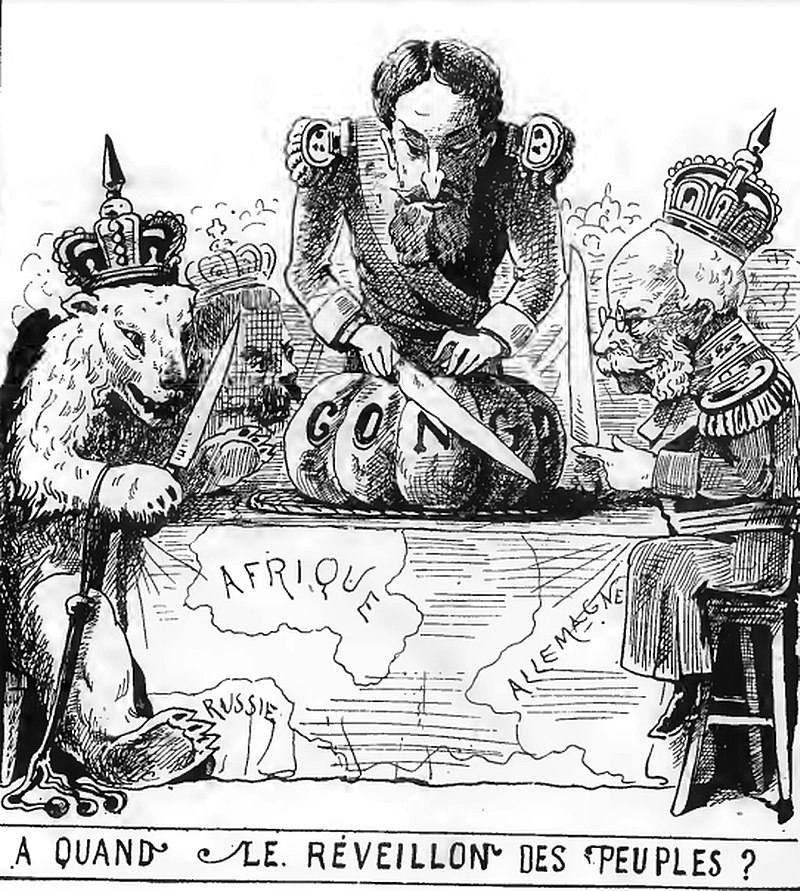
...officially recognized as such by the other European powers at the 1884 Berlin Conference...
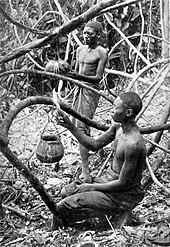
...and it was valuable to Belgium due to natural rubber.
Being focused primarily on extraction, the Belgian government relied on heavy-handed coercion to govern the colony.
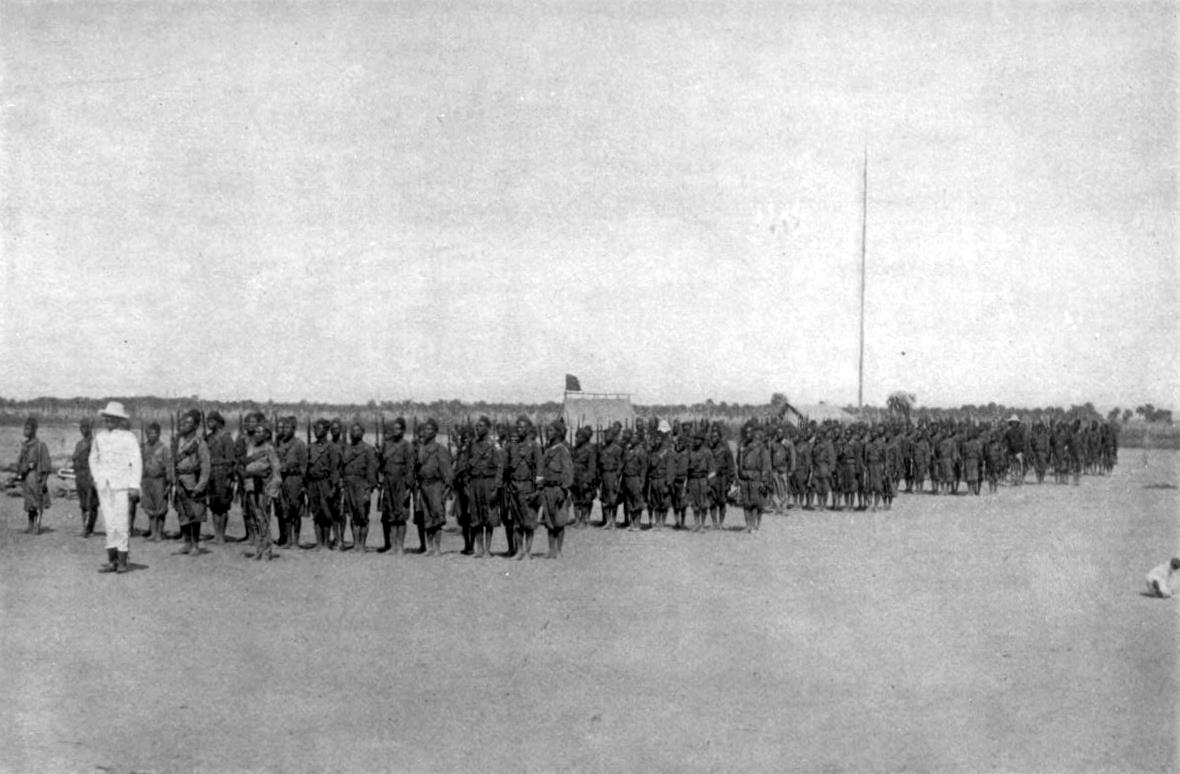
This contributed to misrule and neglect. In particular, the government allowed pandemics to rage in the region.
tandfonline.com
tandfonline.com
The combination of violence and disease meant that somewhere between 5 million and 12 million people died between 1885-1908 as a consequence of Belgian rule (most common estimate is 10 million).
amazon.com
amazon.com
Having given context to Du Bois' observation, I then pose the question: what if the tragedy in Congo, not World War I, was the event to garner widespread academic attention to the study of international politics?
To be clear, pre-World War I international relations scholarship WAS largely focused on colonial affairs, such as the need in the UK to adapt after the Boar War 👇.
But IR had not gained the attention (or resources) that it would garner following the war
amazon.com
But IR had not gained the attention (or resources) that it would garner following the war
amazon.com
How would IR be different if genocide (Congo) not war (Belgium) was its focus?
In class, we focused on two possible differences:
- No "Long Peace" or "Cold War" rhetoric
- No "Democratic Peace" prominence.
Let's unpack each.
In class, we focused on two possible differences:
- No "Long Peace" or "Cold War" rhetoric
- No "Democratic Peace" prominence.
Let's unpack each.
First, we wouldn't talk of a "Long Peace" following World War II.
This phrase was made popular by historian John Lewis Gaddis, first in a 1986 @Journal_IS article...
Link: jstor.org
Link: jstor.org
...and then in a 1989 book.
amazon.com
amazon.com
As he wrote in the article, "Given all the conceivable reasons for having had a major war in the past four decades – it seems worth of comment that there has not in fact been one….[We should try] comprehend how this great power peace has managed to survive for so long"
Such an idea feeds into the broader "decline of war" or "decline of violence" thesis.
amazon.com
amazon.com
And this is why the term "Cold War" is used: it was military competition between the USA and USSR without direct fighting.
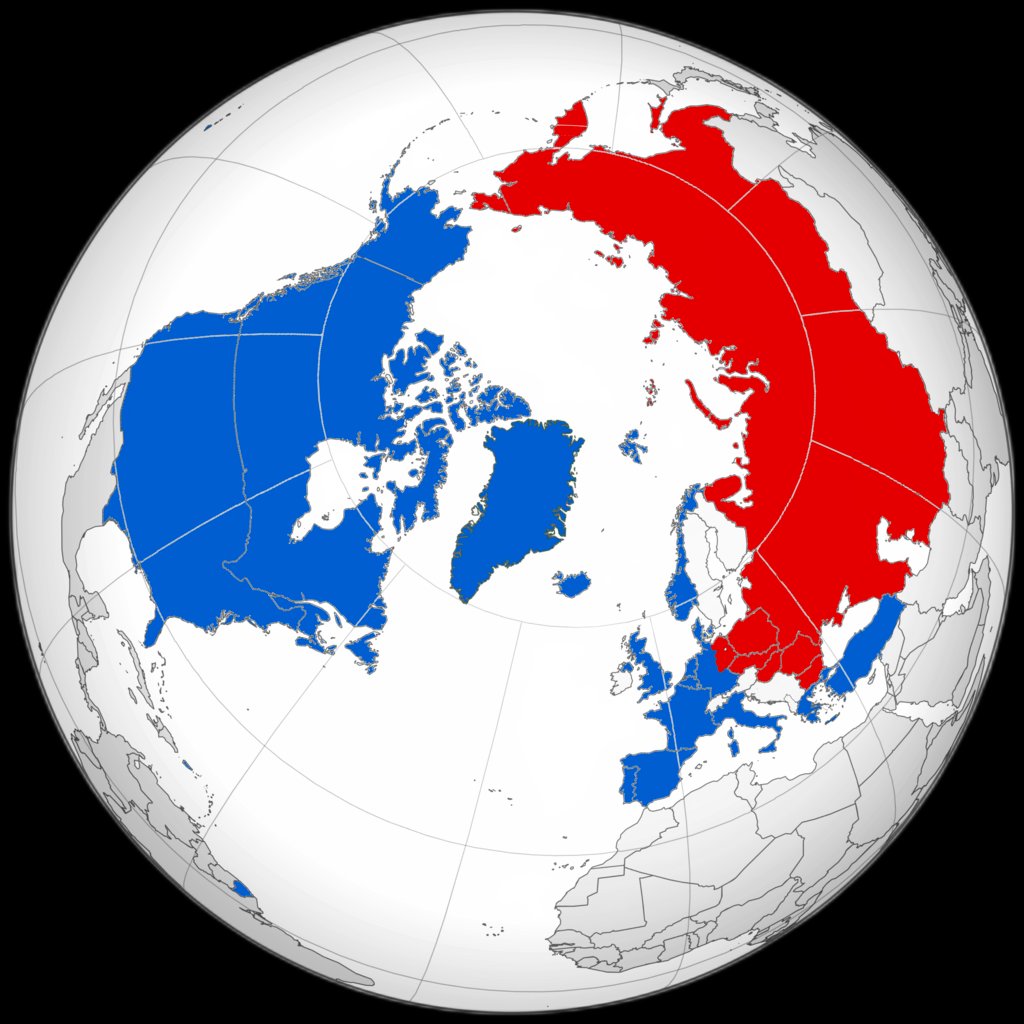
But was the "Cold War" actually "Cold"?
Not really.
Not really.

The Cold War was, in truth, quite hot. True, we didn't have another war like World War II. But that doesn't mean the world witnessed a "Long Peace".
thenation.com
thenation.com
As Paul Thomas Chamberlin writes in his own history of the time period, "What would a broad history of the Cold War age look like, I wondered, if told from the perspective of the period’s most violent spaces?"
amazon.com
amazon.com
This says nothing about the wars that happened, AFTER the Cold War, such as in, again, Congo.
amazon.com
amazon.com
Stated simply, how would IR scholarship be different if the discipline had focused on the the center of Africa (Congo) instead of the center of Europe (Germany)?
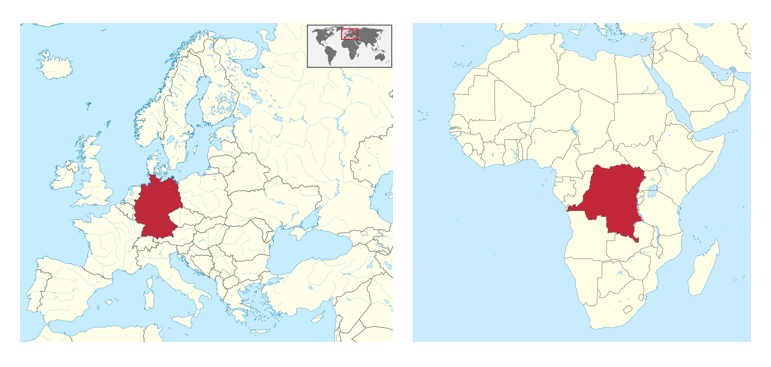
Second, we likely wouldn't talk (as much) about a "Democratic Peace".
This one deserves its own 🧵 (coming soon).
For now, the short of the critique is that rather than focusing on peaceful relations between democracies (the main claim of the democratic peace), we would focus instead on this list 👇
For now, the short of the critique is that rather than focusing on peaceful relations between democracies (the main claim of the democratic peace), we would focus instead on this list 👇
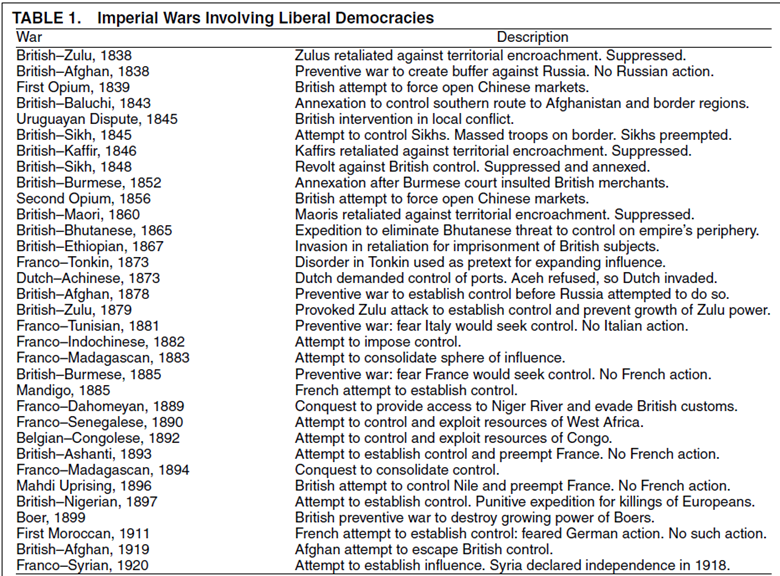
That list comes from Sebastian Rosato's 2003 @apsrjournal paper critiquing the "Democratic Peace."
cambridge.org
cambridge.org
Also, while the USA is not on that list, that's NOT because the US was immune from such behavior.
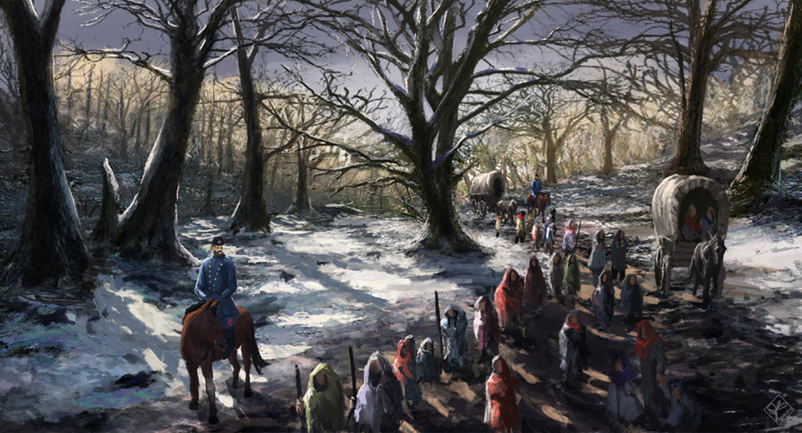
So while IR might still discuss how there is less conflict between democratic states (a finding that itself is worth unpacking), it likely be more of an interesting observation, rather than a core "empirical law" of the discipline.
Link: jstor.org
Link: jstor.org
While there other ways the discipline of IR would have changed (and likely also many ways in which it would be the same), the above gave my students a sense for how our ideas about international politics would be different if we had taken Du Bois' challenge seriously.
[END]
[END]
Loading suggestions...