

Glass making goes back hundreds of years in Turkey and is thought to have reached its zenith in the 16th century. During this time, historical records take note of oil lamps with colourful glass shades - the Turkish mosaic lamps we know today
A thread on Turkish mosaic lamps…
A thread on Turkish mosaic lamps…

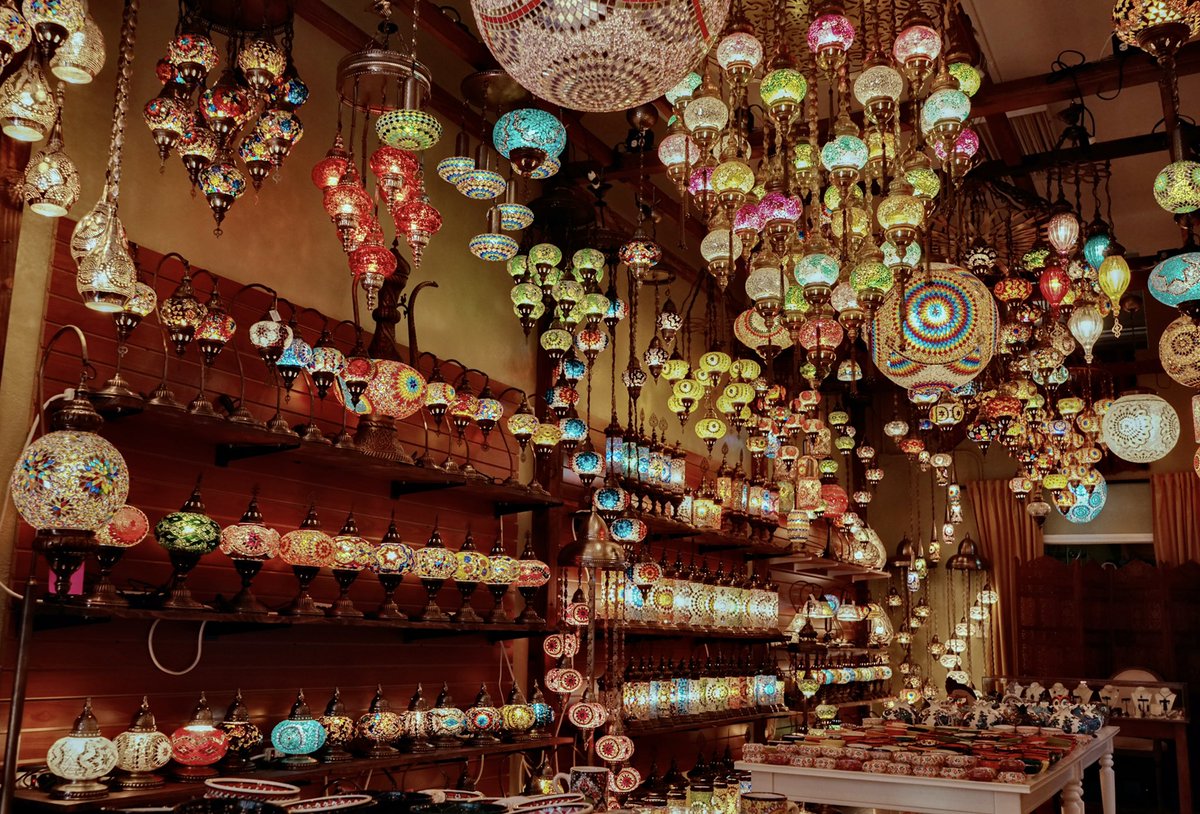
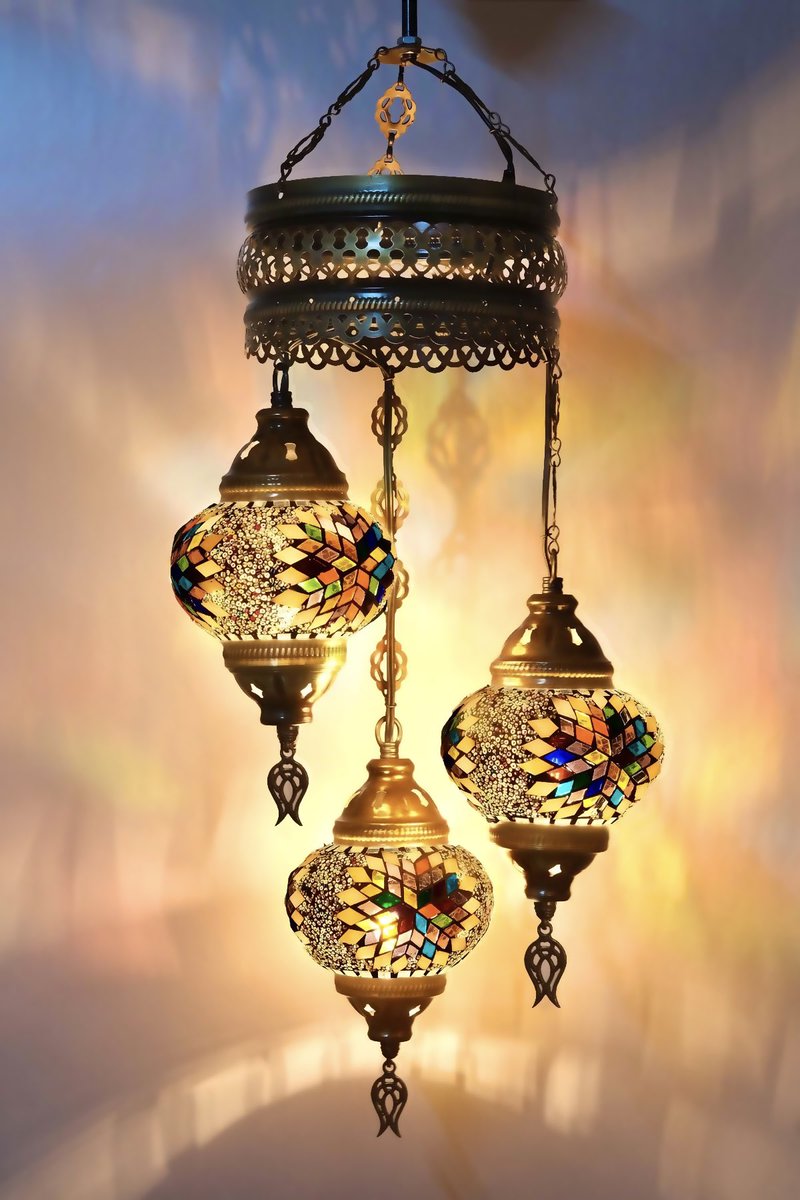
1/ Colourful Turkish mosaic glass lamps were created to light mosques & palaces. Sought after, they were traded as far as Europe to China

2/ Turkish mosaic lamps are hand crafted by skilled Turkish artisans. Each lamp is an example of cultural expression & tradition at its best

3/ Turkish mosaic lamps derive their beauty from the quality of materials used in their construction & the skill of the artisans that create them
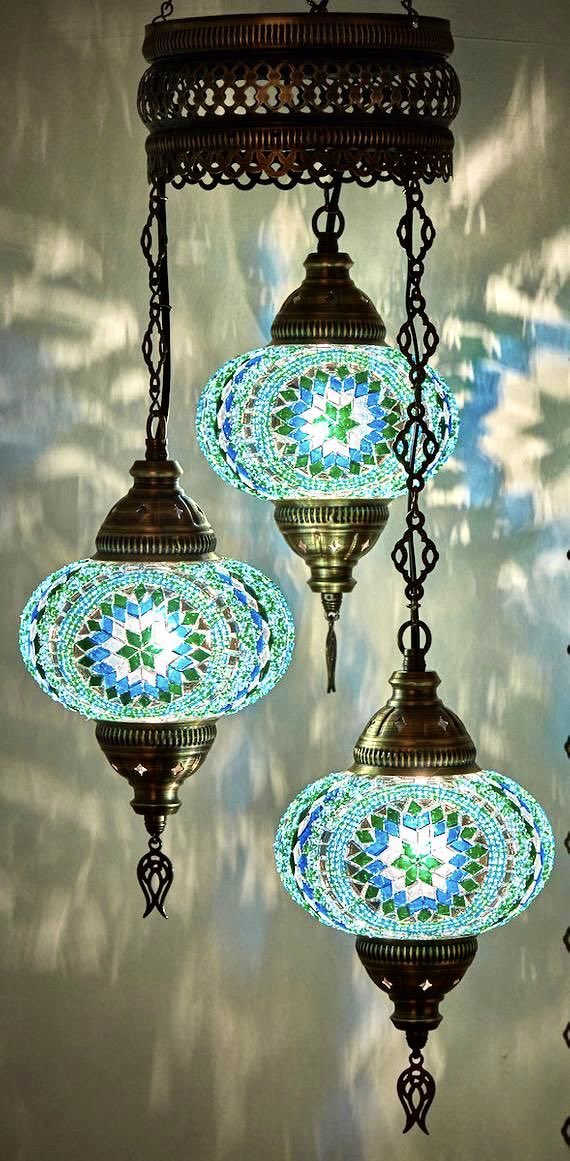
4/ Mechanization has virtually no place in the production process of Turkish mosaic lamps, & as such each mosaic lamp is very much an individual object d’art
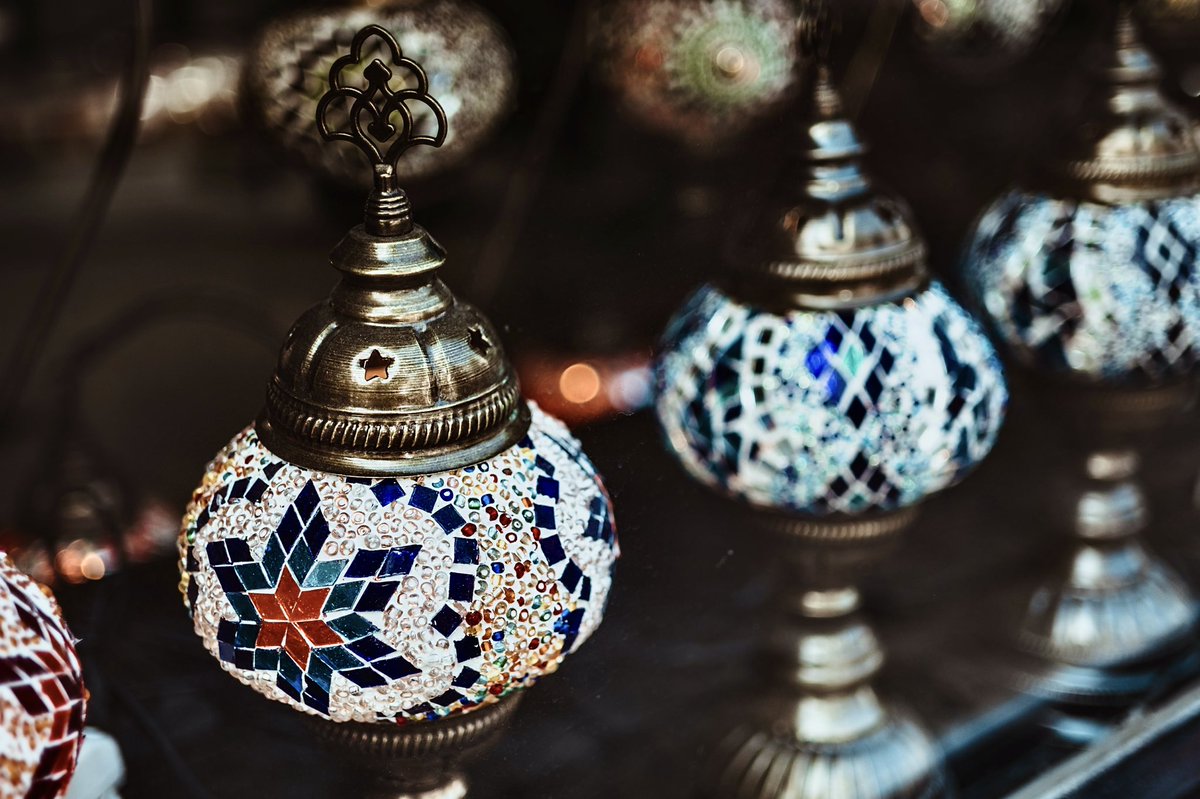
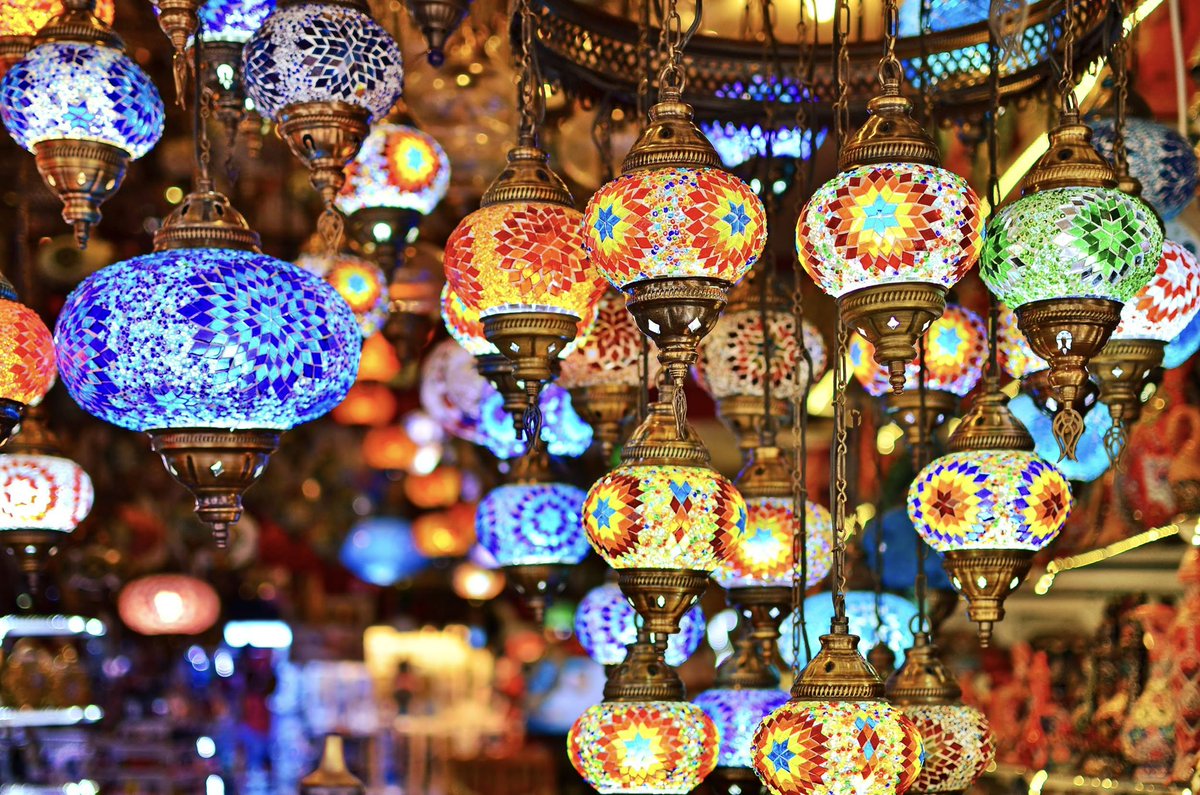
5/ The set of the Turkish mosaic lamp is formed by a metal part of brass and balloons composed of two layers. The first of them consists of a glass globe which is covered with a second globe that composes the final mosaic
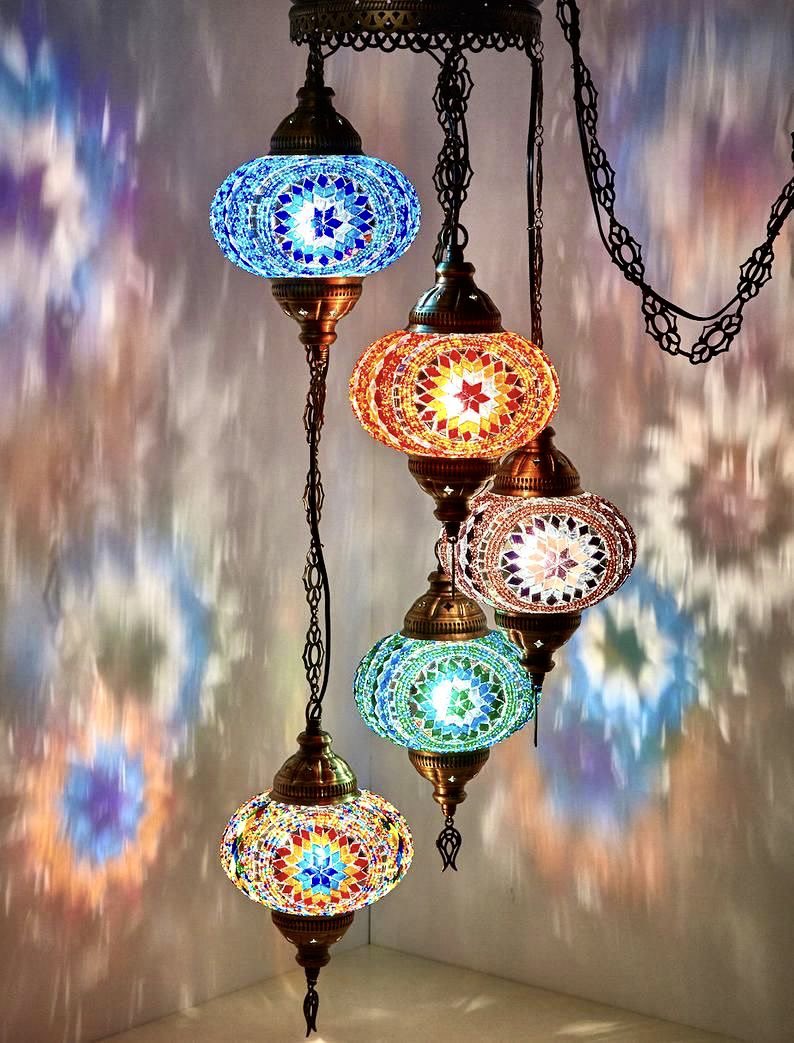
6/ You will not find two equal Turkish mosaic lamps, each one is a unique and unrepeatable piece
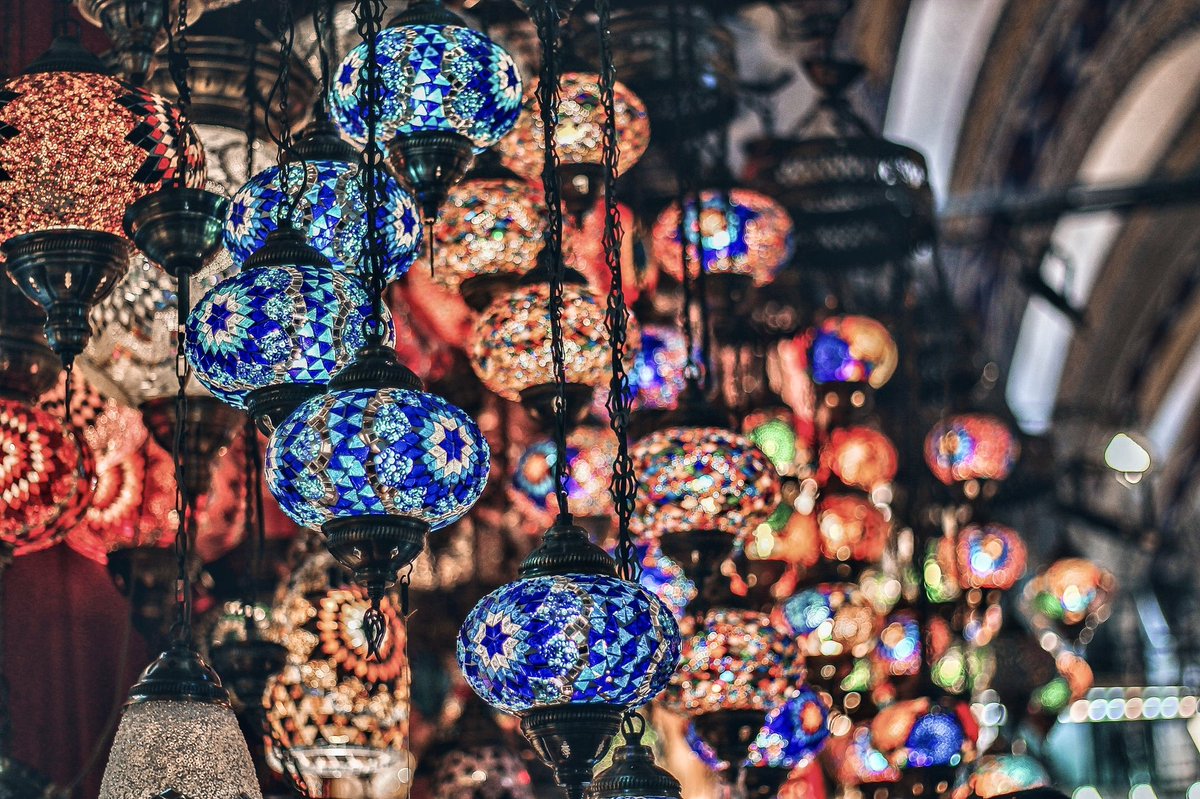
7/ Each Turkish mosaic lamp is special, all have a different mosaic design on the lampshade, colours or even drawings on the structure of the lamp itself
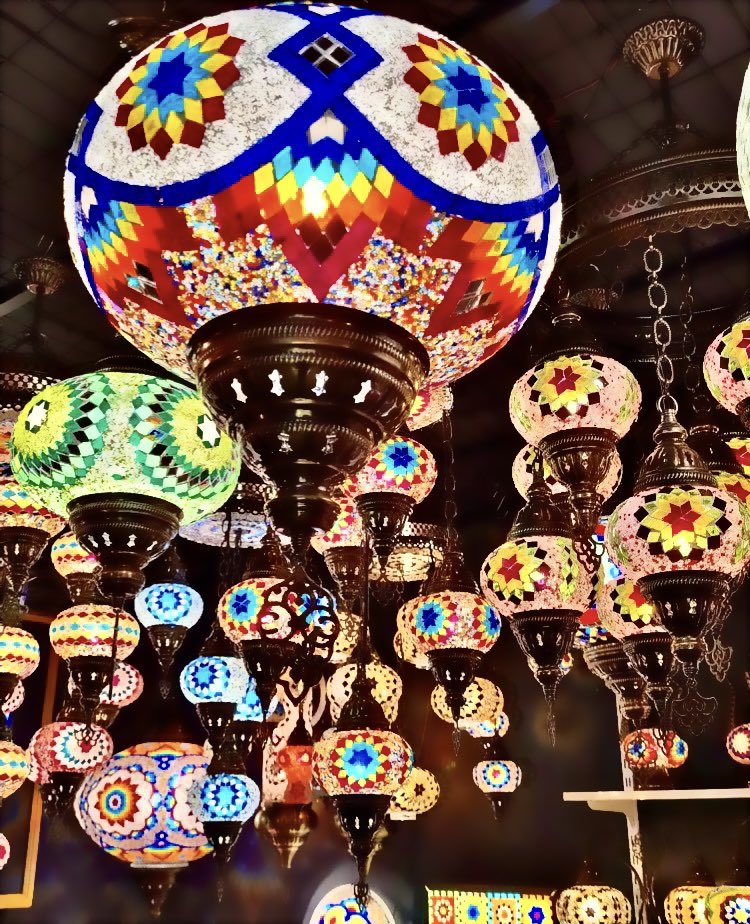
8/ The design combinations of Turkish mosaic lamps are so varied that they offer thousands of possibilities for ambient decoration
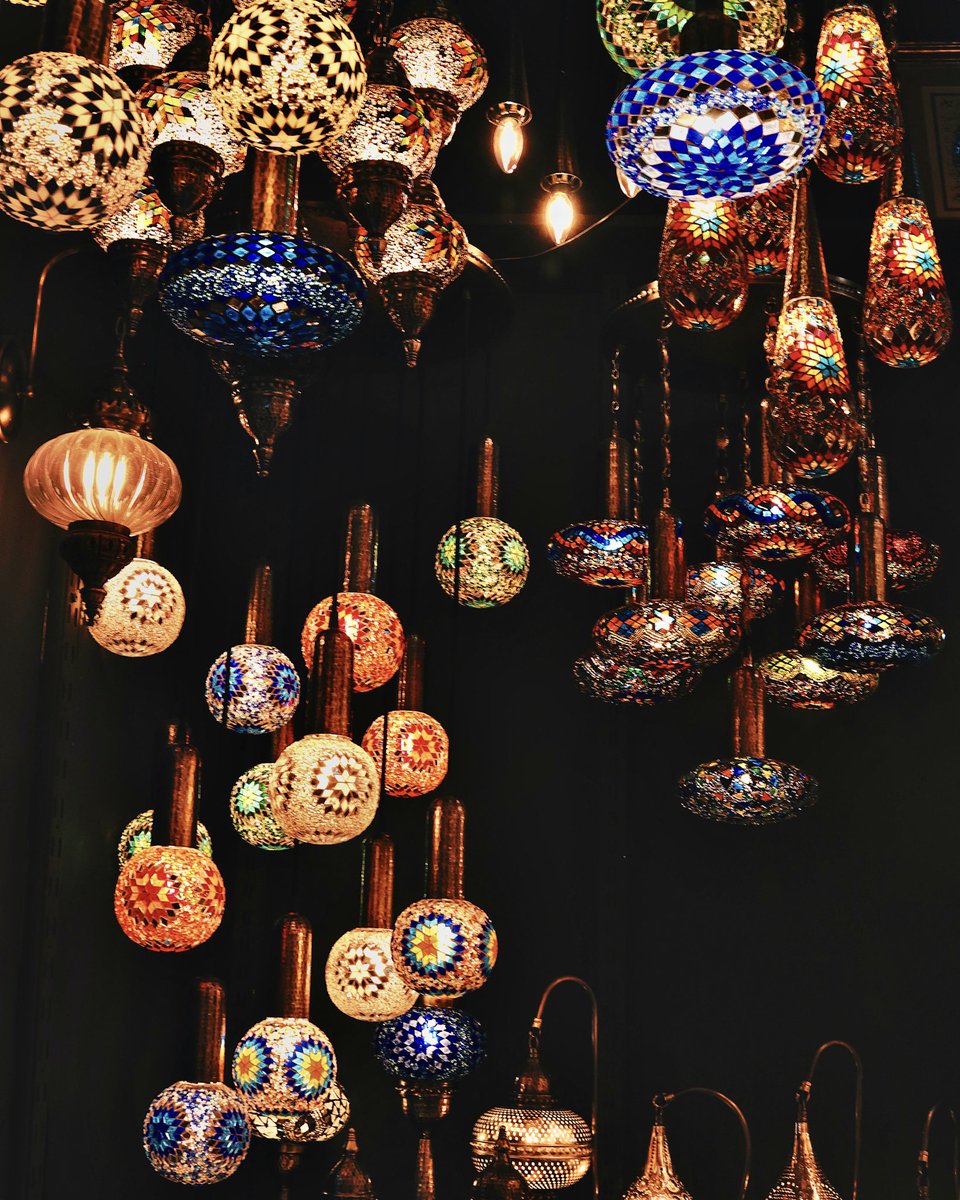
9/ Traditionally rich metals and precious stones were used to make Turkish mosaic lamps
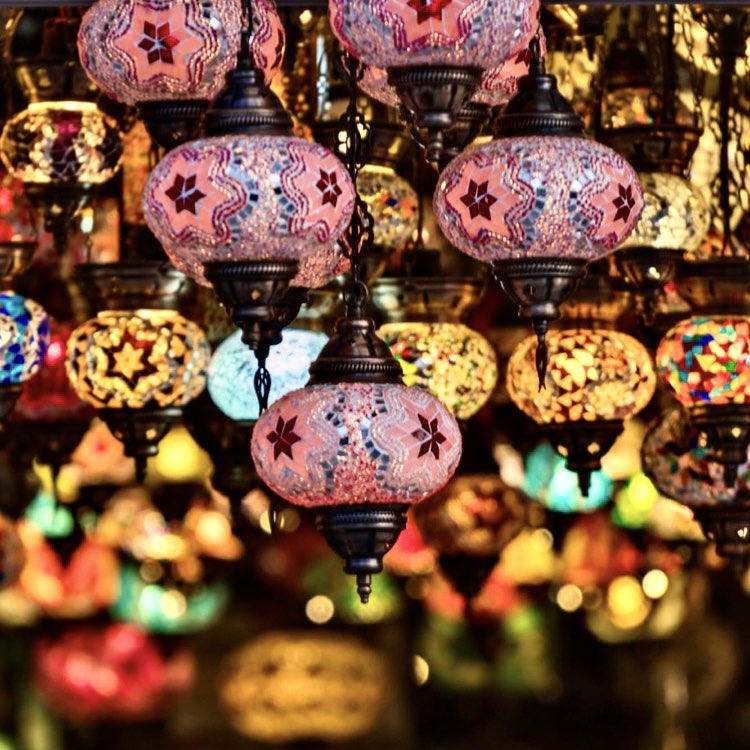
10/ The Turkish glass lamp shade spent several centuries being refined and reworked and having its aesthetic breadth expanded and elaborated upon
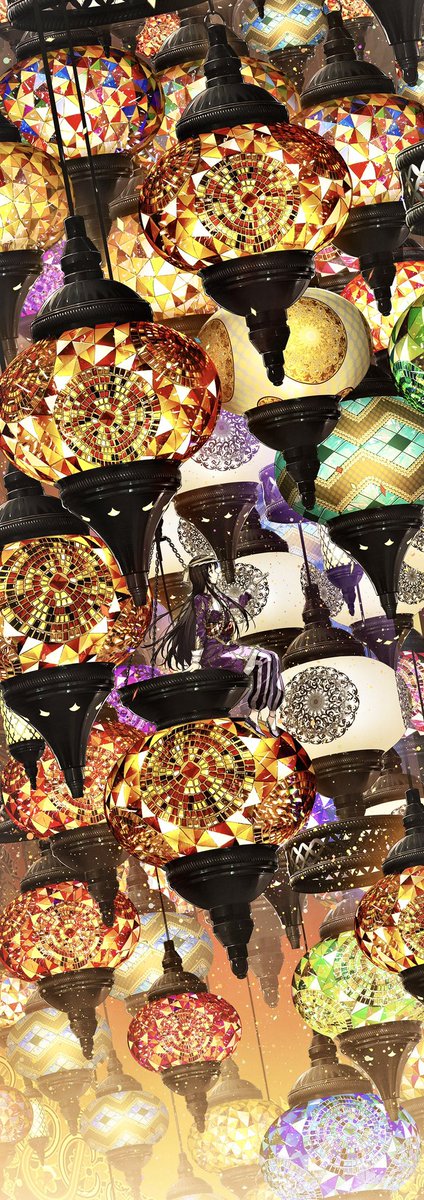
11/ Today, the stones used are not jewels, but colourful glass beads are used instead. It is in the quality of these stones where the differentiation of the Turkish lights reside
12/ By the late 19th century, the artistry of Turkish mosaic glass lamps had reached an extraordinary level of elegance & sophistication
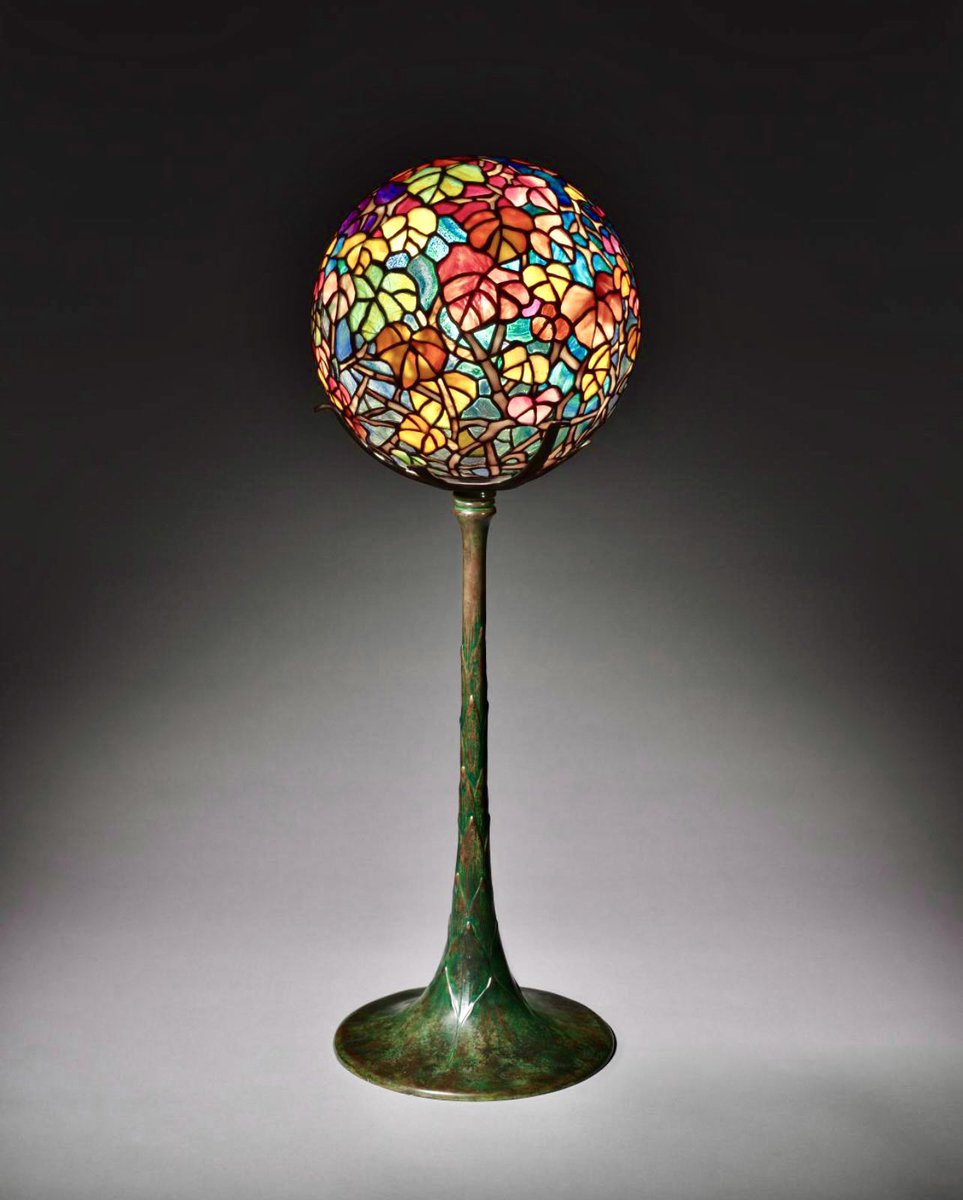
13/ It was at this time that Louis Comfort Tiffany (1848 – 1933) on one of his many European sojourns, first encountered Turkish mosaic lamps

14/ Louis Comfort Tiffany was so taken aback with what he’d found in Constantinople (present day Istanbul) that he returned to his American workshops inspired by Turkish mosaic lamps

15/ Tiffany made subtle changes to the production process & tweaked the look of the glass. He launched the new product in 1893 at the Worlds Columbian Exhibition in Chicago. From that point on the mosaic table lamp, became widely known as the Tiffany Lamp

16/ Tiffany lamps are considered part of the Art Nouveau movement. Louis Comfort Tiffany (1848 – 1933) is best known for his work in stained glass. His purpose was to promote & spread the status of the decorative arts to the level of fine art
17/ Turkish glass mosaic lamps are little changed from the early style of the 16th century
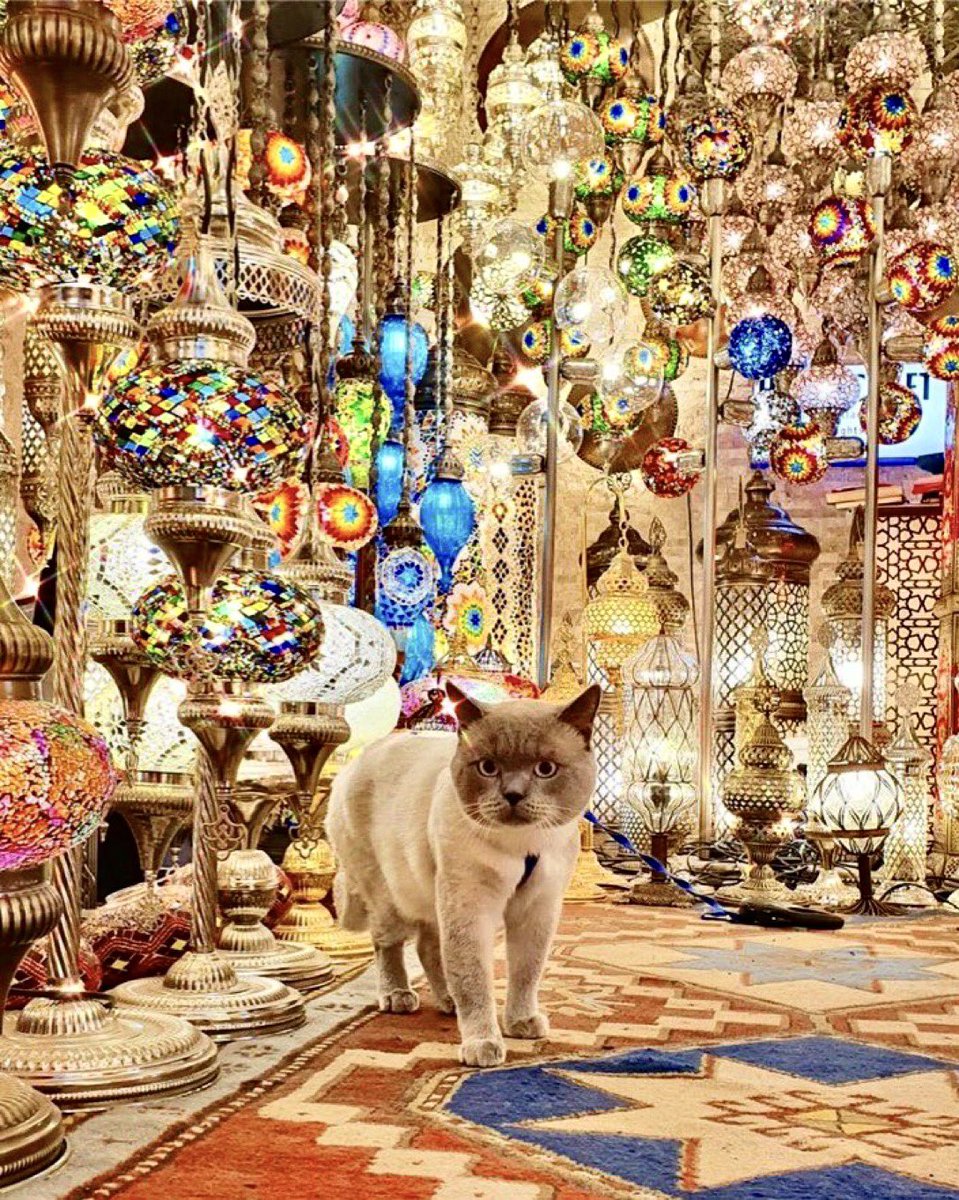
18/ Turkish mosaic lamps are appreciated all over the world for their unique beauty and splendour. The artistry and craftsmanship behind them continue to inspire artists and designers today…
Discover the history of glass lamps from the Muslim World, and how they have influenced design:
baytalfann.com
baytalfann.com
Loading suggestions...