

The world’s greatest geniuses all share 24 personality traits.
To operate at a genius level, you’ll want to emulate them.
Here’s how to adopt all 24:
To operate at a genius level, you’ll want to emulate them.
Here’s how to adopt all 24:
1. Drive
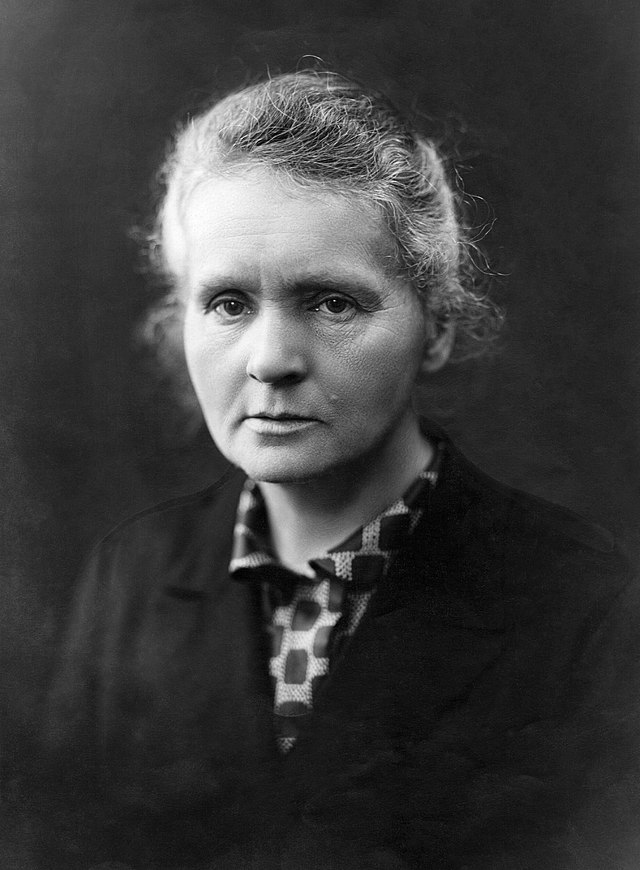
Give your all to everything you do. Focus on what you want to achieve, and never give up until you get there.
Marie Curie was utterly relentless in her pursuit of knowledge — and her dogged persistence led her to discover two new elements.
Give your all to everything you do. Focus on what you want to achieve, and never give up until you get there.
Marie Curie was utterly relentless in her pursuit of knowledge — and her dogged persistence led her to discover two new elements.
2. Courage
It takes courage to do the impossible.
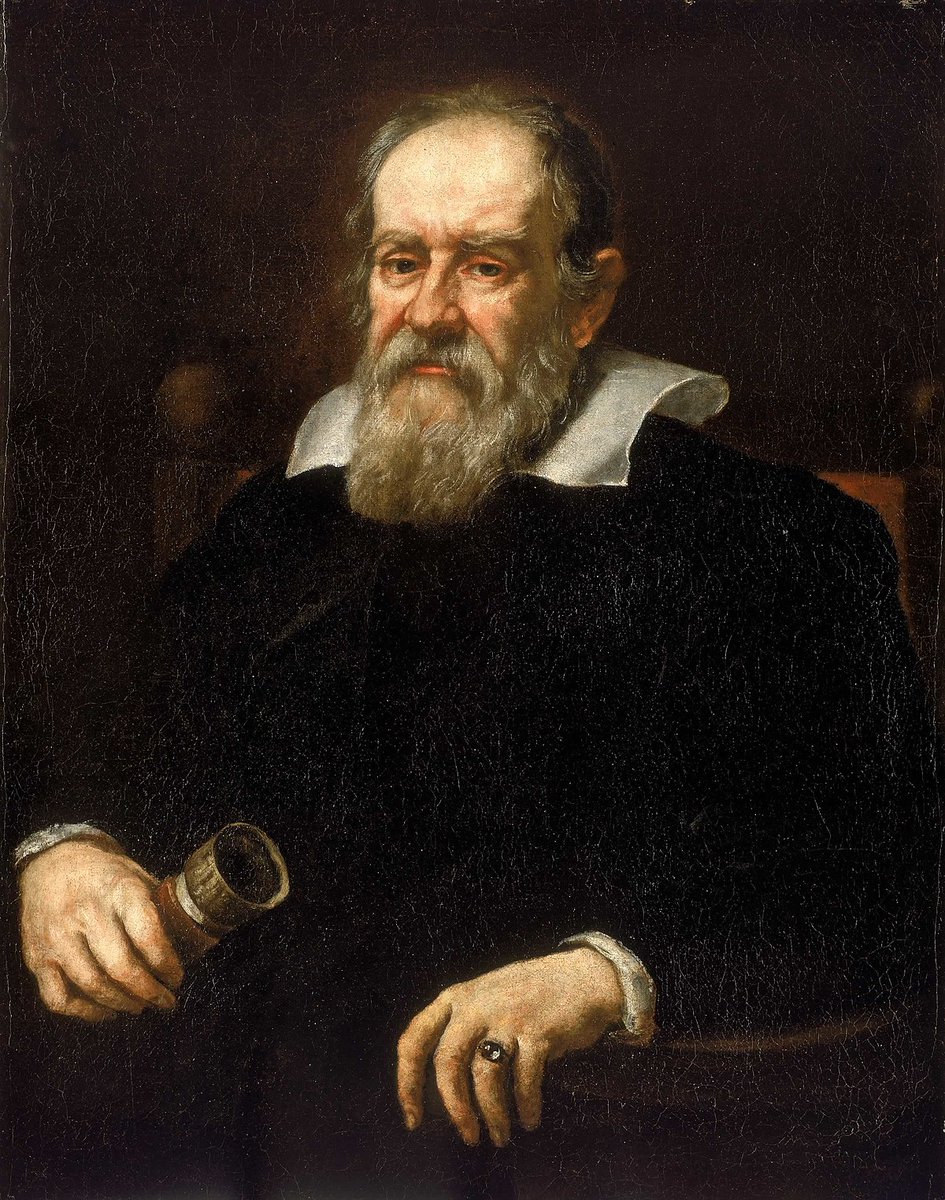
Galileo Galilei informed us that the Earth revolves around the sun. This was unheard of in his time and was considered a fanatical view.
Nonetheless, Galileo stood by this stance— and was eventually proven right.
It takes courage to do the impossible.
Galileo Galilei informed us that the Earth revolves around the sun. This was unheard of in his time and was considered a fanatical view.
Nonetheless, Galileo stood by this stance— and was eventually proven right.
3. Devotion to goals
Set goals that light you on fire and give you a sense of purpose.
Stephen Hawking said, “I didn't do my scientific work in the hope of winning prizes and medals. I did it because I wanted to understand the universe.”
Set goals that light you on fire and give you a sense of purpose.
Stephen Hawking said, “I didn't do my scientific work in the hope of winning prizes and medals. I did it because I wanted to understand the universe.”

4. Knowledge
Read constantly. Never stop asking questions. Never stop learning.
Neil deGrasse Tyson said, “I try to learn something new every day, or else the day is wasted.”
Read constantly. Never stop asking questions. Never stop learning.
Neil deGrasse Tyson said, “I try to learn something new every day, or else the day is wasted.”

5. Honesty
Be honest. Take responsibility for where you went wrong. Be willing to learn from your mistakes.
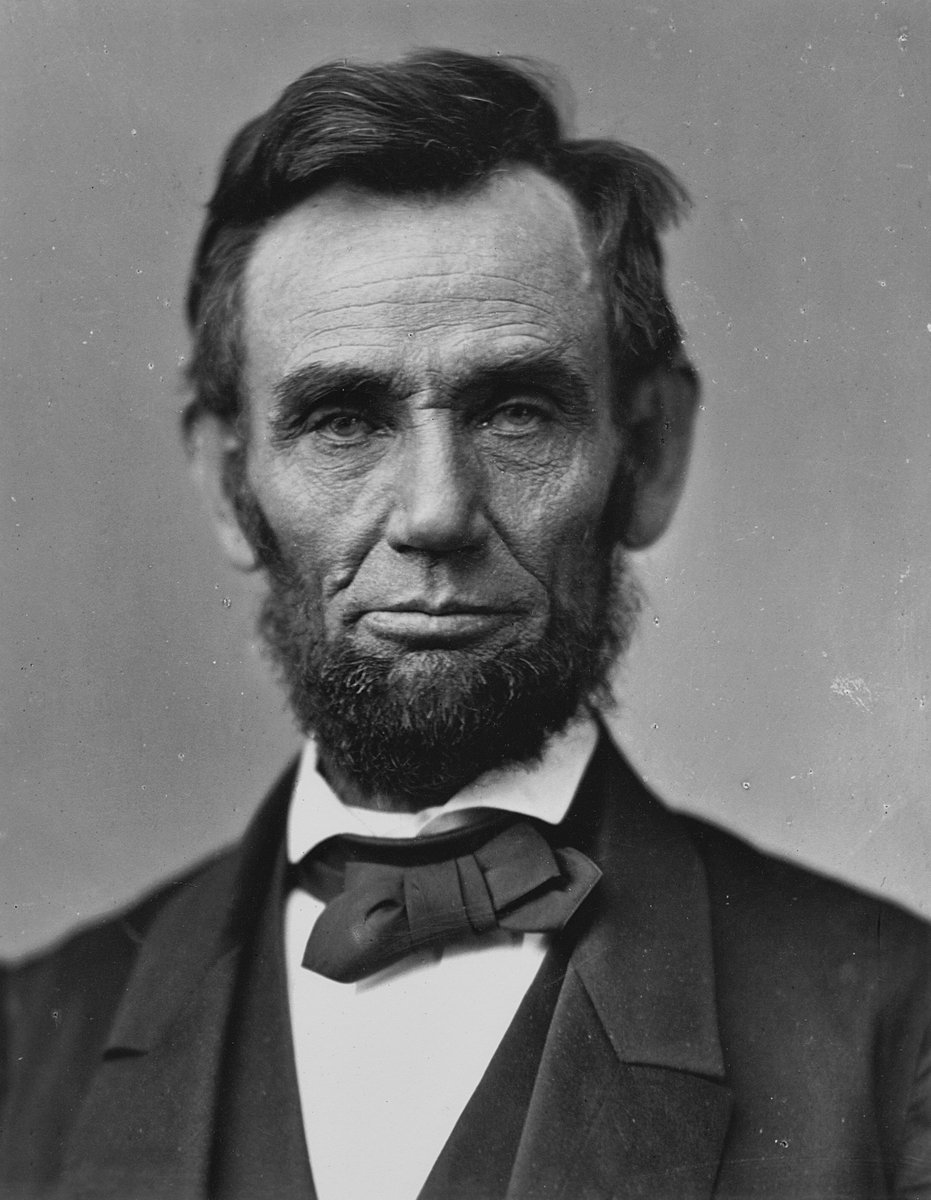
Abraham Lincoln was nicknamed “Honest Abe” for his integrity and reputation as an honest politician and lawyer — a title he worked hard to earn.
Be honest. Take responsibility for where you went wrong. Be willing to learn from your mistakes.
Abraham Lincoln was nicknamed “Honest Abe” for his integrity and reputation as an honest politician and lawyer — a title he worked hard to earn.
6. Optimism
Believe you can (and will!) succeed despite all odds.
Helen Keller, despite being both deaf and blind, was a renowned author, activist, and lecturer.
She said, “Optimism is the faith that leads to achievement. Nothing can be done without hope and confidence.
Believe you can (and will!) succeed despite all odds.
Helen Keller, despite being both deaf and blind, was a renowned author, activist, and lecturer.
She said, “Optimism is the faith that leads to achievement. Nothing can be done without hope and confidence.

7. Ability to judge
Be unbiased. Understand the facts before you judge. Be willing to change your mind.
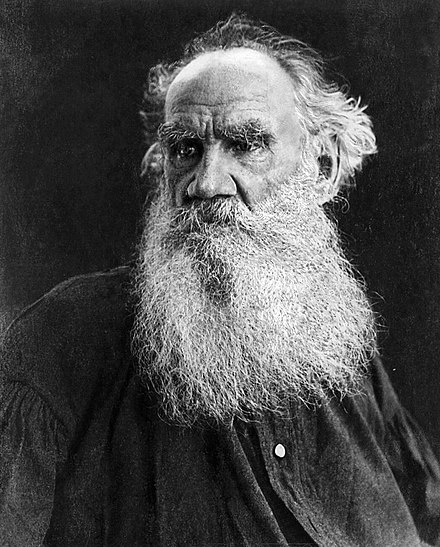
Author Leo Tolstoy was born into an aristocratic family — but he eventually came to reject his lifestyle and freed his own serfs.
Be unbiased. Understand the facts before you judge. Be willing to change your mind.
Author Leo Tolstoy was born into an aristocratic family — but he eventually came to reject his lifestyle and freed his own serfs.
8. Enthusiasm
Follow your passions. Do what you love more than anything in the world.
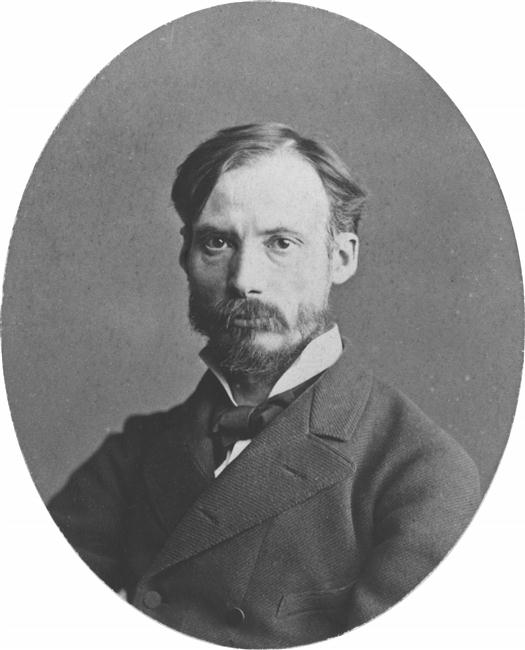
Pierre-Auguste Renoir, a renowned impressionist painter, suffered from rheumatoid arthritis. But that pain didn’t stop him from making the art he loved.
Follow your passions. Do what you love more than anything in the world.
Pierre-Auguste Renoir, a renowned impressionist painter, suffered from rheumatoid arthritis. But that pain didn’t stop him from making the art he loved.
9. Willingness to take chances
Take risks. Overcome your fear of failure.
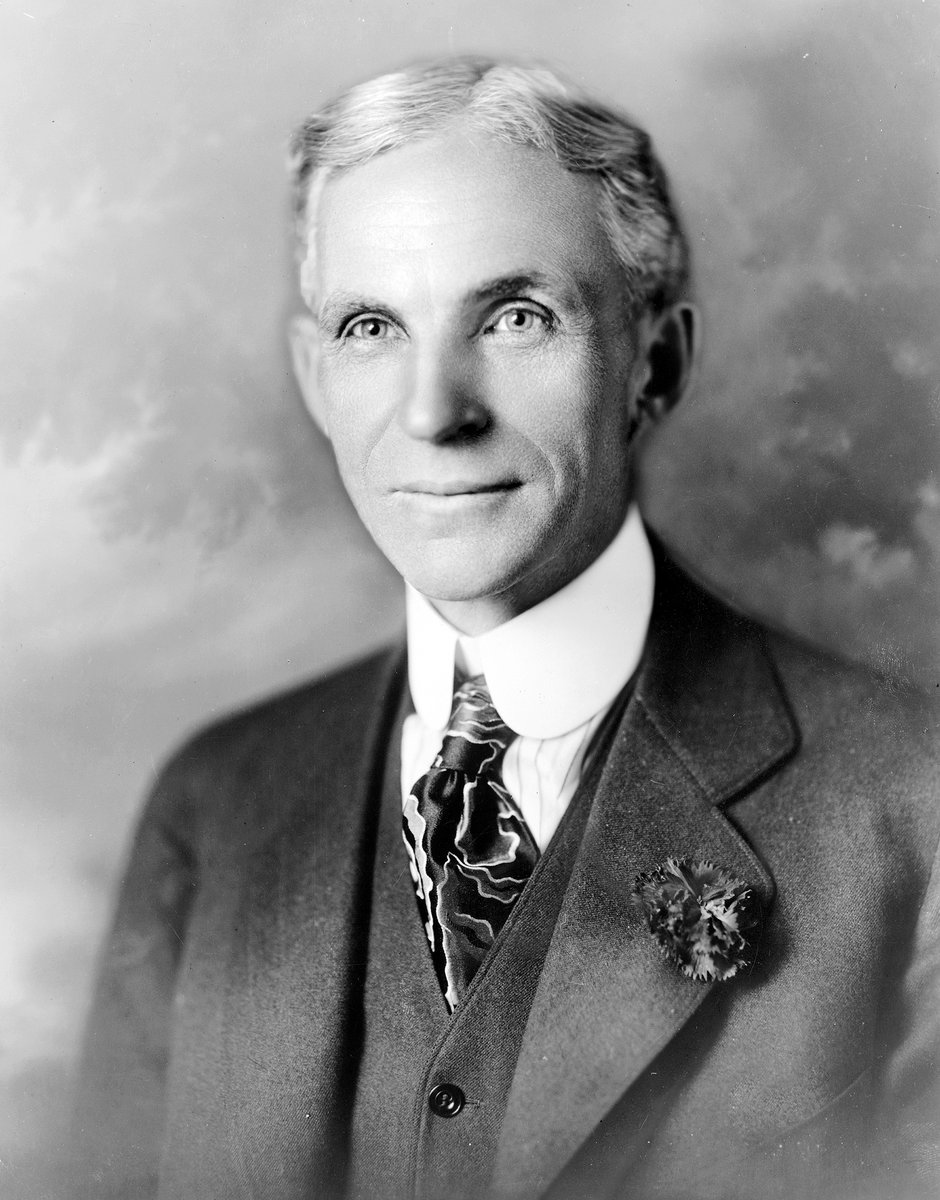
Henry Ford went bankrupt five times before founding Ford Motor Company. If he’d been afraid to fail, he’d never have succeeded.
Take risks. Overcome your fear of failure.
Henry Ford went bankrupt five times before founding Ford Motor Company. If he’d been afraid to fail, he’d never have succeeded.
10. Dynamic energy
Don’t wait for success to come to you. Make it happen.
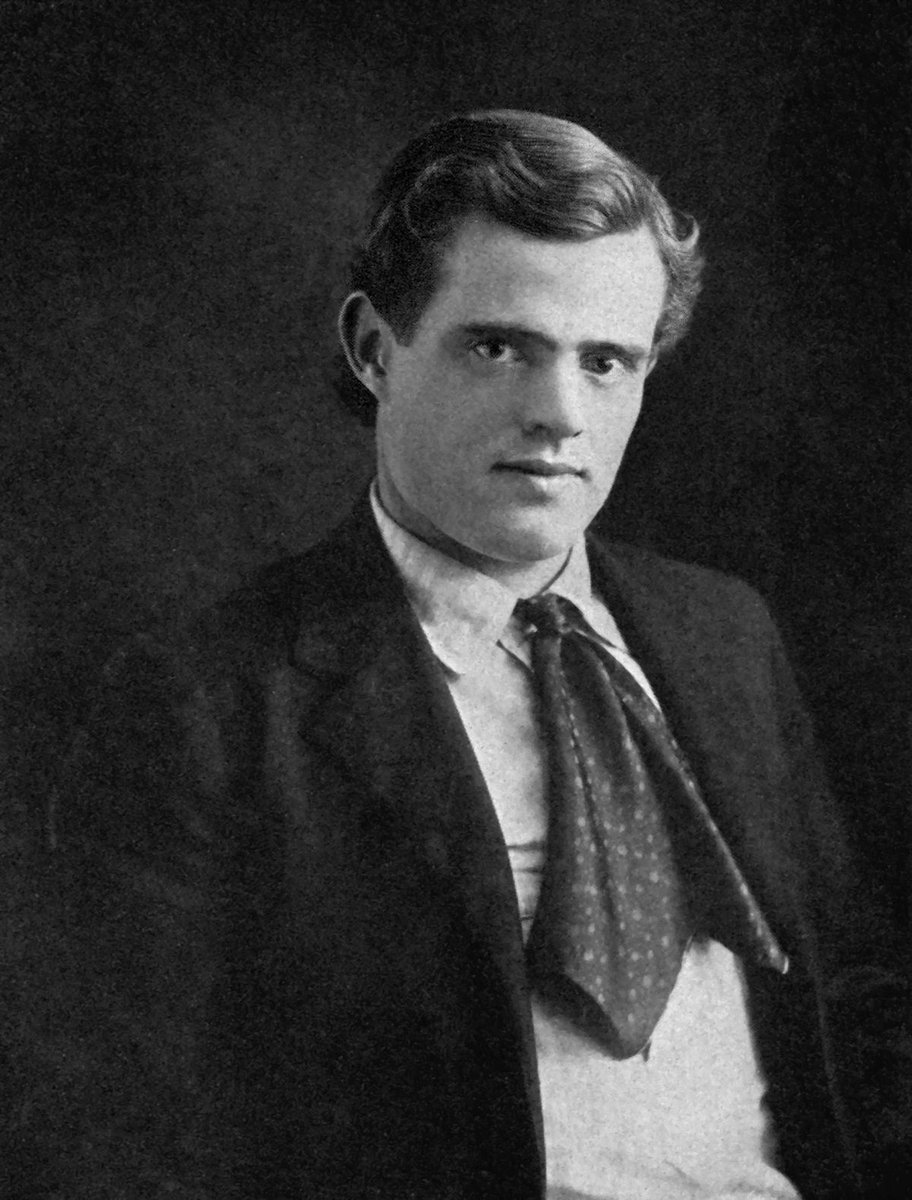
Jack London submitted his first story over 600 times before it was accepted by a publisher. He went on to author renowned literary classics.
Don’t wait for success to come to you. Make it happen.
Jack London submitted his first story over 600 times before it was accepted by a publisher. He went on to author renowned literary classics.
11. Enterprise
Seek out opportunities. Be willing to start from the bottom.
Apple was created in Steve Jobs’ parents’ garage. He and Wozniak were college dropouts, and yet they built one of the most successful and iconic companies of all time.
Seek out opportunities. Be willing to start from the bottom.
Apple was created in Steve Jobs’ parents’ garage. He and Wozniak were college dropouts, and yet they built one of the most successful and iconic companies of all time.

12. Persuasion
When you believe in what you’re doing, you can persuade others.
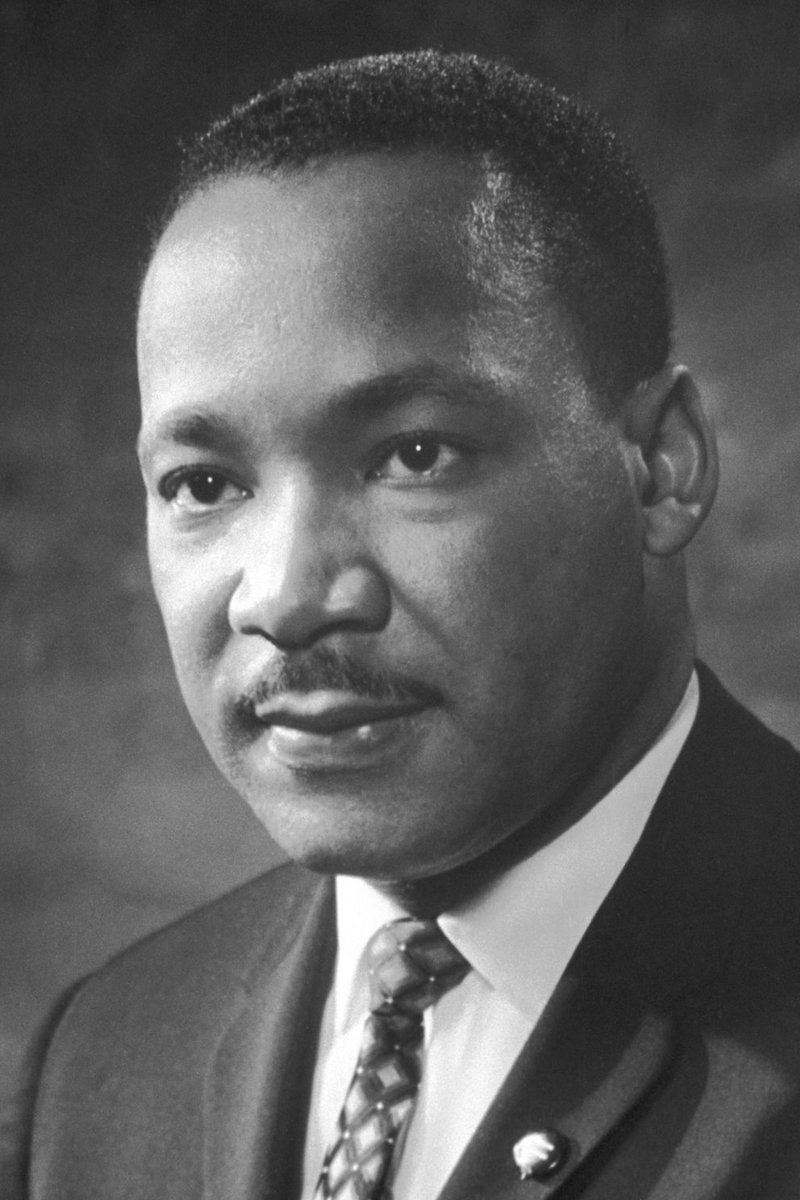
In 1963, Martin Luther King, Jr. delivered one of the most famous persuasive speeches of all time, "I Have A Dream." The speech called for ending racism and segregation and still inspires today.
When you believe in what you’re doing, you can persuade others.
In 1963, Martin Luther King, Jr. delivered one of the most famous persuasive speeches of all time, "I Have A Dream." The speech called for ending racism and segregation and still inspires today.
13. Outgoingness
Be kind. Bring others up — don’t put others down.
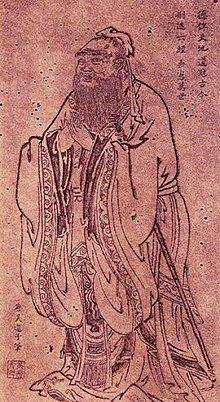
Confucius believed that giving love to the people closest to you could cause a ripple effect that could change the world. He developed a large following through his teachings.
Be kind. Bring others up — don’t put others down.
Confucius believed that giving love to the people closest to you could cause a ripple effect that could change the world. He developed a large following through his teachings.
14. Ability to communicate
Communicate your ideas clearly.
UK Prime Minister Winston Churchill was famous for being able to speak and write in ways that inspired his people during some of the most trying times in history.
Communicate your ideas clearly.
UK Prime Minister Winston Churchill was famous for being able to speak and write in ways that inspired his people during some of the most trying times in history.

15. Patience
Success comes to those who wait.
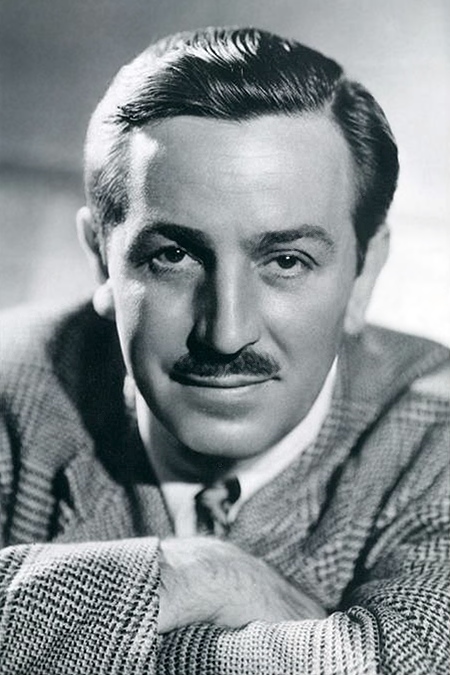
Walt Disney was fired from one of his first animation jobs because his editor felt he “lacked imagination and had no good ideas.”
He never gave up, and eventually, he built one of the most iconic media brands of all time.
Success comes to those who wait.
Walt Disney was fired from one of his first animation jobs because his editor felt he “lacked imagination and had no good ideas.”
He never gave up, and eventually, he built one of the most iconic media brands of all time.
16. Perception
Notice things that others don’t.
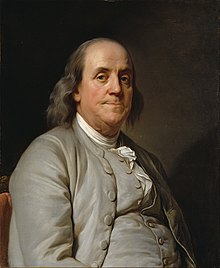
Benjamin Franklin perceived that lightning was electricity. So he set out to prove it, making a critically important scientific discovery that changed the world.
Notice things that others don’t.
Benjamin Franklin perceived that lightning was electricity. So he set out to prove it, making a critically important scientific discovery that changed the world.
17. Perfectionism
Never tolerate mediocrity. Always strive to improve.
The Bronte sisters did not start out writing great novels. Instead, they perfected their writing skills through intense practice over many years.
Never tolerate mediocrity. Always strive to improve.
The Bronte sisters did not start out writing great novels. Instead, they perfected their writing skills through intense practice over many years.

18. Sense of humor
Be willing to laugh. Don’t take yourself too seriously.
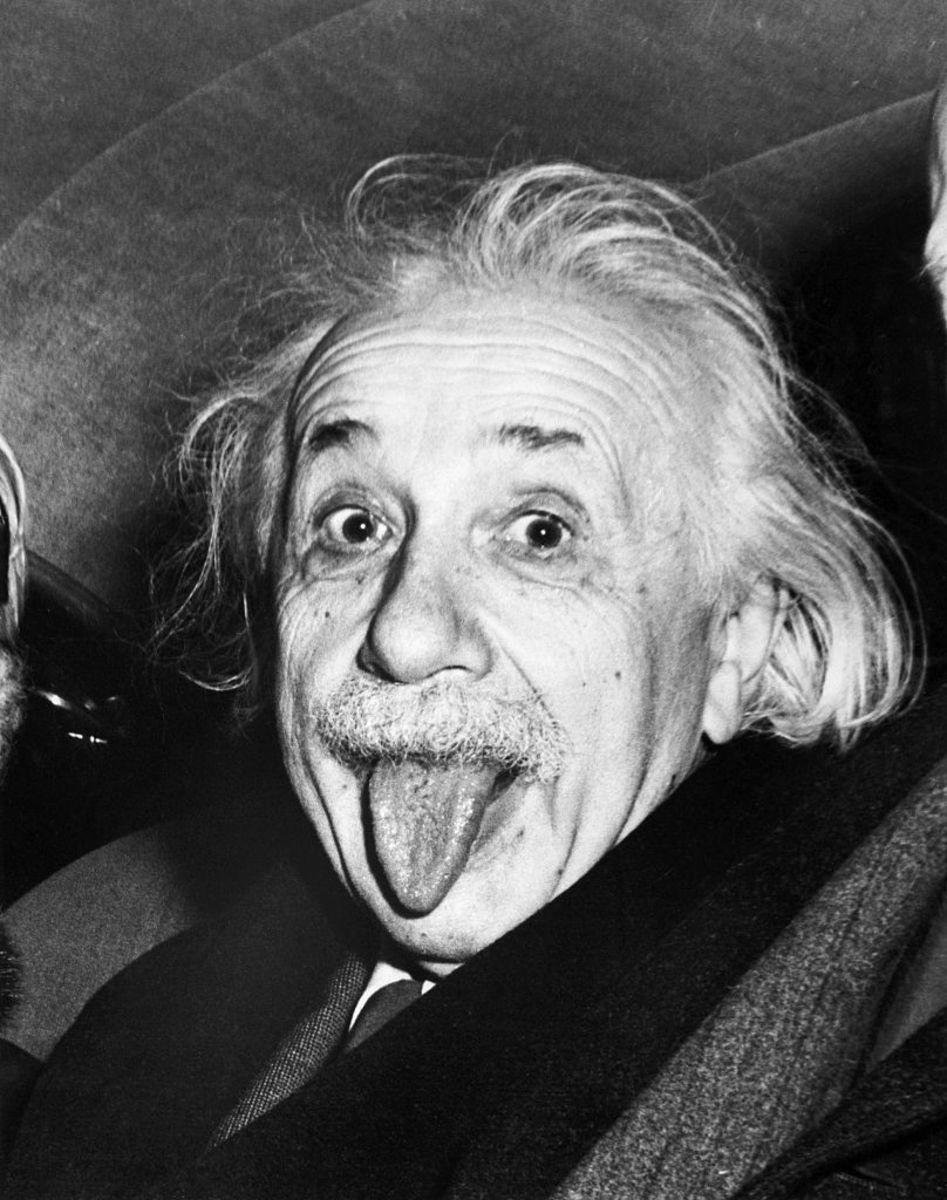
Albert Einstein’s mathematical theories progressed humanity forward. His work was serious, but he never lost his sense of humor.
Be willing to laugh. Don’t take yourself too seriously.
Albert Einstein’s mathematical theories progressed humanity forward. His work was serious, but he never lost his sense of humor.
19. Versatility
Don’t be afraid to try new things, even if they seem very different.
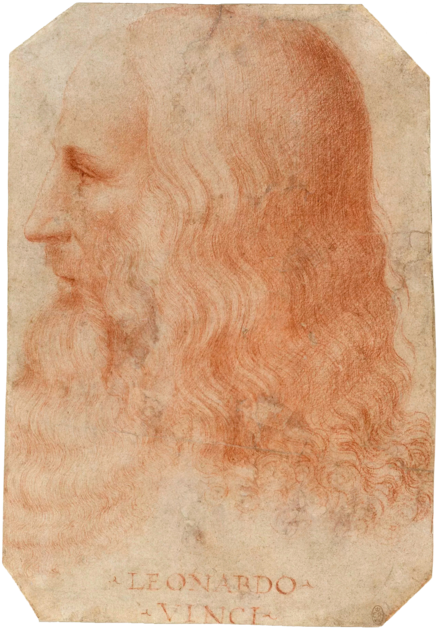
Leonardo da Vinci was both a renowned engineer *and* an accomplished artist.
Don’t be afraid to try new things, even if they seem very different.
Leonardo da Vinci was both a renowned engineer *and* an accomplished artist.
20. Adaptability
Be flexible. Be willing to consider new options.
Marilyn vos Savant started out her career in finance but changed her path to become a writer, a field in which she found immense success.
Be flexible. Be willing to consider new options.
Marilyn vos Savant started out her career in finance but changed her path to become a writer, a field in which she found immense success.

21. Curiosity
Always seek to understand what you don’t understand.
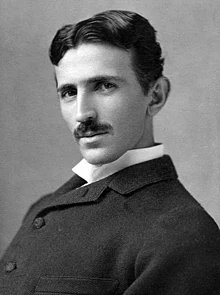
Nikola Tesla had already started experimenting and inventing by age six. His curiosity about the way things worked fueled him for the rest of his life.
Always seek to understand what you don’t understand.
Nikola Tesla had already started experimenting and inventing by age six. His curiosity about the way things worked fueled him for the rest of his life.
22. Individualism
Don’t fear someone’s disapproval. Do what you know is right.
Even when others didn’t want to listen, Katherine Johnson developed calculations that helped the US launch its first astronaut into space.
Don’t fear someone’s disapproval. Do what you know is right.
Even when others didn’t want to listen, Katherine Johnson developed calculations that helped the US launch its first astronaut into space.

23. Idealism
Strive to achieve great things — not just for you, but for the betterment of mankind.
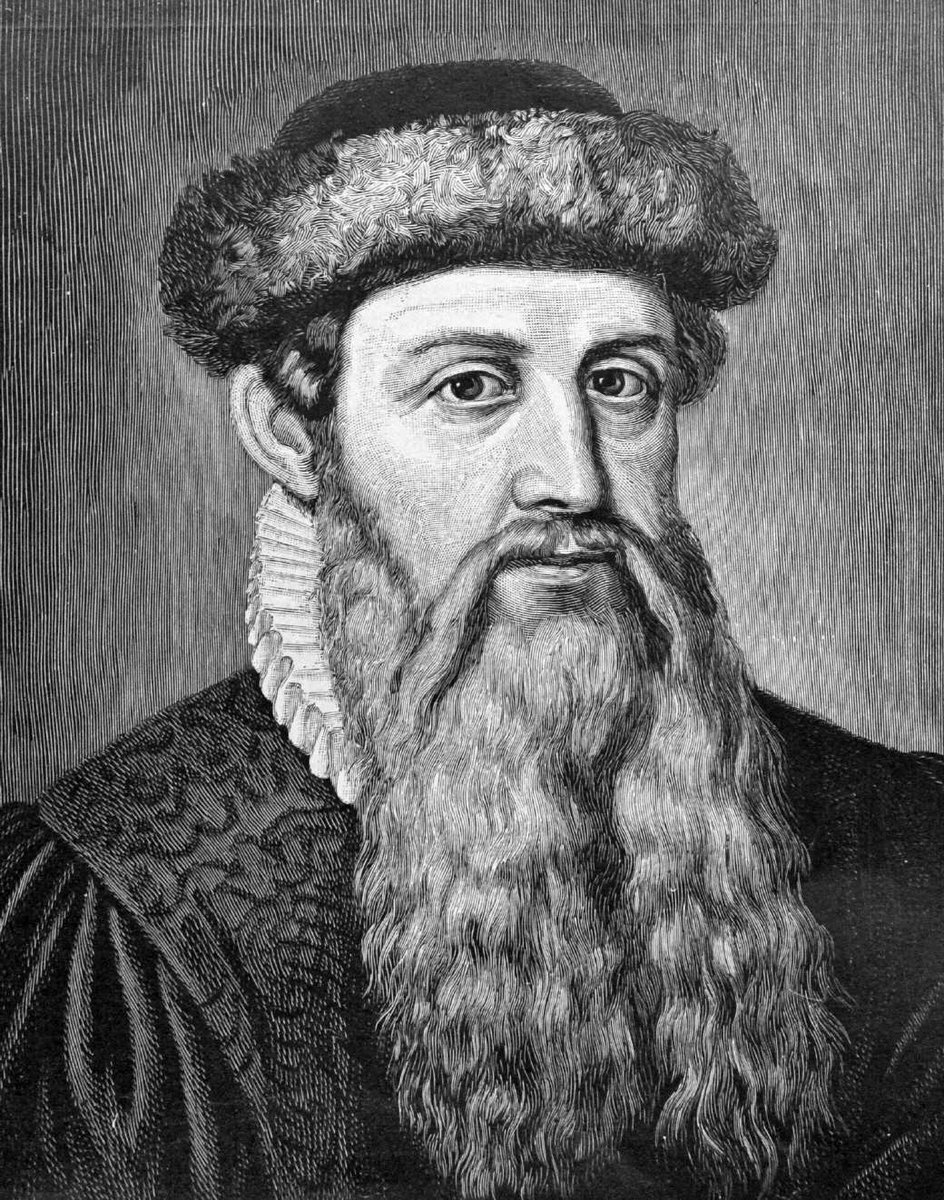
Johannes Gutenberg invented the printing press to make printed material available to the masses, changing the world forever.
Strive to achieve great things — not just for you, but for the betterment of mankind.
Johannes Gutenberg invented the printing press to make printed material available to the masses, changing the world forever.
24. Imagination
Be willing to dream up new ways of doing things. Daydream.
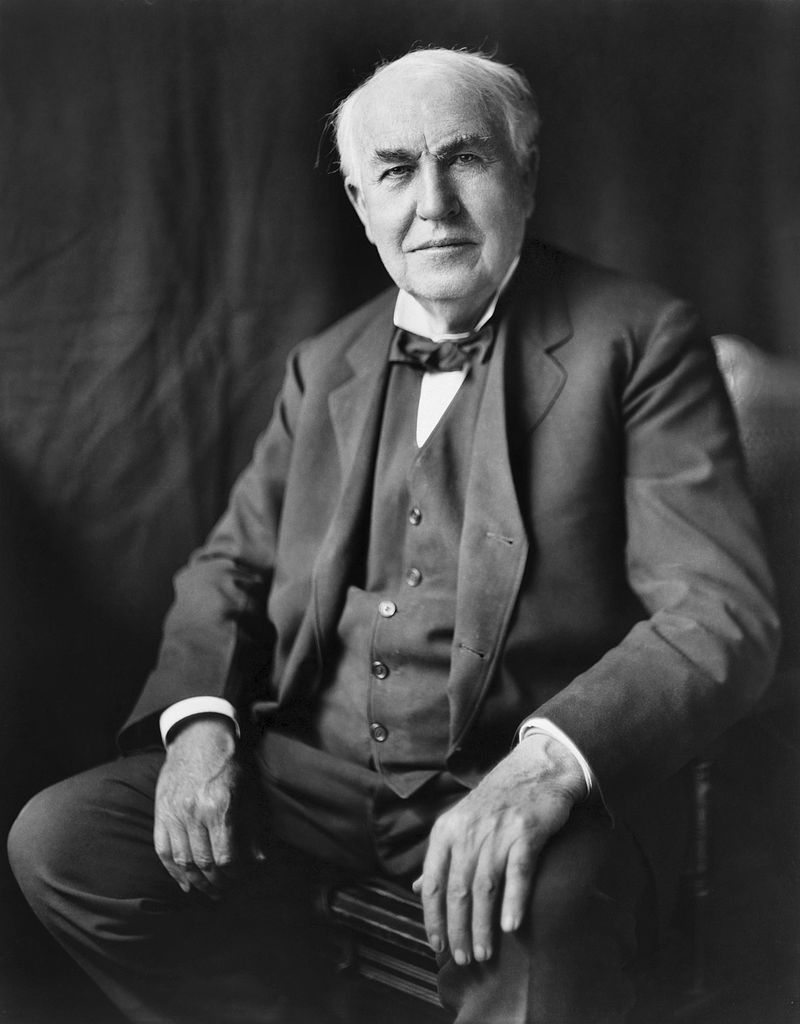
Thomas Edison is an icon for imagination, with a collection of patents for over 1,000 inventions.
Be willing to dream up new ways of doing things. Daydream.
Thomas Edison is an icon for imagination, with a collection of patents for over 1,000 inventions.
These 24 traits of genius were identified by Dr. Albert Barrios.
Anyone can seek to emulate them.
To lead an exceptional and extraordinary life, look to the greatest minds of history.
Anyone can seek to emulate them.
To lead an exceptional and extraordinary life, look to the greatest minds of history.
Most public schools want to standardize students.
At GT School, we want to cultivate genius.
Our kids learn 3-5x faster and gain life skills that supercharge their potential.
For more tips on how to help your child cultivate their gifts, follow @gtschool.
At GT School, we want to cultivate genius.
Our kids learn 3-5x faster and gain life skills that supercharge their potential.
For more tips on how to help your child cultivate their gifts, follow @gtschool.
Loading suggestions...