

“Statistics” used in research on religious-based hate crimes in India often rely heavily on Indian media reportage. If the media only names Hindus as perpetrators and never as victims and the reverse for Muslims, the perception (especially here in the West) is that
religious hate crimes disproportionately affect Muslims and that to argue ow is not “data driven.” This is why methodologies need to be interrogated. We cannot assume that data and stats are neutral and objective. This is precisely what @sbabones surfaces re: the Freedom Index.
If we don’t interrogate methodological tools, narratives become axiomatic in data collection.
Media and popular reductions and misrepresentations of research is already an issue.
Media and popular reductions and misrepresentations of research is already an issue.
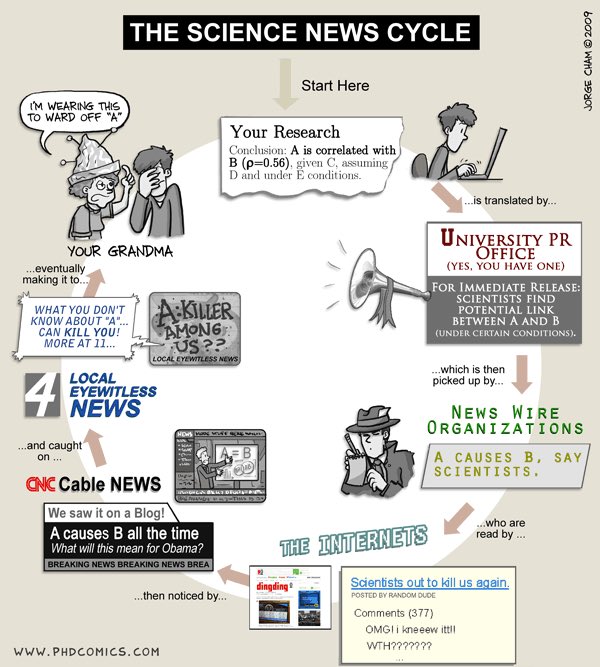
We will inevitably replicate prevailing ideas if we don’t dig.
E.g. using vegetarianism as an index for collecting data on “Brahminical oppression” in college canteens in India - this operationalization needs to be defended and not simply accepted bc it has narrative teeth).
E.g. using vegetarianism as an index for collecting data on “Brahminical oppression” in college canteens in India - this operationalization needs to be defended and not simply accepted bc it has narrative teeth).
Instead of discarding the disciplines as “pseudoscience”, interrogate them, learn the methodologies, and even model enacting them (and improving them) with high levels of rigor, transparency, and ethics. Dismissing them might feel satisfying but they’re not going anywhere.
And bc they’re lock-step with media narratives, by design, they impact the public imagination by making people feel justified in their preexisting notions/prejudices. Dismissing all of this as pseudoscience and expecting that to make the problem go away is magical thinking.
Loading suggestions...