

[MEGA THREAD] 🧵
The Qatar World Cup has been mired in controversy since the day it was announced.
Obviously I will be covering the tournament - and I can’t deny my excitement for what is my favourite thing in all of sport - but I’ve felt uncomfortable about it.
The Qatar World Cup has been mired in controversy since the day it was announced.
Obviously I will be covering the tournament - and I can’t deny my excitement for what is my favourite thing in all of sport - but I’ve felt uncomfortable about it.
![[MEGA THREAD] 🧵
The Qatar World Cup has been mired in controversy since the day it was announced....](https://pbs.twimg.com/media/Fhw6PfLUAAAusEs.jpg)
I subsequently decided to take a deep dive into these controversies so that I can cement my opinions, highlight the problems, dispel some myths, and just do my bit to ensure the spotlight is being shone in the right places.
This thread will try to give a basic insight into:
• FIFA/Qatari corruption allegations
• Migrant labour conditions
• Migrant labour deaths
• LGBTQ+ concerns
• FIFA/Qatari corruption allegations
• Migrant labour conditions
• Migrant labour deaths
• LGBTQ+ concerns
When Sepp Blatter unveiled Qatar as the 2022 hosts in 2010, it was immediately met with universal shock. The tiny country was an unknown quantity in the footballing world, it had little existing infrastructure, and is built in a desert with 50C/120F summers.
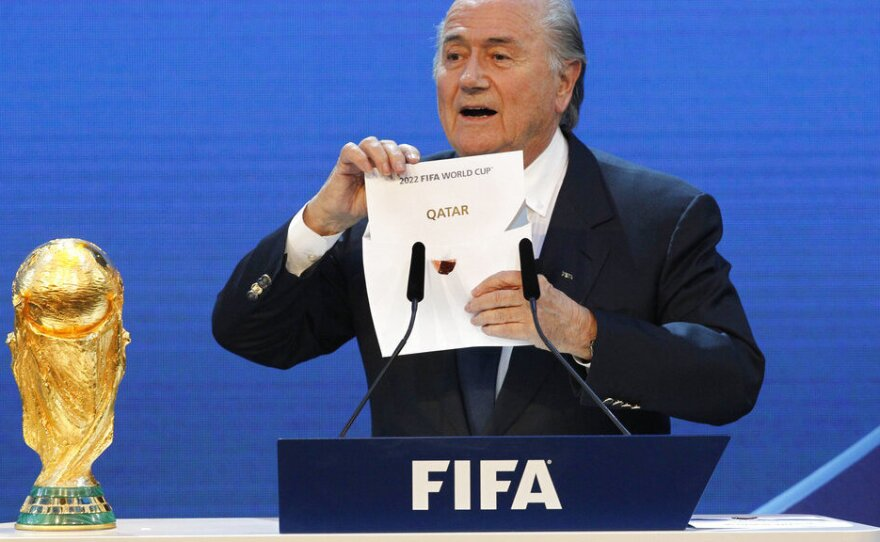
Suggestions of foul play were immediate.
Qatar was up against strong bids from USA, Japan, Australia and South Korea. Before the voting process, the bidding countries are assessed in terms of existing infrastructure and suitability.
Qatar was up against strong bids from USA, Japan, Australia and South Korea. Before the voting process, the bidding countries are assessed in terms of existing infrastructure and suitability.
Qatar was categorised as “high risk”, Russia (who won the 2018 bid on the same day) as “medium risk”, and all of the others “low risk”.
The person who completed the inspection report for Qatar doesn’t believe it was even looked at by the FIFA Executive Committee members before they voted.
Of the 22 people who decided to award the World Cup to Qatar, 16 have either been suspended, charged, or jailed.
Of the 22 people who decided to award the World Cup to Qatar, 16 have either been suspended, charged, or jailed.
Phaedra Al-Majid was part of the team working on the Qatari World Cup bid. After being fired in 2010, she turned whistleblower.
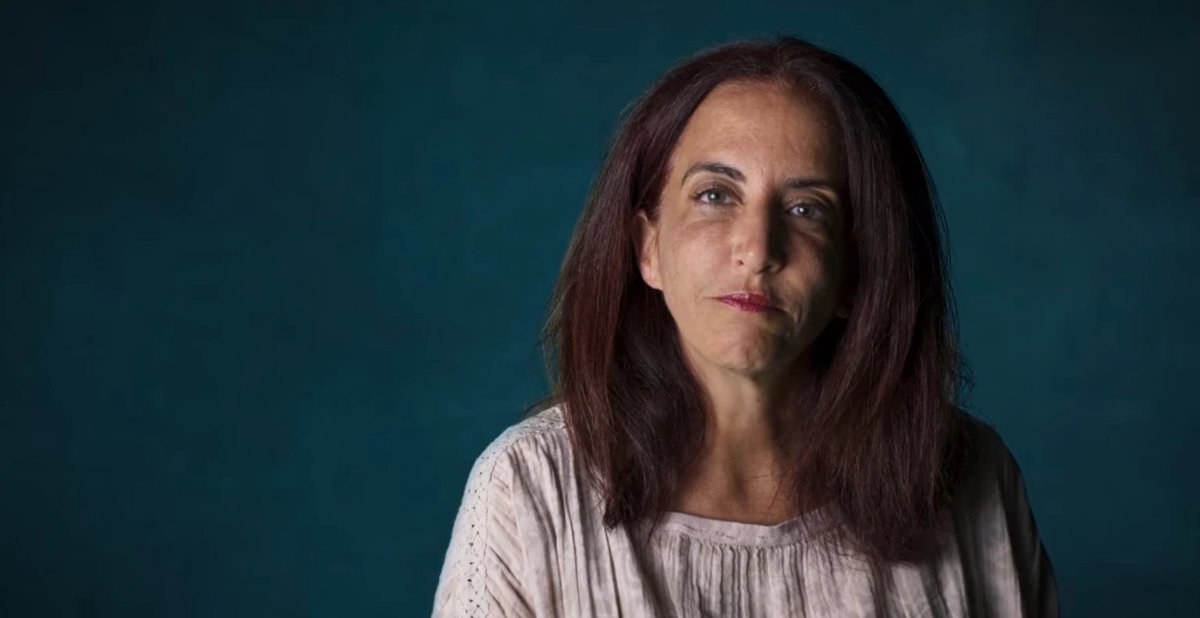
She alleges that at a FIFA Congress event in Angola in Jan 2010, she acted as translator as Hassan Al-Thawadi (general secretary of the Qatari World Cup bid) offered 3 African FIFA members with significant influence $1.5 million for their federations, in return for their votes.
Al-Majid says she was told to stay silent and never speak with anybody about what she had seen.
After being threatened with legal action, Al-Majid later signed a document retracting her statements. But when her identity was inadvertently publicised in the Garcia report (FIFA’s own investigation into the corruption), she decided to go public with her original allegations.
Qatar’s Supreme Committee maintain that she is an unreliable source who fabricated falsehoods as a disgruntled ex-employee.
Officially, Michael Garcia’s report cleared Qatar of all corruption allegations.
Officially, Michael Garcia’s report cleared Qatar of all corruption allegations.
It is notable that Garcia's report actually criticised the other bids from England, Australia, Japan and South Korea for “potentially problematic facts and circumstances”, relating to distribution of gifts and improperly trying to win certain voters’ support.
This latter point, and the fact that so many FIFA executives have been embroiled in separate corruption cases, provides some context to the Qatari allegations.
They have received a lot of publicity, but the suggestion of bought votes is by no means specific to Qatar’s WC bid.
They have received a lot of publicity, but the suggestion of bought votes is by no means specific to Qatar’s WC bid.
For example, Chuck Blazer, an American member of the FIFA ExCo (later turned FBI informant) pleaded guilty to accepting money to vote for South Africa’s 2010 bid.
Corruption unfortunately seems to have been widespread at FIFA and certainly not a new phenomenon.
Corruption unfortunately seems to have been widespread at FIFA and certainly not a new phenomenon.
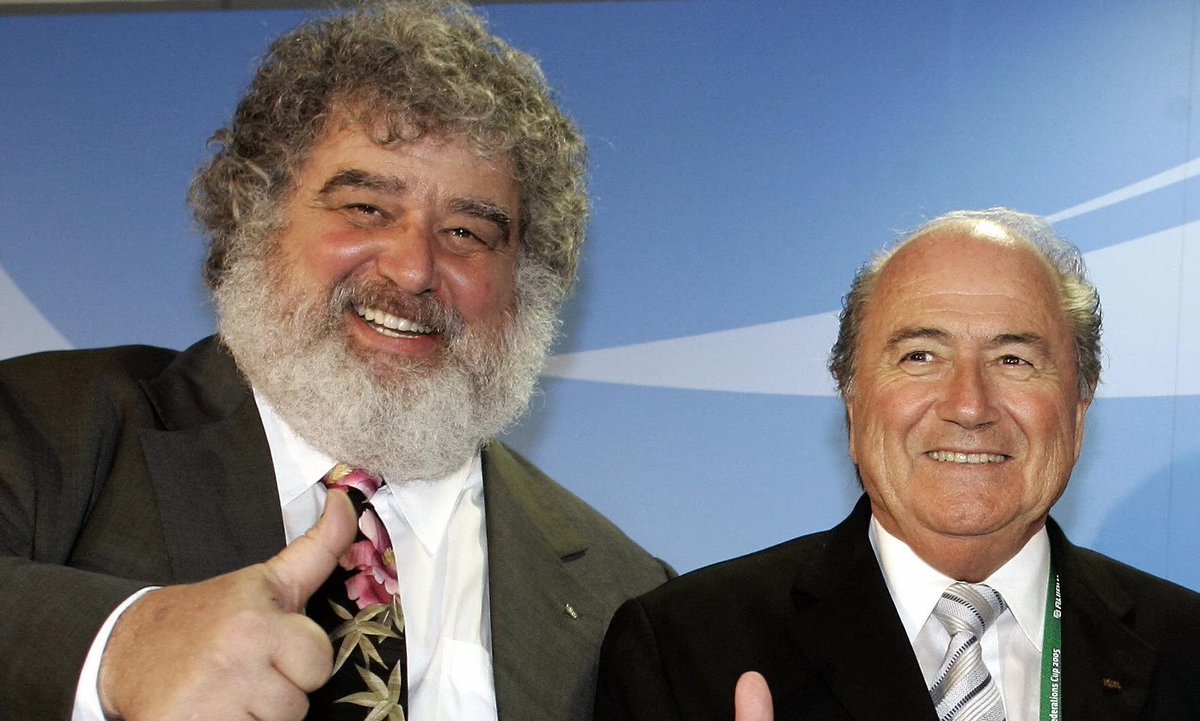
It's not always straight-forward bribes however - the waters are often murky.
E.g. geo-political deals have been linked with Qatar's victory. Nicolas Sarkozy (former French President) allegedly suggested to Michel Platini that voting for Qatar's bid would be "good for France".
E.g. geo-political deals have been linked with Qatar's victory. Nicolas Sarkozy (former French President) allegedly suggested to Michel Platini that voting for Qatar's bid would be "good for France".
There were subsequent arms deals, a huge TV rights deal between Qatar's Al Jazeera and Ligue 1, and the Qatari purchase of PSG.
These deals may be coincidental, and it is of course denied that they are linked to the World Cup bid.
These deals may be coincidental, and it is of course denied that they are linked to the World Cup bid.
For more on the FIFA corruption scandals, there is an excellent four-part documentary series on Netflix.
netflix.com
netflix.com
Onto migrant worker conditions in Qatar, as well as the associated death-tolls that have been publicised.
This, for me, is the real controversy that deserves the world's attention and leaves the darkest stain on this World Cup.
This, for me, is the real controversy that deserves the world's attention and leaves the darkest stain on this World Cup.
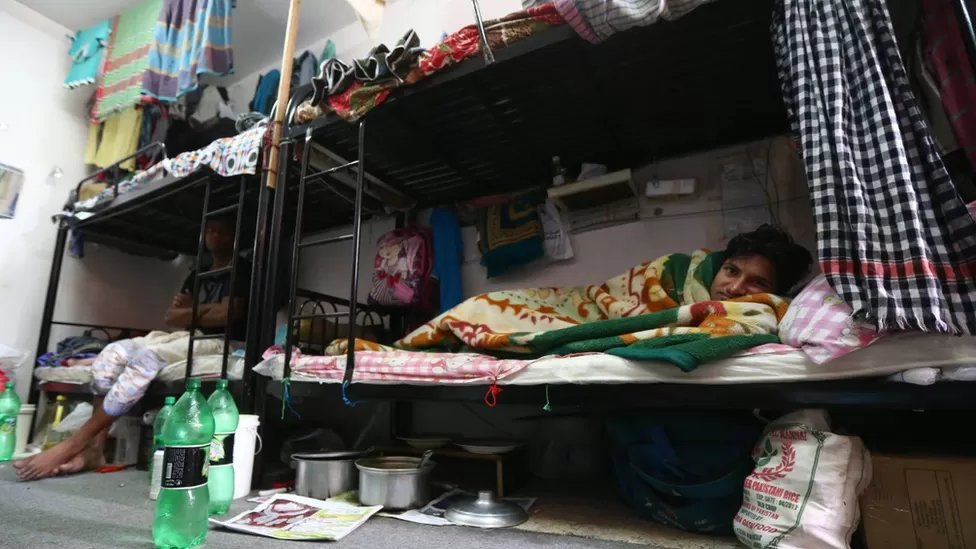
But there are certainly some common misconceptions around this that have materialised through what I would deem irresponsible headline-writing.
Firstly, the gulf states all rely on a large migrant workforce, primarily from countries like Nepal, India, Bangladesh, Pakistan and Sri Lanka.
In fact, around 90% of Qatar's 2.9 million population is made up of migrant workers.
In fact, around 90% of Qatar's 2.9 million population is made up of migrant workers.
The system in place to recruit migrant labourers and to manage (control) them in Qatar is called Kafala (now abolished - more on that later).
Kafala is essentially a sponsorship programme, which means the employer is solely responsible for that worker’s visa and well-being.
Kafala is essentially a sponsorship programme, which means the employer is solely responsible for that worker’s visa and well-being.
Agents were sent to recruit workers from rural areas of Nepal, Bangladesh etc. where prospects / employment opportunities are practically non-existent outside of farming.
Their visa was already prepared by the agent but came at a cost which they could not afford. The workers would then borrow money against their family’s land to pay the agents.
When they arrived in Qatar, the wages were often much lower than promised. They were also effectively trapped, as if they returned home they would have to repay the loan they took on their family’s land, which they could not afford.
The Kafala system also gave the employer complete control. The workers could not change jobs, their freedom of movement was often restricted, exit visas denied, not able to leave the country, and passports even confiscated in some cases.
This pathway however is well-trodden for young men from the aforementioned countries. They know to some extent what they are getting into and the risks involved, but prefer to take their chances in the gulf states in the hope of making more money for their families.
This desperation is very much exploited once the workers reach the gulf states. Their wages seem to be based on their country of origin and are outrageously low compared to native workers or western migrants.
The conditions of the migrant workers' accommodation has also been an area of grave concern. They are housed away from the cities in sprawling labour camps, in squalid, cramped conditions with reports of 8-16 people sharing one room.
The living conditions and wages of migrant workers are reportedly determined to some extent by the workers' respective country of origin and how willing their embassies are to stand up for their rights.
These origin countries are often worried to stand up for workers' rights too much as they are fearful if they speak too much they could lose the labour market - in Bangladesh’s case this makes up 10% of their GDP (workers sending money back) so they don’t want to rock the boat.
A positive consequence of this World Cup is that the spotlight has well and truly been shone on the culture of migrant workforces in the gulf states and the Kafala sponsorship system, which has forced reforms and progress that would otherwise surely have been much much slower.
The Kafala system has now been abolished in Qatar, including the abolition of agents fees and the need to ask employers for an exit visa.
A central committee has been put in place to ensure wages are the same as they were promised.
A central committee has been put in place to ensure wages are the same as they were promised.
A minimum wage has also been introduced to prevent workers from different countries being paid different amounts for the same jobs.
Human Rights Watch has hailed these moves as a positive step, but implementation of these new laws and reforms has reportedly been patchy at best.
Human Rights Watch has hailed these moves as a positive step, but implementation of these new laws and reforms has reportedly been patchy at best.
This is where the world needs to ensure that the rights of migrant workers in Qatar and the other gulf states isn't forgotten about after the World Cup.
The pressure to improve working conditions and workers' rights needs to be maintained when the world's focus shifts elsewhere.
The pressure to improve working conditions and workers' rights needs to be maintained when the world's focus shifts elsewhere.
Another huge point of contention I've not discussed yet is migrant deaths.
Some of the numbers published over the last decade have been devastatingly shocking.
Some of the numbers published over the last decade have been devastatingly shocking.
In 2013, the International Trades Union Confederation reported 1,200 migrant deaths in Qatar between 2010-2013.
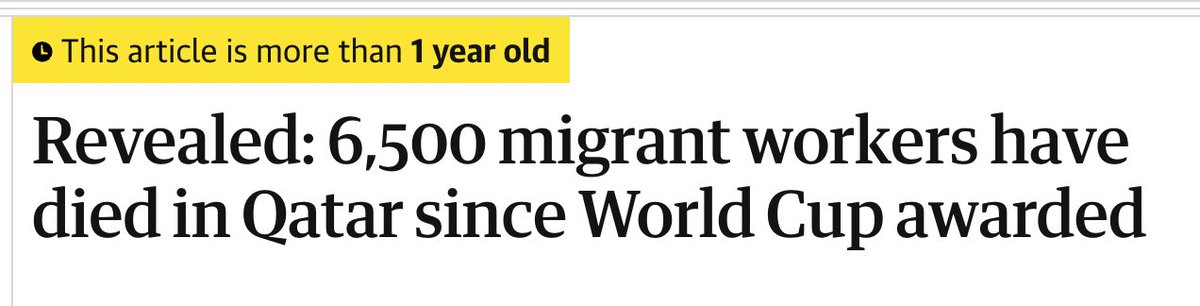
In 2021, The Guardian stated that 6,500 migrant workers have died in Qatar since the World Cup was awarded in 2010.
In 2021, The Guardian stated that 6,500 migrant workers have died in Qatar since the World Cup was awarded in 2010.
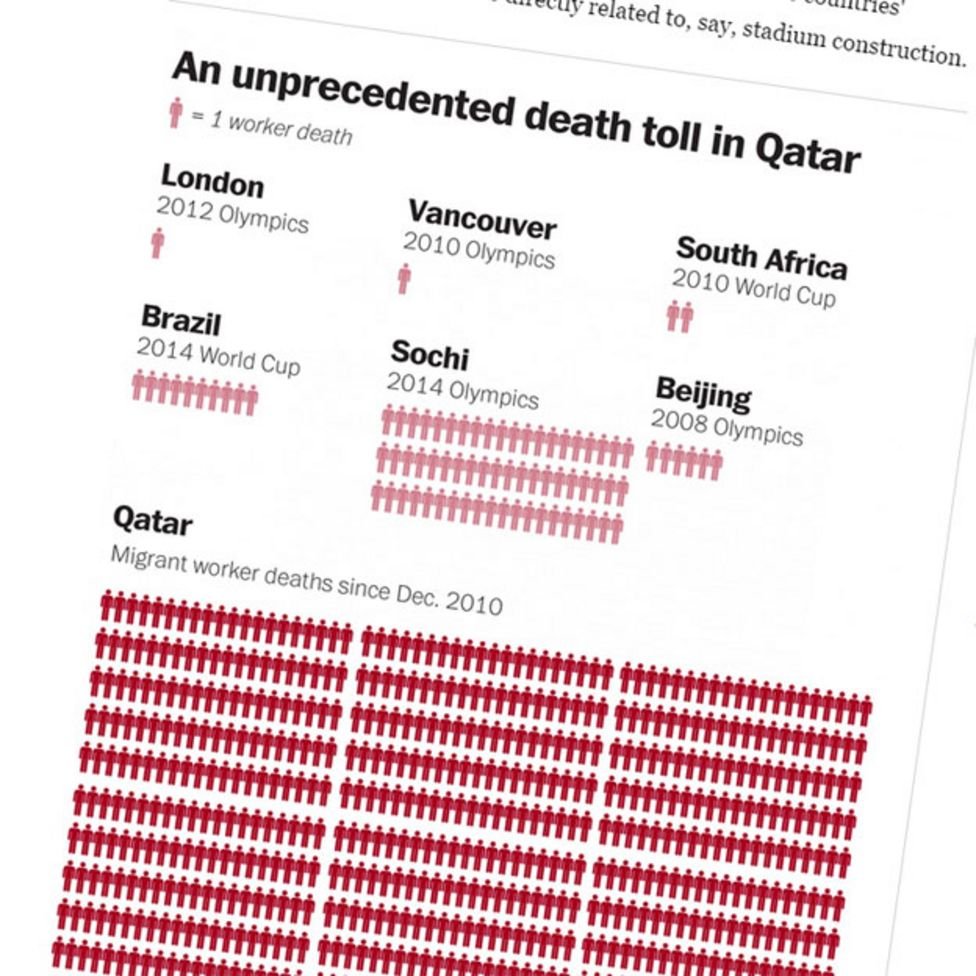
These numbers however deserve much more nuanced analysis than the headlines alone are able to convey.
So let's dig into the nuances of that startling 6,500 figure.
So let's dig into the nuances of that startling 6,500 figure.
Firstly, it includes only migrants from India, Nepal, Bangladesh, Sri Lanka and Pakistan.
Secondly, it includes *all* migrant deaths from those countries, whether adult or child, doctor or labourer, car crash or heart attack, etc.
Secondly, it includes *all* migrant deaths from those countries, whether adult or child, doctor or labourer, car crash or heart attack, etc.
A reminder that 2.6m of Qatar's 2.9 million population is made up of migrants (~90%).
Around 1.8 million are migrants from those five countries (~60%).
Around 1.8 million are migrants from those five countries (~60%).
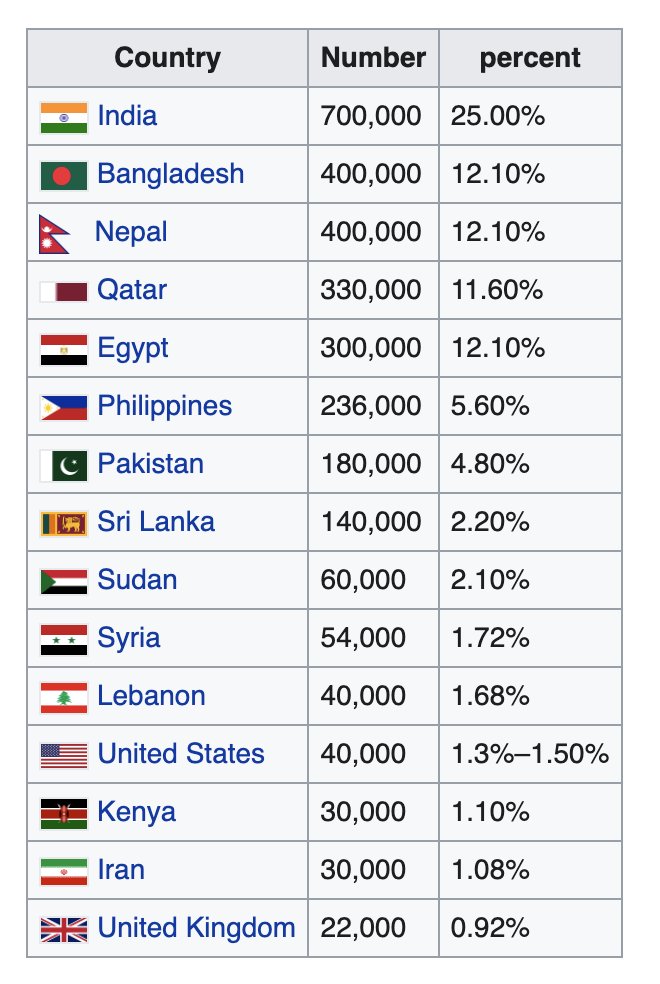
So how troubling are the reported death counts given this additional context?
@WesStephenson's article for the BBC in 2015 (regarding the ITUC's 1200 figure) discusses this...
@WesStephenson's article for the BBC in 2015 (regarding the ITUC's 1200 figure) discusses this...
"The Indian Government says: 'Considering the large size of our community, the number of deaths is quite normal.'"
"The point they're making is that there are ~0.5m Indian workers in Qatar, and about 250 deaths per year - and this, in their view, is not a cause for concern."
"The point they're making is that there are ~0.5m Indian workers in Qatar, and about 250 deaths per year - and this, in their view, is not a cause for concern."
"In fact, Indian government data suggests that in India you would expect a far higher proportion to die each year - not 250, but 1,000 in any group of 500,000 25-30-year-old men. Even in the UK, an average of 300 for every half a million men in this age group die each year."
The full article can be read here:
bbc.co.uk
bbc.co.uk
I have included this context because I had misconceptions about the top-level numbers before doing this research, and I imagine many others do too.
I absolutely do not mean to let Qatar off the hook for luring people from impoverished regions into conditions and...
I absolutely do not mean to let Qatar off the hook for luring people from impoverished regions into conditions and...
..circumstances that have been described by human rights activists as modern slavery, and often on false/exaggerated promises.
Back to the Guardian's 6,500 figure. In the article it states:
"There have been 37 deaths among workers directly linked to construction of World Cup stadiums, of which 34 are classified as 'non-work related' by the event’s organising committee."
theguardian.com
"There have been 37 deaths among workers directly linked to construction of World Cup stadiums, of which 34 are classified as 'non-work related' by the event’s organising committee."
theguardian.com
This aligns with the Qataris' claim that there have been only 3 at-work deaths on World Cup construction sites, and a further 34 "non-work related" deaths (deaths of World Cup workers that didn't take place during work).
However, how much can we trust these "official" numbers?
However, how much can we trust these "official" numbers?
The problem is that the quality of Qatar's record-keeping is questionable at best, horribly negligent at worst.
Max Tunon (International Labour Organisation) confirms the 3 known deaths on World Cup sites, but also says this is likely an underestimate and that...
Max Tunon (International Labour Organisation) confirms the 3 known deaths on World Cup sites, but also says this is likely an underestimate and that...
...Qatar's data collection needs to be significantly improved.
Many deaths are not investigated as they should be and autopsies not carried out. Subsequently, a huge amount of recorded deaths (80% of Indian deaths for example) have been registered as "natural causes".
Many deaths are not investigated as they should be and autopsies not carried out. Subsequently, a huge amount of recorded deaths (80% of Indian deaths for example) have been registered as "natural causes".
The ILO argues that if all the deaths had been investigated properly, it's highly likely that many more could be re-categorised as work-related.
Deaths from heart attacks / respiratory failure are not counted as work-related, even though these are common symptoms of heatstroke.
Deaths from heart attacks / respiratory failure are not counted as work-related, even though these are common symptoms of heatstroke.
To conclude this part of the thread, a horrific death count isn't necessary to say FIFA shouldn't have given this World Cup to Qatar.
The fact there was no existing infrastructure means FIFA should have been obliged to look into how they would build this infrastructure (imo).
The fact there was no existing infrastructure means FIFA should have been obliged to look into how they would build this infrastructure (imo).
At that point, the abusive migrant labour culture and the Kafala system would have been immediate red flags that should have ruled Qatar out as a possible World Cup host.
Not to mention their stance on homosexuality, which brings us to the final part of this mega-thread...
Not to mention their stance on homosexuality, which brings us to the final part of this mega-thread...
Homosexuality is actually illegal in Qatar, punishable by up to 3 years in prison. For muslims, it is said to be punishable by death under sharia law, although there's no evidence of this ever actually being enforced.
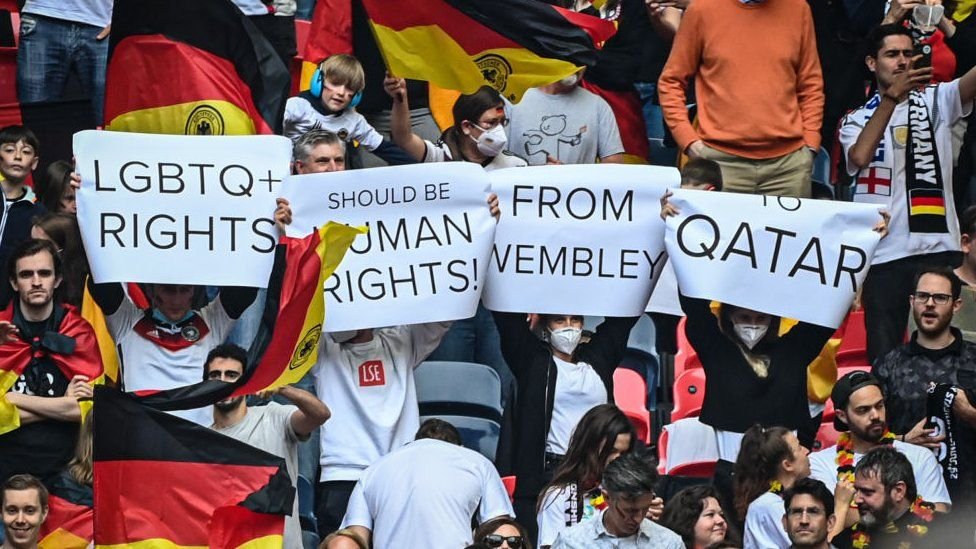
The messaging from Qatar's Supreme Committee in charge of the World Cup however has consistently been that all are welcome, as long as the culture is respected.
"Public displays of affection are not part of our culture, regardless of sexual orientation" says Hassan Al Thawadi.
"Public displays of affection are not part of our culture, regardless of sexual orientation" says Hassan Al Thawadi.
They have also said they will allow rainbow flag displays.
This may all be true, but it's just not sufficient for much of the LGBTQ community. For many, travelling to a country with the laws and mindset of Qatar will never feel safe.
This may all be true, but it's just not sufficient for much of the LGBTQ community. For many, travelling to a country with the laws and mindset of Qatar will never feel safe.
The organisers have given assurances that LGBTQ people can come over, enjoy the tournament and feel safe.
But just last week former Qatari footballer Khalid Salman publicly described homosexuality as "a damage of the mind".
But just last week former Qatari footballer Khalid Salman publicly described homosexuality as "a damage of the mind".
When this kind of mindset is so deeply rooted in the culture of the country, it's perfectly understandable why many feel their safety cannot be guaranteed at this World Cup.
It's important to note that many of the same concerns were expressed before the Russia World Cup in 2018.
It's important to note that many of the same concerns were expressed before the Russia World Cup in 2018.
Di Cunnungham of @3Lionspride (a fan group for LGBTQ England fans) says the group travelled to Russia, but will not be going to Qatar, citing safety concerns and unchallenged public demonising of LGBTQ people from prominent members of the establishment.
The safety concerns gain even more validity when you see what some LGBTQ people have suffered in Qatar in just the last few years...
"Human Rights Watch report that the Qatar Preventive Security Department forces have arbitrarily arrested LGBTQ people and subjected them to ill-treatment, with six cases of severe and repeated beatings and five cases of sexual harassment in police custody between 2019 and 2022."
This is as reported by @MiguelDelaney in his excellent article on "Everything wrong with the Qatar World Cup".
independent.co.uk
independent.co.uk
As well as Qatar's abusive migrant labour culture, I think their stance on homosexuality should also have ruled them out as a possible World Cup host.
Thomas Beattie, a former professional footballer who came out in 2020, puts it perfectly...
Thomas Beattie, a former professional footballer who came out in 2020, puts it perfectly...
"Awarding the privilege of hosting a global foreign event to nations which embody this mindset is really damaging to my community, especially because you kind of send this message that we’re a secondary thought and we don’t really matter."
Many people retort with "respect the culture of the country you're in".
This is good advice to an extent. But when that culture is actively oppressing a whole sub-section of society, that goes beyond what we should deem to be acceptable.
This is good advice to an extent. But when that culture is actively oppressing a whole sub-section of society, that goes beyond what we should deem to be acceptable.
What's funny is I keep hearing about Qatar's tradition for hospitality.
They pride themselves on it, and it is partially true, but seemingly not if you're homosexual, trans, or from impoverished regions of South Asia and Western Africa...
They pride themselves on it, and it is partially true, but seemingly not if you're homosexual, trans, or from impoverished regions of South Asia and Western Africa...
To boast about amazing hospitality when many of their migrant labourers are living in squalor would almost be laughable if it wasn't so tragic.
I am optimistic that the event will pass without any hate-fuelled incidents, and I am certain the aesthetics of the event will be stunning.
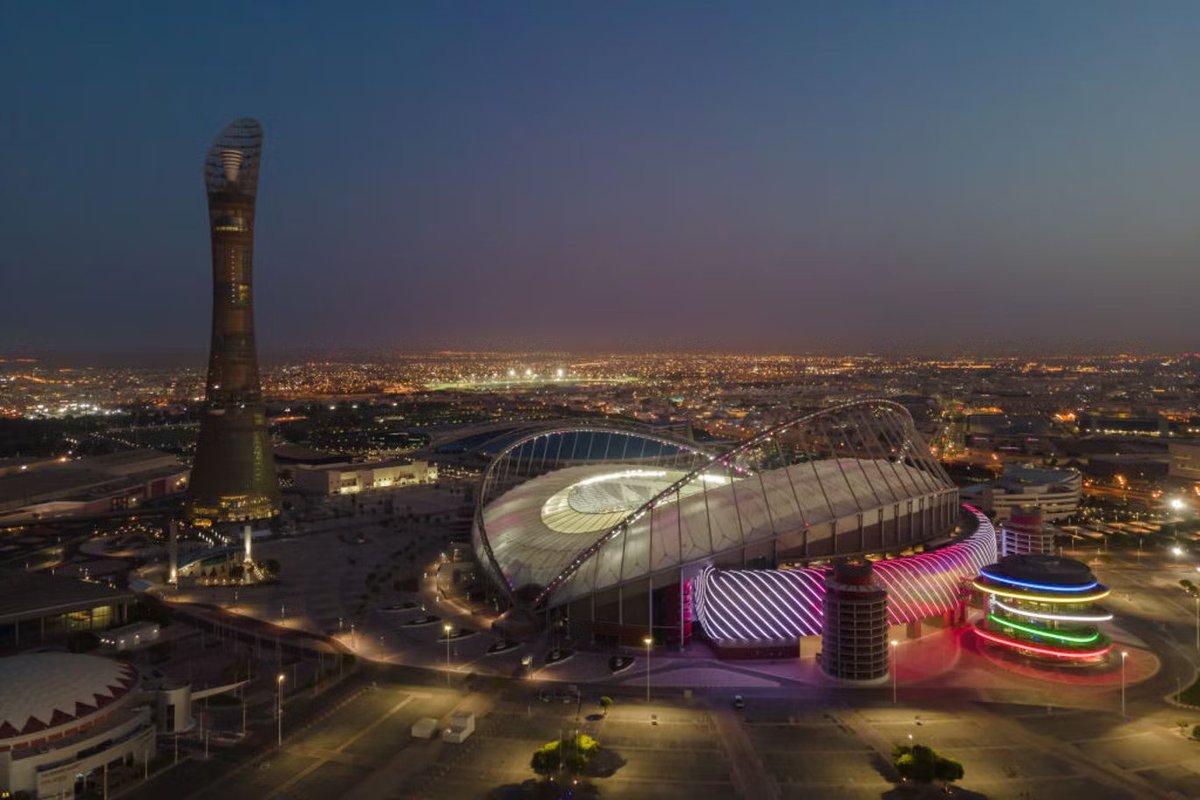
But I am also conscious that that may be the whole point. "Sportswashing" is about using sport as a sort of PR vehicle to project a more positive image of a country.
We need to make sure that the shiny distractions don't make us forget about the controversies of this World Cup.
We need to make sure that the shiny distractions don't make us forget about the controversies of this World Cup.
To wrap things up, should you feel guilty about watching this World Cup?
Not for me. The World Cup comes once every 4 years and is one of the biggest and best events in all of sport. It's almost certainly Messi & Ronaldo's last WC, and my own country's first in 64 years!
Not for me. The World Cup comes once every 4 years and is one of the biggest and best events in all of sport. It's almost certainly Messi & Ronaldo's last WC, and my own country's first in 64 years!
It’s not your fault or mine that it was awarded to a state that was not in a position to build the necessary infrastructure in a humane way.
That’s on the FIFA executives who voted for it, whether they had their votes bought, or whether they overlooked the blatant red flags.
That’s on the FIFA executives who voted for it, whether they had their votes bought, or whether they overlooked the blatant red flags.
Just don’t forget about what thousands of migrant workers have endured to make this event a reality.
And don’t forget that hospitable attitudes whilst the world is watching are unlikely to be maintained for LGBTQ+ people in Qatar when this is all over.
And don’t forget that hospitable attitudes whilst the world is watching are unlikely to be maintained for LGBTQ+ people in Qatar when this is all over.
If you made it this far, thanks for reading!
I hope this gave you some additional context/knowledge to help you cement your own opinions on the situation.
Here are some of the brilliant sources I used for this research (in addition to what I already linked to in the thread)...
I hope this gave you some additional context/knowledge to help you cement your own opinions on the situation.
Here are some of the brilliant sources I used for this research (in addition to what I already linked to in the thread)...
What is Kafala by @TifoFootball_
youtube.com
Plus Tifo's whole World Cup playlist
youtube.com
Plus Tifo's latest "World Cup Explained" series
youtube.com
youtube.com
Plus Tifo's whole World Cup playlist
youtube.com
Plus Tifo's latest "World Cup Explained" series
youtube.com
"How has Qatar treated foreign workers?"
bbc.co.uk
"This is why the World Cup 2022 in Qatar is controversial" by @TheAthleticFC
theathletic.com
The Disgraces of World Cup Qatar 2022
youtube.com
bbc.co.uk
"This is why the World Cup 2022 in Qatar is controversial" by @TheAthleticFC
theathletic.com
The Disgraces of World Cup Qatar 2022
youtube.com
Gary Neville’s Countdown to Qatar @GNev2
youtube.com
Inside the Qatar World Cup by @FootballRamble
stak.london
youtube.com
Inside the Qatar World Cup by @FootballRamble
stak.london
Loading suggestions...